Fresh flour, sweet aromas, and a low-key studio vibe.
This adult French pastry and bakery class in Kerobokan is built for hands-on learning, small groups, and real technique—not just following a worksheet. I like that you get personal attention (the lesson size is kept small), and you also get the kind of instruction that focuses on why things work, plus how to fix them when they don’t. One thing to consider: it’s weather-dependent, so you’ll want flexibility if plans shift.
In 2 hours, you’ll cover practical basics like flour, fats, and leavening, then move into dough, creams/ganache, fillings, shaping, and decorating. The class also leans toward creativity, including presentation of tarts, and it’s taught in a way that encourages you to take ownership of your final pastries.
In This Review
- Key Highlights You’ll Actually Feel in the Class
- A Small Seminyak Session That Still Feels Like Real Training
- What You Learn in the 2 Hours: More Than Recipes
- The Most Valuable Part: Troubleshooting (So You Improve Fast)
- Guided by Romain (Romano): The Teaching Style That Leads to Better Results
- What You Actually Make: Dough, Fillings, Tarts, and More
- Step-by-Step Flow Inside the Studio (No Guesswork)
- What’s Included (and Why It’s a Big Deal)
- Price and Value: Is $35.26 a Fair Deal?
- Who This Adult Pastry Class Is For (and Who Might Want Something Else)
- Getting There in Kerobokan: Simple, Local, and Practical
- Should You Book This Kerobokan Pastry Class?
- FAQ
- How long is the pastry class?
- How many people are in the class?
- What is included with the ticket?
- Is transportation included?
- Does the class run in any weather?
- Are service animals allowed?
- What are the cancellation rules?
Key Highlights You’ll Actually Feel in the Class
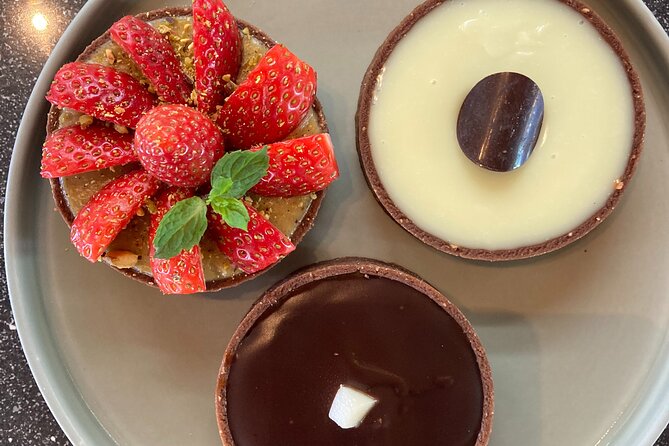
- Small-group focus helps you get more than just a quick demo
- Technique-first teaching covers dough, creams, ganache, shaping, and piping-style decorating
- Troubleshooting baked in so you learn how to avoid common pastry problems
- French pastry skills with a modern twist, including flavor-combo thinking
- You eat or take home what you make, plus packaging is provided
A Small Seminyak Session That Still Feels Like Real Training
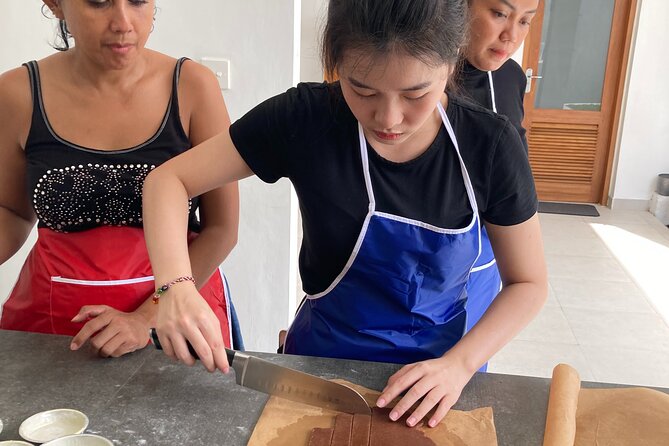
Seminyak and Kerobokan can be busy and touristy, but this class is different because it stays practical and close-up. The setup is designed for adults who want more than a one-time “fun activity.” You’re not just sampling sweets—you’re learning a set of skills you can reuse later.
The best part for me is the personal attention angle. The class is described as max 8 per lesson for tailored guidance, and the activity cap is listed as up to 10 travelers. Either way, the takeaway is the same: you’re unlikely to be lost in a crowd.
You can also read our reviews of more tours and experiences in Seminyak.



What You Learn in the 2 Hours: More Than Recipes
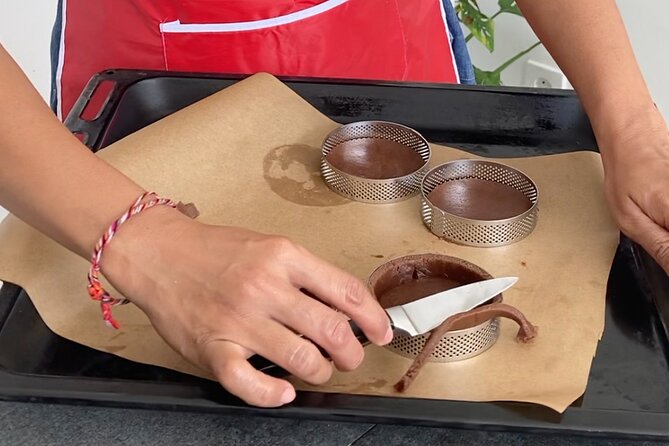
The course promise isn’t vague. You’re taught the basics of pastry making, then you’re guided through the parts that usually trip people up.
Here’s what that means in real, useful terms:
- You learn how different ingredients behave, including types of flour, fats, and leavening agents. This matters because pastry isn’t just about taste. It’s about texture.
- You practice core components: making different types of dough and building fillings like custards, creams, fruits, and nuts (based on what the class covers).
- You work on decorating and presentation skills, including piping and layering techniques. Even if you’re not confident, you’ll be shown how to structure a good finish.
- You get flavor and presentation practice. The class may include themed directions and ingredient ideas, including seasonal ingredients or exotic flavor combinations.
If you’ve ever had a dessert turn out good but not repeatable, this is the kind of teaching that helps it “click.”
The Most Valuable Part: Troubleshooting (So You Improve Fast)
A lot of baking classes teach you what to do. This one also teaches what can go wrong—and how to keep it from happening again.
You’ll cover common pastry issues and learn how to avoid them in the future. That’s not just comforting. It saves money and time at home, because you’ll know what to adjust when your dough feels off, your cream behaves oddly, or your pastry doesn’t set the way it should.
This is also where small-group teaching helps. If something isn’t working, you can ask questions and get fixes while you’re still in the process, not after everything is baked and cooled.
Guided by Romain (Romano): The Teaching Style That Leads to Better Results
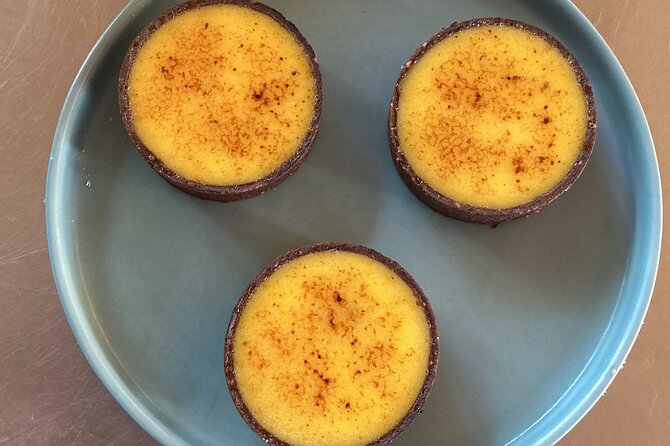
Two separate reviews highlight the same theme: the instructor is eager to share and really listens.
One feedback notes that Romano is very knowledgeable and happy to share what he knows. Another mentions Romain as attentive and encouraging, especially when it came to presenting tarts creatively. Translation for you: the lesson isn’t about perfection. It’s about learning technique and letting you make choices with your own style.
So if you want a class where you can ask questions without feeling rushed, this one matches that vibe. And if you care about presentation (even just for photos), you’ll likely feel supported to go beyond a basic look.
What You Actually Make: Dough, Fillings, Tarts, and More
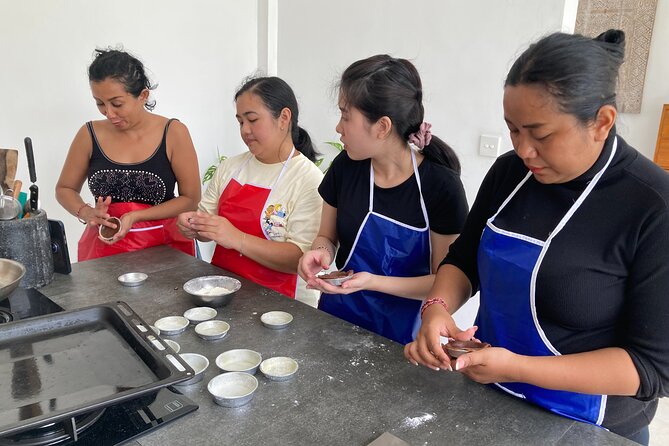
The class covers a wide range of pastry types in its description: pastries, pies, tarts, cookies, and cakes, with dough, fillings, toppings, and decorating skills.
What I’d expect as a practical learner is that you’ll spend most of your time on the building blocks:
- dough creation and handling
- cream/ganache style components
- filling choices
- shaping
- finishing work like decorating and piping
The “French” part matters because these are the classic skill categories that sit under lots of French-style desserts. The modern part comes from the way the class encourages flavor experimentation and presentation choices, not strict imitation.
Also, there’s mention that you can explore specialty themes or ingredients—so the day’s focus might shift. That’s a plus if you like novelty, and it’s a small minus if you’re chasing one exact dessert and want zero surprises. Still, the fundamentals stay the same.




Step-by-Step Flow Inside the Studio (No Guesswork)
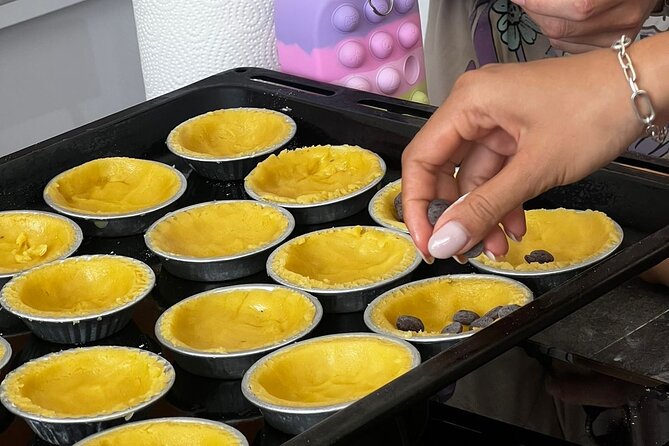
There’s no formal “tour stops” outside the studio area, but you can think of the session as a smooth sequence:
- Welcome and fundamentals
You start with an understanding of pastry basics: ingredient behavior and key techniques.
- Hands-on dough and core components
You work with dough types and the materials that give structure.
- Fillings, creams, and ganache work
You build the inside layers—creams, custards, and other filling options depending on the lesson focus.
- Shaping and decorating
You practice how pastries are formed and finished, including piping and layering.
- Experimenting and flavor/presentation choices
This is where your creativity comes in, especially with tart presentation.
- Troubleshooting and wrap-up
You learn how to correct common issues so your next attempt improves faster.
At the end, the experience finishes back at the meeting point.
What’s Included (and Why It’s a Big Deal)
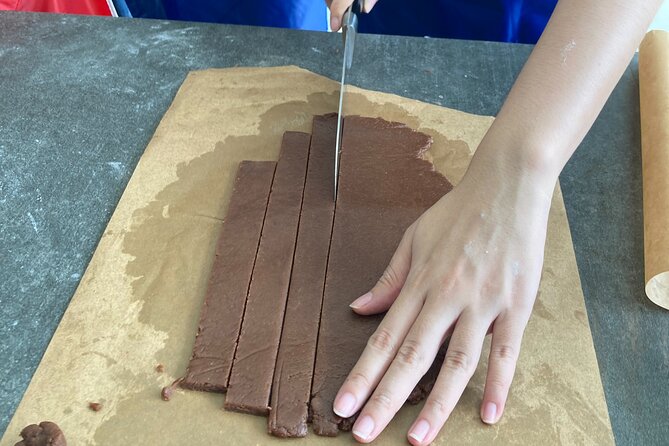
This class is priced to cover the full creative mess—so you don’t have to think about ingredients, tools, or cleanup.
Included items:
- Everything needed to bake and make your creation
- Fresh mineral water (they provide a water gallon)
- Packaging, plus an apron
- Ingredients and your cake to eat now or bring home
The packaging detail is underrated. It’s the difference between “I made something” and “I can actually bring my pastry home in one piece.” If you’re planning to move around Bali after the class, being able to take your dessert with you matters.
Price and Value: Is $35.26 a Fair Deal?
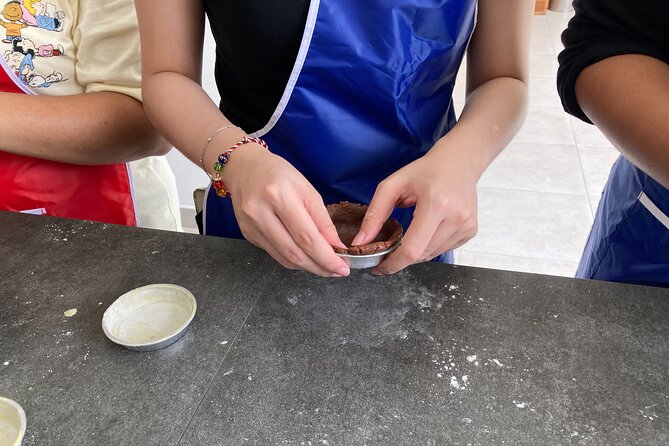
At $35.26 per person for about 2 hours, you’re not paying for an expensive “show.” You’re paying for instruction, ingredients, and the convenience of being guided through real technique with everything provided.
Here’s where value usually lands for a class like this:
- If you’re a beginner, you benefit because you’ll learn ingredient logic and avoid trial-and-error waste.
- If you’re intermediate, you get coaching on technique points like shaping, decorating, and troubleshooting.
- If you’re traveling with friends, small-group attention makes the class feel more like a shared workshop than a factory line.
Compared to the cost of buying ingredients and taking a weekend to experiment at home, this kind of structured lesson is usually a better deal—especially if you want repeatable results, not just one tasty outcome.
Who This Adult Pastry Class Is For (and Who Might Want Something Else)
This class is a strong fit if you:
- want a hands-on French pastry-style skill builder
- enjoy decorating and want encouragement to present your treats creatively
- like structured learning where you can ask questions and fix mistakes during the process
- are traveling with adults or friends and want a small, friendly group activity
It may be less ideal if you:
- need a very specific pastry type every time (since classes can include themed ingredients and seasonal variations)
- hate weather-dependent activities (the experience requires good weather)
If you’re the type who likes learning “how it works,” you’ll probably enjoy this more than a casual cooking demo.
Getting There in Kerobokan: Simple, Local, and Practical
The meeting point is in Kerobokan Kaja, and the activity ends back at the same location. Transport isn’t included, so you’ll want to plan how you’ll get there on your own.
Good news: the activity is listed as near public transportation. That helps if you prefer not to rely only on rideshare or private drivers.
Also, you’ll have a mobile ticket. If you like staying organized during travel, that’s convenient.
Should You Book This Kerobokan Pastry Class?
I’d book it if you want a small-group, technique-focused pastry lesson where creativity is encouraged and where the instruction goes beyond recipes. The instructor’s style—sharing knowledge, staying attentive, and encouraging better presentation—shows up clearly in the feedback.
If your schedule is tight or you’re worried about weather timing, build in some flexibility. But if you can match a 2-hour slot on a decent day, this is the kind of Bali activity that leaves you with skills and something tasty to take home—not just a fun photo.
FAQ
How long is the pastry class?
The class runs for about 2 hours.
How many people are in the class?
It’s described as having maximum 8 people per lesson for personalized attention, and the activity listing also notes a maximum of 10 travelers.
What is included with the ticket?
Everything needed to bake and make your creation is provided, along with fresh mineral water. Packaging and an apron are included, and you’ll have your cake to eat now or bring home.
Is transportation included?
No. Transport is not included.
Does the class run in any weather?
The experience requires good weather. If it’s canceled due to poor weather, you’ll be offered a different date or a full refund.
Are service animals allowed?
Yes, service animals are allowed.
What are the cancellation rules?
You can cancel for free up to 24 hours in advance for a full refund. If you cancel less than 24 hours before the start time, the amount paid is not refunded.