Bali’s volcano waters change the mood fast. This Ubud and hot-springs tour strings together Tirta Empul water rituals, dramatic Kintamani crater lunch views, and a real soak in warm springs. It’s a long day, but the stops feel like they connect rather than just hopping around.
I especially like how the day blends culture (Ubud Palace and Ubud market) with body-and-mind downtime at Toya Bungkah hot springs. I also love the Bali Temen Coffee Plantation visit, because it turns your coffee curiosity into a walk-through of how the product is grown and sold. One thing to plan for: lunch is described as a buffet stop, but lunch is also listed as not included—so check what’s actually covered before you go, and pack your swimwear and a change of clothes.
In This Review
- Key takeaways before you go
- A 10-hour Bali loop: temples, crater views, and hot springs
- Morning in Ubud: palace courtyard and market time
- Tirta Empul Temple: water rituals and what purification means
- Kintamani buffet lunch with a crater view
- Toya Bungkah hot springs: soak strategy and comfort tips
- Bali Temen Coffee Plantation: from farm to premium pricing
- Tegalalang Rice Terrace viewpoints: why these steps took time
- Ubud Palace and market again: how the day lands
- Price and logistics: is $50 worth it?
- Guides make the difference: Agung, Made Sucita, Dekwan Selem Gis
- Who this tour is best for (and who should skip it)
- Should you book Ubud & Volcano Hot Springs Tours?
- FAQ
- How long is the tour?
- Is lunch included?
- What languages is the tour guide available in?
- What should I bring to the tour?
- Is the tour suitable for pregnant women?
- What’s included in the price?
Key takeaways before you go
- A rare mix of temple water and hot-spring time in one smooth Ubud-and-volcano circuit
- Crater-view buffet lunch at Kintamani, timed to match the scenery
- Toya Bungkah soaking in natural wading pools, which feels more local than a standard pool
- Coffee-plantation learning at Bali Temen, with a focus on how premium coffee is grown and marketed
- Tegalalang Rice Terrace viewpoints that show why these steps of green took so long to build
- Guides with real personality, including Agung, Made Sucita, and Dekwan Selem Gis in past tours
A 10-hour Bali loop: temples, crater views, and hot springs
This is built as a full-day circuit—roughly 10 hours from hotel pickup to drop-off—so you should treat it like your main “sightseeing day,” not a quick add-on. The itinerary has enough variety to keep it interesting: sacred water at a temple, a scenic lunch over the Kintamani area, then relaxation at a natural hot spring, followed by coffee and rice-terrace views.
The best part is the rhythm. You’re not only moving; you’re also getting breaks where it makes sense—especially the time to soak your muscles after temple walking and sightseeing.
You can also read our reviews of more tours and experiences in Bali.
Morning in Ubud: palace courtyard and market time
The day starts in Ubud with stops at Ubud Palace and the Ubud market. Even if you’re not chasing shopping, the market is a fast way to understand daily life in the area—what people actually buy, carry, and bargain for, and how the town stays grounded in routine rather than only tourism.
Ubud Palace adds a different feel. It’s the residence of the royal family of Ubud and is still used for important local events, so it’s not just a museum stop. You get a sense of continuity: heritage here isn’t frozen behind glass.
Practical tip: wear comfortable shoes. Even if the pace feels guided, Ubud walking can add up, and the day later includes a hot-spring stop where you’ll want to feel steady and unhurried.
Tirta Empul Temple: water rituals and what purification means

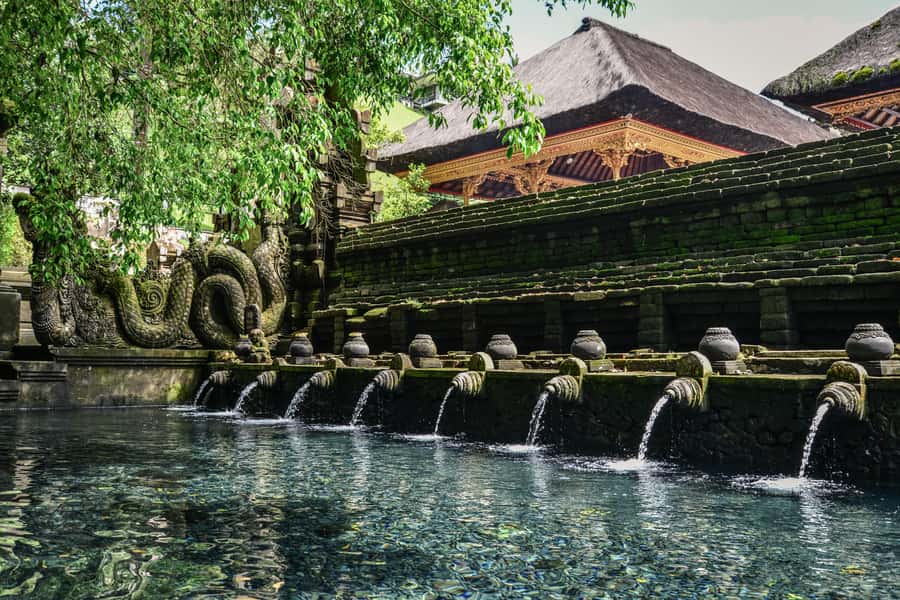
Tirta Empul is one of the tour’s core experiences. The temple is known for water thought to have purifying properties, and it’s described as being close to the country’s presidential palace, which gives the whole setting an interesting contrast—quiet ritual space beside modern political prominence.
What you’ll likely appreciate here is the way the water ritual frames the day. It’s not just a photo stop. The whole point is the idea of cleansing and renewal, and the temple’s water scene creates a calm anchor before you move into the volcano views and hot-spring relaxation later.
Tip for visiting: pack sunglasses and a sun hat. Even when the temple atmosphere is still, Bali sun is real, and the day has outdoor stretches.
Kintamani buffet lunch with a crater view
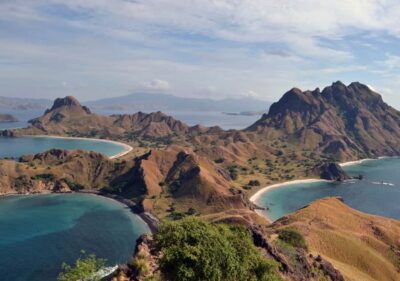
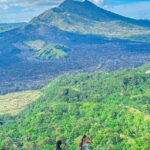
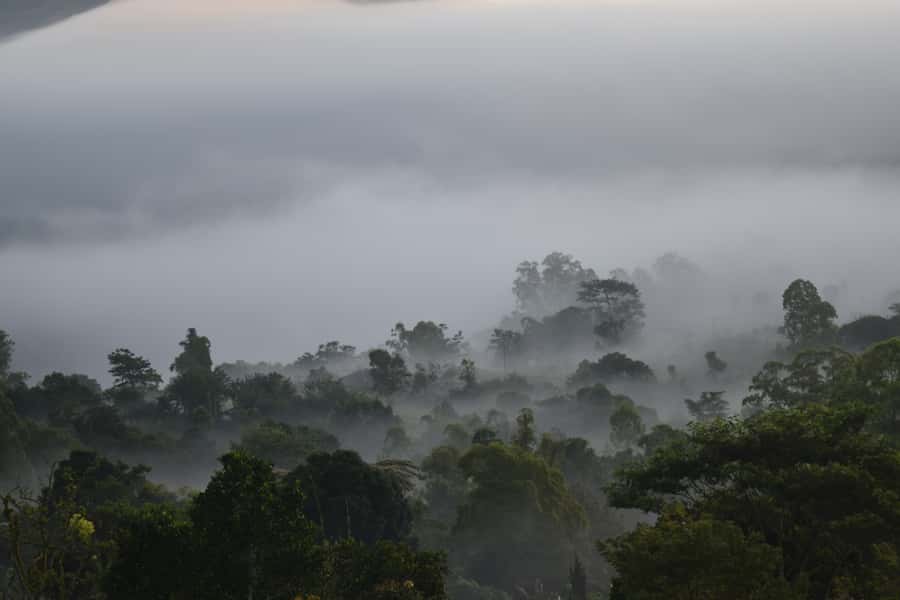
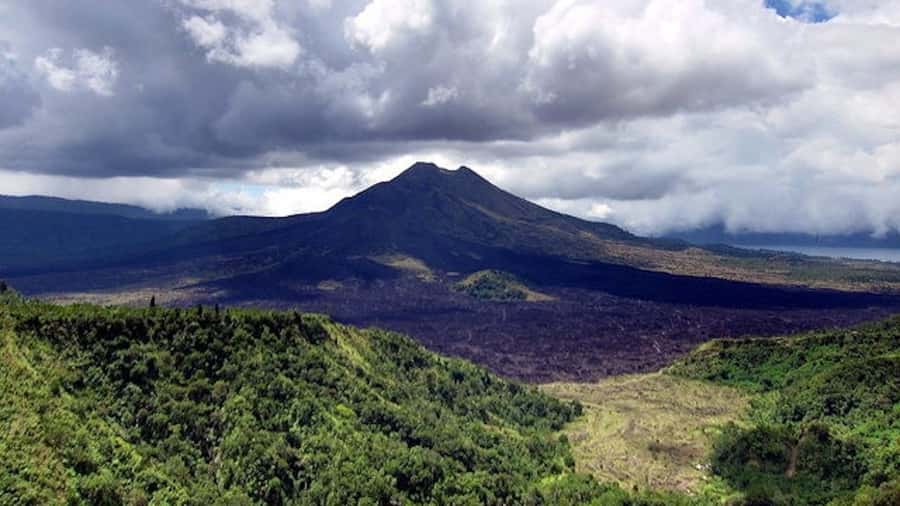
Next comes a buffet lunch in the Kintamani volcanic area, overlooking the crater. The views matter here because Kintamani isn’t a generic scenic stop—it’s tied to the geography of a massive eruption thousands of years ago, so the crater perspective feels “earned,” not just pretty.
Lunch is also where you’ll want to manage expectations. The experience description talks about a delicious buffet lunch, but the activity details list lunch as not included. That doesn’t mean there’s no lunch stop. It means you should confirm whether lunch is included in your exact booking price, so you don’t get surprised when you’re hungry.
Either way, this is a smart timing choice. Eating while you can see the volcanic crater gives the day a sense of scale—why the hot springs make sense in the first place.
Toya Bungkah hot springs: soak strategy and comfort tips
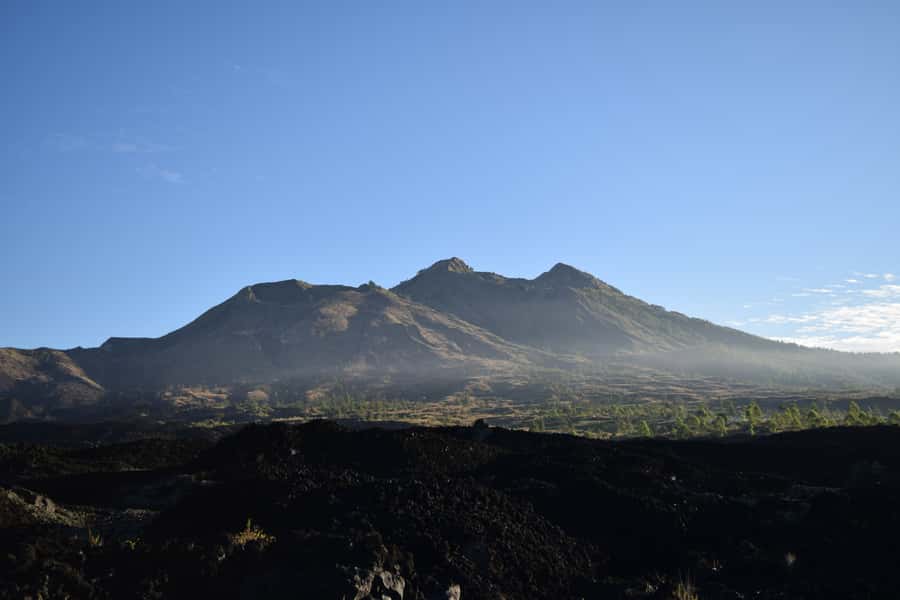
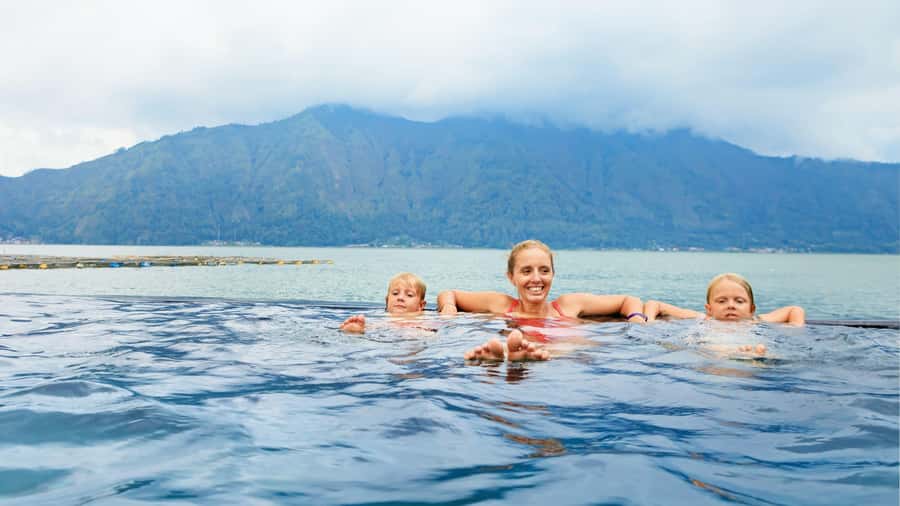
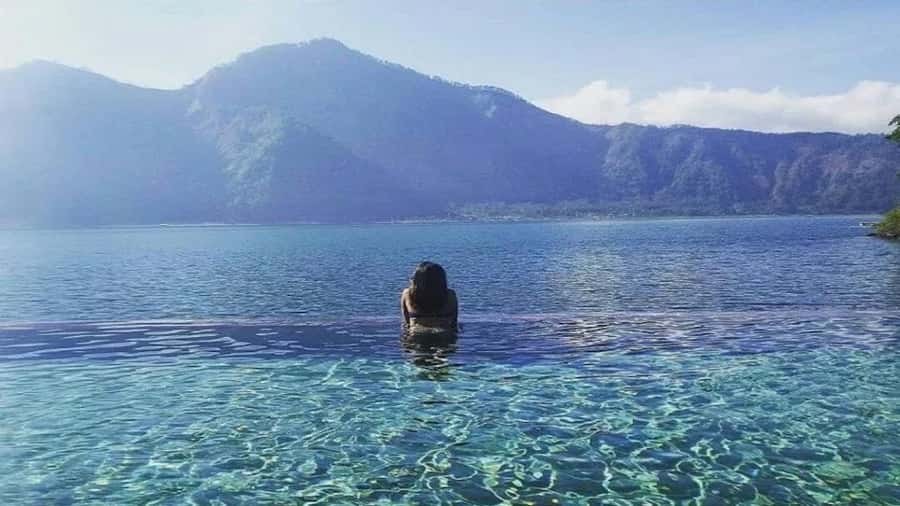
Then you shift from sightseeing energy to soak energy at Toya Bungkah, where warm natural spring waters are used in areas with many wading pools. This is a key change of pace. It’s not a rushed bathroom break; it’s a chance to loosen up after temple and terrace walking.
Because the waters are natural and the pools are designed for wading and soaking, your comfort matters more than you’d think. Bring swimwear plus a change of clothes, as requested. If you plan to take photos, also consider keeping your camera protected—being near water means damp air and splashes.
Not recommended for everyone: the tour isn’t suggested for pregnant women, and it’s also not listed as wheelchair-friendly. If mobility is a question, it’s worth thinking carefully about the temple-to-hot-spring transitions and time spent walking between areas.
Bali Temen Coffee Plantation: from farm to premium pricing
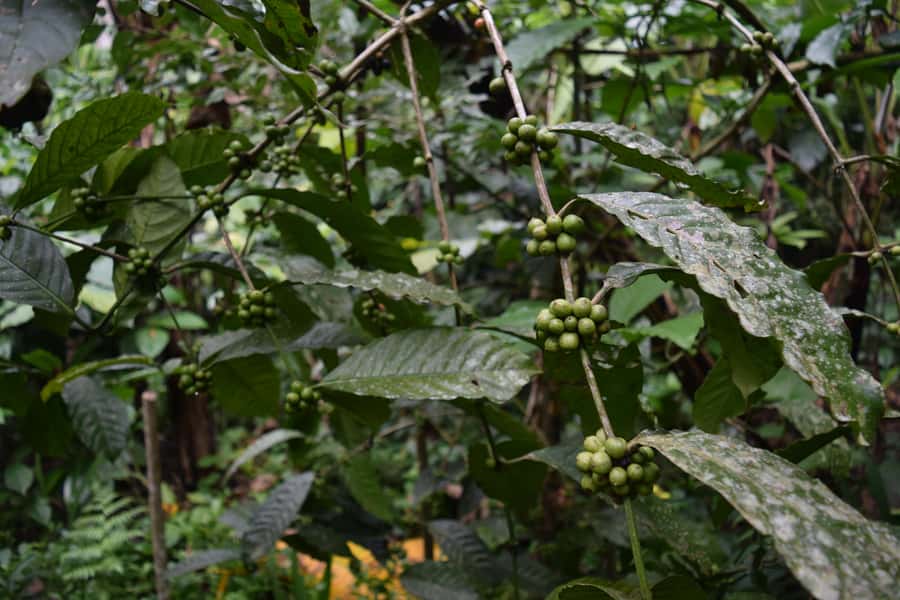
Coffee lovers tend to enjoy this stop because it adds context. At Bali Temen Coffee Plantation, you learn how some of the world’s most expensive coffee is grown, produced, and sold—so you’re not just tasting or buying. You’re getting the story behind the price.
The plantation setting also helps. You’ll be in the countryside with time to slow down and look around, so it doesn’t feel like another indoor activity. You get a sense of how the product connects to the place it comes from.
Quick advice: ask your guide what makes the coffee special. With the right guide, you can turn a general plantation walk into a practical understanding of the growing and production chain.
Tegalalang Rice Terrace viewpoints: why these steps took time
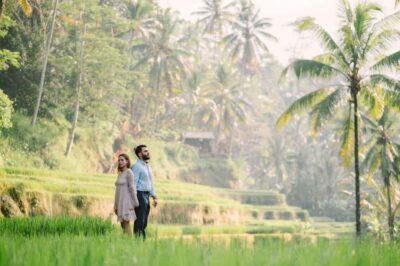
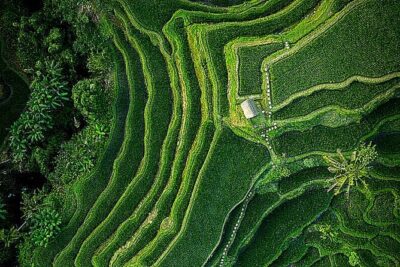
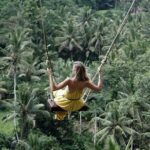
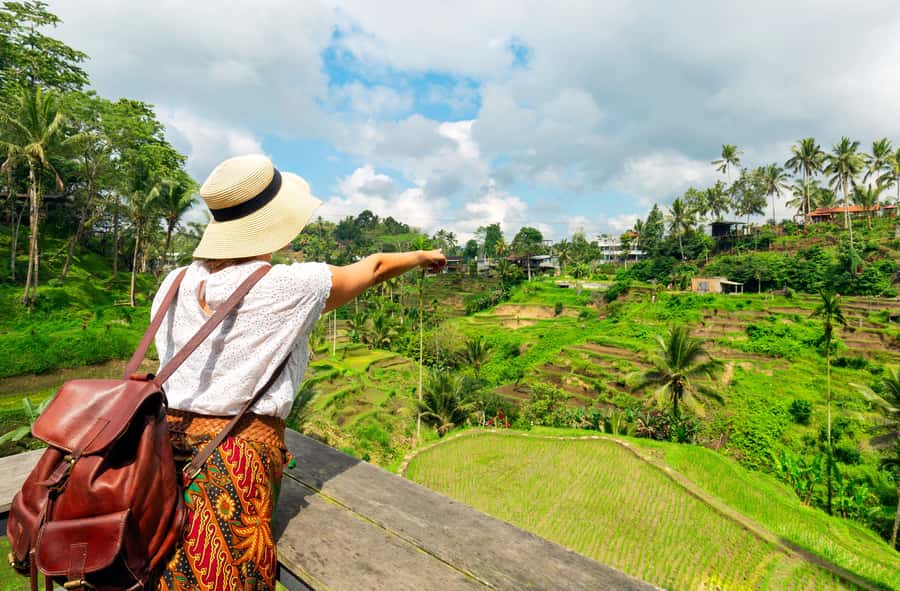
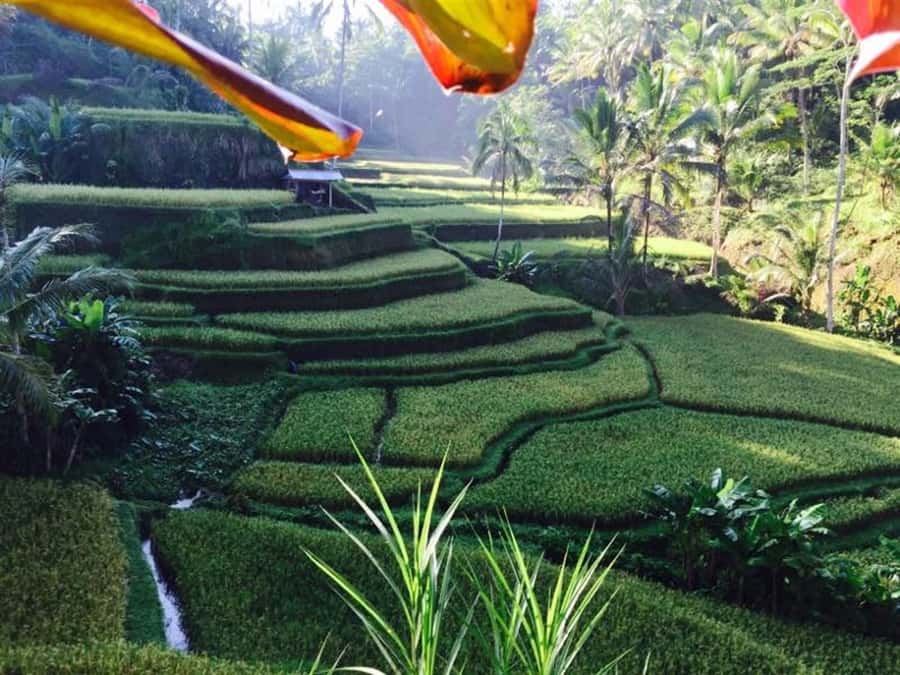
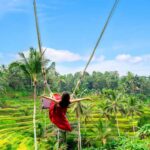
After coffee, the tour heads to Tegalalang Rice Terrace for big views of local rice paddies. These terraces took decades to build, and that detail is the whole point: the “green scenery” is actually a long-term project in how rice is grown and produced as a staple.
This stop is best when you look past the obvious photos. Try to notice the structure—the stepped layout and how it supports water flow for cultivation. That’s what makes it feel like more than a scenic overlook.
Bring what you’ll need for outdoor time: sun hat, sunglasses, and water. The terraces can be sunny, and you’ll likely be stopping for sightlines more than you’re moving.
Ubud Palace and market again: how the day lands
Near the end of the day, you return to Ubud Palace and Ubud market. For me, the second look (or simply the final chance to explore) makes the earlier stops click. You have more context now—what you saw in the market is easier to interpret, and the palace setting feels less like a random attraction and more like a living part of Ubud.
If you’re the type who likes a quick souvenir, this is the moment to do it. If you’re not shopping, you can still use the market area to people-watch and get your bearings for your remaining time in Ubud.
Price and logistics: is $50 worth it?
At $50 per person for an about 10-hour day, the value is in the combination: hotel pickup/drop-off, air-conditioned transport, entrance ticket coverage, and an English-speaking guide. On many Bali itineraries, you’d pay separately for transport and multiple entrance fees, so bundling them into one guided day can make financial sense.
There are two things you should verify before you decide:
1) Lunch inclusion. The day includes a crater-view buffet lunch stop, but lunch is also listed as not included. If your booking doesn’t cover lunch, budget extra.
2) What’s included in your entrance tickets. The activity says entrance tickets are included, so confirm it matches the places you want most.
Also: this tour includes insurance and parking/petrol, which sounds boring until you’re tired and just want the day to run smoothly.
Guides make the difference: Agung, Made Sucita, Dekwan Selem Gis
One of the strongest parts of this experience is the human factor. In past tours, guides like Agung have stood out for sharing thoughtful insights and making the day feel well explained. Made Sucita is noted for being friendly and giving solid advice on what to see around Ubud. And Dekwan Selem Gis has been praised for adapting to needs, staying respectful, and also sharing context from his background around Balinese culture and Mount Batur.
You can’t control which guide you’ll get, but you can control how you engage. If something catches your interest—coffee, temple water rituals, Balinese culture—ask a question. A good guide turns “look, there it is” into “I understand why it matters.”
Who this tour is best for (and who should skip it)
This tour fits you if you want a single day that balances culture, scenery, and relaxation without planning each stop. It’s also a good choice if you like a guided structure—pickup, the key points of Ubud, a volcano-area meal view, a real soak, then countryside viewpoints.
You might want to skip or rethink it if:
- You’re pregnant (the tour says it’s not recommended)
- You use a wheelchair (it’s not suitable for wheelchair users)
- You don’t do well with long sitting and walking on a full day (because this is a 10-hour loop with multiple stops)
If you travel with kids, this could work if everyone can handle temple etiquette and the hot-spring swim time, but the tour details don’t specify kid-friendly pacing—so plan based on your family’s comfort level with long days.
Should you book Ubud & Volcano Hot Springs Tours?
I’d book this if you want a classic Bali “mix” day: Ubud culture, Tirta Empul’s water ritual theme, a Kintamani crater lunch view, and Toya Bungkah soaking—then you end with coffee and rice terraces for the countryside feel.
Before you pay, do three quick checks:
- Confirm whether lunch is actually included in your booking price (the details conflict, so it’s worth verifying).
- Pack your swimwear and a change of clothes for Toya Bungkah.
- Decide if the day length and the not-recommended-for-pregnancy / not-wheelchair-friendly notes work for your situation.
If those boxes fit, this is a strong value way to see more of Bali’s “why”—how volcanic geology ties into hot springs, how Ubud culture shapes daily life, and how coffee and rice connect to the island’s routines.
FAQ
How long is the tour?
The duration is about 10 hours. Starting times can vary, so you’ll want to check availability for the schedule offered.
Is lunch included?
Lunch is listed as not included, but the experience also mentions a buffet lunch overlooking the Kintamani volcanic crater area. Check your booking details to confirm what you’ll be paying for.
What languages is the tour guide available in?
The tour provides a live guide in English, Korean, and Indonesian.
What should I bring to the tour?
Bring comfortable shoes, sunglasses, a sun hat, swimwear, and a camera. You should also bring a change of clothes for the hot springs.
Is the tour suitable for pregnant women?
It’s not recommended for pregnant women.
What’s included in the price?
Included are an English-speaking guide, hotel pickup and drop-off, transport by air-conditioned vehicle, parking and petrol costs, entrance ticket, and insurance.