A scooter lesson can save your Bali days. This Kuta Seminyak scooter training turns you from a passenger into someone who can rent a scooter with real confidence. I especially liked the step-by-step progression and the calm, hands-on coaching from instructors such as Raffi and Dio.
One thing to consider: this is still Bali traffic, so you need a patient mindset as you go from quiet practice to busier roads. The good news is you’ll get guidance on street flow and even how to avoid trouble with police.
In This Review
- Key Highlights
- Scooter Skills for Bali: Why This 2-Hour Lesson Matters
- From Bike to Scooter: How the Training Works in Canggu
- Road Rules and Police Avoidance Tips You’ll Use Right Away
- Price and Logistics: Is $52 Actually Good Value?
- Getting There and Where You’ll Practice (Seminyak and Canggu)
- What to Expect on the Road: Confidence Without Chaos
- Who This Lesson Suits Best (and Who Might Want Another Plan)
- Should You Book Kuta Seminyak Scooter Lessons? My Call
- FAQ
- How long is the scooter lesson?
- Where does the lesson start and end?
- What’s included in the price?
- What’s not included?
- Is this lesson private?
- What happens if the weather is bad?
Key Highlights
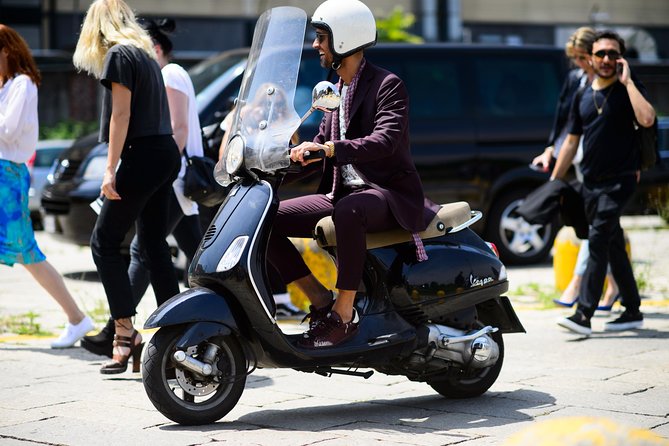
- Bike-first approach: you start on a powered bike to learn balance and control before the scooter.
- Patient instructors: coaches like Raffi and Dio focus on basics and keep you calm when roads get busier.
- Real-world road rules: you learn local street habits and how to reduce police headaches.
- Gear included: you get a scooter, helmet, and training bicycle.
- Short and focused: about two hours, built for beginners who want usable skills fast.
- Private lesson feel: it’s just your group, so you’re not lost in a crowd.
Scooter Skills for Bali: Why This 2-Hour Lesson Matters
If you’re thinking about getting around Bali under your own steam, a scooter can be the difference between seeing everything and spending most of your day stuck in rides. This lesson is built for that reality. In about two hours, you work on the exact basics you need to rent one later without feeling like you’re winging it.
I like that the teaching approach respects how people actually learn: balance first, then control, then movement in traffic. Instead of tossing you onto a scooter and hoping for the best, you’ll start with something closer to a bicycle and then graduate to the scooter.
This is also good value if you’re staying long enough to make rentals worth it. The cost of taxis and app rides adds up quickly, especially when you’re hopping between Seminyak, Canggu, and the rest of the island. A lesson at the start can prevent a whole chain of expensive detours.
You can also read our reviews of more tours and experiences in Seminyak.



From Bike to Scooter: How the Training Works in Canggu
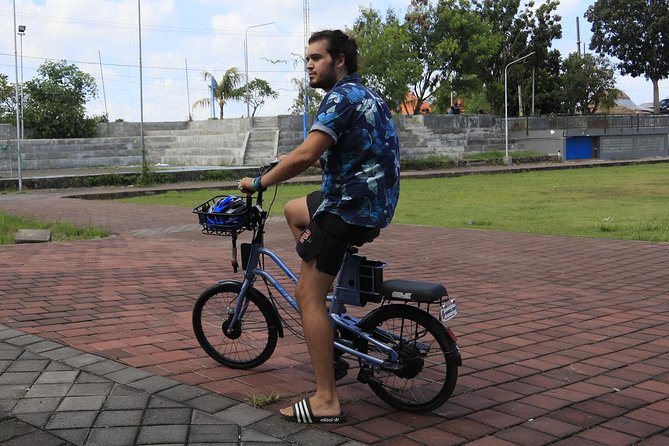
The training has a clear progression. You begin by learning scooter fundamentals using a powered bicycle that follows many of the same motions as a scooter: starting smoothly, steering, and keeping your head in the right place. It’s a smart warm-up because it helps you understand coordination without the full pressure of “now I must ride a scooter.”
Once you manage that bike, you switch to the actual scooter with helmet and instruction. The key is that you’re not just learning in theory. You practice the mechanics with a coach present, which matters because small corrections make a huge difference when you’re turning, starting, or braking.
One detail I found especially practical from the way the coaching is described: instructors help you build confidence gradually. You might begin on calmer roads, then move toward more active traffic, with your teacher positioned to keep you steady. That is exactly what you want as a beginner. You get a taste of the real setting without being overwhelmed.
Road Rules and Police Avoidance Tips You’ll Use Right Away
Scooter riding in Bali is not only about balance. It’s about reading the flow around you and understanding how people behave on the road. This lesson includes local street rules and guidance on how to avoid issues with police.
That part is worth taking seriously. You’re not just learning to ride; you’re learning how to ride in Bali. If you go in without local context, you can do everything “technically correct” and still get into trouble because you misunderstood how roads work day-to-day.
The teaching also focuses on basics before you hit busier stretches. In other words, your instructor aims to make sure you’re not forcing speed or complicated moves before you’re ready. If you’re the type who gets tense when traffic thickens, that approach helps a lot.
Price and Logistics: Is $52 Actually Good Value?
$52 for about two hours is a pretty fair deal in the context of Bali, especially since the lesson includes the bicycle, the scooter, and a helmet. You’re not paying extra for gear, and you’re not spending days searching for lessons while your vacation clock runs out.
Here’s how I think about the value. The lesson is only useful if it prevents future problems. It should help you avoid costly transport changes, reduce risky mistakes, and give you enough confidence to navigate rental scooters later. The teaching style matters here, and the strongest praise centers on instructors being friendly, supportive, patient, and focused on getting the basics right.
At the same time, you should note what’s not included. Breakfast and water are not provided, and private transportation to the meeting point is also not included. Plan to show up hydrated and fed, then you’ll be ready to learn without feeling flat.
Also, check your comfort level with weather. The experience requires good weather. If conditions are poor, you’ll be offered a different date or a full refund. That’s fair and it protects you from paying to learn in unsafe conditions.
Getting There and Where You’ll Practice (Seminyak and Canggu)
Even though the lesson is branded around Seminyak and Kuta Seminyak, the practice starts in the Canggu area. Your meeting point is on Jalan Raya Canggu, and the activity ends back at the same spot.
That matters for your planning. You’re not dealing with complicated end-to-end logistics. You meet, you train, and you finish back near where you started. It’s simple, which is exactly what you want when you’re adding a new skill to a trip schedule.
You’ll also be near public transportation, which can help if your timing is flexible or if you want an easy way to reach the start point. And because it’s private for your group, you’re less likely to feel rushed by a larger class pace.




What to Expect on the Road: Confidence Without Chaos
The best beginner lessons don’t just teach you what to do. They manage your nerves. From the way the instruction is described, the coaches aim to calm you down, teach step-by-step, and then bring you into more active roads only after you’ve handled the basics.
So expect a rhythm like this:
- time to learn the “feel” of control and starting
- practice sessions where your instructor makes corrections
- gradual increases in road activity as your comfort grows
This is especially important if you’re worried about Bali traffic. A lot of people plan scooter rides, then quietly stress about the moment they’re on the road. The lesson is designed to make that transition smoother.
Still, don’t treat it like a magic switch. You’ll leave with skills, not superpowers. You should still practice with caution when you rent later, because real rides include distractions you can’t train away.
Who This Lesson Suits Best (and Who Might Want Another Plan)
This lesson is aimed at beginners and people planning to move around Bali by scooter, especially if you’re staying long enough that scooters become part of your routine. If you want to avoid spending most of your budget on rides, learning early is smart.
It also fits well if you like structured teaching. The bike-to-scooter progression is clear, and the coaching style is patient. If you’re the type who needs calm guidance to avoid freezing up when things get busy, you’ll likely appreciate that approach.
On the other hand, if you already feel comfortable riding scooters and you’re just looking for a quick confidence boost, you might find the slow progression less exciting. The lesson is built for fundamentals, not for advanced riding.
Should You Book Kuta Seminyak Scooter Lessons? My Call
Book it if you want a practical start and a guided path from basics to real street awareness. The strongest reasons to choose this lesson are the step-by-step structure and instructors who focus on getting your foundations solid before you ride in tougher traffic. Add the included helmet and scooter access, plus the reasonable $52 price for about two hours, and it becomes a smart “buy early” move for Bali.
Don’t book it if you’re arriving expecting a casual ride with zero learning focus. This is a training session. You’ll learn rules, you’ll practice control, and you’ll be asked to take the process seriously. Also, plan around weather since the experience depends on good conditions.
If you’re willing to show up ready to learn, this is the kind of lesson that can pay off every time you leave your hotel after that.
FAQ
How long is the scooter lesson?
The duration is about 2 hours.
Where does the lesson start and end?
It starts at Jalan Raya Canggu, Tibubeneng, Kec. Kuta Utara, Kabupaten Badung, Bali, Indonesia and ends back at the same meeting point.
What’s included in the price?
You get use of a bicycle, use of a scooter, and a helmet.
What’s not included?
Breakfast and water aren’t included, and private transportation is also not included.
Is this lesson private?
Yes. It’s a private tour/activity, so only your group participates.
What happens if the weather is bad?
The experience requires good weather. If it’s canceled due to poor weather, you’ll be offered a different date or a full refund.
If you tell me when you’re going and your current comfort level on two wheels (bike balance, scooter experience, and how nervous you feel around traffic), I can help you decide if this exact kind of beginner lesson is the right fit.