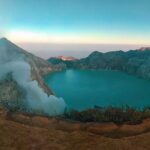
Midnight turns into crater-edge magic on Ijen. I love how the guide team gets you moving at the right pace for a tough early start, and how the timing lines up for sunrise and blue fire. The one consideration is that blue fire isn’t guaranteed—it depends on conditions and volcano activity.
You’ll usually get picked up in midnight hours, then transferred toward Paltuding, the common starting area for the hike. After a short briefing and prep, you’ll trek up with a professional mountain guide, aiming to reach the peak area after about two hours.
Come prepared for cold and discomfort: the early-morning temperature can sit around 8–13°C, and the crater trek is physically challenging. If you’re expecting a lazy morning, this isn’t that kind of tour.
In This Review
- Key highlights I’d plan around
- Why the Ijen Blue Fire experience feels different than a normal sunrise tour
- Getting there: Ubud vs Banyuwangi and the Paltuding jump-off
- The pre-hike briefing: why the first 20 minutes matter
- The climb itself: what you’ll do in the dark
- Sunrise and blue fire: the payoff, and the rules of the game
- The crater-side moment: why the guide support is more than a checkbox
- Breaks, coffee, and food: keeping energy stable for a long day
- Price and value: what $40 buys (and what it doesn’t)
- Logistics that can affect your day: timing, queues, and road delays
- What to bring and how to pack smart for 8–13°C mornings
- Who this tour is best for (and who should skip it)
- Should you book the Mount Ijen Blue Fire tour?
- FAQ
- Where do pickup locations start for this Mount Ijen tour?
- How long is the experience?
- What time does the tour start?
- Is the ferry ticket included for a Bali (Ubud) start?
- What’s included in the hiking gear?
- Do I need to bring warm clothes?
- Is blue fire guaranteed?
- What is the tour like at Mount Ijen?
- What dates should I avoid?
- Are drones allowed?
Key highlights I’d plan around
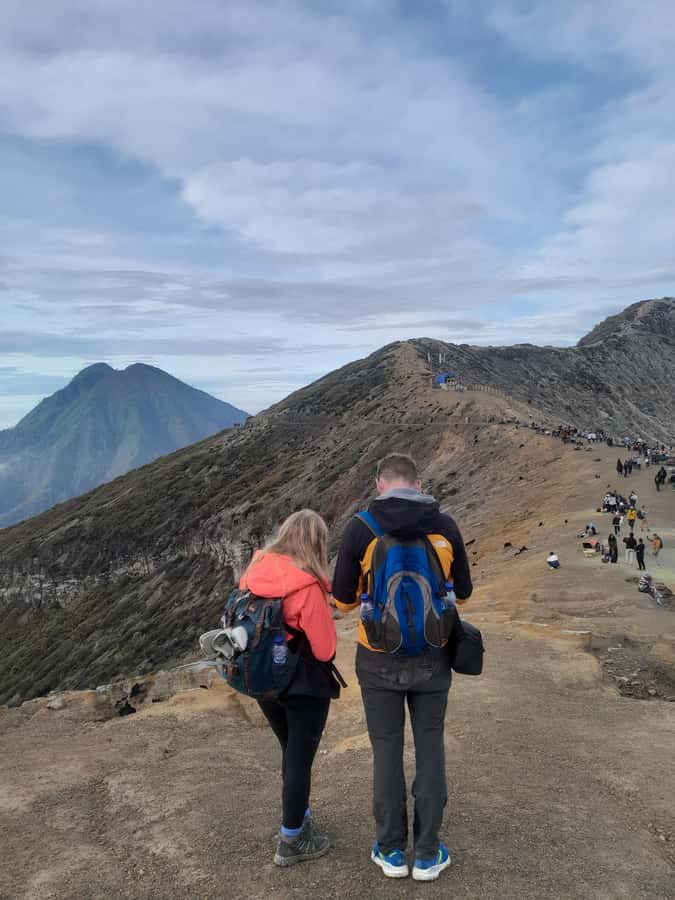
- Midnight pickup + Paltuding transfer means you’re chasing sunrise with minimal wasted time
- Guides provide gas masks and trekking poles, which helps make the climb feel more controlled
- About 2 hours to the peak area, followed by sunrise and blue fire if conditions cooperate
- Multiple pickup and drop-off points (Ubud, Licin, Kalipuro, Banyuwangi) keep it flexible
- Blue fire is weather- and activity-dependent, so you’re going for the full experience, not a sure thing
Why the Ijen Blue Fire experience feels different than a normal sunrise tour
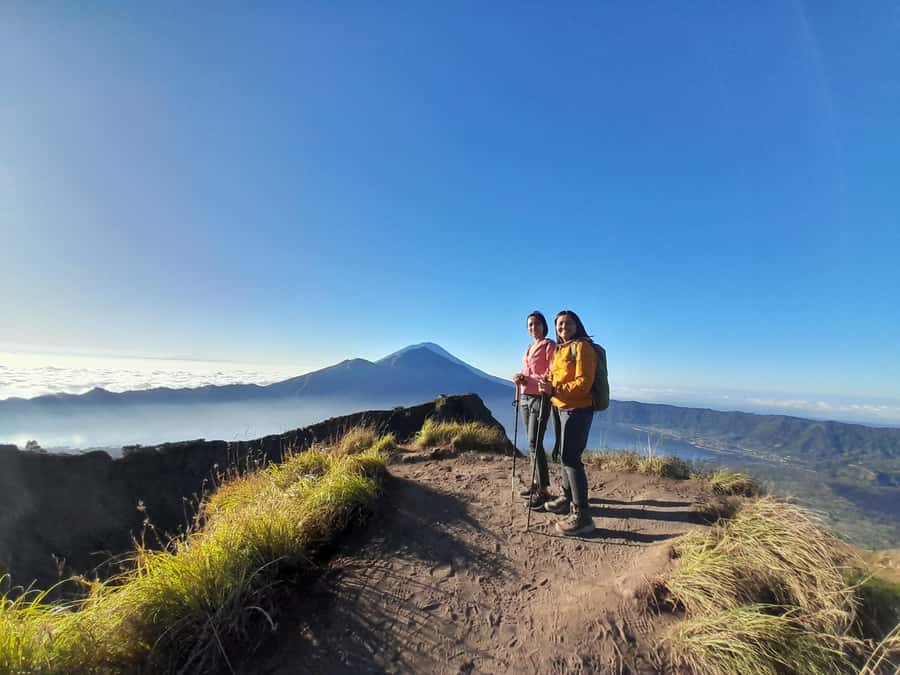
Mount Ijen works on a totally different schedule than most day trips. You start in the dark, you hike in the dark, and the main payoff is right at daybreak. That means you’re not just sightseeing—you’re doing a real climb with a live countdown to sunrise.
What I like most is the structure. You get a safety briefing and prep time before you move, and the guides focus on getting you to the right area at the right moment. Even if your group includes different fitness levels, the pace and support are designed around a coordinated ascent.
The big reality check is also important: blue fire is not guaranteed. Sometimes the conditions line up; other times you may only get sunrise views and crater atmosphere. Still, that doesn’t make the experience a letdown. It means you’re buying into a mountain morning where nature has the final say.
You can also read our reviews of more tours and experiences in Banyuwangi.
Getting there: Ubud vs Banyuwangi and the Paltuding jump-off
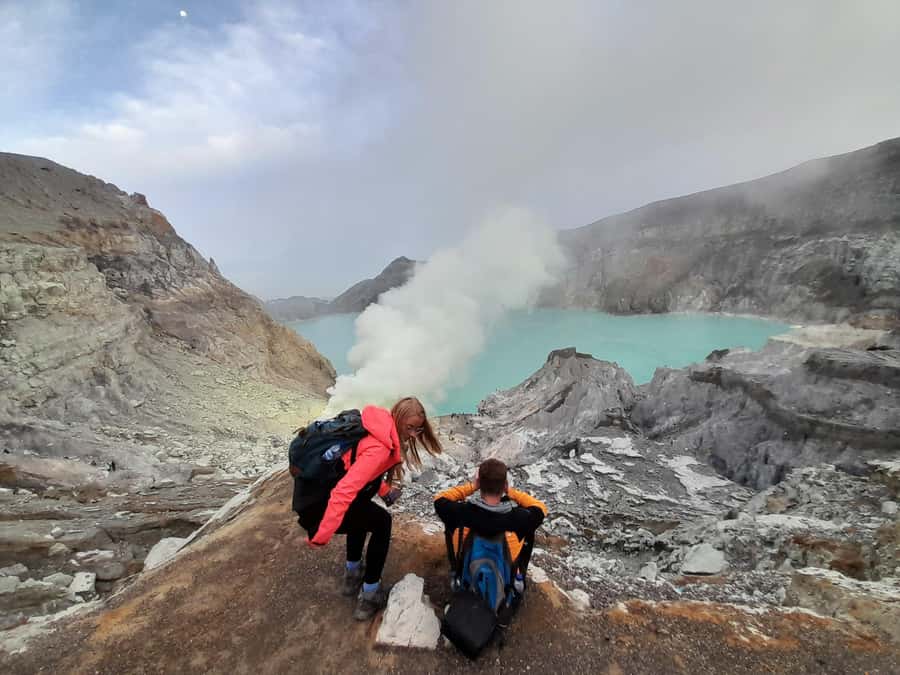
This tour can start from either side of the region: Ubud (Bali) or Banyuwangi (Java), plus other pickup areas in Java like Licin and Kalipuro. The route changes depending on where you’re picked up, and that affects how smooth the night-to-morning transition feels.
If you start from Bali (Ubud), you’re also factoring in the ferry crossing—ferry ticket is included. That’s a big value point, because crossings can add complexity and extra cost on your own. On Java starts, you skip the ferry piece and get straight into the land transfer approach.
In both cases, the process follows the same backbone:
1) Pickup in the night
2) Drive toward the starting area
3) Briefing and preparation
4) Trek up with a guide
One small logistics detail I’d take seriously: they list multiple pickup locations and you’re expected to wait in the hotel lobby about 10 minutes before the scheduled pickup. On a midnight departure, that timing matters more than usual.
The pre-hike briefing: why the first 20 minutes matter
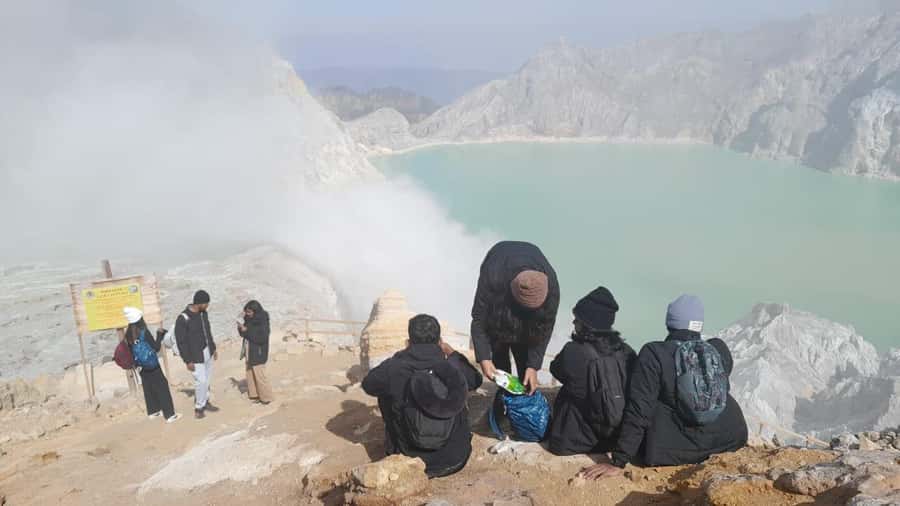
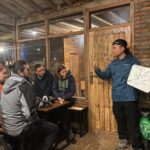
Before the climb, you get a safety briefing and prep time (around 20 minutes), plus time for a break and coffee. This matters because Ijen isn’t just a simple walk up a hill. You’re going early, you’re going cold, and you’re dealing with a volcanic environment.
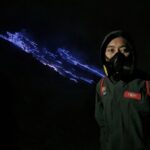
Your kit is also part of that prep stage. The tour includes trekking poles and a gas mask, plus mineral water. That’s not only for comfort—it’s to help you handle the crater-side conditions safely and confidently.
You’ll also have entrance and admission fees included, and there’s mention of a medical statement as part of the process. The point isn’t paperwork for paperwork’s sake. It’s about making sure you’re physically ready for a midnight-to-crater schedule.
The climb itself: what you’ll do in the dark
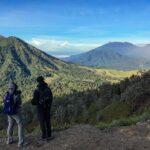
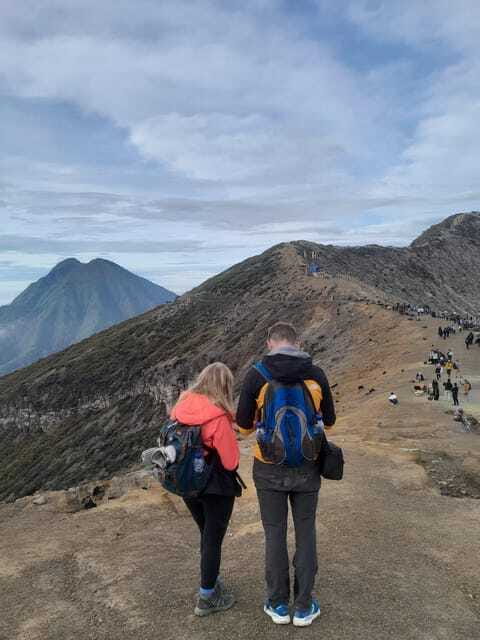
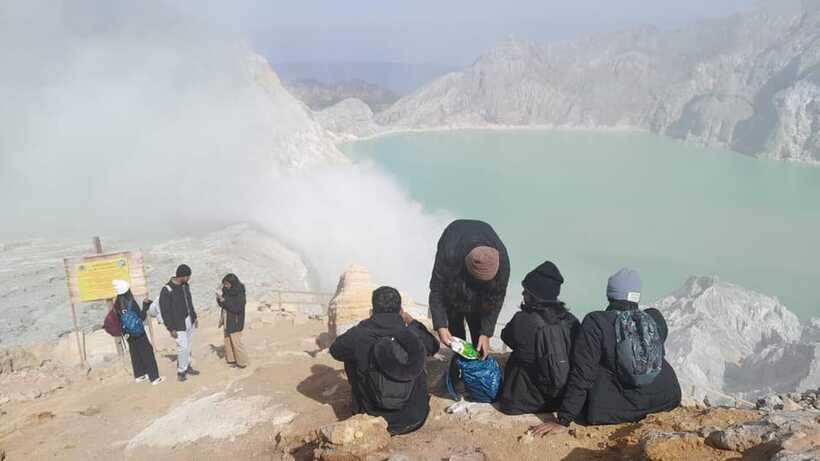
The trekking plan is straightforward: you hike for about 2 hours to reach the peak area. From there, you’ll settle into the crater-edge sunrise window and wait for conditions.
This is where the tour’s “moderate fitness” note becomes real. The climb up to the Ijen Crater is described as physically challenging, and that matches what you can expect from an early, steep, cold start. If you’re used to casual walking tours, consider this a step up.
A few smart ways to prepare based on the tour facts:
- Wear comfortable shoes made for uneven ground.
- Bring a jacket; mornings can be around 8–13°C.
- Dress in comfortable layers so you don’t overheat if you warm up on the climb.
Also: drone use is not allowed, and alcohol and drugs aren’t allowed. Keep it simple—this trip is about the mountain morning.
Sunrise and blue fire: the payoff, and the rules of the game
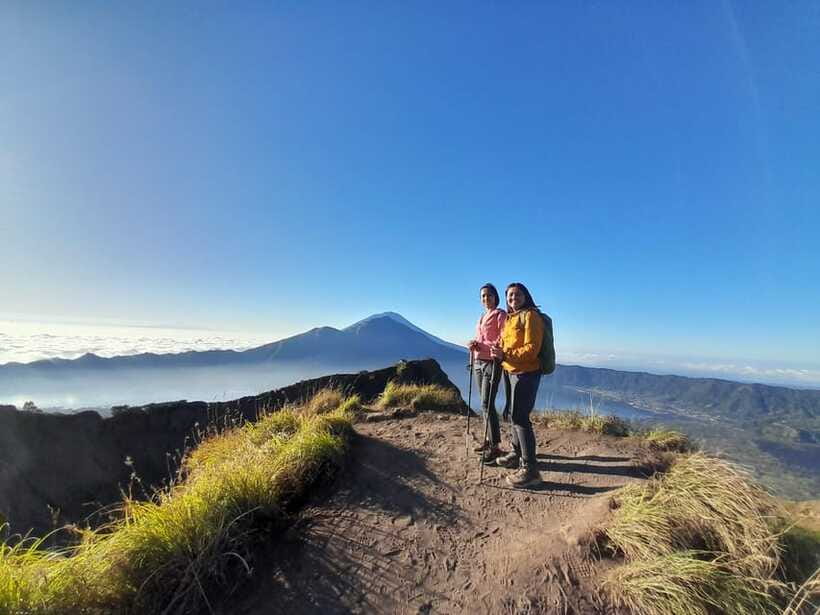
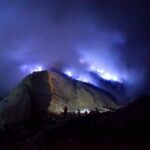
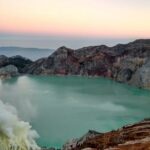
The main attraction is sunrise at Mount Ijen and the chance to see blue fire afterward. The tour schedule sets you up so you can watch the light shift and then experience the crater area as the show continues, assuming the weather and volcano activity cooperate.
Here’s the key thing to understand: you’re not paying for a guarantee. You’re paying for the best odds and the right timing. The tour openly states blue fire depends on volcano activity, and it also depends on weather conditions.
So how do you keep your expectations healthy?
- Plan to enjoy the sunrise as the core win.
- Treat blue fire as the bonus outcome.
- Trust the guide timing, since the whole night plan is built around reaching the viewing window early enough.
In one standout example from the provided feedback, guides like Fifi and his team were praised for getting people up early and ahead of queues—exactly what you want on an experience where timing matters.
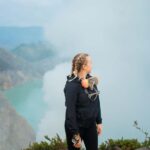
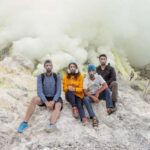
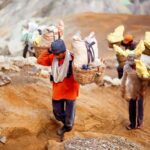
The crater-side moment: why the guide support is more than a checkbox
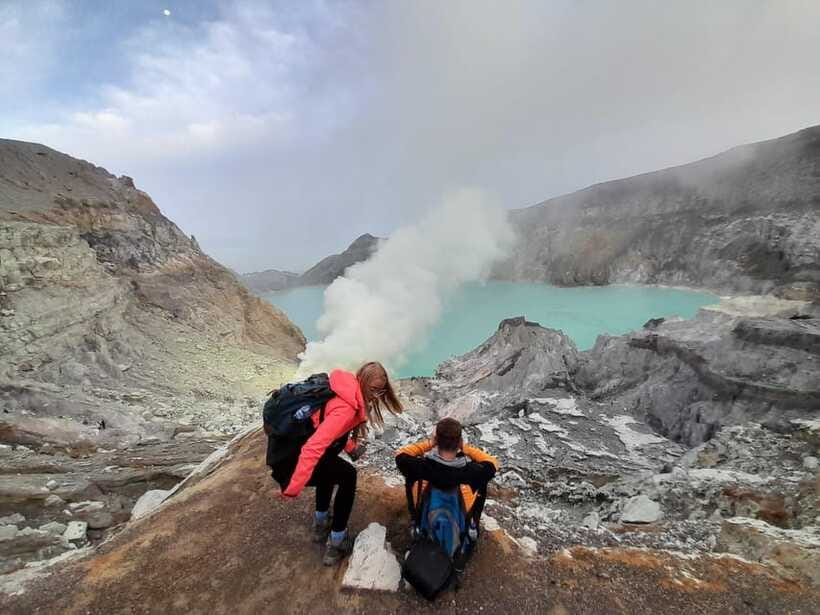
This is one of those trips where the human part matters. The plan includes a guided tour and guided hiking, not just a ticket and a suggested route.
The guides are responsible for things you’ll feel immediately:
- keeping you safe while moving in the dark
- helping the group stay organized during the peak window
- managing the flow so people don’t wander off at the wrong moment
You may see different guide combinations depending on the group. The feedback includes names like Rafi and Fijar alongside Fifi, and the common thread is attention—being ready, prepared, and present when people need help.
Even if you’re comfortable hiking, don’t underestimate how useful it is to have someone who understands the mountain morning rhythm.
Breaks, coffee, and food: keeping energy stable for a long day
After the peak and sunrise segment, you’ll return for additional break time and included refreshments. The tour includes another break with coffee and then breakfast.
Food won’t feel optional on this type of schedule. You’re hiking early, likely dealing with cold air, and you’ll be moving steadily. Breakfast after the main viewing window helps you recharge for the drive back.
The tour also includes mineral water. I’d treat that as your main hydration plan for the morning segment. Bring additional snacks only if you know you personally need them, but the tour itself includes water and a basic meal plan.
Price and value: what $40 buys (and what it doesn’t)
The price listed is $40 per person, and that’s the part I’d evaluate honestly rather than assuming it’s cheap or expensive.
You’re getting a package that includes:
- air-conditioned vehicle
- mountain guide
- entrance/admission fees
- trekking equipment (poles + gas mask)
- mineral water
- breakfast
- pickup and drop-off across multiple locations
- ferry ticket if starting from Bali
You’re not getting:
- personal expenses
- meals not mentioned (but breakfast is included)
For many people, the value is in the included equipment and guided safety. If you were to piece together transport, tickets, and a guide independently, you’d often end up spending more—especially with the midnight timing and the gear needs.
That said, the best value depends on your start point and your schedule. If you’re already based far from pickup zones, you may spend extra time and money connecting to the tour.
Logistics that can affect your day: timing, queues, and road delays
The tour starts in the midnight window, so your day plan should be flexible. The total duration is listed as 9–15 hours, and that range accounts for route differences and group timing.
There’s also an important calendar note: Mount Ijen closes every first Friday of the month. If your trip lands on that date, you’ll want to adjust your plans.
Another reality: the tour may run with other participants joined, meaning you should expect a shared schedule. That’s normal for this kind of sunrise hike.
And finally, build margin into your thinking, especially if you start from Bali. One of the provided experiences described the ferry-route timing as tight when combined with long road segments, and another tip that came out of it was simple: if you want less stress, consider splitting your journey with an overnight stay near the ferry or on Java rather than trying to do everything in one continuous shot.
What to bring and how to pack smart for 8–13°C mornings
Your packing list is short, which I love. Don’t overpack, just cover the essentials.
Bring:
- Comfortable shoes
- Jacket
- Comfortable clothes you can move in
And consider adding:
- an extra warm layer you can put on quickly
- a small, easy-access bag for your essentials while hiking
- something to protect your face/hands from cold air
What’s not allowed:
- drones
- alcohol and drugs
I’d also remember: you’ll be in a volcanic setting where the provided gas mask is part of the tour gear. Don’t replace it with your own ad hoc solution. Use what’s included and follow the guide guidance.
Who this tour is best for (and who should skip it)
This tour is physically demanding enough that the “moderate fitness” guidance should be taken seriously. If you can handle early mornings and uphill hiking, you’ll likely enjoy the experience.
It may not be suitable if you:
- weigh over 287 lbs (130 kg)
- are over 95 years old
- are under 1 year old
If you’re traveling as a couple, friends, or solo, the group format can work well because the guide team keeps the pace and timing organized. If you hate early alarms with a passion, this is still a tough call—but it’s also why the sunrise payoff feels so earned.
Should you book the Mount Ijen Blue Fire tour?
If your main goal is a properly guided, early-morning crater experience with a real chance of sunrise and blue fire, this tour is a strong buy—especially because trekking poles and gas masks are included, and the ride + ferry are handled when you start from Bali.
I’d book it if:
- you’re comfortable with a cold, midnight start
- you can handle a challenging trek to the crater area
- you’re okay with blue fire being possible, not guaranteed
I’d hesitate if:
- you’re counting on blue fire as your only reason to go
- you want a relaxed schedule and low logistics effort in a single long day
- your travel date falls on the first Friday of the month (when the volcano is closed)
If you want the best chance of enjoying the morning without stress, plan your sleep and transport around that midnight start, and keep your expectations flexible for weather and volcano activity.
FAQ
Where do pickup locations start for this Mount Ijen tour?
The tour lists 4 pickup options: Ubud, Licin, Kalipuro, and Banyuwangi, Indonesia.
How long is the experience?
The duration is listed as 9 to 15 hours, depending on the starting time and route.
What time does the tour start?
The tour starts at midnight. If your pickup is from Ketapang port, pickup should be at 11:00 PM.
Is the ferry ticket included for a Bali (Ubud) start?
Yes. A ferry ticket is included when you start from Bali.
What’s included in the hiking gear?
The tour includes trekking equipment: trekking poles and a gas mask.
Do I need to bring warm clothes?
Yes. The tour advises bringing a jacket and comfortable clothes, with early morning temperatures around 8–13°C.
Is blue fire guaranteed?
No. Blue fire depends on volcano activity and weather conditions, so it is not guaranteed.
What is the tour like at Mount Ijen?
You’ll have photo stops and a visit with guided tour support, then you’ll trek for about 2 hours to reach the peak area. After that, you’ll aim for sunrise and blue fire if conditions allow.
What dates should I avoid?
Mount Ijen is closed every first Friday of the month.
Are drones allowed?
No. Drones are not allowed on this activity.