Some mountains feel mythical. Mt. Rinjani is one of them. I love the big Sembalun savanna views and the crater rim sunset-to-sunrise payoff that makes the hike feel like more than exercise. The one possible drawback: the final push starts in the dark and includes sand and gravel sections, so this is not the “easy walk” kind of tour.
I also like how the experience is kept human-scale: it’s a small group (up to 10) with guides and porters working as a team. In the real world, I’ve seen how much the guide matters on tough days—names like Gacih and Ijal (plus Nas and Jon in other groups) show up in feedback for confident, watchful guidance and long downhill support when feet start complaining.
In This Review
- Key highlights to know
- Why the Sembalun Route Feels Like Walking Into Another World
- Day 1: POS-1 to POS-3, Lunch with Hot Drinks, Then to Crater Rim Camp
- Registration and the first climb (to POS-1 and POS-2)
- The steady grind (to POS-3) and the long rest
- Lunch and a recharge
- Final trek to the crater rim and your first crater views
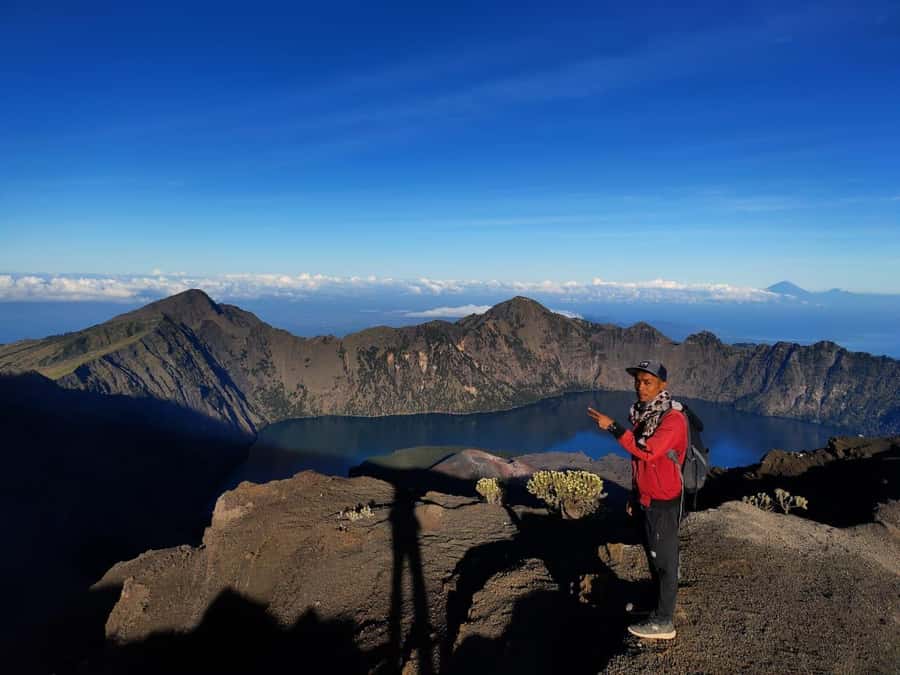
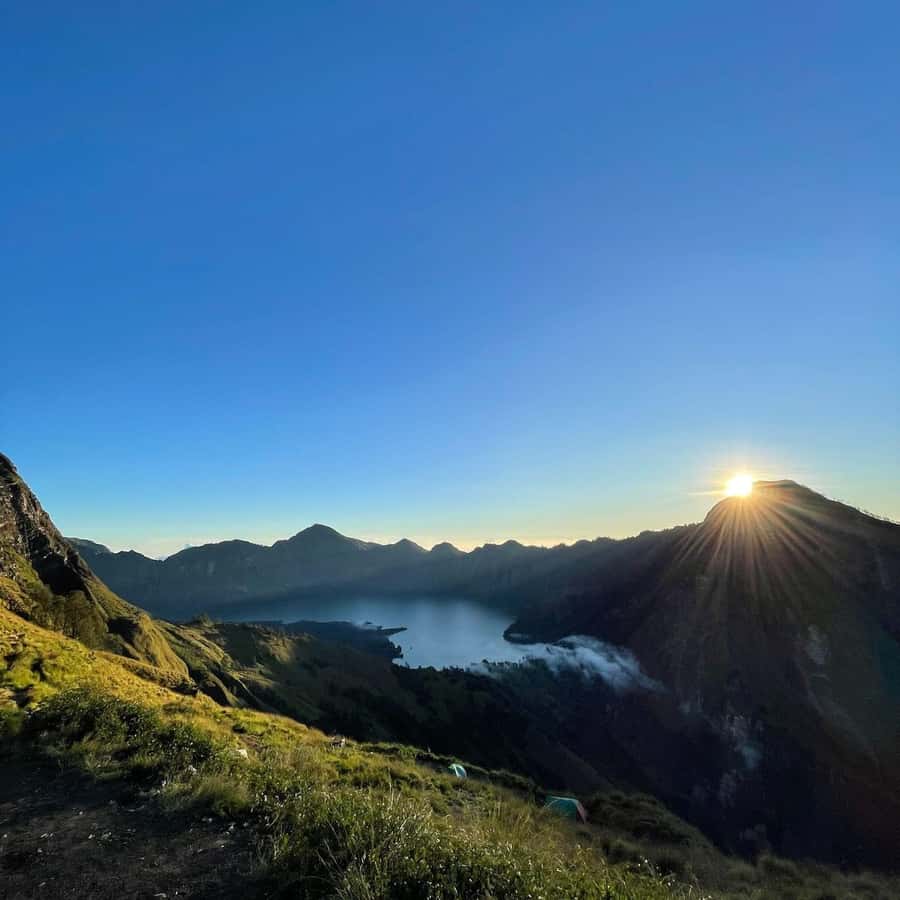
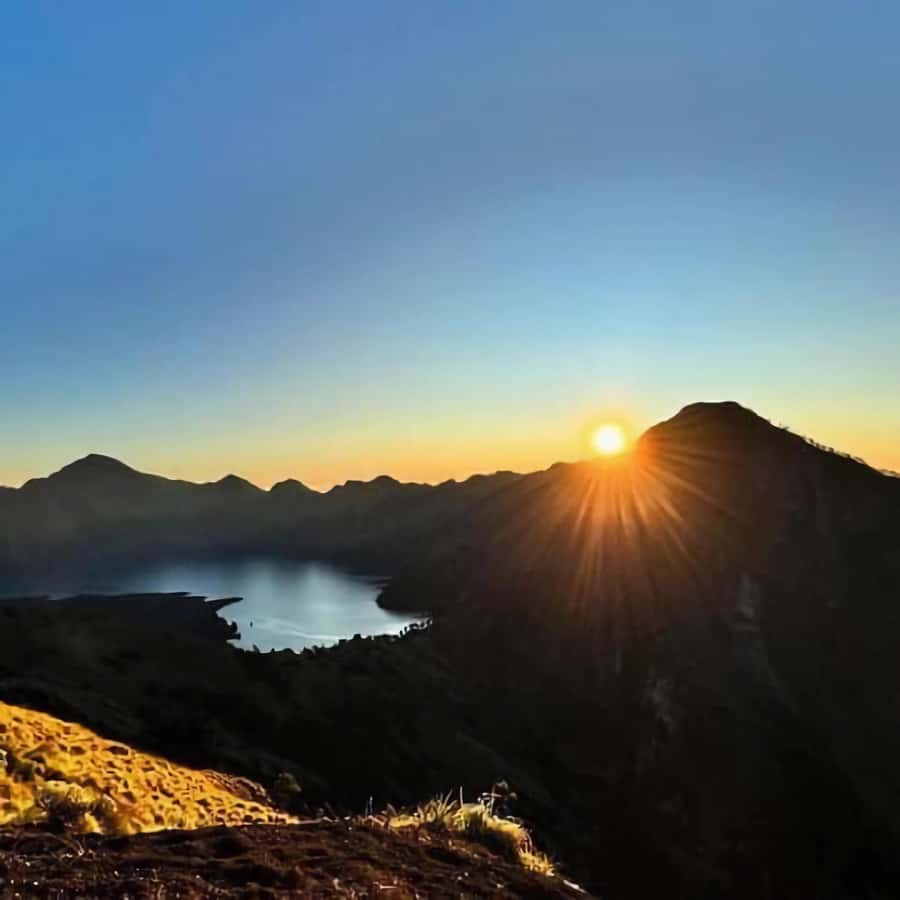
- Crater Rim Night: Segara Anak at Golden Hour and the View Over North Lombok
- Day 2 at 02:00: The Dark Summit Trek to 3,726m
- What the hard part feels like
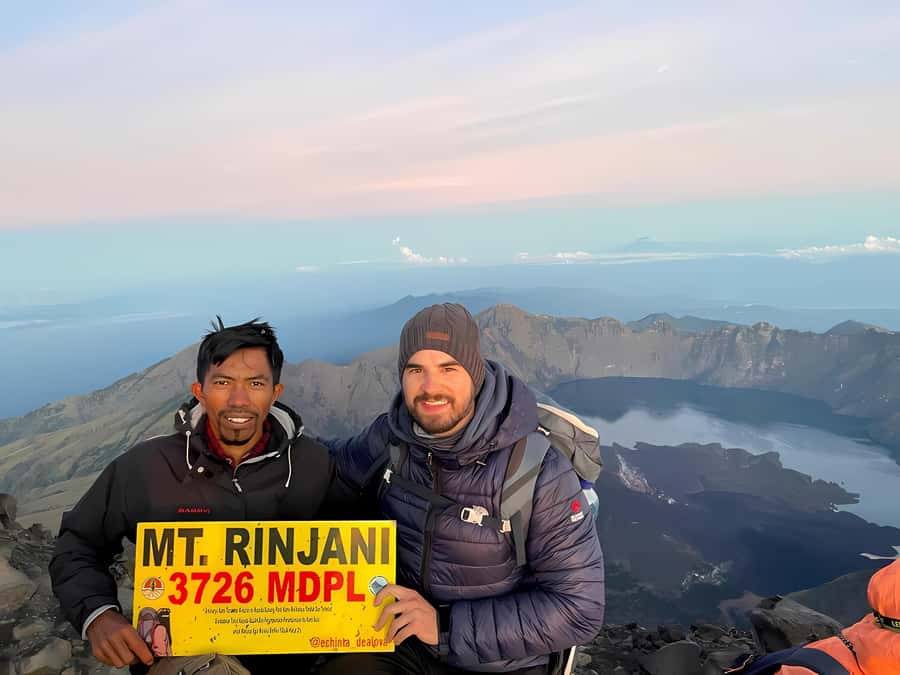
- The summit moment (3,726m)
- Views Are Great, but the Real Value Is What Your Team Manages
- Guides and Porters: What the Best Teams Do Differently
- Price and Logistics: Is $194 Good Value for a 2-Day Summit Trek?
- Gear and Packing: What’s Included vs. What You Must Bring
- Included gear (big comfort win)
- Bring your own (don’t skip this)
- Fitness Check: Who This Trek Suits Best (and Who Should Rethink It)
- Tips for a Smoother Trek Without Overthinking It
- Should You Book This Mt. Rinjani Summit Tour?
- FAQ
- How long is the Mt. Rinjani summit tour?
- Where does the tour start, and do you get pickup?
- What time do you start trekking for the summit on day 2?
- What are the main trek stops on day 1?
- How long does the summit trek take?
- Is a headlamp provided for the dark trek?
- What’s included in the price?
- What is not included?
- What drop-off locations are included after the trek?
- Can I cancel for a full refund?
Key highlights to know
- Sembalun’s savanna start: Grand, open views right from the early trek
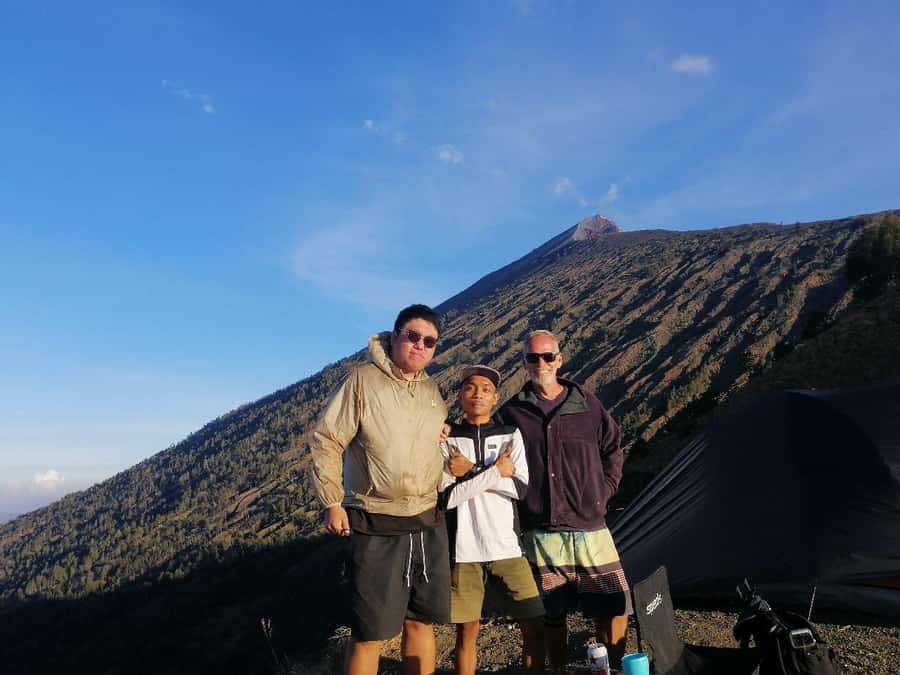
- One night at 2,639m: Camp on the crater rim with Segara Anak views
- Sunrise summit timing: Wake at 02:00 and hike in the dark to catch the best light
- Wide-panorama rewards: From the top, you can see Bali, Sumbawa, Lombok, and the Gilis
- Porters handle the heavy stuff: Cooking gear and camping equipment are carried for you
- Headlamp + guide support: The dark sections are doable when your team stays close
Why the Sembalun Route Feels Like Walking Into Another World
Mt. Rinjani’s summit trek is famous for a reason: you don’t just “go up.” You move through climate and scenery fast. The Sembalun route starts at lower elevation and gradually turns the hike into a slow reveal of Rinjani’s crater world.
The Sembalun stretch is a big reason people love this option. You get savanna-like openness along the way, which means early on you can look out and feel the island geography instead of only watching your feet. That mental reset matters when you’re climbing steadily and your body is negotiating with gravity.
You can also read our reviews of more tours and experiences in Gili Islands.
Day 1: POS-1 to POS-3, Lunch with Hot Drinks, Then to Crater Rim Camp
Your day begins early, but it’s organized. You wake at 06:00, eat breakfast around 06:30–07:00, then get picked up from your hotel in Senaru or Sembalun. The drive to Sembalun Village takes about an hour, with arrival around 08:00.
Registration and the first climb (to POS-1 and POS-2)
After registration at the Rinjani Information Center, the trek starts toward POS-1 (1,300 m). This is roughly a 2-hour walk. You then get a short break (5–10 minutes), and continue to POS-2 (1,500 m) in about 1 hour.
These “POS” stops aren’t just for paperwork and altitude tracking. They help pace you. On a steep climb, having built-in pauses means you don’t burn energy too fast in the first half of the day.
The steady grind (to POS-3) and the long rest
Next, you head to POS-3 (1,800 m), again about 1 hour, with another short break. Then comes a bigger one: you rest for around 2 hours at POS-3.
This long rest is a quiet superpower of the itinerary. Instead of rushing straight to camp, you get time to reset, eat what you need, and let your body recover before the final push to camp.
Lunch and a recharge
At POS-3 you’ll have lunch plus a hot drink (tea, coffee, hot chocolate, or lemon tea). That warmth isn’t a luxury when you’re hiking at elevation. It helps you warm up, refocus, and keep moving after the break.

Final trek to the crater rim and your first crater views
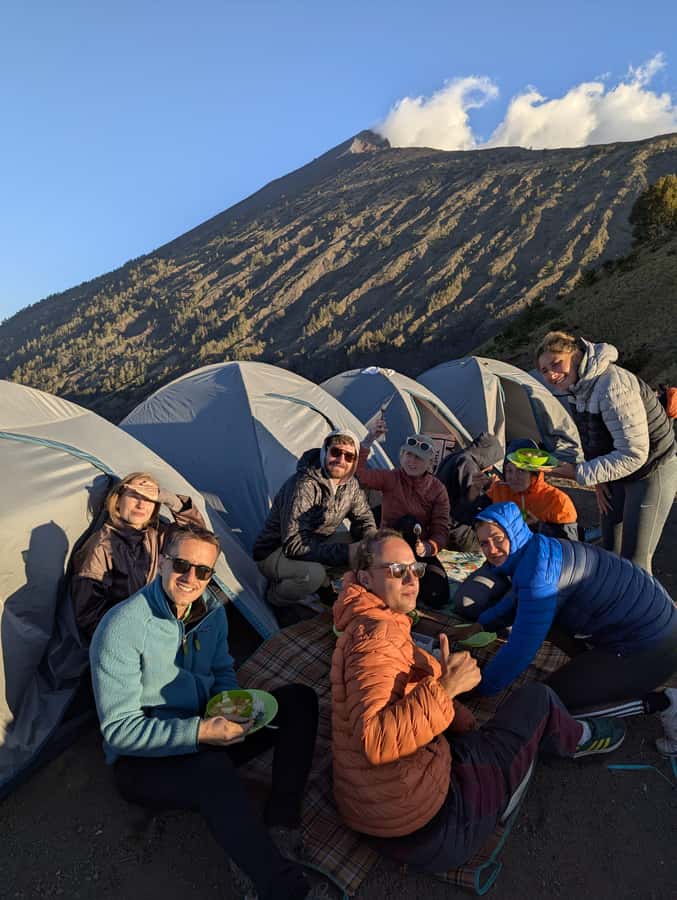
After lunch and resting, you continue to Sembalun Crater Rim (2,639 m), which takes about 3 hours. Once you reach the rim, you spend the night there.
This is where the day shifts from effort to experience. You’re positioned to enjoy sunrise and sunset from the crater rim, and you can see Segara Anak lake—often the photo moment people dream about when they plan Rinjani.
Crater Rim Night: Segara Anak at Golden Hour and the View Over North Lombok
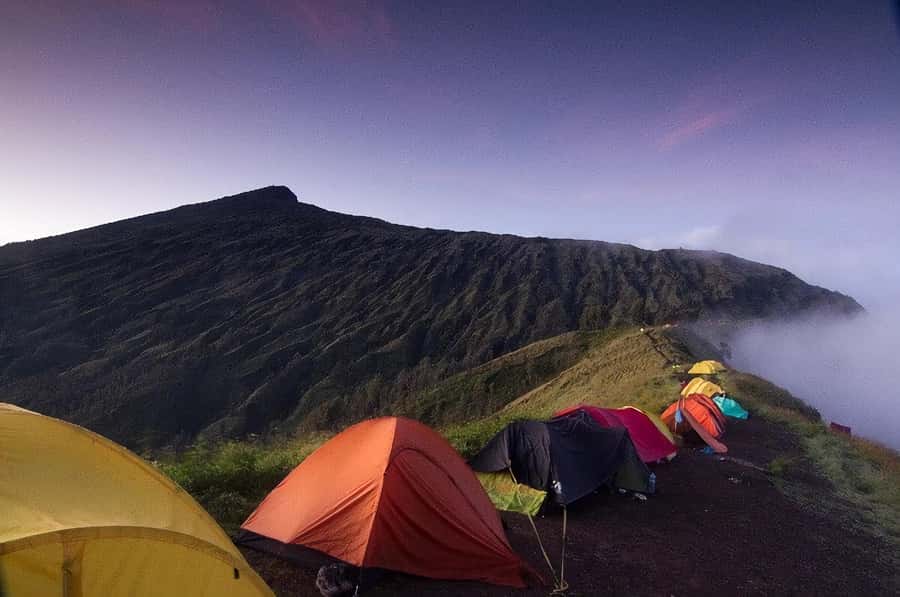
Sleeping at the crater rim campsite is part of what makes this tour feel special. You’re not just passing through. You’re in the place where the mountain’s drama is happening.
From the rim, you can enjoy:
- Sunset views over the crater region
- Segara Anak inside the caldera
- In good conditions, views across much of north Lombok island
One practical point: crater rim weather can change quickly, and nighttime gets cold at altitude. You’ll be sleeping in provided tent gear, with sleeping bags and a mattress, plus cooking and setup support from porters. Still, it’s smart to treat this as a camping night, not a hotel night.
Day 2 at 02:00: The Dark Summit Trek to 3,726m
The next morning starts very early. You wake at 02:00, with coffee or tea and a light breakfast. Then you start trekking for the summit to catch sunrise.
The summit hike usually takes about 3.5 hours, depending on your pace. You’ll trek in the dark for part of it, so having light is key. This tour includes a head lamp, and you’ll want it ready and charged before you set off.
What the hard part feels like
The summit trail has sections of sand and gravel, and that’s exactly the type of terrain that slows you down. It can be tiring even when your legs are willing, because sand doesn’t help you glide forward.
This is where guides and group pacing matter. Your guides stay with you for the whole dark section, and they can help with route flow and encouragement when you start feeling the burn.
The summit moment (3,726m)
When you reach the top at 3,726 meters, you’ll pause for photos and a short break. Then you head back to the crater rim campsite.
From the summit, the views are a big part of the payoff: you can see Bali, Sumbawa, and across Lombok and the Gilis. Even if you don’t spot every island clearly, the scale is what hits you.
Views Are Great, but the Real Value Is What Your Team Manages
On a climb like Rinjani, the best parts aren’t only the photos. They’re the moments where someone else reduces your stress.
This tour includes:
- Trekking guide plus experienced English-speaking guide support
- Professional porters carrying cooking gear and camping equipment
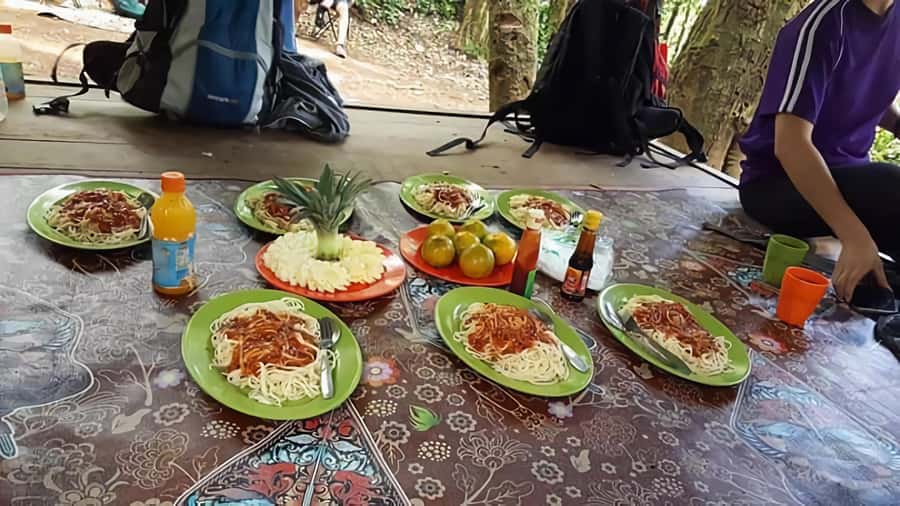
- Food and drinking water on the trek, including 3 liters of mineral water per person per day
- Tent, toilet tent, sleeping bag, mattress
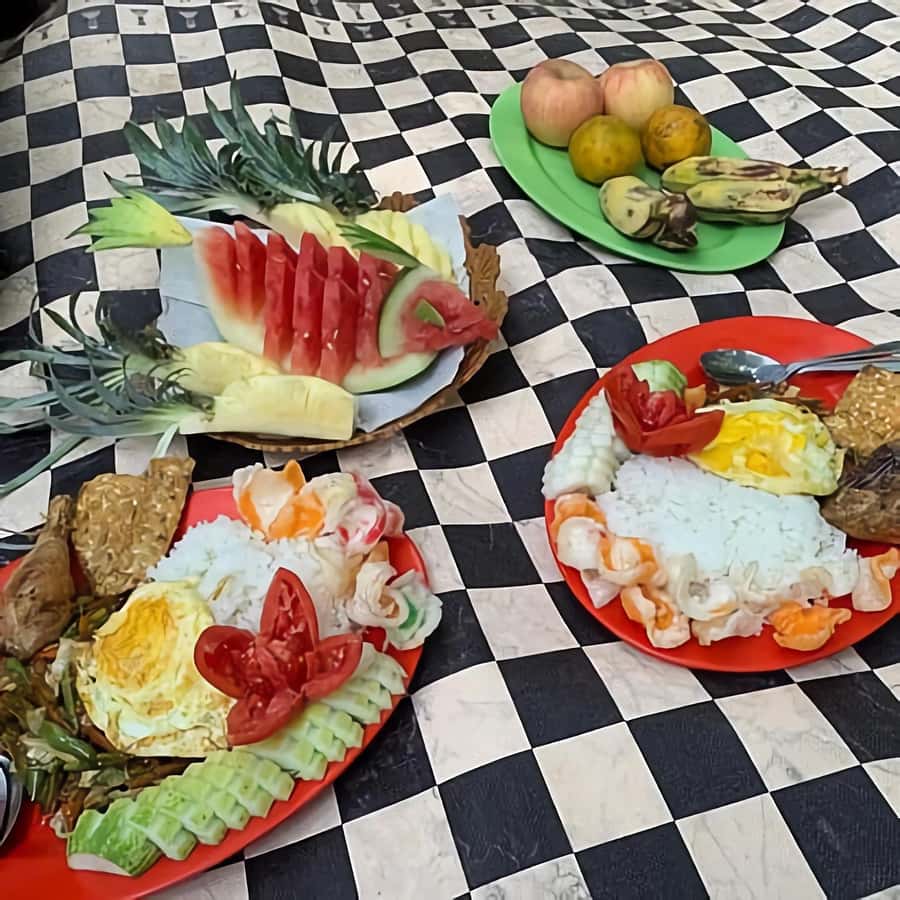
- Lunch twice, dinner once, breakfast once
- Fruit such as pineapple and banana
That’s a lot of logistics taken off your plate. When you’re hiking at altitude and working through the dark summit push, it helps to know you won’t be hunting for hot food, carrying bulky gear, or dealing with setup at camp.
Guides and Porters: What the Best Teams Do Differently
Good guiding isn’t just about knowing the trail. It’s about managing people when conditions get tough—timing, pace, safety, and morale.
The feedback highlights that confidence and attentiveness make a real difference. In particular, guides like Gacih and Ijal are credited with being friendly, super confident, and knowledgeable, and with making hikers feel safe the whole way. There are also stories of long, careful downhill support when someone’s shoes were the wrong size and legs started to feel it—downhill on Rinjani is no joke.
Even better: the tour includes a team approach with porters handling camp work, while guides focus on your pace and safety. In one set of notes, the group also mentioned a strong attitude toward leaving the area clean and managing trash responsibly.
Price and Logistics: Is $194 Good Value for a 2-Day Summit Trek?
At $194 per person for 2 days, this sits in the category of “serious activity, not a casual outing.” The price makes sense if you look at what’s actually included.
You’re getting more than a guide:
- Pickup and drop-off from multiple areas (Senaru/Sembalun pickup; drop-offs listed for Senaru, Sembalun, Tanjung, Bangsal Harbour, Senggigi, and Mataram)
- Entrance fee
- Camping setup (tent, sleeping bag, mattress) and a toilet tent
- Meals (breakfast, lunch x2, dinner x1) plus hot drinks
- Water (3 liters mineral water per person per day)
- Head lamp
- Trekking insurance
- Luggage storage service
What you pay for here is mostly experience engineering: the ability to run a night at elevation safely, feed people on schedule, and keep you moving efficiently to the sunrise window. If you tried to DIY this, costs would likely balloon fast once you include a guide, porter support, entrance fees, and camping gear.
Gear and Packing: What’s Included vs. What You Must Bring
You’ll travel lighter than you might think, because porters handle cooking gear and camping equipment. Still, you need to bring your personal essentials.
Included gear (big comfort win)
- Tent
- Toilet tent
- Sleeping bags
- Mattress
- Head lamp
- Fruit and meals
- Tea and coffee
Bring your own (don’t skip this)
From the provided list, plan to pack:
- Passport
- Camera
- Hiking shoes
- Jacket
- Long pants / hiking pants
- Outdoor/trekking clothing
- Medical mask
- Trekking gear
Also, the tour specifically notes not included items like:
- Trekking shoes (so yes, bring the right footwear)
- Long pants
- Trekking poles
- Gloves
- Rain jacket
- Small bag/daily pack
My practical suggestion: treat shoes as your #1 decision. Sand and gravel on summit day can wreck a day if the fit is wrong. If you have it, bring gloves and a rain layer even if forecasts look calm.
Fitness Check: Who This Trek Suits Best (and Who Should Rethink It)
This is a 2-day summit route with early starts, camping at elevation, and a summit push in the dark. The itinerary includes a night on the rim and a total experience built around sunrise.
It’s not suitable for:
- Children under 2
- Children under 3
- Babies under 1
- People over 95
- People over 70
That age guidance is blunt, but it’s also honest. If you’re older, or if you’re managing mobility issues, you’ll need to consider whether the sand/gravel summit section and long downhill are realistic for you.
Who it’s best for:
- Active hikers who can handle uphill walking for several hours
- People who love sunrise views enough to wake at 02:00
- Anyone who wants guided help on challenging terrain and prefers not to carry all camp gear
Tips for a Smoother Trek Without Overthinking It
Here are the practical moves I’d recommend based on how this trek is scheduled and what makes it hard.
- Keep your lighting setup simple: the tour includes a head lamp, but make sure you know how to use it quickly in the dark.
- Dress in layers: you’ll move from early morning temps to cold crater rim nights and then into dawn light. A jacket plus outdoor clothing is the baseline.
- Use the breaks: you stop at POS points for a reason—those pauses help you arrive at camp without exploding early.
- Plan for a long downhill later: even after the summit, the day continues with returning down toward Sembalun Village. Footwear and walking technique matter.
Should You Book This Mt. Rinjani Summit Tour?
If you want the classic Rinjani reward—crater rim views plus a summit sunrise—this itinerary is built for that. The structure is strong: a supported day hike toward POS points, a night at 2,639m, then an early start for the top at 3,726m.
Book it if:
- You’re comfortable hiking in sand/gravel sections
- You’re excited by crater camping and sunrise planning
- You prefer small-group guidance with porters handling camp work
Skip it (or at least ask for advice) if:
- The idea of trekking in the dark sounds like stress you don’t want
- You can’t commit to long walking days or cold-weather camping conditions
- You’re missing basic gear like proper hiking shoes and long pants
FAQ
How long is the Mt. Rinjani summit tour?
It’s a 2-day experience.
Where does the tour start, and do you get pickup?
Pickup is included from your hotel in Senaru or Sembalun, with an estimated drive time of about an hour to Sembalun Village.
What time do you start trekking for the summit on day 2?
You wake at 02:00, have coffee or tea and a light breakfast, then begin the trek to the summit for sunrise.
What are the main trek stops on day 1?
You trek from Sembalun Village toward POS-1 (1,300 m), POS-2 (1,500 m), POS-3 (1,800 m), and then up to Sembalun Crater Rim (2,639 m) for the overnight stay.
How long does the summit trek take?
The trek to the summit typically takes around 3.5 hours, depending on how fast you go.
Is a headlamp provided for the dark trek?
Yes. A head lamp is included.
What’s included in the price?
Included items cover pickup and drop-off, entrance fee, guides, porters, food and drinking water on the trek, tents and sleeping setup, headlamp, meals (breakfast/lunch/dinner), fruit, trekking insurance, and luggage storage service.
What is not included?
Not included: a small bag/daily pack, trekking shoes, long pants, trekking poles, gloves, and rain jacket.
What drop-off locations are included after the trek?
Drop-off is listed for Sembalun, Senaru, Tanjung, Bangsal Harbour, Senggigi, and Mataram.
Can I cancel for a full refund?
Yes. Free cancellation up to 24 hours in advance for a full refund is listed.