Two days up Rinjani is a leg test. This private Mt Rinjani trekking 2 days 1 night summit trip is built for people who want the payoff of camping on the crater rim and reaching the summit in a tight schedule.
What I like most is how the day before the hard hiking still feels like a real outing, not just a waiting game. You start with a waterfall stop at Sindang Gile and Tiu Kelep, then you’re ready for the next day’s climb.
One thing to consider: you should plan for real physical strain and you’ll need to bring key hike gear yourself (think headlamp and trekking shoes). If you show up underprepared, the mountain will gladly remind you.
In This Review
- Key highlights worth circling
- Getting picked up and finding your footing in Lombok
- Day 1: briefing time plus Sindang Gile and Tiu Kelep waterfalls
- Day 2: the Sembalun push to the crater rim campsite
- Night on the crater rim: camping and the cold reality
- Day 3: summit hike for sunrise views, then down to the village
- Food, water, and what the team provides (and what it doesn’t)
- Photography, guides, and why the summit doesn’t have to be a solo act
- Price and value: is $280 fair for a 2D/1N summit?
- Gili transfer on departure: turning effort into a reward
- Who should book this Mt Rinjani 2 Days 1 Night summit trek?
- Should you book?
- FAQ
- What does Mt Rinjani Trekking 2 Days 1 Night Summit include?
- What time does the tour start?
- Is this a private tour?
- Are pickups and drop-offs included on Lombok?
- Where does the itinerary include sightseeing besides the summit?
- Do I need my own trekking gear?
- Can you accommodate vegetarian meals?
- Is there a boat transfer to the Gili Islands?
- Is the booking refundable if I cancel?
Key highlights worth circling
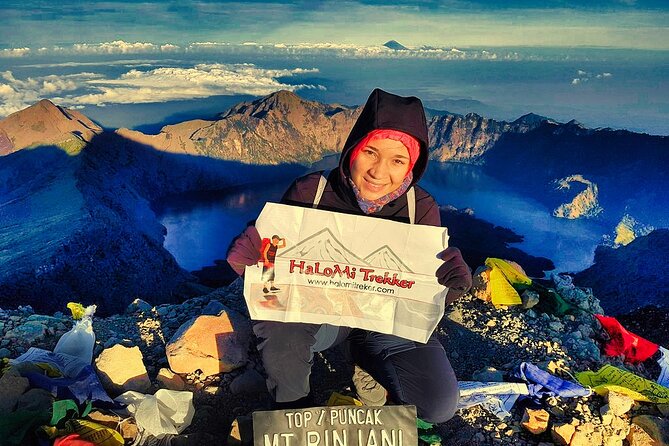
- Private, just-your-group setup: you won’t be squeezed into a big cattle-car itinerary.
- Waterfalls on the first day: Sindang Gile and Tiu Kelep break up the journey and add a nature moment before summit night.
- Crater-rim camping in 2D/1N: a short trek that still gives you the full Rinjani experience.
- Meals and bottled water included: breakfast, lunch, dinner, snacks, plus coffee/tea to keep you moving.
- Photo-friendly guide team: a professional photographer guide is part of the package, so summit moments don’t depend on your selfie skills.
- Free Gili transfer after the trek: you roll from Mt Rinjani to Gili Island without wrestling extra transport planning.
Getting picked up and finding your footing in Lombok
This experience starts with real logistics support on Lombok. A driver collects you from wherever you’re staying on the mainland (as long as it fits your location needs), and after the trek you’re dropped off again at your next Lombok destination. That matters because Rinjani planning can get messy when transport is left to guesswork.
The official start time is 8:00 am, which is good news if you like structure. You also get an overnight accommodation as part of the package, and that’s often the difference between arriving tired and arriving ready.
If you’re trying to stitch together Lombok and the Gili Islands, this trek is designed for that. The overall flow is meant to keep you moving: climb first, then head to Gili right after.
You can also read our reviews of more tours and experiences in Tetebatu.
Day 1: briefing time plus Sindang Gile and Tiu Kelep waterfalls
Day 1 is where you shift from travel mode to mountain mode. You’ll have a briefing time, which is your chance to get clarity on what to bring, how the trek works, and what the team expects from you.
Then you visit Sindang Gile and Tiu Kelep Waterfall. This is more than a pretty detour. Those waterfalls are a nice warm-up for your body and your mind, and they give you an immediate reason to be glad you came to Lombok beyond just “climb the mountain.”
A practical note: waterfall areas can be slippery. Even if you’re not doing a long trek there, wear footwear that can handle wet ground. And don’t assume dry socks will be easy to find later.
Day 2: the Sembalun push to the crater rim campsite
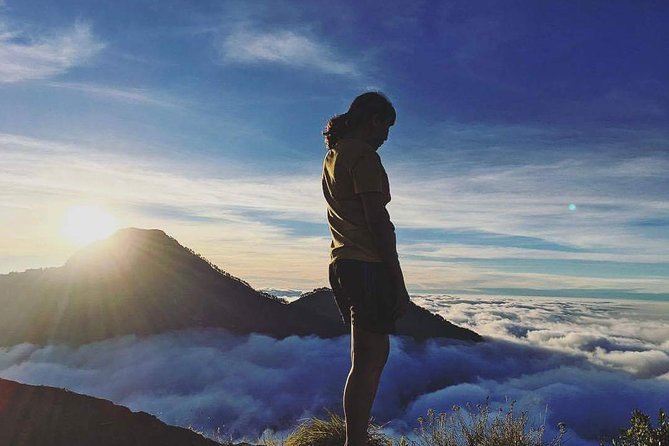
On Day 2, you start the trek from Sembalun toward the crater rim campsite. This is the day where your pace matters most. In a 2D/1N summit format, there’s no room for sightseeing pauses that cost you energy.
What makes this portion feel more manageable is how the package is set up. You’re not left holding everything alone. The experience includes meals, bottled water, camping support, and a guide team that keeps the trek moving and organized.
From the way the team gets described by people who’ve done it, the guide/porter setup is real. Names come up often—like guides Mul and Adi, and porters working alongside them—suggesting you’re not just paying for a route on paper. You’re buying into a system that has done this many times.
Still, be honest with yourself: crater-rim trekking is physical. Even with support, you’ll feel it in your legs. If you haven’t been walking regularly before you come to Lombok, start now. Short daily walks at home translate more than you’d think.
Night on the crater rim: camping and the cold reality
Your overnight experience is camping on the crater rim. That’s a huge part of why a 2D/1N summit trek feels different from day hikes. You get closer to the mountain’s rhythm—sudden darkness, wind exposure, and that “we’re really here” feeling.
The good part: you’re not on your own for food and water. The package includes breakfast, lunch, and dinner during the trek, plus snacks and coffee and/or tea. That keeps your energy stable when conditions start changing.
The challenge: crater-rim nights can be cold, and the “hardest part” isn’t always the walking—it’s how your body reacts after the climb. Bring layers you can actually use, not fashion layers you regret.
Also, think about your headlamp. It’s explicitly not included, and for a night mountain routine, you really don’t want to be borrowing one. Plan to carry your own light and batteries that aren’t on their last percentage.
Day 3: summit hike for sunrise views, then down to the village
Day 3 is the payoff day: you hike up to the summit, then walk down to the village. Many people mention reaching the summit with sunrise timing, which fits the classic Rinjani rhythm—start in darkness, climb into light, then descend with the mountain behind you.
This is the steep, exposed section where confidence and safety matter. People also describe the final climb as hard enough that you need a solid baseline of fitness. If your cardio is weak, your breathing won’t negotiate.
What helps is the guide leadership. Different guides are named across trips, including Wir, Eddie/Edi/Eddy, Andy, Aji, and Hendri. That’s a hint that the company places weight on guiding quality, not just handing you a trail description and wishing you luck.
One more safety-minded note: while most experiences praise how well the team looks after people, there is at least one account describing a moment when a partner became hypothermic near the summit area and the reviewer felt health and safety judgment wasn’t handled the way they expected. That doesn’t mean everyone gets that outcome, but it is a good reminder: if you feel cold, shaky, or unwell, speak up early. Don’t tough it out because pride feels cheaper than symptoms.
Food, water, and what the team provides (and what it doesn’t)
This package covers the practical stuff that keeps you from turning the trek into a shopping trip. You get breakfast, lunch, dinner, snacks, beverages, bottled water, and coffee and/or tea. That’s a big deal on Rinjani, where timing and energy are everything.
Vegetarian options are available, as long as you ask when booking. If you have dietary needs, confirm them early so you’re not scrambling in the field.
What you should bring yourself includes trekking shoes and a trekking jacket, plus a headlamp/hand torch. You’ll also want long pants/trousers, and the small daily pack style items aren’t included either.
If you want the simple version: pack for comfort on a cold night, traction on wet paths, and enough carry space for essentials. The trek team can handle camp logistics, but they can’t fix your footwear mid-climb.
One more smart move: follow their packing list. In past experiences, guidance like asking for a specific guide (for example, Hendri) and sticking to the packing plan gets mentioned as a reason trips go smoother. That’s not magic—it’s just reducing avoidable problems.
Photography, guides, and why the summit doesn’t have to be a solo act
A standout feature here is the professional photographer guide. It means you can spend your attention on breathing, footing, and enjoying the moment, not on trying to position a phone at the exact instant the view opens.
It also helps with those “I can’t believe we’re here” memories. People name different guides and teams, and they often highlight the feeling of being cared for throughout—guides leading, porters working, and the photo support helping you keep the best moments.
Also, since it’s a private tour, your group can move with the team rather than getting stuck behind someone who’s doing sightseeing photos every 50 meters. Private doesn’t mean reckless. It usually means more tailored pacing.
Price and value: is $280 fair for a 2D/1N summit?
At $280 per person, this trek sits in a reasonable zone for what you get: a private 2-day hiking schedule to the summit area, camping on the crater rim, and meals plus bottled water. The cost also includes national park fees, local taxes, and environmental management charges.
The value isn’t only the mountain. It’s the bundle of friction removed:
- transport by private vehicle for pickup/drop-off on Lombok
- overnight accommodation
- meals, snacks, coffee/tea, and bottled water
- guide support plus photo coverage
- camping support
There are also built-in bonuses: you get waterfall time on Day 1 and a free boat transfer to Gili Island after the trek. If you were going to pay for those transfers and experiences separately, the package starts looking like a smarter way to plan your whole Lombok-to-Gili sequence.
One budgeting reality: alcohol isn’t included, and you may also need to buy or rent some of the trekking essentials (since shoes, jacket, headlamp, and some clothing aren’t part of the package). If you already own solid gear, you’ll feel the value immediately.
Gili transfer on departure: turning effort into a reward
When the trek ends, you don’t have to reinvent your next day. There’s a free Gili transfer after the trek, and it’s scheduled to connect you to the boat process for the Gili Islands.
People describe this handoff as smooth, including being dropped at the right port area for the next step (for example, a link to Gili Air is mentioned). That’s what you want after a summit day: no extra waiting games and no last-minute transport panic.
If you’re the type who likes to recover with beach time, Gili is a great match. You’ve earned it. Just do yourself a favor: plan light movement and early rest on the Gili side, because summit descents can leave you sore in the most dramatic ways.
Who should book this Mt Rinjani 2 Days 1 Night summit trek?
This one fits you if you:
- want a short but real summit attempt (2 days hiking plus camping)
- can handle steep, cold, and physically demanding conditions
- like having a team that guides and supports camp logistics
- want a package that connects into a Lombok-to-Gili itinerary
You might think twice if you:
- are not comfortable hiking in cold conditions at night
- don’t have proper trekking shoes or a jacket/headlamp plan
- know you’ll struggle to speak up if you feel unwell
Also, this is described as private and designed for groups that want their own team. You’ll be best served by booking early and aligning your expectations with the physical nature of a summit hike.
Should you book?
Yes, if you want a streamlined, private Mt Rinjani experience that covers meals, camping, national park fees, and even photo support—plus waterfalls and a free Gili transfer. The strongest signal is how often guides and porters are praised for caring, organization, and keeping people fed and safe enough to reach the summit attempt.
Book it if you’re fit, prepared, and willing to bring the missing gear (especially headlamp, shoes, and a jacket). If you’re underprepared, the mountain will punish that faster than paperwork can fix it.
If you’re unsure, ask the provider which guide you’ll have and double-check the gear list before you go. A summit hike is not the place for surprises—and with the right prep, this package can turn serious effort into unforgettable views.
FAQ
What does Mt Rinjani Trekking 2 Days 1 Night Summit include?
It includes overnight accommodation, national park fees and local/environmental charges, meals during the trek (breakfast, lunch, dinner), snacks, bottled water, coffee and/or tea, driver/guide services, a local guide, and a professional photographer guide. It also includes transport by private vehicle plus hotel/port pickup and drop-off.
What time does the tour start?
The experience starts at 8:00 am.
Is this a private tour?
Yes. It’s a private tour/activity, and only your group participates.
Are pickups and drop-offs included on Lombok?
Yes. Pickup and drop-off are offered by private vehicle, and they can collect you from mainland Lombok locations that work for your schedule and drop you back at your next Lombok destination after the trek.
Where does the itinerary include sightseeing besides the summit?
On arrival day, you’ll visit Sindang Gile and Tiu Kelep Waterfall.
Do I need my own trekking gear?
Yes. Trekking shoes, a trekking jacket, a headlamp/hand torch, and long pants/trousers are listed as not included.
Can you accommodate vegetarian meals?
Yes. A vegetarian option is available if you advise them at booking.
Is there a boat transfer to the Gili Islands?
Yes. There is a free, bonus boat transfer to Gili Island after the trek.
Is the booking refundable if I cancel?
No. This experience is non-refundable and cannot be changed for any reason.