Two crater rims and a volcano summit. I love the Sembalun Crater rim and Senaru Crater rim camping, and I also like how guides handle the timing and safety so you’re not guessing on a hard route. The one catch: this is a tough trek with a very early start, so you’ll want real hiking fitness and patience for steep climbs.
You’ll also get an early taste of Lombok nature with the Day 1 waterfall stops (Sendang Gile and Tiu Kelep), plus the reward comes fast on Rinjani itself: peak views, then down to Segara Anak Lake and hot springs for a proper reset. Just note that your Day 1 timing matters a lot, so if you arrive late, you may miss what makes that first day special.
In This Review
- Key things I’d plan around before you go
- Mt Rinjani 4D3N: Why this trek feels different
- Price and what you actually get for $469
- Day 1: Waterfalls with a deadline (Sendang Gile and Tiu Kelep)
- Day 2: Start the trek and sleep on the Sembalun Crater rim
- Day 3: The summit push, then Segara Anak and hot springs
- Day 4: Slow lake hours, then Senaru Crater rim night
- Day 5: One more rim moment and finish
- Guides and porters: where this tour earns its 5-star reputation
- What to pack (and what to confirm) so you’re not stuck
- Who this trek is best for (and who should think twice)
- Bonus boat transfer to Gili Island: a smart add-on
- Should you book Mt Rinjani 4D3N?
- FAQ
- What time does the tour start?
- How long is the trek?
- Is hotel pickup and drop-off included?
- What meals are included?
- Are trekking shoes and a headlamp included?
- Is there a vegetarian option?
- Where do you sleep during the trek?
- Can you swim or soak during the trek?
- Is the tour private?
- Is there anything included after the trek?
Key things I’d plan around before you go
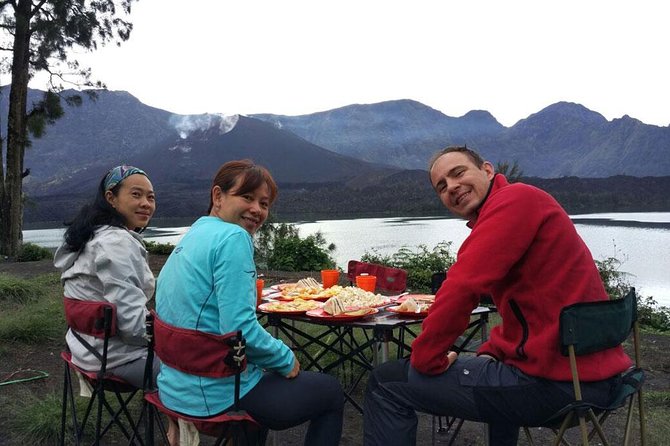
- Two crater-rim camp nights that give you different angles on the crater and starry sky
- Summit day + crater-lake reward the same trek cycle, with Segara Anak and hot springs
- Guides who manage the clock (I kept seeing names like Dani, Hadie, Mul, Edy, and Irsyad)
- Full-board meals and steady water with waters listed at 3 liters a day
- Day 1 waterfall timing is strict (you need to be there well before sunset)
- Bonus boat transfer to Gili Island after the trek, so you can keep moving
Mt Rinjani 4D3N: Why this trek feels different
Rinjani is famous for one big reason: it changes your body rhythm. You start in cooler air, climb through changing terrain, then drop down into a crater world. This tour’s shape helps you experience that change instead of rushing through it.
The value here is that you’re not just hiking for a summit photo. You camp on the rim, then you reach the lake and hot springs later—so you get both the effort and the payoff, spread across multiple nights. That pacing is one reason people keep calling it unforgettable rather than just difficult.
You can also read our reviews of more tours and experiences in Tetebatu.
Price and what you actually get for $469
At $469 per person, the smart way to judge value is by what’s included that would cost you money or hassle on your own.
You’re covered for:
- Hotel pickup and drop-off
- Local guide + local porters
- All necessary camping equipment and cooking gear
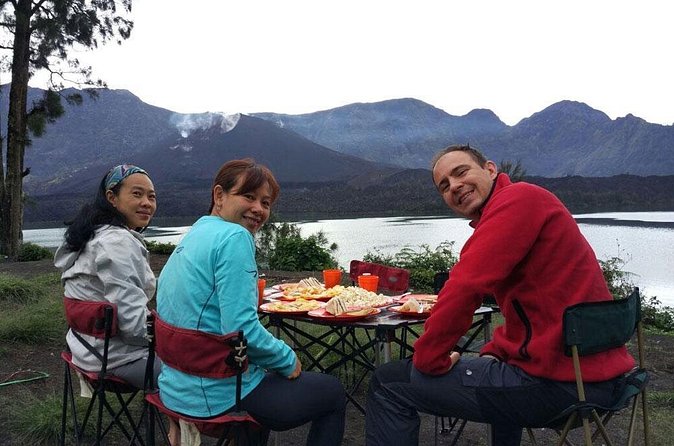
- Full-board meals (listed as breakfast, lunch, dinner across 4 days), snacks, coffee and/or tea
- Waters listed at 3 liter a day
- Camping nights at the rim/lake-side points described in the itinerary
- A bonus boat transfer to Gili Island after the trek
What’s not included (and matters because it affects what you pack):
- Headlamp/hand torch
- Small daily backpack
- Trekking shoes
- Trekking jacket
- Long pants/trousers
- Tips for guide and porters
So yes, it’s not a cheap activity. But it’s also not just a guide and a trail. You’re paying for logistics, food, gear, and people to carry the heavy stuff—things that make a volcano trek feel less like a self-managed expedition.
Day 1: Waterfalls with a deadline (Sendang Gile and Tiu Kelep)
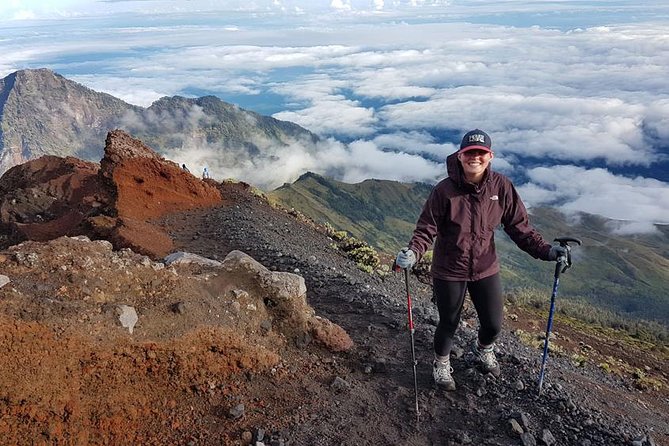
Day 1 is built around Sendang Gile and Tiu Kelep waterfalls. The key detail: these stops are only possible if you arrive at least 2 hours before sunset.
Why that matters: waterfalls are beautiful in daylight, but the real issue is timing. If you’re late, you lose that first-day payoff and you’ll spend more time rushing later. If you like your travel to feel relaxed—even when the trek is serious—make sure you’re on time for this part.
The good news is that the rest of Day 1 is about getting you into trek mode: you’re not thrown immediately into peak climbing. You’re introduced to the area and then you start building the stamina rhythm for the coming days.
Day 2: Start the trek and sleep on the Sembalun Crater rim
This is the day you “begin” in a practical sense. You start trekking, and then you spend the night at the Rinjani crater rim in Sembalun.
Sleeping at the rim is more than a location change. It changes how you experience the mountain. You’ll feel the altitude and open air more than down in the valleys, and you get that calm-before-the-summit feeling. It also means you’re not spending all your energy in transit and then trying to rest somewhere inconvenient.
If you’re trying to choose what matters most about a 4D3N format, Day 2 is part of the reason. You get a rim camp night before the hardest climbing, which helps you mentally and physically prepare.
Day 3: The summit push, then Segara Anak and hot springs
Day 3 is the big day. You’ll fight your way up to the peak of Mount Rinjani, then after walking down, you head to Segara Anak Lake and the hot springs.
That sequence is the tour’s smartest design choice. A summit climb burns your energy and patience. The lake-and-hot-spring segment gives you a recovery window that feels earned, not tacked on.
What to expect from the hot springs and lake time:
- You’ll have time to visit Segara Anak
- You can swim in the lake or soak in the hot spring water
- You then sleep at the lake side, which turns Day 3 from “achievement” into “settling in”
This also helps your body. Instead of going from peak effort straight into another full climbing push, you get a more balanced day rhythm: hard effort, then crater relaxation.
Day 4: Slow lake hours, then Senaru Crater rim night
Day 4 starts with a chance to stay relaxed for a few hours at the lake side. That’s not wasted time. When you’re in volcano terrain, a short decompression can be the difference between feeling okay the next day and feeling destroyed.
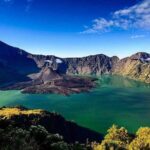
After that, you continue to the Senaru Crater rim, which is described as one of the best places to see Segara Anak Lake. Then you spend the night at the Senaru crater rim.
This rim night matters because it gives you another perspective on the lake and crater system. You’re not repeating the same view from the same place. You’re shifting your vantage point, which is one reason the 4D3N route feels richer than shorter versions.
Day 5: One more rim moment and finish
On Day 5, you’re still at the Senaru Crater Rim, and then the trek finishes.
This is a “we’re here, we did it” day. If you’re the type who likes photos but also likes breathing slowly, this is your moment. Don’t treat Day 5 like an extra workout day. Take it for what it is: closing time with views, not more suffering.
Guides and porters: where this tour earns its 5-star reputation
The most consistently praised part of this trek is the human support. Names you’ll hear again and again include Dani, Hadie, Mul, Edy, and Irsyad, along with porter crews such as Aria, Adi, Sana, Ahmad, and Addi.
Here’s what that looks like in real life:
- A good guide keeps the route and timing under control, so you’re not stuck guessing what comes next.
- They manage the “hard parts” with encouragement. Multiple guides are described as bringing humor, energy, and calm reassurance when legs start to fail.
- Porters matter more than people expect. When your bags move fast and your core stays lighter, your pace becomes more steady.
Even small comforts show up: one standout pattern is that porters and teams handled cooking well, which matters because your meals become your recovery plan. If you’ve ever tried to hike hungry, you know why this is huge.
What to pack (and what to confirm) so you’re not stuck
Based on what’s listed as not included, I’d treat these as your must-bring items:
- Headlamp/hand torch
- Small daily pack (for day items)
- Trekking shoes
- Trekking jacket
- Long pants/trousers
Also plan for everyday basics you’ll use while hiking and camping:
- Water bottle or system (even with waters provided, you’ll want something easy for your personal rhythm)
- Layers you can adjust as temperatures shift from rim to crater area
- Something for your feet beyond just shoes, like socks you trust on long days
One more thing: the tour lists camping equipment as included. That helps your packing, because you’re not trying to drag camping gear around Lombok. Just don’t assume that the trekking essentials are covered unless you verify, since the “not included” list is very specific.
Who this trek is best for (and who should think twice)
This is best for:
- People who hike regularly or want a challenge with a guide-led structure
- Anyone who likes the idea of camping on crater rims and not just doing day hikes
- Travelers who care about safety, pacing, and having porters handle logistics
You should think twice if:
- You’re looking for an easy stroll. This is clearly described as a fight to reach the peak.
- You can’t handle early starts. The meeting time is 5:00 am, and Day 1 has a sunset deadline for waterfall access.
- You’re not comfortable with basic ruggedness. You’re camping, walking long stretches, and sleeping in crater terrain.
Bonus boat transfer to Gili Island: a smart add-on
One of the nicest extras on this itinerary is the bonus boat transfer to Gili Island after the trek. That means you can finish Rinjani and keep the momentum of your Lombok trip, rather than scrambling to coordinate transport right after your last climb.
Should you book Mt Rinjani 4D3N?
Book this tour if you want:
- A volcano trek that includes more than a summit photo
- Two rim camping nights plus a crater-lake day with hot springs
- Strong guide leadership and porter support, with names like Dani, Hadie, Mul, Edy, and Irsyad showing up repeatedly in what people celebrate
- Clear value for the money: pickup/drop-off, meals, cooking gear, and water are built into the price
Skip or choose a different format if:
- You’re not ready for steep, high-effort climbing
- You know you won’t make the strict Day 1 sunset timing for the waterfalls
- You’re missing key gear like trekking shoes or a headlamp and don’t want to buy/borrow at the last minute
If you’re prepared, this tour has the exact ingredients that make Rinjani feel real: planning, strong support, and a finish that lets you recover in the crater instead of rushing onward.
FAQ
What time does the tour start?
The start time is 5:00 am.
How long is the trek?
It’s described as a 4 days and 3 nights trek, with an itinerary that runs Day 1 through Day 5.
Is hotel pickup and drop-off included?
Yes. Hotel pickup and drop-off are included.
What meals are included?
You get full-board meals and drinks, including breakfast, lunch, and dinner (with the meals listed as 4 breakfasts, 4 lunches, and 4 dinners) plus snacks and coffee and/or tea.
Are trekking shoes and a headlamp included?
No. Head lamp/hand torch, small backpack/daily pack, and trekking shoes are listed as not included.
Is there a vegetarian option?
Yes. A vegetarian option is available if you request it when booking.
Where do you sleep during the trek?
You sleep at Sembalun Crater rim (Day 2), Lake side (Day 3), and Senaru Crater rim (Day 4 and Day 5).
Can you swim or soak during the trek?
Yes. After the summit, you’ll visit Segara Anak Lake and hot springs, and the tour notes you can swim in the lake or soak in the spring water.
Is the tour private?
Yes. It’s listed as a private tour/activity, meaning only your group will participate.
Is there anything included after the trek?
Yes. There’s a free bonus boat transfer to Gili Island after the trek.