Ubud can be a lot more relaxing with the right flow. This private circuit strings together temples, rice terraces, and waterfall time with an English-speaking driver-guide, and guides like Anyar, Dewa, and Wayan tend to bring the stories to life as you go. I also love the comfort of a clean private car and the way photo stops are handled without feeling like a rushed checklist.
The main consideration is effort. Expect walking on uneven ground and steps, plus heat and humidity, so plan an earlier start if that stuff tires you out fast.
In This Review
- Key highlights worth your attention
- How this Ubud day works in real life
- Pickup and getting to the highlights without the stress
- Sacred Monkey Forest Sanctuary: fun, but don’t treat it like a zoo
- Tegalalang Rice Terraces: the views plus the option to add adrenaline
- Gunung Kawi Sebatu Water Temple: where the water part has meaning
- Coffee plantation tasting: a culture stop that still feels fun
- Ulu Petanu Waterfall: the calm, scenic finish
- Price and logistics: does $19 per person make sense?
- Pace, comfort, and who this fits best
- What to ask your guide before you leave
- Should you book this Ubud day trip?
- FAQ
- How long does the Ubud tour take?
- What’s included in the price?
- Are entrance tickets included?
- Is lunch included?
- What about pickup outside the Ubud area?
- Is the tour suitable for elderly travelers?
Key highlights worth your attention
- Monkeys first, then the rice terraces: a smart order that keeps your day feeling fresh.
- Photo-friendly stops: guides frequently take photos and videos so you get real memories, not just selfies.
- Tegalalang with options: you get the terraces first, then you can add a jungle swing or zip line if you want the thrill.
- Gunung Kawi Sebatu gets explained: you are not just standing there. You learn what the water temple means and why it matters.
- Coffee plantation tasting: you can sample Balinese coffee as part of the culture stops.
- Ulu Petanu as a calm ending: the waterfall finish gives your day a softer landing than another crowded viewpoint.
How this Ubud day works in real life
This tour is built around one big idea: you should spend your energy seeing, not negotiating transport, tickets, and timing. You ride in a private car with an English-speaking driver and guide, and you get mineral water plus parking taken care of. If you choose the option that includes tickets, entrance fees for the stops are handled too, which saves you time at the gates.
Most of the route sits inside Ubud and nearby areas, and that matters. Traffic can crush your schedule in Bali, so the day feels better when you are not constantly stuck in transfer time. If you are staying outside the Ubud area, the guidance is simple: pick an earlier pickup time to reduce the worst bottlenecks.
For length, you are looking at 5 to 10 hours. That range is useful because you can slow down when you want photos, or speed up if you need a lighter day.
You can also read our reviews of more tours and experiences in Ubud.


Pickup and getting to the highlights without the stress
Your day starts with pickup options across Bali, with many locations listed around Seminyak, Canggu, Uluwatu, Kuta, Sanur, Jimbaran, and of course Ubud areas like Tegallalang and Padangtegal. Within the Ubud area, pickup and drop-off are included.
If you are picked up in areas outside the Ubud area such as Candi dasa, Sidemen, Sanur, Canggu, Kuta, Seminyak, Jimbaran, Uluwatu, and Nusa Dua, there is an additional charge of 150K per car. That pricing detail is worth noting because it changes the value depending on where you stay.
In practice, I like that you can plan around your comfort level. If you know you hate traffic or you want the terraces before it gets too intense, go earlier. Guides also tend to advise on leaving on time to avoid slowdowns, which is a small thing that makes a big difference.
Sacred Monkey Forest Sanctuary: fun, but don’t treat it like a zoo
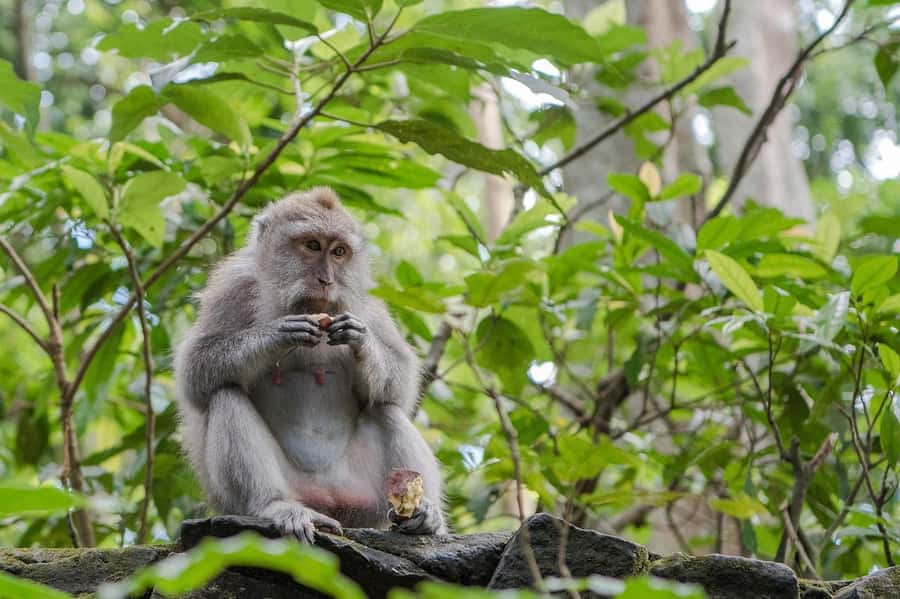
The day typically kicks off at the Sacred Monkey Forest Sanctuary, where you can watch macaques in their natural habitat. This is one of those places where you either enjoy the chaotic energy, or you treat it like a quick stop and move on. The value here is that you are with a guide who keeps you oriented, so you spend your time actually watching rather than hunting for the best paths.
A big part of monkey forest success is your mindset. Go in expecting them to be curious and quick, not polite photo subjects. Keep your belongings secure and follow the guide’s instructions, especially if you see people ignoring rules.
What I like about starting here: it is lively early in the day, and you can burn off that buzz before shifting into calmer scenery at the rice terraces and temples. If your legs are sensitive, you can also pace yourself at Monkey Forest instead of trying to do it at maximum speed.
Tegalalang Rice Terraces: the views plus the option to add adrenaline
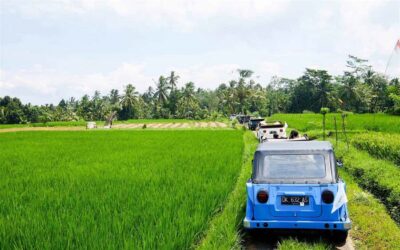
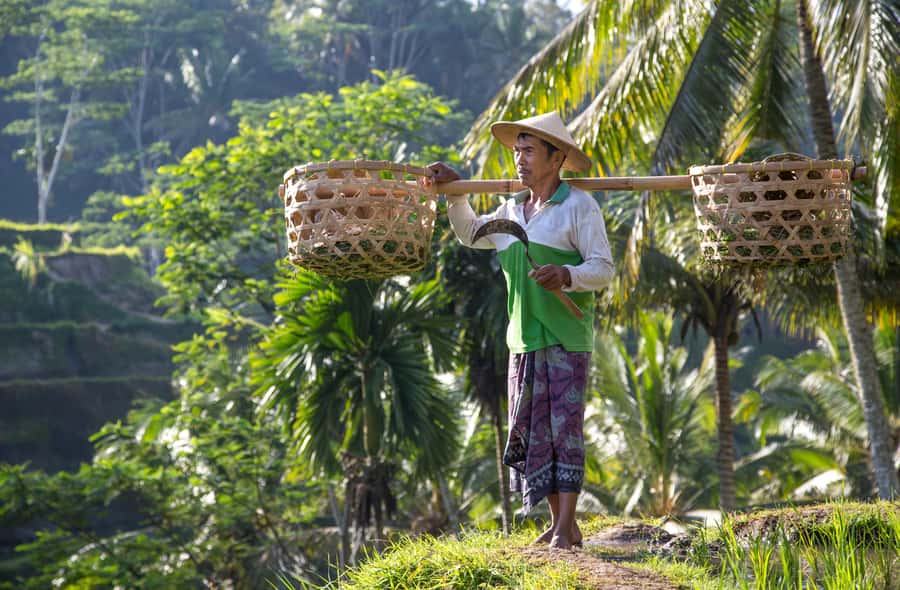
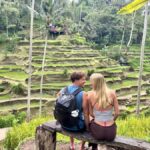
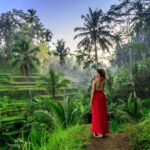
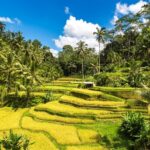
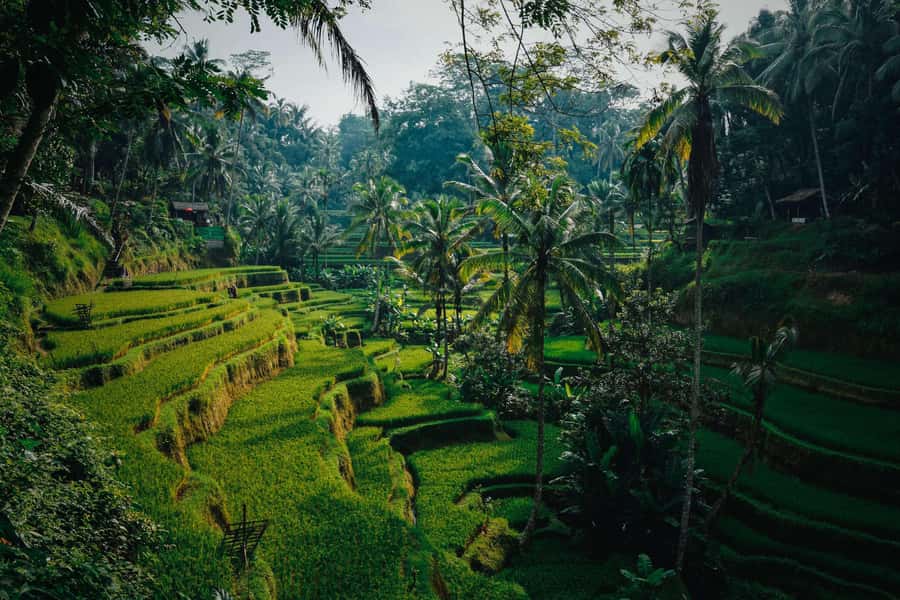
Next comes Tegalalang Rice Terraces, one of Bali’s most photographed scenes for a reason. You get broad views over green steps of farmland, plus walking paths that let you get angles that feel more personal than the usual viewpoint photos.
This stop is especially good when your guide manages the flow. Several guides in the operation are praised for time management and for finding good photographic viewpoints without a constant crowd crush. That means you are more likely to catch the terraces in a calmer rhythm, not just when everyone streams in at once.
Two bonus options can be added here if you want something more than scenery:
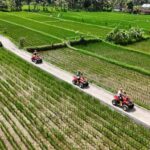
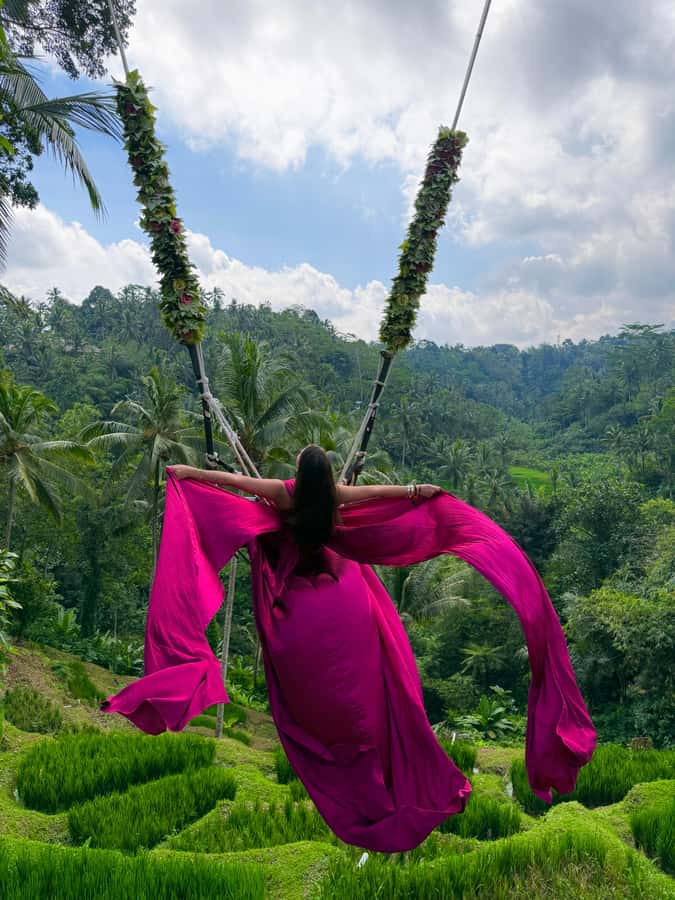
- a jungle swing
- a zip line
These are optional thrills, which is the smart way to do it. If you want the swing or zip line, you will have that chance without turning the whole day into one long adrenaline event. If not, you can focus on the terraces and still enjoy the views at a steady pace.
Practical tip: rice terraces can be hot and humid. Even if you are comfortable in weather, take breaks. You will enjoy everything more if you are not rushing while sweating through your day.
Gunung Kawi Sebatu Water Temple: where the water part has meaning
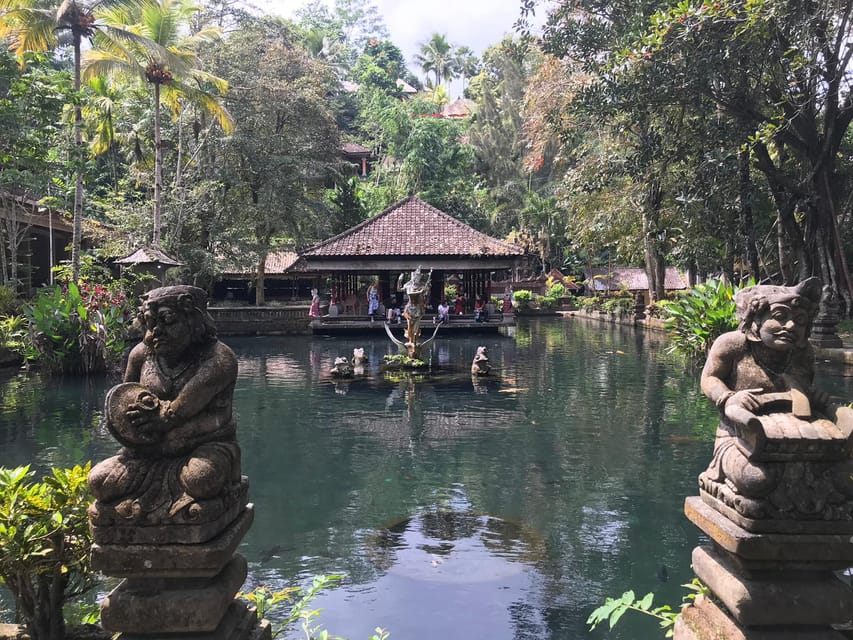
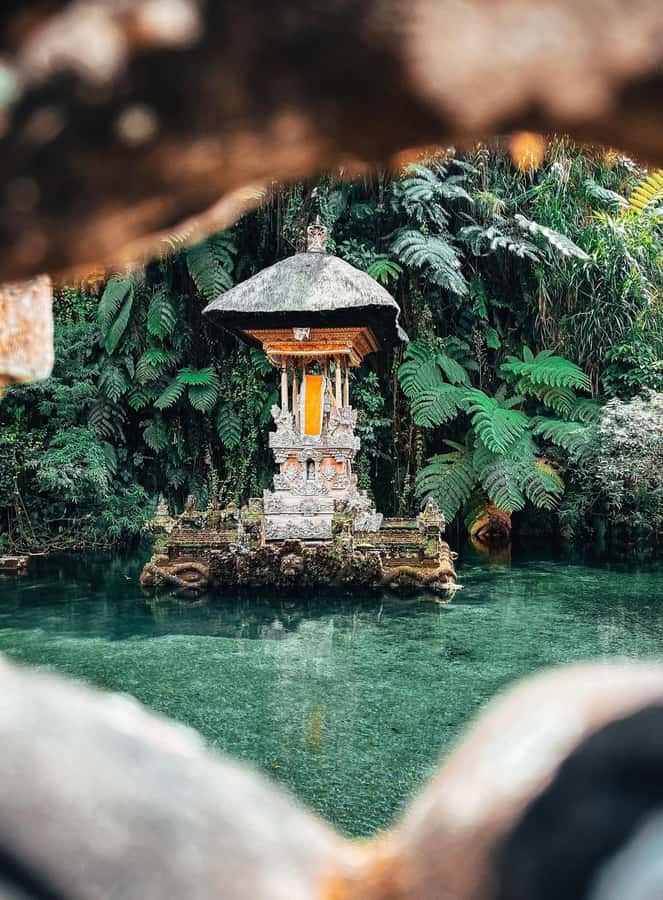
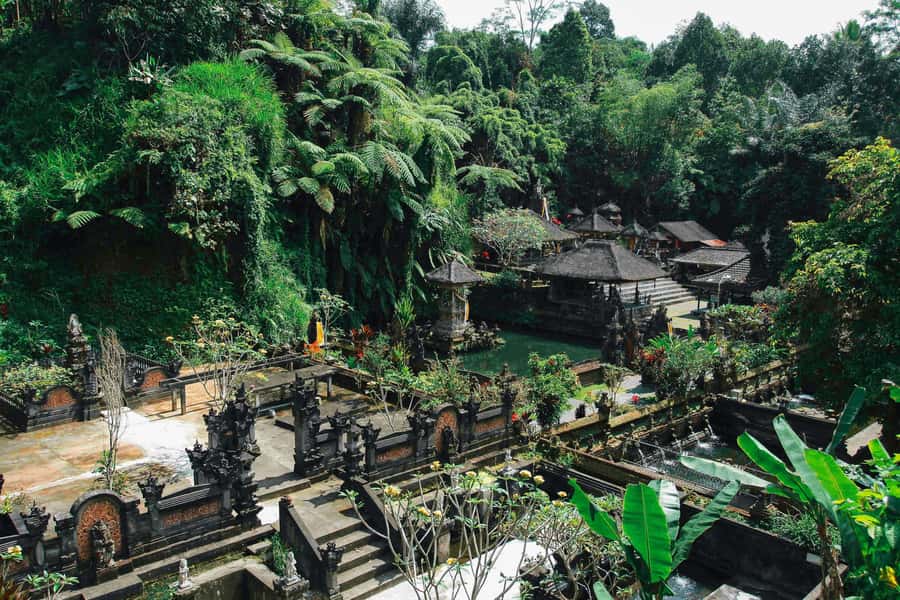
After terraces, the itinerary shifts from farmland views to spiritual water architecture at Gunung Kawi Sebatu, a sacred water temple. The difference is subtle but important: this is not just a pretty stop. It is a place tied to religious practices, and a good guide explains the meaning behind what you are seeing.
What I look for at temples is context. When you understand why water plays a central role, the whole experience feels more respectful and less like sightseeing. At this stop, the guidance tends to cover the religious significance clearly, including how visitors can experience cleansing rituals that are part of the site’s traditions.
You should also know that your comfort level matters here. Water temples can involve wet areas and ceremonial rules around how you move through the space. If you are unsure, ask your guide what to do on the spot. You will feel more confident when you follow local etiquette rather than guessing.
If you want a day that includes both visuals and cultural meaning, Gunung Kawi Sebatu is often the moment that makes the trip feel rounded.


Coffee plantation tasting: a culture stop that still feels fun
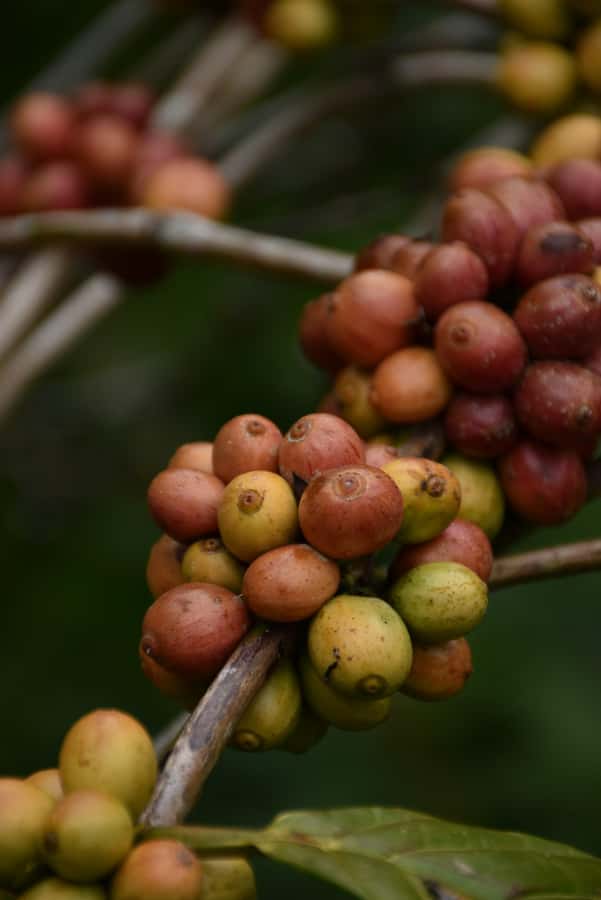
Then you shift gears again to a coffee plantation experience. This is where Bali can surprise you because it is not only about tasting. It is also about understanding how locals think about plants, harvesting, and the coffee culture tied to the island.
The practical payoff is simple: you get to sample Balinese coffee rather than just hearing marketing talk. If you like coffee and want a break from constant walking, this stop can feel like a well-timed reset. You can also ask questions about flavors and ingredients while you are there, and a good guide will connect the dots in plain language.
What I like: this stop usually fits well in the flow of the day. It is not too long, and it keeps the tour from becoming only temples and viewpoints. It adds variety without dragging the schedule.
If lunch matters to you, plan ahead. Lunch is not included, but the guide can help you find something that works for you. Vegetarian and vegan options have been handled well before, so if you have dietary needs, tell your guide early.
Ulu Petanu Waterfall: the calm, scenic finish
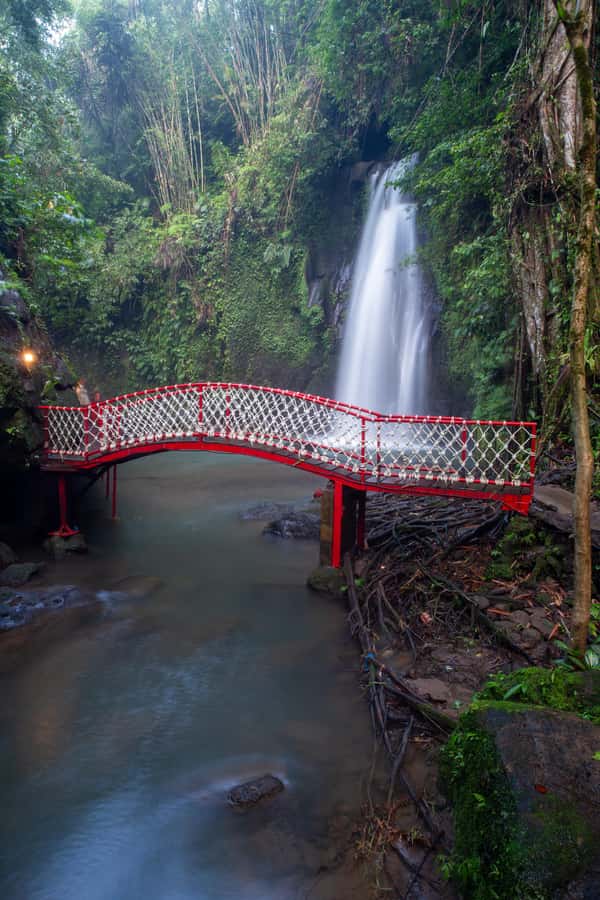
To close the day, you head to Ulu Petanu Waterfall. A waterfall finish is a smart choice after temples and terraces because it feels like decompression. You get the sound of water, open air, and a chance to reset your senses before you go back to your hotel.
This is also where weather can change the experience quickly. Rain happens in Bali, and the operation has shown it can handle it with preparation, like having umbrellas ready. Still, bring a small plan for yourself: wear shoes you trust on slick ground and keep your phone secure.
Depending on conditions and how the day goes, you may be able to experience the waterfall area in a more hands-on way. In past days, guides have described opportunities like a final bath experience, but you should treat that as situational and follow safety and site rules.
Either way, I find Ulu Petanu works as a payoff. You end on something that feels natural and unforced, not another rushed photo queue.
Price and logistics: does $19 per person make sense?

At $19 per person, the biggest value is not the headline price. It is what you are buying for that money: private transport, an English-speaking driver-guide, mineral water, parking fees, and potentially entrance tickets depending on the option you select.
If you do tickets separately and hire a driver on your own, the total often climbs quickly once you factor in time, bargaining, and stress. Here, the structure does some of the heavy lifting for you. You also get a “day plan” that usually runs efficiently, with guides who arrive on time and keep movement smooth.
There is one cost detail you should read carefully: entrance tickets are listed as included only if you select the option that includes them. If you do not select tickets, you will pay entrance fees yourself at some points, and that changes the real total.
Another logistics factor is where you get picked up. If you are outside the Ubud area, the 150K per car charge may apply. That charge is per car, not per person, so it tends to matter more for solo travelers and couples than for small groups—something to consider when comparing costs.
Finally, note the tour is rated 100% perfect for transport quality. That tracks with what you want from a day trip in Bali: safe driving, smooth timing, and fewer surprises on the road.
Pace, comfort, and who this fits best
This tour is best for people who want a lot of variety in one day: monkeys, terraces, temples, coffee, and a waterfall. It also fits travelers who like having someone local explain the meaning behind what they are seeing.
It is less ideal if you want a slow day that avoids walking. The route includes steps and uneven surfaces, especially at Monkey Forest and around the rice terraces and temple areas. The tour is also not suitable for people over 95 years, which likely comes down to mobility and walking demands.
If you are the kind of traveler who gets cranky when plans fall apart, this setup tends to help. Guides who manage timing well and keep you informed can reduce the emotional tax of travel days.
If you want photos, say it out loud. Many guides take photos and videos and help with poses, which makes a big difference in how satisfied you feel when you look back later.
What to ask your guide before you leave
To make the day match your style, ask a few simple questions at pickup:
- Do you recommend the earliest possible start based on where we are going first?
- Are entrance tickets included in my chosen option?
- Can we adjust the order if rain shows up, so the waterfall and terraces still work?
- If I’m vegetarian or vegan, can you suggest lunch options that fit?
Because you are in a private setup, the guide can usually tailor the day’s rhythm more than a fixed bus schedule can.
Also, think about what you want from Tegalalang. If you want the jungle swing or zip line, you should tell the guide early so they can pace the rest of your timing.
Should you book this Ubud day trip?
If you want one organized day in Ubud that hits the top nature-and-culture stops without you playing traffic chess, I think this is a strong choice. The price is usually fair because you are not only paying for sights—you are paying for transportation, guidance, and time saved.
You should consider other options if you hate walking, struggle with stairs, or want a very laid-back schedule with minimal movement. Also, if your main goal is just one or two sites, you might find a shorter plan fits better than stacking multiple stops.
My take: book it if you like variety, good explanations at temples, and a clean, efficient day ending at a waterfall.
FAQ
How long does the Ubud tour take?
The duration is listed as 5 to 10 hours, depending on starting times and how the day runs.
What’s included in the price?
It includes pick-up and drop-off, a private car, mineral water, parking fees, and an English-speaking driver and guide. Entrance tickets may be included if you select the option that includes them.
Are entrance tickets included?
Entrance tickets are listed as included only if selected. Entrance tickets are also listed as not included otherwise, so double-check your chosen option.
Is lunch included?
Lunch is not included.
What about pickup outside the Ubud area?
Pickup and drop-off are included within the Ubud area. For pickup and drop-off in places like Sanur, Canggu, Kuta, Seminyak, Jimbaran, Uluwatu, and Nusa Dua, there is an additional 150K per car charge.
Is the tour suitable for elderly travelers?
The tour is not suitable for people over 95 years.