Waking up for a mountain at midnight works. This sunrise trek up Bali’s tallest volcano takes you from sacred Pasar Agung Temple to a 3,142m summit, where the cold air and huge horizon make the effort feel real. I love the early-morning payoff (a proper summit sunrise) and the way the local guides help you keep moving safely, with names like Lulut, Lina, and Komang showing up in people’s experiences. The main catch: it’s steep and demanding, and conditions can turn cold and windy fast.
I also like that the trek is set up like a practical adventure, not just a random trail. You get a head light, hiking stick, raincoat, and a breakfast box, so you’re not scrambling for basics in Bali at 12:30 a.m. Still, keep expectations grounded: this is not for low fitness, and you’ll be walking for about nine hours over rough ground.
In This Review
- Quick Takeaways: What Makes This Mount Agung Hike Worth It
- Why Mount Agung’s Sunrise Feels Like the Real Point of the Day
- The Starting Point: Pasar Agung Temple at 1,500m
- The Midnight-to-Summit Grind: Forest, Rocky Steps, and Volcanic Scree
- Views From 3,142m: Bali, Neighboring Islands, and Rinjani on Clear Days
- The Practical Stuff: How the 10 Hours Actually Feel
- What’s Included (and Why It Matters on a Volcano Hike)
- What to Bring: Warm Layers, Waterproof Storage, and Sensible Snacks
- Guides Make the Difference on a Steep, Loose Trail
- Who This Mount Agung Hike Suits (and Who Should Skip It)
- Should You Book This Sunrise Hike? A Quick Decision Guide
- FAQ
- What time does the Mount Agung hike start?
- How long is the hike?
- Where do we start, and what altitude is the summit?
- Do I need a guide?
- What’s included in the price, and what’s not?
- What should I bring, and are there restrictions?
Quick Takeaways: What Makes This Mount Agung Hike Worth It
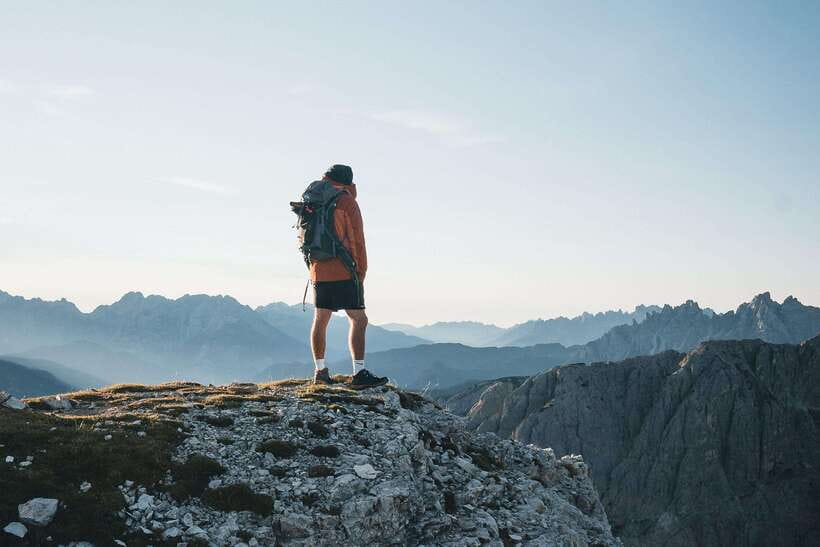
- Midnight start for sunrise: you’re moving in the dark so the summit view happens at dawn
- Begins at Pasar Agung Temple (about 1,500m): the hike ramps up quickly from sacred grounds to steep trail
- A true challenge: dense forest, rocky paths, and loose volcanic scree, with the steepest section near the top
- Top-of-mountain views: panoramic Bali and neighboring islands, with Mount Rinjani visible on clear days
- Guide + gear included: local guidance plus head light, hiking stick, raincoat, gloves, and breakfast box
- No porter: plan to carry your own essentials the whole way
Why Mount Agung’s Sunrise Feels Like the Real Point of the Day
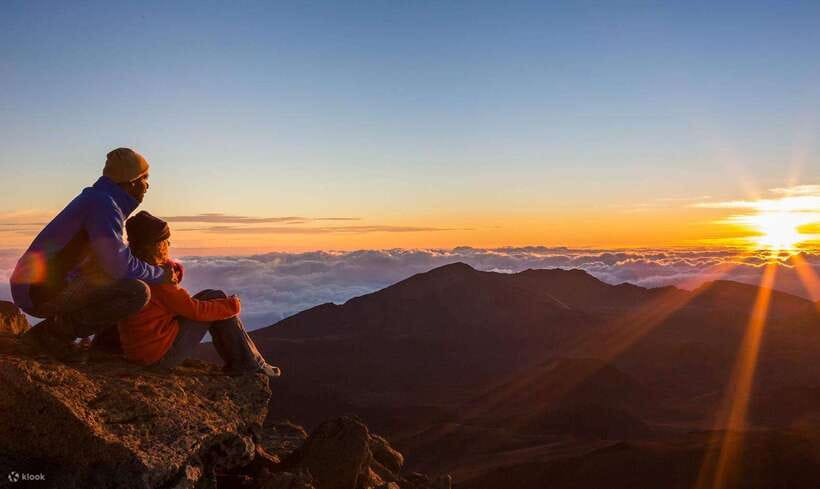
Mount Agung is Bali’s tallest volcano, and it has a serious reputation on the island. The magic here isn’t just that you reach a high place. It’s that you reach it when the day is still quiet enough for the mountain to feel huge.
Starting in the midnight hours (the plan is usually around 00:15) means your hike is timed for sunrise at the summit. That changes the vibe completely. You’re not just hiking for exercise. You’re hiking for a specific moment—when the light spills over Bali and the horizon opens up.
The payoff can be dramatic even if skies aren’t perfect. With clear weather, you can see neighboring islands and, on a good day, Mount Rinjani in Lombok. Even without perfect visibility, the steep climb and the switch from forest coolness to summit cold make the moment feel earned.
One more practical note: sunrise hikes tend to be colder and windier at higher elevations. If you plan to wear the wrong layers, you’ll feel it fast. Bring warm clothing and expect to be uncomfortable before you’re comfortable.
You can also read our reviews of more tours and experiences in Karangasem Regency.



The Starting Point: Pasar Agung Temple at 1,500m
You begin at Pasar Agung Temple, which sits at around 1,500 meters above sea level. That’s already high enough to affect how you breathe and how your body warms up. You’re also starting on sacred grounds, so the tone is different from a typical hiking trail.
From the start, the trail shifts quickly—from temple surroundings to a rugged, steep ascent. In other words, you don’t ease into this one. Your legs get tested early, so you’ll want a steady pace from the beginning rather than going out too fast.
This is also why a head light matters. You’ll be walking in darkness at first. The provided head light helps you read the trail and place your feet more confidently on uneven steps and rocky patches.
I like that this isn’t a slow “tour bus to a viewpoint” kind of experience. It’s a start-to-finish climb with clear purpose: get you to the summit before sunrise.
The Midnight-to-Summit Grind: Forest, Rocky Steps, and Volcanic Scree
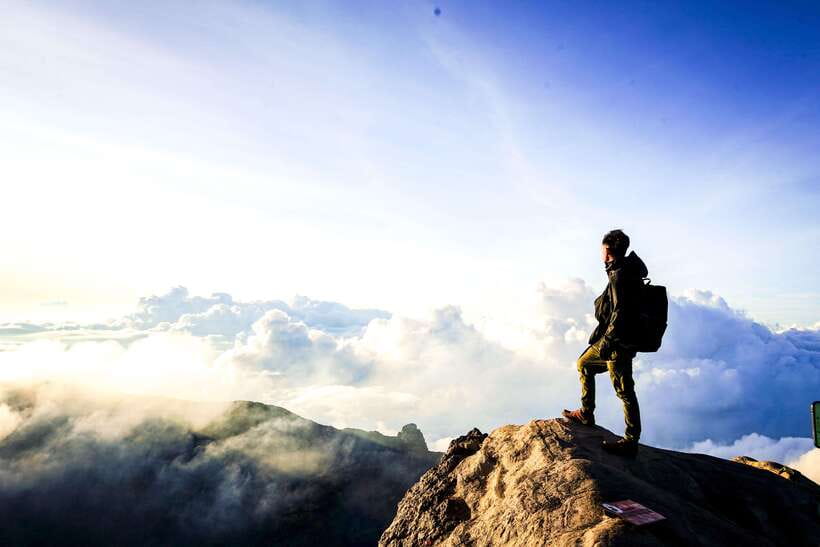
The route has a few distinct moods, and knowing them helps you pace yourself.
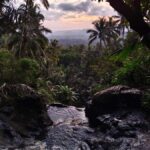
First comes dense tropical forest. The air is often cooler under the canopy, and the sound of the trail is more natural—less wind, more birds and leaves. This section can feel manageable at the start, but it sets you up for the rest of the climb.
Then the trail turns rocky. You’ll deal with uneven paths and places where footing changes quickly. Higher up, volcanic scree appears. Scree is basically loose volcanic rock that can slide under your shoe. You’ll feel it more on your calves and ankles than you expect.
As you rise, the vegetation thins and the air gets cooler. That’s good for some people (less sweaty climbing), but it also makes the final push feel colder and harder—especially if the wind kicks up.
The last stretch is the most demanding: steep slopes and loose volcanic rocks. This is where careful footing matters most. Your guide’s job becomes huge here: timing breaks, keeping you on the right line, and helping you avoid the kind of misstep that ruins the whole climb.
Small gear details actually matter:
- Gloves help on cold metal-like rocks and for gripping when the ground is slick.
- The raincoat helps if weather changes (and on volcanoes, it can).
- A hiking stick gives you extra balance on steep sections and on scree.
Also, don’t ignore the “no porter” part. You’ll want a waterproof bag and to carry only what you genuinely need. The hike is long enough that extra weight becomes tiring fast.
Views From 3,142m: Bali, Neighboring Islands, and Rinjani on Clear Days
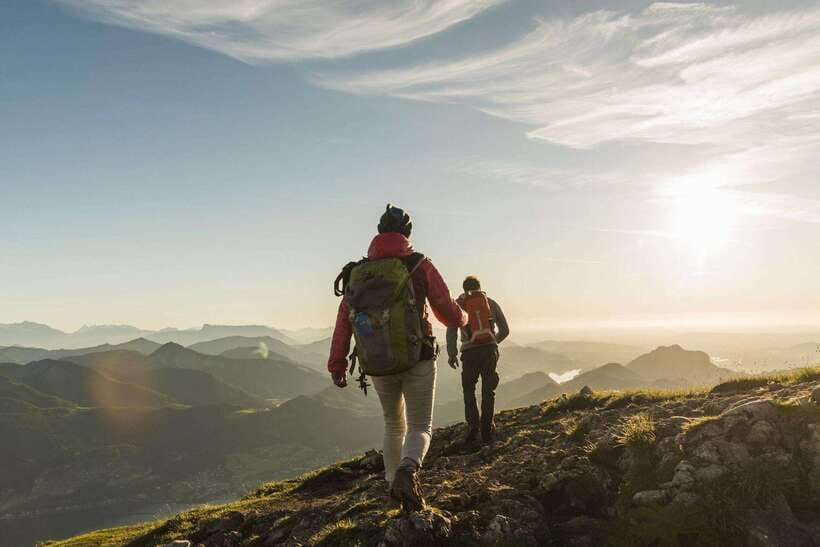
Once you’re at the summit, the whole hike makes sense.
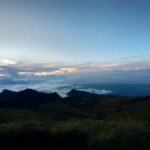
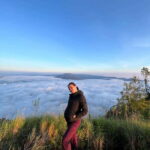
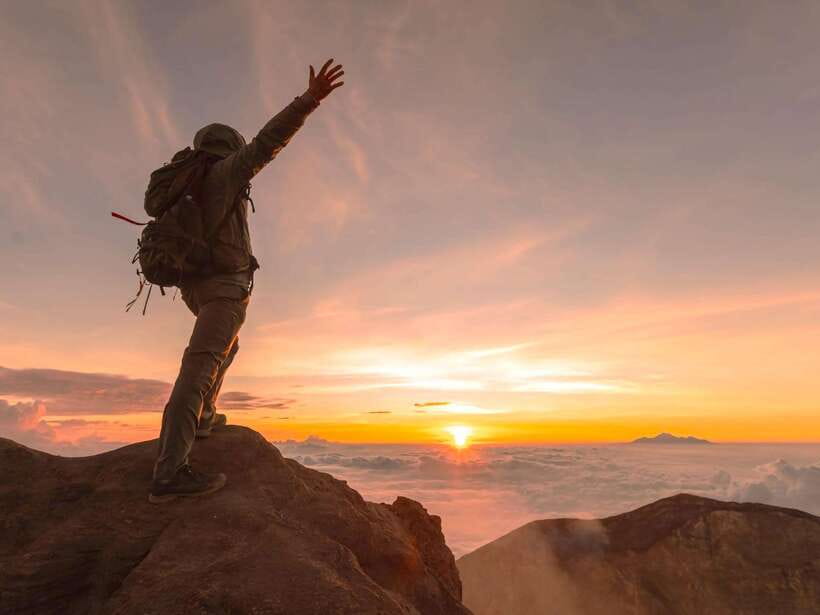
You’re rewarded with panoramic views over Bali and surrounding islands. The goal is sunrise, so you’ll want to be positioned to watch the horizon as the light rises—no rushing, no checking your phone, just letting the mountain do the work.
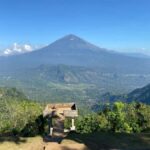
The view isn’t only about Bali’s coastline. With good visibility, you can see neighboring islands and, on clear days, distant Mount Rinjani on Lombok. That detail matters because it tells you you’re not just looking at your immediate surroundings—you’re getting a big regional perspective.
One reality check: weather can change rapidly. If clouds or wind roll in, visibility may shrink. That doesn’t make the summit useless. The sunrise timing, the cold air, and the sheer scale of the climb still create a strong moment even when the view is partly muted.
When you’re at the top, focus on comfort and balance. Summit conditions can be cold and windy. Warm layers and a plan for staying steady on rocky ground will keep you enjoying the moment instead of battling discomfort.
The Practical Stuff: How the 10 Hours Actually Feel
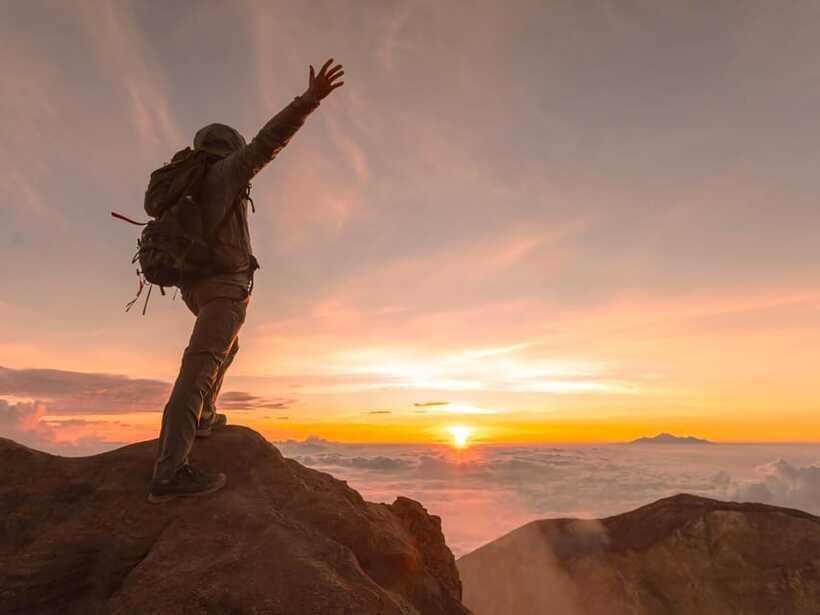
The total duration is around 10 hours, and the hiking time is about nine hours. That means the day has a long walking core, plus extra time for pickup, early check-in, and time at the summit.
You’ll likely start around midnight (commonly about 00:15). That means you’ll need to be ready early in the day schedule—this is not a late-morning plan.
Pickup and drop-off depend on the option you select. There are drop-off points across multiple areas, including:
- Klungkung Regency
- Badung Regency
- Bangli Regency
- Gianyar
- Karangasem Regency
- Denpasar City
- Pasar Agung Besakih Temple Park
So if you’re basing yourself in central Bali, you may find the drop-off logistics easier than you’d expect.
The price is $61 per person, and the value is in what’s included for that cost: a local guide, entrance fees, and key gear. You’re also getting a breakfast box, which is helpful because you’ll start early and be active for hours before normal breakfast timing.
One more practical detail: the experience includes skipping the ticket line. At 1 a.m., nobody wants to wait in a queue.
The “not included” list is short: no porter. That’s the big one. You bring your own personal items and carry what you pack. If you’re planning to hike light, this format is great. If you hate carrying your own bag, you’ll feel that constraint.

What’s Included (and Why It Matters on a Volcano Hike)
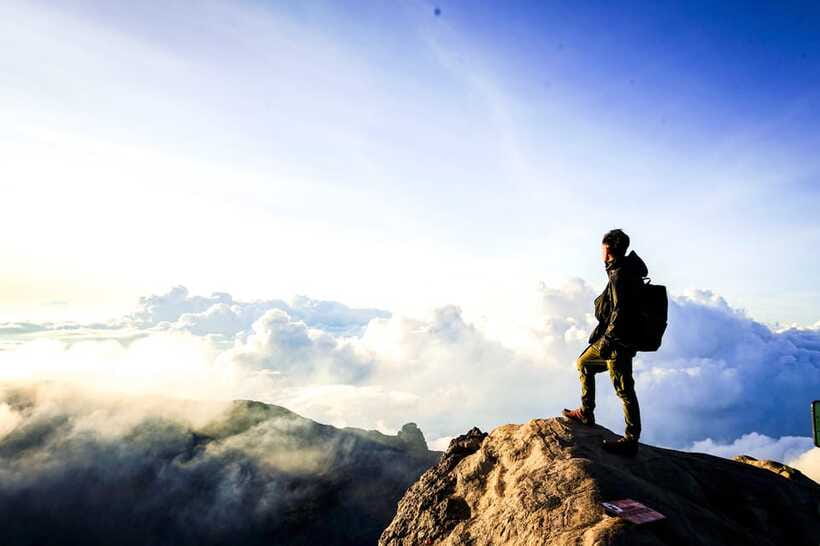
This tour includes several items that make a real difference in comfort and safety on Mount Agung:
- Local guide: mandatory for safety reasons, especially on steep, loose terrain
- Entrance fees: so you’re not hunting tickets at the wrong time of night
- Head light: you need this for the dark portions
- Hiking stick: balance and pacing help, especially near the end
- Hand glove: cold and rough surfaces are part of the experience
- Plastic raincoat: weather can shift; this helps you stay warm enough to keep going
- Breakfast box: energy before and during the long climb
- Hotel pick up and drop off: only if you select that option
- Skip the ticket line
The guides also operate in English, Indonesian, and Malay, which helps if you’re not fluent in Indonesian. That language flexibility makes it easier to get safety instructions and trail guidance without guessing.
What you should not expect: a porter. You should be ready to carry your own essentials. This isn’t a problem if you pack smart, but it will be a problem if you show up with a heavy bag “just in case.”
What to Bring: Warm Layers, Waterproof Storage, and Sensible Snacks
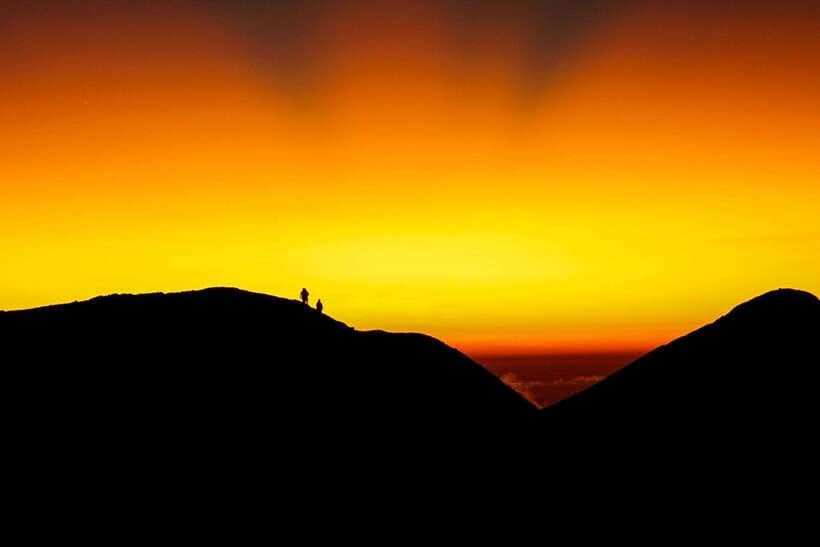
This hike starts in the midnight-to-dawn window and ends at a high point that can be cold and windy. So packing isn’t just about comfort—it’s about staying functional.
Here’s what to bring:
- Warm clothing: you’ll be cold at altitude and during sunrise waiting time
- Change of clothes: useful after the hike, especially if you get damp from mist or rain
- Snacks: the climb is long, and having extra food helps you manage energy
- Hiking shoes: sturdy footwear is essential for steep, rocky, and loose sections
- Waterproof bag: protects your essentials if the weather turns wet
- A water plan: you’re advised to bring sufficient water
Also note the rule: no smoking during the activity.
A simple packing strategy helps: carry what you can comfortably hold for hours, keep it dry, and avoid adding unnecessary weight.
Guides Make the Difference on a Steep, Loose Trail
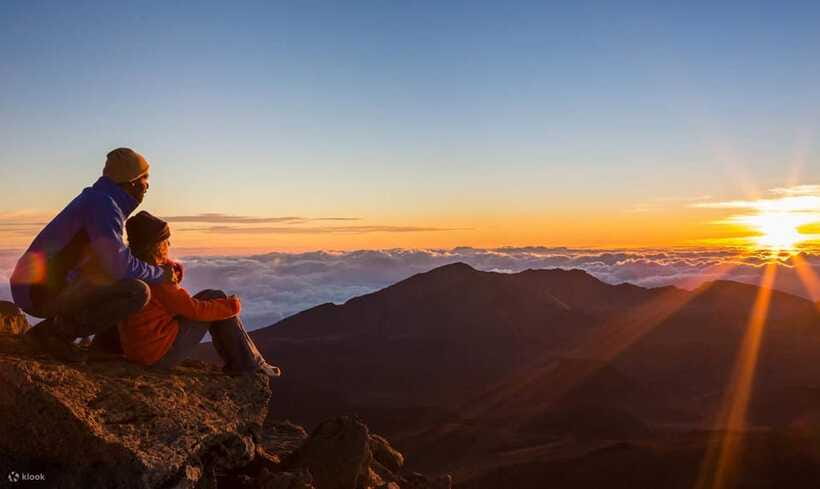
A volcano hike is one of those situations where the guide isn’t optional because it’s more than route knowledge. It’s pacing, safety, and adapting when weather or trail conditions shift.
In the experiences people share, guides like Lulut, Lina, and Komang are praised for being patient and helpful—exactly what you want when the hike gets steep and your legs start negotiating with gravity.
Here’s what you should look for from a good guide on this route:
- Clear instructions at the hardest sections, when footing gets loose
- Break timing that helps you keep going without burning out early
- Support with navigation so you don’t spend mental energy wondering where to step next
If you’re new to very steep hiking, having that guidance matters even more. If you’re experienced, you’ll still appreciate it—because the final push is physical and technical at the same time.
Who This Mount Agung Hike Suits (and Who Should Skip It)
This is recommended for experienced hikers. The steep inclines, loose volcanic rocks, and rapidly changing conditions are a lot to manage.
It’s also not suitable for:
- Children under 12 years
- Pregnant women
- People with mobility impairments
- People with heart problems
- People with respiratory issues
- People with low level of fitness
If you fall into any of those categories, you should take that seriously. This hike starts early and involves demanding terrain for hours. Pushing through when your body isn’t ready is how small issues turn into big ones.
Who should book? People who want a real mountain day, not just a viewpoint. If you enjoy climbing, you’re comfortable with steep ground, and you want a sunrise moment that feels earned, this fits.
Should You Book This Sunrise Hike? A Quick Decision Guide
Book it if you want:
- A sunrise summit experience timed to the early hours
- A challenging hike with dense forest, rocky sections, and volcanic scree
- A guided trek with key gear included (head light, raincoat, gloves, hiking stick)
- A panoramic payoff from 3,142m, with a chance to see Rinjani on clear mornings
Skip it if:
- You don’t handle cold or steep walking well
- You don’t have the fitness for long, technical terrain
- You expect a relaxed pace or want to avoid carrying your own bag (there’s no porter)
If you’re on the fence, be honest about your hiking base. This is one of those days where your preparation shows up on your legs at the top.
FAQ
What time does the Mount Agung hike start?
The hike starts early to reach the summit for sunrise, usually around 00:15 AM. Starting times can vary, so you’ll want to check availability for the exact departure.
How long is the hike?
The full experience is about 10 hours. Hiking time is listed as about 9 hours.
Where do we start, and what altitude is the summit?
You start at Pasar Agung Temple at around 1,500 meters above sea level, and hike to Mount Agung’s peak at 3,142 meters.
Do I need a guide?
Yes. A local guide is mandatory for safety reasons, and the guide can provide live support in English, Indonesian, and Malay.
What’s included in the price, and what’s not?
Included items include hotel pick up and drop off (if you select that option), the local guide, entrance fees, hand gloves, a plastic raincoat, a breakfast box, a hiking stick, and a head light. A porter is not included.
What should I bring, and are there restrictions?
Bring warm clothing, a change of clothes, snacks, hiking shoes, and a waterproof bag. Smoking is not allowed during the activity.