East Nusa Penida feels different when a local leads the day. This ecotour blends coastal conservation with hands-on seaweed farming and viewpoint time on the island’s east side. You’re not just sightseeing—you’re learning how island livelihoods and ocean health are tied together.
Two things I really like: you get real-world work at the seaweed farms, not a lecture, and the day is paced by community conservationists who know what they’re doing. One thing to consider: it’s a short, busy 6 hours, so it’s better for people who enjoy learning and moving around than for anyone wanting a slow, lazy beach day.
In This Review
- Key takeaways before you go
- East Nusa Penida through local eyes, not a quick photo run
- Seaweed farming and conservation: what you’re really learning
- Hands-on at the farm: tying, planting, and learning the system
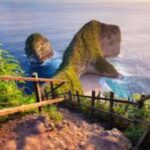
- The east coast stops that earn their reputation: Atuh, Diamond, Treehouse
- Atuh Beach
- Diamond Beach
- The Treehouse
- The guide experience: Festi-style Q&A and calm explanations
- Small group logistics: why up to 8 matters on Penida
- What’s included for the $73 price tag
- Who this tour suits best (and who may want a different day)
- Should you book this Nusa Penida ecotour?
- FAQ
- How long is the Nusa Penida ecotour?
- How much does it cost per person?
- What group size is this tour?
- What languages are available for the live tour guide?
- What’s included in the tour price?
- What seaweed-related activities will I do?
- Which places are visited on the east side?
- Is there an option to visit Giri Putri Cave?
- What is the cancellation policy?
Key takeaways before you go
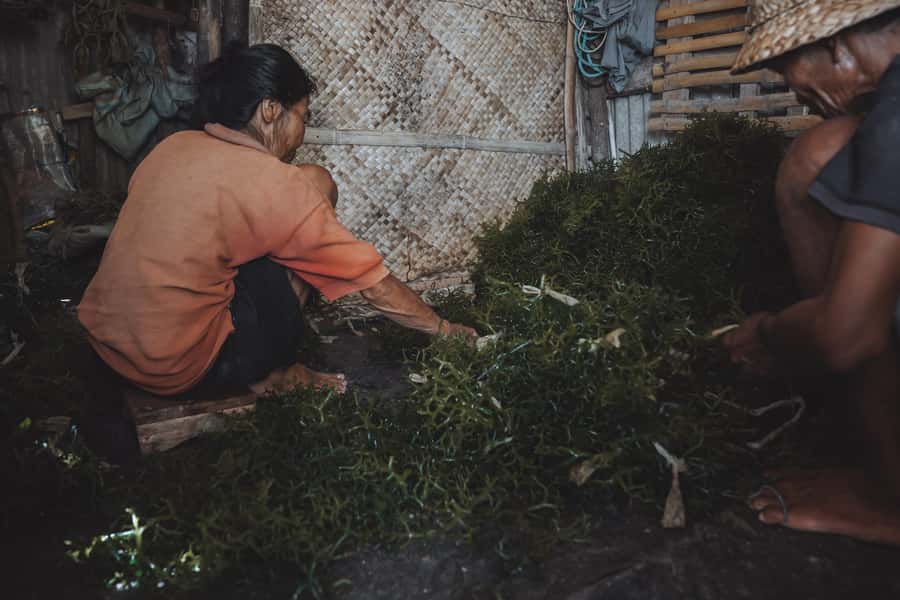
- Hands-on seaweed farming: you may get to help with tying and planting
- Conservation education with practical tasks: coral recovery work and algae preparation are part of the experience
- East Penida viewpoints with strong photo value: Atuh Beach, Diamond Beach, and the Treehouse
- Small group pace: limited to 8 participants for a more personal day
- Guide support across languages: English, Indonesian, and German are offered
- Local food moments can happen: lunch can be served traditionally, depending on the day
East Nusa Penida through local eyes, not a quick photo run
This tour is built around East Nusa Penida’s living traditions. You’ll spend the morning and afternoon learning how seaweed farming supports both the coastline and local families, then break for some of the island’s most famous east-side spots. The tone stays practical and grounded: nature, culture, and conservation in one working day.
A big part of the value is that the experience is framed as something you do with the community, not something you watch from behind a rail. You also get a small-group format (up to 8), which matters on Penida where roads and timing can feel chaotic when you’re with a crowd.
If you’re the type who likes “why this matters” as much as “wow, look at that,” this tour fits your style.
You can also read our reviews of more tours and experiences in Batoemadeg.

Seaweed farming and conservation: what you’re really learning
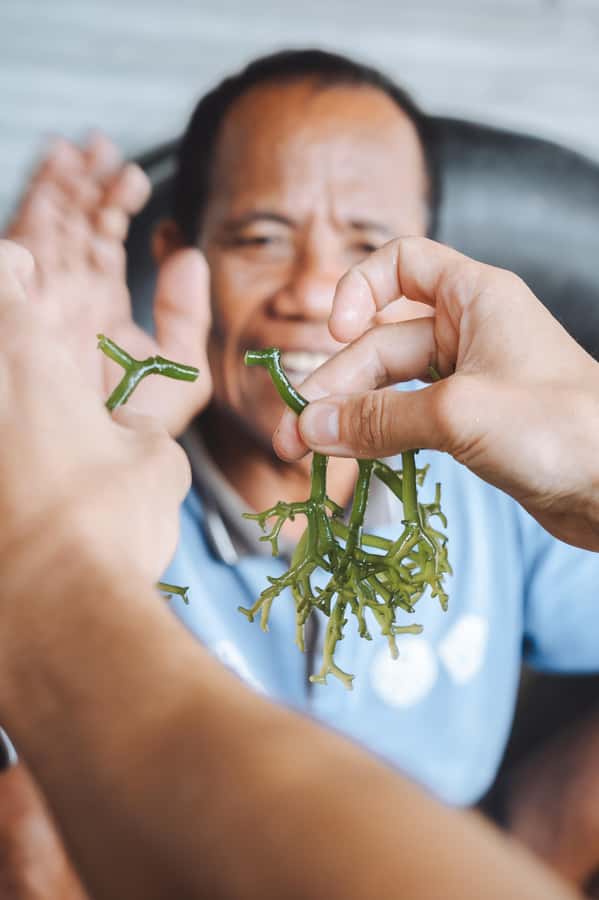
The core of the day is conservation tied to livelihoods. You’ll learn a 10-year legacy of environmental work, and the focus isn’t abstract—it’s about sustainable ocean resources and how they’re maintained year after year.
One of the most praised parts is the conservation side that goes beyond seaweed basics. In particular, there’s mention of coral recovery work and algae preparation, which adds depth to the day. Instead of making conservation feel like a poster slogan, you get examples of the behind-the-scenes tasks that keep restoration moving.
Another key benefit: this is where your guide’s storytelling becomes useful. A guide named Festi is highlighted for answering lots of questions clearly, including Indonesian culture and the practical side of what farmers do. That kind of Q&A turns a tour into something you can actually carry home with you.
Hands-on at the farm: tying, planting, and learning the system
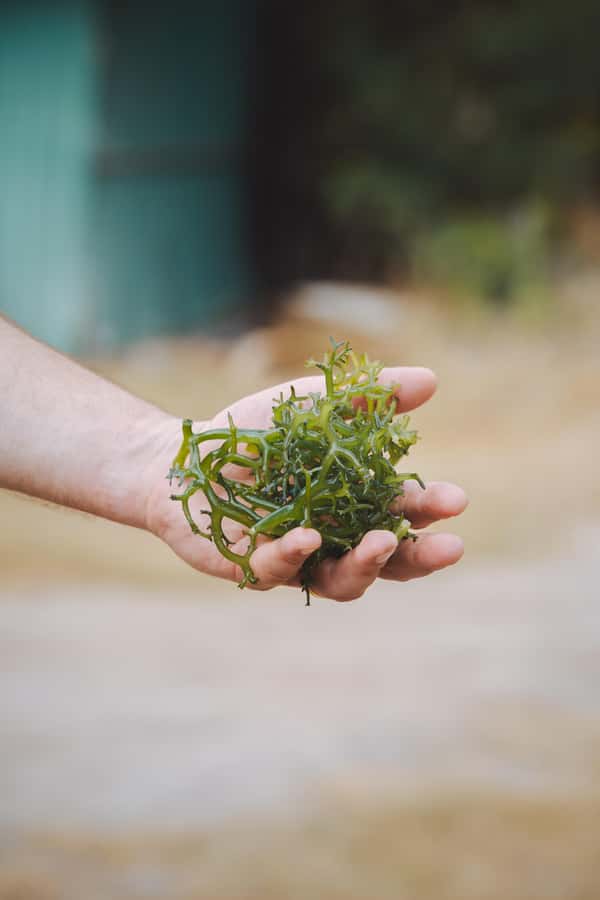
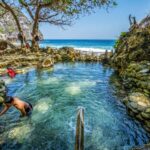
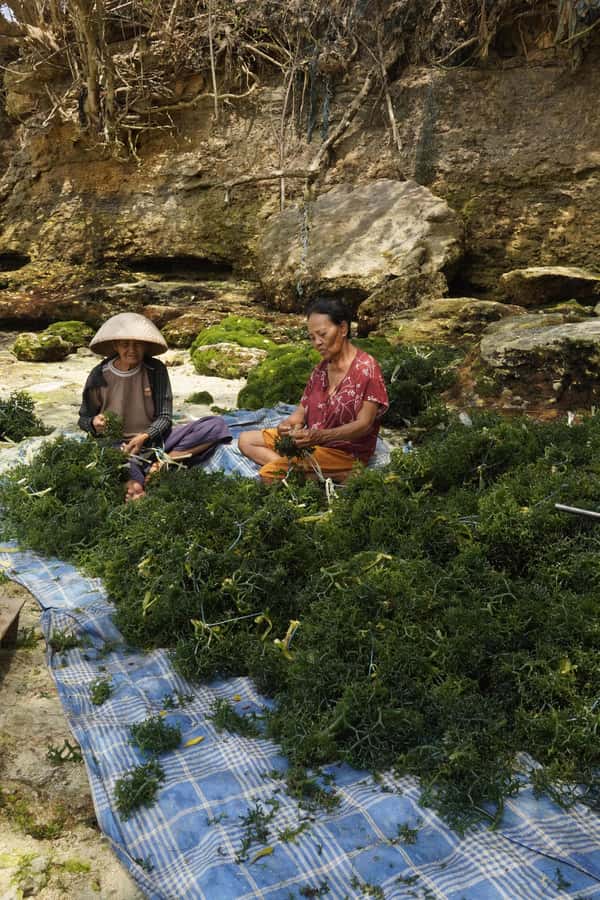
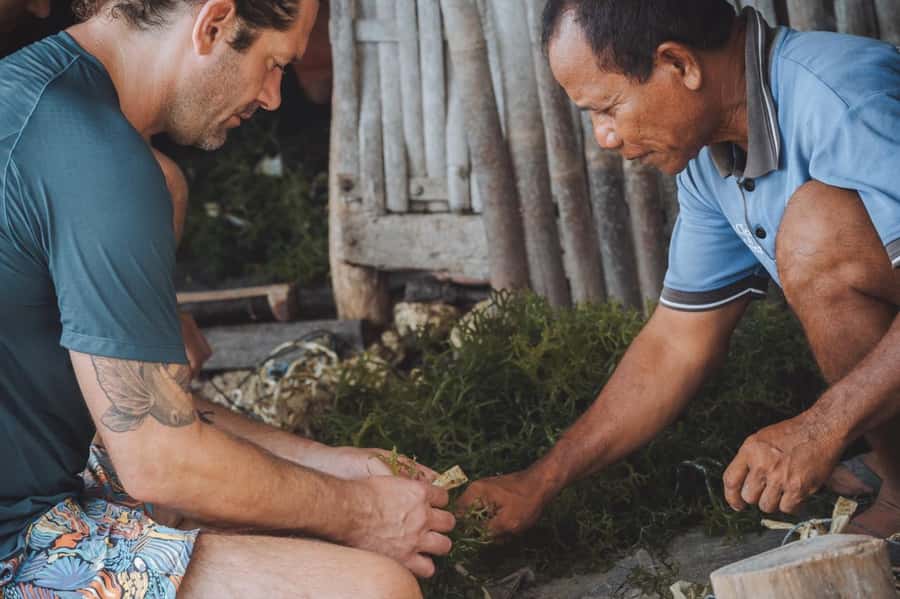
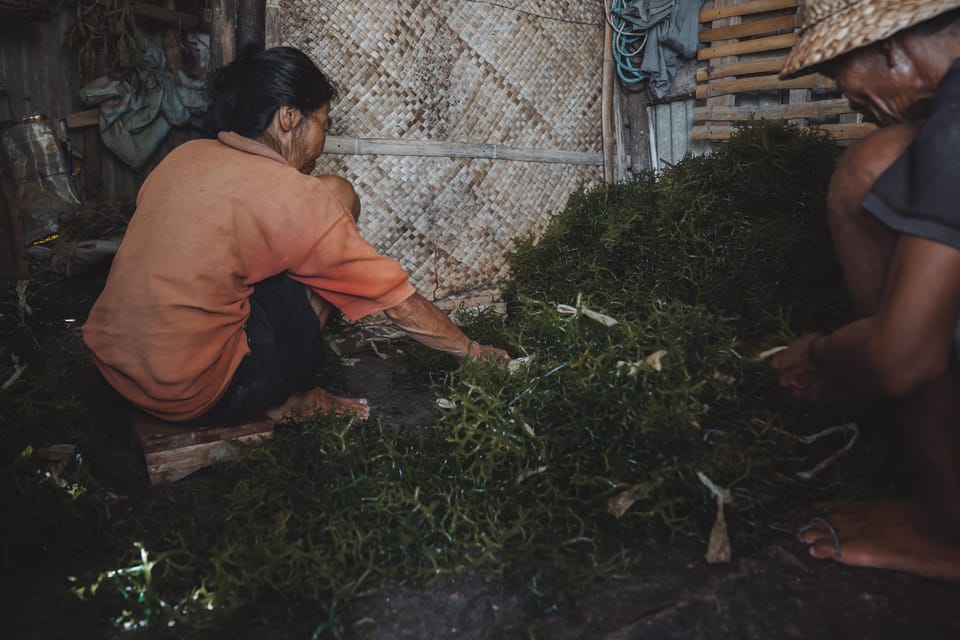
Seaweed farming sounds simple until you’re shown the workflow. On this tour, you’re set up to learn how local seaweed farmers grow and harvest seaweed sustainably. Then you get a chance to do real tasks—specifically, activities like tying and planting seaweed during the session.
This “do it once yourself” element is where the experience becomes memorable. You’ll understand why farmers can’t treat the process like a casual hobby; it depends on consistent care, timing, and careful handling. And because the tour frames seaweed as a sustainable ocean resource, it makes the work feel meaningful rather than just hands-on for fun.
A nice extra detail: lunch isn’t always treated as a standard takeaway. One account notes a farmer invited the group to eat at his house, which can make the day feel more human and less like a schedule. Just keep in mind that this can vary by day and farm setup, since the program is community-led.
The east coast stops that earn their reputation: Atuh, Diamond, Treehouse
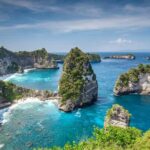
After the farm time, the tour shifts to big Penida scenery—east-side views that are famous for a reason. The itinerary includes major photo and viewpoint stops: Atuh Beach, Diamond Beach, and the Treehouse.
Atuh Beach
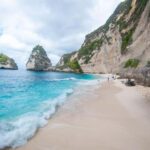
Atuh is the kind of place where the viewpoint usually tells you what the day will be like: dramatic coastline, ocean movement, and a sense of scale that you don’t get from inland spots. This stop works best if you’re comfortable taking your time with photos and looking around instead of rushing to the next thing.

Diamond Beach
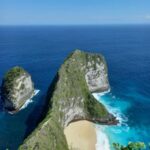
Diamond Beach is built for contrast. You’ll get the coastal drama, and because this is part of an eco-focused day, it helps contextualize what you learned earlier about the ocean. Conservation makes more sense when you’re standing in front of the water that needs protecting.
The Treehouse
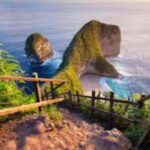
The Treehouse stop is more about the moment than the lesson. It’s a classic Penida viewpoint that gives you a higher perspective over the coastline. It’s also a good reset after hands-on farm time, since it lets you slow down and just watch the sea.
One thing to consider: the day is scheduled around multiple stops, so you’ll want to come prepared for moving fairly steadily between sights. This tour is designed as one continuous experience, not a collection of optional add-ons.
The guide experience: Festi-style Q&A and calm explanations
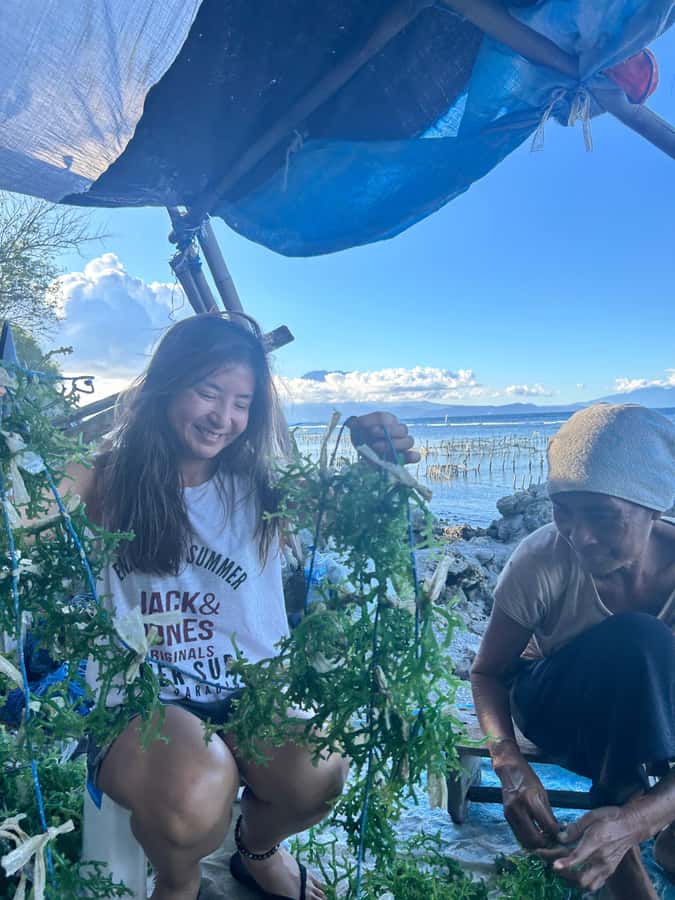
In a small group, the guide’s communication style really matters. Recent visitor feedback puts real weight on how helpful the guide is with questions and how well they explain Indonesian culture alongside the conservation work.
Festi shows up as an example of that approach—answering many questions clearly and making the day feel responsive rather than scripted. Even if you don’t ask tons of questions, it helps because you’ll likely get context for what you’re seeing: why certain practices exist, how local life connects to the coastline, and what sustainable farming looks like in practice.
This is one of the reasons the tour feels more authentic than a “see the sights” route. You’re not just collecting stops; you’re building understanding.
Small group logistics: why up to 8 matters on Penida
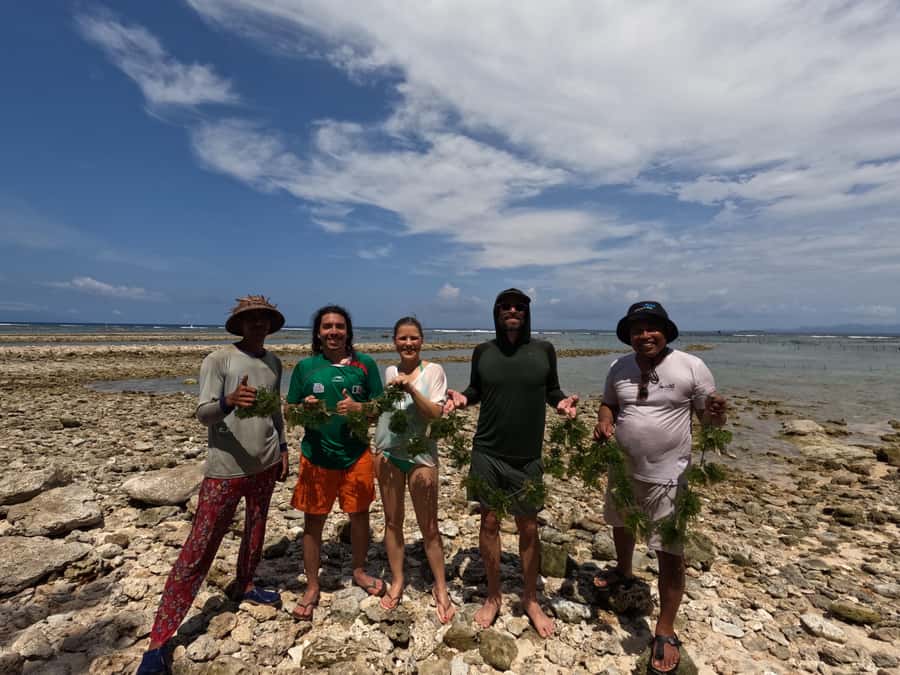
The tour runs for 6 hours and keeps the group size to a maximum of 8 participants. That’s a big deal on Nusa Penida because transport and timing can get complicated fast when you’re dealing with narrow roads and multiple locations.
With a smaller group, you’re more likely to:
- stay together without waiting around forever
- hear explanations without them getting drowned out
- get your questions answered without feeling rushed
Also, transportation is included, so you’re not trying to coordinate logistics on your own day. You’ll be taken to seaweed farms and the sights, and the tour covers the main operational pieces.
What’s included for the $73 price tag
At $73 per person, this isn’t a bargain-basement tour. But it also isn’t priced like a premium luxury day. For this price, you’re paying for the combination of guided instruction, transportation, and meals—plus the community conservation element that makes the day more than a standard sightseeing loop.
Here’s what’s included:
- Transportation to seaweed farms and sights
- Lunch, snacks, coffee, and tea
- All taxes and fees
- A live tour guide (English, Indonesian, German)
- Access to the small-group format
When you compare that to the alternatives (for example, paying separately for transport, a guide, and food), this can feel like solid value. The bigger question isn’t only cost—it’s whether you want an eco-focused day with hands-on tasks. If yes, $73 starts to look reasonable. If what you really want is long beach time and minimal talking, you might feel the day is more structured than you hoped.
Who this tour suits best (and who may want a different day)
This is a great fit for you if you:
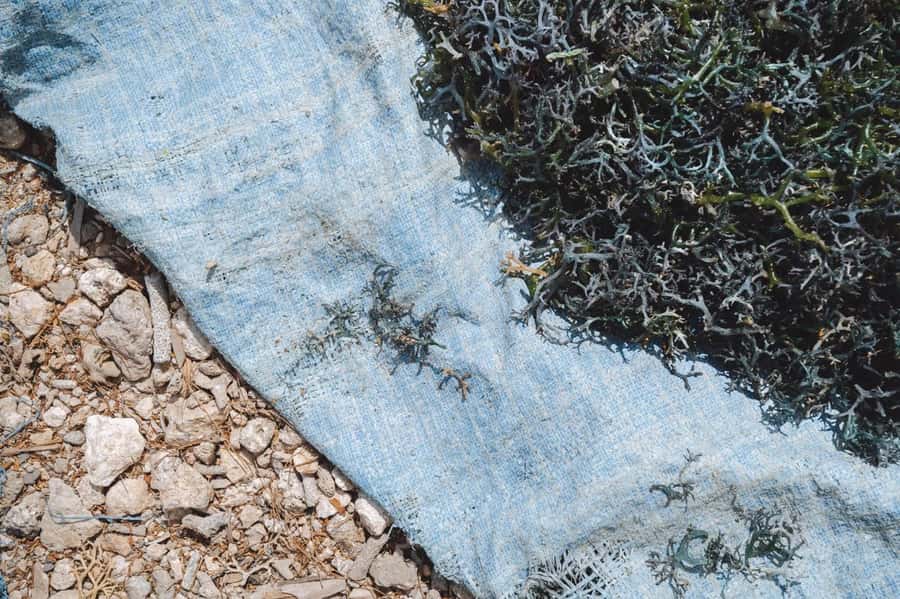
- enjoy hands-on experiences more than passive tours
- like eco and conservation topics tied to real work
- want to see East Nusa Penida beyond the most obvious beach spots
- prefer a small group with time to ask questions
You might choose something else if you’re looking for a slower schedule or a full beach day. Because the day includes farm work and multiple major east-side stops, you’ll likely be “on the go” rather than fully relaxing.
Should you book this Nusa Penida ecotour?
Book it if you want a day that connects seaweed farming, ocean conservation, and dramatic East Penida views. The hands-on parts—especially tying and planting seaweed—plus conservation learning like coral recovery and algae preparation make it more than scenery.
Skip it if your priority is maximum downtime. This tour is efficient by design, and it rewards curiosity. If you like asking questions and learning how local life works, you’ll probably come away with more than photos—more like a clearer picture of how this corner of Bali keeps the ocean healthier while supporting the people who live there.
If you like, tell me your travel month and whether you prefer early or later starts. I can suggest how this fits against beach-only days on Nusa Penida.
FAQ
How long is the Nusa Penida ecotour?
The tour duration is 6 hours.
How much does it cost per person?
The price is $73 per person.
What group size is this tour?
It’s a small group, limited to 8 participants.
What languages are available for the live tour guide?
The live tour guide is available in English, Indonesian, and German.
What’s included in the tour price?
Transportation to the seaweed farms and sights, lunch, snacks, coffee and tea, and all taxes and fees are included.
What seaweed-related activities will I do?
You’ll learn how local seaweed farmers grow and harvest seaweed sustainably and you’ll get hands-on with seaweed farming, including activities like tying and planting.
Which places are visited on the east side?
The tour includes stops at Atuh Beach, Diamond Beach, and the Treehouse.
Is there an option to visit Giri Putri Cave?
Yes—Giri Putri Cave can be added upon request when the group is driving by.
What is the cancellation policy?
You can cancel up to 24 hours in advance for a full refund.