Rain or shine, the holy sites are clustered. This East Bali trip strings together three big names—Besakih Temple, Lake Batur scenery, and Tirta Empul—in a single 10-hour loop with hotel pickup. You’re not just passing by; you get photo stops, guided time at the temple, and enough pacing to actually enjoy the views.
What I like most is the contrast: the mountain-scale complexity of Besakih and the calmer, human-focused ritual at Tirta Empul. One thing to plan for is visibility: clouds and rain can seriously soften the Lake Batur and Mount Batur panorama, and it can make the outdoor walking feel longer.
In This Review
- Key highlights you’ll feel fast
- East Bali in one day: Besakih, Lake Batur views, Tirta Empul
- Besakih Temple: six terraces, 23 temple sites, and Mount Agung energy
- Lake Batur and Kintamani viewpoints: when clouds steal (or soften) the show
- Coffee plantation stop: tasting Bali’s beans, not buying just for show
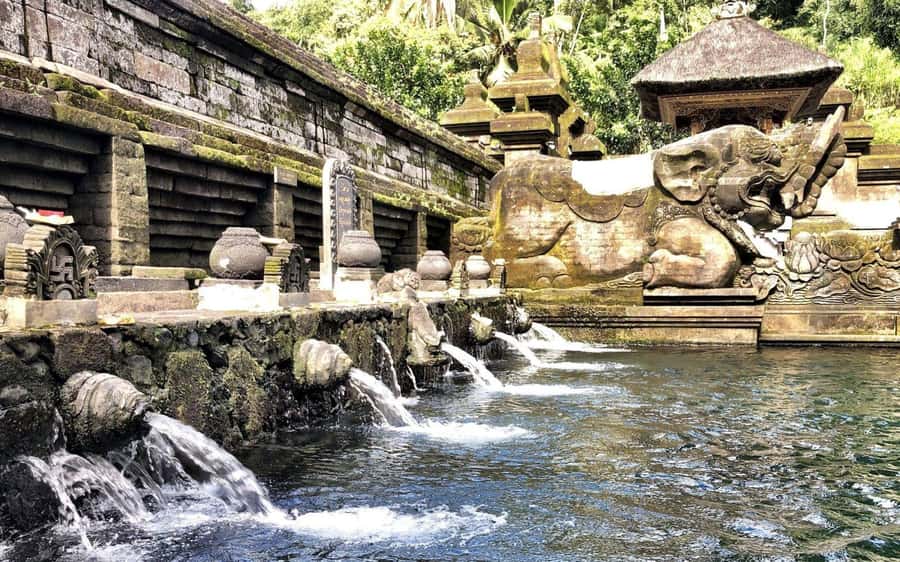
- Tirta Empul: holy springs used for real purification
- Coffee, temples, and drive time: how the pacing really feels
- Price and logistics: is $85 for up to 5 actually good value?
- Weather and comfort checklist: get the most when it rains
- Who this East Bali loop suits best
- Should you book this tour or not?
- FAQ
- How long is the East Bali trip?
- How many people can fit in the vehicle, and what happens for larger groups?
- What’s included in the price?
- What isn’t included?
- Where can pickup and drop-off happen?
- Is this tour suitable for wheelchair users or people with mobility impairments?
Key highlights you’ll feel fast
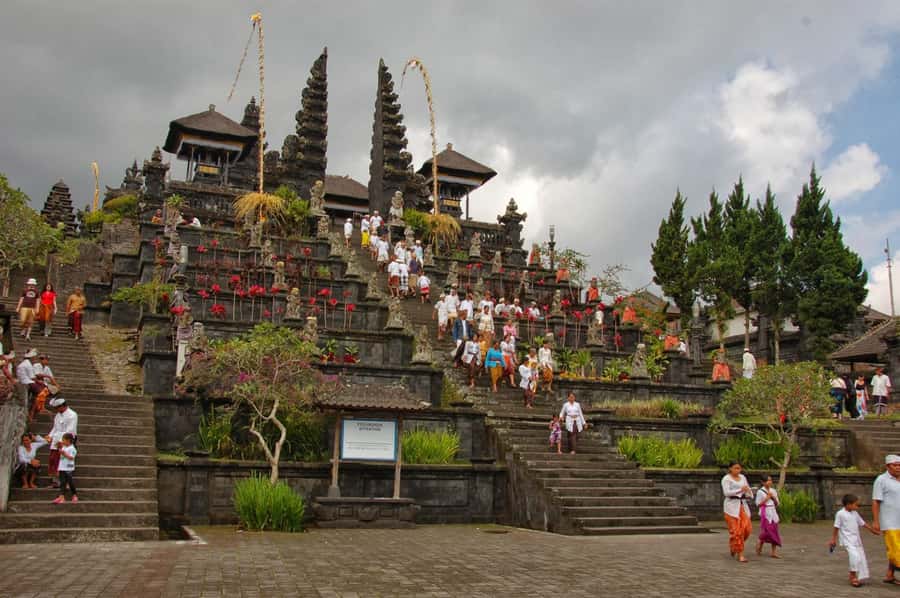
- Besakih Temple on Mount Agung’s slopes: 23 related temples across six terraced levels, anchored by Pura Penataran Agung
- Mount Batur and Kintamani views: crescent-shaped Lake Batur scenery with UNESCO Earth Park context
- Tirta Empul holy springs: a prayer temple where natural spring water is still used for purification
- Coffee plantation stop: learn coffee history and sample different beans and preparation styles
- Private, driver-led day: hotel pickup options across North Kuta, Denpasar City, Ubud, Kuta Selatan, and Tabanan
East Bali in one day: Besakih, Lake Batur views, Tirta Empul
This is the kind of day trip you’ll appreciate if you’re short on time but want more than one “main stop.” The route is built around big spiritual landmarks in eastern Bali and then pairs that with the dramatic volcanic scenery around Kintamani and Lake Batur.
The practical win: you’re in a private air-conditioned car (a 5-seater, 1300/1500cc). That matters in Bali, because road time adds up fast. With a driver handling transit and timing, you can focus on the sights instead of logistics.
You can also read our reviews of more tours and experiences in Karangasem Regency.



Besakih Temple: six terraces, 23 temple sites, and Mount Agung energy
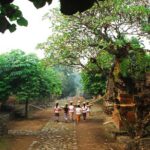
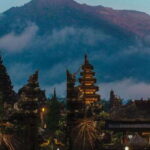
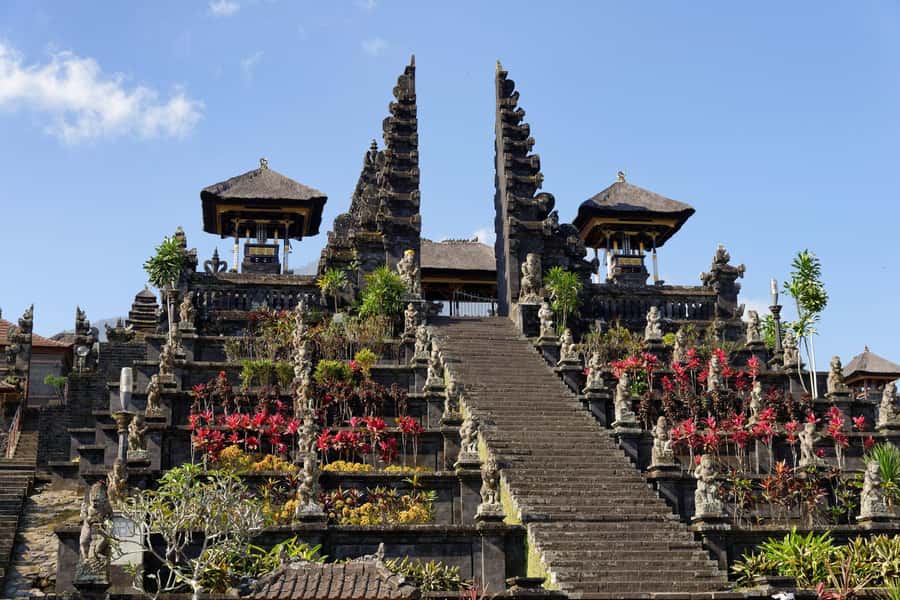
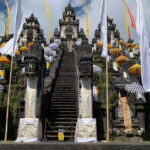
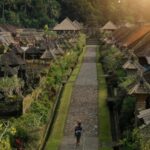
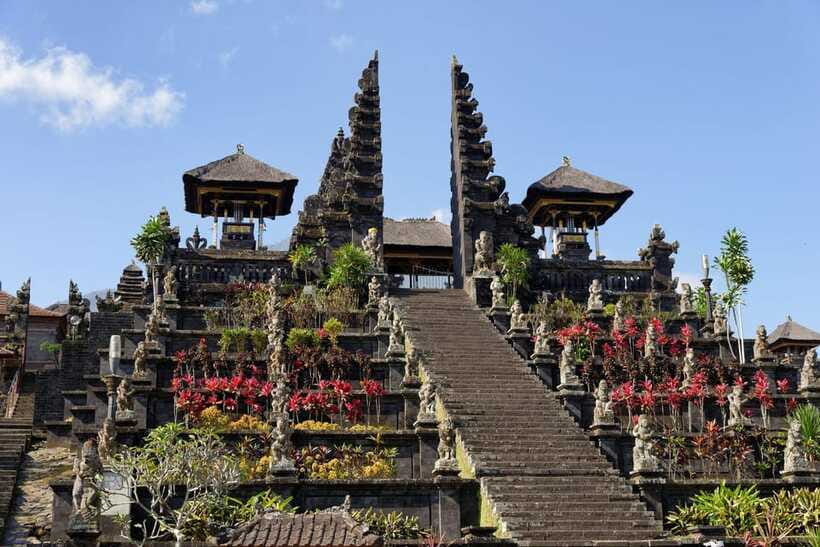
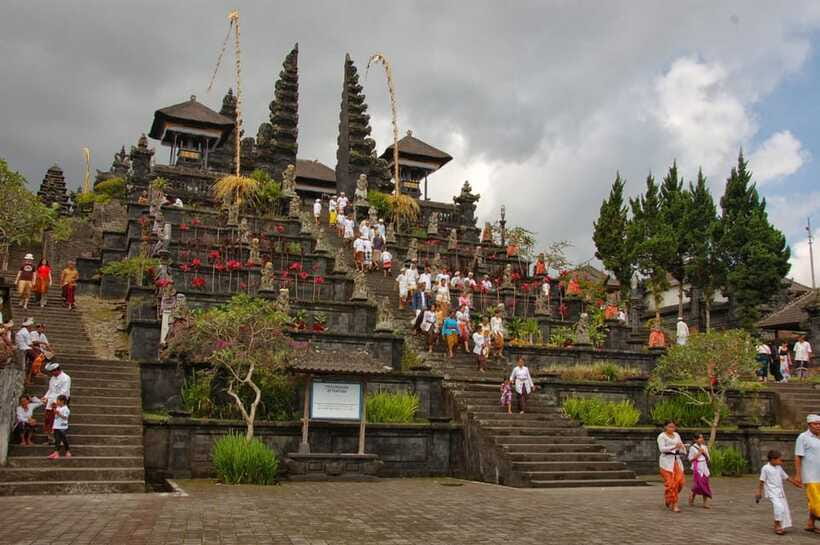
Besakih Temple—often called the Bali Mother Temple—is a pura complex spread on the slopes of Mount Agung, nearly 1000 meters up. The size is the first wow moment. You’re not walking through one temple; you’re moving through a connected hillside world.
Here’s what makes it special in a way that’s easy to understand on the spot:
- The complex includes 23 separate but related temples, with the largest and most important being Pura Penataran Agung.
- The grounds are built on six levels, terraced up the mountain—so your views change as you move.
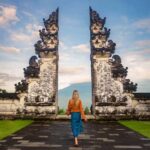
- The entry sequence is part of the experience: a candi bentar (split gateway) brings you into the complex, and beyond that the Kori Agung gateway leads toward the next courtyard area.
Plan on a good chunk of time here (about 2.5 hours of visit plus sightseeing and walking). Even if you’re not an architecture nut, the sheer scale and the layered layout help you grasp why Besakih matters so much in Balinese Hinduism.
A small but helpful tip: wear comfortable shoes. The walk is part of seeing it. And if the weather shifts, your timing matters—muddy paths after rain can make you move slower.
Lake Batur and Kintamani viewpoints: when clouds steal (or soften) the show
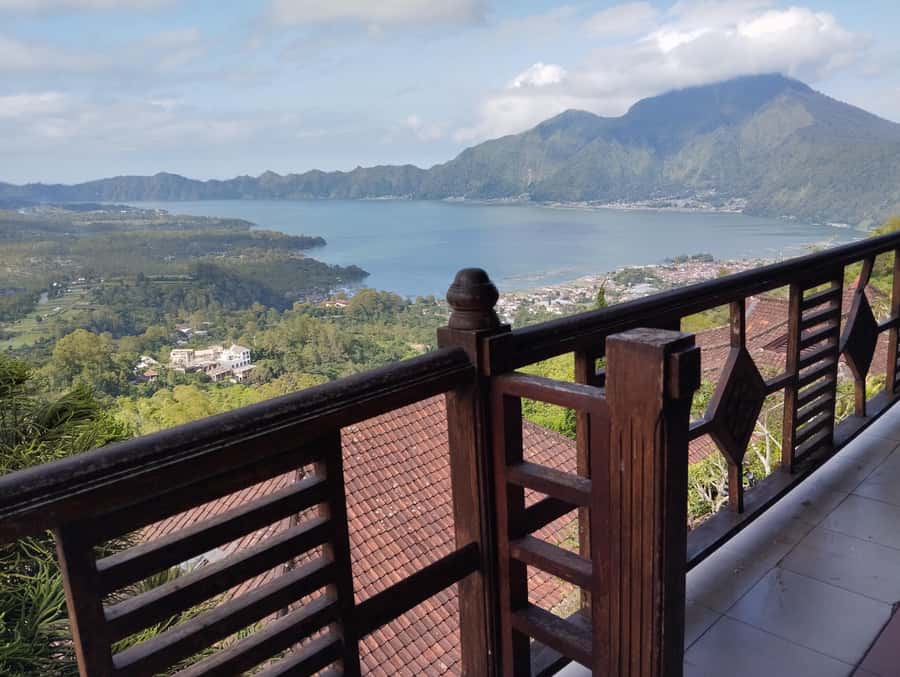
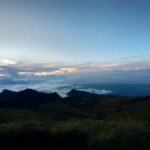
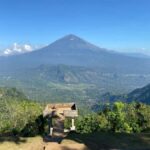
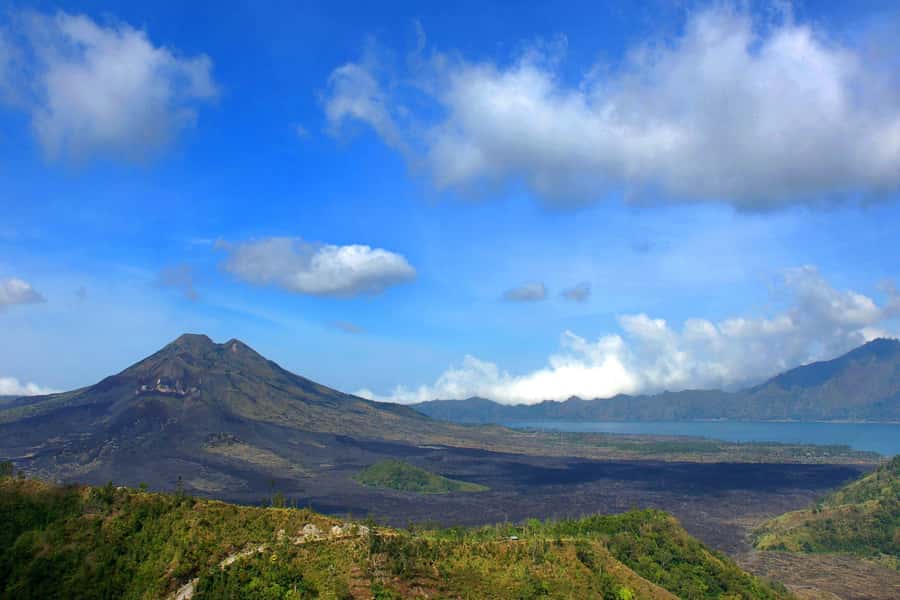
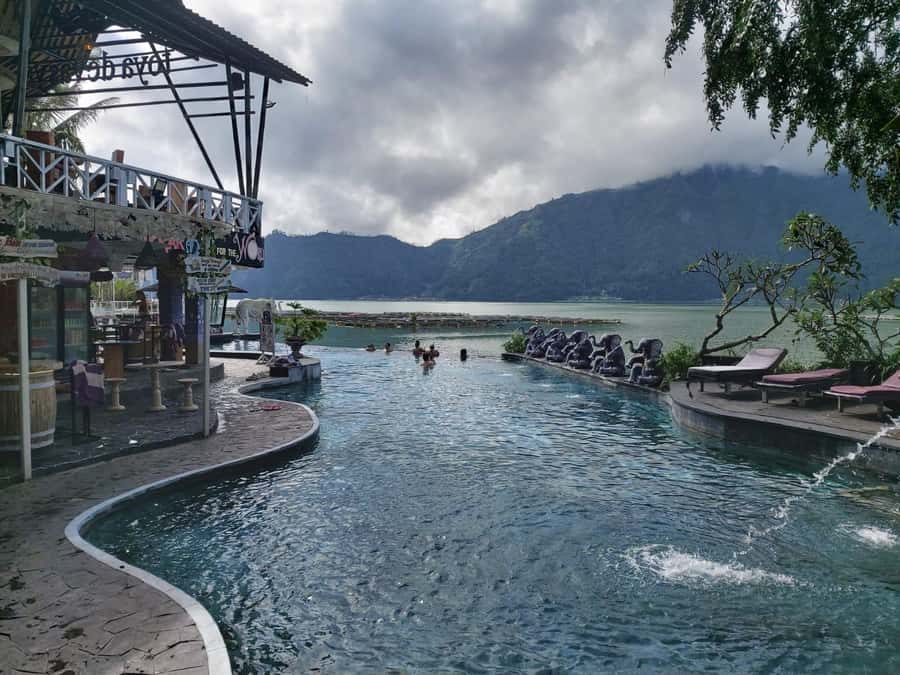
After Besakih, the day shifts gears to scenery. Lake Batur sits in the Kintamani area, set against Mount Batur. The lake itself is crescent-moon shaped, and it’s not a shallow decoration—depth reaches around 65 meters, formed from volcanic eruption history.
You’ll likely hear it described with UNESCO’s Earth Park framing. The practical meaning for you: the view isn’t just pretty. It’s the kind of landscape where geology becomes part of the story, and you can actually connect the big volcano backdrop to the water and caldera shape.
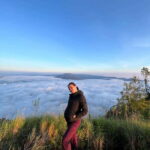
The stop includes a break plus photo time and scenic sightseeing (about 1.5 hours). This is exactly where weather can make or break your mood. In a rainy/cloudy day, the panorama can look more muted, even if you’re still standing in one of Bali’s most dramatic basins.
If visibility drops, don’t panic. Focus on what you can see: the lake contours, the ridges, and the way the clouds sit over the hills. If it’s heavy rain, ask your driver for a sensible adjustment. In one wet situation, the day still worked because the driver helped handle pacing and decisions when conditions made outside time uncomfortable.
Coffee plantation stop: tasting Bali’s beans, not buying just for show
Between the volcano views and Tirta Empul, the schedule usually includes a coffee plantation visit. This isn’t just standing in a garden posing for photos.
In a typical plantation stop on this route, you’ll learn about the history of coffee production in Bali, and you can taste different beans and preparation styles. It’s a fun break from temples and walking, and it gives you something useful to take home besides photos.
And yes, coffee is often sold as souvenirs here. The value is not only the product but the context—if you’re curious about what you’re buying, this stop helps you ask better questions and understand differences in how coffee is processed and served.
Tirta Empul: holy springs used for real purification
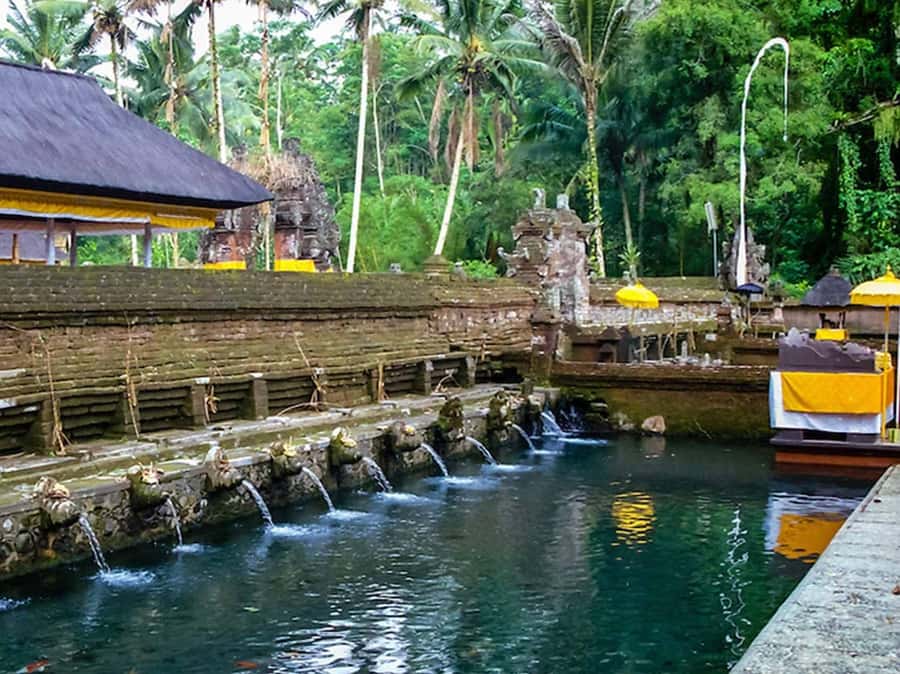
Your last major cultural stop is Tirta Empul, a prayer temple for Hindus built around natural springs. The name comes from Tirta Empul, meaning water that gushes out of the ground. Water flows from the springs into surrounding channels and eventually into a river system.
What’s meaningful here is that Tirta Empul isn’t only a sightseeing stop. The bathing/purification attraction is still used by Balinese Hindus. So while you’re there with cameras and a visitor’s mindset, the place is actively part of daily religious life.
The visit includes photo stops, time to see the temple area, sightseeing, and walking (about 2.5 hours). Expect a more grounded atmosphere than Besakih. The energy shifts from big temple complex scale to the motion and sound of water-based purification.
Practical advice:
- Bring comfortable clothes and plan for damp or misty conditions.
- Keep an eye on your shoes. Water features can make surfaces slippery.
- Follow local behavior. This is a working prayer site, not a theme park.

Coffee, temples, and drive time: how the pacing really feels
A 10-hour day sounds straightforward until you’re actually sitting in traffic and climbing a few temple levels. This route is designed to keep you from rushing, but it still requires stamina.
Here’s how the rhythm generally works:
- You start with hotel pickup and a Besakih block that includes guided time and scenic walk moments.
- You then get Lake Batur with a lighter feel and a break for photos.
- After that, you have the coffee plantation stop to reset.
- Finally, you finish with Tirta Empul, where you’ll likely linger a bit because you’ll want to watch and understand what you’re seeing.
If weather turns, the day can stretch emotionally even when the clock stays the same. In the rain, walking gets slower and visibility drops, which can feel like you’re missing part of the view. The upside: you can still enjoy Tirta Empul and Besakih even when the landscape is cloudy, because the experience is deeper than scenery alone.
Also note: the tour is outdoor-heavy, and it’s not a great fit if your mobility is limited. It’s listed as not suitable for mobility impairments or wheelchair users, so you’ll want to be realistic about stairs, terraces, and uneven ground.
Price and logistics: is $85 for up to 5 actually good value?
The price is $85 per group up to 5 people, which is strong value if you split the cost. You’re paying for:
- a private air-conditioned car (5-seater),
- an English/Indonesian driver, and
- petrol.
What’s not included is just as important. You’ll usually need extra budget for:
- entrance fees
- parking fees
- lunch
- a local guide (if you decide you want one)
- and extra working hours at IDR 75,000/hour if the schedule runs long
There’s also a group-size condition. If you’re more than 5 people (6–12), you’ll switch to a Toyota Hiace Commuter van (12-seater) and add cash payment of IDR 600K per van, paid directly to the driver.
So what’s the real value? It’s the private pace plus door-to-door pickup across multiple areas. For a route like this—where you’re going cross-island style from central-west Bali to eastern highlights—private transport is what keeps it enjoyable instead of exhausting.
One more small but practical thing: bring cash. Entrance fees and parking are often cash-based, and the tour info explicitly asks you to have it.
Weather and comfort checklist: get the most when it rains
East Bali can change fast. If your day starts cloudy, treat it like a bonus for mood, not a guarantee for peak views. The Lake Batur viewpoint is the most sensitive part of the route, because the best Mount Batur framing depends on visibility.
For comfort, I’d plan like this:
- Comfortable shoes that handle damp and uneven surfaces
- Comfortable clothes you don’t mind getting a little warm
- A camera, because scenic stops happen on the way too
- Cash for entrances and parking
- Good stamina, because it’s more walking than a simple drive-by day
If rain becomes persistent, be flexible. On one rainy day, the experience still landed well because the driver-guide helped manage expectations and even allowed skipping part of the route when conditions were too wet. That adaptability can make the difference between a frustrating trip and a great one.
Who this East Bali loop suits best
You’ll probably enjoy this tour if you:
- want big-name East Bali stops without coordinating multiple tickets and rides,
- like a mix of temples and volcanic scenery in one day,
- prefer a private setup over joining a bus group,
- and don’t mind that it’s outdoors, so you need basic comfort with walking.
You might want to skip it (or choose a different format) if you:
- need step-free access, since it’s listed as not suitable for wheelchair users or mobility impairments,
- or you have very limited stamina for terraces and outdoor walking.
Should you book this tour or not?
Book it if you want a well-paced sampler of eastern Bali: Besakih’s scale, Lake Batur’s volcanic setting, and Tirta Empul’s living spring purification—wrapped in a private ride that’s easiest when you’re time-crunched.
Skip or adjust your expectations if weather is a concern for you. On cloudy or rainy days, Lake Batur’s wow factor can soften. But even then, you can still have a satisfying cultural day because Tirta Empul and Besakih deliver depth beyond the view.
One last decision tip: if you care most about scenery, keep an eye on conditions and be ready for “cloudy day views.” If you care most about spiritual atmosphere, this route remains strong even when the sky is less cooperative.
FAQ
How long is the East Bali trip?
The duration is 10 hours.
How many people can fit in the vehicle, and what happens for larger groups?
It’s a private group with a 5-seater air-conditioned car for up to 5 people. If you have 6–12 people, a Toyota Hiace Commuter 12-seater van is used with an added cash payment of IDR 600K per van, paid directly to the driver.
What’s included in the price?
Included are a private air-conditioned car (1300/1500cc, 5 seater), the driver, and petrol.
What isn’t included?
Entrance fees, parking fees, lunch, a local guide, and extra working hours (IDR 75,000/hour) are not included.
Where can pickup and drop-off happen?
Pickup is available from North Kuta, Denpasar City, Ubud, Kuta Selatan, and Tabanan. Drop-off is available to Kuta Selatan, Denpasar City, Tabanan, North Kuta, and Ubud.
Is this tour suitable for wheelchair users or people with mobility impairments?
No. It isn’t suitable for people with mobility impairments or wheelchair users, and it involves outdoor walking so you’ll want good stamina.