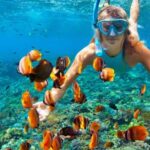
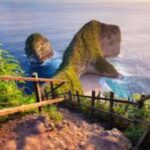
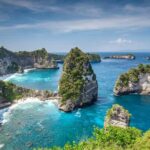
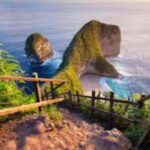
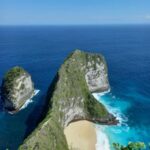
Mantas and sunfish in one long day. This full-day Nusa Penida experience from Bali is built around top-tier sightings, with Manta Point as the main event and mola-mola as the seasonal wildcard. It’s a very structured day, which is good news if you want less guesswork and more time underwater.
I like that you get 3 guided underwater stops in a single day with certified PADI (or equivalent) scuba guides, plus tanks and weights handled for you. I also like the practical touch: snacks and bottled water onboard, and a lunch box during the day so you’re not stuck hungry between sites.
The main consideration is that this is Open Water (or higher) certified only, and the pace is long—8 to 9 hours with a speedboat ride and changing conditions at sea can affect what you see.
In This Review
- Key highlights worth planning for
- A full-day Nusa Penida plan built around the best odds
- Price and what $197 gets you (and what it doesn’t)
- Sanur check-in, harbor loading, and the bumpy speedboat reality
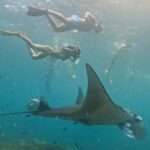
- Manta Point: where the day’s magic is supposed to happen
- Crystal Bay: reef life and the “in-between” excitement
- Secret lunch stop and SD Point: finishing strong after the boat run
- Gear, scuba guides, and the small details that affect comfort
- Seasonal mola-mola timing: July–October is your best bet
- What to pack so you don’t hate your day
- Who should book—and who should skip this one
- Should you book this 3-stop Penida day?
- FAQ
- Is this experience only for certified scuba participants?
- How long is the full day trip?
- How many underwater stops are included?
- Where do I meet if I don’t want hotel pickup?
- Is hotel pickup included?
- Are tanks and weights included?
- What is the equipment rental cost if I don’t bring my own?
Key highlights worth planning for
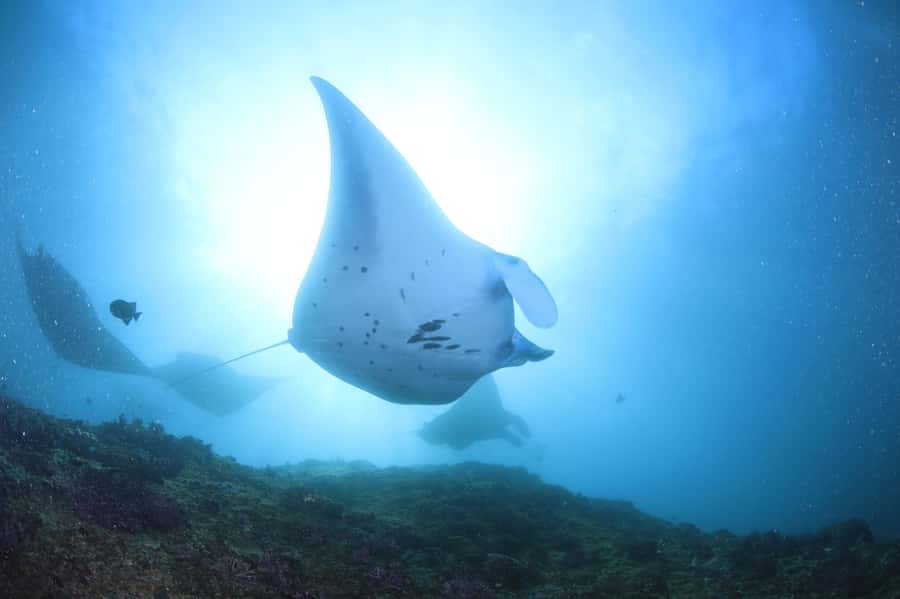
- Manta Point is the headline stop, with manta sightings possible year-round
- Mola-mola are best July–October, and this schedule is timed for that window
- 3 guided underwater stops with a small-group feel and full scuba gear support (tanks, weights, belt)
- Weather-flexible routing means sites can shift if sea conditions require it
- Onboard comforts: light refreshments, bottled water, and a lunch box
- Easy meeting: either hotel pickup (select areas) or meet at the Bali Legends center in Sanur
A full-day Nusa Penida plan built around the best odds
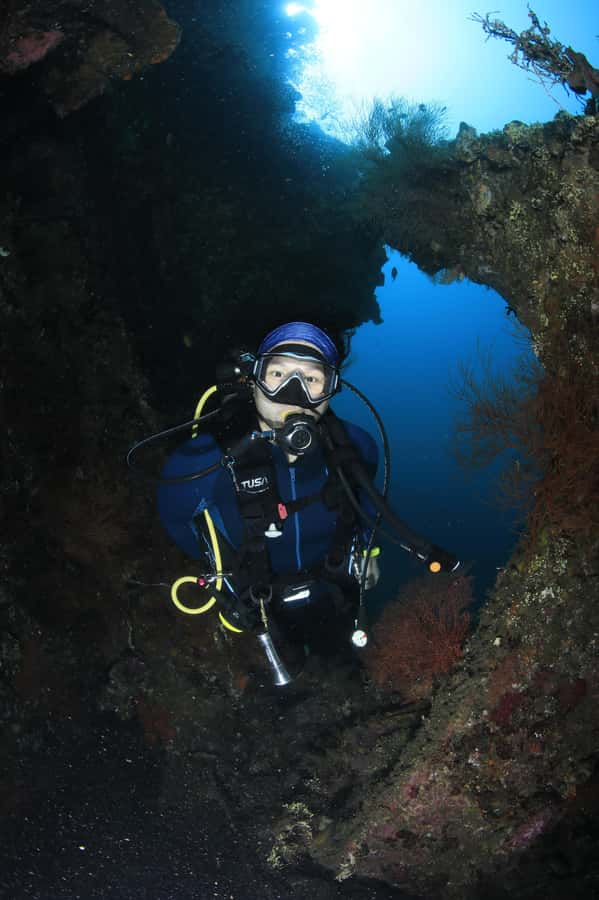
Nusa Penida is one of those places where you go for a few specific things. In this case, it’s manta rays and seasonal mola-mola, plus plenty of reef life between the big-ticket moments. The trip runs for 8 to 9 hours, so you’ll feel like you’ve had a real day out—not a short “quick stop” that barely warms up your kit.
What makes it interesting is how much structure you get. You start with check-in and a safety briefing, then you’re moved to the harbor, and the day flows from speedboat to underwater stops and back again. That matters because Penida days can be weather-dependent, and you don’t want to be negotiating logistics while trying to enjoy the ocean.
You can also read our reviews of more tours and experiences in Batoemadeg.

Price and what $197 gets you (and what it doesn’t)
At $197 per person, this is not a “budget only” outing, but it’s also not just paying for a boat and hoping for the best. You’re paying for a full package: 3 guided underwater stops, tanks and weights support, plus site and marine park entry fees. You also get onboard bottled water and snacks, and a lunch box included on the day.
Hotel pickup is included if you’re in Sanur, Kuta, Seminyak, or Jimbaran. If you’re outside those areas, there’s an additional charge, so it’s worth checking where your hotel sits before you commit.
What’s not included is also important:
- Dive insurance (recommended, and you’d book it separately)
- Rental equipment, if you need it (listed as IDR 400,000 per person for a full set)
- Extra personal items like a computer unit for tracking your profile, if you were planning to rely on one you don’t already own
Net-net: if you’re already certified and you’re bringing your own gear, this price can feel fair for the number of stops and the guidance you get. If you need full rental and you still want extra electronics like computers, your total may rise.
Sanur check-in, harbor loading, and the bumpy speedboat reality
Most people will either meet at the Bali Legends center in Sanur or take hotel pickup from select areas. If you meet on your own, the reception desk is your anchor point for check-in and transfer arrangements. Either way, you’ll be asked to show your certification card.
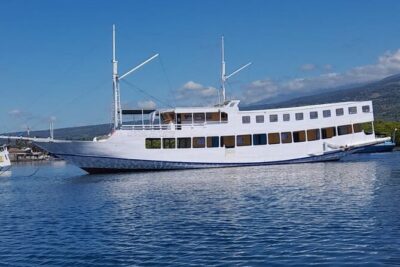
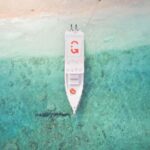
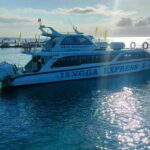
After the briefing, you head to Sanur Harbour and then out by speedboat. The ride to the main area takes around 45 minutes, and the return is roughly 1 hour. One practical note from the field: the speedboat run can be bumpy, so I’d plan for that. If you’re even slightly prone to motion sickness, bring your usual remedy and keep a hand on something steady.
This isn’t a “sit in luxury and sip juice” trip. It’s a working scuba day with smooth enough organization to keep you from stressing, but the sea is still the sea.
Manta Point: where the day’s magic is supposed to happen
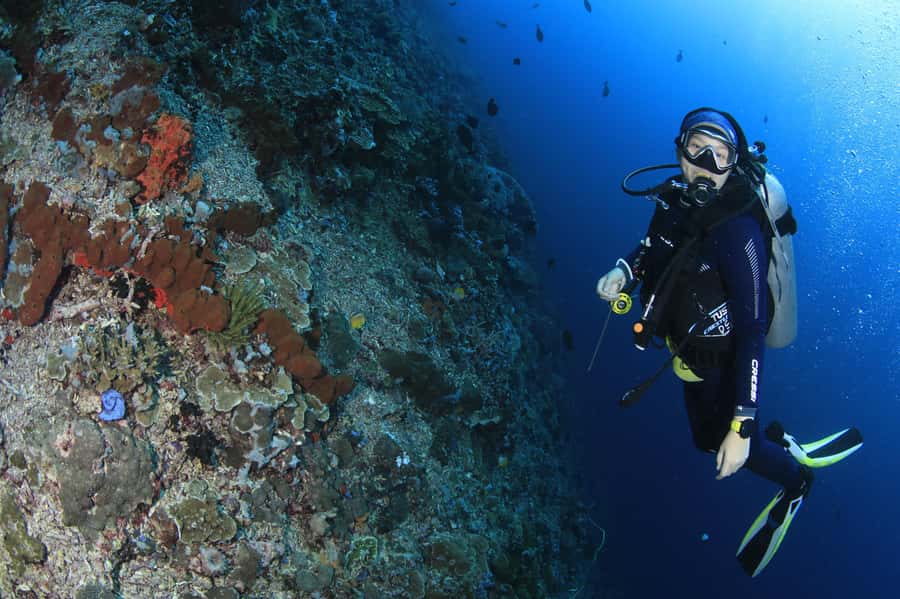
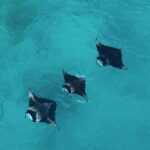
Manta Point is the stop most people are picturing. And it’s not an idle promise—manta sightings are described as common year-round, which is the kind of statement that matters because it suggests this isn’t only a seasonal “maybe.”
In clear terms, this is where your hopes are usually highest for big, graceful action. Expect a proper underwater time window here, with swimming and scuba use built into the schedule. This is also the place where conditions can make or break the experience. If the water isn’t at its best on a given day, you may not get the same manta display you were hoping for—but you still have the reef setting and the chance of marine encounters.
If you’re going for the mantas first, plan your mindset for variability. Ocean days come with weather math. Your job is to show up certified, ready, and flexible.
Crystal Bay: reef life and the “in-between” excitement
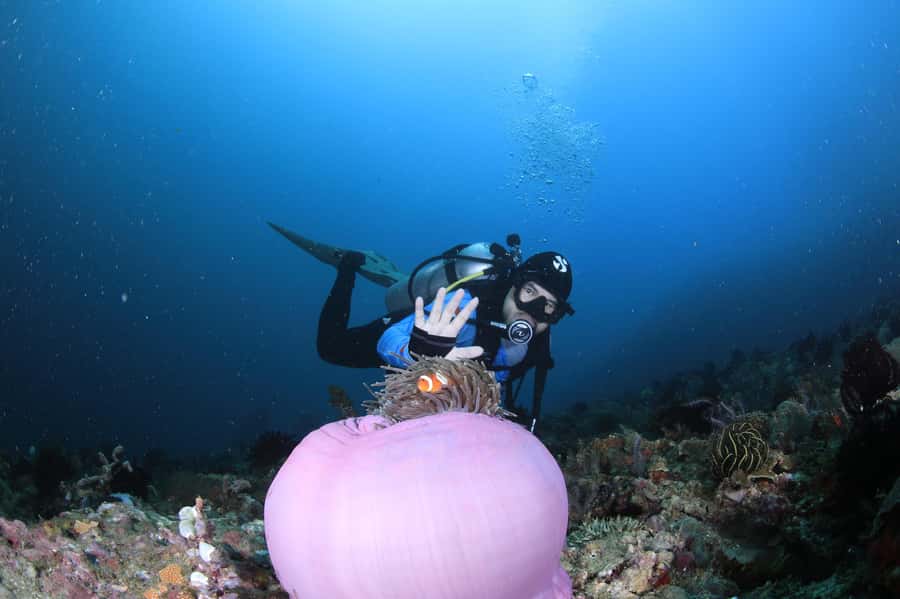
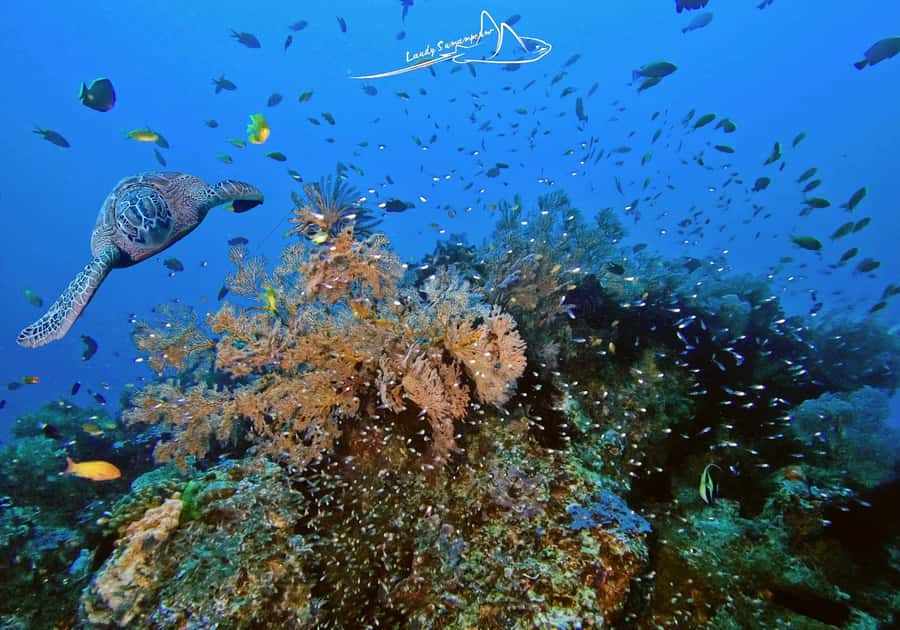
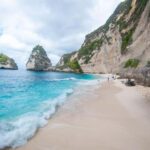
Crystal Bay is the second main stop on the route. This is a good moment in the day because it’s less about one single animal and more about overall reef scenery and species variety. Your underwater time here is guided, with the typical setup: you’ll get in, follow the guide, and work your plan around safe buoyancy and depth control.
This is also where you get a chance to compare your own comfort level. If the first stop felt hectic or tiring, Crystal Bay can feel like the place to settle in and focus on technique—keeping things calm, staying relaxed, and paying attention to what’s around you.
From a satisfaction standpoint, this stop often matters because it turns a “manta-focused day” into a “full wildlife day.” The goal is that even if the big moment is quieter than hoped, you still leave with strong underwater memories.

Secret lunch stop and SD Point: finishing strong after the boat run
Between the main underwater stops, you’ll have a secret stop that’s built around lunch. It’s timed so you’re not running on empty, and you’ll get a lunch box plus light snacks and water onboard during the day. You won’t get a full restaurant meal. This is more like “enough fuel to finish strong,” so I’d treat it as part of your strategy, not a vacation feast.
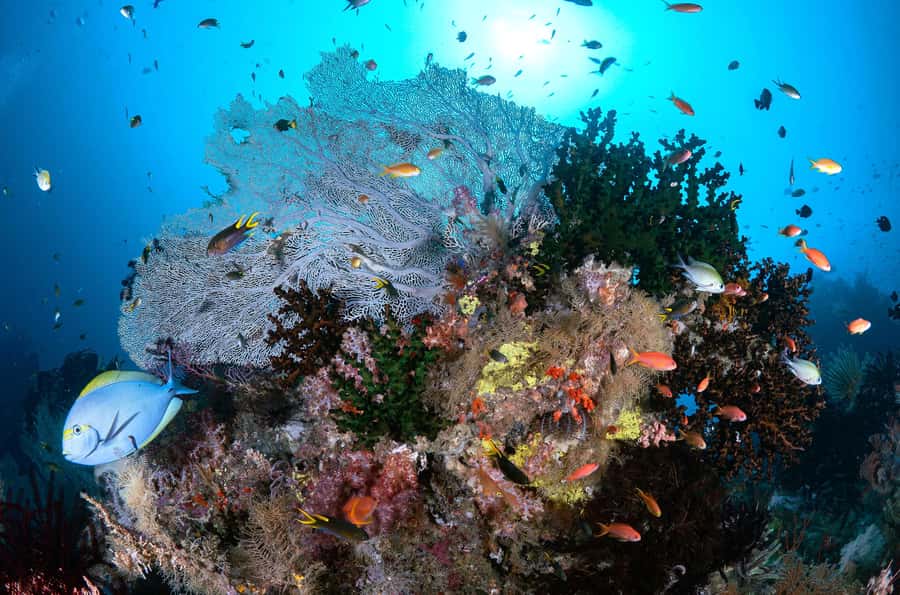
Then comes SD Point as the final underwater stop. This is your second reef-and-fish-focused window after Manta Point and Crystal Bay. By then, you’ve also done the hard part—logistics and momentum—and you’re in the rhythm of following your guide, checking gear, and enjoying the water.
The return speedboat is around an hour back to Sanur Harbour, so don’t plan anything right after. You’ll likely want a shower, a change of clothes, and time to decompress—especially if you’re coming from beach areas where you’ll be tired but still tempted to keep moving.
Gear, scuba guides, and the small details that affect comfort
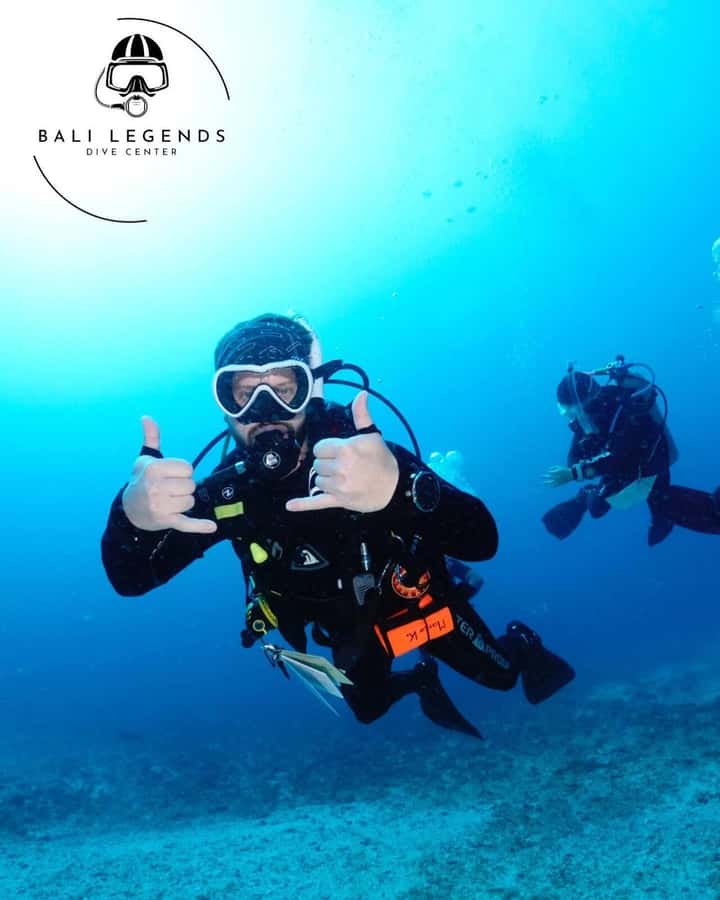
This is a guided experience with certified scuba guides (PADI or equivalent), and the gear setup includes tanks, weights, and a belt. That’s a major quality-of-life factor. It means you don’t need to travel heavy with everything, and it reduces the chances of an avoidable day-ruiner.
That said, I’d still confirm a few things before you go out:
- If you use a computer unit and rely on it for your personal habits, ask what’s available. One recorded issue involved a computer unit not being provided the way the rider expected, and the group guidance was simply to follow the guide. If you don’t already own one, this is worth clarifying in advance.
- Weight setup matters. If you have very specific preferences for weight placement and you’re prone to shifting balance in current, say so early. There was at least one case where belts and placement weren’t handled smoothly on the first attempt during the day.
- Bring your own certification card and be ready to show it at check-in. You don’t want to lose time sorting paperwork mid-day.
On the positive side, the human factor is a big part of why this trip scores high. Names that came up included guides and organizers like Ketut and Katuh, both described as prepared, friendly, and focused on making sure you enjoy the experience. One account even mentioned the guide taking videos and photos, which can be a nice bonus when you’re busy trying to stay neutral and relaxed in the water.
Seasonal mola-mola timing: July–October is your best bet
Mola-mola are the seasonal draw, with the best months listed as July–October. That matters because people sometimes show up thinking they’ll see them any time of year. On this schedule, the odds are improved during that window.
But here’s the honest way to think about it: this is not a guarantee. It’s a probability play. Plan for the possibility, but don’t make your whole trip hinge on that single species.
If you’re visiting in the right months, the trip timing matches the natural rhythm of the ocean life you’re hoping to find. If you’re not in that window, you can still have a great day, but your “win condition” shifts more toward mantas, reef variety, and general marine sightings.
What to pack so you don’t hate your day
You’ll want to be practical. This is a boat-forward outing where you’ll be wet, then dry, then wet again, then dry again. Bring:
- sunglasses and sun hat
- sunscreen
- beachwear to wear under your gear
- change of clothes and a towel
- anything you need for comfort after the last return boat ride
Also, follow the rules. You can’t do things like littering or touching animals, and riding animals is listed as not allowed. I know that sounds obvious, but it’s part of how these marine areas protect wildlife and keep the day respectful.
And if sea conditions change and sites are adjusted, don’t treat it like a betrayal. It’s an ocean safety reality.
Who should book—and who should skip this one
This trip is for Open Water (or above) certified scuba participants only. It’s not aimed at first-timers or non-swimmers. The reason is simple: you’re going to be in the water for multiple timed sessions, and the day runs long.
It’s also not suitable for:
- pregnant women
- wheelchair users
- people with altitude sickness
- babies under 1 year
- people over 95 years
- people over 70 years
If you’re generally healthy, comfortable with scuba basics, and you want a well-run day focused on major marine sightings, this is a strong fit. If your priority is a super relaxed “tour bus” day with no physical effort, this isn’t that.
Should you book this 3-stop Penida day?
I think this is a smart booking if you check a few boxes. You’re certified scuba (Open Water+), you’re willing to handle a speedboat day that can get bumpy, and you’re open to ocean conditions affecting what happens. If your dates land in July–October, your odds for mola-mola improve, and the schedule makes more sense.
It’s also worth booking if you like structure. The day includes safety briefing, boat transfers, guided underwater stops with full scuba gear support, light snacks and water, and a lunch box. That reduces the usual chaos of trying to plan a Penida outing on your own.
Skip it—or reconsider—if you don’t want to deal with multiple underwater sessions, you need specialized equipment arrangements (like specific computer units), or you prefer a flexible, casual pace.
If you want mantas as a goal and you’re ready for a serious full day, this is one of the more straightforward ways to do Nusa Penida from Bali.
FAQ
Is this experience only for certified scuba participants?
Yes. It’s only available for certified scuba participants with Open Water certification or above. You’ll need your certification card during check-in.
How long is the full day trip?
The total duration is listed as 8 to 9 hours.
How many underwater stops are included?
You’ll do 3 guided underwater stops during the day, including stops at Manta Point and Crystal Bay, plus an additional site.
Where do I meet if I don’t want hotel pickup?
You can meet at the Bali Legends center in Sanur. Go to the reception desk and show your booking confirmation, and be ready to show your certification card.
Is hotel pickup included?
Hotel pickup is included for select areas, including Sanur, Kuta, Seminyak, and Jimbaran. Additional charge may apply outside those areas.
Are tanks and weights included?
Yes. Tanks, weights, and a belt are included, along with marine park and site entry fees.
What is the equipment rental cost if I don’t bring my own?
Equipment rental is listed as IDR 400,000 per person for a full set (BCD, regulator, wetsuit, fins/boots, mask/snorkel). Dive insurance is not included.