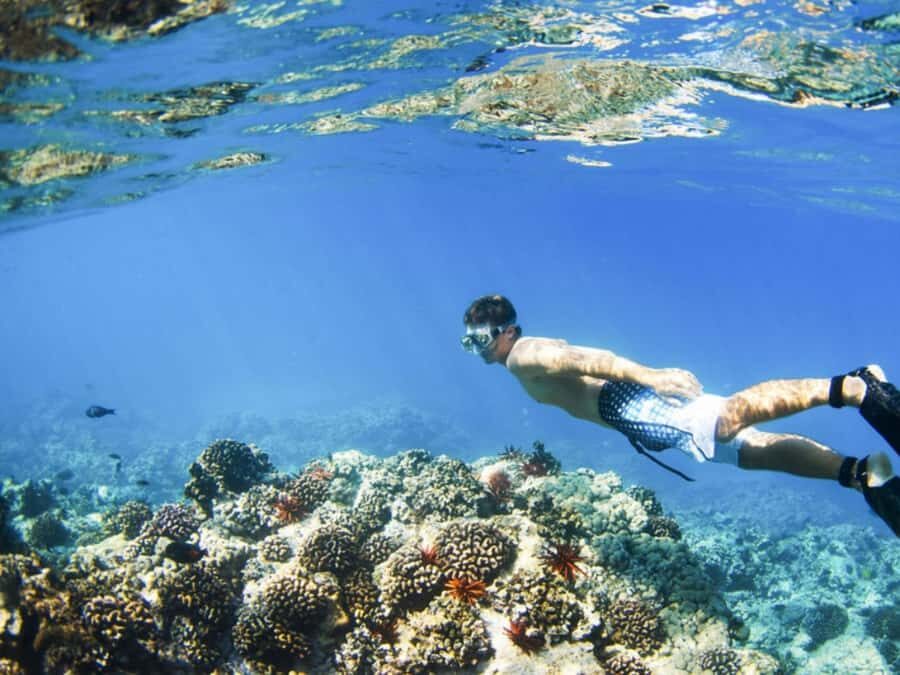
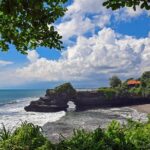
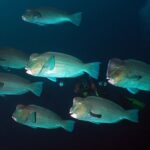
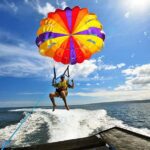
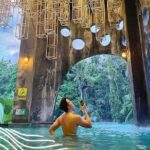
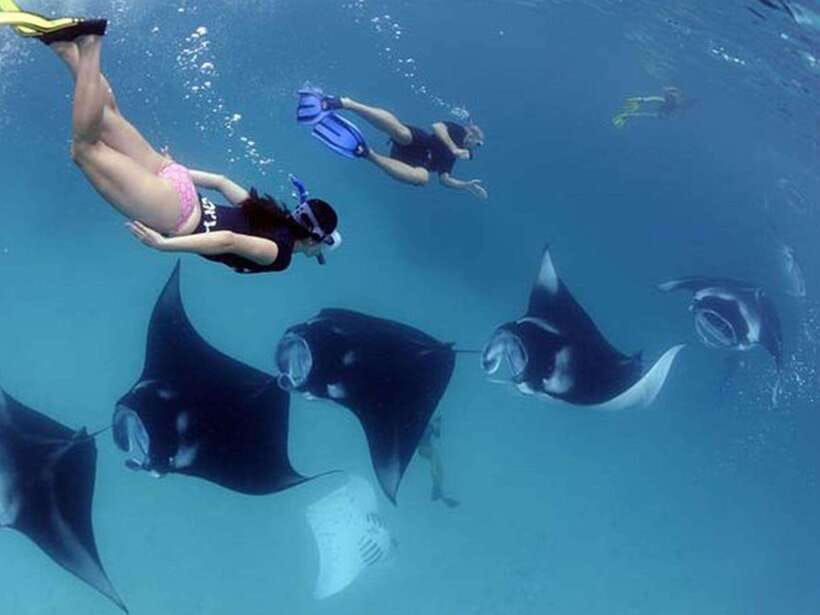
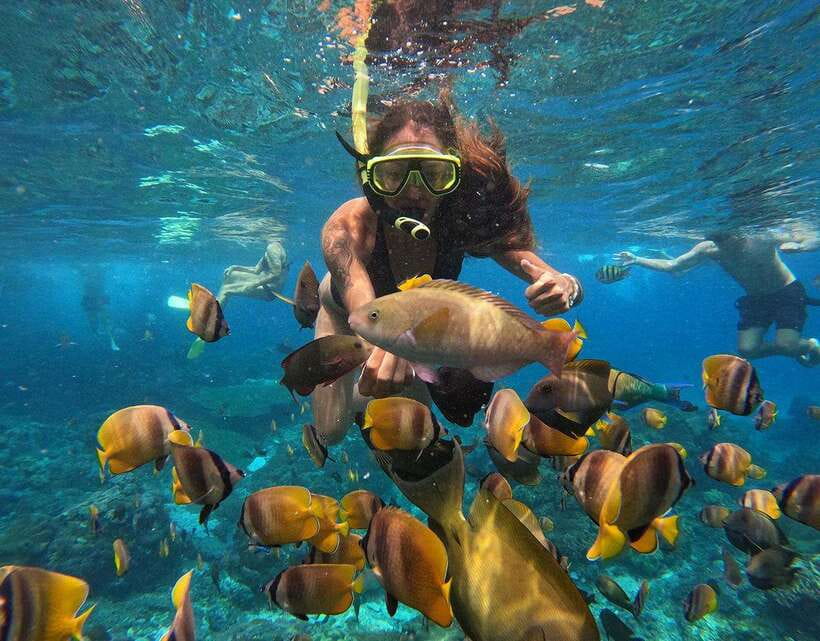
Mantas are never guaranteed, but the water is. What makes this Nusa Penida trip compelling is the focus on getting you in the right spots for marine wildlife, with GoPro footage and a real guide who helps you feel confident in a place with strong conditions. I especially like the mix of multiple snorkeling bays (not just one), plus the way they build photos and underwater moments into the experience. One catch: if the sea is rough or visibility drops, your time in the water can feel shorter than you planned.
For a lot of people, Nusa Penida is the Bali trip that feels different: fast boat, dramatic cliffs, and clear-water snorkeling where you’re watching ocean behavior up close. This tour is designed for that, with options that add the West-side photo stops afterward (Kelingking, Broken Beach, Angel’s Billabong) or keep it strictly snorkeling.
In This Review
- Key Things That Matter Most
- Getting To Nusa Penida: Sanur Fast Boats and Flexible Start Options
- Snorkeling at Manta Bay, Crystal Bay, and Gamat Bay: How the Stops Work
- Manta Bay: Your best bet for manta rays
- Crystal Bay: Clear visibility and coral life
- Gamat Bay: Quieter water, coral gardens
- How long you’re in the water
- The Wall: The Fourth Snorkeling Stop When the Day Allows
- GoPro Photos, Guides in the Water, and Safety in Real Currents
- You get proper gear, not the bare minimum
- They help you find wildlife
- Safety-first guidance in strong conditions
- The photo and video follow-up
- Adding the West Island Tour: Kelingking, Broken Beach, and Angel’s Billabong
- Kelingking Beach (T-Rex Beach)
- Broken Beach (Pasih Uug)
- Angel’s Billabong
- Price and Value at Around $10: What You’re Really Paying For
- What to Bring and What to Know Before You Go
- Bring
- Expect reality checks
- Don’t do these things
- Who This Tour Fits Best (and Who Should Skip It)
- Should You Book This Nusa Penida Snorkeling Tour?
- FAQ
- How many snorkeling spots do I visit?
- Is seeing manta rays guaranteed?
- How long is the tour?
- What equipment is included?
- Do I get photos or videos after snorkeling?
- Is the guide English-speaking?
- Is the tour private?
- What should I bring with me?
- What is not allowed during the tour?
- Who isn’t this tour suitable for?
Key Things That Matter Most
- GoPro included, and they send your snorkeling moments as a link
- 3-4 snorkeling stops geared for clear water and different underwater scenery
- Guide support in strong currents, with safety-first guidance
- Optional West cliffs: Kelingking Beach, Broken Beach, and Angel’s Billabong
- Small-boat feel is possible, based on how your day runs and group size
Getting To Nusa Penida: Sanur Fast Boats and Flexible Start Options
This experience runs from Bali, most commonly via Sanur, and it starts at a meeting point that depends on the option you book. The tour info lists starting locations that include the fast boat from Sanur and other options tied to Manta Fish Snorkeling.
That matters because Nusa Penida day trips live and die by timing. You want a start point that’s easy for you to reach the morning of your tour, especially if you’re also planning other Bali activities. If you’re staying in or near Sanur, you’re already set up for the smoother flow of a fast boat departure.
The tour ends back at the meeting point, so you’re not stuck wondering how to get home afterward. The typical day structure is: boat ride out, snorkeling stops, then (if you choose it) an island tour on Nusa Penida’s West coast.
You can also read our reviews of more tours and experiences in Kuta.

Snorkeling at Manta Bay, Crystal Bay, and Gamat Bay: How the Stops Work
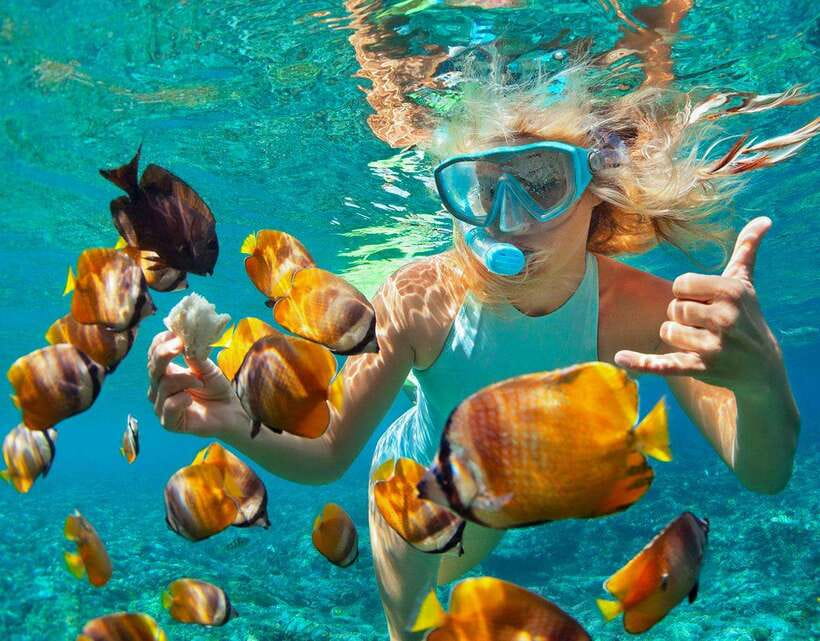
You’re set up for snorkeling at three main bays (and sometimes a fourth stop added, depending on the package). The experience is built around the idea that you’ll get different underwater views rather than one long swim in the same spot.
Manta Bay: Your best bet for manta rays
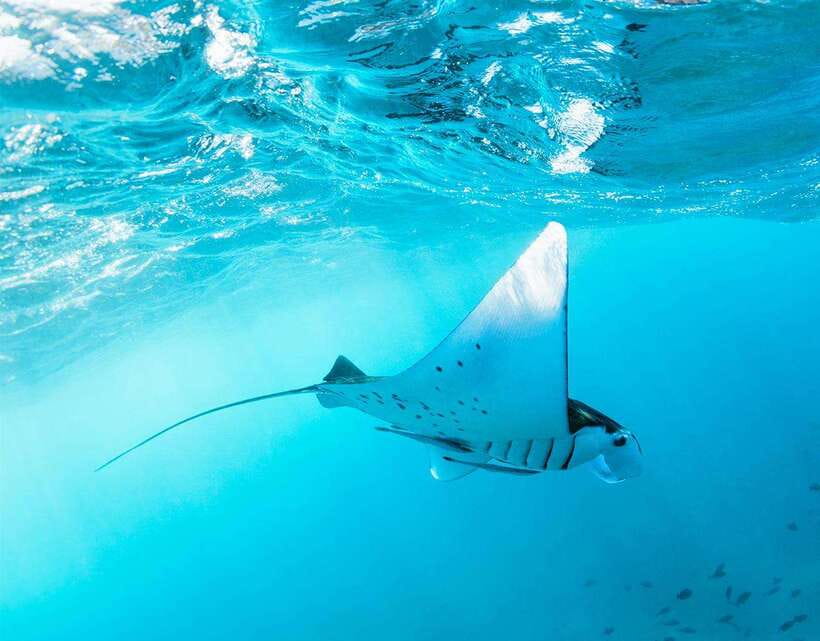
The first snorkeling highlight is Manta Bay. It’s described as a calm and protected bay with clear water, and it’s famous for the chance to see manta rays up close. You’ll hear the important truth up front: they don’t guarantee manta rays are always there.
I like this transparency because it keeps your expectations healthy. Even without mantas, Manta Bay is still set up for good visibility and wildlife viewing—think tropical fish and the possibility of sea turtles too.
A practical tip: don’t treat manta rays like a vending machine you should be able to predict. You’re going for conditions plus timing, and the guide’s job is to put you in the right area and keep you comfortable in the water.
Crystal Bay: Clear visibility and coral life
Next is Crystal Bay, known for pristine, clear water and colorful coral reefs. This is where you’ll likely focus more on reef scenery and fish than on waiting for a single species.
The tour info notes that conditions can vary by season, which is normal for Nusa Penida. Still, this stop is a strong choice if you want underwater color and a sense of variety across the day.
In water, the “value” of a stop like Crystal Bay is simple: you’ll usually get visual payoff even when the manta show doesn’t happen.
Gamat Bay: Quieter water, coral gardens
Gamat Bay is the quieter, more secluded option. It’s described as ideal for exploring coral gardens, with clear water and calm conditions (depending on the day). You might see schools of fish and even sea turtles.
If you’re trying to avoid the feeling of snorkeling like you’re on a conveyor belt, this stop can help. It’s positioned as a calmer underwater chapter after the more famous mantas-focused stop.

How long you’re in the water
Each main snorkeling stop is listed as about 30 minutes, and that’s a meaningful chunk of time for photos, swimming, and getting your bearings. One caution from real-world day conditions: if waves are strong, your time at each stop can get cut short. You’ll also want to understand that “safety and return to the boat quickly” may take priority over staying in the water longer.
The Wall: The Fourth Snorkeling Stop When the Day Allows
Your itinerary can include The Wall as an additional snorkeling place, listed as a stop with about 30 minutes.
Because the tour also notes that natural conditions affect things like visibility, The Wall is best understood as a “bonus chapter.” When conditions are good, this kind of stop gives you another kind of underwater scene. When conditions aren’t perfect, it may still happen, but timing can shift.
If you like variety—different currents, different rock formations, different fish patterns—this additional stop is a plus. If you’re the type who wants a very relaxed day with minimal rushing, it’s smart to keep a little flexibility in your schedule.
GoPro Photos, Guides in the Water, and Safety in Real Currents
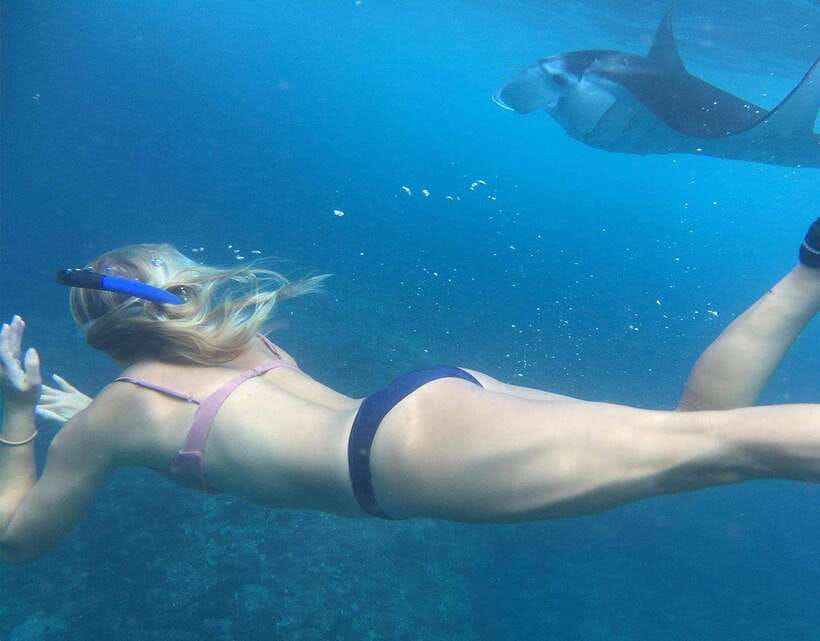
This is one of the strongest parts of the experience: the human support plus the photo workflow.
You get proper gear, not the bare minimum
The package includes snorkeling boat support, a snorkeling guide, snorkeling mask, life jacket, and fins. It also includes a GoPro camera and towel, plus mineral water.
One thing I appreciate is that the gear is described as clean and working well in the experience record, and the guides also assist with safety positioning. Life jackets and fins aren’t just extras—they change how relaxed you feel when water conditions get a little spicy.
They help you find wildlife
Manta ray sightings are not guaranteed, but multiple accounts emphasize that guides actively point out what to look for and help you get into the right area. When mantas show up, the guide’s job becomes spotting, positioning, and making sure you don’t end up fighting currents on your own.
There are also accounts of seeing other wildlife like turtles and even dolphins. That’s a reminder that the day can still be excellent even when mantas don’t show.
Safety-first guidance in strong conditions
Nusa Penida snorkeling can involve stronger currents than people expect. The tour’s safety setup includes guiding you in the water and support if you need help in those stronger areas.
This is especially important if you’re not an experienced ocean swimmer. The tour data also lists “not suitable” for people prone to seasickness, non-swimmers, and several medical situations (like high blood pressure and back problems). If any of those apply, don’t push it. Choose a calmer day option instead of risking a rough boat and unpredictable sea.
The photo and video follow-up
You’re promised your snorkeling moments as a link, and the experience is built around guides filming you while you’re in the water. This can make a big difference for people who want underwater memories but aren’t comfortable juggling a phone in a wetsuit.
A nice detail from the experience record: guides like Jimmy are mentioned by name for taking great photos and videos and for being attentive and friendly. It’s the kind of personal touch that turns an activity into a story you can replay later.
Adding the West Island Tour: Kelingking, Broken Beach, and Angel’s Billabong
There’s also a combined package that pairs snorkeling with a destination tour to the West side of Nusa Penida.
This part is more about dramatic views and iconic photo stops than about underwater wildlife. If you’re the kind of person who wants one day to cover both ocean and cliff scenery, this pairing makes a lot of sense.
Kelingking Beach (T-Rex Beach)
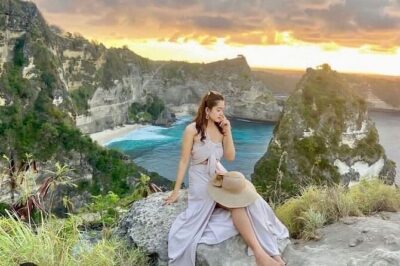
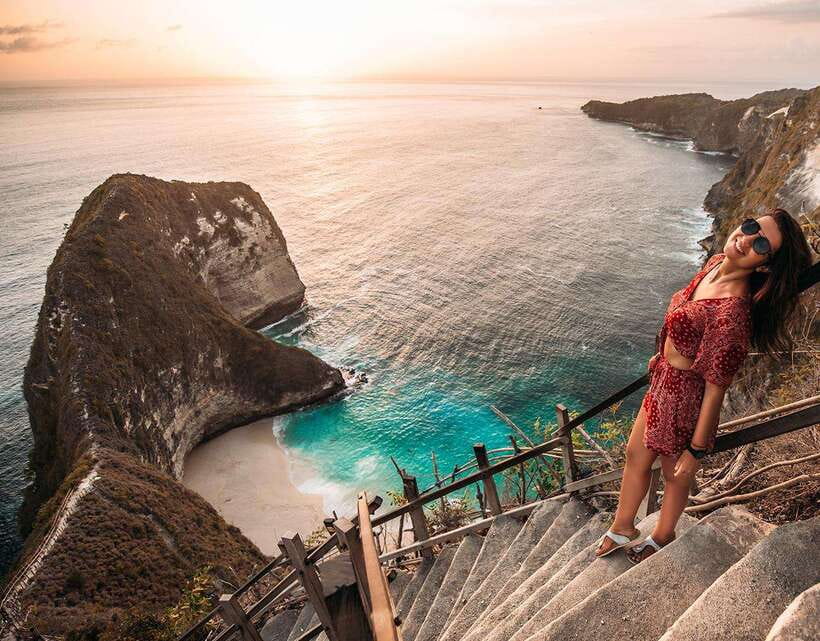
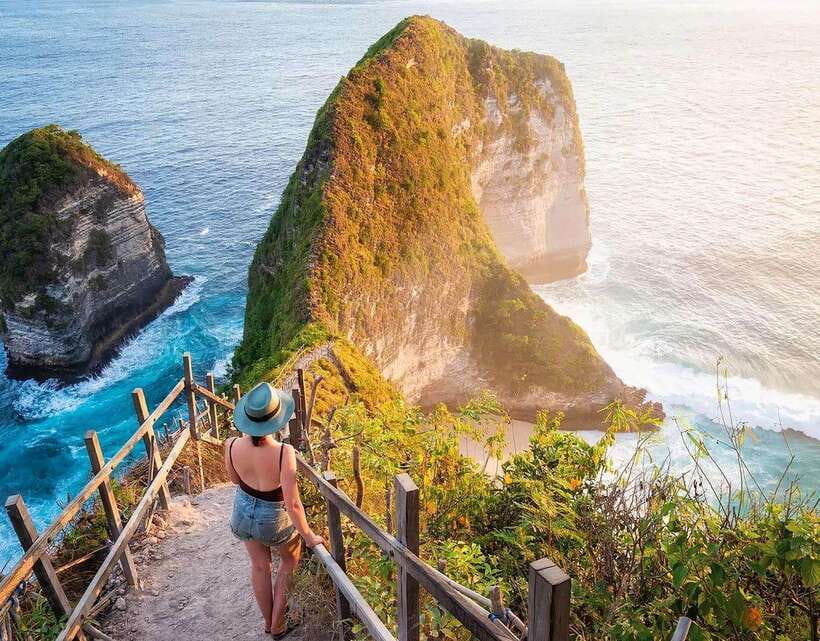
Kelingking Beach is described as one of the island’s most iconic landmarks because of the cliff shape, often called T-Rex Beach. You’ll stop at viewpoints for photos of the dramatic cliffs and turquoise water below.
For adventurous visitors, there’s also the option to descend the steep slope to the beach. That’s not an easy detour, so plan for slow steps and a careful pace.
Broken Beach (Pasih Uug)
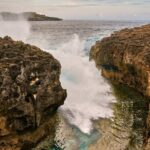
Broken Beach is a natural wonder formed when cave structures collapse, leaving an arch between cliffs. Waves flow through the arch and create a circular bay effect.
If you’ve already used your energy snorkeling, this is a good place to shift into “watch mode.” It’s a stop that rewards you with motion and sound, even if you don’t plan to hike much.
Angel’s Billabong
Angel’s Billabong is an infinity-pool look carved into rock formations along the coastline, with turquoise water that’s ideal for photos and a bit of downtime.
This stop works well as a closer. You’ve already been in the ocean; now you’re looking at the ocean, framed by rock and tide.
Price and Value at Around $10: What You’re Really Paying For
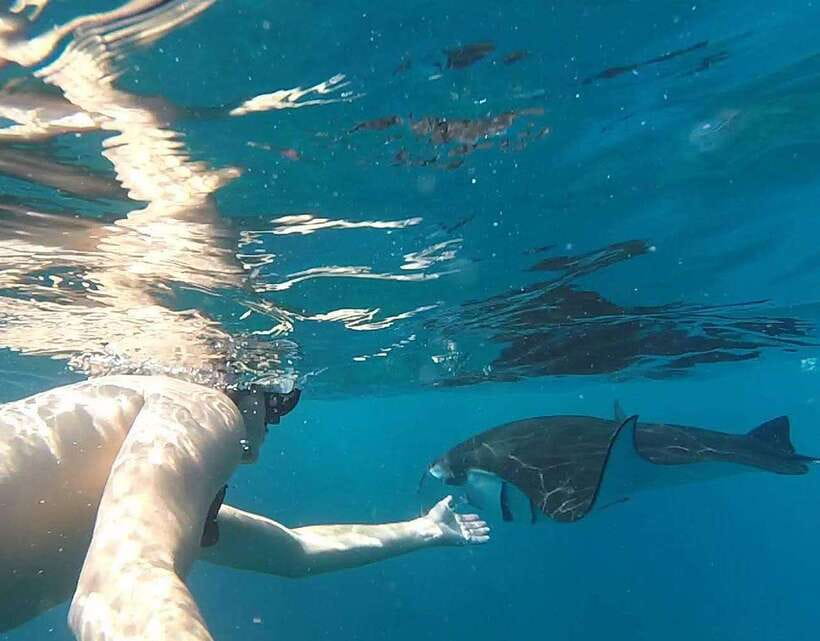
On paper, the price is listed as about $10 per person, and you’re getting far more than “just a boat ride.”
Here’s what’s included per the tour info:
- Guide support (private guide for the island tour option, plus snorkeling guides)
- Snorkeling boat and snorkeling equipment (mask, life jacket, fins)
- GoPro camera and towel
- Mineral water
- Insurance
- Taxes and fees
Meals are not included, so you’ll want to plan for snacks or eat afterward. In fact, the “what to bring” list encourages packing snacks, water, sunscreen, and a change of clothes.
What makes the value feel real is the combination:
- You get guided snorkeling focused on multiple bays
- You get photo/video capture through the GoPro plan
- You get safety support via guides in the water
- You also get the option to add a West-side sights tour without needing a second activity
If you’re budgeting, this is one of those days where the price can look almost too good. Still, keep your decision grounded in your comfort with the sea conditions. The main variable isn’t the price—it’s whether weather and currents cooperate.
What to Bring and What to Know Before You Go
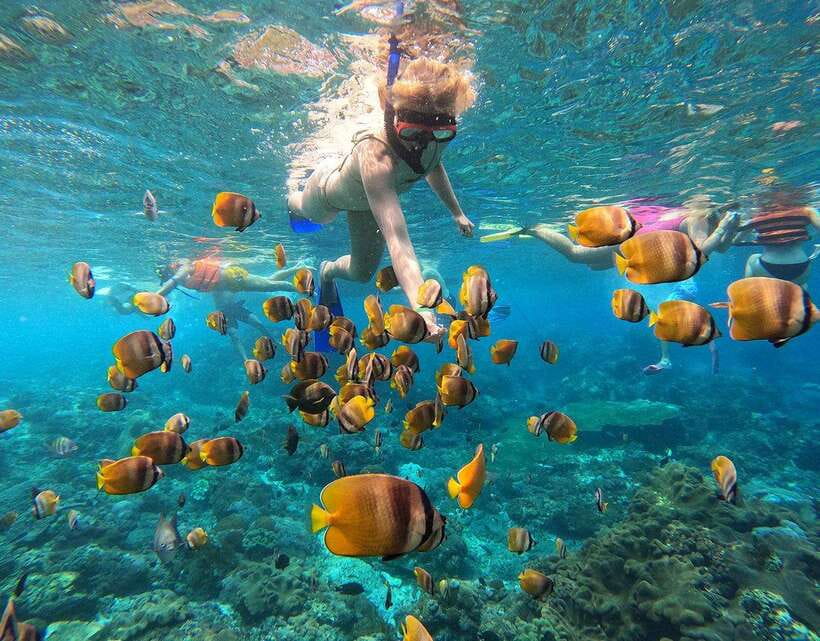
This tour gives you enough structure that you can show up ready, but you still need to pack smart.
Bring
- Swimwear
- Change of clothes
- Towel
- Sunscreen
- Camera or waterproof camera
- Snacks and water
- A waterproof bag for your belongings
Expect reality checks
- Manta sightings are not guaranteed
- Bad weather can affect visibility
- Some sea days can limit your time at stops
Also, you should assume getting on and off the boat won’t always be easy if there are big swells and less-than-gentle beaches. Your best friend here is slow movement, good grip, and not rushing.
Don’t do these things
- Alcohol and drugs are not allowed
- Touching marine life is not allowed
Who This Tour Fits Best (and Who Should Skip It)
If you’re a reasonably fit swimmer and you want a day focused on snorkeling variety plus photo memories, this tour fits well.
It’s explicitly marked as not suitable for:
- Children under 10 years (and higher minimums listed in the data)
- People with back problems
- People with diabetes
- People with altitude sickness
- People prone to seasickness
- People with high blood pressure
- People with low level of fitness
- Non-swimmers
- Hearing-impaired people
- Babies under 1 year and seniors over 95
That list is long for a reason: Nusa Penida involves boats, stairs, uneven surfaces, and water conditions that can change fast. If any of these apply to you, it’s smarter to choose a gentler option.
If you do go: wear your sunscreen, bring a waterproof bag, and treat the day like a teamwork exercise with your guide and your group.
Should You Book This Nusa Penida Snorkeling Tour?
Book it if you want one structured day that covers multiple snorkeling bays, includes real snorkeling gear, and gives you GoPro photos/videos afterward. The strongest reason to choose it is the guide-led approach to safety and wildlife spotting, plus the option to add West-coast cliff stops like Kelingking and Angel’s Billabong.
Skip or think twice if you’re highly seasick, not confident in ocean swimming, or you have medical conditions listed as not suitable. With this kind of itinerary, nature controls the schedule more than the operator does.
If manta rays are your dream, go with a flexible mindset: you’re buying the chance and the conditions, not a guaranteed sighting. When the water is clear and the currents cooperate, that chance turns into a day you’ll remember for the right reasons.
FAQ
How many snorkeling spots do I visit?
You can choose a snorkeling-only package with 3-4 snorkeling spots, and the combined option pairs snorkeling with a West island destination tour afterward.
Is seeing manta rays guaranteed?
No. Manta rays sightings are not guaranteed, though the tour includes Manta Bay, which is known for calm conditions and manta chances.
How long is the tour?
The duration is listed as 1 to 8 hours, depending on the option you book. You can check available starting times.
What equipment is included?
Snorkeling equipment is included, including snorkel, mask, fins, and a life jacket. A GoPro camera is also included, along with a towel and mineral water.
Do I get photos or videos after snorkeling?
Yes. Your snorkeling moments are provided via a link, and guides can film during the activity.
Is the guide English-speaking?
Yes. The tour includes a live guide in English.
Is the tour private?
The island tour portion is described as having a private guide. For the snorkeling portion, the details provided emphasize snorkeling guides and boat support, but the exact boat group size isn’t specified in the tour info.
What should I bring with me?
Bring swimwear, a change of clothes, sunscreen, snacks, water, a towel, and a waterproof bag for your belongings and camera.
What is not allowed during the tour?
Alcohol and drugs are not allowed, and you’re not allowed to touch marine life.
Who isn’t this tour suitable for?
It’s marked as not suitable for non-swimmers and people prone to seasickness, plus several medical and physical situations (including back problems and high blood pressure), and certain age groups are not recommended based on the tour data.