Nusa Lembongan turns open-water scuba training into a real trip. You’ll work toward SSI Open Water certification on a remote island right off Bali, with all the gear sorted and multiple in-water sessions designed to take you safely from basics to training at depth. Expect serious wildlife potential too, including that manta-ray goal.
I especially like how the course is built in clear steps: knowledge first, then controlled practice, then open-water work. I also like the comfort-side of the setup—Wi‑Fi, lockers, bathrooms, and a restaurant on-site, plus scuba equipment included from mask to fins.
One thing to keep in mind: conditions can change. One course participant noted that manta-point access wasn’t possible, so plan for the idea of manta rays rather than a guaranteed sighting.
In This Review
- Key Highlights I’d Circle on Your Planning List
- Nusa Lembongan for Open Water: Why This Location Feels Different
- How the SSI Open Water Program Gets You Ready (Steps That Actually Matter)
- Crystal Bay, Mangrove Point, Toyapakeh, Jungut Batu: What Each Stop Means
- Crystal Bay
- Mangrove Point (Nusa Lembongan)
- Toyapakeh
- Jungut Batu Beach
- Instructors and Center Comfort: Gear, Wi‑Fi, and Feeling Safe
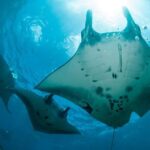
- Manta-Ray Goals, Turtles, and the Stuff You Actually Remember
- Price and Value: Is $461.48 Worth It for 3 Days?
- What Your 3 Days Feel Like (Without the Guesswork)
- Who Should Book This Course (and Who Should Think Twice)
- Should You Book This SSI Open Water Course on Nusa Lembongan?
- FAQ
- Do I need any scuba experience to join the Open Water course?
- How deep will I be trained to go?
- How many ocean sessions are included?
- Are there shallow-water practice sessions?
- What scuba gear is included?
- Does the price include instruction?
- What facilities are available at the dive/scuba center?
- Is accommodation included?
- Are photos or videos included?
- What if the weather is bad?
Key Highlights I’d Circle on Your Planning List
- SSI certification to 60 feet / 18 meters with instructor supervision
- At least four open-water sessions plus the required training practice
- Gear included (mask, tank, fins, and necessary equipment)
- On-site comfort: Wi‑Fi, lockers, bathrooms, and a restaurant
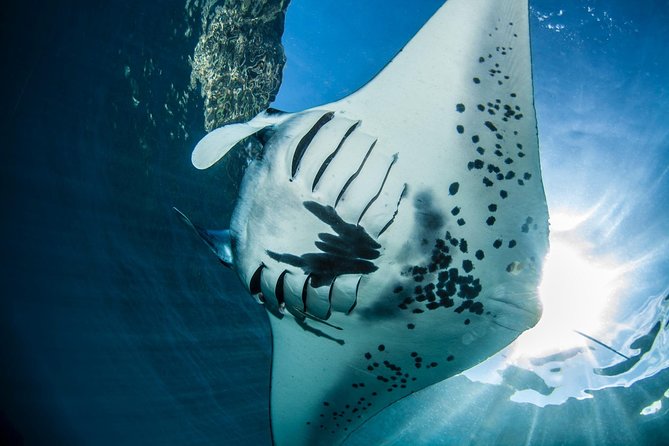
- Wildlife expectations: manta rays as a goal, plus turtles, octopus, and lots of fish and corals (when conditions allow)
Nusa Lembongan for Open Water: Why This Location Feels Different
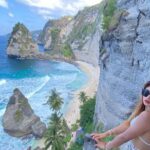
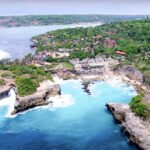
If your idea of scuba training is mostly classrooms and monotonous drills, this island twist makes it feel more like a mini-vacation with a purpose. Nusa Lembongan sits as a next-stop from Bali, and the course is run right on the island with a fixed base at a well-equipped training center in Jungutbatu (start here each day, and the activity ends back at the meeting point).
The schedule is compact—about 3 days—so you’re not dragging certification across two weeks of vacation time. It’s also a private activity, meaning only your group participates. That matters when you’re still learning how to manage equipment, buoyancy, and breathing underwater without feeling like you’re being rushed.
This isn’t for toddlers: the minimum age is 10 years, and the course lists moderate physical fitness as the expectation. If you’re generally comfortable swimming and handling basic physical tasks, you’re in the right zone.
You can also read our reviews of more tours and experiences in Nusa Lembongan.
How the SSI Open Water Program Gets You Ready (Steps That Actually Matter)
This SSI Open Water course follows a structured path with three main steps. That structure is useful because it reduces chaos: you don’t just jump into deep water and hope for the best. You learn what you’re doing, practice it repeatedly, and then apply it in open water.
Step one: develop knowledge. You’ll study the basics you need to understand how scuba works and what to do underwater. The goal isn’t memorizing terms—it’s understanding enough to make good choices while you’re wearing equipment and breathing differently than you’re used to.
Step two: shallow-water training. You’ll do at least five sessions in shallow water (either beach or pool). This is where you build the muscle memory: calm breathing, controlled movements, and basic exercises under direct supervision of a certified instructor. The shallow sessions are also where you find out what feels natural and what feels stressful for you—before any deeper work.
Step three: open-water sessions. You’ll complete at least four ocean sessions where you can practice technique and explore the underwater environment. The course is designed so you can be trained up to 60 feet (18 meters). That number isn’t just a brag point—it’s the target depth for this certification level, and reaching it safely depends on you having the earlier steps down.
Crystal Bay, Mangrove Point, Toyapakeh, Jungut Batu: What Each Stop Means
The itinerary cycles through four local spots—Crystal Bay, Mangrove Point, Toyapakeh, and Jungut Batu Beach—as part of your open-water training program. The important thing to understand is that these are the underwater locations your instructor uses for your course work, and the exact flow of what you practice can depend on conditions.
Here’s how to think about each stop during your 3-day certification:
Crystal Bay
This is one of your scheduled open-water locations. For an Open Water course, it’s typically chosen because it supports training at the right level—giving you a place to practice while still feeling like you’re actually out in the ocean, not just doing classroom stuff.
Mangrove Point (Nusa Lembongan)
This name hints at a coastal setting. For your course, the value of a site like this is usually the chance to work on technique in an environment that matches the training goals, letting you focus on control and confidence.
Toyapakeh
Toyapakeh is another scheduled stop for open-water course work. In courses like this, the point isn’t only what you see—it’s practicing what you learned and building comfort in real sea conditions.
Jungut Batu Beach
This is where your itinerary includes a final scheduled stop, and it also connects with the base area of the island. Being back close to where you start makes it easier to keep the day stress low, especially after multiple water sessions.
One practical note from the reality of field conditions: manta-ray access may not always match the original plan. One participant specifically said they couldn’t reach manta point. So when you choose this course, I’d go in wanting wildlife and scenery, but also accepting that the instructor may adjust the plan for safety and sea conditions.
Instructors and Center Comfort: Gear, Wi‑Fi, and Feeling Safe
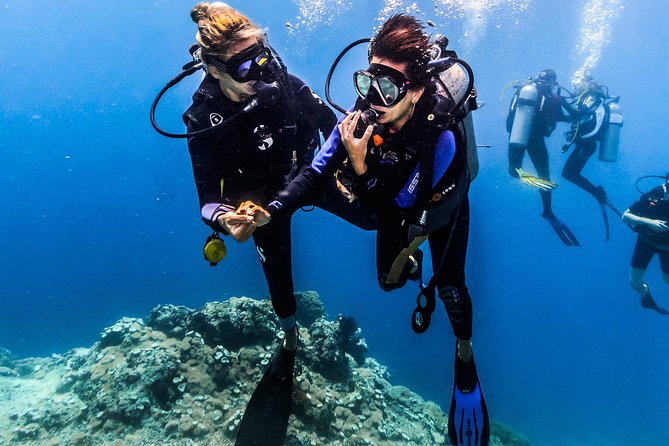
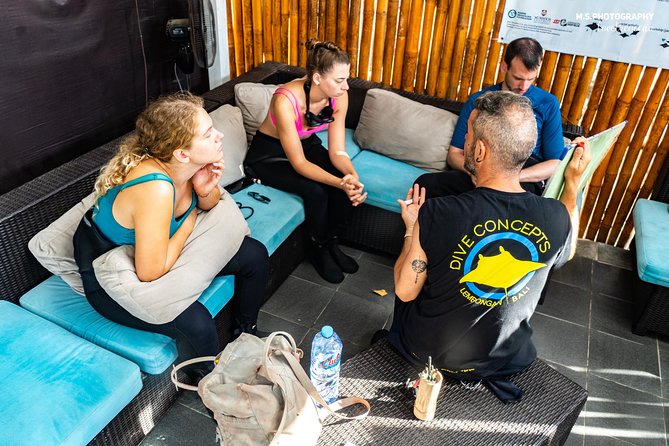
The course is run with a certified instructor and support from a training center that’s set up for real comfort during busy days. You don’t just show up and hope someone hands you a regulator and disappears.
Included with the package:
- Scuba equipment use (from mask to tank to fins)
- Training supervision by a certified instructor
- Center facilities: Wi‑Fi, lockers, toilet, shower, and change rooms
- A restaurant on-site (useful when you’re eating between sessions)
In real terms, those facilities reduce friction. After water training, you need to rinse off, change, and reset without hunting down services. That’s a big deal on a small island where your day can get busy fast.
The instructor names also show up clearly in the feedback. People highlighted Loïc, Silvère, Kaka, and Pablo for patient teaching and clear explanations. That combination—professional instruction plus calm coaching—matters a lot when you’re new and your brain is trying to do multiple things at once.
Manta-Ray Goals, Turtles, and the Stuff You Actually Remember
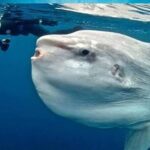
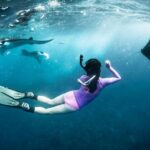
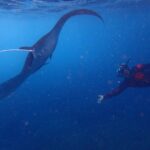
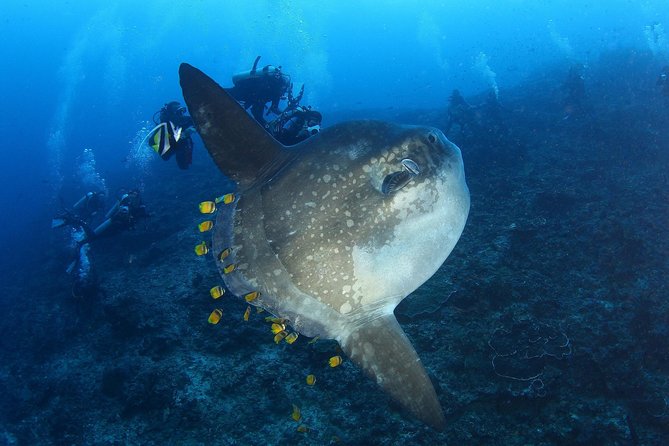
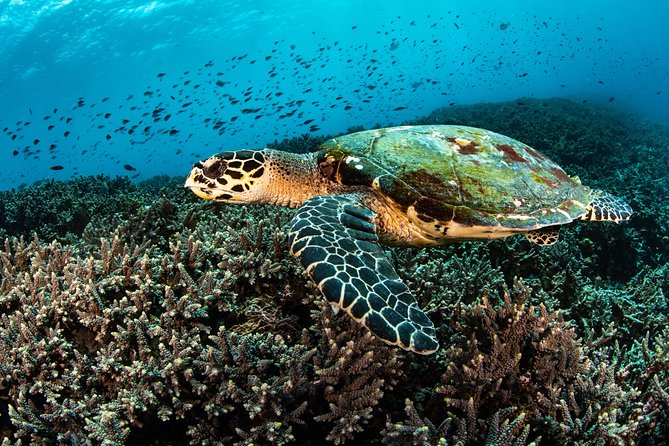
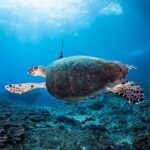
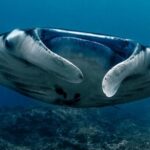
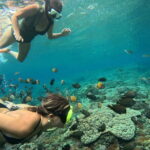
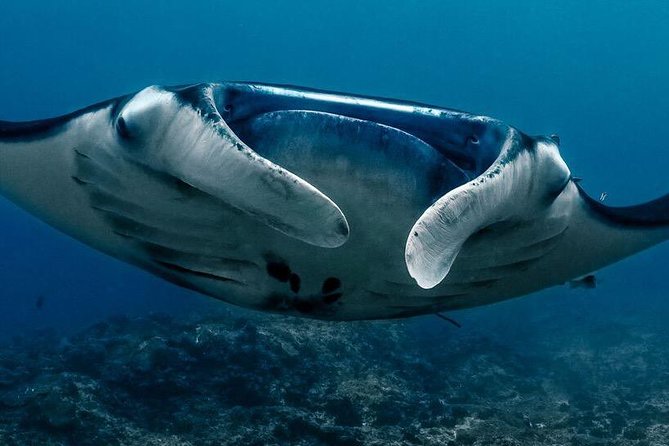
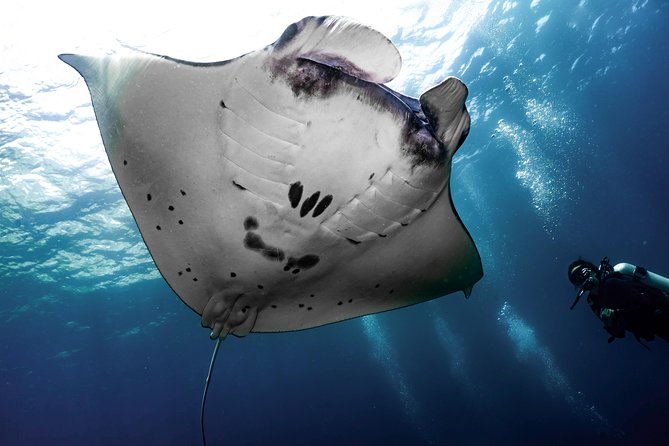
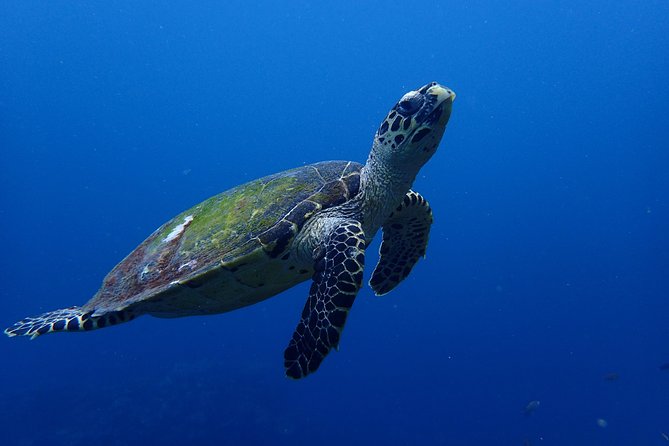
The course marketing pushes one big goal: manta rays. And that lines up with the way people describe the area’s wildlife. In the feedback, I saw recurring mentions of turtles, manta rays, octopus, and sometimes sharks, alongside plenty of fish and coral.
But here’s the honest part for your expectations: manta-ray sites aren’t always reachable. One participant noted manta-point access wasn’t possible, which means you should think of manta rays as a strong chance, not a guaranteed checkbox.
What I’d take from all that: you’re likely to see meaningful wildlife for an Open Water course. And even if manta rays don’t show up, you’ll still be working at a certification level where you’re actively paying attention to marine life while practicing technique.
Price and Value: Is $461.48 Worth It for 3 Days?
The price is $461.48 per person, and it’s commonly booked about 35 days in advance. That timing tells me there’s demand, which matters when you’re trying to match your vacation dates with water conditions.
Is it good value? For this course, the value argument comes from what you get baked in:
- SSI Open Water certification training (knowledge + shallow practice + open-water sessions)
- At least four ocean sessions plus the required shallow-water work
- All necessary scuba gear use (not something you have to rent separately)
- A certified instructor
- A training facility with Wi‑Fi, lockers, bathrooms, showers, and a restaurant
The main “extra” items are things like the optional digital souvenir photos/videos (available to purchase) and accommodation. Accommodation can be arranged at the center (dormitory and bungalows are available), but it’s not included in the price.
So for value, ask yourself this: would you rather spend time comparing rentals, finding gear, and budgeting separately? If you want a smoother experience where the big pieces are covered, this package makes sense.
What Your 3 Days Feel Like (Without the Guesswork)
Even though the activity runs across multiple stops, the overall flow is designed to prevent you from feeling overwhelmed.
A typical rhythm in a well-run Open Water program looks like this:
- Morning theory and/or planning
- Shallow-water practice where you repeat fundamentals until they feel doable
- Then open-water sessions where you apply those same skills while experiencing the ocean environment
Because the course includes both shallow-water practice (at least five sessions) and open-water work (at least four ocean sessions), your days tend to stack in a way that builds confidence. That’s the point: you don’t only learn how to swim with gear; you learn how to manage yourself underwater.
And you’ll have different instructor styles within the same center. Feedback highlighted that instructors like Silvère and Kaka adjusted to personal needs, including calming students who felt anxious on their first day. That’s exactly the kind of support you want in your corner.
Who Should Book This Course (and Who Should Think Twice)
This fits best if:
- You’re aiming for SSI Open Water certification to a target depth of 18 meters
- You want structured training across theory, shallow practice, and open-water application
- You like the idea of a remote-island scuba base rather than a one-day bus-and-boat setup
- You want the comfort of on-site basics like lockers, bathrooms, showers, and a place to eat
It might be a tougher choice if:
- You’re not able to meet the listed requirement of moderate physical fitness
- You’re traveling with expectations of a specific wildlife encounter as a guarantee (manta rays are a goal, not a promise)
- You need your own accommodation plan and don’t want to consider dorms or bungalows at the center (since lodging isn’t included)
Should You Book This SSI Open Water Course on Nusa Lembongan?
If your goal is genuine certification training—structured steps, certified instruction, equipment included, and multiple open-water sessions in a compact 3-day format—this course is a smart bet. The center setup also sounds practical, not fancy: Wi‑Fi, lockers, bathrooms, showers, and a restaurant so you can focus on learning instead of logistics.
I’d book it if you want a first certification that also gives you a real chance at memorable marine life. And I’d book it especially if you value calm instruction from teachers like Loïc, Silvère, Kaka, or Pablo, who were praised for clear explanations and patience.
I’d hesitate only if you’re counting on manta-point success no matter what. Weather and sea conditions affect what’s possible, and one person in the feedback reported that manta-point access wasn’t possible during their course.
FAQ
Do I need any scuba experience to join the Open Water course?
No prior scuba experience is stated as required. The course covers knowledge, shallow-water practice, and open-water sessions as part of getting certified.
How deep will I be trained to go?
The course is for certification to 60 feet (18 meters).
How many ocean sessions are included?
The course includes at least four ocean sessions in deep ocean conditions, plus additional training dives/sessions required by the program.
Are there shallow-water practice sessions?
Yes. You’ll do basic exercise training in shallow water (beach or pool), with at least five sessions.
What scuba gear is included?
All necessary scuba gear is included for use, including mask, tank, and fins.
Does the price include instruction?
Yes. The package includes a certified instructor.
What facilities are available at the dive/scuba center?
You’ll have access to the center’s facilities including Wi‑Fi, lockers, toilets, showers, change rooms, and a restaurant.
Is accommodation included?
No. Accommodation isn’t included, but dormitory and bungalows are available at the center.
Are photos or videos included?
No. Digital souvenir photos/videos aren’t included, but they’re available to purchase.
What if the weather is bad?
This activity requires good weather. If it’s canceled due to poor weather, you’ll be offered a different date or a full refund.