Waterfall spray and temple rituals in one day. I really like the chance to swim at Tegenungan Waterfall, then shift gears to the sacred atmosphere of Tirta Empul. The mix of nature, art, and religious sites keeps the day from feeling repetitive.
One thing to plan for: this is a moderate route with uneven ground, and it runs even in the rain, so good grip shoes matter.
In This Review
- Key points before you go
- Ubud in 8 hours: how this day feels when it’s done right
- Tegenungan Waterfall: the swim-and-spray start
- Kemenuh woodcarvers in the Ubud area: craft you can actually see
- Elephant Cave (Goa Gajah): Boma, cliff-side ruins, and a slower pace
- Tirta Empul at Tampaksiring: why this temple stop hits different
- Ceking Rice Terrace in Tegalalang: your easy, scenic finish
- Lunch on your own at around 12:00: how to use the timing well
- Price and value: what you really get for $43
- Transportation and pacing: why the day doesn’t feel chaotic
- What to bring (and wear) so the day stays comfortable
- Who this tour suits best
- Should you book Ubud: Rice Terrace, Waterfall, & Elephant Cave?
- FAQ
- What time does the tour pick you up?
- How long is the tour?
- What places are included in the itinerary?
- Is lunch included?
- Is swimming at Tegenungan Waterfall allowed?
- What is included in the price?
- Is this tour wheelchair accessible?
- What should I bring, especially for outdoor parts of the day?
- Does the tour run in rainy weather?
Key points before you go
- Tegenungan Waterfall swim time with lush views and photo stops built in
- Kemenuh woodcarvers where you see how Hindu-inspired designs move from sketch to wood
- Goa Gajah (Elephant Cave) with the striking Boma figure at the entrance
- Tirta Empul at Tampaksiring for temple architecture and the feeling of a real spiritual place
- Ceking Rice Terrace in Tegalalang for a relaxed walk through layered rice fields
- English-speaking driver/guide who often times stops to reduce crowds and helps with great photos
Ubud in 8 hours: how this day feels when it’s done right
This tour is built for a full, satisfying day out of Ubud—8 hours total—with an early start at 08:00 and a return around 16:00. You’re in an air-conditioned car the whole time between stops, which is a lifesaver in Bali’s heat.
What makes it work well is the order of the sights. You start with something physical and fun (waterfall and a possible swim), then move into crafts, caves, and temples, and finish with the rice terrace walk. It’s a smart flow for your energy levels.
You can also read our reviews of more tours and experiences in Bali.
Tegenungan Waterfall: the swim-and-spray start
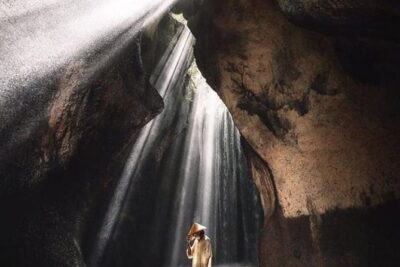
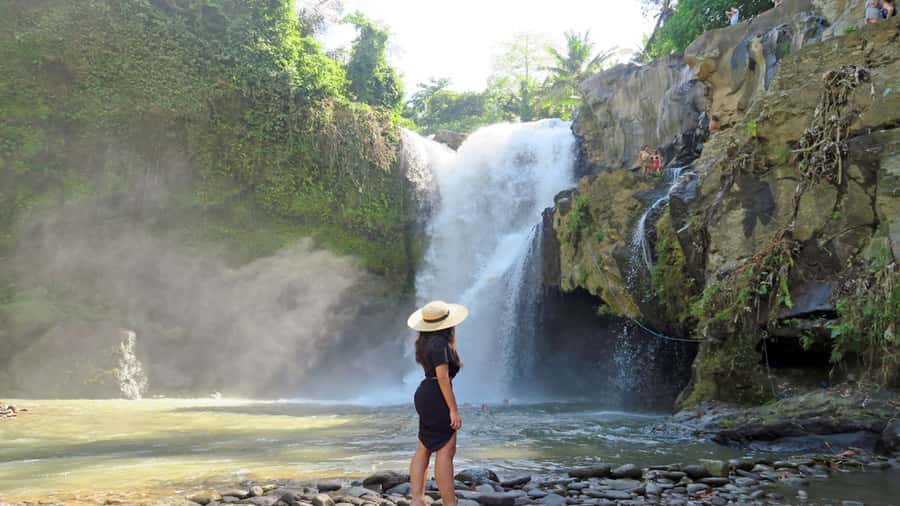
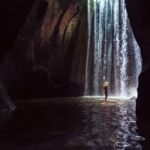
You arrive at Tegenungan Waterfall after pick-up and morning travel, with a stretch of time for photos, sightseeing, and a walk (about 2 hours). The best part here is the water itself—if you want to cool off, you can swim in the falls’ area.
Practical tip: wear slip-resistant footwear even if you plan to wade only. The surfaces near waterfalls can get slick fast, and you don’t want to spend the day worrying about footing.
Also, this is a great first stop because it sets the tone. Early in the day you’re more likely to have clearer light for photos, and you won’t feel like you’ve been “temple-traveling” for hours before you see something lively.
Kemenuh woodcarvers in the Ubud area: craft you can actually see
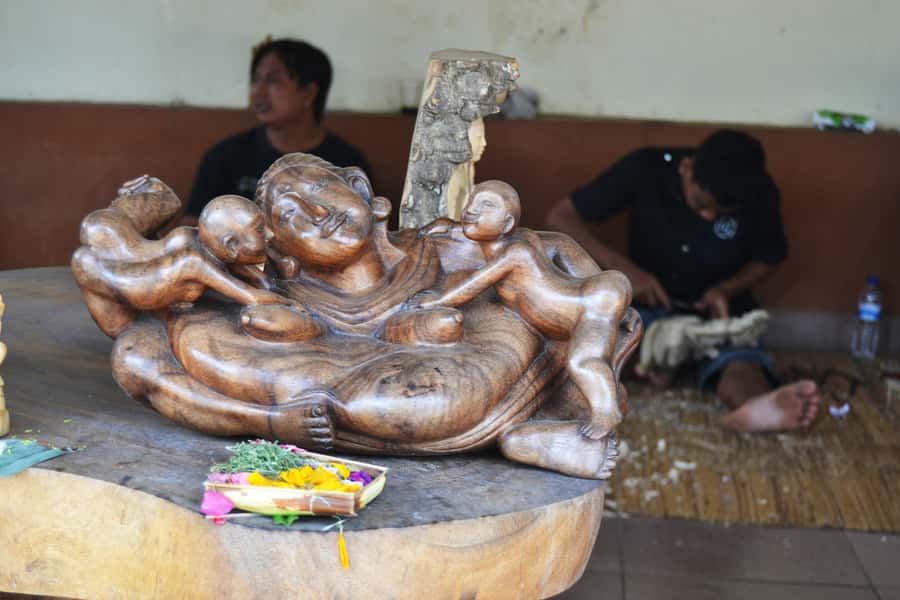
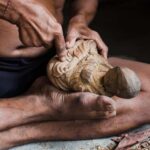
Around 10:30, you head to Kemenuh, known for woodcarving. This isn’t just a quick storefront stop. You’ll meet artisans, learn about craft techniques, and see how their designs connect to Hindu influence—right down to the kinds of wood they work with, like ebony, hibiscus, and teak.
This is the place where the day turns from scenery into skill. It helps you understand why so much Balinese decor feels intentional, not random. You’ll also get a better eye for what you’re buying later—if you want a souvenir—because you’ll know the effort behind it.
In this part of the day, your guide often plays a big role in your experience. Some guides are especially good at explaining what you’re looking at and how motifs relate to belief and daily life. Names that come up again and again include Wayan, Putu, and Edi, with lots of praise for clear English and helpful answers.
Elephant Cave (Goa Gajah): Boma, cliff-side ruins, and a slower pace
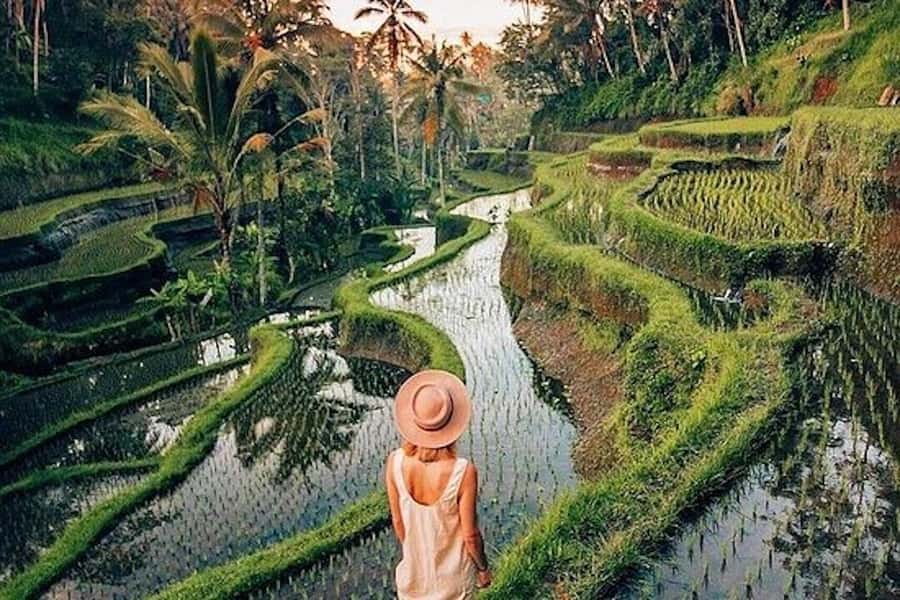
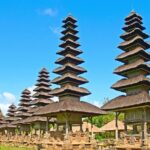
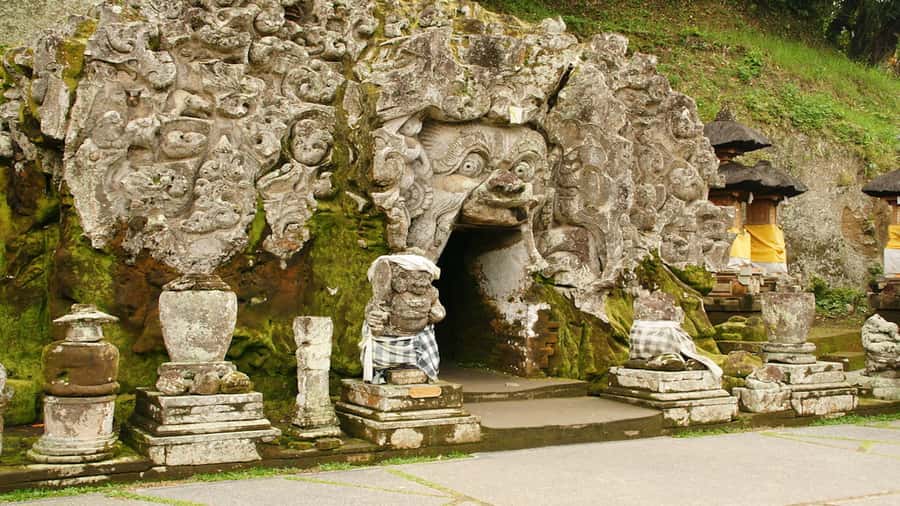
Next up is Elephant Cave, also known as Goa Gajah. Plan for a photo stop and visit time around 1.5 hours, plus some scenic driving and time that can include an arts-and-market style stop.
The most memorable detail is the 7-meter tall cave built into a cliff. At the entrance, you’ll see the Boma figure, a famous Balinese symbolic animal presence. Then you move through the area to look at Hindu temples nearby, surrounding plantations, and artifacts connected to the site.
This stop has a different vibe than the waterfall. You’re in a more still, older-feeling space—one that makes you slow down and pay attention to carvings, entrances, and the way the structures sit in the landscape around them.
Tirta Empul at Tampaksiring: why this temple stop hits different
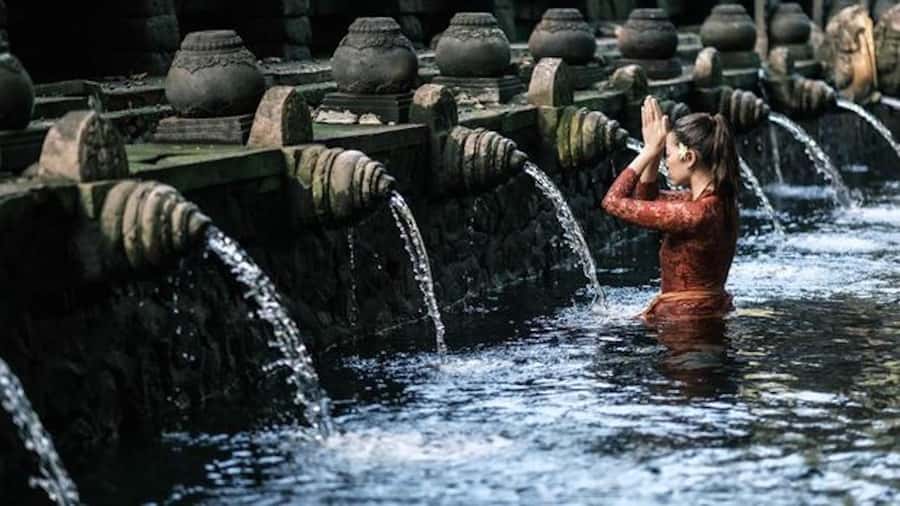
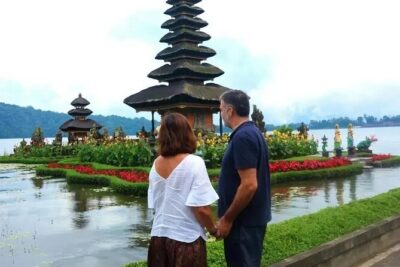
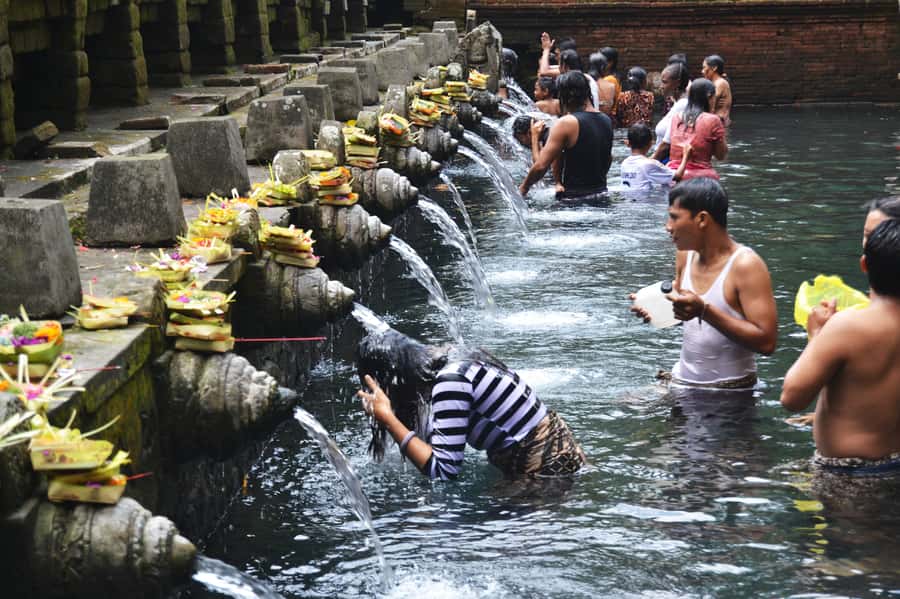
After lunch (you’ll eat on your own around 12:00), you head to Tirta Empul Temple in Tampaksiring. This is one of those places where it’s easy to tell you’re not just looking at a building—you’re stepping into an active religious setting.
You’ll spend about 2 hours here, with time for sightseeing and a walk. The key draw is the atmosphere and architecture—plus the overall feeling that the site is still part of living practice.
One detail worth noting: many people like to do the water cleansing or purification ritual here, and some guides help make that possible while keeping things respectful and organized. If you’re interested, ask your guide early so you can plan time and dress appropriately.
Guides often shine at Tirta Empul because this is where questions come fast. Several guides—like Made Sucita, Agung, and Gede Susila—are praised for explaining the meaning behind what you’re seeing, not just reciting facts.
Ceking Rice Terrace in Tegalalang: your easy, scenic finish
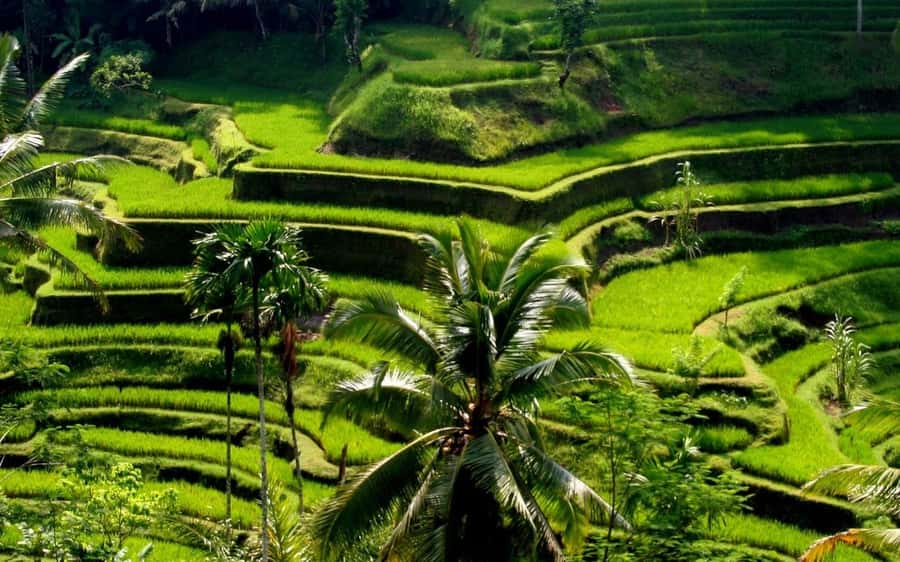
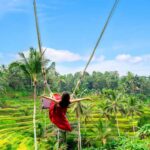
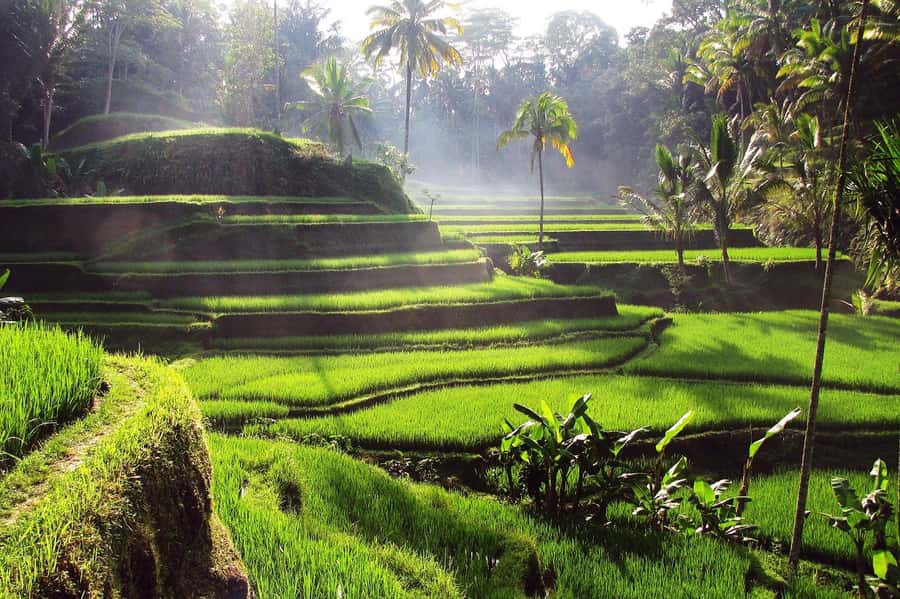
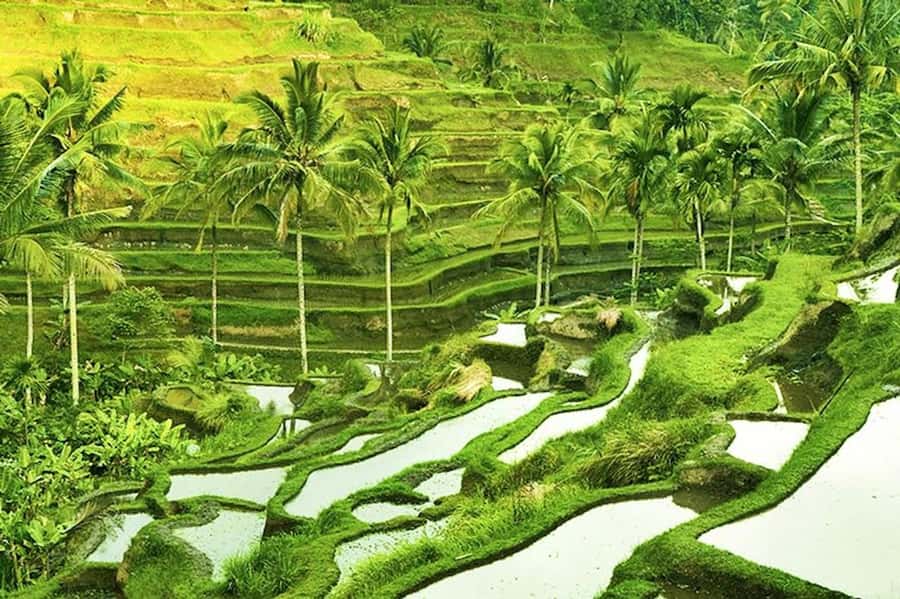
The last major stop is Ceking Rice Terrace in Tegalalang. You’ll have around 2 hours for photos and a visit, and you can add a pleasant stroll through the rice fields if you want.
This is not a hard trek. It’s more about enjoying the view angles, the terraced design, and the way coconut trees and plantation elements frame the fields. Even if you keep it simple—wander a bit, take photos, watch the activity—you’ll still get the “Bali feels” that people come for.
If you’re trying to time your photos well, pay attention to the order your guide suggests. Many guides in this program are known for planning around crowds, so you spend less time waiting and more time looking.
Lunch on your own at around 12:00: how to use the timing well
Lunch is not included, and it typically lands around 12:00. Because your itinerary is structured, the best move is to choose something easy and quick but still satisfying—especially if you plan to do the water ritual at Tirta Empul afterward.
If you have food preferences or allergies, tell your guide as early as possible. A few guides have been praised for adjusting to personal needs, including helping people find the right spot without wrecking the schedule.
Price and value: what you really get for $43
At $43 per person for an 8-hour day, the value is less about a bargain and more about what’s included. You get air-conditioned transportation, a private English-speaking driver/guide, and the big admin items: entrance fees and parking.
That matters because these sites add up. It also reduces decision fatigue. You’re not trying to figure out tickets, meeting points, or cash-on-hand logistics while you’re traveling.
The other value piece is guide quality. In the reviews, the consistent theme is that guides aren’t just driving. People repeatedly mention strong communication, photo help, and staying engaged—especially with names like Gede Susila, Wayan, Putu, Edi, and Made Sucita.
Transportation and pacing: why the day doesn’t feel chaotic
This tour includes hotel pick-up and drop-off across South Bali, with multiple options like North Kuta, Gianyar, Ubud, Denpasar, Badung Regency, Kuta, and Kuta Selatan. That reduces the chance you’ll lose time coordinating with another transfer service.
Pacing is built around short blocks: waterfall time, woodcarving time, cave time, rice terrace time, temple time. It’s not rush-rush, but it’s also not slow enough to feel like you’re hanging around all day.
Still, it’s a moderate walking tour. Expect uneven surfaces at some points, and plan for some stairs and ground changes near caves and temples. This is why slip-resistant footwear is a must.
What to bring (and wear) so the day stays comfortable
You’re told to bring sunglasses, and it’s smart to add sunscreen and a hat since the day includes outdoor walking. You’ll also want shoes with solid grip because surfaces near waterfall areas and temple grounds can be uneven.
If you’re going in rainy season—or any time weather flips—dress for it. The tour runs in rainy weather, so bring a light rain layer and consider quick-drying clothes.
Not allowed: pets. If you’re traveling with an animal, plan a separate option for that day.
Who this tour suits best
This is a good match if you want a “greatest hits” day from Ubud/central Bali but still care about more than just quick selfies. The woodcarving and temple stops add context, while the waterfall and rice terrace keep things fun.
It also suits couples and small groups who want a flexible experience. Many guides in this program are praised for being patient, answering questions, and adjusting small parts of timing so you’re not stuck waiting around.
One note: it’s not suitable for wheelchair users, so if mobility is limited, you’ll want a different plan.
Should you book Ubud: Rice Terrace, Waterfall, & Elephant Cave?
I’d book this if you want one solid day that hits nature, crafts, and major temples without making you manage ticket logistics or driving. The included entrance fees and the private English-speaking guide are a real convenience win at this price.
I’d think twice if you hate moderate walking, uneven footing, or being outdoors in changing weather. This tour can still be worth it with the right shoes and rain plan—just don’t go in expecting a totally flat, easy stroll all day.
If you care about strong guiding—clear explanations, good English, and help with photos—this one is consistently well-rated. People often specifically mention guides like GEDE SUSHILA, Wayan, Putu, Edi, Made Sucita, Agung, and Gede Susila for making the day feel smooth and meaningful.
FAQ
What time does the tour pick you up?
Pick-up is from your hotel at 08:00.
How long is the tour?
The duration is 8 hours.
What places are included in the itinerary?
You visit Tegenungan Waterfall, Elephant Cave (Goa Gajah), Tirta Empul Temple in Tampaksiring, and Ceking Rice Terrace in Tegalalang, plus a woodcarving stop in Kemenuh.
Is lunch included?
No. Lunch is not included and it’s typically around 12:00.
Is swimming at Tegenungan Waterfall allowed?
Yes. The schedule includes time to go for a swim if you wish.
What is included in the price?
Included are air-conditioned transportation, a private English-speaking driver/guide, petrol surcharge, entrance fees, and parking fees.
Is this tour wheelchair accessible?
No. It is not suitable for wheelchair users.
What should I bring, especially for outdoor parts of the day?
Bring sunglasses. It’s also recommended to wear slip-resistant footwear, plus sunscreen and a hat to prevent sunburn.
Does the tour run in rainy weather?
Yes. The tour runs even in rainy weather, so dress appropriately.