Surfing feels easier when someone has your back. This private lesson in Canggu gives you one-on-one coaching and real feedback, with gear like a surfboard, rashguard, and zinc included. I like that the teaching is tailored to your goals and level, from first green waves to higher-performance moves, but a small drawback is that you’ll want to bring your own towel and water.
You also get coaching that works even when language gets in the way. Coaches like Bedi (and sometimes Yoza) have a patient, clear style, including using body language when needed, so you can still learn fast. The other consideration: since it’s private, you’re paying for focused attention, so you’ll get the best value if you commit to at least one solid session (or a multi-lesson pack).
In This Review
- Key highlights before you go
- Private One-on-One Coaching in Canggu (Seminyak Area)
- The 2-hour lesson flow that helps you progress
- Beginner Lesson: Soft-top boards and first-wave confidence
- Intermediate Lesson: Moving toward fiberglass and better technique
- Advanced Course: Shortboards, positioning, and performance moves
- Coaches and communication: why this learning style works
- Included gear: what’s covered and what you still need
- Where you start: Canggu access and an easy meeting point
- Price and value: what $33 buys you in a private lesson
- Who this is best for (and who should think twice)
- Practical tips to get more out of the lesson
- Should you book this private surf lesson?
- FAQ
- Where is the meeting point?
- How long does the private surf lesson last?
- Is this experience private?
- What’s included in the lesson?
- What should I bring with me?
- What board is used for beginner lessons?
- Can intermediate surfers use a fiberglass board?
- What do advanced lessons focus on?
- When can I book and what are the opening hours?
- What is the cancellation policy?
Key highlights before you go
- Real private, one-on-one attention with constructive feedback tied to your level
- Beginner-to-advanced progression: soft tops to fiberglass to shortboards
- A land briefing before you hit the water so your first attempts make sense
- Coaches who communicate clearly (including when English is limited)
- Gear included: surfboard, rashguard, and zinc (you just bring basics like a towel)
Private One-on-One Coaching in Canggu (Seminyak Area)
This is the kind of surfing lesson that makes sense in Bali because the learning curve is steep. You don’t just get thrown into the water and told good luck. You get an instructor who can watch what you’re doing and then adjust your plan on the spot.
That private format matters more than it sounds. Surfing has a lot of tiny moving parts—timing, positioning, paddling rhythm, and where you look. With only your group in the lesson, the coach can spend time on the specific issues holding you back, instead of splitting attention across a bigger class. If you’ve ever tried to learn in a group setting and felt lost, this setup is built to fix that.
You can also read our reviews of more tours and experiences in Seminyak.



The 2-hour lesson flow that helps you progress
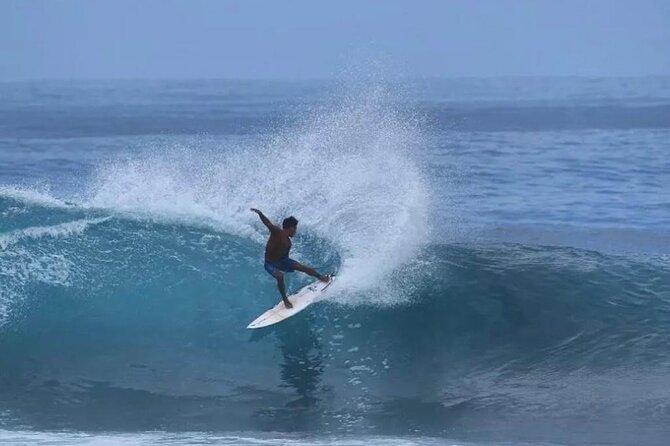
The lesson runs about two hours from start to finish, and it loops back to the meeting point when you’re done. For a first surf lesson, that time window is actually useful. It gives you enough time to try, reset, and try again without turning the experience into an exhausting slog.
A typical beginner structure is clear: you start with on-land guidance, then you move to the water to catch your first waves. The goal isn’t just to stand up once. It’s to learn the fundamentals well enough that you can catch waves and build consistency. As you progress, you should start working toward green waves—the point where surfing feels more like catching your own rides than being carried by luck.
For intermediate and advanced sessions, the focus shifts toward refinement. Instead of “can I catch this wave,” you move into “can I control my line, my positioning, and my performance.” That’s where one-on-one coaching becomes even more valuable, because improvements are often small and technical.
Beginner Lesson: Soft-top boards and first-wave confidence
If you’re new to surfing, this lesson is set up the right way. Beginner instruction uses soft top boards, which are easier to get onto and more forgiving when you’re still learning balance and turning your board.
The land briefing is also a big deal. You’re not learning by guesswork. You get helped with the basics first, so when you’re in the ocean your actions have a reason. That makes a huge difference when waves are loud, water is cold-ish, and your brain is trying to process ten things at once.
The beginner progression is practical:
- Start catching waves with guidance
- Then work toward catching waves on your own
- Build toward green wave success
One theme that shows up in coaching feedback from the experience is patience. People describe the coach as friendly, understanding, and focused on improvement rather than just outcomes. If you freeze up, that teaching style can help you get back into the flow.
Intermediate Lesson: Moving toward fiberglass and better technique
Once you’ve “graduated” from beginner level, the lesson structure moves into skill-building mode. Intermediate surfers can choose to move to a fiberglass board, which usually feels more responsive than a soft top.
That board change matters because it forces better technique. Fiberglass boards can be less forgiving, so the coach will likely guide you toward the kind of control that makes surfing cleaner. Intermediate lessons are aimed at improving your ability to surf on your own and then perfecting your skills with feedback.
This is also the stage where you start noticing what separates a decent surfer from someone who looks relaxed. It’s usually not about strength. It’s about better positioning and smoother timing.
Advanced Course: Shortboards, positioning, and performance moves
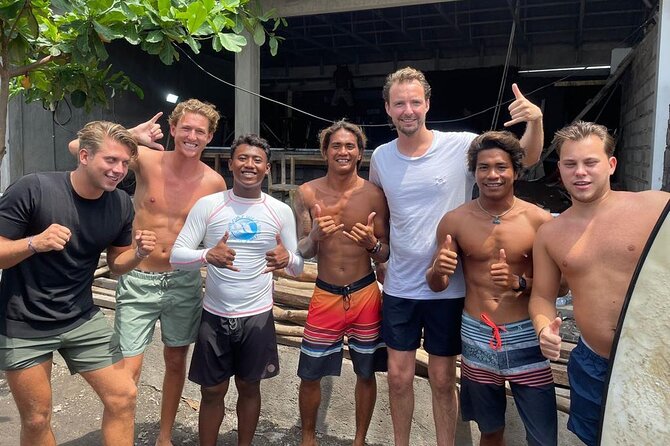
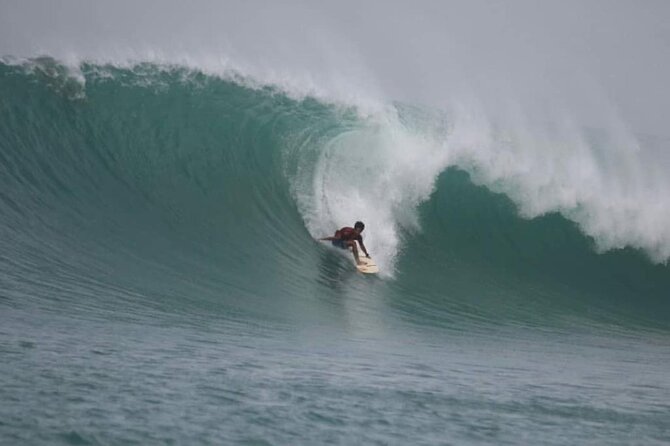
For advanced surfers, the lesson focuses on upgrading your surfing to the next level. Typically, the coach uses shortboards, and the session centers on:
- positioning
- high performance maneuvers
Just as important, advanced sessions can be customized to your specific needs. That’s a good sign if you already have a surfing background and you’re chasing something concrete—like tightening your takeoff timing, improving where you set your board on the wave, or building confidence in more aggressive turns.
If you’re truly advanced, I’d treat the lesson like coaching at the training level: show up ready with a goal and let the coach break down what’s stopping you. One-on-one time is ideal when you want precise corrections rather than general advice.




Coaches and communication: why this learning style works
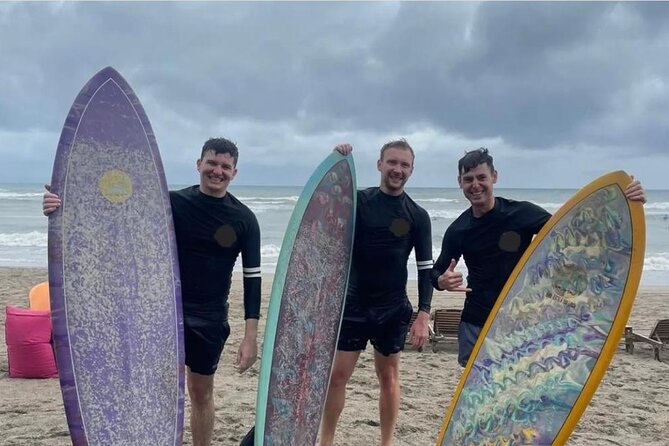
A lot of surf lessons promise instruction. Fewer deliver instruction you can actually follow in the moment. Here, multiple comments point to a coaching style that’s both clear and adaptable.
Bedi comes up repeatedly as an excellent instructor—patient, friendly, and good at giving constructive feedback. A key detail is how he communicates. Even when someone doesn’t speak English well, the coach is described as able to explain things effectively through body language and clear teaching cues. That matters in Bali, where you can’t always count on perfect language matching.
There’s also mention of instructors choosing the best waves and helping riders address weaknesses. That suggests a coach who is watching conditions and making smart decisions, rather than just going through motions. In surfing, conditions change fast. Being on the right waves at the right time can cut the learning time dramatically.
Included gear: what’s covered and what you still need
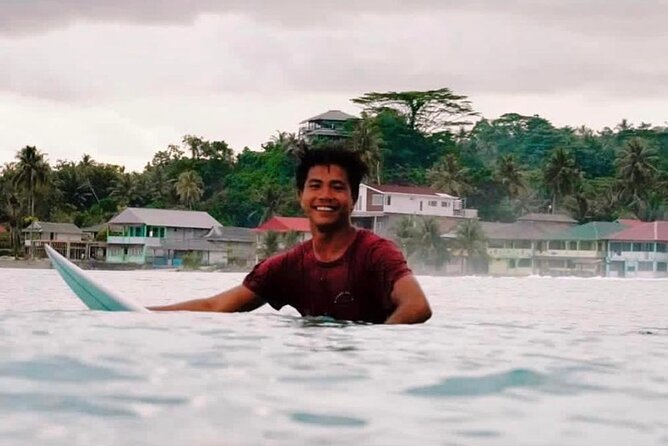
The lesson includes the essentials for getting in the water:
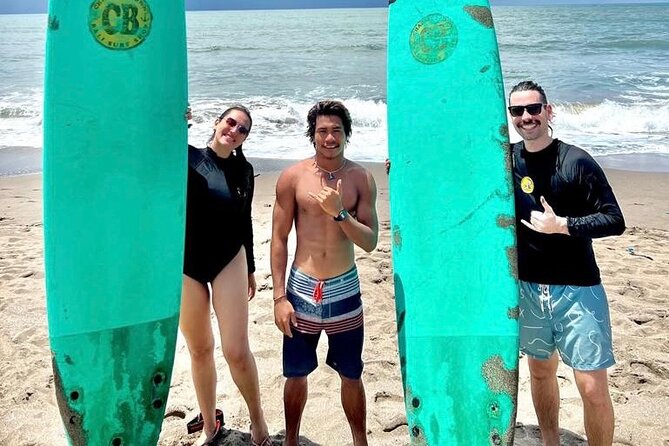
- Surf board
- Rashguard
- Zinc
That’s a practical value point because it removes a common friction. You don’t need to hunt down a board, figure out sizing, or worry about sun protection beyond showing up prepared.
What’s not included is simple:
- Bring your own towel
- Bring your own water
I strongly recommend bringing more water than you think you’ll need, because after a session your body tends to act like it forgot hydration. Also, a towel is non-negotiable when you come out of the water and need to reset quickly before moving on.
Where you start: Canggu access and an easy meeting point
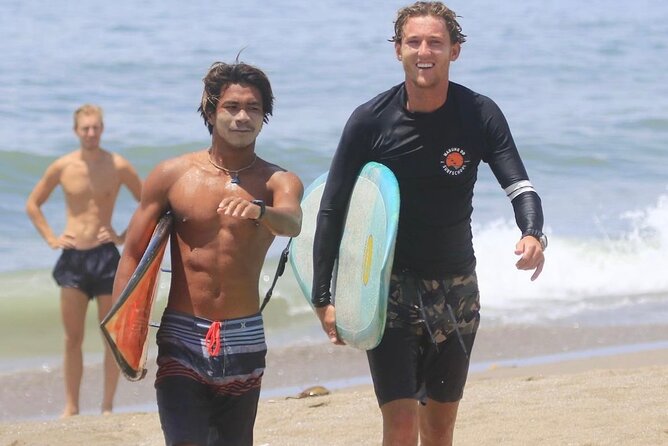
The meeting point is listed with a GPS-style pin: 84RJ+C58, Canggu, Kuta Utara, Badung Regency, Bali 80361, Indonesia. The session ends back at the meeting point, which keeps your day from getting messy.
The listing location says Seminyak, but the meeting point is in Canggu. In practice, that means you’ll be operating in the broader Seminyak–Canggu surf zone. If you’re basing yourself in either area, plan on a short transfer rather than a full day commitment.
Since the opening hours run 7:00 AM to 5:00 PM daily, you have flexibility. A morning session often helps if you want fewer crowds and cooler temperatures, but the exact best time depends on surf conditions that day.
Price and value: what $33 buys you in a private lesson
$33 for a 2-hour private surf lesson is good value, especially when it includes gear like the board, rashguard, and zinc. The real question isn’t only price. It’s whether you’re buying the thing that speeds up progress: focused coaching.
Private lessons are where you pay for feedback in real time. In surfing, that feedback is often the difference between repeating the same mistake and correcting it early. If you pick the right level—beginner, intermediate, or advanced—you should leave each session with clearer next steps.
You can also buy multiple lessons: a single session or a 3-lesson or 5-lesson package. If you’re serious about progress, the package options can be the better deal, not because you get more minutes, but because skills stick when you repeat them with coaching right after your mistakes are fresh.
Who this is best for (and who should think twice)
This private experience is a great fit if:
- You’re a true beginner and want guided first-wave progress
- You’re already surfing and want more precise correction
- You want a coach who can adapt communication style
- You prefer targeted teaching over sharing attention in a group
It might be less ideal if:
- You only want a quick photo-and-fun session with no focus on technique (because the coaching is built around improvement)
- You’re expecting a long, full-day surf adventure rather than a structured, about-two-hours coaching slot
- You don’t want to commit to choosing a level honestly (beginner, intermediate, advanced). Your instruction will work best when the board choice matches where you are.
Practical tips to get more out of the lesson
A surf lesson succeeds or fails based on readiness. Here are practical things that line up with how this experience is designed:
- Show up dry and rested if you can. The ocean can be tiring fast.
- Use the included rashguard, then protect your skin with the provided zinc.
- Bring a towel and water so you don’t lose time scrambling afterward.
- If you don’t speak much English, don’t panic. Communication via gestures and clear coaching cues is part of how instructors teach here.
- If you’re learning fast, ask for specific feedback on what to change next time. The lesson is most valuable when you leave with a clear focus.
Should you book this private surf lesson?
If you want real coaching, this is an easy recommendation. The biggest strength is the private, one-on-one format paired with a clear progression system: soft tops for beginners, fiberglass at intermediate, and shortboards for advanced sessions focused on positioning and performance. The included gear also makes the whole thing low-effort to start.
Book it if you’re ready to learn with someone watching you closely and correcting technique. Consider a multi-lesson package if you want faster progress and fewer repeated mistakes. Pass or rethink if you want a casual surf day with minimal instruction, because this experience is designed to improve your skills, not just fill time.
FAQ
Where is the meeting point?
The meeting point is listed as 84RJ+C58, Canggu, Kuta Utara, Badung Regency, Bali 80361, Indonesia.
How long does the private surf lesson last?
It’s approximately 2 hours.
Is this experience private?
Yes. It’s a private tour/activity, and only your group will participate.
What’s included in the lesson?
The surf board, rashguard, and zinc are provided for use.
What should I bring with me?
You may bring your own towel and water.
What board is used for beginner lessons?
Beginner lessons use soft top boards.
Can intermediate surfers use a fiberglass board?
Yes. Intermediate lessons include the option to move to a fiberglass board.
What do advanced lessons focus on?
Advanced courses typically use shortboards and focus on positioning and high performance maneuvers, customized to your needs.
When can I book and what are the opening hours?
Opening hours are Monday through Sunday, from 7:00 AM to 5:00 PM.
What is the cancellation policy?
You can cancel for free up to 24 hours in advance of the experience start time for a full refund. If you cancel less than 24 hours before the start time, the amount paid is not refunded, and changes made less than 24 hours before the experience’s start time are not accepted.