Waking up at 3:00am is the whole point. This tight Java highlights tour strings together UNESCO temples, a first-class train ride, and two volcanic big days (Bromo at sunrise, Ijen early morning) so you spend less time planning and more time seeing. The flow is overland from Yogyakarta to the Bali ferry at Ketapang, with hotels and key transport handled for you.
What I like most is the serious organization behind very early starts, plus the way the day-to-day logistics feel taken care of by the English-speaking driver/team. I also love how the tour doesn’t treat the volcanoes as generic photo stops; you get real access—like the Jeep positioning for the Bromo sunrise and the crater hike timing for Ijen. One thing to consider: it’s intense and short on sleep, with long travel days and steep hiking segments, so you’ll want to be okay with a “go-go-go” rhythm.
In This Review
- Key highlights you’ll actually feel
- Java on fast-forward: Yogyakarta to Malang without wasting a day
- Borobudur and Prambanan: two icons, one early wake-up
- Yogyakarta to Malang: the first-class train leg you’ll appreciate later
- Malang City Square to Madakaripura: a waterfall day with real walking
- Bromo from Cemara Lawang to the Kingkong viewpoint: sunrise logistics done right
- Potreh Koneng and Arak-Arak Hills: the in-between day that keeps the energy moving
- Ijen crater hike at 04:00: steep slopes, sulfur miners, and the blue fire question
- Jagir Waterfall and the road to Ketapang: making your way toward Bali
- Price and value: why this costs $464.11 and what you get back
- Who should book (and who should skip it)
- Quick practical tips before you go
- Should you book this Java 4D3N loop?
- FAQ
- What time does pickup start?
- Are admission tickets included for the main sights?
- Is there a guide during the tour?
- How do you travel from Yogyakarta to Malang?
- Do you get to Bali by ferry?
- Is the Ijen blue fire included?
- What fitness level do I need?
Key highlights you’ll actually feel
- UNESCO temples + timed touring: Borobudur first, then Prambanan the same day.
- First-class train Yogyakarta to Malang: less driving, more sanity.
- Madakaripura waterfall hike setup: a motorbike taxi plus an obligatory local guide.
- Bromo sunrise by 4WD Jeep: 03:00 departure and viewpoint time planned.
- Ijen crater walk at 04:00: early start to reach the crater before conditions change.
- Finish at Ketapang Ferry: you’re set up to continue to Bali with transport support if needed.
Java on fast-forward: Yogyakarta to Malang without wasting a day
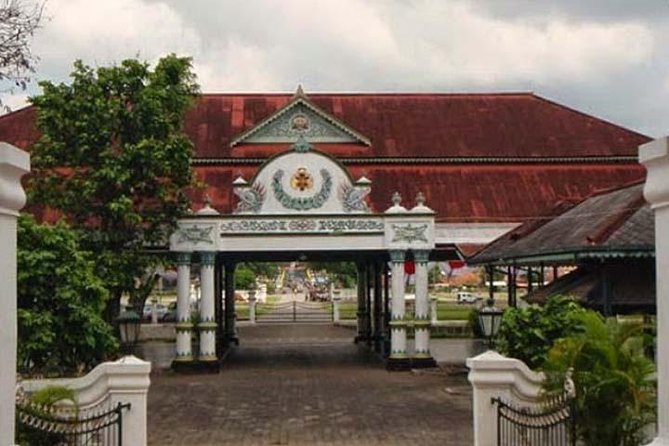
This is the kind of itinerary that works because it’s built around movement. Instead of hopping between private cars all day, you use a train from Yogyakarta to Malang in a way that breaks up the long-distance feeling and gives you a breather. You’ll still have plenty of travel time, but it’s the right kind of time—less exhausting sitting behind a wheel for hours.
The tour runs as a private group experience (your group only), and that matters because timing is everything on volcano days. You’ll also notice the tour leans on pickup coordination and pre-set transport so you’re not wrestling with tickets, drivers, and schedules while you’re already tired.
The price—$464.11 per person—can sound steep until you look at what’s bundled: hotel nights with breakfast, multiple transports, a 4WD Jeep at Bromo, a ferry to Bali, and a first-class train ticket. For a trip that otherwise would require multiple separate bookings (temples, trains, volcano transfers, ferry), it tends to pencil out well if you’re going as part of the planned group size.
You can also read our reviews of more tours and experiences in Yogyakarta.
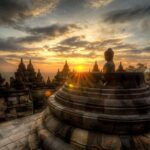

Borobudur and Prambanan: two icons, one early wake-up
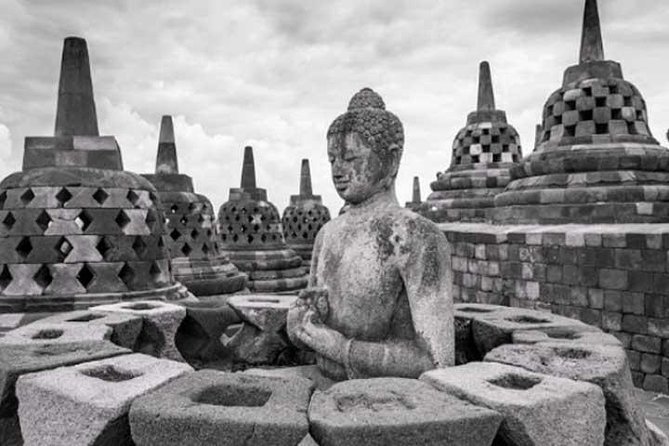
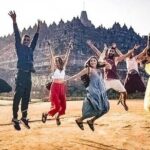
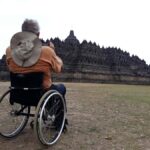
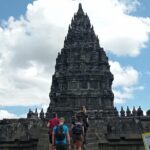
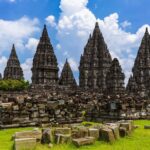
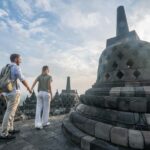
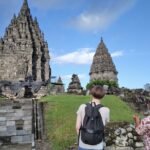
Day 1 starts early at 06:00 pickup, and that’s a gift. When you hit Borobudur first (it’s about 42 km northwest of Yogyakarta), you’re going while the day still feels calmer. Borobudur is an 8th-century Mahayana Buddhist monument, and even if you’re not a temple-nerd, the scale makes you slow down. Admission is included, so you avoid that small admin headache that can derail the morning.
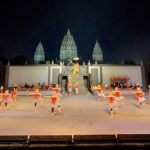
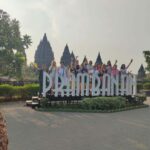
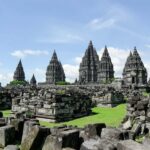
After Borobudur, you travel southeast to Prambanan, the 9th-century Hindu complex. This site tends to hit differently than Borobudur: it’s more dramatic and temple-tall, and it feels like a structured set rather than a single massive mound. Admission is included here too, which keeps your day running smoothly.
You may also have a short window for Taman Sari (the water palace area) and craft stops in Kotagede, but it’s optional and not included in pricing. I like that flexibility, because if you’re feeling temple’d out, you can keep moving and save energy for the train night.
Yogyakarta to Malang: the first-class train leg you’ll appreciate later
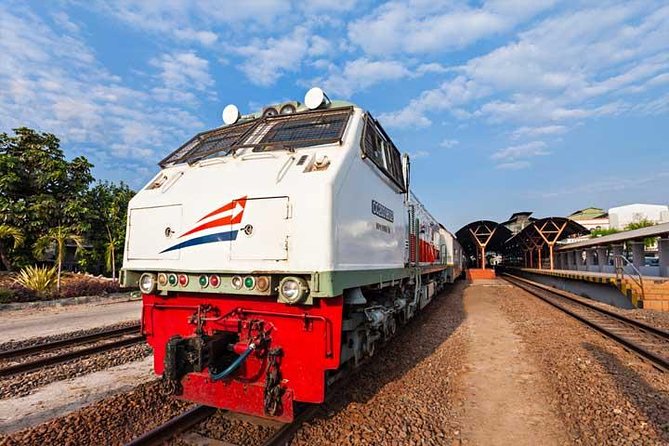
By mid-afternoon, the plan pivots to the train. You can have lunch near Yogyakarta Station, then take the train at 16:41 and arrive around 22:55 in Malang. That timing is deliberate: it lets you end the temples day without spending your evening stuck in traffic.
This is one of those parts that feels boring until you do it. Once you’re on board, you get a real reset before the next morning’s waterfall and then, later, the Bromo day. The tour includes first class Yogyakarta–Malang, which you’ll likely feel in comfort compared to the cheaper seats.
Once you reach Malang, the tour includes pickup for your next steps. That kind of handoff matters because by late evening, you don’t want to be decoding transport options.
Malang City Square to Madakaripura: a waterfall day with real walking
After breakfast in Malang, you get a short sightseeing block around Malang City Square. The roundabout area (with a Liberty statue; it opened in 1952) is treated as your quick heritage stop, and you’re given around an hour. This isn’t meant to be a deep dive day—it’s meant to get your bearings in East Java.
Then comes Madakaripura Waterfall, about a 2.5-hour drive from Malang. After parking, you don’t just walk from the gate; you take a motorbike taxi to the start area, which helps you conserve energy for the hike. A local guide is obligatory, so don’t plan to show up expecting to wander solo.
The hike time is about 2 hours, and it’s the kind of walk where the pace depends on your footwear and legs. If you’re even moderately fit, it’s very doable—but treat it as exercise, not a stroll. The payoff is that Madakaripura gives you that dramatic, waterfall-in-your-face experience that makes the early start worthwhile.
Bromo from Cemara Lawang to the Kingkong viewpoint: sunrise logistics done right
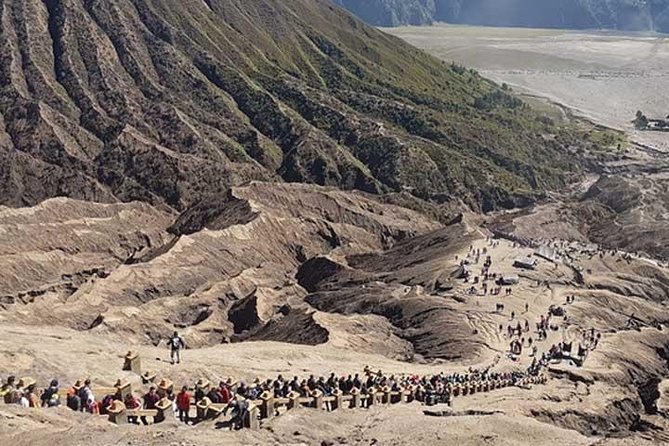
After Madakaripura, the itinerary moves toward the Bromo Tengger Semeru National Park area, heading to Cemara Lawang village. You’ll have about 45 minutes of driving here, then time to explore the area and catch sunset. The tour doesn’t treat sunset as optional if it’s available; it’s built into the flow.
Next is the big moment: Bromo sunrise. Expect an early departure at 03:00 with a private 4WD Jeep waiting. You’ll drive to a viewpoint called Kingkong for sunrise, and the timing is crucial because you’re not just watching light—you’re trying to beat clouds and reach the right angle before the show moves on.
You then travel through the Sea of Sand to get near the active volcano area. This isn’t a long hike. It’s mostly about getting positioned and being ready to stand, adjust your layers, and accept that volcano mornings are often cold and windy. I find that the Jeep portion is where this tour pays for itself: the vehicle access and planned routing save you from the usual scramble.
Potreh Koneng and Arak-Arak Hills: the in-between day that keeps the energy moving
Day 3 keeps moving after Bromo rather than pretending you’ll magically sleep off the early start. After sunrise and the Jeep segment, you check out and head into a long drive toward Bondowoso. There’s a planned break at Potreh Koneng, with stops connected to Arak-Arak hills. You’re given about 1 hour here, which is just enough time to stretch, take a few photos, and then keep going.
This is a good moment to be honest with yourself: if you hate being in the car, this part may be less fun than the volcano. But the tour uses these short stop breaks to avoid turning the day into one endless grind.
Then you end up at Ijen View Hotel Resort & Restaurant, and yes, it has a swimming pool. That matters. When you’re about to do Ijen the next morning, you’ll want a place to cool down, rinse off, and eat without hunting around.
Ijen crater hike at 04:00: steep slopes, sulfur miners, and the blue fire question
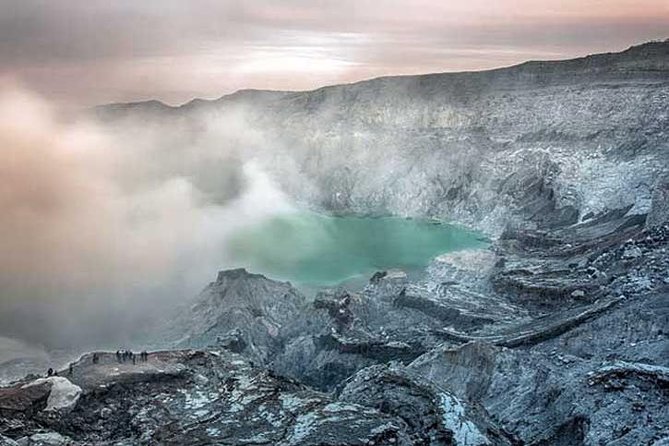
Your second volcano morning begins even earlier: around 04:00 departure to Paltuding, a 2-hour drive. From there, the hike to the Ijen crater lake takes about 1.5 hours, and the total walk is around 3 km. The slopes can be steep, so your shoes and your pace matter.
The tour schedule gives you time for the key moment: meeting the sulphur miners wheeling down the work carts. That’s one of the more human parts of the day—less about Instagram angles and more about seeing how people live and work around this volcanic landscape.
One important reality check: the tour does not guarantee Ijen blue fire. It’s explicitly described as weather- and volcano-condition dependent. That’s actually useful information for your expectations. You’re paying for the hike and the chance to see the crater conditions, not a guaranteed light show.
Jagir Waterfall and the road to Ketapang: making your way toward Bali
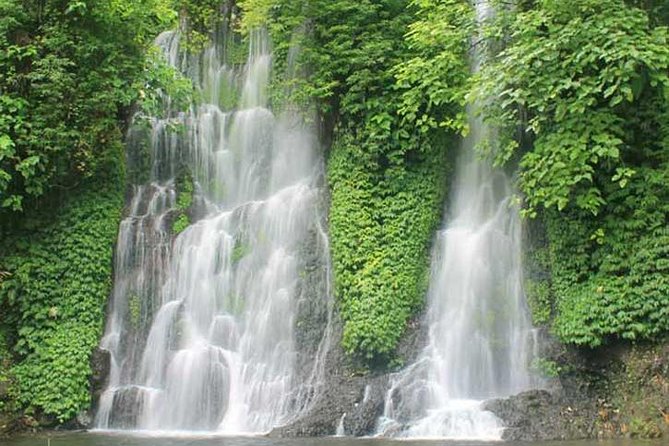
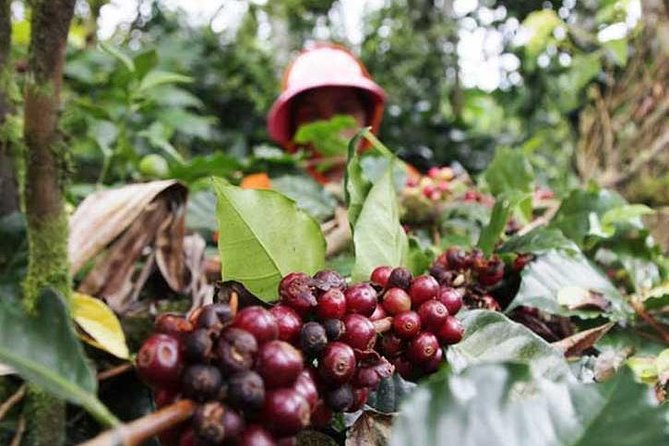
Once you’re back at the parking area, the route toward Bali starts. There’s a 2-hour window for optional roadside stops on the way to Ketapang, including a sulphur factory in Licin village, Kalibendo coffee area, and Jagir Waterfall. Admission is listed as included for these segments, so it’s built into the day rather than tacked on as an add-on.
Then you reach Ketapang around 12:00, with a ferry to Gilimanuk in Bali. The tour includes the ferry, and you’ll be in place to continue your Bali plans. A bus terminal is mentioned in Gilimanuk, and if you need help arranging private transport in Bali, the tour provides assistance.
This is the moment where the tour’s “loop” style makes sense. Instead of trying to coordinate your own ferry day right after an extreme hike, you arrive with transport handled.
Price and value: why this costs $464.11 and what you get back
Let’s talk value plainly. This isn’t a low-cost budget run. You’re paying for several expensive-to-organize parts:
- First-class train from Yogyakarta to Malang
- Air-conditioned transport plus parking and fuel
- Private 4WD Jeep for Bromo sunrise
- Accommodation with breakfast (the details list breakfast for three mornings, and hotel nights in the middle of the loop)
- Ferry transfer to Bali
If you tried to assemble those yourself, you’d spend time—and time is money when you’re planning an itinerary with sunrise timing. So for a group that fits the structure, the price is often fair.
Also, the tour notes that groups of four or more benefit from an English-speaking guide. Even when you’re not in that group-size bracket, you still get an English-speaking driver, and the schedule is clearly designed for communication and timing.
Who should book (and who should skip it)
This tour is best for you if you want big-ticket Java highlights in a short time and you’re okay with a workout disguised as a sightseeing plan. The route is built for people with moderate fitness and tolerance for early starts—especially because you’ll face steep sections on the Ijen hike.
You should consider skipping or adjusting expectations if you want slow travel, deep museum-style pacing, or lots of downtime. You can’t have all of that here. The tour is a “see it all” circuit.
If you like a guide-led rhythm and want fewer planning headaches, this kind of organized overland loop is ideal. You’ll appreciate the fact that the driving, train steps, and key transfers are handled so you can focus on Borobudur, Prambanan, and the volcanic mornings.
Quick practical tips before you go
- Pack for cold early mornings. Bromo and Ijen mornings are often chilly, and the tour starts very early.
- Bring good walking shoes for the steep Ijen crater slopes and the Madakaripura hike.
- Expect minimal sleep. The itinerary is designed around sunrise and early departures.
- Plan for simple meals on travel-heavy evenings. Breakfasts are included, but lunches and dinners are not.
- Bring patience for driving days. The tour keeps stop times short so you can still reach the big sights.
Should you book this Java 4D3N loop?
Yes, if your goal is to hit Borobudur + Prambanan and still get both Bromo sunrise and an Ijen crater hike without micromanaging transport. Based on the strong organization and the caring, attentive vibe described by past customers, this seems like the right choice when timing matters and you’d rather not gamble with DIY arrangements.
No, if you want a relaxed pace or if steep hiking and very early starts will stress you out. This itinerary is intense by design. If you’re prepared for that, it can feel like one of the most efficient ways to experience central and east Java before you head on to Bali.
FAQ
What time does pickup start?
Pickup is scheduled for 06:00.
Are admission tickets included for the main sights?
Admission tickets are listed as included for Borobudur, Prambanan, and Madakaripura Waterfall. Other stops have mixed inclusion (for example, Taman Sari is not included).
Is there a guide during the tour?
An English-speaking guide is included if your party has four or more guests. The tour also lists a friendly English-speaking driver.
How do you travel from Yogyakarta to Malang?
You take a first class train from Yogyakarta to Malang (departing at 16:41 and arriving around 22:55).
Do you get to Bali by ferry?
Yes. The tour includes the ferry to Bali from Ketapang to Gilimanuk.
Is the Ijen blue fire included?
No. The tour says the Ijen blue fire tour is not included because seeing it depends on weather and volcanic activity.
What fitness level do I need?
The tour indicates moderate physical fitness. The Ijen crater hike involves steep slopes and about a 3 km walk, and Madakaripura involves a hike of about 2 hours.