Jatiluwih plus two temples in one full day sounds like a lot. It is, but it is also a smart way to see three major Bali highlights without spending your time stressing over roads and timing. You’ll learn about the UNESCO-linked irrigation system behind Jatiluwih, then visit temple sites with their own cultural stories.
I like two things most: the door-to-door pickup that saves you from logistics headaches, and the chance to get real context from an English-speaking driver who explains what you’re seeing. It turns a drive-by day into something you can actually connect to.
One thing to consider: your stop times are fairly set (about 45 minutes to 1 hour at each main site), so it is not the kind of tour where you linger for hours. Also, while the ride and vehicle are included, entrance fees and lunch are not.
In This Review
- Key points before you go
- Why this full-day combo works in Bali
- Pickup and a private AC ride: the stress reducer
- Taman Ayun Temple: the calm, royal-era ancestor stop
- What to watch for
- Jatiluwih Rice Terraces: UNESCO subak and the view that keeps going
- How to make the most of your hour
- A quick note on how Jatiluwih compares to other terrace spots
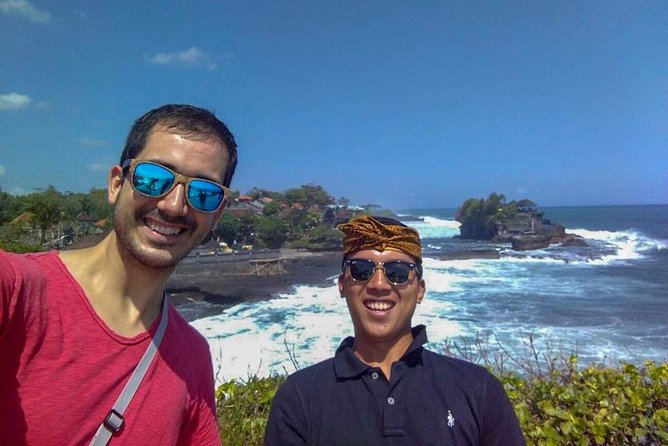
- Tanah Lot Temple at the sea: rock-island spirituality
- Photo and comfort tips that actually help
- Price and value: what $41 really covers
- My take on value
- Your driver makes or breaks the day
- Who should book this tour (and who should think twice)
- Should you book this private full-day tour?
- Quick checklist before you go
- FAQ
- How long is the private full-day tour?
- What is the price per person?
- What’s included in the tour cost?
- Are entrance fees included?
- Is lunch included?
- Where is pickup offered?
- Is this tour private or shared?
- Do you receive a mobile ticket?
- How far in advance do people usually book?
- What is the cancellation policy?
Key points before you go

- Private, air-conditioned vehicle: you ride in comfort, with someone doing the navigating.
- Subak context at Jatiluwih: you’ll learn why this rice system is UNESCO-listed, not just where to take photos.
- Three distinct stops, tight pacing: temples first, then terraces, then Tanah Lot—designed for efficiency.
- Guides with strong storytelling: names like Kadek, Made, Ketut Ajus, and Gusti Rasnayasa come up often for cultural explanations and patient guidance.
- Budget for extras: plan on separate site tickets (around $5 to $6 per person) and bring a lunch plan.
- Only your group: this is truly private, so you’re not squeezed into a big shuffle.
Why this full-day combo works in Bali
Bali’s famous sights are spread out, and that’s the whole problem. If you try to stitch together Jatiluwih and temple stops on your own, you’ll spend time figuring out directions, where to park, and how to make the day feel smooth.
This tour makes the day simpler. You start with a temple that connects to royal-era life in Bali, then you head to Jatiluwih’s rice terraces and their subak irrigation story. After that, you end with Tanah Lot’s sea-side setting—different vibe, different architecture, same island spirituality.
The big value is not just that you see three places. It’s that you’re not burning daylight on logistics. In an area like Nusa Dua, that alone can be worth the price.
You can also read our reviews of more tours and experiences in Nusa Dua.


Pickup and a private AC ride: the stress reducer
The tour includes hotel (or port) pickup and drop-off across a long list of areas around southern Bali, including Nusa Dua. You also get a private fully air-conditioned vehicle, plus an English-speaking driver.
For me, the practical win is pacing. When you’re not driving, you can pay attention—on coastal stretches, temple approaches, and the changing scenery as you leave the resort zones behind. A driver also means fewer mental interruptions: you don’t need to stop and map-route every turn.
Two more small comforts matter on a full day like this:
- Mineral water is included, which helps when you’re moving through multiple sites.
- Parking fees and fuel surcharge are handled, so you’re not doing random add-on payments during the day.
If you hate time lost to waiting for taxis or negotiating rides, this setup is a relief.
Taman Ayun Temple: the calm, royal-era ancestor stop
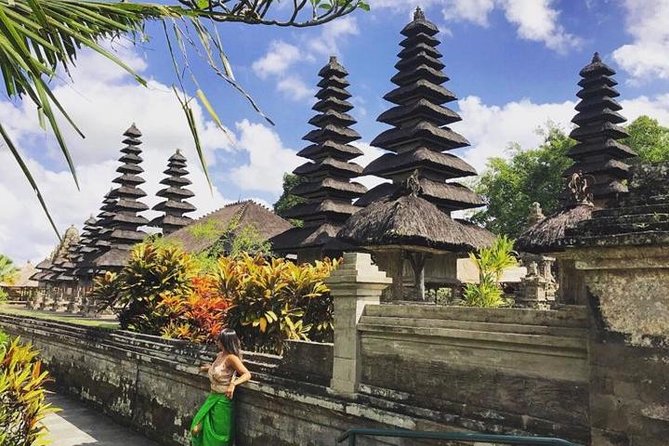
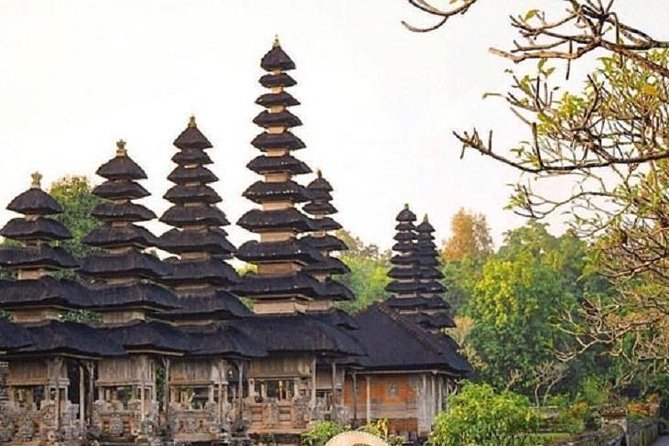
Your first major stop is Taman Ayun Temple. The site is tied to the Mengwi Kings—once used as a playground for the children of the kings, then later focused on worship of ancestors.
What I like about starting here is the change in pace. Temples are not just scenery in Bali; they are still part of how people relate to their community and beliefs. Taman Ayun is recognized as a UNESCO world heritage site, which often means the grounds are maintained carefully and the layout helps you understand what you’re looking at.
You’ll have about 45 minutes on-site. That’s enough time to walk the main areas, take a few photos, and listen to your driver’s explanation without feeling rushed—but it’s not enough to turn it into a slow, half-day wandering session.
What to watch for
Try to look beyond the buildings and pay attention to the temple’s role as a place for worship. If your driver is the type who talks through the “why” (many have been praised for explaining religion and village life), you’ll likely get more out of your time here.
Jatiluwih Rice Terraces: UNESCO subak and the view that keeps going
Then comes the star turn: Jatiluwih Rice Terraces. This is famous for a reason. The terraces stretch in a way that feels layered, unfolding from the foot of the mountain out toward the coastal side.
The practical hook is the UNESCO angle. The tour is designed to teach you about the subak irrigation system—how water management and rice cultivation are organized and sustained through community knowledge. That matters because it turns Jatiluwih from “pretty rice fields” into a living system with purpose.
You’ll get about 1 hour at Jatiluwih. One hour sounds short until you remember you’re balancing time for walking, viewpoints, photos, and the explanation from your driver. The terraces’ best moments often come as you look from different angles, not because you need to hike for hours.




How to make the most of your hour
- Wear shoes with decent grip. Paths can be uneven in terrace areas.
- Don’t plan on long, deep climbs; you’re there for viewpoints and understanding the irrigation pattern.
- Ask your driver where to stand for the best sightlines. Some guides, such as Gusti in one well-liked experience, were praised for sharing details about planting and harvesting—small stories that make the whole place feel more real.
A quick note on how Jatiluwih compares to other terrace spots
Jatiluwih is often favored over terrace areas closer to some tourist bases because the views feel broader and less boxed in. If you want a calmer, more “this is how people farm” feeling, this stop tends to deliver.
Tanah Lot Temple at the sea: rock-island spirituality

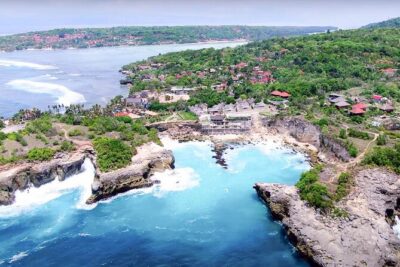
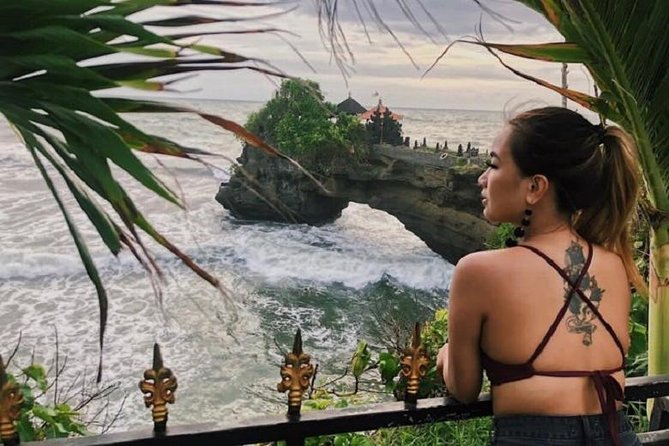
The last major stop is Tanah Lot Temple, known for its dramatic sea-side setting on a rock island. The temple is associated with the 16th-century priest Dang Hyang Nirartha. The story centers on seeing the coast, resting at this striking location, and later establishing the religious site there.
This is a great final stop because the mood shifts. You’ve spent the day with irrigation, rice, and temple grounds inland. Now you get sea air, rock formations, and the kind of scenery that makes people understand why Tanah Lot is a Bali icon.
You’ll have about 1 hour here. That’s enough for a good walk-through and photos, but it’s also a reminder: if crowds or timing around the coast are a factor, you won’t have unlimited flexibility. Still, the setting gives you a lot to see in that span.
Photo and comfort tips that actually help
Bring a lens cloth or small wipe if it’s humid; spray and mist can cling. Also, plan your photos so you’re not constantly moving back and forth—your hour goes fast at Tanah Lot.
Price and value: what $41 really covers
At $41 per person, this tour is built around transportation and making the day efficient. What’s included is the stuff that usually costs you time and stress:
- Hotel or port pickup and drop-off in listed southern Bali areas
- A private, air-conditioned vehicle
- An experienced English-speaking driver
- Parking fees and fuel surcharge
- Mineral water
The main extras are predictable:
- Entrance fees (approximately $5 to $6 USD per person)
- Lunch
- Personal expenses
My take on value
If you’re comparing this to DIY driving or grabbing separate rides to each site, the included private vehicle is the big win. You’re not just paying for seats—you’re paying for someone else to handle navigation and parking so your day runs on schedule.
The added budget is still small, but it is real. For a full day, lunch can easily become your bigger expense, depending on what you pick. So if you’re trying to keep costs tight, eat before you arrive at your last stop or pick something simple and quick when the day gives you a window.
Your driver makes or breaks the day
This is a private tour, so your driver has outsized influence on the experience. And here’s the pattern that shows up in praised guides: they don’t just drive. They explain.
Names that have been highlighted include Kadek, Made, Ketut Ajus, and Gusti Rasnayasa. The common thread is clear: they’ve been praised for sharing context on culture and religion, and for explaining what you’re seeing at temples and rice terraces.
That kind of explanation changes your memory. You stop treating stops as checkboxes and start relating them to how Balinese communities live and worship.
If you want the day to feel more personal, pay attention to what your driver talks about and ask a simple question:
- What does the site mean to locals today?
- How does water management affect farming here?
You don’t need a long conversation—just enough to connect the visuals to the idea behind them.
Who should book this tour (and who should think twice)
This tour is a strong fit if:
- You want three major Bali highlights without the hassle of driving
- You prefer a private setup where your schedule stays yours
- You like learning why places look the way they do, not just collecting photos
- You’re staying in or near Nusa Dua (the pickup coverage is broad)
It may be less ideal if:
- You want long, slow time at each site. Stop times are built for efficiency.
- You plan to eat “somewhere when you feel like it.” Lunch isn’t included, so you’ll need to manage the timing.
- You dislike paying separate entrance fees. They’re relatively small, but they’re not included.
For most people, though, the pacing is the point: you get a full cultural day without stretching it into a 12-hour marathon.
Should you book this private full-day tour?
If your goal is a smooth day with Jatiluwih and two iconic temple stops, this is a solid choice. The included private transportation does a lot of heavy lifting, and the UNESCO-linked subak angle gives Jatiluwih extra meaning beyond the views.
Book it if you want efficiency, clear cultural context, and a comfortable ride. Skip it if you want lots of free time to roam at your own pace.
Quick checklist before you go
- Budget a little extra for entrances and lunch
- Wear comfortable shoes for terrace paths
- Bring sun protection and plan for a full day away from the resort zone
- If your driver is talkative (often a highlight), use that time to ask questions
FAQ
How long is the private full-day tour?
It runs about 8 hours (approx.), including travel time and stops.
What is the price per person?
The price is $41.00 per person.
What’s included in the tour cost?
You get hotel or port pickup and drop-off in listed areas, a private fully air-conditioned vehicle, an experienced English-speaking driver, all parking fees as per itinerary, fuel surcharge, and mineral water.
Are entrance fees included?
No. Entrance fees are not included and are approximately $5 to $6 USD per person.
Is lunch included?
No, lunch is not included.
Where is pickup offered?
Pickup is offered in Ubud, Denpasar, Canggu, Seminyak, Legian, Kuta, Tuban, Jimbaran, Sanur, Tanjung Benoa, and Nusa Dua area, plus the tour may also include port pickup where applicable.
Is this tour private or shared?
It’s private. Only your group participates.
Do you receive a mobile ticket?
Yes, mobile ticket is listed as a feature.
How far in advance do people usually book?
On average, it’s booked about 14 days in advance.
What is the cancellation policy?
Free cancellation is available up to 24 hours in advance for a full refund. If you cancel less than 24 hours before the start time, you won’t be refunded.