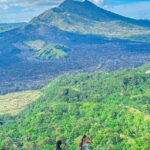
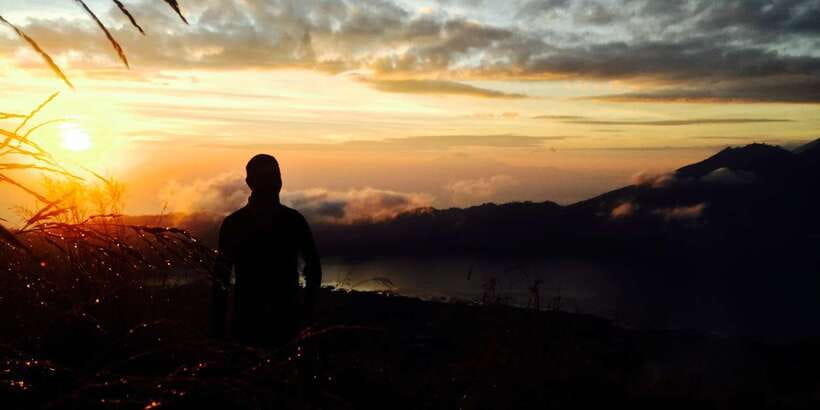
Mt. Batur at night is a whole different Bali. This two-day camping trek lets me enjoy the summit for sunset and sunrise and still sleep under real stars, not a hotel view. I also love the way the hike is handled with a private guide and porter, so you’re free to focus on the climb and the views instead of logistics.
The one thing to watch is comfort level. It’s not “glamping,” and conditions can get cold after sunset, with steep sections and early mornings built in—so pack smart and don’t assume the mountain will be gentle.
In This Review
- Key Points Worth Knowing
- Why Mt. Batur Camping Beats a Day Hike
- The Two-Day Timing: Afternoon Start, Summit Sunset, Pre-Crowd Sunrise
- Day 1 on Mount Batur: Toya Bungkah Hike, Summit Tea, Campfire Night
- Day 2: Crater Walk, Lava Flows, and the Hot Springs Reset
- Guides and Porter Support: How “Private” Shows Up in Real Life
- What the Tour Supplies (and What You Should Still Bring)
- Food on the Mountain: Hot Drinks, Volcano Steam Meals, and Dinner by Firelight
- Hot Springs Recovery: When You’ll Feel It in Your Legs
- Price and Value for Around $93: What You Get for the Money
- Who This Mt. Batur Sunset and Sunrise Camping Tour Suits Best
- Quick Packing List and Smart Clothing Choices
- Should You Book This Mt. Batur Sunset and Sunrise Camping Tour?
- FAQ
- What time does the tour usually start?
- Where does the tour start and end?
- Is hotel pickup included?
- What languages are the guides?
- What’s included in the camping setup?
- Are meals included?
- Is hot springs time included?
- What add-ons are available?
- What if the weather is bad?
Key Points Worth Knowing
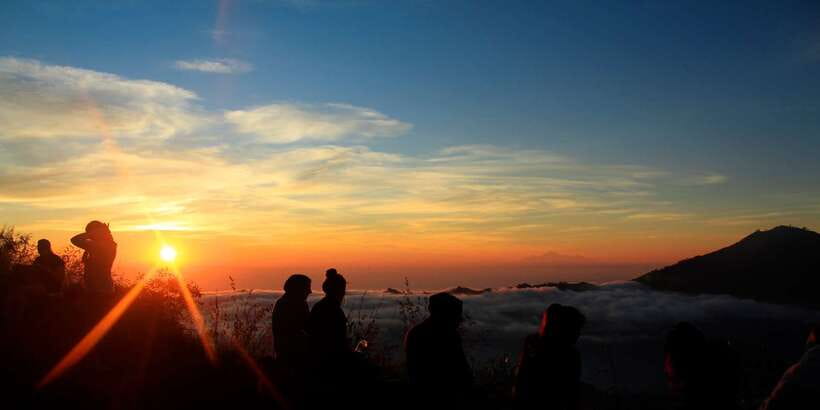
- Sunset first, crowds later: you reach the top before the morning rush and watch the sky change from night to sunrise.
- Private guide + porter support: easier decision-making on the trail and less hassle carrying gear.
- Camping at the summit area: dinner, bonfire time, and stargazing right where the action is.
- Volcano-steam food moments: you’ll cook/heat items using the mountain’s steam, including banana and eggs in steam in some parts of the experience.
- Hot springs included after the crater walk: soak your legs when the hike finally lets go of them.
- Add-ons can tailor the vibe: from Luwak coffee tasting to a massage, plus other optional extras.
Why Mt. Batur Camping Beats a Day Hike
Bali has plenty of sunrise plans. Mt. Batur just does it better when you stay overnight. A day hike can feel like a mad dash: climb fast, snap photos, descend before your legs revolt. With the camping version, you slow down enough to actually see the mountain working on you—from jungle-warm afternoons into summit chill.
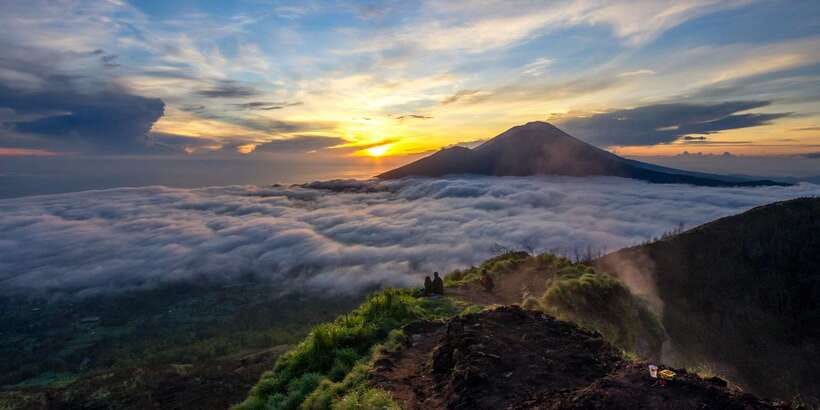
What makes this special is the timing. You get the sunset at the summit on Day 1, then you’re there again at dawn before the early-morning crowds push upward. That alone changes the whole atmosphere. You go from “climbers passing through” to “people sharing the night sky.”
I also like that the experience builds in small cultural details, not just views. You’ll have campfire time, hot drinks, and local choices like Arak Bali and Brem wine during the evening, plus simple meals cooked on-site. It feels like you’re living the mountain day-to-day, not touring over it.
You can also read our reviews of more tours and experiences in Bali.
The Two-Day Timing: Afternoon Start, Summit Sunset, Pre-Crowd Sunrise
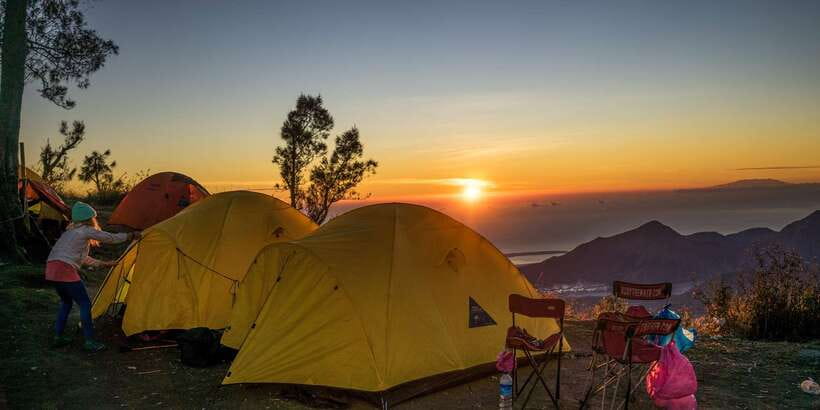
This trip runs on a schedule that makes sense. You leave in the afternoon (around 12:30 PM if pickup is selected), hike upward while the day still has light, and reach the summit area in time for the sunset window. Then you wake up early for sunrise and crater exploration before descending.
The biggest practical win is this: you’ll be packing up before the big wave of hikers arrives. In the real world, that means you get a calmer summit moment and more breathing room for photos and views.
Day 1 is about getting altitude, building anticipation, and settling into the camp routine. Day 2 is sunrise colors, crater walking, and finally recovery at the hot springs.
Day 1 on Mount Batur: Toya Bungkah Hike, Summit Tea, Campfire Night
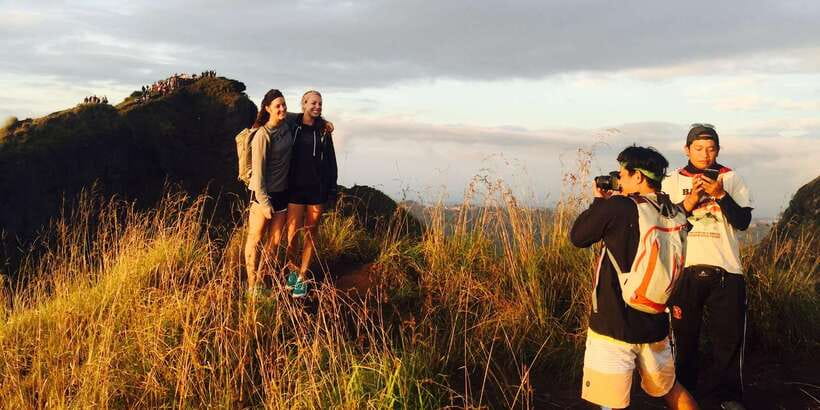
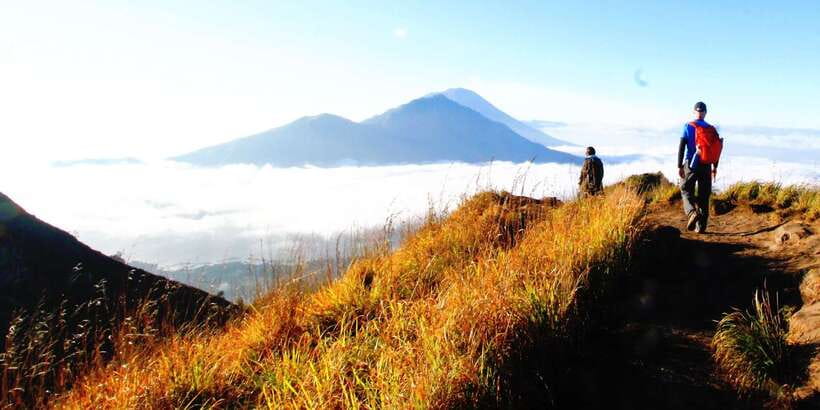
Day 1 starts with a transfer to the foothills area near Toya Bungkah. Then you hike for about two hours, with the exact pacing depending on the number of hikers and fitness level. You’ll climb until you’re setting up camp around 1,500 meters.
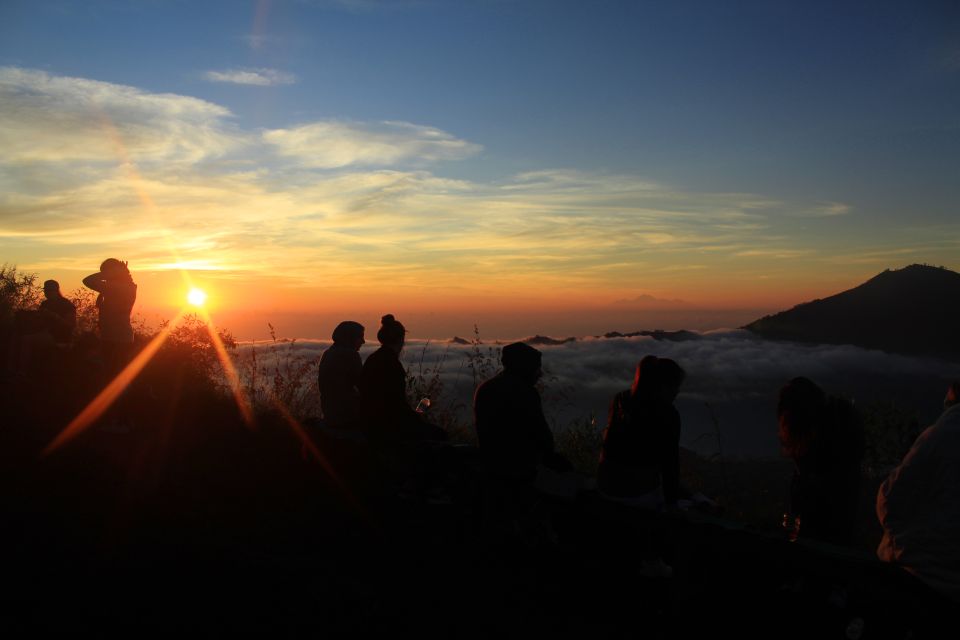
Once camp is set, you don’t just chill. You continue with a shorter push to the summit area, about 14 to 20 minutes after camp, timed for sunset. This is one reason the overnight format feels so efficient. You get a full hiking day, but the summit moment isn’t a long grind—it’s a focused arrival.
On top, you get warm drinks like hot Balinese coffee and tea, and you’ll eat simple food that ties directly to the volcano environment. One of the coolest details is the way food is heated using steam; banana is cooked with the volcano steam, and some versions also include eggs cooked in the steam.
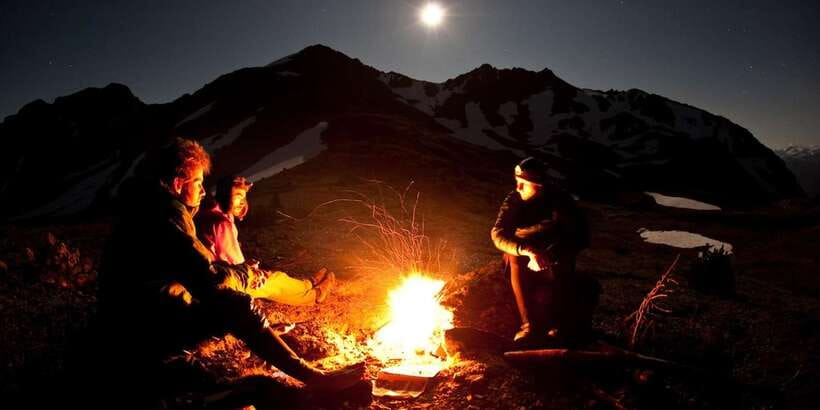
After sunset, it cools quickly. You’ll return to camp, have dinner, and gather around the campfire. People bring a more relaxed energy up here because you’re not racing the clock. In several guided experiences, the evening includes local drinks and a relaxed group vibe that can turn talkative fast—my favorite part is the quiet moments when you look up and realize the stars are not behind glass.
You may also get telescope-level views of the Milky Way if skies cooperate. Clouds can happen—this is a volcano. If the horizon is gray, the magic shifts from “perfect photos” to “stillness, warmth, and a sunrise that might surprise you.”
Day 2: Crater Walk, Lava Flows, and the Hot Springs Reset
The second day starts early. You’ll wake up before the summit becomes busy, watch colors shift across the sky, and pack up your camping gear before the early arrivals take over the space.
The sunrise description is accurate to real life: you’re going from black sky into purple, orange, pink, and red layers, then into a blue morning as clouds break up or reform with temperature changes. On clear days, you can see the ocean and, if conditions are right, Mt. Rinjani on Lombok.
Then comes the crater walk. You’ll hike to the three main craters of Mt. Batur and see recent black lava flow. This part is where the trip stops feeling like a standard sunrise tour and starts feeling like a geology field day—without the textbook. The ground looks different at different angles, and you realize how dynamic a volcano landscape is even when it’s calm.
At the end, you soak in the natural hot springs at Batur. The entrance fee is included, which matters because it keeps you from doing the usual “great, now we need another ticket” routine. This is also the point where your legs agree this was worth it.
A key practical note: pack swimming clothes. Even if you don’t plan to stay long, you’ll want at least one soak to feel the difference.
Guides and Porter Support: How “Private” Shows Up in Real Life
This is a private overnight camping tour with your own guide and porter at Mt. Batur. In practice, that means two things: you’ll get guidance on the trail and you won’t be the one stuck figuring out carry methods and timing.
The guide experience can make or break a night hike. Some guides are calm and efficient, others bring humor and local knowledge. I saw examples of very capable guides like Gede, Mong, Wi, Qui, Arca, and Miumang/Niumang—and they all tend to share the same theme: they manage pacing, keep you safe on steeper sections, and make the night feel social instead of stressful.
Porters are also a big deal. You’ll have someone helping with equipment while you focus on walking and timing the summit moments. One common theme from lived experiences is that solo hikers can still feel supported. That matters on a mountain where footing can turn slick if conditions change.
What the Tour Supplies (and What You Should Still Bring)
The tour provides core gear, including:
- Tent (for 1 or 2 people)
- Sleeping bag
- Backpack
- Warm jacket
- Trekking poles
- Head torch
- Plus other camp setup items like the warm layer support you’ll actually use after sunset
That said, comfort is personal. A few people mentioned needing extra warm layers beyond what they initially received. If you run cold, bring your own thermal layer and maybe an extra hat. The top can feel colder than expected in the morning, especially around December and similar cooler periods.
Footwear is non-negotiable. Reviews-style lessons are consistent: the hike includes dirt and some rocky parts, and the descent can be slippery. Bring shoes with good grip, not just “tennis shoes that look fine.” If you’re unsure, wear the grippiest option you own.
Also think about the practical “camping” reality. If you’re used to hotel-level padding, plan for thin sleeping-bag insulation and hard ground. A small inflatable pillow can make a noticeable difference.
And yes, bring a small stash for personal needs. In this setup, toilet paper isn’t treated like an unlimited amenity, so packing your own is a low-effort way to avoid a headache.
Food on the Mountain: Hot Drinks, Volcano Steam Meals, and Dinner by Firelight
Meals are simple but not forgettable. You’ll get afternoon tea on the Day 1 setup, plus dinner and breakfast as part of the overnight. The food is built around warmth and energy, not fancy presentation.
The standout is the volcano-steam cooking idea. You may eat hot bananas cooked using the steam and also have experiences like eggs cooked in the volcano steam depending on how the guide schedules your top time. It’s a very “you’re really here” moment, because you’re watching the environment do the work.
Dinner is cooked and served at camp, then followed by campfire time. Several guides keep the vibe relaxed. People often pair the warm atmosphere with local drinks like Arak Bali and Brem wine (where offered), plus casual conversation under the stars.
Breakfast is also timed for the sunrise crowd management. You get warm food and drinks while you’re still in the “just watch the sky change” mood.
Hot Springs Recovery: When You’ll Feel It in Your Legs
The hot springs are not just a nice extra; they’re the trip’s logical ending. After crater walking, your quads and calves tend to feel it. Soaking in natural hot springs lets you reset before you start your day-downshift.
Because the hot spring entrance fee is included, you’re free to go straight from hiking to recovery without negotiating tickets or searching for what’s open. Just plan to bring a towel or something that dries fast.
If you’re prone to feeling stiff after stairs and steep paths, the hot springs are the part you’ll remember on the next day, when you realize you’re not totally ruined.
Price and Value for Around $93: What You Get for the Money
At about $93 per person (and with strong overall ratings reported as 4.6 from 124), this isn’t “cheap,” but it also isn’t paying luxury-mountain prices. You’re paying for three things:
1) private guiding and porter support on a volcano route
2) overnight camping equipment
3) the sunrise/sunset timing that day tours can’t replicate well
That value jumps if you want the full package: summit sunset, starry camp night, pre-crowd sunrise, crater walk, and hot springs included. When you compare it to chaining separate hikes, entrance fees, and transportation, the overnight format starts to look like a straightforward deal.
Add-ons can also improve value if they match your interests. The most common included-from-add-ons style choices are:
- Luwak coffee tasting
- 1-hour traditional massage
- Polaroid camera photos
- Buffet lunch (if selected)
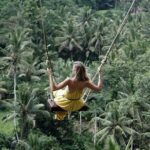
- Jungle swing and coffee (if selected)
Add-ons vary by option, so check what’s available for your booking. If coffee tasting or massage matters to you, it can be worth adding instead of doing it separately.
Who This Mt. Batur Sunset and Sunrise Camping Tour Suits Best
This is a great fit if you like:
- early starts (and you don’t mind them)
- hikes that are challenging but not technical climbing
- starry nights and sunrise views more than luxury comforts
- a guided experience with real support on a busy volcano
It’s less ideal if:
- you need guaranteed warm comfort all night
- you hate steep, slippery footing on descents
- you’re expecting resort-level bedding or thick insulation
If you’re going solo, the private guide and porter support can help you feel safe and less out of place on the trail. If you want a romantic, quiet moment with the mountain, staying overnight also makes sense, because you’re not stuck sharing the summit with the entire sunrise line.
Quick Packing List and Smart Clothing Choices
Here’s what actually helps you enjoy the trip instead of surviving it:
- Grippy hiking shoes (especially for slippery descent)
- Warm layers for after sunset (thermals, fleece, hat)
- An extra shirt for the hike, since you will sweat
- A small bag for personal items so you’re not digging through camping gear
- Swimwear for the hot springs
- Optional: inflatable pillow if you’re a light sleeper
- Optional but smart: your own toilet paper, since it’s camping and not a hotel
The gear provided helps, but cold and wind are part of the deal at altitude. Plan like you’re going camping in the mountains, not lounging on a beach.
Should You Book This Mt. Batur Sunset and Sunrise Camping Tour?
Book it if you want a volcano experience that feels paced, supported, and more personal than a one-day rush. The summit sunset, the starry night, and the pre-crowd sunrise are the big three, and the hot springs make the hike-to-relax transition actually work.
Skip or consider a different option if your main priority is guaranteed perfect weather, or if you need heavy comfort guarantees at night. Clouds can hide sunsets, and the mountain can be cold early. That’s normal here.
If you go in expecting a real overnight camp on an active-looking volcano, you’ll be right where you want to be.
FAQ
What time does the tour usually start?
The afternoon departure is approximately 12:30 PM when hotel pickup is selected. If you’re starting at the Black Lava Hostel base, you’ll still follow the same afternoon schedule for the hike.
Where does the tour start and end?
It starts at Black Lava Hostel (the home base for the hike to the camping ground). It ends back at the same meeting point.
Is hotel pickup included?
Hotel pickup is included only if you choose the option with pickup. Pickup is via air-conditioned van, and extra fees may apply for areas like Lovina and Singaraja.
What languages are the guides?
The live tour guide is available in English and Japanese.
What’s included in the camping setup?
You’ll receive hiking and camping equipment, including a tent, sleeping bag, warm jacket, trekking poles, head torch, and a backpack (plus other camping items).
Are meals included?
Yes. You’ll have afternoon tea, dinner, and breakfast. A buffet lunch may be included if you add that option.
Is hot springs time included?
Yes. Entrance fees for the natural hot springs of Batur are included.
What add-ons are available?
Add-ons can include traditional massage (1 hour), Luwak coffee tasting, Polaroid camera photographs, buffet lunch, and jungle swing and coffee. Availability can vary by option.
What if the weather is bad?
The experience depends on conditions like clouds. Sunset and sunrise may not be fully visible in every weather window, but the tour still includes hiking, campfire night, meals, and the hot springs soak.