Ubud is packed, but a good plan makes it manageable. With a private half-day style tour, you get a local-led route plus an air-conditioned vehicle that keeps the day from turning into a sweaty scramble. I like that the experience is built around classic Ubud hits—Monkey Forest, Puri Saren Palace, the art market, and Tegalalang—so you don’t have to hop between maps and taxis.
The main thing to keep in mind is cost clarity: the itinerary lists some sights as not included for admission tickets (like Monkey Forest and Tegalalang), while the tour’s “all inclusive” option says entrance tickets and lunch are included. Before you go, confirm which option you’re booked under so you’re not surprised on the day.
In This Review
- Key points before you go
- Private pickup from Seminyak and nearby areas
- How long is this Ubud circuit, and why it matters
- Comfort inside the air-conditioned car
- Sacred Monkey Forest: seeing Wanara Wana with context
- Puri Saren Palace: free entry and a real focal point
- Ubud traditional art market (Pasar Seni): shopping with local geography
- Tegalalang rice terraces: valley views and breezy roadside timing
- A famous temple pass-by on the way
- Lunch at a local restaurant (and how to request vegetarian)
- Price: what $30 is really paying for
- The big win here is the guide-driven flow
- Who should book this Ubud art village trip?
- Booking tips so your day goes smoothly
- Should you book this tour?
- FAQ
- How long is the Ubud Art Village trip?
- Is this a private tour?
- What areas offer pickup and drop-off?
- Is lunch included?
- Are entrance tickets included?
- Which stops are part of the itinerary?
- Can I get a vegetarian lunch?
- What should I wear and bring?
- What if the weather is bad?
- Do I get a ticket on my phone?
Key points before you go
- Private vehicle, no other participants: you and your group stay together in the car.
- Guides like Putu or Wayan Balik are praised for explaining Balinese traditions in a friendly, local way.
- Ubud highlights in one circuit: palace + market right next to each other, then rice terraces for the valley views.
- Lunch is part of the all-inclusive setup, with a vegetarian option if you ask ahead.
- Seminyak (and many nearby areas) pickup is offered, so you start without the stress of transfers.
- Bring sunscreen and a camera—the outdoor stops are the heart of the day.
Private pickup from Seminyak and nearby areas
Starting in Seminyak is convenient because you avoid the long “who’s getting picked up where” dance. This tour offers hotel or villa pickup and drop-off from a wide range of areas across Bali’s south coast—listed stops include Seminyak, Legian, Kuta, Denpasar, Sanur, Canggu, Jimbaran Bay, Tanjung Benoa, Uluwatu, Nusa Dua, and more.
In practice, that matters. Ubud can eat up daylight just getting there, and a smooth pickup helps you actually enjoy the sites instead of rushing. I also like that the tour uses a mobile ticket, so you’re not digging through paperwork on arrival.
You can also read our reviews of more tours and experiences in Seminyak.



How long is this Ubud circuit, and why it matters

The duration is 5 to 7 hours. That time window is key because Ubud is slow in the “good way” when you’re walking, stopping for photos, and listening to stories.
Your schedule is built like a guided loop:
- a first outdoor nature stop
- a palace visit
- an art market near the palace
- a scenic rice terrace finish
You’ll also have flexibility, since the tour notes time arrangement can be adjusted based on your request. If you’re the type who likes to linger for photos at Tegalalang, you’ll have room to do it without feeling like you’re sprinting to the next bus.
Comfort inside the air-conditioned car
This is a private tour, meaning you’re traveling in a private air-conditioned vehicle with a driver who also serves as the guide. That’s a real quality-of-life upgrade in Bali’s heat.
Even on a “half-day” style plan, you still spend time in transit between sites. With A/C and a direct route, the day stays relaxed rather than exhausting. If you’ve already spent time in traffic or on scooters earlier in your trip, this kind of comfort feels like a small luxury that pays off fast.
Sacred Monkey Forest: seeing Wanara Wana with context

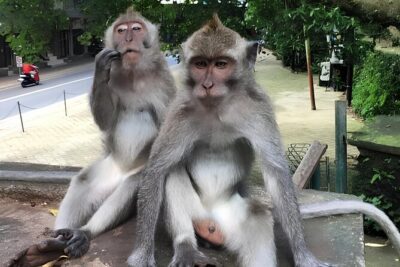
Your first stop is the Sacred Monkey Forest Sanctuary (often called Wanara Wana in Balinese). It’s described as a small rain forest area in the heart of Ubud, home to monkeys and other tropical animals.
What I like about starting here is that it sets the tone. You’re not just walking through greenery—you’re being shown a place that the local community helps keep functioning so the animals can live there naturally. The tour also gives you the chance to hear commentary while you’re surrounded by it.
One practical note: the itinerary lists admission ticket not included for this stop. So, double-check whether your booking is in the “entrance tickets included” option or the car-only style option. Either way, build in time for the entrance line and for slow wandering inside—this is the kind of place where you’ll want your camera ready.
Puri Saren Palace: free entry and a real focal point

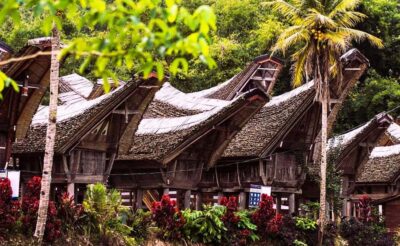
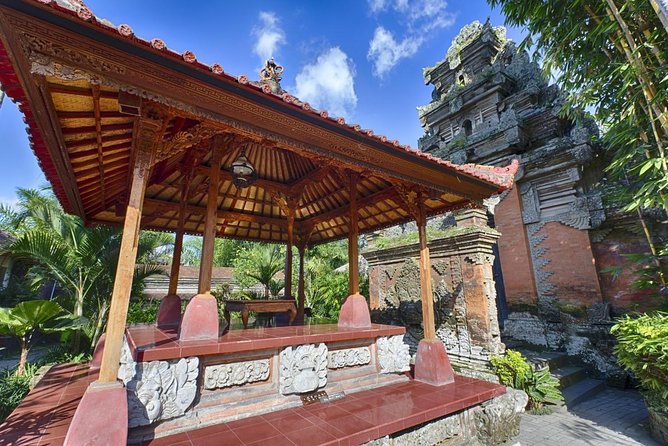
Next is Puri Saren Ubud (Ubud Royal Palace). It’s described as a prominent landmark sitting directly along the main Jalan Raya Ubud road and intersection, which makes it easy to orient yourself.
This visit is also efficient: the itinerary lists it as free admission and gives about 1 hour here. The palace itself is associated with the lordship of Ida Tjokorda Putu Kandel (1800–1823), and it’s described as being well kept by his successive heirs.
What makes this stop worthwhile on a short tour is that it connects culture and place fast. Ubud’s identity shows up in buildings like this, and the guide’s explanations help you notice details you’d otherwise miss.


Ubud traditional art market (Pasar Seni): shopping with local geography
Right across from the palace is the Ubud Traditional Art Market, also known as Pasar Seni Ubud. It’s noted as open daily and is centered on handmade goods.
Expect to see a lot of practical souvenirs and gifts: silk scarves, lightweight shirts, woven bags, baskets and hats, statues, and kites. The tour also highlights that many items are made in neighboring villages, including Pengosekan, Tegallalang, Payangan, and Peliatan. That local supply chain detail is helpful because it explains why you might see similar craft styles across different areas.
Another clue you’ll notice: the market is described as being divided into two groups (west to easterly orientation) with different purposes. On a 1-hour stop, you’re mostly there to browse, feel the atmosphere, and pick up a couple of things you’ll actually use.
The itinerary lists admission not included here, so again, confirm whether your option covers entrances or not. Either way, you can plan your budget around souvenirs as personal expenses, since those aren’t included.
Tegalalang rice terraces: valley views and breezy roadside timing
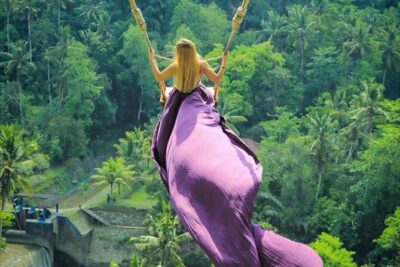
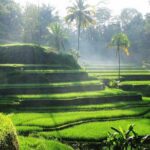
The final major stop is Tegalalang Rice Terrace. You’ll get about 1 hour here, with time for photos and walking the edges where the view opens down across the valley.
This section gets historical context too. The terraces are described as having roots going back to the 8th century, associated with a revered holy man named Rsi Markandeya. The tour also notes that Tegalalang forms one of the most splendid terraced landscapes in the shared Ubud region, with other areas in nearby villages.
A practical advantage: the roadside location is described as cool and breezy, which can make a big difference if you’re visiting during hotter parts of the day. The view is also a big reason people come—your camera will earn its keep here.
As with other stops, admission for this site is listed as not included in the itinerary notes. If your package includes entrance tickets, you should be covered. If not, treat Tegalalang as an extra paid stop and plan accordingly.
A famous temple pass-by on the way
Between the main sights, the tour mentions that you’ll pass a very famous temple on the way. No specific name is given in the information you have, so I’d treat this as a “you’ll see it from the route” moment rather than a full stop where you’ll have time to explore deeply.
Still, it’s a nice perk. When you’re moving between Ubud’s central areas and the rice terraces, even quick glimpses can help you understand where everything sits in relation to each other.
Lunch at a local restaurant (and how to request vegetarian)
Lunch is part of the experience in the all-inclusive setup. You’ll stop at a local restaurant for a break, which is exactly what keeps a long sightseeing day from feeling like a grind.
There’s a vegetarian option available, and you should advise at booking time. That’s important because asking ahead is usually what makes the day smooth—especially when you’re on a fixed schedule.
In the feedback you were given, one standout meal detail comes up: a fried noodle dish is mentioned as delicious. So if you’re craving something comforting between outdoor walking and photos, you’re likely to find your lunch is more than just an afterthought.
Price: what $30 is really paying for
At $30 per person, the headline price can look “budget-friendly” at first glance. But the value is really in the structure:
- private transport (not sharing a cramped ride)
- pickup and drop-off from your area
- an English-speaking driver who acts as the guide
- lunch and entrance tickets in the all-inclusive option
If you’re booked as “car charter only,” the information you have says entrance ticket and lunch are excluded. That doesn’t mean it’s bad—it just changes how you should budget. For example, if you’re taking the car-only option, you’ll want to account for admissions at Monkey Forest and Tegalalang, plus lunch.
The smart way to think about it: if you want the easiest day with the least friction, aim for the all-inclusive setup and confirm what’s covered. If you’re comfortable paying admissions directly, the car-only option can still work, but it requires a bit more planning on your end.
The big win here is the guide-driven flow
This tour leans hard on one thing: your guide’s explanations. In the provided feedback, guides including Wayan Balik and Putu are singled out for being friendly and helpful, and for sharing traditions and customs in a way that makes the stops feel connected.
That’s not a small difference. In Ubud, you can walk through places that look beautiful on their own. But when someone adds context—why a forest matters, how a palace fits into the culture, why the market reflects neighboring craft villages—your time becomes more than photo time.
Also, because it’s private, you’re not stuck with a scripted pace. If something catches your interest at the palace or the market, you can ask questions and adjust within the tour’s time window.
Who should book this Ubud art village trip?
This is a great fit if you want:
- a single-day Ubud highlights route without self-planning
- a private setup where you can move at your own comfort level
- a mix of nature, royal history, craft browsing, and scenic photos
- an English-speaking guide who can explain what you’re seeing
It’s also a strong choice if you’re staying in south Bali areas and don’t want the hassle of coordinating transport into Ubud. And since the info says most travelers can participate, it’s generally open to a wide range of visitors looking for a structured day.
Booking tips so your day goes smoothly
A few small things can make this tour feel effortless:
- Wear smart casual.
- Bring sunscreen and a camera since you’ll spend time outdoors.
- If you need a vegetarian meal, request it at booking.
- If you care about timing, use the stated flexible time arrangement and ask for what you prefer.
- Plan around good weather, since the experience requires it and can be changed or refunded if weather cancels it.
Should you book this tour?
Yes, if you want a simple, guided way to see Ubud’s classic lineup—Monkey Forest, palace, market, and Tegalalang—without turning your day into transportation math. The best reasons to book are the private van comfort, the guide-led cultural commentary, and the fact that lunch is handled for you in the right booking option.
Skip or reconsider if you strongly prefer to control every stop on your own, or if you’re very cost-sensitive and haven’t confirmed whether entrance tickets are included for your exact booking. For most people, though, this is a tidy value: you’re paying for convenience, context, and a day that stays organized from pickup to drop-off.
FAQ
How long is the Ubud Art Village trip?
The tour lasts about 5 to 7 hours.
Is this a private tour?
Yes. It’s a private tour/activity, meaning only your group participates.
What areas offer pickup and drop-off?
Pickup and drop-off are listed for many areas including Nusa Dua, Legian, Tanjung Benoa, Sanur, Canggu, Seminyak, Kuta, Uluwatu, Ubud, Denpasar, and Jimbaran Bay.
Is lunch included?
Lunch is included in the all-inclusive tour option. The information also notes that in a car charter only option, lunch is excluded.
Are entrance tickets included?
It depends on the option you book. The tour information says the all-inclusive setup includes entrance tickets, while the car charter only setup excludes entrance tickets. The itinerary also lists some stops as not included.
Which stops are part of the itinerary?
The tour includes Sacred Monkey Forest Sanctuary, Puri Saren Palace, Ubud Traditional Art Market, and Tegalalang Rice Terrace, plus a pass-by of a famous temple en route.
Can I get a vegetarian lunch?
Yes. A vegetarian option is available if you advise at the time of booking.
What should I wear and bring?
The dress code is smart casual. Bring sunscreen and a camera.
What if the weather is bad?
The experience requires good weather. If it’s canceled due to poor weather, you’ll be offered a different date or a full refund.
Do I get a ticket on my phone?
Yes. The tour includes a mobile ticket, and confirmation is received at booking time.