Death rituals, up close and unforgettable. This 8-hour Tana Toraja day trip is all about seeing how the Toraja people remember the dead, from the cliff-side Lemo Burial Site to the traditional villages where ceremonies and stone graves still shape daily life. I love the mix of big, visual sites and small, personal details, and I especially like the way Kete Kesu connects family, belief, and architecture.
The main drawback is simple: you’ll walk, you’ll stand in the sun, and this tour is not a fit if you have back issues or need wheelchair access. Bring solid shoes and plan on taking your time at stops, because some places can feel emotionally heavy in a way that photos can’t explain.
In This Review
- Key Things I’d Book This For
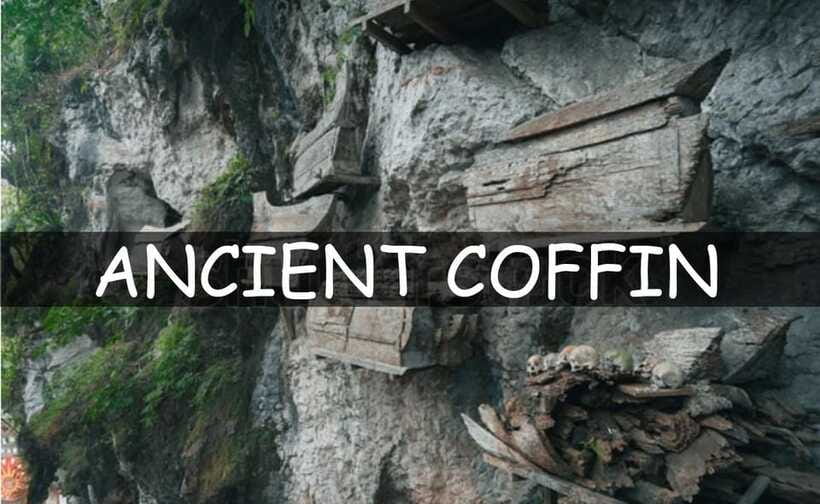
- Lemo Burial Site Heritage: cliffs, graves, and the Toraja way of remembering
- Suaya Royal Tomb at 11:00 AM: a cultural stop that changes pace
- Kambira baby graves at 11:45 AM: the stop you’ll remember longest
- After lunch at Burake: the Jesus Statue in Makale as a faith landmark
- Kete Kesu at 4:00 PM: Tongkonan houses and stone grave sites
- The ride, the pace, and why the schedule works for first-timers
- Guides and drivers: the difference between seeing and understanding
- Price and value: what about $40 actually buys you
- What to bring (and what to avoid) for a smoother Toraja day
- Should you book this Toraja heritage day trip?
- FAQ
- How long is the Tana Toraja tour?
- What time do I get picked up?
- Where are the pickup and drop-off locations?
- What’s included in the tour price?
- Is lunch included?
- What should I bring?
- Is the tour suitable for wheelchair users or people with back problems?
- Is free cancellation available?
Key Things I’d Book This For
- Lemo Burial Site Heritage with cliff views and Toraja-style burial design
- Suaya Royal Tomb as a cultural anchor before the later, heavier sites
- Kambira baby graves and the Toraja approach to death for infants
- Burake Jesus Statue in Makale as a striking faith landmark
- Kete Kesu village with iconic Tongkonan houses and stone grave sites
Lemo Burial Site Heritage: cliffs, graves, and the Toraja way of remembering
The day starts by getting you moving early, with pickup at 8:30 AM from Makale or Rantepao (you’ll choose your starting side). From there, you’re in an air-conditioned private vehicle, and you’ll have time for scenic viewpoints and photo stops along the way. It’s a good setup for first-timers because you’re not just rushing from one gate to the next.
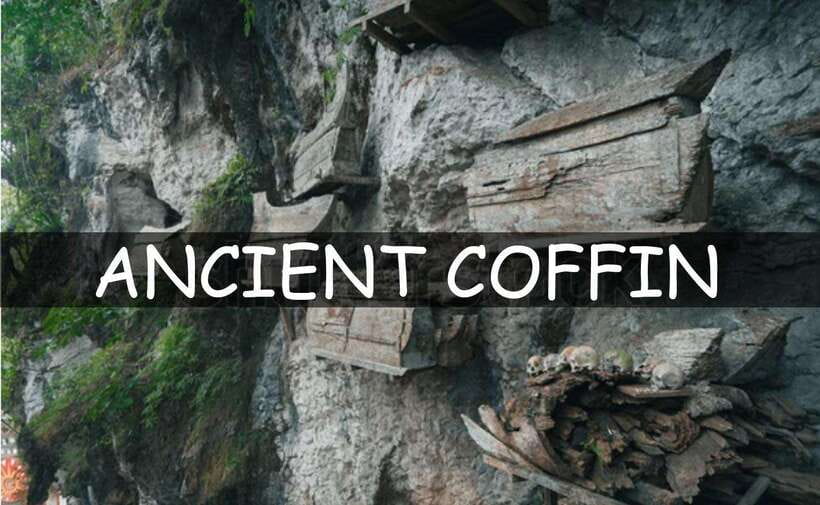
Lemo Burial Site Heritage is the star early on. You’ll arrive at a place known for its dramatic cliff setting and its distinctive burial traditions. The visual impact hits fast: you’re looking at stone-and-cliff geography that makes the burial story feel built into the land itself. The Toraja funerary system isn’t a side note here. It’s the point.
What I like most is that Lemo sets the tone for everything that follows. After you’ve seen how carefully these sites are placed, the later stops in Suaya, Kambira, and Kete Kesu don’t feel random. They feel like different chapters of the same belief system.
Practical note: this kind of site usually means uneven ground and time spent standing. Wear comfortable shoes you don’t mind getting dusty, and keep your camera ready without rushing your viewing.
You can also read our reviews of more tours and experiences in South Sulawesi.
Suaya Royal Tomb at 11:00 AM: a cultural stop that changes pace
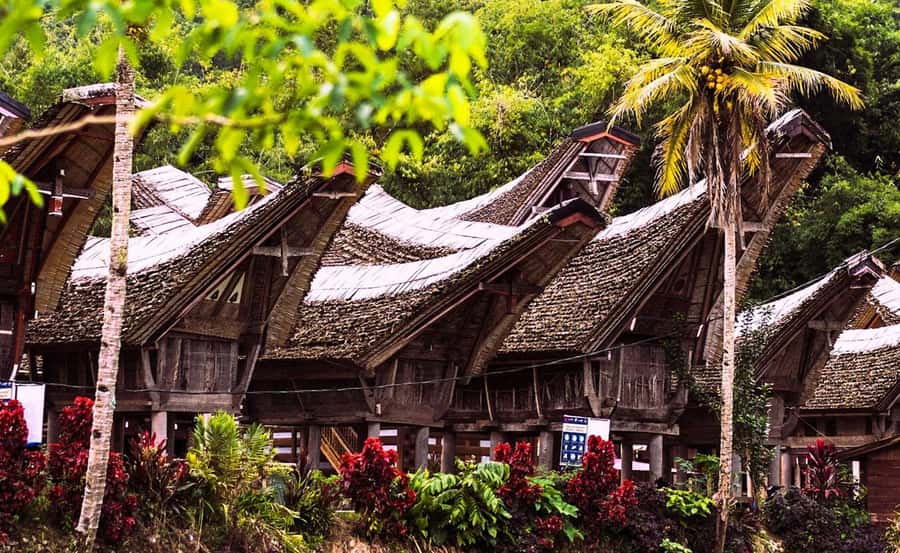
By around 11:00 AM, the tour moves to the Royal Tomb at Suaya. This stop adds a formal layer to what you saw at Lemo. Even if you’re not a history buff, the idea is clear: this is where status, family, and ritual show up in stone and space.
Suaya also helps you reset your attention. Lemo is visually intense, and then Suaya gives you a different kind of focus. Instead of only thinking about cliffs, you shift toward how Toraja communities organize tradition around burial sites and what those places communicate.
This stop is also where your guide’s role matters. A strong guide turns a set of ruins and carvings into an understandable framework: what you’re looking at, why it’s arranged that way, and how it fits into daily Toraja culture. In practice, you’ll feel that most when the conversation matches the pace of the place.
One thing to consider: if you’re hoping for a casual, breezy outing, the emotional weight of these cultural sites can build quickly. Suaya is a good middle step because it gives structure before the baby-grave visit.
Kambira baby graves at 11:45 AM: the stop you’ll remember longest
Around 11:45 AM, you’ll visit the baby graves in Kambira. This is the part of the day that hits hardest. The site is described as an especially poignant element of Toraja burial customs, tied to the Toraja beliefs and practices around death, particularly for infants.
If you’re the type who likes to understand meaning before you take photos, this is a perfect stop to slow down. Don’t treat it as a quick photo stop. Let your mind catch up to what you’re seeing, because the point here isn’t decoration. It’s respect, memory, and belief.
A helpful angle: think of this as learning about a whole culture’s relationship to life stages, not only learning about locations. When you connect the graves to belief, the day becomes more than sightseeing. It becomes real comprehension.
Small practical heads-up: bring water and keep your hat handy. Emotional stops are still physically tiring, especially under strong sun.
After lunch at Burake: the Jesus Statue in Makale as a faith landmark
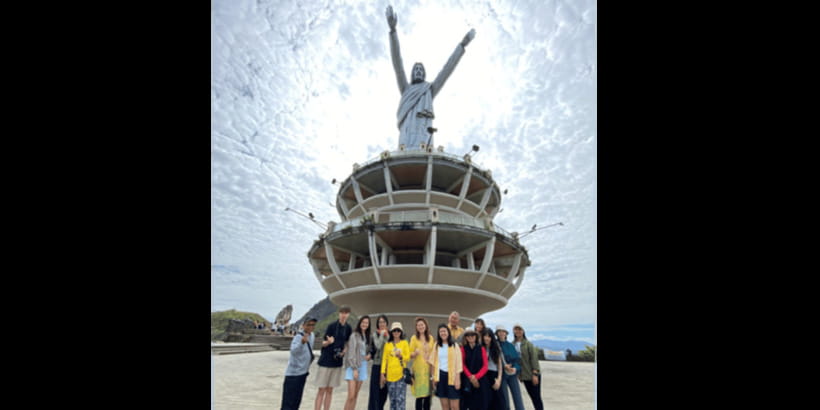
After lunch (included if you choose the All Inclusive Package Tour), the schedule takes you to the Jesus Statue at Burake in Makale. This is a big contrast from burial sites, and that contrast is useful. You get a change of tone: from funeral tradition to a major religious symbol for the local community.
The statue is known for an impressive height, which makes it a satisfying viewpoint even if you’re not religious yourself. It’s the kind of site that gives you scale, not just detail. You’ll likely take it in from a distance first, then look for the best angles for photos.
I like that the day isn’t purely heavy. Toraja culture is about death rites, yes, but it’s also about living faith and the landmarks communities choose to elevate. Burake gives you a different kind of context for what matters in this region.
Tip: since this part comes after lunch, it’s a good time to check your energy. If you’re prone to fatigue, pace your walking and rest when you can. You’re still on a full day clock.
Kete Kesu at 4:00 PM: Tongkonan houses and stone grave sites
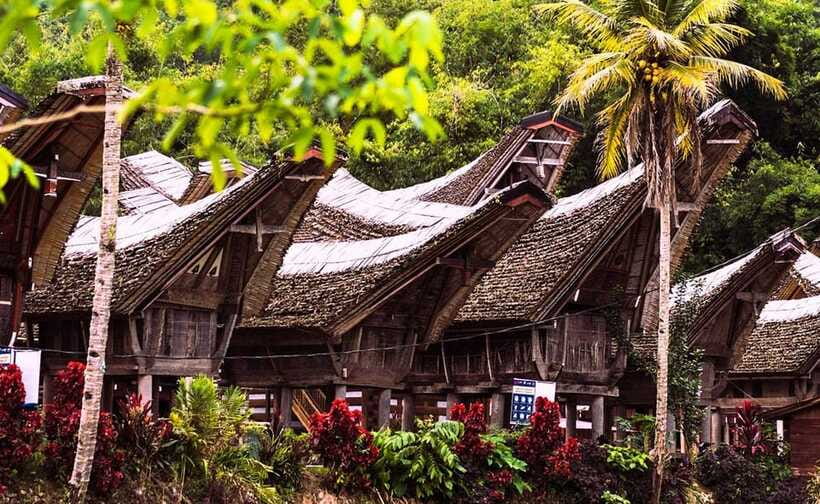
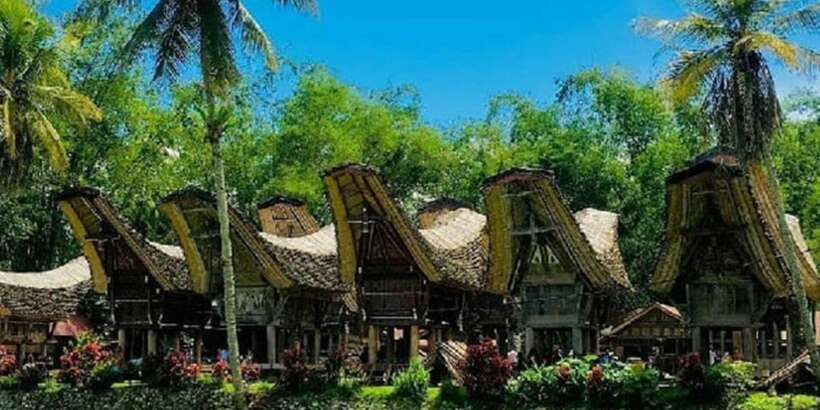
At 4:00 PM, the tour ends at the traditional Torajan village of Kete Kesu. This is where the culture starts to feel like a living neighborhood instead of a museum-like stop. Kete Kesu is described as well-preserved, and you’ll see iconic Tongkonan houses along with impressive stone grave sites that show Toraja funerary customs.
This final visit is the one that often makes the day click. Early on, you saw burial heritage as physical locations in the landscape. Here, you see how a community organizes life around the same traditions. The Tongkonan houses bring architecture into the story, so you’re not only imagining rituals—you’re seeing how form and function reflect belief.
The practical vibe at Kete Kesu is usually easier than the burial cliff sites, but you still want to move carefully. You’ll likely be walking and viewing from different angles, so comfortable shoes still matter.
The ride, the pace, and why the schedule works for first-timers
This is a private group tour, and that changes everything. Instead of being stuck in a crowd, you can take longer when something makes you pause. One of the best moments in the day is how it’s structured with scenic time and photo stops, not only site-to-site pressure.
Pickup is included, and you get two possible drop-offs: Makale or Rantepao. That flexibility helps if you’re staying on either side of the region. The total duration is about 8 hours, which is long enough to learn but short enough to avoid a full travel-day burnout.
If you want to make this work well, do two things:
- Keep expectations realistic. This day includes emotionally weighty cultural sites.
- Be ready to stand and walk in warm conditions. Even with breaks, it’s still a full day.
Guides and drivers: the difference between seeing and understanding
A good guide doesn’t just point. They explain in a way that helps you connect the dots. On this tour type, guides like Konstatin and Tino (and support teams like Amos and drivers such as Atcang) are part of what makes the day feel smooth and tailored.
There’s another standout pattern from real experiences: when cultural timing allows it, the guide may adjust the plan so you can witness a funeral process for a limited time. That’s not something you should assume on every day, but it’s a reminder that the Toraja experience can be flexible when it’s done respectfully and with local guidance.
Also, safe driving matters in South Sulawesi. A calm, careful driver helps you enjoy the scenery rather than tense up through every turn.
If you want the best chance of a smoother, more meaningful day, ask your guide what’s feasible once you arrive. You’ll get the clearest answer in person.
Price and value: what about $40 actually buys you
The tour is listed at around $40 per person for an 8-hour private day. For that price range, you’re basically paying for three big things: private transport with air-conditioning, a live guide in your chosen language, and entry fees and lunch if you select the All Inclusive Package Tour.
That inclusion matters. In regions like Tana Toraja, add-on costs can stack up quickly when tickets and meals are handled separately. If you go with the all-inclusive option, you’re more likely to have a predictable day: entrance fees, lunch, mineral water, and the basics covered.
My practical take: this is good value if you want structure. It’s less value if you love independent travel and you’re already confident about handling transportation, timing, and language.
What to bring (and what to avoid) for a smoother Toraja day
The essentials are simple, but they matter on this route:
- Comfortable shoes for walking
- Hat and sunscreen for strong sun
- Camera if you want photos of cliffs, houses, and graves
- Water to stay hydrated
You should also plan to keep things low-stress. There’s no need for anything flashy or heavy. And the activity rules are straightforward: no weapons or sharp objects, and no alcohol or drugs.
One more small detail: there’s also an option to purchase professional photo or video on the spot. If that’s not your thing, you can ignore it, but it’s good to know it exists.
Should you book this Toraja heritage day trip?
Book it if you want a guided, first-timer-friendly way to see key Toraja cultural sites in one day: Lemo, Suaya, Kambira, Burake, and Kete Kesu. It’s especially worth it if you care about meaning, not just photos, and you like the comfort of private air-conditioned transport plus a live guide.
Skip it if you can’t manage walking and standing for long periods, or if back problems make uneven ground a no-go. This isn’t a sit-and-watch tour. It’s a walk-through of belief, architecture, and burial tradition—so come prepared, and give yourself mental space for the heavier moments.
FAQ
How long is the Tana Toraja tour?
The duration is listed as 8 hours.
What time do I get picked up?
Pickup starts at 8:30 AM.
Where are the pickup and drop-off locations?
You have pickup options from Rantepao and Makale, and you’ll have drop-off options at Makale or Rantepao.
What’s included in the tour price?
Included items listed are air-conditioned private transportation, a live English-speaking guide (or other languages by request), mineral water, fuel and parking fee, and entrance fees and lunch if you choose the All Inclusive Package Tour.
Is lunch included?
Lunch is included if you book the All Inclusive Package Tour option.
What should I bring?
Wear comfortable shoes and bring a hat, camera, sunscreen, and water.
Is the tour suitable for wheelchair users or people with back problems?
No. It’s not suitable for people with back problems or for wheelchair users.
Is free cancellation available?
Yes. You can cancel up to 24 hours in advance for a full refund.