Royal Yogyakarta, minus the hurry. This private 7-hour heritage route links Sonobudoyo Museum, Kraton, and Tamansari in a way that makes the story easy to follow. You also get convenient pickup, an air-conditioned ride, and a guide who keeps everything running smoothly.
What I like most is the pacing. Starting at Sonobudoyo first gives you context for what you’ll see at the palace—so Kraton feels less like a random set of buildings and more like the result of centuries of Javanese craft and belief. The second highlight is the sustainable touches: they ban single-use plastic bottles and provide refill water, plus the tour is designed to support locals while minimizing harm to the destination.
One thing to consider: you’re out for most of the day, with multiple admission stops and a long sit/stand rhythm in between. If you hate walking around heritage sites for extended stretches, plan to move at a comfortable pace and keep expectations realistic for a full itinerary.
In This Review
- Key things to know before you go
- How this 7-hour royal circuit tells one Yogyakarta story
- Sonobudoyo Museum: the best warm-up before you hit Kraton
- Kraton Yogyakarta Palace: Indonesia’s living monarchy, not just a photo stop
- Water Castle (Tamansari): royal garden remnants and a quieter kind of magic
- Bale Raos at the palace: Sultan’s dishes as a real break
- The guides make it work: English help and cultural explanations
- Sustainability you can actually notice: refill water and local support
- Price and logistics: what $125.86 really buys you
- Who this tour suits best (and who should pick something else)
- Should you book the Private Royal Heritage Tour?
- FAQ
- What time does the tour start?
- How long is the tour?
- Is pickup and drop-off included?
- Are the entrance tickets included?
- Is lunch included?
- Does the tour use single-use plastic water bottles?
Key things to know before you go
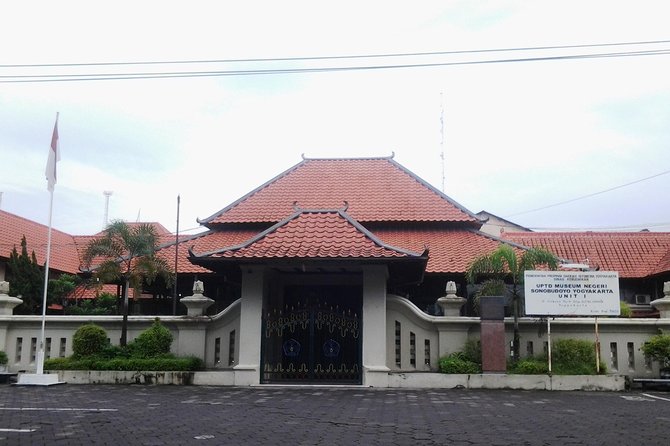
- Sonobudoyo first: you’ll start with major Javanese artifacts before stepping into the royal complex
- Kraton is the living monarchy: the palace is the seat of the reigning Sultan and his family
- Tamansari’s Water Castle history: a former royal garden located about 2 km south within the Kraton area
- Bale Raos for lunch: you eat at the palace complex in a restaurant tied to the Sultan’s dishes
- Refill water, not single-use bottles: the eco plan is built into the tour experience
How this 7-hour royal circuit tells one Yogyakarta story
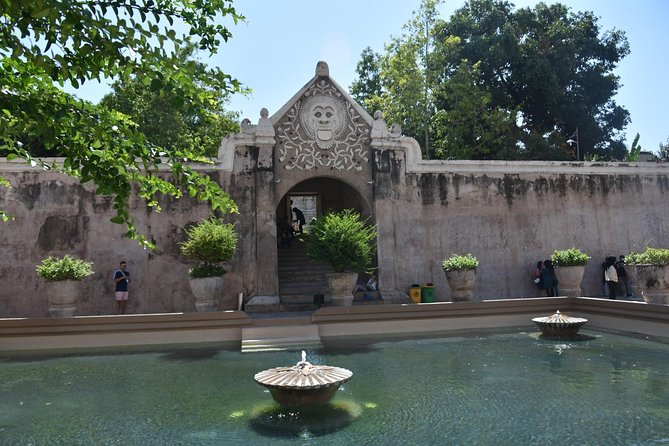
This is a classic Yogyakarta day, but it’s structured like a narrative. You begin with material culture at Sonobudoyo Museum, then you move into the “power center” at Kraton, and finally you end at Tamansari (Water Castle), where royal life once extended into gardens and waterworks. The order matters because it gives you a mental map before you start looking at details.
The tour is private, so it’s just your group in the hired, air-conditioned van or car. That matters in Yogyakarta because traffic and timing can vary, and having your own schedule usually feels calmer than joining a bigger group.
You start at 8:00 am and you’re done around 7 hours later. That’s long enough to feel like you did something meaningful, but short enough that you still have energy for a relaxed dinner afterward.
You can also read our reviews of more tours and experiences in Yogyakarta.


Sonobudoyo Museum: the best warm-up before you hit Kraton
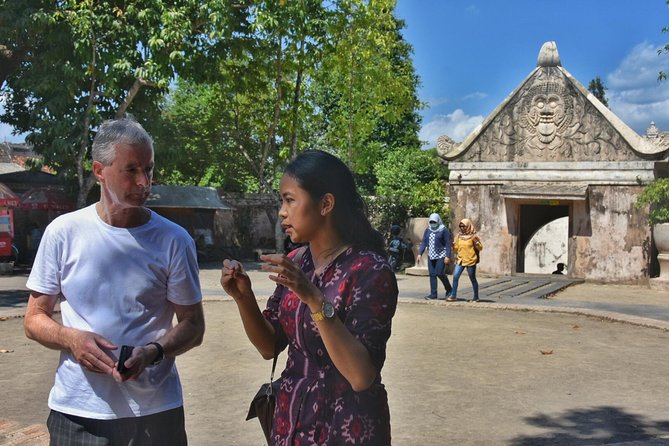
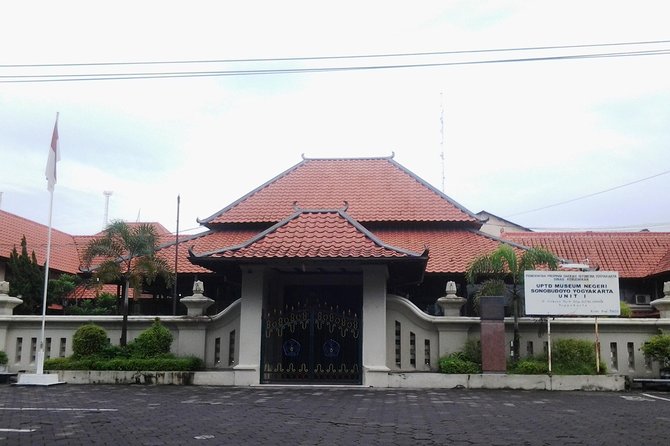
Sonobudoyo Museum is where you get your footing. It’s described as the second most complete collection of cultural artifacts in Indonesia after the central museum in Jakarta. That’s a bold claim, but it lines up with the idea that this museum is built to show you long-running Java traditions.
You’ll see collections covering heritage from the Neolithic ages, plus ancient statues and bronze works. Even if you’re not the type to study labels for an hour straight, this stop helps you recognize what you’re looking at later—motifs, styles, and the craftsmanship behind what becomes royal symbolism.
The practical side is also good: the visit is about 1 hour 30 minutes, with admission included. It’s long enough to get oriented, not so long that it eats the whole day.
A possible drawback: museums can feel dry if you’re chasing “action” over “looking.” If that’s your style, lean into the guide. Ask questions about how the objects connect to what’s shown in Javanese court life at Kraton.
Kraton Yogyakarta Palace: Indonesia’s living monarchy, not just a photo stop
Then you step into Kraton Yogyakarta, also known as the Yogyakarta Royal Palace. This isn’t only a heritage site in the abstract. It’s the seat of the reigning Sultan of Yogyakarta and his family, and the complex functions as a center of Javanese culture.
That’s the key difference. Many palaces are only historical. Kraton is still tied to living authority and tradition. Even if you don’t understand every detail immediately, you can feel the “still in use” side of the place.
The stop is about 2 hours, with admission included. Two hours is a solid window here because you need time to move through spaces, pause, and let your guide translate what you’re seeing into real meaning. This is also where your earlier museum visit pays off. You’ll be more likely to notice how materials and symbolism flow from culture into palace life.
If you like cultural context, this is the heart of the tour. If you’re purely there for scenery, you might find it less dramatic than a landscape viewpoint. But that’s also the point: Kraton is about people, ritual, and long-standing tradition.
Water Castle (Tamansari): royal garden remnants and a quieter kind of magic
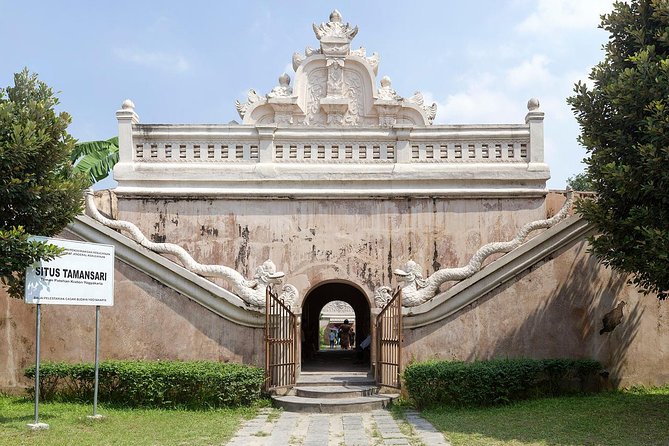
After the palace, you head to Water Castle, also known as Taman Sari. This was once a royal garden of the Sultanate of Yogyakarta. The site is located about 2 km south within the grounds of the Kraton complex area.
What I like about this stop is the change in mood. Kraton is authority and ceremony. Tamansari feels more intimate—less “center stage,” more “place where life happened.” The tour gives you about 2 hours here, which is a good amount of time to understand the layout without rushing.
The admission is included, so you don’t have to juggle extra logistics while your day is already packed.
One consideration: places tied to former gardens and waterworks can involve uneven ground, narrow passageways, and lots of visual details. If you’re sensitive to cluttered spaces or prefer wide open areas, go slower than you think you need. A private guide helps here because they can steer you through in a logical order rather than letting you wander and lose time.
Bale Raos at the palace: Sultan’s dishes as a real break
Food on a heritage day is more than a reward. It helps you reset your brain so the next site actually lands. This tour includes a dedicated stop at Bale Raos – The Sultan’s Dishes, located at the palace complex.
The idea is simple: you enjoy food associated with the Sultan’s favorites. The itinerary notes that most dishes served are the Sultan’s favourite dish, so you’re not just grabbing a generic meal—you’re eating in a setting tied to royal taste.
This stop is about 1 hour, and it’s built into the day rather than tacked on at the end. That’s smart because you’ll still have energy for the rest of the route.
Also, lunch at a local famous restaurant is listed as included. In practice, this tour’s food stop is likely the lunch moment built into the palace complex day, so you don’t end up paying extra just to eat at a decent time.
If you have dietary restrictions, you’ll want to mention them to your guide in advance. The tour description doesn’t specify menu options, so the safest move is to be clear early.

The guides make it work: English help and cultural explanations
The tour includes a friendly English-speaking guide who helps keep the experience smooth. In the past, guides such as Gilang and Sorin have been highlighted for strong English skills. That matters on a day like this because the difference between a good and great palace visit often comes down to translation—how they connect what you see to why it matters.
One thing I’d pay attention to during your visit: batik. Even though batik training isn’t listed in the core stops, people have said the batik course was especially enjoyable, and the guide approach made it easier to appreciate the work behind each pattern. If your guide offers any batik-related explanation during the day, treat it like part of the story, not a side activity.
Your guide also helps with timing, so you don’t end up waiting around. And in a private format, questions feel natural instead of awkward.
Sustainability you can actually notice: refill water and local support
This operator explicitly says it practices eco-friendly and sustainability concepts. They also say the tour supports sustainable tourism and has a positive impact on locals and the community while minimizing negative effects on the destination and local culture.
The most practical sustainability detail is this: they minimize single-use plastic by banning single-use water bottles and providing refill water. That’s the kind of eco step you feel immediately. You don’t need to buy a bottle at every stop just to stay comfortable.
They also mention involving local community/people in the tour. While the details aren’t laid out stop-by-stop, the intention is clear: money and attention should stay local rather than funneling into a purely outside operation.
If you care about travel choices that align with your values, this is one of the strongest reasons to pick this day trip over a basic “see three places” outing.
Price and logistics: what $125.86 really buys you
At $125.86 per person, this tour isn’t “cheap,” but it’s not random pricing either. You’re paying for a full, private day with:
- pickup and drop-off from your hotel
- air-conditioned hired transport (van or car), plus fuel and parking
- admission tickets for every listed stop
- lunch included
- a guide in fluent English
For Yogyakarta, that bundle matters. Many tours on the market start with low rates but charge extra for admissions, transport, or guiding. Here, the essentials are grouped in one price. If you’re coming from a hotel that’s not right by the main heritage sites, pickup alone can be worth it.
It’s also geared for small groups: the tour is private, and the minimum booking is 2 people. There’s mention of group discounts too, so if you’re traveling with friends or another couple, ask how that affects the final rate.
One more logistics note: it uses a mobile ticket. That saves time at entry points and keeps the day from turning into a paperwork hunt.
Who this tour suits best (and who should pick something else)
This one is a strong fit if you want heritage that’s connected, not chopped into separate stops. You’ll like it if you enjoy context: museums that explain before palaces that impress, and palace life that leads into gardens and waterworks.
It also suits travelers who want a comfortable pace. Private transport and pickup help a lot, especially on a long day starting at 8:00 am.
You might want a different option if:
- you prefer very short itineraries
- you hate spending a large chunk of the day in structured heritage environments
- you only care about quick exterior photos and less on guided explanation
For most people who like culture and organization, this tour hits a practical sweet spot.
Should you book the Private Royal Heritage Tour?
Yes, if you want a full royal day in Yogyakarta that’s organized, ticket-covered, and guided—without turning sustainability into a slogan. The biggest selling points for me are the flow of stops (museum to palace to Tamansari), the inclusion of lunch and admissions, and the refill-water approach that reduces single-use plastic.
Book it if your schedule can handle a long day starting at 8:00 am. And if batik is on your radar, keep your ears open for a batik course or cultural explanation from the guides, since that has been a standout part of the experience for people who’ve taken this route.
If you’d like, tell me your travel dates and where you’re staying in Yogyakarta. I can help you think through whether an early start fits your plans and what to prioritize in your day.
FAQ
What time does the tour start?
The tour start time is 8:00 am.
How long is the tour?
It runs for about 7 hours.
Is pickup and drop-off included?
Yes. Pickup and drop-off from and to your hotel are included.
Are the entrance tickets included?
Yes. All listed entry/admission tickets are included.
Is lunch included?
Yes. Lunch is included during the tour, and there is a dedicated stop at Bale Raos – The Sultan’s Dishes.
Does the tour use single-use plastic water bottles?
No. The tour bans single-use water bottles and provides refill water.