Batik feels like magic when you make it. This batik master class runs the full process with expert guidance near Prambanan, then you can take your finished piece home the same day. You also get a built-in break to visit Sojiwan Temple while your fabric dries.
I especially like two things. First, you’re not watching from the sidelines—you’re getting patient, step-by-step help from the batik master in the Prambanan area. Second, you can choose to follow design templates or make your own look, and you can work with different colors as you learn.
One heads-up: it’s a 3-hour workshop, so it’s not a slow, wandering day. If you want a long temple-first itinerary, you’ll likely treat the drying time as your main window for Sojiwan.
In This Review
- Key Highlights You’ll Care About
- Where This Workshop Happens: Prambanan + Sojiwan in the Same Day
- What Full-Process Batik Means in 3 Hours
- Meeting the Instructors: Warm Guidance from the Batik Master Team
- Making Your Pattern: Your Design or the Master’s Templates
- The Sojiwan Temple Break: What to Do While Your Batik Dries
- What You Take Home: Handkerchiefs and Tote Bags Ready the Same Day
- Price and Value: Is $20 Worth It?
- Practical Tips Before You Go
- Who Should Book (and Who Should Skip)
- Should You Book This Batik Master Class?
- FAQ
- How long is the batik master class?
- Where is the meeting point?
- What languages are used during the class?
- What can I make during the workshop?
- Is this activity suitable for children or older adults?
- Can I reserve now and pay later, and is cancellation flexible?
Key Highlights You’ll Care About

- Full-process batik, not a quick demo: you learn the workflow end-to-end and finish with a usable souvenir
- Master batik guidance in the Prambanan area: instruction is led by the batik master, not a random sampler class
- Design freedom: use a master’s templates or create your own handkerchief-sized layout
- Sojiwan Temple time while it dries: you can leave your piece and explore, or stay for the whole flow
- Take it home right away: your finished result is ready on the day of the class
Where This Workshop Happens: Prambanan + Sojiwan in the Same Day
This class is set up for people who want culture without the “commute and rush” feeling. You’re working close to Prambanan Temple, and the workshop location is near Sojiwan Temple (to the north of Prambanan). That means your batik time and your temple time can fit together cleanly.
Meeting is simple too. The location is on the south side of Prambanan Temple, and you can be picked up in the Prambanan Temple parking area or near Sojiwan Temple. If you’re navigating by yourself, I’d still plan to confirm your exact pick-up spot ahead of time so you don’t lose time in the car.
One more practical note: the host asks you to add your WhatsApp number when you book. That’s not just bureaucracy—it’s the fastest way to coordinate pickup and keep the day smooth.
You can also read our reviews of more tours and experiences in Indonesia.



What Full-Process Batik Means in 3 Hours
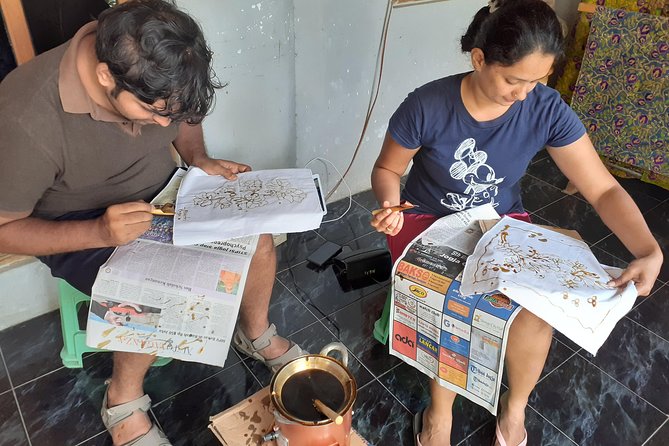
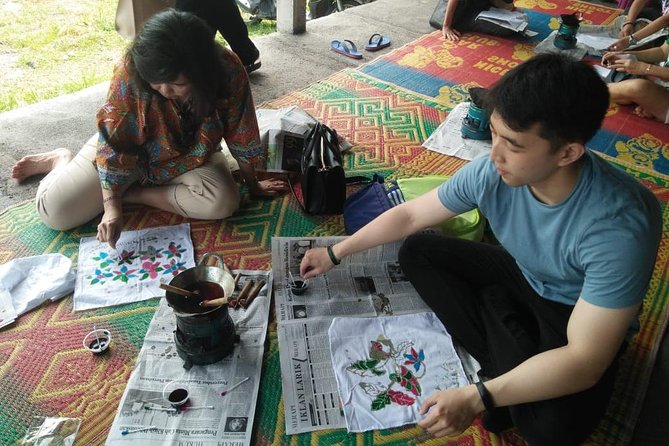
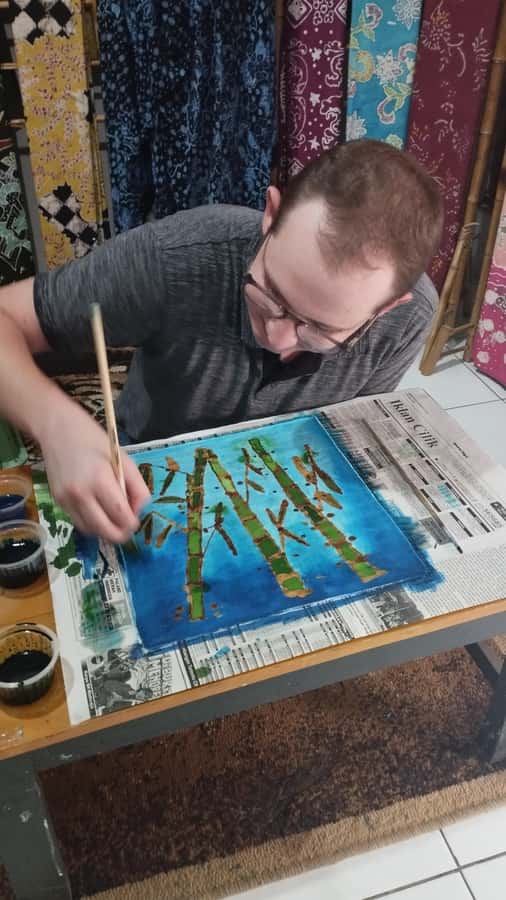
The workshop is built around learning batik as a craft process, not as a finished-product shopping experience. You start with an introduction to what batik is, plus the tools you’ll use and the correct way to handle them. Then you move into the main event: creating your own batik through the full sequence.
Your final item is either a handkerchief-size piece included in the price, or a tote bag option if you pay a bit extra. The big win for me is that the class is structured so you can complete the work in one session and take your result directly.
What you’re really learning is how the technique comes together step-by-step. The process uses wax-resist work, then coloring, then the final steps that turn your pattern into something you can carry. Reviews mention that working with hot wax is part of the fun and part of the learning curve—so expect to slow down and focus for a bit.
If it’s your first time, don’t panic. The class is paced for beginners, and the instructors help you correct technique while you’re working, not after you’ve already moved on.
Meeting the Instructors: Warm Guidance from the Batik Master Team
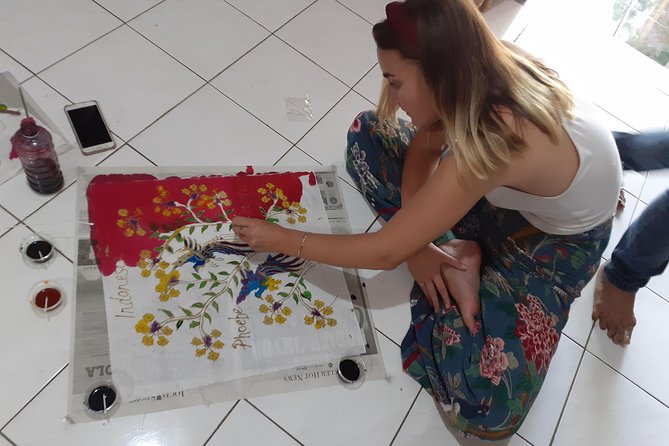
This isn’t a studio where someone points and you guess. The workshop is led by the batik master in Prambanan, and the vibe is consistently welcoming and patient. You can feel the difference right away when teaching is slow enough for you to keep up.
I like that you get both craft instruction and a local-guide style of support. In some sessions, names like Titik, Citra, and Sasa show up as teachers and hosts, with Bagus mentioned as a guide in the temple-time portion. Other staff members like Salwa also come up as part of the teaching team.
In practical terms, what that means for you: you’ll likely get help with the parts that trip beginners up—how to place wax cleanly, how to color evenly, and how to follow the pattern without overthinking it. One review even points out that you can do your own design or use the master’s templates, so you’re not forced into drawing from scratch.
Also, the instruction languages include English and Indonesian. That’s helpful if you’re comfortable chatting a bit, but it’s also reassuring if you mainly need clear, simple directions.
Making Your Pattern: Your Design or the Master’s Templates
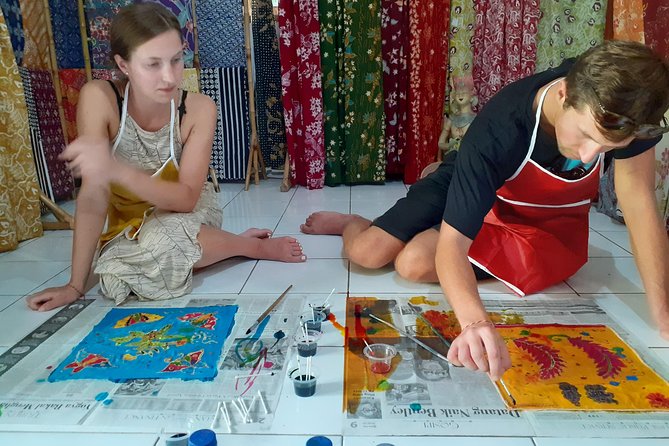
You’ve got options. If you’re nervous about designing, you can use one of the batik master’s beautiful templates. If you’re feeling creative, you can build your own pattern instead. Either route is part of the lesson, because you’re learning how batik patterns are built in the process.
Colors are another flexibility point. The class encourages you to use as many colors as you want (within reason for the workflow). That’s a real advantage over some workshops where you’re stuck with a limited palette and end up with a “tourist version” of batik.
Expect the work to be hands-on and a little mesmerizing. One clear theme in the feedback is patience—teachers take their time explaining how the craft works and don’t rush you. People also describe the environment as relaxing, which matters because batik isn’t a fast craft. Your hands need time to learn the feel of the tools.
If you want the best outcome, I’d treat it like a slow skill-building session. Go for accuracy over speed. You’ll enjoy it more, and your final fabric will look better.
The Sojiwan Temple Break: What to Do While Your Batik Dries
Here’s a clever part of this experience: you don’t just sit and wait. After the coloring stage, your batik needs drying time. That’s when you get the option to go to Sojiwan Temple or stay in the workshop area and keep going.
This is also where the local-guide side can kick in. Some accounts mention that a teacher guided them to the temple while their batik dried, so you’re not left guessing what’s worth seeing nearby.
Why I like this setup: it respects your time. You’re not losing the day to a passive waiting game. You’re pairing “hands-on craft” with “hands-on culture,” all within the same Prambanan region.
If you choose to leave the workshop for Sojiwan, keep it simple. Go, enjoy the temple, and come back without turning it into a marathon. Your batik needs you later—especially if you want to follow the full class flow.




What You Take Home: Handkerchiefs and Tote Bags Ready the Same Day
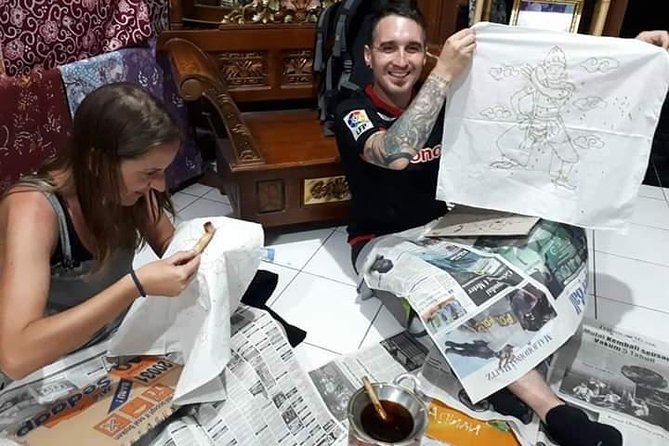
The souvenir outcome is not just a quick pre-made item. The included result is a batik piece made during your class—typically handkerchief size. If you opt for a tote bag, that’s an add-on cost, but the result still comes from your hands in the session.
The big selling point is timing: the workshop is designed so you can take your batik directly. That’s useful if you don’t want to worry about shipping, fragile packaging, or returning later.
Also, you may see examples of different batik pieces—some sessions mention being able to see prior works and fabrics used as inspiration. Seeing finished patterns can help you understand what you made and why it looks the way it does.
Practical tip: treat your finished batik like a craft item, not like a factory print. Keep it flat when you can, and if the fabric feels delicate right after the process, handle it gently during pickup.
Price and Value: Is $20 Worth It?
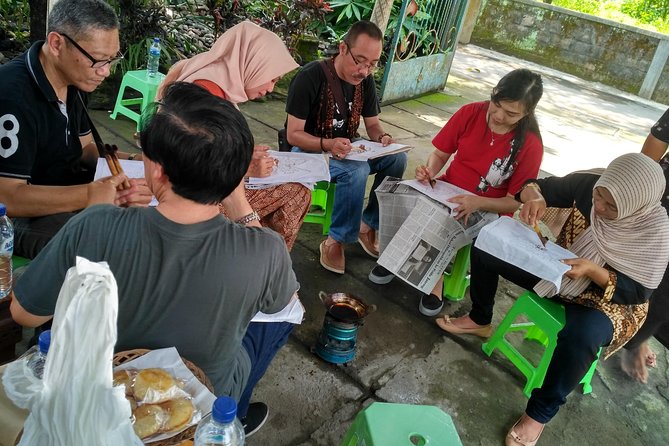
At $20 per person for a 3-hour full-process workshop, you’re basically paying for three things: expert instruction, guided craft time, and a take-home batik item.
Many batik experiences cost more if you only get a partial demo or if the “real work” takes place over multiple visits. Here, you’re paying once and getting the full process inside one session, with coffee/tea, mineral water, and local snack included. The local guide and trainer fee are included too, which often makes a bigger difference than people expect.
Value is also about your end result. If you like craft souvenirs, this is one of the best kinds: you’ll understand what you made, and you’ll remember the steps. A store-bought batik can be beautiful, but it doesn’t teach you the technique.
If your only goal is cheap shopping, you’ll likely feel the cost. If you want a real activity near Prambanan that turns into something you carry, the price feels fair.
Practical Tips Before You Go
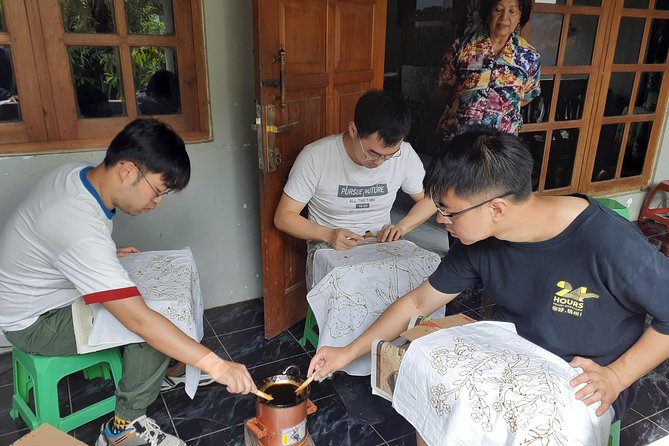
A few things will make the day smoother and more enjoyable:
- Message your WhatsApp number with your booking. The host explicitly asks for it to coordinate contact.
- Wear comfortable clothes you don’t mind getting wax or dye on (batik can be forgiving, but you’re working with materials).
- Slow down and follow instructions for the wax and coloring stages. The best results come from careful pacing.
- Decide early if you want a template or your own design. If you’re unsure, start with a template and tweak as you go.
- Plan for the drying window. If you want Sojiwan Temple time, decide how you’ll spend the gap and don’t overpack your schedule.
One nice comfort detail: the workshop is described as warm and welcoming, with snacks and drinks that keep you energized during the work. People also mention pancakes as part of the food spread, which can make the session feel more like a family workshop than a rushed class.
Who Should Book (and Who Should Skip)
This is a great fit if you want a hands-on craft experience near major temple sights, and you like the idea of making a souvenir with meaning. It’s also a good option if you’re a first-timer—guidance is patient, and templates are available.
It’s not for everyone. The workshop states it isn’t suitable for:
- children under 4 years
- people with heart problems
- people over 70 years
If you fall into any of those categories, I’d look for another kind of cultural activity nearby that fits your needs better.
Should You Book This Batik Master Class?
I think you should book it if you want one focused cultural activity that connects directly to the Prambanan area and ends with something you made yourself. The full-process structure, master-led guidance, and same-day take-home result make this a high-value choice for a short trip.
I’d skip it if you only want passive sightseeing and you dislike any craft work that involves careful handling. Because batik uses tools and wax-resist steps, it’s a workshop first—not a casual walk-through.
If you’re on the fence, here’s an easy decision rule: if you’d rather leave with a piece of art and a story about how it was made, this is the type of workshop to choose.
FAQ
How long is the batik master class?
The class lasts 3 hours.
Where is the meeting point?
The workshop location is south of Prambanan Temple, and the team can pick you up in the Prambanan Temple parking area or near Sojiwan Temple.
What languages are used during the class?
The instructor teaches in English and Indonesian.
What can I make during the workshop?
You make batik using a handkerchief size item included in the price. You can also make a tote bag for an additional cost. Your batik result can be taken directly.
Is this activity suitable for children or older adults?
It is not suitable for children under 4, people with heart problems, or people over 70 years.
Can I reserve now and pay later, and is cancellation flexible?
Yes. You can reserve now & pay later, and you can cancel up to 24 hours in advance for a full refund.