Purification here is practical, not performative. This is a small-group Bali day built around a Mangku-guided blessing and purification in a sacred temple setting by a secluded river—then topped off with village life (spice gardens, rice fields, and farm animals) plus a soak at Belulang Hot Springs. I like that it’s not just watching from the sidelines; you get guided meaning behind the rituals, temple clothes, and offerings as part of the experience. I also like the pacing: music, nature, ceremony, lunch, and then a natural-water reset. One drawback to factor in: purification/blessing isn’t permitted during menstruation and for pregnant women.
Because the day mixes temple time with outdoor walking, you’ll want to show up ready for humid air, muddy paths that can happen in Bali, and a respectful attitude in sacred spaces. If you prefer super-fast sightseeing with lots of photos and little interaction, this may feel slower and more personal than you expect—but if you’re open to a quieter, community-centered cultural day, it fits well. The rental temple clothing helps you participate properly, so you’re not stuck guessing what to wear.
In This Review
- Key things that make this Bali purification experience worth your time
- Bali’s purification ceremony at Balikaru: what you’re really signing up for
- Morning at Warung Balikaru and the spice & herb garden walk
- Rindik training: why music comes before the temple
- Dressing for the ritual: temple clothes and offerings
- The sacred temple purification with a Mangku priest
- Who should pay attention to the participation rules
- Lunch in the village warung: what you eat and why it matters
- Rice fields and Balikaru farm: farmers, animals, and stingless bees
- Belulang Hot Springs: the natural reset at the end of the day
- Price and value: is $89 for 3.5 hours fair?
- Best fit: who will love this and who might not
- Practical tips so the day runs smoothly
- Should you book this purification ceremony in Bali?
- FAQ
- How long is the purification ceremony and overall tour?
- What time does it start, and where is the meeting point?
- Is an English-speaking guide included?
- What’s included in the purification ceremony?
- Do I need to bring temple clothing or offerings?
- Can you accommodate vegetarian diets?
- Are service animals allowed?
- Who can participate, and are there any restrictions?
- What is the cancellation policy, and what if the weather is bad?
Key things that make this Bali purification experience worth your time
- Mangku-led blessing and purification at a sacred temple by a secluded river, with explanations of what each ritual means
- Rindik bamboo instrument lesson included, setting the tone before the ceremony
- Spice & herb garden walk in the morning, with tropical plants, herbs, and spices you can actually see and learn about
- Village warung lunch (nasi campur tumpeng) and time meeting farmers in the rice fields
- Balikaru farm visit with animals, plus stingless Trigona bees
- Belulang Hot Springs at the end for local-style bathing in natural sulfur water
Bali’s purification ceremony at Balikaru: what you’re really signing up for
This tour is designed as a full “day of meaning,” not a quick cultural stop. You start in the village around Belulang, then move through nature first—spice plants, herb gardens, and a relaxed sense of place—before you reach the sacred temple area for your blessing and purification. The operator also emphasizes minimal impact on nature and local life, with the idea that your visit supports preservation of authentic village structures.
You’re not asked to perform or cosplay. Instead, you’re guided through what happens and why, including what the team is doing before you enter the ritual space. For me, that’s the big value: you get context. Sacred ceremonies can feel confusing if you don’t know the parts, but here you get explanations and support.
The tour is also intentionally small. Maximum group size is 6 travelers, which matters because it makes the experience feel less rushed and more respectful. Also, if you’re someone who likes asking questions and getting real answers, a smaller group makes that easier.
You can also read our reviews of more tours and experiences in Bali.
Morning at Warung Balikaru and the spice & herb garden walk
The day begins at Warung.Balikaru in Belulang Village (Mengesta, Penebel area, Tabanan). The scheduled start time is 9:00 am, and the experience runs about 3 hours 30 minutes total, ending back at the meeting point.
Before you get anywhere near the temple, you begin with a walk through a spice and herb garden. This isn’t just pretty scenery. The tour is structured to get your attention on everyday plants Balinese life relies on: tropical herbs, spices, and other plants used in local routines. You’ll also have a guide to point out what you’re looking at, which turns the “garden walk” into something you can actually carry with you later.
Practical tip: this part of the day is outdoors. Even when it’s not raining, Bali humidity is real. If you’re heat-sensitive, bring water (drinks aren’t listed as included), wear breathable clothes, and plan for a light pace.
Rindik training: why music comes before the temple
One of the most distinctive inclusions is learning to play Rindik, the traditional Balinese bamboo instrument. This happens before the purification ceremony.
Why does that matter? Because it helps you shift into the right mindset. Sacred rituals can be mentally loud—lots of questions, lots of uncertainty, lots of “what do I do now?” Rindik gives you something physical and simple to focus on, and it’s a culturally grounded warm-up rather than a scripted lecture.
Also, it’s a skill you can remember. Even if you never become a bamboo-instrument virtuoso, you’ll have a real action from the day, not just visuals.
Dressing for the ritual: temple clothes and offerings
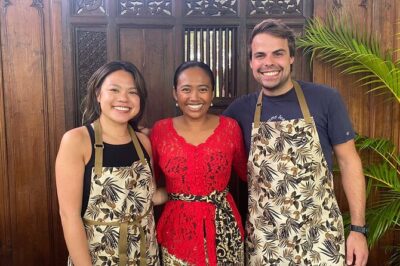
Before you meet the priest, the team helps you dress in Balinese temple clothes and provides offerings for the ceremony. You’re not expected to arrive with special outfit knowledge. The rental setup is part of making this feel welcoming and guided.
This is where you’ll want to practice a little patience. The point of the clothes and offerings isn’t convenience—it’s participation. If you go in with the attitude that you’re following local ritual rules (not just dressing up), the experience flows better for everyone.
Also, if you have long hair or hair you normally tie up, expect that temple clothing practices may be different from what you’re used to. It’s helpful to have your hair managed in a way that’s easy for staff to accommodate.
The sacred temple purification with a Mangku priest
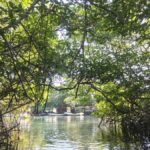
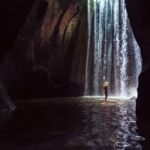
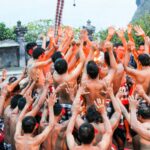
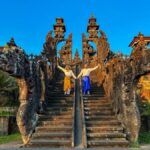
The core event is the Balinese purification and blessing ceremony led by a Mangku, the local priest. The sacred temple is described as being in a magical spot next to a secluded river.
You’ll hear sacred bells, follow the guidance of the team, and be supported throughout the ritual. The guide shares meaning behind each part, so the ceremony doesn’t feel like random actions. The overall goal is that body and mind feel refreshed and you gain space for new experiences.
A respectful note: this is a serious spiritual event. Even if you’re not religious, you’ll likely feel it more if you treat the time as a quiet, attentive practice. Keep your phone away when the group is focused. If you’re unsure what’s appropriate at any moment, look to the team and follow their pace.

Who should pay attention to the participation rules
Important limits are clearly stated: purification/blessing is not permitted during female menstruation and for pregnant women. If any of this applies, you should know ahead of time so the day doesn’t end in disappointment.
Most travelers can participate, but if you’re coming with health considerations beyond pregnancy or menstruation, it’s worth checking in during booking.
Lunch in the village warung: what you eat and why it matters
After the ceremony, you enjoy homemade Balinese lunch at an authentic village warung: nasi campur tumpeng at Warung Balikaru.
Food matters here for two reasons. First, you’re fueling up after a spiritually focused morning. Second, it turns the day from “ceremony tourism” into lived village rhythms. You’re not rushed off to a restaurant with a view of nowhere—you’re eating as part of the village routine.
Good sign: vegetarian needs can be accommodated. During booking, you’re asked to indicate dietary requirements in the special requirements section. Drinks and personal expenses aren’t included, so plan on purchasing water or other drinks if needed.
Rice fields and Balikaru farm: farmers, animals, and stingless bees
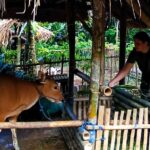
In the afternoon, the day shifts to agriculture and animals. You join a farmer in the rice fields, meet animals at Balikaru farm, and chat with villagers. There’s also a specific mention of stingless Trigona bees—a cool detail because it adds a real biodiversity element to the day rather than a generic “farm photo.”
This segment is where you’ll likely feel the tour’s “quiet, meaningful encounter” approach. Instead of hard selling culture, the focus is conversation and observation—how nature, spirituality, and community connect in everyday life.
Practical consideration: farm and field time can mean uneven ground and bugs. Wear closed-toe shoes if you can. Light layers help too, because you may go from shaded areas to sun.
Belulang Hot Springs: the natural reset at the end of the day
You finish at Belulang Hot Springs, where locals bathe in natural sulfur water. This is a classic “end of ceremony” feeling—warm water, relaxation, and a chance for your body to downshift after temple and walking.
Don’t overthink it: just treat it like a soothing wrap-up. If you’re sensitive to strong-smelling water, you might notice sulfur scent. Also, bring what you need for comfort, since the tour listing doesn’t specify what bathing gear is provided.
Price and value: is $89 for 3.5 hours fair?
At $89 per person for about 3 hours 30 minutes, the pricing works best if you care about more than a standard photo stop.
Here’s what you’re paying for, based on the inclusions:
- English-speaking guide
- welcome drink
- Rindik lesson
- temple clothes rental and offerings
- the Mangku purification/blessing ceremony
- guided spice & herb garden walk
- homemade lunch (nasi campur tumpeng)
- farm visit with animals and stingless Trigona bees
- farewell gift
- a personal photo sent by email after the experience
When you break it down like that, the value makes sense. A large part of the cost goes into ceremony support and guidance—things that aren’t easy to “DIY” while still doing everything respectfully. The small group size (max 6) also adds value because it reduces rushing and crowd energy.
If you’re only interested in a quick cultural highlight and would rather spend money on major Bali attractions, you might feel this is pricey for the time length. But if you want an experience that includes ritual participation, nature, and local food in one guided thread, it’s a strong fit.
Best fit: who will love this and who might not
This tour is ideal if you:
- want a more personal, smaller-group cultural day
- like explanation as much as atmosphere
- enjoy nature walks (spice garden, rice fields) paired with spiritual context
- want a genuine taste of village life rather than a big-tour checklist
It may not be the best fit if you:
- dislike ceremonies or prefer entertainment-style activities
- need a schedule packed with major sightseeing stops
- aren’t comfortable with the participation restrictions (pregnancy or menstruation)
Practical tips so the day runs smoothly
- Start the day calm. Temple time asks for focus, not rushing.
- Wear comfortable clothes for both garden walks and rice-field ground.
- Bring sunscreen and plan for heat and humidity.
- Keep your expectations simple: you’re there for meaning, not a theme-park show.
- If you have dietary needs, state them at booking so you get the right lunch plan.
Should you book this purification ceremony in Bali?
I’d book it if you want a short-but-whole experience: Rindik, a Mangku-led blessing, village food, and ending with Belulang Hot Springs. The small group size and inclusion of temple clothes/offerings make it feel like participation, not spectator travel.
Skip it if your top priority is long beach days, big-ticket attractions, or a super casual day where you don’t want to follow ritual guidance. And if pregnancy or menstruation affects your situation, be mindful of the stated restrictions before you commit.
If you’re going with an open mind and a respectful attitude, this is the kind of Bali experience that tends to stay in your memory longer than another box-checking day.
FAQ
How long is the purification ceremony and overall tour?
The tour lasts about 3 hours 30 minutes (approx.).
What time does it start, and where is the meeting point?
It starts at 9:00 am. The meeting point is Warung.Balikaru, J47M+5CG Belulang Village, Mengesta, Kec. Penebel, Kabupaten Tabanan, Bali, Indonesia, and it ends back at the meeting point.
Is an English-speaking guide included?
Yes. An English-speaking guide is included (other languages may be available based on options).
What’s included in the purification ceremony?
You get a Balinese purification and blessing ceremony with a Balinese temple priest (Mangku), plus offerings and temple clothes rental. There are also guided explanations of the rituals.
Do I need to bring temple clothing or offerings?
No. Temple clothes rental and offerings are included.
Can you accommodate vegetarian diets?
Yes. Dietary needs such as vegetarian can be accommodated if you indicate it during booking in the special requirements.
Are service animals allowed?
Yes, service animals are allowed.
Who can participate, and are there any restrictions?
Most travelers can participate, but purification/blessing is not permitted during female menstruation and for pregnant women.
What is the cancellation policy, and what if the weather is bad?
You can cancel for a full refund up to 24 hours in advance. The experience requires good weather; if it’s canceled due to poor weather, you’ll be offered a different date or a full refund.