A day starts in the garden, ends at your table. This Bali village experience pairs jamu herbal making with open-air cooking near Mt. Batukaru, led by local families who treat food like culture, not a performance.
I love the hands-on herb and spice garden time, where you actually pick ingredients you’ll use. I also love that you learn to play the rindik bamboo instrument before you step into the kitchen, which turns the morning into something more human than just a class.
One thing to consider: it’s set inside a traditional village, so the dress code is taken seriously, and you’ll do a short downhill trek that’s not “guaranteed smooth pavement.”
In This Review
- Key Highlights Worth Your Time
- Bali’s Mountain Village Rhythm Near Mt. Batukaru
- From Meeting Point to Rice Terraces: How the Morning Unfolds
- Herb and Spice Garden Tour: The Ingredients You Actually Use
- Learning Rindik Bamboo: A Fun Warm-Up With Real Cultural Context
- Making Jamu: Two Herbal Drinks Plus Fruit Tasting
- Paon Bali Open-Air Cooking: Where the Main Meal Comes Together
- Eating Lunch the Way You Learned It
- Beyond Cooking: Rice Planting, Cow Feeding, and Trigona Honey
- Soft Downhill Trek and Village Compound Visits
- Price and Value at $55: What You’re Really Paying For
- Who Should Book, and Who Might Not Love It
- Should You Book This Bali Village Cooking Class?
- FAQ
- What time does the tour start, and how long is it?
- Where do you meet, and does the tour end nearby?
- How large is the group?
- What’s included for food during the class?
- Can you handle dietary needs like vegetarian?
- Do I need to dress a certain way?
- Is the hot spring included?
- Is free cancellation available?
Key Highlights Worth Your Time
- Learn rindik bamboo music before you cook, setting the tone with local rhythm
- Make two types of jamu and taste fresh fruit along the way
- Cook lunch in Paon Bali, an open-air kitchen style that keeps everything grounded and real
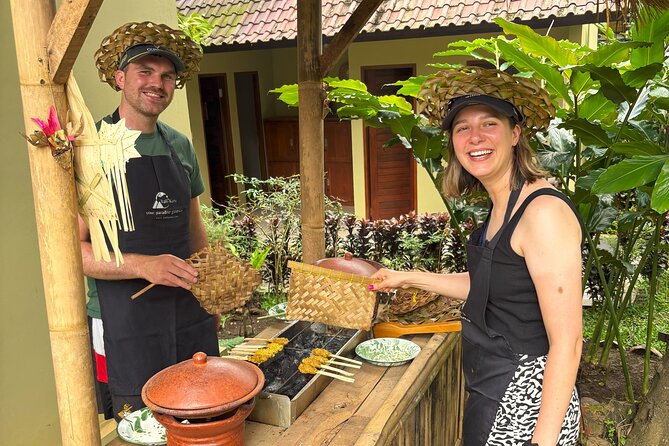
- Grill and dessert included, including sate lilit at a bamboo grill and lak lak in a clay pot
- Farm visits that feel practical, with animals, rice planting, and Trigona (stingless) beehives
- Optional Belulang Hot Spring stop for a reset after the day’s work
Bali’s Mountain Village Rhythm Near Mt. Batukaru
This isn’t a resort cooking class. Your day is built around a small mountain village area near Mt. Batukaru, with a quieter pace and more emphasis on daily life than on photo ops. When you arrive, you’re guided into the flow: rice terraces, garden herbs, and conversations with the people who keep these traditions going.
The setting matters because it changes how the food feels. Instead of learning ingredients as concepts, you learn them as living things you see, harvest, and handle. That makes the final meal taste more specific, not just “good.”
You can also read our reviews of more tours and experiences in Bali.
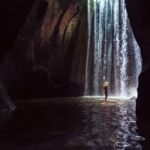

From Meeting Point to Rice Terraces: How the Morning Unfolds
You start at BalikaruBelulang Bali in Mengesta (Tabanan Region), with the tour running about 4 hours 30 minutes and returning you to the same meeting point. Starting at 9:00 am helps a lot: you get the active morning light for garden time, and you’re not rushing through the cooking steps.
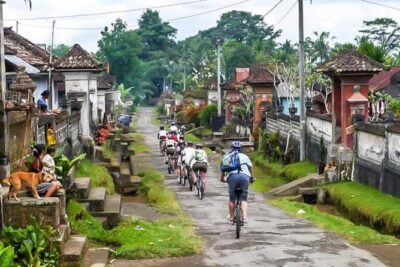
Early on, you’ll walk through the village area and rice fields, and you’ll meet farmers as part of the experience. The goal isn’t just sightseeing. You’re building a mental map of where the day’s flavors come from, which makes the later steps—jamu, grilling, and dessert—click faster.
If you’re the type who likes “see it, do it, eat it,” this schedule fits you well.
Herb and Spice Garden Tour: The Ingredients You Actually Use
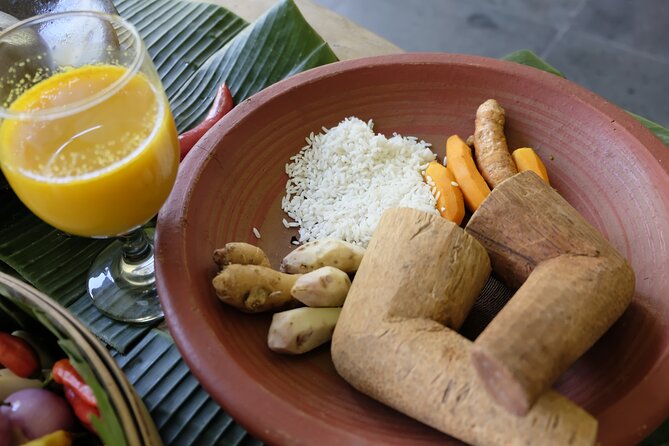
One of the smartest parts of the day is the guided herb and spice garden walk. You’re not just told what turmeric or lemongrass is. You get to pick herbs straight from the garden, so your brain starts linking scent to plant, plant to flavor, and flavor to dish.
This is also where a lot of “value” hides in plain sight. Many cooking classes focus on the cooking but skip the sourcing. Here, you’re doing both, which means the recipe steps make more sense later when you’re cooking at home from memory (or from the emailed recipes you’ll get after).
Practical tip: bring sunscreen and expect some sun exposure while walking through garden paths.
Learning Rindik Bamboo: A Fun Warm-Up With Real Cultural Context
Before you start cooking, you’ll learn to play the rindik, a traditional bamboo instrument of farmer life. Even if you’re rhythmically challenged (no judgment—most of us are), it’s a friendly way to get connected to the setting.
What I like about this segment is that it doesn’t feel like a staged “show you a dance” moment. It’s taught as part of the village rhythm, and it gives you something to do with your hands and ears before you’re working with knives, grills, and clay pots.
By the time you enter the open-air cooking space, you’re already mentally switched from tourist mode to participant mode.
Making Jamu: Two Herbal Drinks Plus Fruit Tasting
The day’s wellness angle is jamu, Indonesia’s traditional herbal drink. You’ll make two kinds of jamu, including production steps plus fruit tasting. This matters because jamu isn’t treated like a single smoothie. You’re working through preparation and flavor-building, so you understand what makes it taste the way it does.
You’ll mix and prepare, then you’ll taste. That’s key: jamu can be an acquired taste, so having guided tasting early helps you adjust your expectations before the real meal.
Also, fruit tasting adds another layer. You’re learning which flavors fit the herbal notes and how the whole eating style balances earthiness, freshness, and sweetness.
If you’re into food science or “why does it taste like that,” you’ll have plenty to think about during this part.



Paon Bali Open-Air Cooking: Where the Main Meal Comes Together
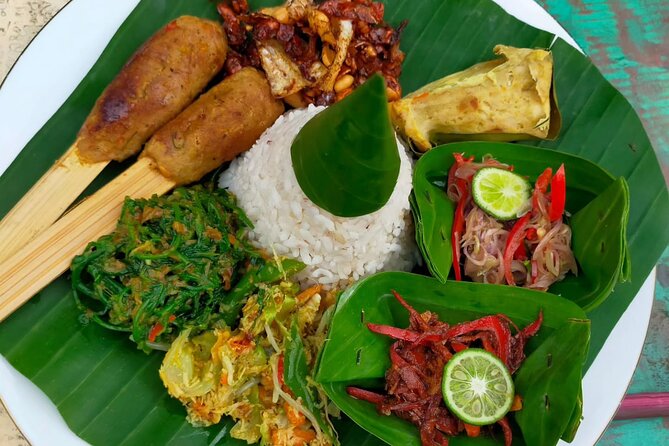
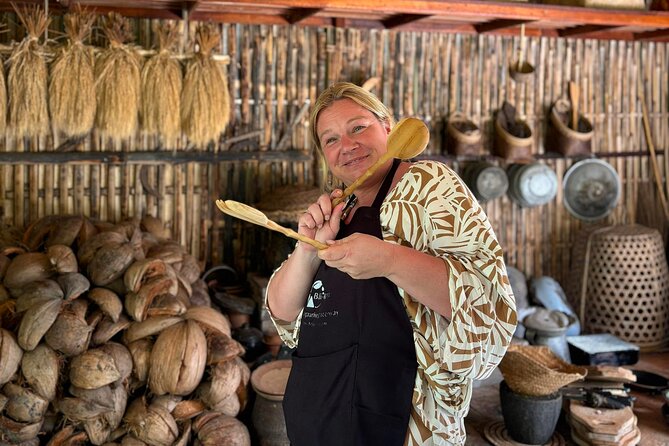
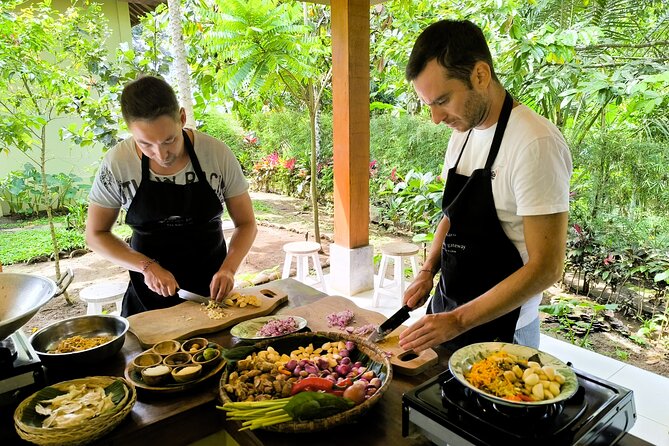
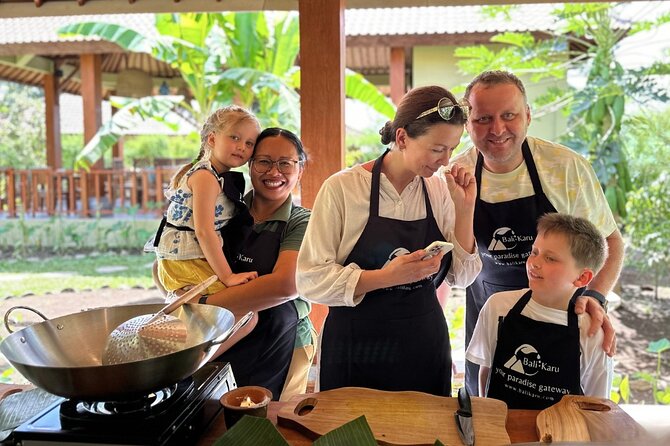
Now for the big action: cooking at Paon Bali, an open-air kitchen guided by a chef. This is the heart of the course, and it’s where the morning pays off. You’ll prepare a full Balinese meal, and you’ll cook more than just one dish.
This part is also where the class earns its friendliness reputation. The team’s energy tends to be hands-on and supportive, with lots of guidance as you cook and share. You’re not left guessing.
Here’s what you can expect to cook:
- Sate Lilit grilled at the Gerobak, a live bamboo grill
- Lak Lak, a traditional dessert cooked in a clay pot
- Nasi Campur Tumping for lunch, plus dessert you cook yourself during the class
One practical warning: cooking makes you hungry. By lunch time, you’ll actually want to eat everything on your plate, not just “try a bite for the experience.”
Eating Lunch the Way You Learned It
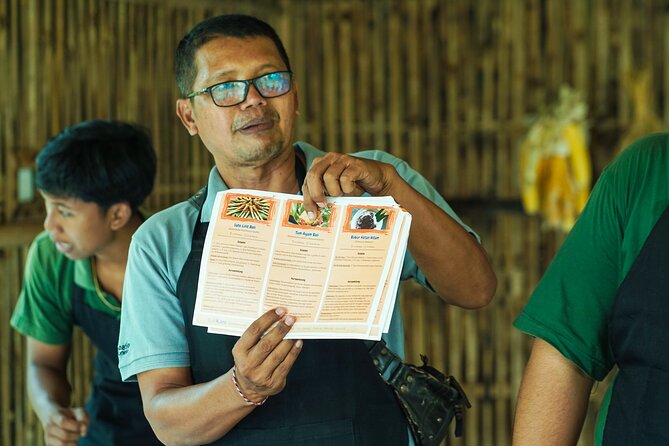
After you cook, you’ll enjoy your homemade lunch. The meal isn’t a separate buffet stop. It’s tied to the earlier ingredient work, which makes each flavor feel more intentional.
I also like that dessert isn’t treated like an afterthought. Lak lak in a clay pot gives you a different texture experience than many Western sweets, and doing it yourself helps you remember the process.
And yes, you’ll likely eat outdoors in a relaxed village environment, with nature sounds in the background and time to slow down before the next activity.
Beyond Cooking: Rice Planting, Cow Feeding, and Trigona Honey
Some cooking classes keep you trapped inside a kitchen. This one sends you back out to the farm side of life.
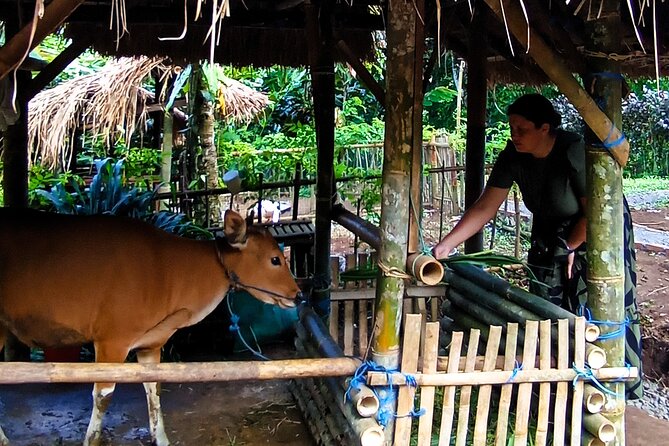
You’ll visit the Balikaru farm, meet the animals, and learn about Trigona beehives—stingless bees that produce rare honey. You’ll also help with rice planting, plus you may have a chance to feed the cow named Manis.
This isn’t only “cute farm time.” It changes how you think about the meal. When you’ve helped plant rice and heard about how honey is made, you start valuing the ingredients in a more grounded way.
A note on expectations: some of these farm activities involve gentle work and proximity to animals. Wear comfortable shoes and be ready for a little mess. It’s part of the deal.
Soft Downhill Trek and Village Compound Visits
There’s also a soft trekking segment of about 30 minutes downhill with mountain views. It’s not described as intense hiking, but it is still a trek on uneven village terrain. If you’re nursing sore knees or you hate uneven ground, you’ll want to take it at an easy pace.
You’ll also visit an authentic Balinese compound in the mountain village area. This is where you get a sense of how households are laid out and how daily life connects to the food systems around you. You’re not just looking; you’re being shown.
Optional add-on: you can visit Belulang Hot Spring for a bath if you want that soak after a busy morning. It’s listed as optional, so don’t count on it unless you’re choosing to do it that day.
Price and Value at $55: What You’re Really Paying For
At $55 per person, this can look like “just another cooking class” until you total what’s included. You’re not only cooking. You’re touring a spice garden, making jamu, learning a traditional bamboo instrument, cooking a multi-part Balinese menu, enjoying lunch, visiting a farm with animals and stingless bees, and participating in rice planting, plus time in an authentic village compound.
What’s also included:
- English-speaking guide (other languages cost extra)
- Welcomedrink
- Herb and spice garden tour
- Rindik instrument lesson
- Jamu production + fruit tasting
- Chef-guided cooking in Paon Bali
- Lunch: Nasi Campur Tumping + dessert you cook
- Balikaru farm visit with animals and Trigona beehives
- Help with rice planting
- Approx. 30-minute downhill soft trek
- Balinese compound visit
- Optional Belulang Hot Spring bath
- Farewell gift, plus a personal cooking class certificate and emailed recipe book after the tour
- Mobile ticket and group discounts
Not included:
- tips
- drinks
- personal expenses
If you’re comparing to other Bali cooking classes, the biggest value kicker here is the mix of food + village farm work + jamu + dessert + instrument lesson, all in a group capped at 12 travelers. Small group size usually means less waiting around and more time with the team.
Who Should Book, and Who Might Not Love It
This fits best if you want a day that’s practical and hands-on. You’ll probably have a great time if you:
- want to cook Balinese dishes like sate lilit and lak lak, not just learn recipes verbally
- enjoy village life and learning where ingredients come from
- like activities that mix food with farming (rice planting, animals, honey stories)
- don’t mind modest movement on uneven paths during the downhill trek
You might not love it if you:
- expect a completely indoor experience
- dislike any walking or trekking segments
- want a quick taste-and-go class with minimal village context
Dietary needs: vegetarian is supported if you note it during booking. That’s a big plus for many people.
One more practical note: dress modestly. Topless or beachwear is an offence in this setting. Shirts, pants, and slippers are fine.
Should You Book This Bali Village Cooking Class?
If you want a Bali cooking day that feels connected to real village life, I’d say yes, book it—especially if you care about jamu, spice sourcing, and cooking more than one dish. The $55 price feels reasonable when you factor in the farm time, the multi-part meal (including dessert you cook), and the extra cultural touches like rindik.
Before you go, check two things:
- pack for a short downhill trek and outdoor cooking
- plan to follow the village dress expectations
FAQ
What time does the tour start, and how long is it?
It starts at 9:00 am and lasts about 4 hours 30 minutes.
Where do you meet, and does the tour end nearby?
You start at BalikaruBelulang Bali in Mengesta (Tabanan Region) and the experience ends back at the same meeting point.
How large is the group?
This activity has a maximum of 12 travelers.
What’s included for food during the class?
You’ll have a welcomedrink, make and taste jamu, taste fruit, and enjoy lunch (Nasi Campur Tumping). You’ll also cook and eat dessert as part of the class.
Can you handle dietary needs like vegetarian?
Yes. Dietary needs such as vegetarian can be accommodated if you indicate them in the special requirements during booking.
Do I need to dress a certain way?
Yes. Since it’s a traditional village, topless or beach clothing is an offence. Shirts, pants, and slippers are okay.
Is the hot spring included?
Belulang Hot Spring is listed as optional, so you’d only do it if you choose that part of the experience.
Is free cancellation available?
Yes. You can cancel for a full refund up to 24 hours in advance.