A wood carving class in Ubud turns souvenirs into something real. You’ll work with your hands, guided step-by-step, and you’ll leave with a personalized Balinese carving you made (not something pulled off a shelf). I especially like that the workshop includes both the artistic “why” and the hands-on “how,” plus you also get famous Ubud scenery afterward at Tegallalang Rice Terrace.
The main drawback to plan for: this is a working workshop, so you’ll spend a solid chunk of time carving instead of doing a purely relaxed sightseeing day. If you’re hoping for an effortless, sit-with-a-cold-drink tour, you might find the carving portion a bit demanding.
In This Review
- Key highlights worth getting excited about
- From workshop stool to Tegallalang views
- Pickup timing: easy if you’re ready early
- Mas Ubud Village: where the workshop has a real art-world feel
- The wood carving lesson: tools, wood choice, and the step-by-step build
- What you take home: a souvenir with your fingerprints
- Tegallalang Rice Terrace and the Subak story (why the views feel different)
- Ubud Center market walk: shopping without the headache
- Optional coffee tasting stop: a tasty add-on if it’s on your schedule
- Price and value: why $59 can make sense
- Who this fits best (and who should skip it)
- Quick tips so your day goes smoothly
- Should you book this Ubud wood carving class?
- FAQ
- How long is the wood carving class in Ubud?
- Is hotel pickup and drop-off included?
- Do I need any previous wood carving experience?
- What’s included in the price?
- What is not included?
- What should I bring with me?
Key highlights worth getting excited about
- Take-home carving made by you: Your finished piece is yours to bring home.
- Balinese carving “philosophies” explained: You’ll get context for the design choices behind the art.
- Mas Ubud Village, the wood-carving art center: A focused place for artisans and practice.
- Tegallalang Rice Terrace + Subak story: Scenic views plus irrigation context for how the terraces work.
- Ubud market time: Enough browsing to pick up small local items without feeling rushed.
From workshop stool to Tegallalang views

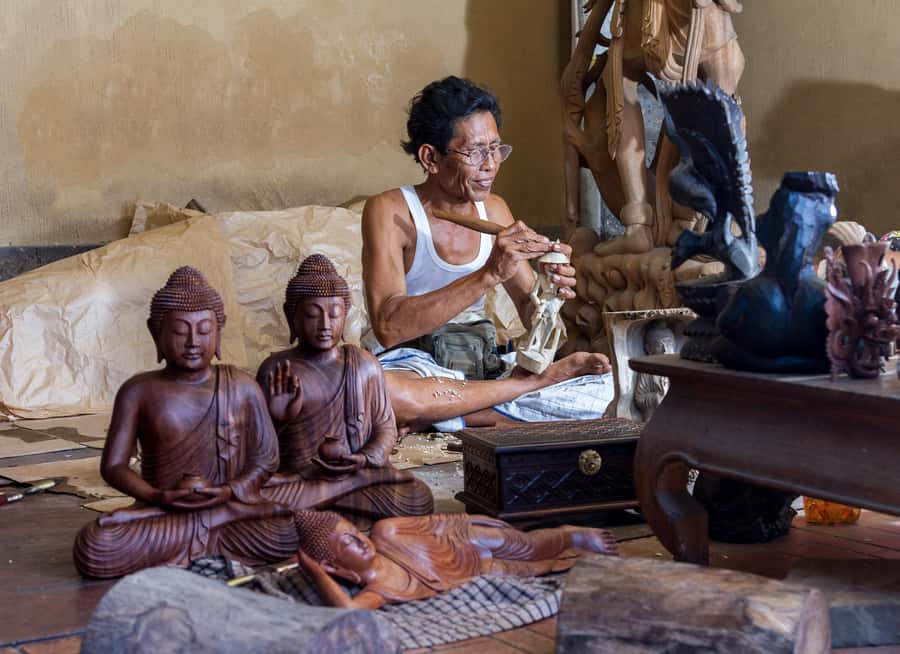
Ubud is known for art, but this is one of the few experiences where you don’t just watch it—you create it. After hotel pickup, you head to the wood-carving hub at Mas Ubud Village, where the day starts with a welcome drink and a local snack. Then you jump into the workshop: tools and materials are provided, and you work from a block of wood toward a finished carving.
I like that it’s set up for beginners. You’re not expected to already know how to carve, hold tools, or interpret Balinese design. The instructor guides you through the process, including what types of wood are good for carving, which makes the whole thing feel practical instead of mysterious.
And the pacing helps. You don’t just finish carving and go straight home. You get sightseeing with meaning—Tegallalang Rice Terrace is paired with the story of Subak irrigation, so your photos come with context, not just scenery.
You can also read our reviews of more tours and experiences in Bali.



Pickup timing: easy if you’re ready early
Hotel pickup is included, and the pickup area covers places like Ubud, Denpasar, Sanur, Kuta, Seminyak, Canggu, Jimbaran, Nusa Dua, and Benoa. You’ll be told to wait in your hotel lobby about 10 minutes before your scheduled pickup time.
This part matters more than people think. Your driver will be holding a sign with your name, and the driver waits no longer than 5 minutes after the scheduled pickup time. So if you’re the kind of traveler who needs one last coffee run, build in extra time.
Also, the host/greeter is English-speaking, and you’ll have an English audio guide included. Translation isn’t a big worry on this one, which makes it easier to focus on the carving rather than playing catch-up.
Mas Ubud Village: where the workshop has a real art-world feel

Mas Ubud Village is known as an art center for wood carving, and that location makes the experience feel more authentic than a quick roadside demo. You’re not just dropped into a generic activity space. You’re brought into a place where carving is the point, and you can feel that the day is organized around skill-building.
Before the workshop starts, you’re greeted with welcome drinks and a local snack. That helps you settle in, especially if you’re coming in early or after a short hotel morning routine. Then the instructor brings you into the carving portion and explains what you’re about to learn—starting from getting the wood ready and going all the way through carving your piece.
One more detail I appreciate: the workshop doesn’t treat the carving as purely decorative. You’ll also learn the philosophies behind the many fantastic carvings you see around Ubud. Even if you end up choosing a simple design, you’ll understand what the patterns and forms are meant to communicate.
The wood carving lesson: tools, wood choice, and the step-by-step build
You begin with a block of wood that’s been carefully processed. This is one of those small things that changes everything—prepping matters. If you’re imagining the workshop as a random grab of random wood, think again. The idea is that you start with something workable and then create something beautiful from it.
The instructor covers types of wood that are good for making carvings. That’s useful because different woods behave differently under tools. If you’ve ever wondered why some carvings look crisp while others look a little muddy, this is where that difference starts.
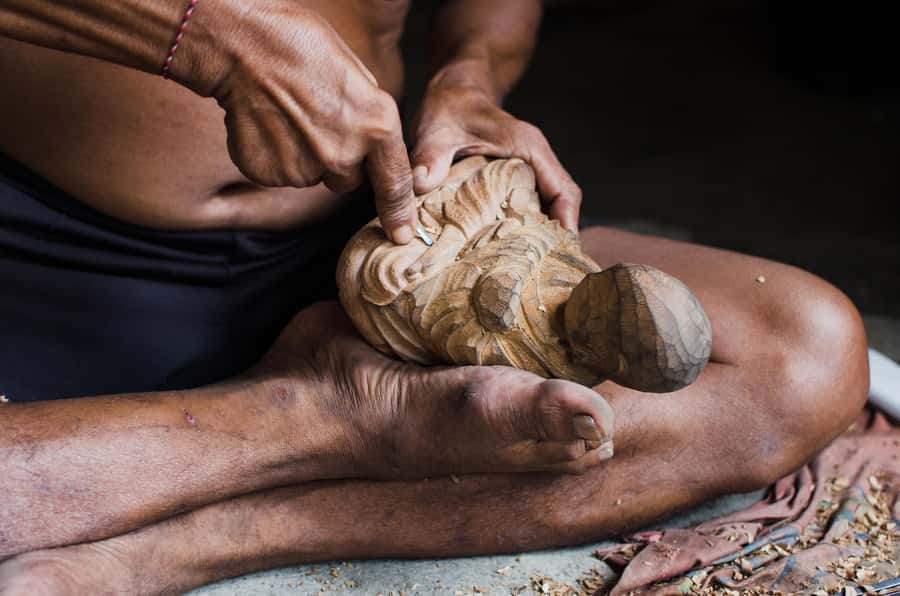
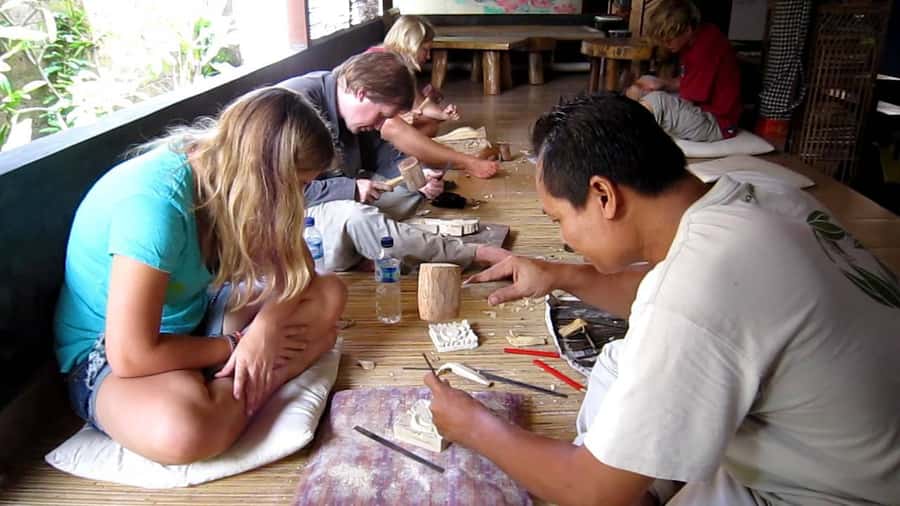
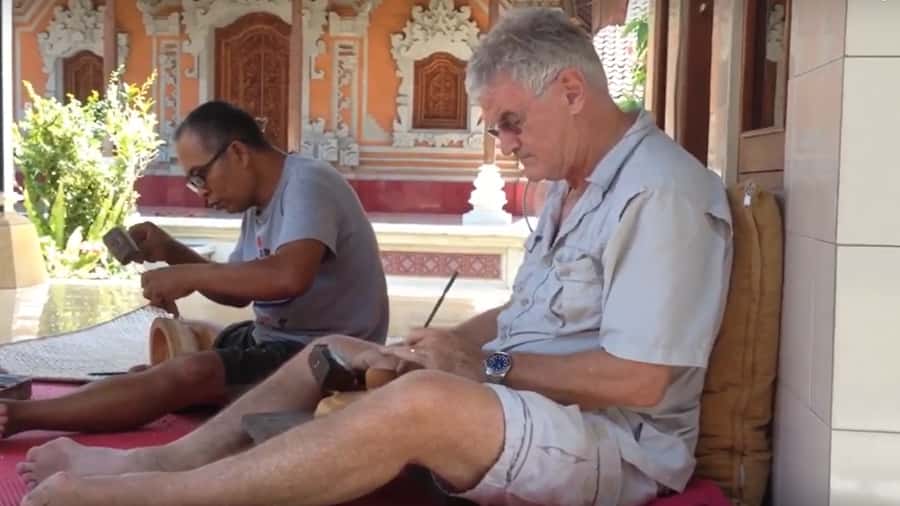
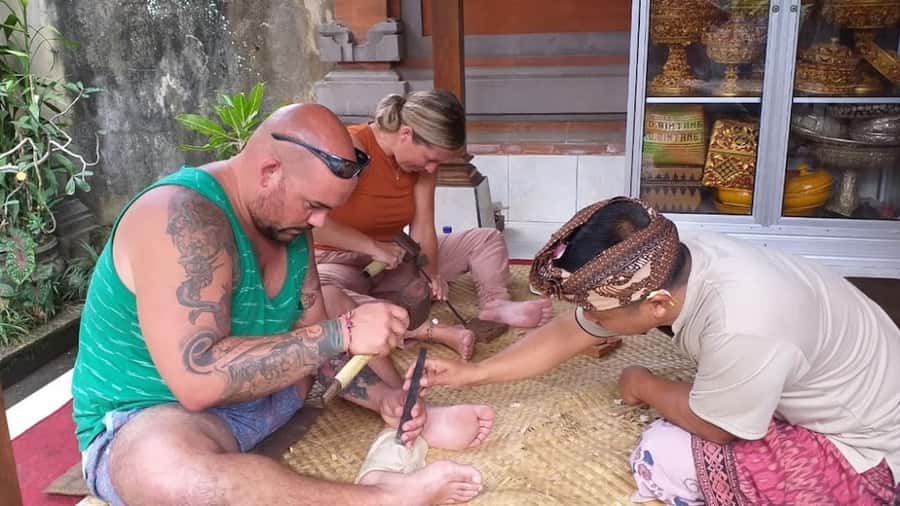
Then you carve with the tools and materials provided. You’ll learn how to shape and detail your design under guidance, which means you’re not stuck guessing. The goal is to produce a finished piece you can take home as a keepsake—something personal, because it came from your own hands.
And yes, you should treat this as a real workshop: concentration helps. It isn’t about speed. It’s about learning control. Even with beginner-friendly guidance, you’ll be doing careful work, and your success comes from following the instructor’s steps and taking your time.
What you take home: a souvenir with your fingerprints
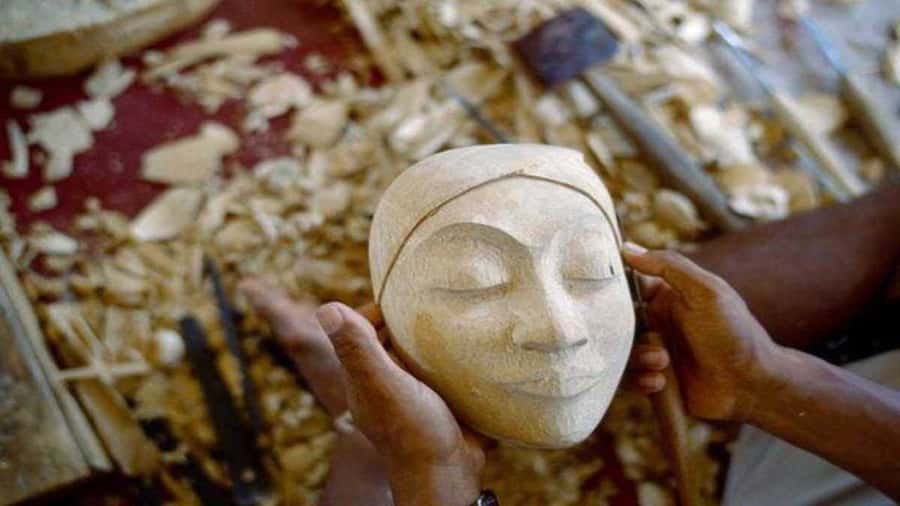
This part is the payoff. Your finished carving is something unique, created by you, not just purchased and wrapped in a box. The experience is designed so you can bring your creation home as a personalized souvenir that you can’t just grab in a market.
That matters in Bali. If you’re spending money anyway, you might as well spend it on something that carries a story. A carving you made yourself becomes part of your trip memory, not just a decorative item that ends up in a drawer.
If you’re nervous about packing, don’t assume it will be fragile forever. Still, treat it like anything handmade: carry it carefully, protect it from bumps, and don’t leave it loose in a bag where it can get knocked around.






Tegallalang Rice Terrace and the Subak story (why the views feel different)
After the workshop, you head to Tegallalang Rice Terrace. This is the Ubud stop everyone recognizes, and it’s also the stop where your photos will actually look like photos from postcards. The terraces create that layered rhythm that makes even a short walk feel cinematic.
What’s more interesting is the added context: you’ll hear the story of Subak irrigation. Subak is the traditional community irrigation system, and understanding it makes the terraces feel more like living agriculture than just a scenic backdrop.
In practical terms, the terrace stop is a chance to reset. Your hands have been busy. Now you get to look, walk, and take in the area at a slower pace. If you like getting your bearings and then photographing intentionally, this is a good rhythm.
One tip: if you’re sensitive to crowds or heat, early timing helps. In at least one full day route, the group visited Tegallalang early enough to avoid heavy tourist density, which made the morning feel calmer and easier for photos.
Ubud Center market walk: shopping without the headache
After Tegallalang, you’ll explore Ubud Center and visit a local market. This is a nice “between moments” stop. You can stretch your legs, browse small items, and get a feel for everyday Ubud life.
This market time pairs well with the carving portion. When you’ve just spent hours learning design ideas and wood choices, you notice things more. You might find yourself looking for craftsmanship details—how sellers display items, how textures are finished, and how designs compare.
Keep your shopping practical. Bring what you can carry easily, and don’t let shopping swallow your whole time. The day is structured, so leave room for the transport back to your accommodation.
Optional coffee tasting stop: a tasty add-on if it’s on your schedule
Some routes include a coffee plantation stop where you can taste different coffees and buy them if you want. That kind of tasting can be a fun closer to the day, especially if you like sampling flavors rather than doing another monument-style stop.
But don’t assume it’s guaranteed on every run. The only reliable certainty is the carving workshop, Tegallalang Rice Terrace, and the Ubud market portion included in the overall experience plan.
Price and value: why $59 can make sense

At $59 per person for about 6 hours, the price can feel reasonable when you look at what’s included. You get hotel pickup and drop-off, return transfers, entry fees, and the carving tools and materials. That’s a lot of “hidden costs” bundled in, especially on Bali where transport and admissions add up fast.
You’re also paying for instruction. A carving workshop is not just a photo-op. Someone is guiding your work, explaining wood types, and helping you get from a block of wood to a finished keepsake.
The one item to plan around is lunch. Lunch is not included, so you may want to either eat before pickup, bring a snack of your own if you’re prone to getting hungry, or budget time to buy something after. The day already includes a welcome snack, but that’s not the same as a full meal.
If you’re comparing this to the classic “see a temple, see a waterfall, buy a magnet” tours, the value is in the hands-on component. You get an artifact that you made, plus the scenic stops that make the day feel complete.
Who this fits best (and who should skip it)
This experience is a strong match if you want an authentic craft activity in Ubud and you like bringing home something personal. Beginners are welcome, and the English-speaking host plus audio guide help you feel grounded throughout the day.
It’s also good for couples or friends who want shared downtime. One of you can carve, the other can focus on learning the design explanations, and then both of you can enjoy the terrace and market afterward.
Skip it if you want a totally passive day. You’ll be working with tools and concentrating through the workshop, so it’s not built for travelers who want to mostly sit and watch.
Quick tips so your day goes smoothly
Here’s how to make the workshop part easier and the rest of the day less stressful:
- Bring a camera for Tegallalang and to capture the carving process and finished result.
- Pack sunscreen. Ubud sun can be strong, and terrace time usually means open air.
- Have some cash available for market browsing and any extra purchases.
- Wear comfortable clothes for carving. You’ll want flexibility for leaning and handling tools safely.
- Be ready on pickup timing. Wait in the lobby about 10 minutes early, and don’t disappear right at pickup time.
If you’re concerned about carrying your carving, plan ahead: bring a bag that can protect it from knocks and keep it handled carefully during transfers.
Should you book this Ubud wood carving class?
Book it if you want a Bali souvenir with real meaning. For the price, the combination of a guided beginner workshop, included tools and materials, pickup/drop-off, and the Tegallalang Rice Terrace plus market time is a solid value.
Don’t book it if your top priority is a relaxed sightseeing day. This is a hands-on class first, with scenery as the second act.
If you’re deciding between craft and pure sightseeing, choose craft when you want something you’ll keep. Choose sightseeing when you want to spend the whole day moving at a casual pace with zero tool time.
FAQ
How long is the wood carving class in Ubud?
The duration is listed as 6 hours. You’ll need to check availability to see the starting times.
Is hotel pickup and drop-off included?
Yes. Pickup is available from accommodations in the south Bali area, including Ubud and several nearby towns. Return transfers are included.
Do I need any previous wood carving experience?
No experience is needed. The activity is described as appropriate for beginners, with an instructor guiding you step-by-step.
What’s included in the price?
Included items are welcome drink, snacks, carving tools and materials, return transfers, and entry fees. An English host/greeter and an English audio guide are included.
What is not included?
Lunch is not included.
What should I bring with me?
Bring a camera, sunscreen, and cash. You’ll also want to be ready for pickup by waiting in your hotel lobby about 10 minutes before the scheduled time.