Mantas feel close enough to touch. What makes this day so special is the chance to get Manta Point on your schedule and the way the operator keeps the group tight for certified divers. I also like that you get full small-group structure plus food and gear handled for you. One consideration: the speedboat ride and the open-water timing mean you need to plan for choppy seas and longer surface intervals.
You’ll start in Sanur with gear fitting and a briefing, then head to Nusa Penida for 2 or 3 underwater sessions depending on conditions. If you want the later return time, aim for the 3-session option since it’s the most popular.
Key things to know before you go
- Manta Point is a scheduled stop for certified divers who want manta rays near Bali
- Tight ratio: up to 3 certified divers per guide, and a max of 15 travelers total
- Timing matters: 2 sessions often means about a 2PM return; 3 sessions is typically about 4PM
- Long sea day setup: 45 minutes by speedboat plus 45–60 minute surface intervals
- Meals included: morning tea, snacks, lunch, bottled water, and towels
- Real operator comfort: gear is set up properly with height, weight, and shoe-size details required
In This Review
- Manta Point From Sanur: What This Day Really Looks Like
- Certification Rules That Actually Affect Your Day
- Price and Value: Is $175 Worth It?
- Getting There: Sanur Hotel Pickup and the Speedboat Reality
- Stop-by-Stop: What You’ll Do Between Sanur and Manta Point
- Neptune Scuba Diving in Sanur: Gear Fit and Briefing Mode
- The Nusa Penida Water Route: Travel Time and Surface Intervals
- Kelingking Beach Area: A Scenic Pause
- Manta Point: The Main Event for Ocean Sunfish and Mantas
- Crystal Bay: Reef Time and Marine Life
- How the Underwater Sessions Feel With a Small Ratio
- Food, Towels, and Little Touches That Add Up
- Equipment and Camera Stuff: What You Should Plan
- Who This Works Best For
- The Main Tradeoffs to Consider Before Booking
- Should You Book Manta Point With Neptune?
- FAQ
- Do I need certification to join?
- How long is the experience, and when do we return?
- Can I choose between 2 and 3 sessions?
- How small are the groups?
- What’s included in the price?
- Is there an extra conservation fee?
- Is free cancellation available?
Manta Point From Sanur: What This Day Really Looks Like
This is one of those Bali-area scuba-style outings where the big draw is obvious: Nusa Penida, and specifically Manta Point. But the real value isn’t only the wildlife. It’s the whole machine around it—transport, check-in, tight group sizing for your level, and long-but-managed time on the water.
The day typically starts with a pickup in the Sanur, Kuta, or Seminyak area, then a transfer to Neptune Scuba Diving in Sanur for final prep. You’ll do equipment fitting and checking, plus a briefing and, when needed, a pool refresher so your body and skills feel normal again before you head out. Then you’re off to Nusa Penida by speedboat.
Expect a full schedule and a lot of time outside the water. The total duration is listed at about 6 hours, but the pacing is built around getting you to the right sites and back at the correct time—usually either around 2PM for 2 underwater sessions or around 4PM for 3.
Certification Rules That Actually Affect Your Day
This trip is specifically built for certified scuba divers, with a minimum Open Water Diver certification required. That matters because it changes how the staff plans the day. Instead of teaching basics from scratch, the operator can focus on site selection, guide-to-diver matching, and keeping your experience safe and smooth.
In practice, you’ll want to book only if you’re comfortable with:
- using your certification level and air consumption safely
- following a guide closely during the underwater portion
- doing your surface intervals on schedule
If you haven’t dived in a long time, the operator may schedule a pool refresher or a similar warm-up session before you go out. A warm-up is also a confidence booster. One review specifically called out a pool session before heading to the sites, and the overall feeling was that the day never felt rushed or unsafe.
Health-wise, this isn’t for everyone. It’s not recommended if you have active asthma or if you’ve had recent surgeries or you’re on special medication. If any of that applies to you, get a medical okay first.
You can also read our reviews of more tours and experiences in Kuta.

Price and Value: Is $175 Worth It?
At $175 per person, the cost isn’t just paying for boat time and a tank. The package includes hotel pickup and drop-off in select areas, a boat charter, snacks and lunch, towels, bottled water, scuba equipment, and scuba diving insurance.
It also includes the kind of operational details that quietly affect how good the day feels:
- a professional guide
- equipment set up with specific rider measurements (height, weight, shoe size)
- a planned structure for 2 or 3 underwater sessions
- speedboat transport from Sanur to Nusa Penida and back
One practical point: there’s also a conservation fee not included, listed at 100,000 IDR per person. That’s the type of small extra you don’t want to forget. Still, when you add it all up, the package is positioned as a full-day service rather than a bare-bones rental.
If you’re deciding between doing this organized or trying to DIY with a random boat, the organized value is the key word here: you’re buying a schedule and a safety system that’s built for certified divers.
Getting There: Sanur Hotel Pickup and the Speedboat Reality
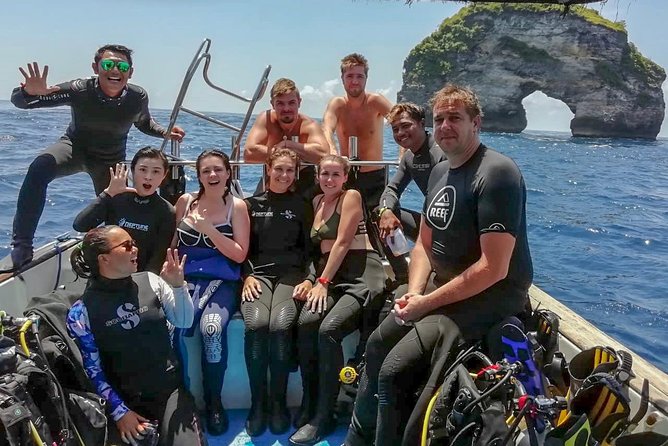
The logistics start early. Departure from the Sanur dive center is scheduled roughly for 8:30AM to 9AM. That’s early enough to beat some of the crowds and get you into the right rhythm for the dive sites.
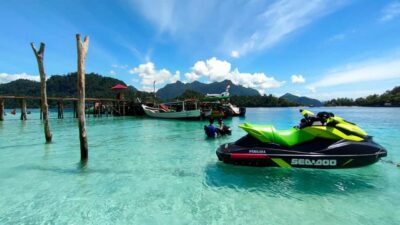
Then comes the speedboat ride. You’ll spend about 45 minutes each way from Sanur to Nusa Penida. The day also includes longer periods on the water and planned surface intervals of 45–60 minutes.
If you’re prone to motion sickness, plan ahead. Some past participants noted the operator offers sea-sickness tablets early in the day, and they also recommended using them because the boat ride can get choppy. You can also ask in advance what they provide, but the best move is simply to come ready.
One small drawback did show up in feedback: at least one person described fumes filling the cabin on the boat and flagged some boats as older. That’s not consistent across all experiences, but it is a reminder to keep an eye out for ventilation and discomfort. If you’re sensitive, bring your own comfort tools too, like anti-nausea medication approved for you.
Stop-by-Stop: What You’ll Do Between Sanur and Manta Point
This is where the day earns its reputation. The route isn’t random. Each stop fits into the plan: prep first, then travel, then underwater time at multiple sites.
Neptune Scuba Diving in Sanur: Gear Fit and Briefing Mode
Before you head to the coast, you’ll go through equipment fitting and checks. The operator requires you to provide height, weight, and shoe size for equipment setup. That isn’t busywork. It’s how you avoid gear that pinches, shifts, or fails to fit properly once you’re in the water.
You’ll also get a daily briefing and possibly a pool refresher session if you need it. If you haven’t been underwater recently, I consider this the smart part of the day. You get to get your bearings in a controlled environment before the open-water conditions start.
Neptune’s dive center gets called out as clean and well organized in feedback. One person also praised the underwater training space, including visibility through the side of the pool.


The Nusa Penida Water Route: Travel Time and Surface Intervals
Once you arrive, you’re on a speedboat and you’ll be spending lots of time on it. That can be tiring, but it’s the trade for reaching the best underwater sites near Bali.
Between underwater sessions, you’ll follow surface intervals scheduled at about 45–60 minutes. That’s long enough to rehydrate, change tanks if needed, and keep everyone aligned for the next planned session. For many certified divers, those surface intervals are where you can feel your energy level and manage your comfort.
Kelingking Beach Area: A Scenic Pause
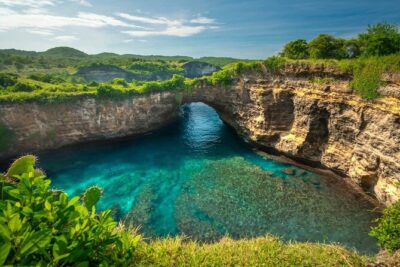
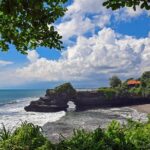
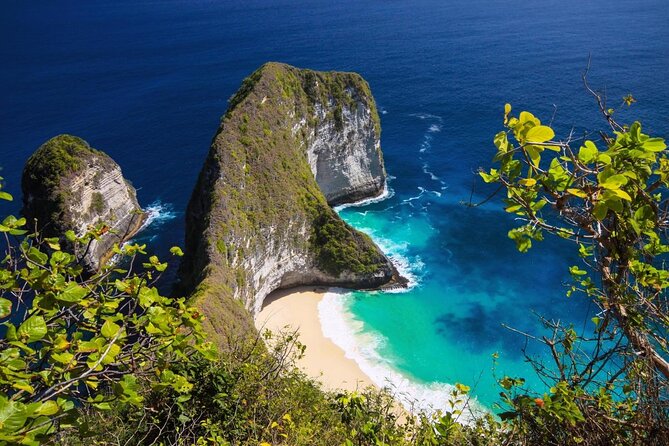
The schedule lists Kelingking Beach as a stop. Practically, this is often a land-based break during the long day, likely used for transit planning and timing between sites. If you enjoy quick scenery moments, this is part of why the day feels like more than just an underwater checklist.
Even if you’re focused on the wildlife, the landscape makes waiting for your next session feel less wasted.
Manta Point: The Main Event for Ocean Sunfish and Mantas
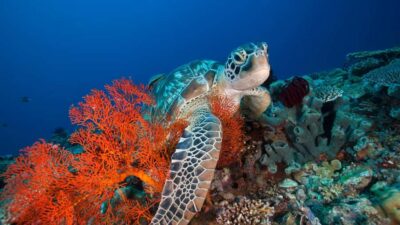
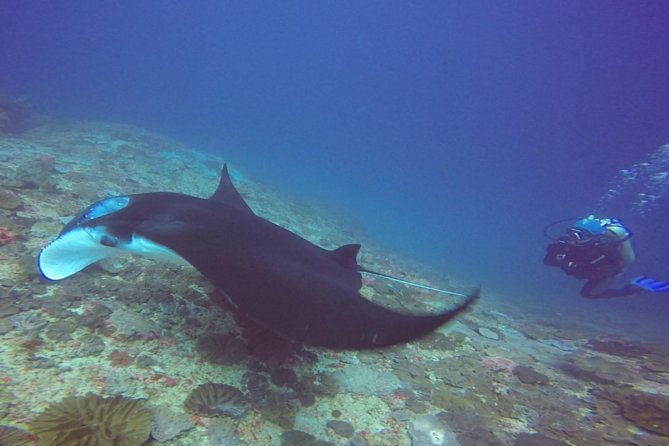
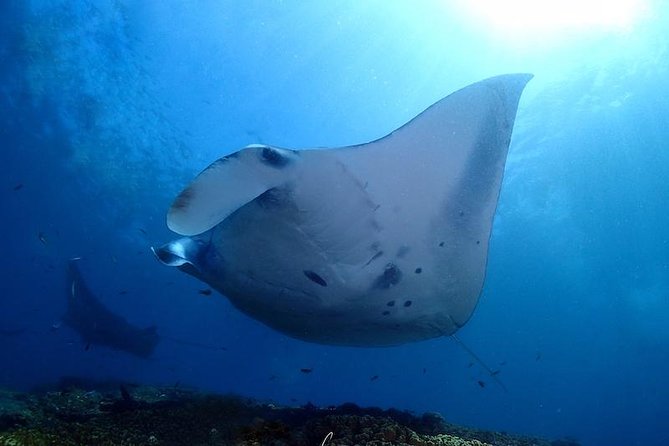
Now we get to the reason many people book this in the first place. Manta Point is the star. The operator specifically markets this outing for seeing manta rays, and feedback backs up that mantas can show in big numbers.
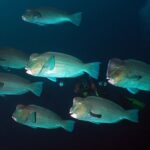
Some participants described manta rays as massive and close, even seeing multiple rays at once. One review called out a day with 10+ manta rays at the same time. Another highlighted humongous mantas up close. That’s the difference between a normal reef encounter and a true bucket-list day.
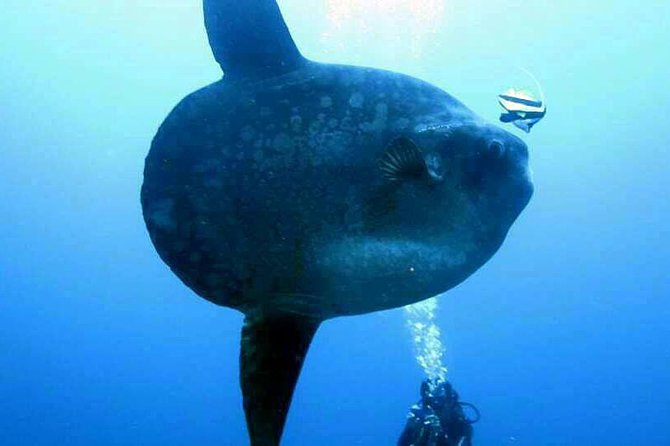
This is also where you might see other pelagic life depending on conditions. The package marketing includes ocean sunfish as a target species, and at least one review mentioned seeing a mola mola. But remember: wildlife sightings are never guaranteed. Still, the point of booking Manta Point is that the odds are strong enough to be worth the whole trip.
Crystal Bay: Reef Time and Marine Life
After manta-focused time, the schedule includes Crystal Bay. This is often where the underwater experience shifts from pelagic spectacle to reef life—coral, fish schools, and variety.
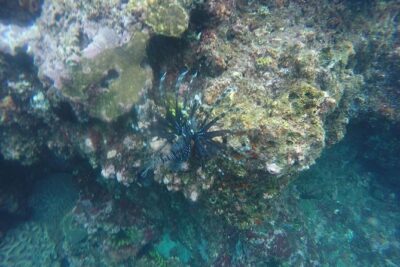
Feedback mentions beautiful coral and schools of fish here. It’s a great balance to the day because it gives you something to look at besides only large animals swimming past. If you enjoy having both big-moment and detail-moment underwater time, this stop helps deliver that.
How the Underwater Sessions Feel With a Small Ratio
The operator sets groups for up to 3 certified divers of equal experience to 1 guide. That ratio matters a lot. It typically means less waiting, better attention, and more time spent actually looking, instead of chasing.
It also helps with safety and air management. Bottom times are scheduled for about 45–60 minutes depending on your air consumption. If you’re an experienced diver, you’ll recognize that air planning is a skill, but the structured schedule helps you stay within the plan without feeling pressured.
On coaching: people praised their scuba instructors by name. Names that came up include Gede, Jaya, Agus, Noé, Mulee, and Rei. Across feedback, the repeated theme was clear instruction, calm safety, and guides making sure divers felt comfortable and confident.
Food, Towels, and Little Touches That Add Up
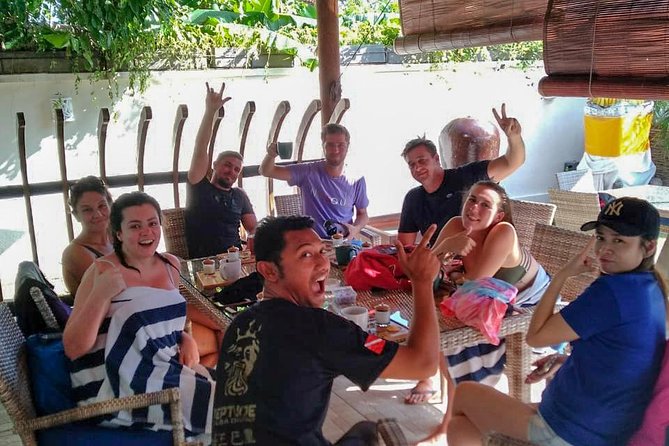
When a day includes travel, sun, and surface time, food and small comforts are not minor details. They’re what keep you from feeling wrecked before the last underwater session.
This package includes:
- morning tea
- snacks
- lunch
- towels
- bottled water
Past participants also mentioned things like coconut water between sessions, fruit plates to help with salt-mouth feel, and lunch described as green rice and egg. Vegetarian option is available if you request it during booking.
These details help you refuel properly while you’re waiting for your next planned water time.
Equipment and Camera Stuff: What You Should Plan
The package includes use of scuba equipment, and that’s a big deal if you don’t want to carry your gear from home. Also, requiring your height, weight, and shoe size is a strong sign they’ll fit you properly.
If you want footage, you should ask about options. Reviews mention GoPro rental for about $35 USD, plus guides filming and sharing footage after the day. That’s the kind of add-on that’s worth considering if you don’t have an underwater camera setup.
One note: extra items like dive computers, 15L tanks, extra wetsuits, and hoodies are listed as not included. If you have specific comfort gear needs, pack ahead or ask during booking.
Who This Works Best For
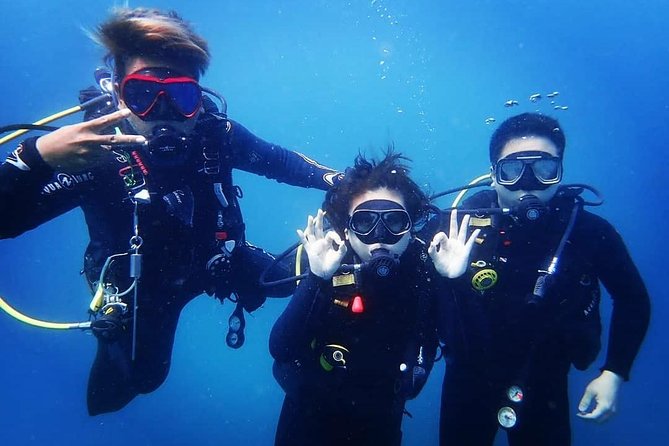
This is best for certified divers who want a planned, high-probability manta-focused day without handling the full logistics themselves.
It’s a good fit if:
- you’re comfortable with the schedule and surface intervals
- you want small-group attention
- you want a full-service day with pickup, meals, towels, and gear
It’s not the best fit if:
- you want a beginner-friendly experience (this requires certification)
- you have asthma issues or recent surgery concerns
- you get motion sick and can’t take precautions
If you’re booking from Bali and want one standout water day rather than multiple shorter trips, this fits that goal well.
The Main Tradeoffs to Consider Before Booking
Here are the honest tradeoffs you should weigh:
1) The sea day is long
Even though the labeled duration is about 6 hours, you’ll spend substantial time on the speedboat and doing surface intervals.
2) You’re tied to the schedule
You’re doing 2 or 3 underwater sessions. The return time changes. The 3-session option is the most popular, and the operator notes that if you choose 2, you might need an upgrade if early scheduling doesn’t work. If you’re on a tight itinerary back in Bali, that matters.
3) Wildlife is amazing, but not guaranteed
Manta rays are the target, and ocean sunfish are part of the marketing. Yet sightings depend on real conditions that day, including tide and water flow.
Should You Book Manta Point With Neptune?
I think you should book this outing if manta rays are your priority and you’re a certified diver who values structure. The small ratio, the included meals and gear, and the focus on Manta Point and Crystal Bay add up to a day that feels built for the experience—not just the checklist.
Skip it or reconsider if you’re sensitive to boat movement, have health limitations related to scuba safety, or if you’re expecting a casual learn-on-the-fly day. This is for certified divers who want a serious, well-run ocean session near Bali.
If you’re trying to decide between a random operator and a full packaged day, the package here is strong: pickup, equipment, guide ratio, and meals are all part of the service. Add the manta odds at Manta Point, and it’s easy to see why the rating is so high.
FAQ
Do I need certification to join?
Yes. The minimum requirement is Open Water Diver certification. This outing is designed specifically for certified scuba divers.
How long is the experience, and when do we return?
The duration is listed at about 6 hours. Departure from the Sanur dive center is scheduled around 8:30AM–9AM, with return around 2PM after 2 underwater sessions or around 4PM after 3 sessions.
Can I choose between 2 and 3 sessions?
Yes. Two sessions are available, and three sessions are the most popular choice. If you choose 2 sessions, the operator notes that scheduling two with an early return at 2PM is not always possible, and an upgrade to 3 sessions may be needed.
How small are the groups?
Groups are set for a maximum of 3 certified divers per 1 guide. The overall tour has a maximum of 15 travelers.
What’s included in the price?
Included are hotel pickup and drop-off in select areas, scuba equipment, a professional guide, morning tea, snacks, lunch, towels, bottled water, scuba diving insurance, and boat charter. All taxes and handling charges are included too.
Is there an extra conservation fee?
Yes. There is a conservation fee listed at 100,000 IDR per person, and it is not included.
Is free cancellation available?
Yes. You can cancel for a full refund if you cancel up to 24 hours in advance of the experience’s start time. If the experience is canceled due to poor weather, you’ll be offered a different date or a full refund.