Forget Bali crowds; walk Sidemen for real. This 2-hour trek starts at the Sidemen market and moves out toward rice terraces with views of Mount Agung in the distance, plus real explanations of how the local Subak irrigation system works. I also love how the route feels practical and human-scaled, not staged.
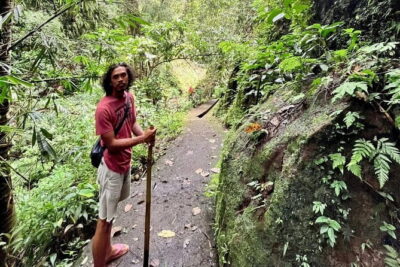
I love the up-close look at daily farming—people plowing, cultivating, planting, and harvesting as you pass through villages and fields. One drawback: the paths can be narrow and slippery at times, so you’ll want proper grip and a calm pace, especially if it’s wet.
In This Review
- Key highlights worth your time
- Why Sidemen feels different from the usual Bali loop
- The big value: $13 for a guide, water, and a real route
- Meeting point at Pasar Sidemen: get your bearings fast
- The walk begins: market stop, quick bites, then out to the rice fields
- Jembatan Kuning (Yellow Bridge): a small adventure moment
- Dukuh village: slow down, watch daily life
- Babakan Dukuh Rice Terrace: the long viewpoint stretch
- The irrigation story: follow the water, understand the farming rhythm
- Finish at Warung Ume Anyar (Ogang Village): plan your ride
- What to bring so the trek stays comfortable
- Who should book this Sidemen trek?
- How the small-group format changes the experience
- Guides make the difference: names you might meet
- Should you book Sidemen Trekking?
- FAQ
- How long is the Sidemen trekking tour?
- How much does it cost?
- Where do I meet the guide?
- Where does the trek finish?
- What’s included in the price?
- What should I wear or bring?
- Is it suitable for young kids or older adults?
- Can I cancel and get a refund?
Key highlights worth your time
- One-way route with varied plantations and scenery, so you won’t feel like you’re retracing steps
- Market start and village walk gives context before you hit the rice terraces
- Jembatan Kuning (Yellow Bridge) makes a great photo stop and adds adventure energy
- Subak irrigation lessons you can see while you walk, not just hear
- Small group size (max 10) keeps the pace relaxed and photo stops easy
Why Sidemen feels different from the usual Bali loop
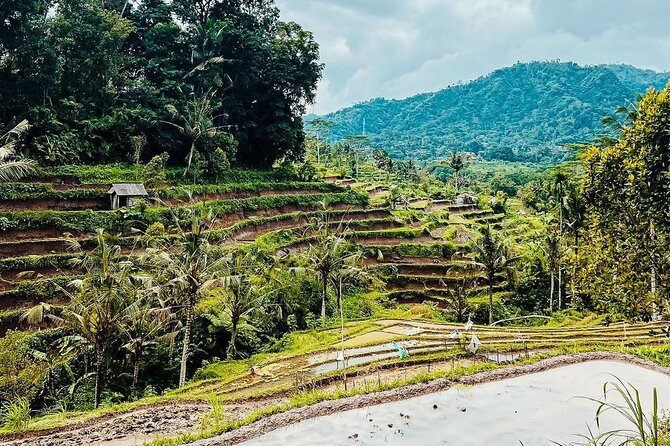
Sidemen is the Bali you go to when you’re tired of scooters, shopping streets, and the same photo angles repeated around the island. On this trek, you start in a working traditional market and then move out into working farmland, so the day has a natural rhythm: people buying, sellers chatting, then farmers doing their jobs. That flow matters. It makes the rice terraces feel like part of a living system, not a set piece.
What I like most is the contrast: Sidemen has “easy to photograph” views, but it also has real, everyday details—small gardens, irrigation channels, and local temples you pass on the way. You’re not just looking down at terraces; you’re walking through the patchwork of fields and homes that surround them.
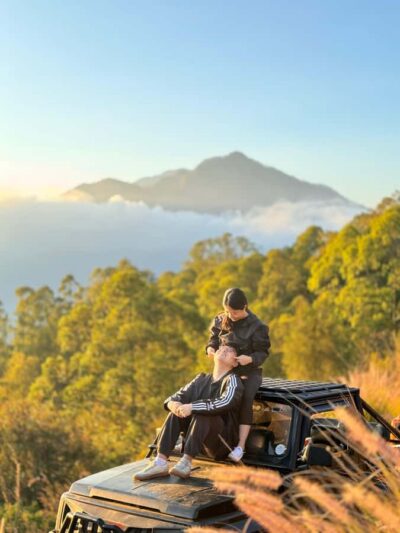
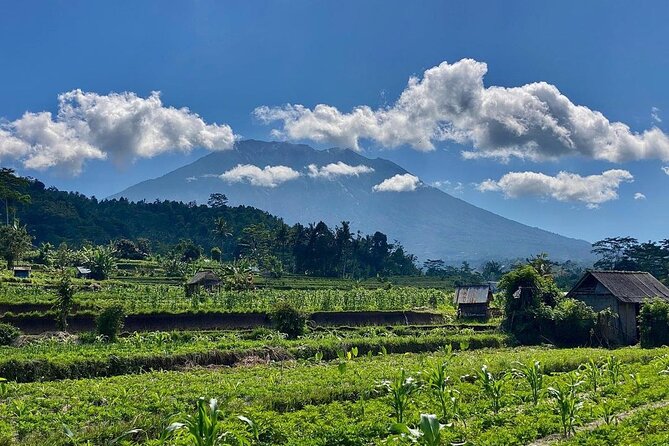
And yes, the views over the valley can be impressive, especially when you catch a clear line toward Mount Agung. Several guides (like Komang and Adidas in the feedback) are proud locals, and they tend to explain what you’re seeing in plain terms. You’ll get more than pretty scenery.
You can also read our reviews of more tours and experiences in Sidemen Village.
The big value: $13 for a guide, water, and a real route
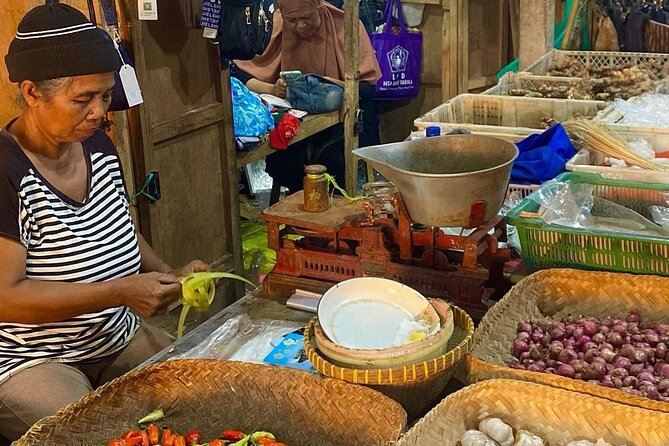
For about $13 per person, you’re getting a live English guide and bottled water included, with a duration that’s long enough to feel like an outing but short enough to fit into a busy Bali schedule. That price hits well because the “product” isn’t a single lookout—it’s a guided one-way walk through market, villages, rice paddies, and irrigation features.
The trade-off is what’s not included: you’ll need your own transport to the meeting point and from the finish point. If you’re planning carefully, that’s no big deal. If you’re hoping someone will pick you up from your hotel, you’ll need to make peace with DIY logistics or arrange it through your hotel.
Bottom line: you’re paying for local navigation and context. In places like Sidemen, that’s the difference between guessing where to walk and taking a route that actually connects farms, paths, and viewpoints.
Meeting point at Pasar Sidemen: get your bearings fast
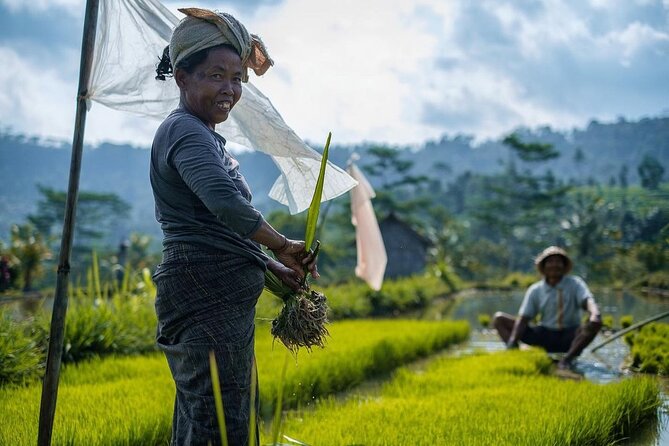
You’ll meet at Pasar Sidemen (the Sidemen Traditional Market) on the main street. Look for the shop sign “Upa Boga.” The walk also lines up with a starting storefront area called Toko Upa Boga Pertenunan, so if you see that nearby, you’re in the right zone.
This matters because the trek is one-way. You’re not going to circle back to where you started, so getting to the correct start point is part of the experience. If you’re staying in Sidemen, arrange transport with your hotel. Grab is a bit tricky here: hotels in Sidemen may not allow Grab drivers to pick up from the hotel (drop-off only). Plan for that and you’ll save time and frustration.
Tip that can help: if you want to check the market before the trek, Pasar Sidemen is open 5:00 AM to 10:00 AM. If you’re doing the later session, you may not catch that extra market browsing.
The walk begins: market stop, quick bites, then out to the rice fields
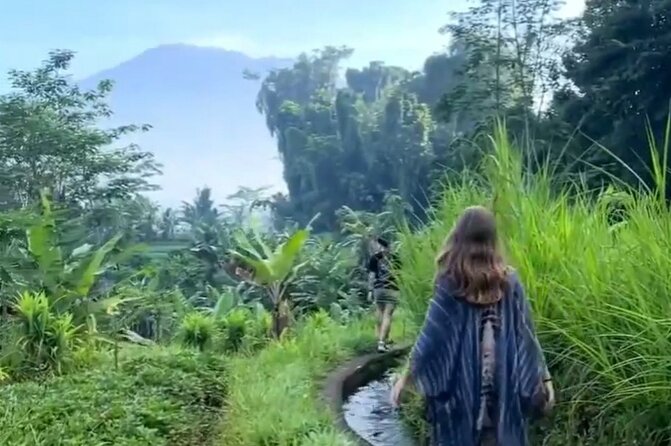
Early on, you’ll hit the market area for about 10 minutes. It’s short, but it’s a good warm-up. You get to see how locals shop and move through the space before you start walking through quieter farmland.
Then the trek shifts into a longer stretch (about 35 minutes) that’s focused on a photo stop and scenic walking. This is where you feel the “different perspective” idea most clearly. Instead of snapping one viewpoint and leaving, you’re learning the layout of the area as you move—paths, water flow, and how plantations are mixed in close proximity.
Expect some up-and-down on village streets while you transition toward the agricultural zone. That’s normal here. You’re walking through real community corridors, not a prepared trail that always stays flat.
Jembatan Kuning (Yellow Bridge): a small adventure moment
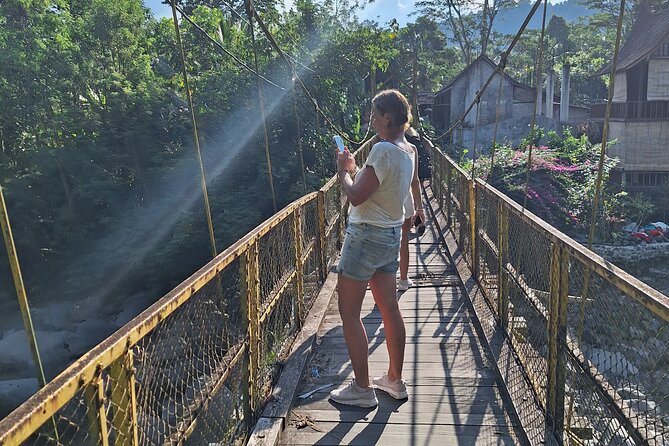
At around the mid-point, you’ll reach Jembatan Kuning Tukad Yeh Unda, the Yellow Bridge. You stop for about 10 minutes—enough time to take pictures and cross, if you’re comfortable doing so.
Why this matters: the bridge isn’t just a scenic prop. The route description notes it’s fit for motorbikes and humans, which hints at how practical and active the area is. You’re not walking through some empty “photo-only” corner. This is connected land.
One practical note from the ground reality: the trails around bridges and irrigation zones can feel a bit slick in wet conditions. If you can, wear shoes with good grip and keep your pace steady. You’ll enjoy the crossing more that way.

Dukuh village: slow down, watch daily life
Next comes Dukuh village (about 25 minutes), where you’ll visit and walk past local areas. This is one of the best parts of the trek because it breaks the “rice-field-only” expectation. You’re seeing how farming connects to home life—temples, small routines, and the way people move through their day.
You’ll likely pass a temple used for local praying. That kind of detail is easy to miss if you’re walking alone, and it gives your photos and viewpoints more meaning. It’s also a reminder that this area isn’t designed for tourists; it’s designed for living.
This village segment tends to be where guides add their best stories. Guides like Wayan, Komang, and Daria are described as using firsthand local context, from crop choices to the feel of the Subak system. Even if you’ve visited Ubud rice terraces, this part helps you understand that Sidemen’s texture is different.
Babakan Dukuh Rice Terrace: the long viewpoint stretch
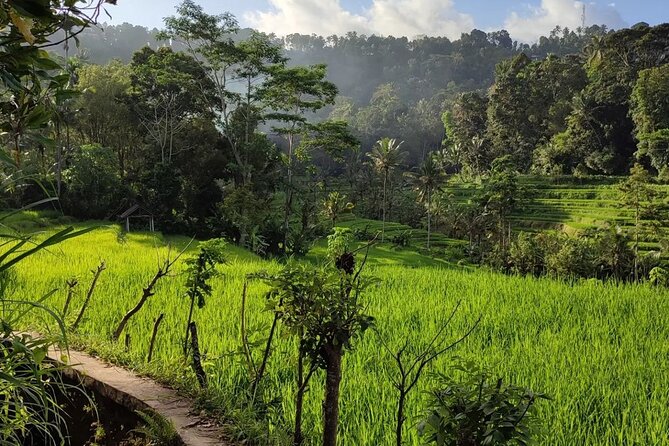
The biggest scenery block comes near Babakan Dukuh Rice Terrace (about 45 minutes). Expect a photo stop, sightseeing, and a longer walk through the terraced area and viewpoints.
This is the stage where you should slow down and actually look at the fields. The point isn’t just that the terraces are pretty. It’s that you can see how plantations mix—rice alongside other crops in ways that reflect daily needs and local farming choices. In feedback, people consistently mention that Sidemen feels less touristic than some other rice areas, and that’s a big part of why the experience feels calm rather than rushed.
Another detail you’ll hear about as you move: Bali’s Subak tradition—the community water management approach. The route notes you’ll learn about the irrigation system as you pass Subak of Ogang. That means you’re watching the water system as it relates to farming, not just being handed a lecture.
Potential drawback here: the rice terrace paths can be narrow, and some sections may be slippery. Several people recommend non-slip shoes, and a few mention bringing a rain layer if weather turns wet.
The irrigation story: follow the water, understand the farming rhythm
One of the smartest parts of this trekking route is that it’s built around the water system. The trek direction follows toward Mount Agung and uses the irrigation paths that connect where water comes from. That’s why it feels like you’re learning while walking.
In practical terms, it means you can connect what you see (channels, water flow, fields) to what guides explain (how farmers coordinate watering and planting). The Subak system isn’t abstract when you can point to where the water is moving.
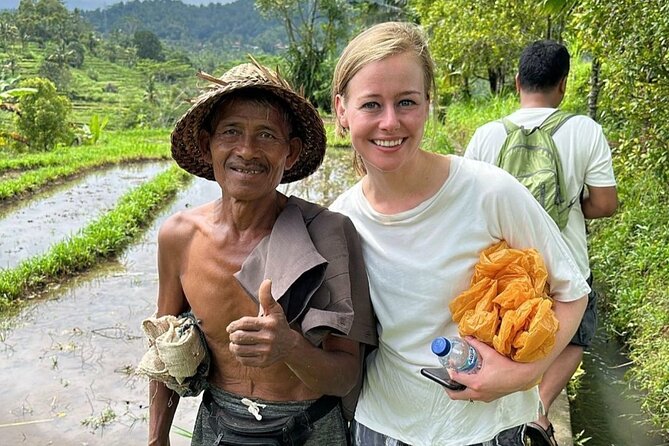
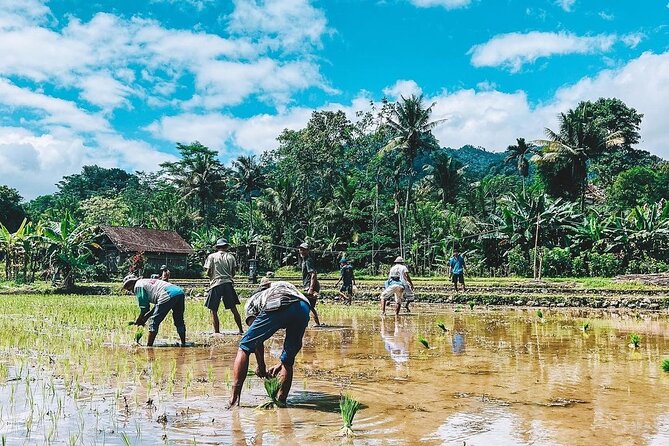
This is also where the daily work comes into focus. As you walk, you may see people working their fields: plowing, cultivating, planting seeds, and harvesting. Even if you catch just a portion of a process, the overall rhythm becomes clear quickly. It’s one of the reasons the trek is often described as authentic and grounded.
Finish at Warung Ume Anyar (Ogang Village): plan your ride
After the final terrace and village sections, the trek ends at Warung Ume Anyar Restaurant in Ogang Village. You should plan a pickup or transport around 2 to 2.5 hours after the trek starts, since the full walk time is roughly 2 hours.
If you’re relying on a friend with a car or a driver, this is straightforward: pick-up time at the finish point. If you want flexibility, arrange your transport in advance. That reduces the chance of standing around in the heat with your shoes still muddy.
There’s also an optional walk-back route along the main road of about 3 km (30–40 minutes), if you truly need it. But if your goal is an easy, enjoyable end to the trek, having transport ready is the better call.
What to bring so the trek stays comfortable
Even though it’s only 2 hours, you’ll be outdoors on uneven paths. Bring the essentials and you’ll enjoy it more.
- Sunglasses and hat for sun protection
- Sunscreen (Sidemen sun can be intense)
- Hiking shoes or sports shoes with good grip
- Optional but smart: a rain layer (some people mentioned rain during their walk)
- Consider long pants if you’re sensitive to grass or insects (a couple of people noted insects and red ants)
And please don’t show up in sandals or flip-flops. That’s not about rules for the sake of rules; it’s about traction and foot safety on narrow, sometimes slippery sections.
Who should book this Sidemen trek?
This trek fits best if you want a guided walk that focuses on rice terraces plus the living culture around them. If you like seeing how people work and want context for what you’re photographing, you’ll likely love it.
It’s not suitable for everyone. It’s listed as not suitable for:
- children under 5
- pregnant women
- people with heart problems
- people over 60
- people with low level of fitness
Also keep in mind that the route is one-way. If you’re the type who hates being “committed” to a direction, plan your transport so you don’t end up stressed at the finish point.
How the small-group format changes the experience
The group size is limited to 10 participants, and that affects your whole experience. Smaller groups mean fewer delays at stops, more room to take photos without everyone stacking in the same spot, and a pace that can stay calm.
In feedback, people frequently mentioned that guides keep a low, pleasant pace while still hitting the key points. If you want photos, several guides are praised for taking pictures of participants and helping at the best viewpoints.
English is available for the live guide, which is a big plus if you want the farming and irrigation explanations without guesswork.
Guides make the difference: names you might meet
Guides are a major part of why people rate this trek so highly. You might meet locals and instructors such as Wayan, Komang, Daria, Adidas, Adi, or Gede. The consistent theme: they tend to explain rice farming and local culture in a way that feels practical—how the fields work, why crops are grown, and how the community water system supports it.
Some guides are also described as funny and good at keeping the mood light. That matters on a trek with narrow paths, because when you’re relaxed, you walk better.
If you’re hoping for a “walk with facts,” this is one of the better formats on Bali because the information connects directly to what you’re standing beside.
Should you book Sidemen Trekking?
If you want something more real than a quick rice terrace viewpoint, I think you should book it. For $13 and a 2-hour time window, you’re getting a guided route that connects market life, village passages, rice terraces, and Subak irrigation—all in one continuous walk.
Book it if:
- you’re in Sidemen (or nearby) and want a morning or daytime activity with meaningful context
- you enjoy photography but also want to understand what you’re photographing
- you’re comfortable walking on uneven, sometimes slippery paths
Skip it (or choose a gentler option) if:
- you can’t handle narrow paths and uneven ground
- you need hotel pickup included
- you want to return to the start point the same way (this is a one-way route)
FAQ
How long is the Sidemen trekking tour?
The duration is 2 hours.
How much does it cost?
It’s listed at $13 per person.
Where do I meet the guide?
You meet at Pasar Sidemen (Sidemen Traditional Market) on the main street. Look for the shop with the sign Upa Boga.
Where does the trek finish?
The trek ends at Warung Ume Anyar Restaurant in Ogang Village.
What’s included in the price?
A guide and bottled water are included.
What should I wear or bring?
Bring sunglasses, a hat, sunscreen, hiking shoes or sports shoes. Avoid sandals or flip-flops.
Is it suitable for young kids or older adults?
No. It’s not suitable for children under 5, people over 60, pregnant women, people with heart problems, or people with low fitness.
Can I cancel and get a refund?
Yes, you can cancel up to 24 hours in advance for a full refund.