That 6:00 am start is the trade-off for seeing Nusa Penida’s clear water. This day tour strings together Crystal Bay, Gamat Bay, and manta-ray waters, then finishes with classic Uluwatu and Jimbaran.
I especially like how the schedule gives you two different snorkeling moods on Nusa Penida, not just one quick stop. And I like that you also get a full cultural and sunset section with Uluwatu Temple and the Kecak and Fire Dance, instead of spending the whole day at sea.
The main drawback to think about is simple: it’s a long day with travel time, including the Sanur crossing segment. If you hate being in transit for hours, this might feel like more endurance test than vacation.
In This Review
- Key things that make this tour tick
- From Kuta to Nusa Penida: the 6:00 am reality check
- Nusa Penida’s Manta Point: what you’re really signing up for
- Crystal Bay (Wall Point): clear water and a short, focused session
- Gamat Bay: the calmer, less crowded-feeling option
- Uluwatu Temple: timing, crowds, and what to look for
- Kecak and Fire Dance: the cultural moment right next door
- Jimbaran Bay seafood dinner: the payoff meal
- Price and value: what you’re paying for at $180.50
- Who this tour fits best (and who should skip it)
- Should you book Snorkeling In Nusa Penida And Uluwatu Sunset Tours?
- FAQ
- What time does the tour start?
- How long is the tour?
- Where do we snorkel on Nusa Penida?
- Is the tour admission included for the snorkeling stops?
- What cultural stops are included after snorkeling?
- Is pickup offered from Kuta?
- Is it only for my group or shared with others?
Key things that make this tour tick
- Clear-water snorkeling stops at Crystal Bay and Gamat Bay with included access
- Manta Point naming: built around the chance to see manta rays, plus other big ocean friends
- A full Uluwatu block (temple time plus Kecak and Fire Dance next door)
- Jimbaran seafood dinner as the payoff after the sea day
- Private-group tour format while still using the day’s boat setup described for manta waters
From Kuta to Nusa Penida: the 6:00 am reality check
This is the kind of tour where the clock drives the experience. You start at 6:00 am, and the total day runs about 12 to 16 hours. That timing matters because the snorkeling part is built around daytime visibility, and the Uluwatu section is scheduled for sunset viewing time.
Pickup is offered, and the meeting start is in the Kuta area (the tour is designed for people staying around there). In practice, you should expect a fair amount of moving around before you ever hit the water. One of the most common reasons people feel mixed about Penida day trips is that the road to the departure point and the boat crossing itself can be long and feel a bit basic compared to the main event.
If you’re the kind of traveler who can handle a hectic schedule, you’ll likely love this. If you want a slow, easy day with minimal transit, you may find yourself counting minutes.
A small practical tip: pack for two different moods. You’ll want sun protection and something for chillier breezes on open water. And you’ll also want comfortable shoes for temple steps and uneven paths later at Uluwatu.
You can also read our reviews of more tours and experiences in Kuta.

Nusa Penida’s Manta Point: what you’re really signing up for
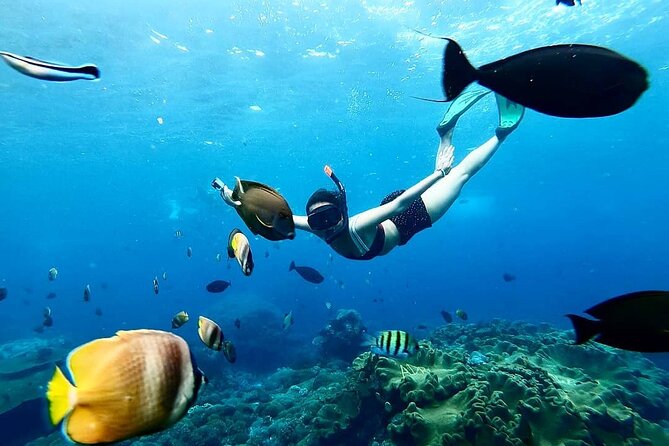
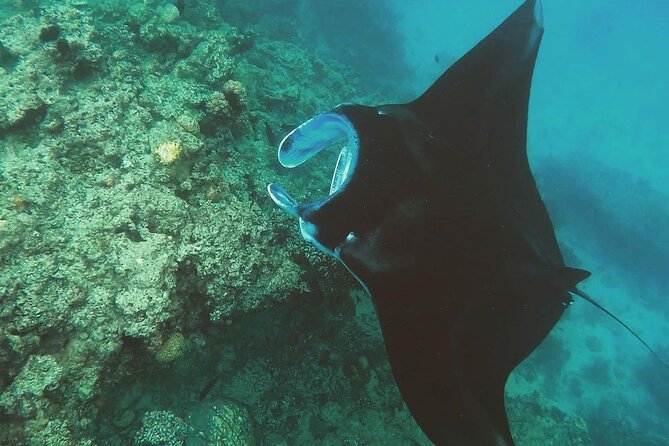
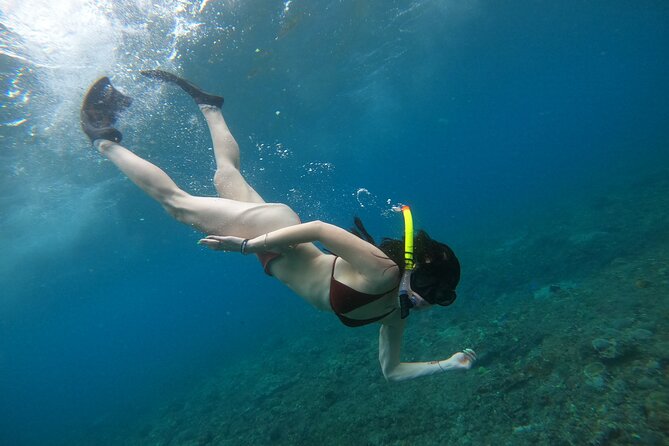
The first snorkeling stop is at Nusa Penida, called Manta Poin (it’s described as the main named manta-ray snorkeling area). The idea here is straightforward: this is one of the places people go hoping to see mantas, along with other large wildlife like spotted stingrays and nurse sharks.
The snorkeling window is listed as about 1 hour, and the admission ticket for this stop is marked free. That combination tells you something important about expectations: you’re not buying an all-day cruising program, you’re buying focused time in a hotspot.
Now, be smart about what “hoping to see mantas” means. This isn’t guaranteed wildlife-viewing. The ocean is the ocean. But the value of a named location is that it’s chosen for conditions where manta rays are more likely to show up, and you’re set up to take advantage of that chance without burning the whole morning.
Also, this tour description references a sharing boat for the manta waters part. That doesn’t automatically make it bad, but it does mean you should expect some level of shared setup with other people in the water-time workflow.
If you’re not a confident swimmer, this is the moment to ask your operator what the real-world options are for your group. One of the big “make or break” factors for some couples and mixed-ability groups is whether they can arrange a boat comfort level that matches everyone in the party. If your group includes non-swimmers, plan ahead rather than improvising once you’re already at sea.
Crystal Bay (Wall Point): clear water and a short, focused session
Next up is Crystal Bay Snorkeling Point, also described as Wall Point. This is one of the stops built around visibility: the water is called crystal clear, and the snorkeling time is around 30 minutes.
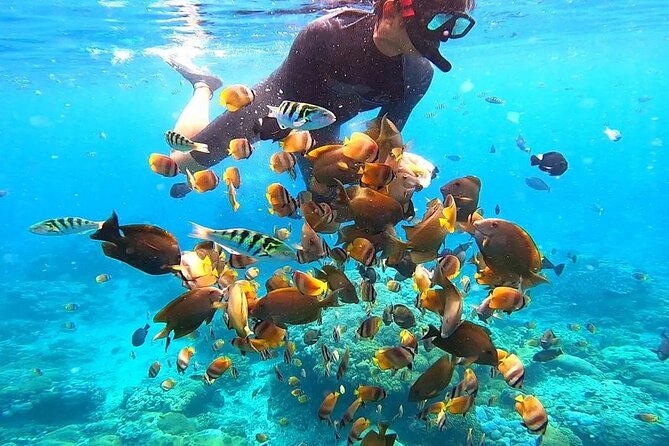
The species list here is the kind that makes snorkeling days feel worth it. You might see schools of anthias and batfish, which gives you that busy, colorful reef-action feeling even if you don’t spot a huge animal like a manta.
Admission is listed as included for this stop. That’s good value because Penida snorkeling commonly adds separate fees depending on where you go. Here, the tour is folding at least some of the access costs into the price, which helps you avoid surprise add-ons.
The 30-minute timing is also a key piece of practical strategy. It means you’ll likely spend the morning moving fast, then hop in, get your bearings, enjoy what the water offers, and get out before you feel rushed or worn out.
If you want the best odds of enjoyable snorkeling in that short window:
- Go in with a calm pace. Wildly flailing doesn’t help anyone.
- Keep your movements smooth and slow, so you don’t scare off the fish schooling nearby.
- Don’t wait until the end to figure out your buoyancy.
You’ll be doing a second snorkeling stop right after this, so treat Crystal Bay like the first act, not the whole show.
Gamat Bay: the calmer, less crowded-feeling option
Then the itinerary shifts to Gamat Bay Snorkeling Point. This stop is described as still natural and not crowded by tourists, with the tone of a quieter place to cool down your mind.
The snorkeling time is also about 30 minutes, and admission is listed as included. The description calls out very clean sand and soft, colorful corals. That matters because it points to a type of snorkeling experience that’s different from Crystal Bay’s school-of-fish energy.
Here’s how to think about Gamat Bay: it’s your reset button. You’re already on Penida, you’ve already done one snorkeling session, and now you get a second chance to see reef life without the same “everyone is here” vibe.
If you’re the type who enjoys gentle water movement and prefer fewer people around your mask, this stop is a strong reason to choose the tour, even if you’re not chasing mantas.
Uluwatu Temple: timing, crowds, and what to look for
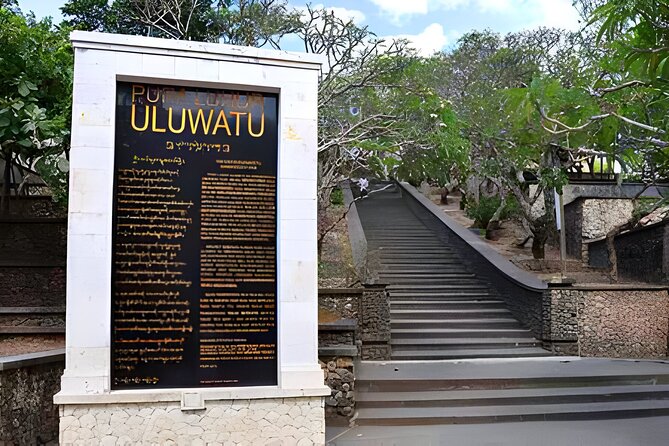
After the Penida snorkeling sequence, the tour heads toward Uluwatu Temple (Pura Luhur Uluwatu). The Uluwatu stop is listed as about 2 hours, and admission is included.
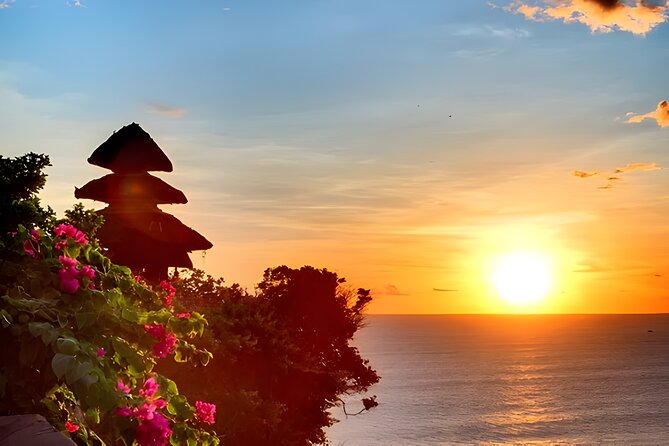
This is not a quiet hidden-site visit. Uluwatu Temple is described as one of the best sunset-time destinations and also noted as very crowded everyday. So go in with the right mindset: you’re visiting a famous place, and the scene will be busy.
What makes Uluwatu valuable on this kind of day tour is the combination of timing and payoff. You’ve been on boats and in the water all morning. Later, you shift to an elevated viewpoint where the cliffs and ocean views do a good job wiping the fatigue off your brain.
Practical note: temple grounds often mean uneven footing and steps. Wear shoes you trust. Bring something simple for sweat or sun. And if you’re photographing, be ready for people moving through your frame because it’s crowded by design.
Also, the temple is described as one of six key temples. You don’t need to memorize religious history to appreciate the site, but it helps to know you’re at a major stop in Balinese temple geography.



Kecak and Fire Dance: the cultural moment right next door
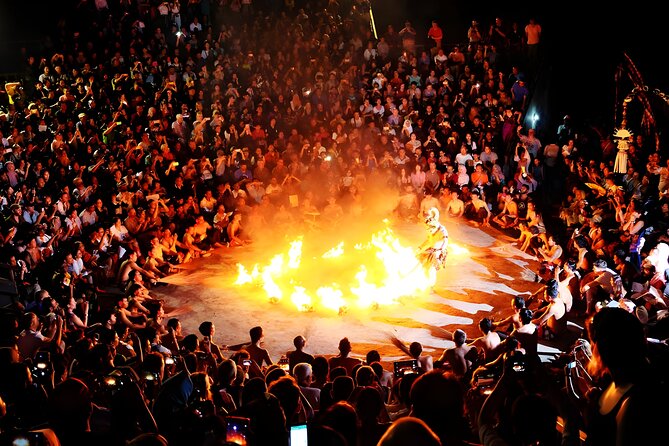
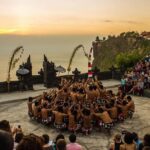
Right after Uluwatu, the schedule includes Kecak and Fire Dance, listed at about 1 hour. This is positioned as a performance located next to the temple area.
The Kecak background in the tour notes mentions it’s not exactly pinpointed in one origin story, and it credits a development that led into a performing arts tradition connected with the village of Bona. That’s a helpful context as you watch, even if you’re not doing a deep cultural study.
Why this matters for your day: it gives you something to do when you’re done walking, and it shifts the tone from sea-and-sky into a live, human rhythm. It also keeps the day from feeling like only logistics and snorkeling.
If your schedule is tight, this is one of the smartest components because it’s basically timed for the same general Uluwatu sunset experience, without requiring extra travel time to another venue.
Jimbaran Bay seafood dinner: the payoff meal

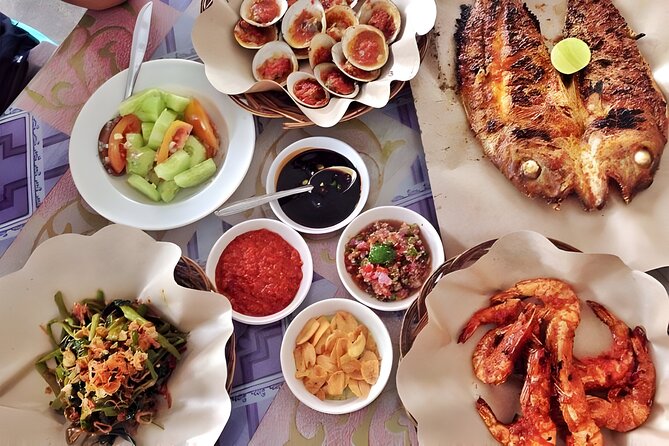
The final stop is Jimbaran Bay, with fresh grilled seafood dinner listed at about 2 hours. The description emphasizes dinner under a sunset panorama, which is exactly what you want after a day that started before sunrise and included both boat time and snorkeling time.
This stop is valuable even if you’re picky about seafood. The point isn’t only the food, it’s the atmosphere after effort. You’ll be seated somewhere designed for people to enjoy the coast view and the beach setting.
The meal being “fresh grilled seafood” is also a practical detail. It tends to mean you’ll eat hot food rather than a buffet of lukewarm compromises. Still, the one thing to watch is that you’ve been in the sun and the sea all day—so pace yourself. Drink water. Don’t start your dinner by going straight for the spiciest thing on the menu unless you like trading snorkeling comfort for spicy regret.
Price and value: what you’re paying for at $180.50
At $180.50 per person, this isn’t a budget lunch-and-snorkel add-on. The cost makes more sense when you see what’s bundled into the day.
You’re paying for:
- A full morning focused on Nusa Penida snorkeling across multiple named points
- Included access at Crystal Bay and Gamat Bay
- Included access at Uluwatu Temple
- The Kecak and Fire Dance performance slot
- Dinner time at Jimbaran Bay
Also, the tour is described as a private tour/activity where only your group participates. That’s a big value point compared to shared full-day group buses, because it can reduce waiting and help keep the experience smoother. Just remember: one part of the day references sharing boat setup for the manta-area water segment, so the “private” label is best understood as privacy in the tour group experience, not necessarily a fully chartered boat for every minute.
When this price feels fair: if you’re excited to snorkel Penida, want both the temple and the fire dance, and don’t mind a full day built on timing.
When it might feel expensive: if you only care about one snorkeling stop, or if you really dislike long transit blocks to get to Penida and back.
There’s also a scheduling signal here: this type of trip is commonly booked well in advance (one listing detail notes an average advance booking of 145 days). That tells you the best times and slots go early. If you know you want this exact combo, I’d treat it as a plan, not a last-minute whim.
Who this tour fits best (and who should skip it)
This works especially well if:
- You want multiple snorkeling points on Penida instead of one quick stop
- You want a complete Bali day: sea time, temple views, and a performance
- Your group includes people who value a full schedule more than free time
It may not fit if:
- You’re sensitive to long travel and early mornings
- Your group’s comfort level in the water is low and you don’t want to spend time thinking through solutions before boarding
- You’re hoping for a relaxed, slow pace
If you’re coming as a couple or a small group, it can be a strong choice because a private-group format can help keep things organized. If not everyone is a strong swimmer, do not guess. Ask what options exist for your party’s comfort level and confirm expectations for how the boat and snorkeling time work.
Should you book Snorkeling In Nusa Penida And Uluwatu Sunset Tours?
I’d book it if you’re chasing the combo: clear-water snorkeling at Penida plus the famous Uluwatu Temple and Kecak experience, capped by Jimbaran seafood. It’s a classic Bali “big day” itinerary, and it makes sense when you’re eager to hit the highlights in one go.
I’d hesitate if you know you get cranky with long transit or you dislike crowded tourist sites. Uluwatu is described as crowded, and Penida day trips involve travel time plus open-water segments.
My practical call: book this when you want intensity and variety, not when you want a laid-back day. If your group includes non-swimmers, plan that piece first, because the ocean part is the heart of the day.
FAQ
What time does the tour start?
The tour start time is 6:00 am.
How long is the tour?
The duration is approximately 12 to 16 hours.
Where do we snorkel on Nusa Penida?
You’ll visit manta-area waters at Manta Poin, plus snorkeling at Crystal Bay / Wall Point and Gamat Bay.
Is the tour admission included for the snorkeling stops?
Admission is listed as included for Crystal Bay / Wall Point and Gamat Bay. Manta Poin is listed as free.
What cultural stops are included after snorkeling?
You’ll visit Uluwatu Temple and watch the Kecak and Fire Dance next to the temple.
Is pickup offered from Kuta?
Pickup is offered, and the tour is based in the Kuta area with a 6:00 am start.
Is it only for my group or shared with others?
It’s described as a private tour/activity, and only your group will participate.