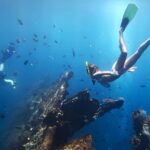
Your first wave needs a plan. A half-day, private surf session in Seminyak is built around coaching that matches your level and gear that fits you, so you spend more time trying and less time guessing. You also get round-trip transportation, which matters in Bali, where traffic and beach-hopping can eat up your energy fast.
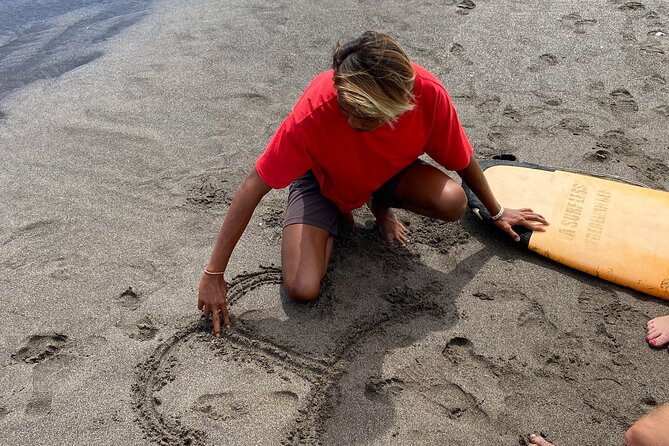
What I like most is the way instruction is structured: you start with a coffee and a chat, then you practice core skills like the pop-up on the beach before you go into the water. For families and mixed-skill groups, the coaching approach gets especially smart, with instructors adapting the surf experience so beginners can focus while more experienced surfers get pushed toward breaks that suit them.
One thing to keep in mind: this is a weather-dependent surf experience, so if conditions aren’t good, you’ll need to be flexible with timing and maybe switch days.
In This Review
- Key things to know before you go
- Why this Seminyak surf day works better than DIY
- From coffee chat to pop-up practice: the 4-hour flow
- The board and coaching setup that speeds up learning
- Beach-by-beach: how each stop can change your surf day
- Batu Bolong Beach: a smart start point
- Kuta Beach (Bali): familiar surf energy
- Serangan Beach: another option on the route
- Padang Padang Beach: when the session shifts gear
- Kedungu Beach: flexibility for the day’s surf
- Nusa Dua: finishing with a strong shot
- Coaching that splits the group without splitting the fun
- Price and value: what $29.36 really buys you
- Who this surf coaching suits best (and who should think twice)
- Should you book Wave Dancers for your Bali surf day?
- FAQ
- Where in Bali does the surf lesson take place?
- How long is the surfing trip or lesson?
- Is this a private tour?
- Does the package include pickup and a surfboard?
- What should I know about weather?
- Is it suitable for beginners?
Key things to know before you go
- Private coaching for your group means you’re not stuck sharing tips with strangers
- Your board is included, and it’s chosen for you (not whatever is lying around)
- Beach time first: beginners practice the pop-up and get ready before paddling out
- Local conditions guide the plan, so you’re choosing the break that fits the day
- Multiple nearby surf options are in play, from Batu Bolong to Nusa Dua
- Transportation is handled, so you can keep the day relaxed after the session
Why this Seminyak surf day works better than DIY
I don’t love the classic approach of showing up, renting a board, watching other people figure it out, and then hoping a lifeguard or a random local explains what you’re doing wrong. This format fixes that by making coaching the center of the day.
The biggest value is the level-matched instruction. If you’re learning for the first time, you get time to build the exact movements that matter on a surfboard: paddling rhythm, getting your feet set, and practicing the pop-up until it’s steady. If you already ride, you still benefit because a coach can watch what you’re doing and help you refine how you read and catch waves, not just give you encouragement.
Second, I like the “reduce friction” setup. Because pickup and drop-off are included, you’re not coordinating rides, moving your own gear, or burning time during the gaps when you’d rather be in the ocean. That’s also a quality-of-life thing for families and teens, where keeping everyone calm and ready matters.
The final reason it’s a strong choice is the “right conditions, right spot” logic. Surfing doesn’t play by a schedule, so it’s smart that the plan is designed to work with local weather and what the day is producing.
You can also read our reviews of more tours and experiences in Seminyak.



From coffee chat to pop-up practice: the 4-hour flow
The structure here is simple and effective, and it’s designed to keep your skill-building moving forward instead of stalling.
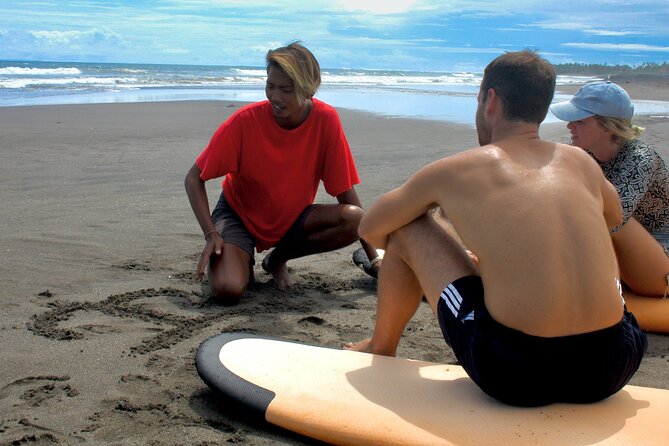
You start on land with a coffee and a chat about surfing. That’s not just social time. It’s where you get clarity on what’s going to happen once you’re in the water, and it sets expectations so you don’t feel lost when the session starts.
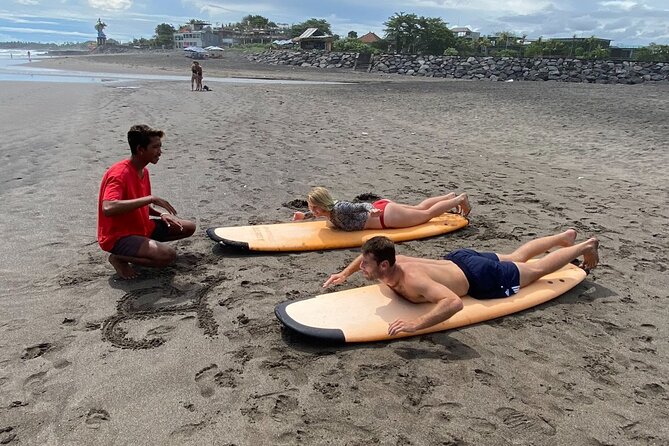
Then comes the beach coaching. For beginners, the coaching includes practicing the pop-up—the transition from lying prone to standing up—so you’re not trying to learn timing and balance at the same moment. You also get repeated cues on what to focus on, which is usually what separates quick progress from lots of wipeouts.
After that, you head into the surf. The coaching shifts to wave-reading and positioning: catching waves, getting your timing right, and improving your technique while you’re actually riding. The goal is continuous feedback, not one-time advice.
How long you stay in the water depends on how long you want to go—up to about 2 hours in the water—so you can pace it. That’s useful if you’re with kids, if someone is sore, or if you just want a single solid session rather than a full-day grind.
One practical note: the tour is designed around a moderate physical fitness level. That doesn’t mean you need to be an athlete. It does mean you should be comfortable with paddling effort and time in the water.
The board and coaching setup that speeds up learning
A lot of surf lessons fail the moment you end up on the wrong board. Here, you get the right board for you as part of the package. That matters because a board size and shape can make the difference between feeling stable and fighting every second.
Then coaching makes the board work for your level. In a private setup, you’re not just learning in general terms; you’re getting targeted feedback. Beginners get help with fundamentals—paddling, standing up, and catching waves at the right moment. More experienced surfers get feedback aimed at improving how they read the lineup and position themselves to ride.
I also like that the plan is customized to both your needs and the local conditions. That sounds obvious, but in practice it means your instructor isn’t treating every session like a copy-paste lesson. The day’s surf determines the coaching priorities.
For mixed-ability groups, this approach is especially valuable. One family-style experience stood out for me because it described exactly what you want from a good coaching team: the instructors found ways to give different surfers a break that suited them, with coaching support for beginners while more experienced surfers were directed toward better-fitting wave options. If you’re traveling with teens and adults of different levels, this is the kind of adaptability that makes the trip feel fair for everyone.
Beach-by-beach: how each stop can change your surf day
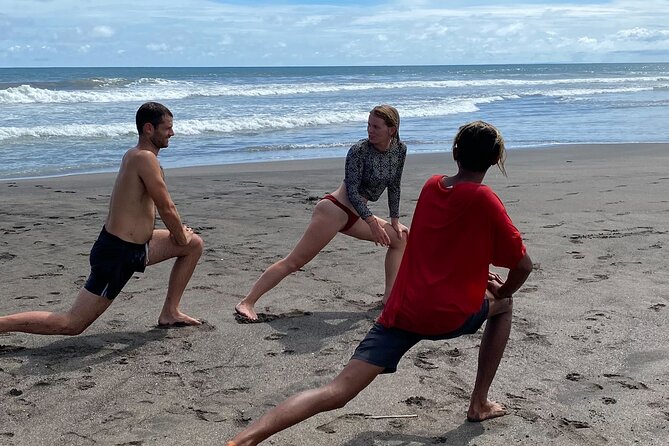
This half-day outing works as a “best-break for the day” route, with multiple surf options queued up. You may not hit every single stop in the same way every time, since the session is adjusted to conditions and your level. But the names alone tell you the tour is built for flexibility, not a single fixed spot.
Batu Bolong Beach: a smart start point
Batu Bolong Beach is where your day kicks off. I like starting here because the rhythm of a guided session needs an early win: get your footing, your pacing, and your confidence before you go hunting for better waves.
Expect the focus to be on getting comfortable—especially the transition from land practice to ocean paddling. If you’re a first-timer, this stop is often where you learn how the water feels once you stop standing on sand and start dealing with real movement.
A possible drawback: if you’re very advanced and the conditions aren’t matching your preferred style, you may want the session to move quickly toward the next options. The good news is the tour is designed to keep adjusting.




Kuta Beach (Bali): familiar surf energy
Kuta Beach is a big-name surf area, and that matters for coaching because it tends to give instructors a range of ways to manage learners safely and practically.
For you, the main benefit is variety in wave behavior. Coaches can use that to match what beginners need (more forgiving time and space) while also giving experienced surfers chances to work on timing and takeoff.
The tradeoff? Popular coastal areas can also mean higher activity levels, and that can make it harder to find a calm pocket if you’re easily distracted. That’s where strong coaching helps: you’re not left to sort it out alone.
Serangan Beach: another option on the route
Serangan Beach is one of the planned stops, and that’s a good sign for anyone who wants their surf day to avoid being “stuck.” When a tour includes multiple choices, you have a better chance of finding a break that matches the conditions.
Coaching here typically keeps the lesson focused on what matters at that moment: reading the wave pattern, improving paddle-to-stand timing, and choosing when to commit.
A consideration: since this session is tailored to local weather, the exact vibe you experience at Serangan will depend on the day.
Padang Padang Beach: when the session shifts gear
Padang Padang Beach is more “destination sounding” than many learner-friendly spots, so I treat it as a sign the tour can move you from basics into more session-like surf.
That’s where advanced coaching becomes valuable. If you’re already catching waves, this kind of stop can help you work on more purposeful rides. If you’re a beginner, don’t worry: the lesson is still supposed to adapt to your level, and you should be supported in the water with feedback.
Possible drawback: if conditions are intense or if you’re not comfortable paddling and timing yet, you might need extra time with your coach to ensure you’re placed in a manageable situation. With this kind of tailored setup, that’s exactly what should be handled.
Kedungu Beach: flexibility for the day’s surf
Kedungu Beach rounds out the middle-to-later portion of the route. Including Kedungu in the plan signals a “swap and adjust” attitude that’s essential in Bali surfing, where conditions can change faster than your body can.
If your earlier stops aren’t producing what your level needs, the coach can work with the broader lineup to find a break that fits. That can be the difference between a session that teaches you and one that feels like nonstop catching and missing.
A realistic consideration: you’re moving between locations in a single half-day. If you’re prone to motion sickness or you hate travel time, make sure you’re comfortable with short vehicle transfers as part of the plan.
Nusa Dua: finishing with a strong shot
Nusa Dua is the final named stop in the list, and it’s a good way to end the session with a fresh option. I like the structure of ending with a different shoreline possibility because it can improve your odds of leaving satisfied, especially when you’re learning and your timing is still forming.
For you, the key is coaching continuity: the instructor should help you carry what you practiced earlier—pop-up timing, paddling rhythm, reading takeoff moments—into the later water time.
One drawback to watch for: by the end of a half-day, fatigue can creep in. If you feel your technique slipping, lean on your coach for quick corrections rather than trying to power through.
Coaching that splits the group without splitting the fun
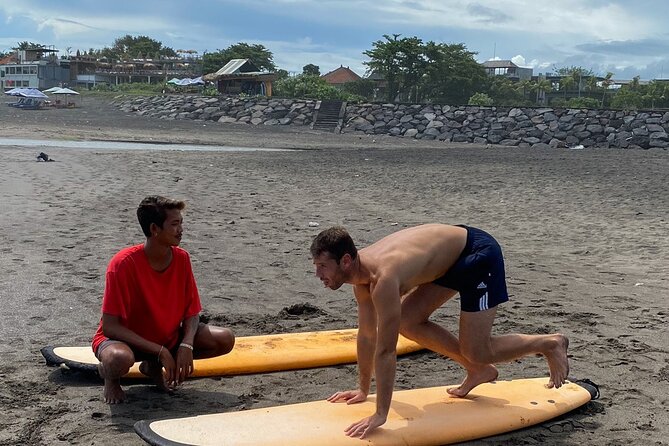
The standout lesson in the reviews is how well the coaching handles mixed ability within the same group. That’s a tough problem for many surf trips. You can’t teach a beginner the same way you coach someone who already catches unbroken waves.
In a good mixed group setup, stronger surfers get guidance that helps them progress without holding back beginners, and beginners get support without feeling like they’re in the way. The coaching approach here seems built for that kind of fairness: instructors adapt the surf experience so different surfers can work on what makes sense for them.
I also like the reassurance that beginners don’t get tossed into the deep end and left to figure it out. Instead, beach practice and ongoing feedback are part of the plan, so you get steady improvement rather than a series of random attempts.
If you’re traveling as a family, with a mix of parents and teens, this is the style you want. It reduces the awkward “one person learning while everyone else waits” feeling.
Price and value: what $29.36 really buys you
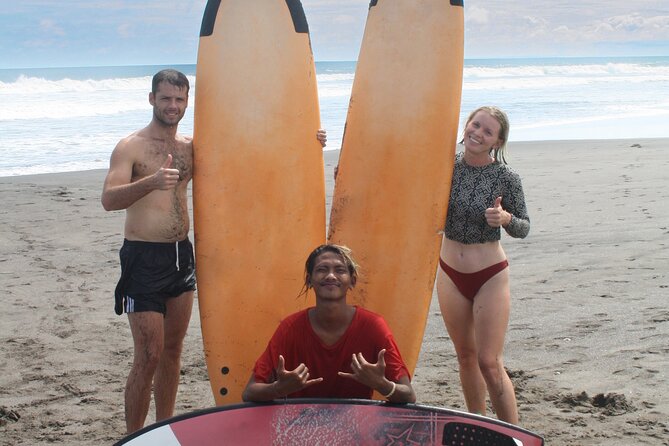
At $29.36 per person, this surf session is priced like an accessible local experience, not a luxury surf camp day. The value isn’t just the coach. It’s the combination of what’s included.
Here’s what you get that usually costs extra in Bali:
- Private coaching for your group
- A surfboard chosen for you
- Pickup and drop-off, so you’re not arranging transport
- A lesson structure that starts with fundamentals and moves into feedback in the water
- Multiple nearby surf options to fit conditions
When you add those pieces together, you’re paying for a smoother day. That’s the kind of value that matters when you have limited time in Bali. Surf lessons can turn expensive if you’re constantly paying for rentals, transport, and guide time separately.
One note for planning: since the session runs about 4 hours, you’re paying for a focused block of instruction, not a slow all-day experience. If you want lots of ocean time, ask yourself whether you’re okay with up to about 2 hours in the water.
Who this surf coaching suits best (and who should think twice)
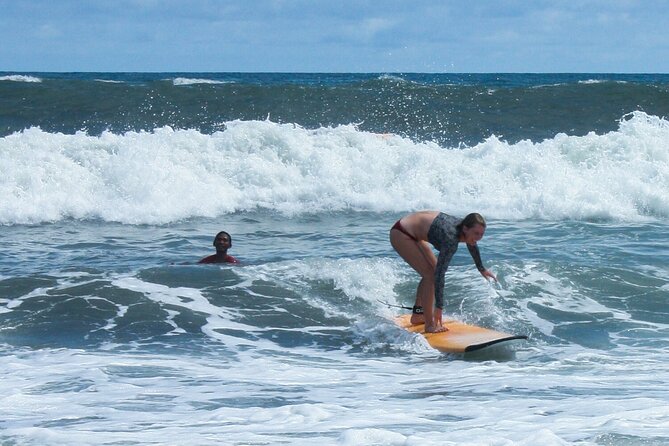
This is a strong fit if:
- You’re a beginner and want hands-on help with paddling and the pop-up
- You’re improving and want a coach watching your wave decisions
- Your group includes mixed levels and you want everyone to be coached, not just supervised
- You prefer a plan with transport handled, so you can stay relaxed
It may be less ideal if:
- You’re expecting total flexibility to ride the exact same break no matter the day. This tour is guided by local conditions, and the spot choice can shift.
- You hate the idea of short travel between surf areas in one half-day. The experience includes multiple stops, which usually means some movement around the coast.
Should you book Wave Dancers for your Bali surf day?
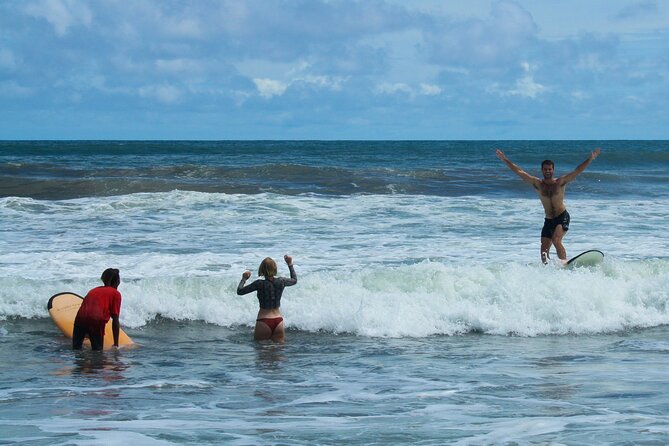
I’d book it if you want a surf day that feels organized and fair—especially if your group is mixed ability. The combination of board included, pickup, and a coach who adapts the session to you is the practical recipe for making progress faster.
The other reason to feel good about booking: the coaching focus isn’t just “try standing.” It’s structured from beach fundamentals into real wave attempts, with feedback aimed at improvement. If you’re short on time and you want a guided plan that actually changes your skills, this style fits.
If your schedule is tight, also remember the weather factor. Surfing depends on conditions, so you’ll want a bit of flexibility if the day doesn’t cooperate.
FAQ
Where in Bali does the surf lesson take place?
It’s based in Seminyak, Indonesia, with surf sessions planned around nearby beaches including Batu Bolong Beach, Kuta Beach, Serangan Beach, Padang Padang Beach, Kedungu Beach, and Nusa Dua.
How long is the surfing trip or lesson?
It runs for about 4 hours.
Is this a private tour?
Yes. It’s private, and only your group participates.
Does the package include pickup and a surfboard?
Yes. Pickup and drop-off are offered, and the package includes the right surfboard for you.
What should I know about weather?
Good weather is required. If the experience is canceled due to poor weather, you’ll be offered a different date or a full refund.
Is it suitable for beginners?
Yes. Each session is tailored to your level, and beginners spend time on the beach practicing the pop-up before heading into the surf.