Three stops, one very Balinese day. You get a temple morning, a waterfall you can photograph with real splash drama, then a village that keeps everyday life tied to Balinese principles. I especially liked the spiritual atmosphere at Pura Besakih and the contrast of that calm, carefully kept village at Penglipuran. One watch-out: the day runs long and entrance tickets plus meals aren’t included, so budget for that extra spend up front.
You’re also not stuck with a huge group. This is a small-group tour (up to 5) with a private car, and an English-speaking driver who acts as your guide. Still, if you want a drop-off somewhere not on the set list, you’ll need to arrange it ahead and it may cost extra.
In This Review
- Key things to know before you go
- Besakih Mother Temple: the Bali spiritual center you can actually feel
- A timing trick that makes a real difference
- Tukad Cepung Waterfall: a splashy canyon scene made for photos
- The real value: contrast and momentum
- Wear-for-water common sense
- Penglipuran Village near Bangli: clean streets, living tradition
- What to pay attention to (beyond the photos)
- How the 10-hour format actually works for you
- Price and value: what $35 really buys
- The guides: what you should look for on the day
- Small group logistics and what to ask your driver
- A realistic drawback to factor into your day
- Who this Bali trip is best for (and who should skip it)
- Should you book this tour? My call
- FAQ
- How long is the tour?
- Where do pickups happen?
- Where can I be dropped off?
- Are entrance tickets included?
- Does the tour include meals?
- What group size is this?
- Is there an English-speaking driver?
- Is alcohol allowed?
Key things to know before you go
- Early timing helps at Besakih: a head start can mean fewer crowds at the Mother Temple gates.
- Private car + small group: easier comfort and quicker logistics between sites than a big tour bus.
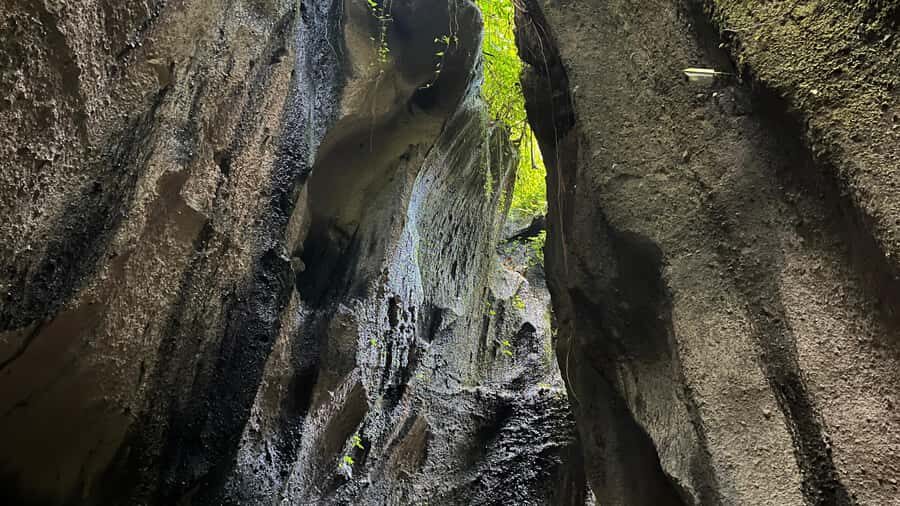
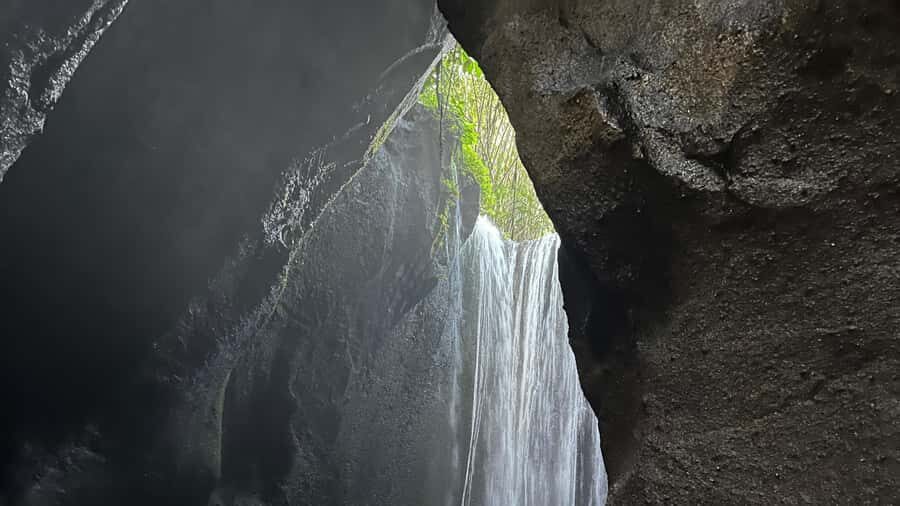
- Tukad Cepung’s photo spot is famous for a reason: the canyon setting makes the waterfall look dramatic.
- Penglipuran’s Tri Hita Karana planning: you’ll see how land and buildings are managed around harmony with God, people, and nature.
- Bring money for tickets and food: entrance fees and meals are not included.
- Respect the rules: no alcohol or drugs, and keep the vibe appropriate for sacred sites.
Besakih Mother Temple: the Bali spiritual center you can actually feel
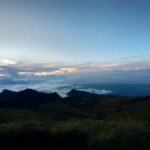
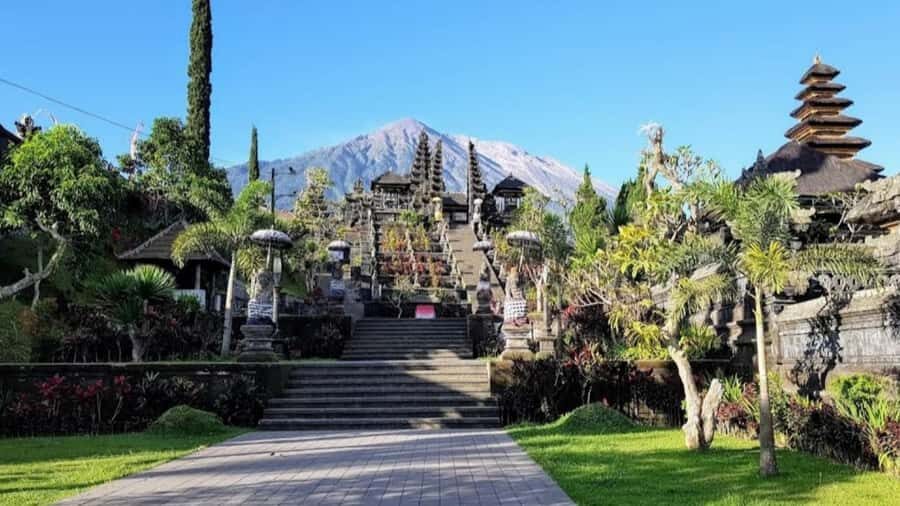
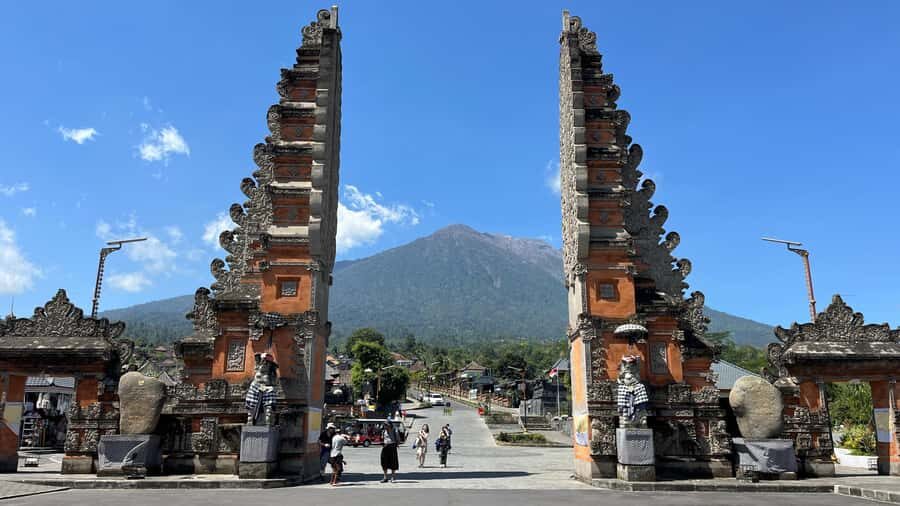
Pura Besakih is one of those places where your brain slows down. It’s often called the Mother Temple of Bali, and even before you get deep into the grounds, you’ll notice the tone: quieter, more deliberate, and very focused on ceremony and respect. If you want to understand Bali beyond beaches and bars, this is the clearest place to start.
What I like most is the combination of spiritual aura and architecture. You’re not looking at a single statue or a single gate. You’re moving through a sacred complex where the layout and structures are part of the experience, and the whole place feels designed to support worship. It’s also a strong reminder that Balinese Hinduism isn’t just something you watch—it’s something people practice as part of everyday life.
A practical note: this is a religious site, so dress and behavior matter. You’ll want to keep things respectful and follow your driver’s guidance for entering areas properly. Also, plan for time. Even if the tour is timed tightly, the temple grounds naturally take longer because you’ll want to pause, look, and let the scale land.
You can also read our reviews of more tours and experiences in Karangasem Regency.



A timing trick that makes a real difference
One driver approach that shows up on this route is going early enough to reduce crowd pressure at Besakih. If you can, ask your driver for an early start when you depart. It tends to make the experience calmer—more time to look without weaving through a constant stream of people.
Tukad Cepung Waterfall: a splashy canyon scene made for photos
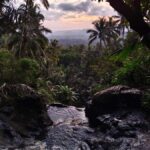
Then the day shifts gear. At Tukad Cepung, the setting changes from temple stone to water and green scenery. The waterfall is known for an iconic photo spot, and the way you frame it matters. You’re essentially photographing a dramatic water moment inside a natural “canyon” feel, where the surroundings help shape how the waterfall looks in the shot.
What you’re really going for here is the mix of visual drama and physical fun. The tour description specifically calls out the splash water moment, so you should expect to get a bit involved—this isn’t a dry, look-from-over-there stop. If you’re the type who brings a camera case and worries too much, consider prepping for splashes and taking a few minutes to enjoy it without constantly adjusting gear.
The real value: contrast and momentum
Tukad Cepung isn’t just an extra stop. It’s a palate cleanser. After a sacred, still kind of morning at Besakih, you get movement, water sounds, and a more playful atmosphere. And because the tour groups are small (max 5), the flow usually feels easier. You can spend time on photos without a long, rigid line.
Wear-for-water common sense
You’ll be near splash zones, so wear footwear that can handle wet conditions and steps on uneven ground. The tour doesn’t mention gear provided, so you should plan like you’re visiting independently: water-resistant basics, and a small bag or method to protect what must stay dry.

Penglipuran Village near Bangli: clean streets, living tradition
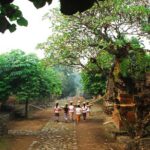
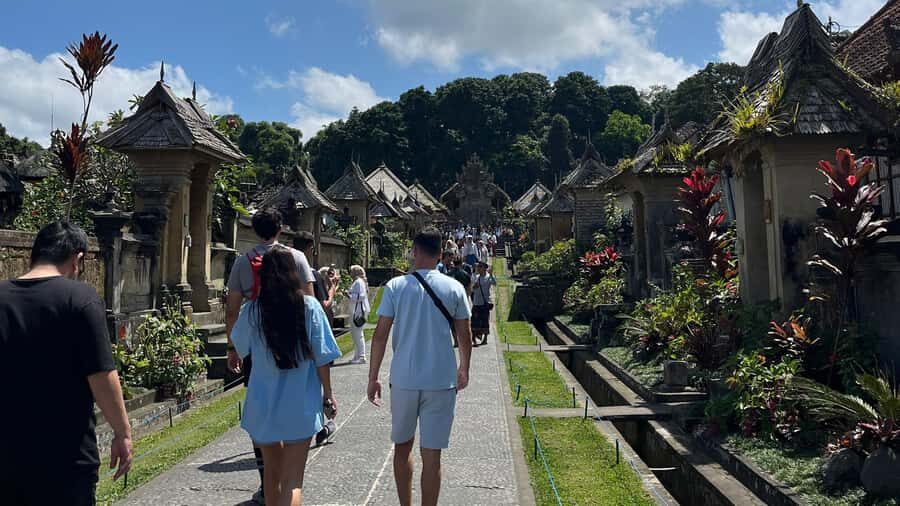
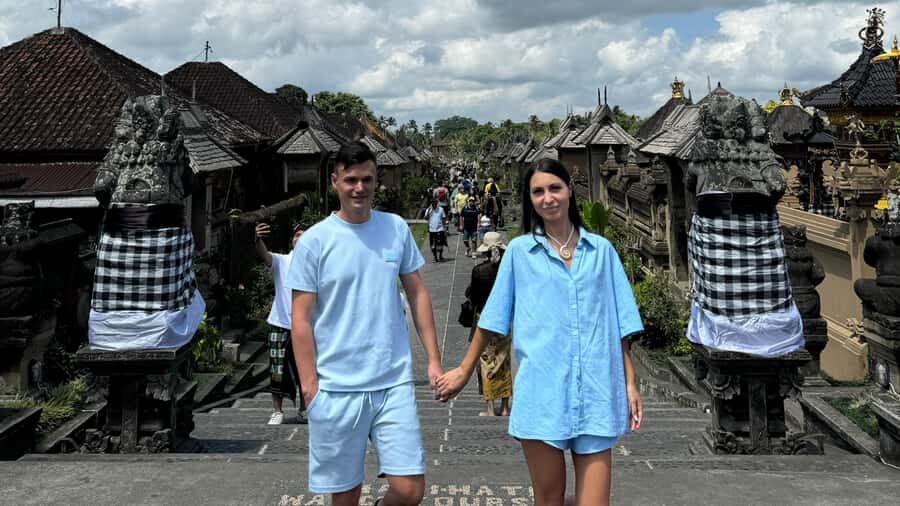
By the time you reach Penglipuran, the Bali vibe turns gentle and orderly. This is a village near the city of Bangli, and it’s known for preserving traditional Balinese culture in daily life. The standout detail is how the village is planned and managed—not just what you see when you arrive.
You’ll learn the concept of Tri Hita Karana, which is all about harmony: the relationship between God, humans, and the environment. The tour experience emphasizes that Penglipuran’s building architecture and land management follow that philosophy. In plain terms, the village feels “designed for balance,” not just decorated for visitors.
What to pay attention to (beyond the photos)
It’s easy to treat Penglipuran like a postcard stop. Instead, look at the practical choices: how the village layout supports community life, how the environment is treated, and how the architecture reflects the culture’s priorities. Even if you’re only there for a short visit during the 10-hour day, you can still pick up why people admire the place for cleanliness and for keeping traditions alive.
This is also one of the more human-scale stops in the itinerary. At temple complexes, the sacred space can feel huge. In a village, you see daily life more clearly—how people maintain routines and how the environment stays part of the story.
How the 10-hour format actually works for you

This is a 10-hour tour with hotel pickup and drop-off. It’s built to stack three major experiences without exhausting you with constant transfers, because you travel by private car the whole way. That matters in Bali, where traffic and routes can turn a “quick trip” into a long one.
You’ll get:
- pickup from select Bali areas (Kuta, Ubud, Seminyak Beach, Nusa dua, Sanur)
- drop-off back to one of the main listed areas (Nusa dua, Sanur, Seminyak Beach, Kuta, Ubud)
- a driver who serves as your guide in English
- parking fees included
You also get some time-saving benefit with skip the ticket line. That won’t replace the need for entry queues entirely, but it helps you keep the day on schedule—especially important when you’re hopping from temple to waterfall to village.
Price and value: what $35 really buys
The price is listed as $35 per person for a full-day route. Entrance tickets and meals are extra, so you’re mostly paying for transportation, the driver-guide, and the planned flow between stops.
Here’s why that can still be good value:
- Three major sights in one day means less planning for you
- A small group (up to 5) reduces waiting and makes timing easier
- Skip-the-ticket-line support reduces time lost at key points
- Private car comfort beats squeezing into a large bus during a full-day outing
The main “value risk” isn’t the $35—it’s what you add afterward. Entrance tickets and lunch can raise your total. If you’re trying to keep the day affordable, carry a realistic budget for those extras.
The guides: what you should look for on the day

A big part of whether this kind of tour feels smooth is the driver’s style. This operator provides an English-speaking driver-guide, and past experiences with this route highlight three traits that make the day better:
- punctual, attentive driving
- respectful guidance at sacred sites
- willingness to help you time key moments (like getting to Besakih earlier)
Some drivers you might see mentioned with this route include Rudi, Bayur, and Kriss. Regardless of the name, the best sign is that the driver communicates timing clearly and stays helpful on the ground—especially at the temple entrance and during the waterfall stop.
There’s also a simple bonus that occasionally happens when the day is flowing well: an extra stop can appear, depending on pacing and logistics. That’s not guaranteed by the tour description, but it’s the kind of thing a good driver can sometimes fit in.
Small group logistics and what to ask your driver
Because the group is capped at 5 participants, you can do better than just sit back. If you care about comfort and pace, ask your driver these practical questions early:
- What time are we aiming to arrive at Besakih?
- Do we have a short window for photos at Tukad Cepung or should we prioritize getting people through quickly?
- Where is the best time to slow down at Penglipuran for quiet viewing?
Also confirm your pickup details. Pickup is from your hotel area if you’re in the listed zones. If you’re outside those areas, you might need an extra charge.
If you want a drop-off in a different location than the standard options, plan ahead. The tour notes that requests for a different drop-off location need to be arranged one day before and can require extra fees. If you wait until the day-of, you’ll likely lose options.
A realistic drawback to factor into your day
Most of the value here comes from the planned flow. But when a tour includes food stops, you can run into the “pay extra for convenience” problem. One common issue with popular routes is that the final meal option—if you choose it—can feel overpriced compared to other places nearby.
You can handle this easily:
- budget for lunch separately
- be ready to skip a pricier stop if the location feels commercial
- treat meals as optional planning, not a guaranteed value
In other words, don’t let food costs quietly turn your $35 day into a much more expensive one.
Who this Bali trip is best for (and who should skip it)
This tour fits best if you want a single-day sampler of Bali’s spiritual side, nature photo moments, and cultural village life—all with low-stress transportation.
You’ll probably enjoy it if:
- you like a structured plan but still want time to look around
- you want Besakih as your spiritual anchor, not just a quick temple photo
- you care about Tukad Cepung as an iconic waterfall experience (including the splashy part)
- you’re interested in how Penglipuran reflects Tri Hita Karana in everyday space
You should probably look elsewhere if:
- you can’t handle a longer day (it’s 10 hours)
- you’re not comfortable around sacred-site expectations
- you’re older than 95 (this tour isn’t suitable)
- you want alcohol included (it’s not allowed)
Should you book this tour? My call
If you’re staying within Kuta, Seminyak Beach, Sanur, Nusa dua, or Ubud, and you want a clean, efficient day that hits Besakih, Tukad Cepung, and Penglipuran, I’d book it. The small group and private car setup make the difference between a smooth day and a day of waiting around.
The decision mostly comes down to two things: your budget for extras (entrance tickets and meals) and your comfort with a waterfall stop that involves splash water. If you can handle those, this is a strong way to see a wide range of Bali in one go without turning it into a complicated DIY puzzle.
If you’re the type who values timing, you’ll also like this: a good driver can help you hit Besakih when it’s less crowded, and that’s when the Mother Temple experience feels most meaningful.
FAQ
How long is the tour?
The tour duration is 10 hours.
Where do pickups happen?
Pickup is available from Kuta, Ubud, Seminyak Beach, Nusa dua, and Sanur. Other areas may require an extra charge for pickup.
Where can I be dropped off?
Drop-off options are Nusa dua, Sanur, Seminyak Beach, Kuta, and Ubud.
Are entrance tickets included?
No. Entrance tickets are not included in the price.
Does the tour include meals?
No. Meals are not included.
What group size is this?
It’s a small group limited to 5 participants.
Is there an English-speaking driver?
Yes. The driver is an English-speaking guide.
Is alcohol allowed?
No. Alcohol and drugs are not allowed on this activity.