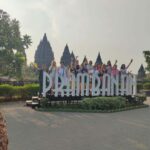
Sitting archery in Java feels surprisingly focused. This Traditional Javanese Archery Class in Yogyakarta teaches Jemparingan (a seated shooting style) in the cultural setting tied to Yogyakarta’s Kraton guardians, with the learning starting near Prambanan.
I like that the class explains not just the mechanics, but also the Javanese philosophy behind the seated position through the guidance of Mr. Agung. I also like the hands-on coaching from a professional traditional archer who was a national athlete from Yogyakarta, in a group capped at 10 travelers. The one thing to consider is the technique uses a sitting position, so you should be comfortable with a moderate physical fitness level.
In This Review
- Key Highlights You’ll Actually Feel
- Traditional Jemparingan: Why This Sitting-Position Archery Feels Different
- Where the Class Starts: Prambanan Meets the Jemparingan Practice Site
- Stop at Prambanan: The Backdrop That Adds Meaning
- Learning From Mr. Agung: Philosophy You Can Connect to Your Body
- The Trainer: Professional Coaching Instead of Trial-and-Error
- How the Practice Portion Works (And What to Expect)
- What You’re Really Paying For: Value Beyond the Bow
- Best Time to Do It and How to Pair It With Your Day
- Physical Comfort Tips for the Seated Technique
- Small Group Energy: Why a Cap of 10 Matters
- Mobile Ticket and Easy Check-In
- Weather, Cancellations, and What Flexibility Looks Like
- Who Should Book This Javanese Archery Class
- Should You Book Traditional Javanese Archery With Alga Lova Tour?
- FAQ
- Where does the archery class start?
- How long does the Traditional Javanese Archery Class take?
- What is the price per person?
- How many people are in each group?
- Who teaches the class?
- Do I need moderate physical fitness?
- Is this activity dependent on weather?
- How do I check in—do I need a printed ticket?
- What is the cancellation policy?
- Is this activity near public transportation?
Key Highlights You’ll Actually Feel
- Jemparingan is seated archery, so it’s not a generic “try a bow” stunt
- Mr. Agung adds cultural context, including the philosophy tied to the posture
- National-level coaching from a professional traditional archer from Yogyakarta
- Small group size (max 10) means more time watching and correcting
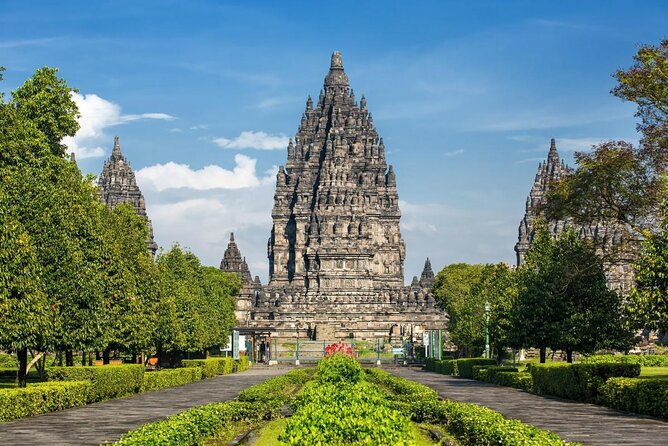
- Prambanan Temple area sets the right sense of place for this living tradition
Traditional Jemparingan: Why This Sitting-Position Archery Feels Different
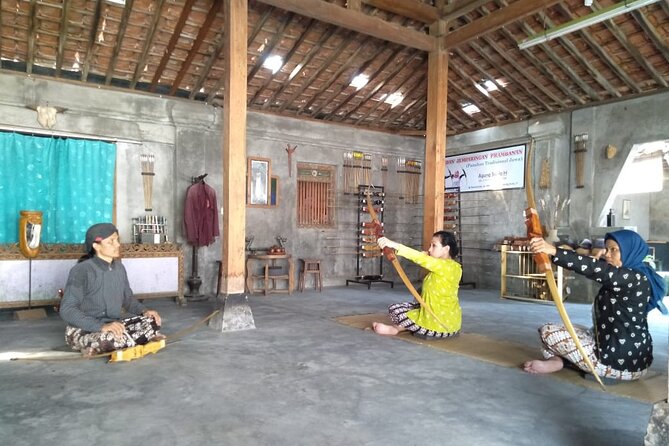
Most archery experiences teach you how to shoot. This one tries to teach you why the technique looks the way it does. The star of the show is Jemparingan, a traditional Javanese archery style done from a seated position, not standing.
That detail matters. Sitting changes your balance, how you brace your body, and how your mind stays steady while you aim. If you’ve only ever seen archery done upright, Jemparingan will feel like the same skill family, but a different muscle memory.
You’ll also get historical framing. The class connects the seated technique to how it was used for roles like sniper or guardian in the Kraton of Yogyakarta. That link turns the activity from a photo opportunity into something closer to a cultural reenactment you’re actively participating in.
And yes, you’ll practice. The goal is to learn how to use the traditional archery tools properly, led by a professional traditional javanese archer. You’re not being left alone with equipment and guesswork.
You can also read our reviews of more tours and experiences in Yogyakarta.


Where the Class Starts: Prambanan Meets the Jemparingan Practice Site
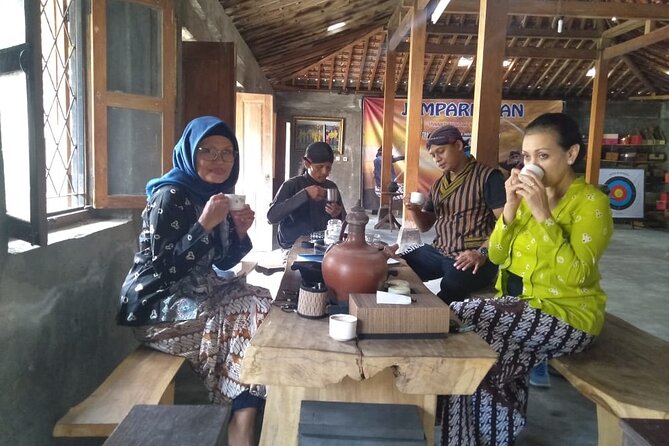
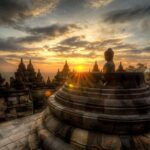
The experience is built around a meeting-up structure that makes sense on a first visit to the area. Your accredited guide meets you at the Prambanan Temple parking area, then accompanies you up to the Jemparingan place for the teaching and practice.
From a practical point of view, this is helpful. Prambanan is a well-known landmark, so it’s easier to orient yourself. And because you’ll have a guide escorting you to the practice site, you spend less time asking around and more time getting ready for the class.
The official start point listed for the activity is Pendhapa JemparinganCageran, Tamanmartani, Kec. Kalasan, Kabupaten Sleman, and the activity ends back at the meeting point. So plan on it as a short, guided loop rather than a long, multi-stop excursion.
One more upside for logistics: the activity is noted as being near public transportation. That doesn’t mean it’s “right at the bus door,” but it does suggest you’re not completely stranded if you’re not driving.
Stop at Prambanan: The Backdrop That Adds Meaning
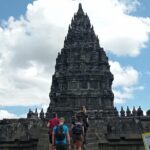
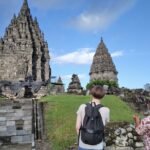
Your first connection to the experience is at Prambanan. You begin there with an introduction to traditional Javanese archery, and this is where you start hearing the logic of Jemparingan—why the position exists, what it’s meant to support, and how it fits into the cultural story.
Prambanan isn’t just scenery. It’s one of those places where the setting helps your brain accept that you’re learning something rooted in lived tradition, not a one-off novelty. Even if you don’t know anything about Javanese court history, the scene cues you to pay attention.
You’ll also hear that the seated archery technique was preserved as part of culture now, rather than disappearing entirely. That preservation angle is part of why a class like this can feel special: you aren’t just practicing a skill, you’re practicing a skill that someone worked to keep alive.
There’s also mention of admission ticket free for the Prambanan segment. If that applies to your booking, it can improve the value because you’re getting the history-setting stop without paying separately for admission on top of the class fee.
Learning From Mr. Agung: Philosophy You Can Connect to Your Body
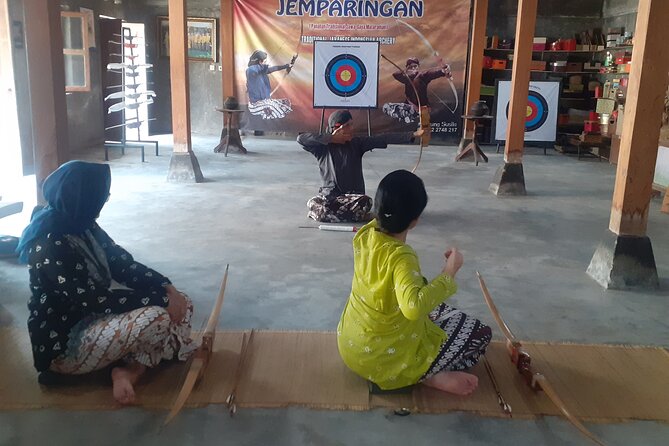
A major difference in this class is that it includes more than technique. Mr. Agung provides additional information and class guidance on the Javanese philosophy behind the seated position.
This matters for beginners. When you understand a posture’s purpose—how it’s supposed to help you aim, hold steadiness, or relate to the body—you tend to learn faster and feel less frustrated when your first shots don’t look like you expected.
Think of it like learning a dance move with cultural context. The context doesn’t replace practice, but it helps your brain stop treating the posture as arbitrary.
The review-style feedback for this experience is very consistent on one point: it feels special to be at the place and learn the local variation properly. That “feels special” part usually comes from small moments like this—someone explaining the meaning, not just the steps.
The Trainer: Professional Coaching Instead of Trial-and-Error
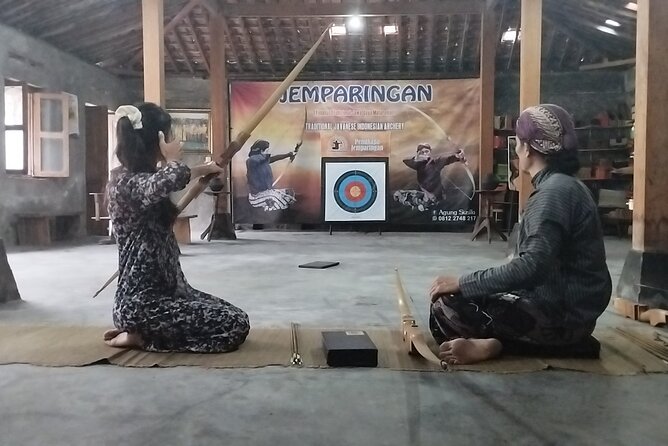
The class is led by a professional traditional archer. Even better, this instructor was one of the national athletes from Yogyakarta.
That credential changes the tone of the lesson. You can expect more than general encouragement; you’ll get direction aimed at proper use of the traditional archery tools and correct form for the seated technique.
Because the group is capped at 10 travelers, you’re also more likely to get individual adjustments. In a larger workshop, you often spend most of the time waiting your turn. In a small group, the pacing feels more manageable and corrections can come before you lock in bad habits.
The experience is listed as about 1 to 2 hours. That time window is long enough to teach, practice, and reset your technique a few times, without turning into an all-day commitment that drains your energy from other Yogyakarta plans.

How the Practice Portion Works (And What to Expect)
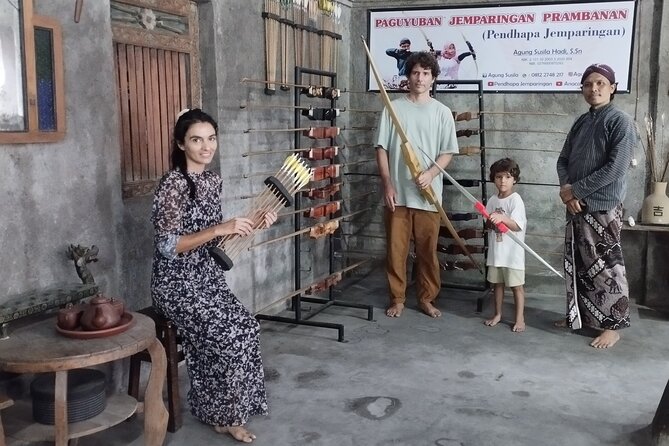
You’ll be introduced to the technique at the start, and then the guide and instructor will accompany you to the practice area. From there, the teaching focuses on how to use the traditional archery tools properly using Jemparingan’s seated position.
Since the activity is described as a class, not a show, your main expectation should be movement and practice. You’ll likely spend time getting your posture right and then repeating shooting attempts while the instructor checks what you’re doing.
If you’ve never sat and shot in this style before, expect an adjustment period. Sitting archery isn’t just “standing archery but lower.” Your body alignment and stability need a second learning curve.
The good news: the class duration isn’t huge, so even if your first attempts feel clumsy, you’ll have enough time to make real progress by the end.
Also, the experience requires good weather. That’s not a minor detail. Archery is the kind of activity where wind and rain can ruin timing and comfort. If weather is poor, you may be offered a different date or a full refund, so it’s worth booking only when you have flexible plans.
What You’re Really Paying For: Value Beyond the Bow
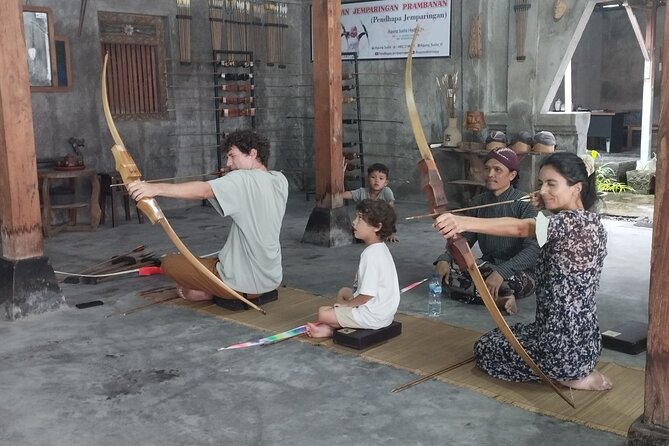
At $27.00 per person, this class sits in the “short, focused workshop” category. The price feels fair when you consider what’s included: an instructor with serious credentials, cultural explanation tied to Yogyakarta’s traditions, and an experience that runs about 1–2 hours with a small group limit.
A big part of value here is the format. You’re not paying for transportation across town, and you’re not signing up for a long sightseeing day. You’re paying for concentrated instruction tied to a living local tradition.
It also helps that there’s a mobile ticket, which makes check-in easier and keeps the day from turning into paperwork. And if the Prambanan admission is truly included for the stop, that’s another direct value boost.
One more subtle point: the class is built around a real geographic and cultural anchor. A sitting-archery lesson taught in a Prambanan-area setting tied to Jemparingan makes it easier to feel that you did something distinctly Yogyakarta, not just something that could happen anywhere.
Best Time to Do It and How to Pair It With Your Day
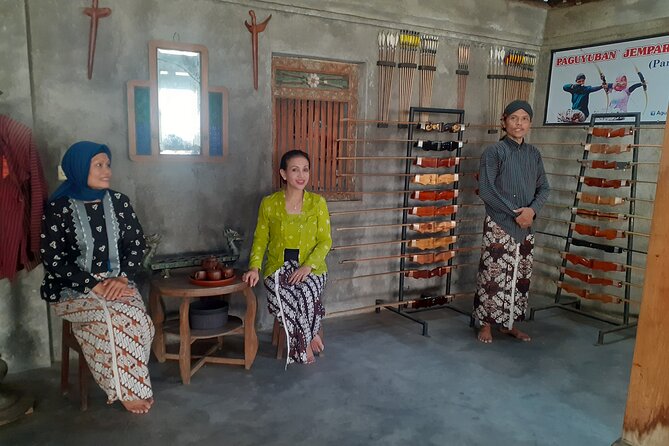
Because the class is short, you can fit it between bigger temple plans or other cultural stops. A natural approach is to do Prambanan-area activities on the same general day block, then use the archery class as your “hands-on” cultural activity.
If you’re spending time at Prambanan anyway, doing this class nearby can reduce the mental load of figuring out multiple locations. And since your guide meets you at the Prambanan parking area, you’re not juggling complicated start points.
Still, watch the weather. Since the experience requires good weather, plan for a day where you’re not completely locked into one fixed indoor schedule. If the sky looks iffy, keep some buffer time in your itinerary.
Physical Comfort Tips for the Seated Technique
The biggest consideration is your comfort with a seated shooting posture. The tour notes a moderate physical fitness level, which likely reflects the time spent sitting and getting into the body position needed for Jemparingan.
So before you book, think practically: do you handle floor-level or seated postures without too much trouble? If you have knee or back issues, this style may be uncomfortable.
A helpful strategy is to wear something you can move in easily. You’ll want clothes that won’t restrict leg and hip movement. Also, bring a water plan for the day, since you’ll be outdoors near the temple area and at the practice site.
Small Group Energy: Why a Cap of 10 Matters
A maximum of 10 travelers might sound like a boring detail. It’s not. Small groups change the experience quality for two reasons.
First, you spend less time waiting. In archery training, waiting can drain your focus and make you lose the rhythm of learning.
Second, instructors can correct more. Even in a short class, watching you and adjusting your posture and aim matters. When the group is small, you’re more likely to get at least a few targeted corrections rather than one general explanation.
Mobile Ticket and Easy Check-In
The experience uses mobile ticket entry. That means you likely won’t be dealing with printed vouchers and last-minute handoffs.
For you, that translates to less friction on a day that already includes moving from Prambanan to the Jemparingan practice site and back. The less you juggle, the more mental energy you can put into learning the technique.
Weather, Cancellations, and What Flexibility Looks Like
Good weather is required, and that’s clearly called out. If the experience is canceled due to poor weather, you’ll be offered a different date or a full refund.
That’s the right kind of policy for an outdoor skill class. Rain or strong wind can change the feel of shooting and also the comfort level of the session.
Cancellation is also free up to 24 hours in advance for a full refund. If you need to adjust plans, you have some breathing room as long as you make the change at least a day before.
Who Should Book This Javanese Archery Class
Book this if you want:
- A hands-on cultural workshop tied to Yogyakarta’s court tradition
- A seated archery technique you can’t get in every tourist activity
- A smaller group class led by someone trained at a high level
You should also feel comfortable with the idea of shooting in a seated posture and staying active for the 1–2 hour class window.
If you’re looking for a fast photo stop with no instruction, this may not be the best match. This is set up as a genuine learning experience with practice and cultural explanation.
Should You Book Traditional Javanese Archery With Alga Lova Tour?
Yes, if you want a short, focused experience that gives you both technique and cultural context. The combination of Jemparingan’s seated form, coaching from a professional traditional archer with national-level athletic background, and extra philosophy from Mr. Agung makes this feel more grounded than a typical “try archery” activity.
It’s also a strong value at $27 for 1–2 hours in a max-10 group, especially since the Prambanan segment includes an admission ticket free note.
Just make sure you’re comfortable with the seated posture and that you’re booking with weather in mind. If you can handle that, this class is one of those Yogyakarta activities that doesn’t feel generic the moment you walk away.
FAQ
Where does the archery class start?
The guide meets you at the parking area of Prambanan Temple, then accompanies you to the Jemparingan place for the class. The activity ends back at the meeting point.
How long does the Traditional Javanese Archery Class take?
It runs about 1 to 2 hours.
What is the price per person?
The class costs $27.00 per person.
How many people are in each group?
The class has a maximum of 10 travelers.
Who teaches the class?
The class is led by a professional traditional javanese archer (a national athlete from Yogyakarta). Mr. Agung also provides additional explanation of the philosophy behind the seated technique.
Do I need moderate physical fitness?
Yes. The experience asks for travelers with a moderate physical fitness level, which matters because the technique is done in a sitting position.
Is this activity dependent on weather?
Yes. The experience requires good weather. If it’s canceled due to poor weather, you’ll be offered a different date or a full refund.
How do I check in—do I need a printed ticket?
You’ll use a mobile ticket.
What is the cancellation policy?
You can cancel for a full refund up to 24 hours in advance. If you cancel less than 24 hours before the experience starts, the payment is not refunded.
Is this activity near public transportation?
Yes, it’s listed as near public transportation.