Tempeh turns a cooking class into a lesson. You’ll make tempeh from scratch, then cook Balinese dishes that lean vegan, using the same spice logic that feeds families across the island. It ends with a garden lunch where you get to eat what you made—no chasing down reservations afterward.
What I like most is the focus on process, not just plates. Ayu and Ngurah guide you step by step, including the history of tempeh and how to build flavor with Indonesian spices, so you understand what you’re doing. The other big win is the small group size (up to 10), which means real attention when hands get messy or questions pop up.
One possible drawback: you’ll get the best experience if you like hands-on cooking. If you’re expecting a long, sit-back-and-watch show, this is more work than that, and the weather matters since the class uses an outdoor kitchen and garden setting.
In This Review
- Key Highlights You’ll Want to Know
- Tempeh 101 in Bali: From Java Origins to Your Lunch Table
- Hitting the Right Start Time at Canang Sari Homestay
- Making Tempeh Step by Step: The Part Most People Skip
- Balinese Spices and the Sayur Urab Plate: Vegan-Friendly by Design
- The Outdoor Kitchen and Garden Lunch: Eat What You Worked For
- Value in Seminyak: What $39 Buys You Here
- Who This Class Suits Best (and Who Might Skip It)
- Quick Tips to Get More From Your Class
- FAQ
- FAQ
- What time does the tempeh cooking class run in Bali?
- How long is the experience?
- Is lunch included, and what will I eat?
- Is the class vegan friendly?
- How many people are in the group?
- Where do we meet for the class?
- Is private group instruction available?
- How does cancellation work?
- Should You Book This Tempeh Class?
Key Highlights You’ll Want to Know
- From scratch tempeh: You learn the making steps, not just how to cook with it
- Ayu’s tempeh history lesson: You get context for why tempeh matters in Bali
- Small group (max 10): More hands-on help and fewer waiting turns
- Sayur Urab included: A classic mix of greens, beans, and grilled grated coconut
- Seven dishes at lunch: You eat a full spread you helped create
- Vegan-friendly options: You can cook without the chicken and tuna additions
Tempeh 101 in Bali: From Java Origins to Your Lunch Table
Tempeh is one of those foods that sounds simple until you learn what makes it work. In this class, Ayu explains how tempeh (known as tempe in Indonesia) is tied to Java and why it became part of everyday cooking, including how long it’s been around (they mention it dating back to the 1600s). That history isn’t trivia. It helps you understand why tempeh shows up again and again in local menus.
You also get the practical takeaway: tempeh is protein-forward and nutrient-dense, which is part of why it fits so well in vegan cooking. Instead of treating vegan food like a compromise, you’ll see how tempeh can be the center of the meal. You’ll taste the difference when you cook it using Balinese spice blends rather than plain seasoning.
If you’ve had tempeh before, don’t assume you’ve had this version. The class is built around the idea that tempeh is a kitchen tool. It can be fried, mixed, and flavored in multiple directions. The goal is to help you leave with a better “why” for each dish you eat.
You can also read our reviews of more tours and experiences in Seminyak.



Hitting the Right Start Time at Canang Sari Homestay
The experience runs from 9:30 AM to about 12:30 PM, and lunch is included. That timing is ideal if you want a food class that doesn’t eat your whole day, especially in Seminyak where afternoons can slide into traffic and heat.
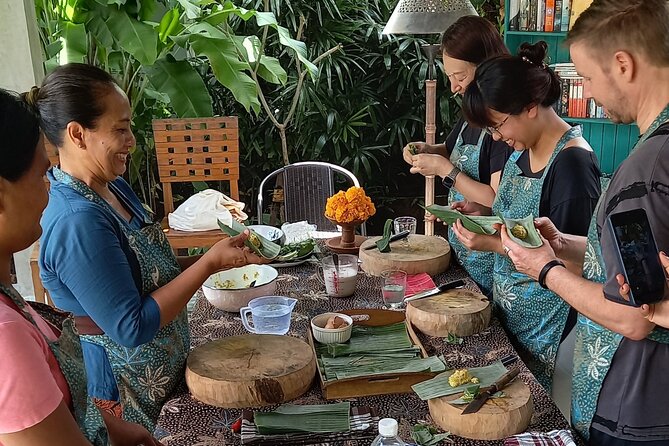
You meet at Canang Sari Homestay in Denpasar (Gg. Kaswari No.6, Dangin Puri Kaja, Kec. Denpasar Utara). From there, you’re guided into the kitchen work in a way that feels like visiting someone who cooks for a living. The vibe matters here because outdoor kitchen classes can feel chaotic if they’re run like a factory. This one is small-group focused.
Another detail I appreciate: you’re not left hungry during the session. Tea, coffee, water, and a light snack are provided while you cook. That makes a real difference when you’re chopping, mixing, steaming, and waiting on steps that take time.
Making Tempeh Step by Step: The Part Most People Skip
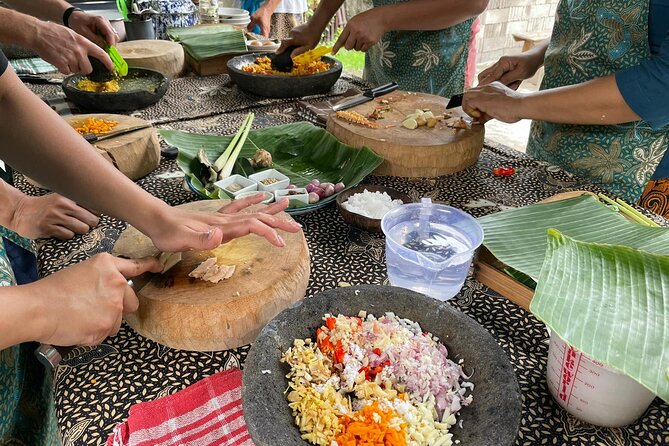
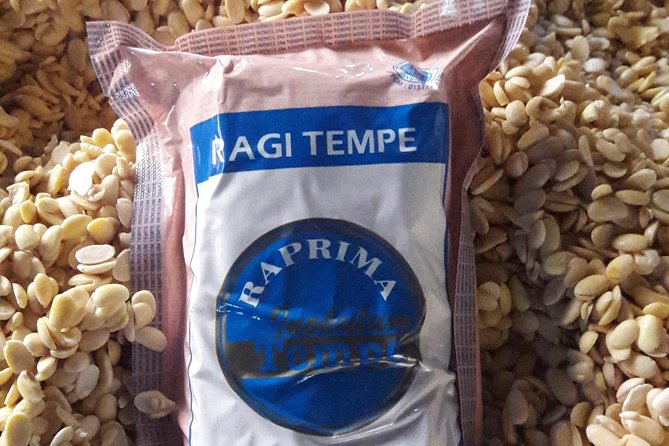
A normal cooking class might use tempeh as an ingredient and move on. Here, you’re taught how to make tempeh from scratch, which changes your whole understanding of the ingredient. The host walks you through the process, and the class gives you context for what’s happening as you work, not just the final result.
In the hands-on part, you’ll focus on the key steps that turn basic inputs into the tempeh texture you recognize. You’re also learning how to handle the timing and care that the process requires. That’s the part that makes a home version more realistic later, because you’re not guessing.
One review mentioned that the hosts even provide a guide for making tempeh at home. That’s exactly what you want if you’re the kind of person who likes repeating good meals. The class gives you a path you can follow rather than a “watch and hope” experience.
If you’re wondering whether this is messy: yes, a little. But it’s the good kind of messy. You’ll understand why tempeh takes a certain way to develop. And when you later cook with it, you’ll notice how the ingredient behaves differently when you know where it came from.
Balinese Spices and the Sayur Urab Plate: Vegan-Friendly by Design
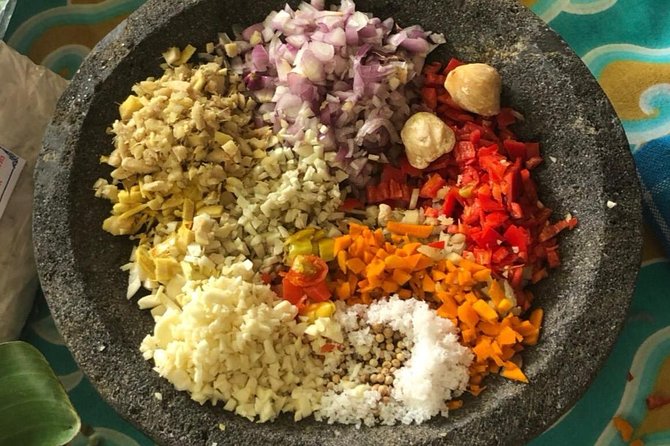
Balinese cooking is spice-forward, and this class treats spices as something you can learn to use, not something you’re meant to memorize from a recipe card. Ayu and Ngurah talk about the spices used in Indonesian cooking, and you’ll see how the ingredients connect across dishes.
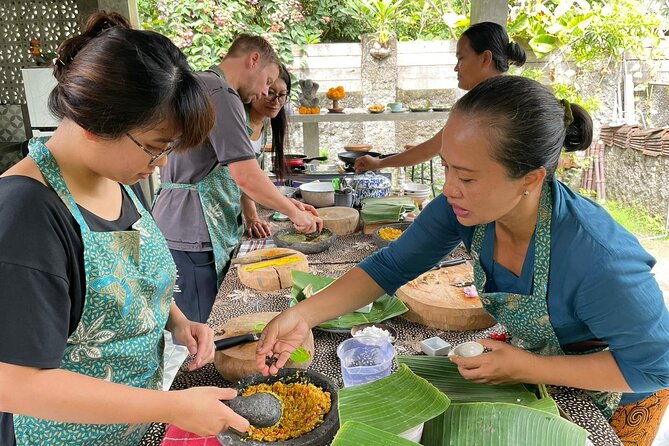
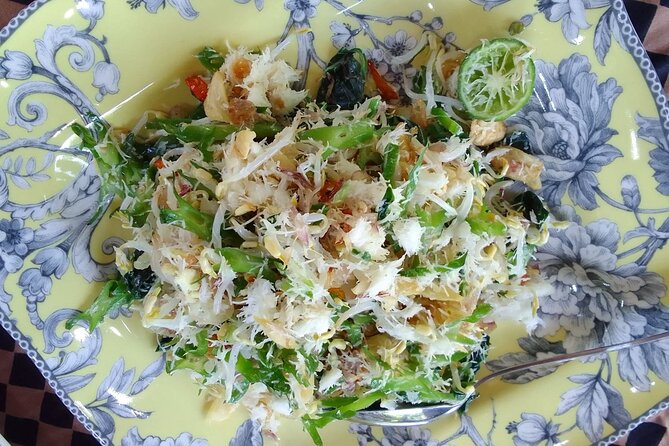
A standout dish in the lineup is Sayur Urab. You’ll make this vegetable dish with greens and beans mixed with grilled grated coconut. It’s a great teaching dish because it shows how Balinese flavors often balance freshness (greens), body (beans), and richness (coconut). You get a plate that’s flavorful without depending on meat.
The class is described as vegan friendly, but there’s also flexibility. You might see additions like chicken and tuna included depending on the dish, and the information says they can be skipped if you’re vegan. That’s a practical approach. You can learn the tempeh and spice methods while keeping your meal aligned with your diet.
Here’s the value angle: you learn how to season plant-based food so it tastes complete. That’s the real skill transfer. Many cooking classes teach you how to follow steps. This one leans toward helping you understand the flavor structure so you can adjust later, even if your pantry isn’t a match for Bali.
The Outdoor Kitchen and Garden Lunch: Eat What You Worked For
After the cooking work, the class shifts to eating your results. You cook in an open-air kitchen studio style setup, then you enjoy lunch in the garden with a family-like atmosphere at a cozy home.
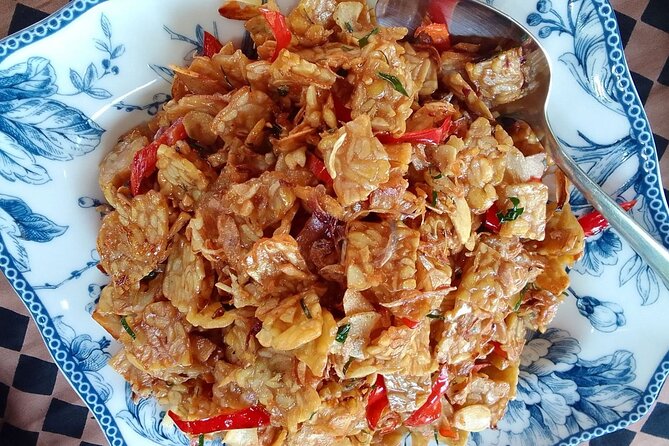
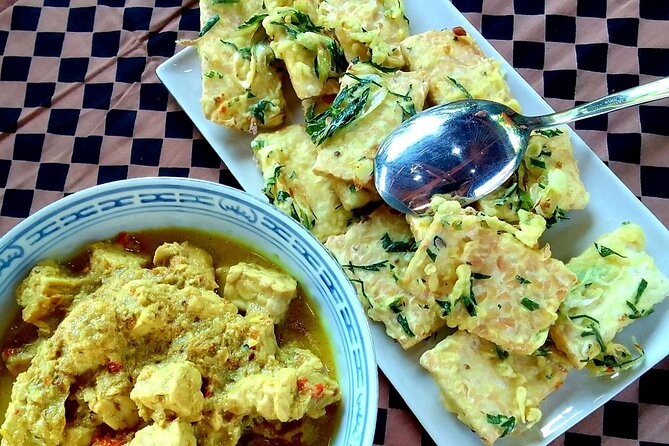
One of the most satisfying parts is the scale: you’ll sit down to seven dishes. Even if you don’t catch every ingredient on first bite, the variety matters. It shows you what tempeh can do across different textures and seasoning styles, and it gives you a full sense of how Balinese meals feel as a set.
You’re not just eating one highlight dish. You’ll have a spread that includes tempeh-based creations and dishes built around Balinese spice logic. Sayur Urab is part of that mix, and you’ll also have additional local recipes. If chicken and tuna are included for non-vegan participants, they’re handled in a way that doesn’t derail the overall menu structure.
Practical note: this is lunch you actually earned. You’ll be tasting while your kitchen memory is still fresh, which makes it easier to repeat at home. It’s also a good way to gauge what you like, so you can decide what you want to recreate later.




Value in Seminyak: What $39 Buys You Here
At $39 per person, this class can feel like a bargain compared with what you often pay for “cooking experiences” that mostly involve watching and eating one dish. Here, you get a full morning: tempeh making, Balinese cooking instruction, and a multi-dish lunch.
The value gets even better when you account for the small group limit (maximum 10). With a larger crowd, cooks often get stuck waiting for attention or making one dish while others do the rest. In this format, you’re more likely to get help at the exact moment you need it, especially during the more technique-based tempeh steps.
You also get drinks and a light snack during class time. It’s small, but it prevents that mid-session slump that turns a cooking class into a grind. You finish around noon with a full meal, so you’re not scrambling for food afterward.
If you’re thinking about the private upgrade mentioned in the description, it’s worth considering if you want extra coaching. A private group would likely make sense if you’re a confident cook who wants deeper troubleshooting, or if you’re traveling with family and want a calmer pace.
Who This Class Suits Best (and Who Might Skip It)
This is a great fit if you want a hands-on Balinese cooking class with real technique. If you like vegan cooking, tempeh is the perfect anchor ingredient, and this class doesn’t treat it like an afterthought.
It’s also ideal if you’re the kind of traveler who likes learning context, not just recipes. The tempeh history segment helps you understand why this ingredient works culturally, not just nutritionally. That matters when you’re building your own kitchen habits later.
You might want to reconsider if you hate early mornings. Start time is 9:30 AM, and you’ll be cooking for hours. You should also be comfortable with the idea that the class depends on good weather, since it uses outdoor parts.
Quick Tips to Get More From Your Class
Bring a mindset of making, not photographing. If you focus on the steps, you’ll remember more, and the guide you get for home cooking will actually help.
Wear clothes you don’t mind getting spice and cooking residue on. Balinese cooking includes coconut and seasonings that can cling.
Finally, ask questions during the tempeh process. That’s the moment where small details matter, and the small group setup makes questions easier to answer on the spot.
FAQ
FAQ
What time does the tempeh cooking class run in Bali?
It starts at 09:30 AM and finishes by 12:30. The lunch is included as part of the session.
How long is the experience?
The class runs for about 3 hours (approx.).
Is lunch included, and what will I eat?
Yes. You’ll prepare and then enjoy a Balinese Indonesian lunch with a total of seven dishes. Sayur Urab is specifically included, along with other tempeh-based and local recipes.
Is the class vegan friendly?
Yes, it’s described as special vegan friendly. Chicken and tuna may be added in some dishes, but they can be skipped if you are vegan.
How many people are in the group?
The class has a maximum of 10 travelers.
Where do we meet for the class?
The meeting point is Canang Sari Homestay, Denpasar (Gg. Kaswari No.6, Dangin Puri Kaja, Kec. Denpasar Utara, Kota Denpasar, Bali 80234, Indonesia).
Is private group instruction available?
Private group options are available upon request.
How does cancellation work?
Free cancellation is available. You can cancel up to 24 hours in advance for a full refund, and cut-off times are based on local time. If canceled due to poor weather, you’ll be offered a different date or a full refund.
Should You Book This Tempeh Class?
If you want a morning in Bali that teaches real technique and ends with a satisfying lunch you helped create, I’d book it. The big selling points are making tempeh from scratch, the small group attention, and the chance to learn dishes like Sayur Urab in a setting run by Ayu and Ngurah.
Book it especially if vegan cooking is your thing, or if you’re curious about why tempeh matters in Indonesian meals. I’d skip it only if you strongly prefer watching over working, or if you’re not comfortable with a class that uses outdoor parts and depends on good weather.