Majapahit is hiding in plain sight. This guided day around Trowulan turns scattered brick-and-stone remnants into a story you can actually follow, especially with an English-speaking guide like Agus explaining how the empire worked and even sharing local legends tied to the region. I also like that you do not just look at temples from the outside—you get museum time too, with artifacts that help you picture the people who made this place.
The main thing to plan for is comfort: expect hot, sun-heavy walking between sites, and the vehicle seats can feel tight on some days, so bring a hat and take the water breaks seriously.
In This Review
- Key highlights you should care about
- From Surabaya to Trowulan: the day’s simple flow
- Price and what $83 buys you in real terms
- Meeting and getting comfortable in the heat
- Wringin Temple: the big, gate-like presence
- Tikus Temple: rat statues and Durga worship
- Candi Bajangratu: carved detail that rewards slowing down
- Museum of Trowulan: artifacts that connect the dots
- Candi Brahu dan Gentong: the stepped pyramid twist
- Lunch and the pace: simple fuel for a full day
- Who this tour fits best
- What to bring (and what to do) before you go
- Should you book the Trowulan tour from Surabaya?
- FAQ
- How long is the Trowulan Tour Ruin of Majapahit Kingdom?
- Where do you get picked up?
- What does the tour include?
- Is there an English-speaking guide?
- What should I bring?
- Is smoking allowed during the tour?
- Is the tour wheelchair accessible?
Key highlights you should care about
- Full Majapahit context with a real guide: you learn how the kingdom’s phases connect to the sites you’re seeing.
- Museum of Trowulan time that actually adds meaning: sculptures, ceramics, and jewelry help you read the temples better.
- Tikus Temple with distinctive rat statues: it’s named for the figures inside and linked to worship of Durga.
- Candi Bajangratu’s carved detail: you’ll slow down for the architecture and ornamentation.
- A big, prominent stop at Wringin Temple: it’s described as the largest temple in Trowulan and tied to the main gate idea.
- Lunch included, but simple: a sandwich and soda keeps your day moving without turning lunch into a detour.
From Surabaya to Trowulan: the day’s simple flow
I like that this tour is built around one purpose: get you from Surabaya to the Trowulan archaeological area (near Mojokerto) and keep the momentum moving site to site. Pickup happens directly inside the Surabaya cruise port arrival area, so you’re not wasting time hunting for your meeting spot.
The total time runs about 330 to 390 minutes. That range matters because it affects pacing. Some days feel like a steady “see, learn, walk, repeat.” Other days you’ll get more breathing room between stops. Either way, the structure is straightforward: a guided drive out to Trowulan, multiple temple visits, then a museum and final temple before you head back.
You can also read our reviews of more tours and experiences in Surabaya.
Price and what $83 buys you in real terms
At $83 per person, this isn’t a bargain-sticker tour. But it also isn’t priced like a luxury day, and that’s the point. Your money is largely buying four things that are hard to DIY without effort:
Transport + guide + entrances + convenience. The package includes a driver with fuel, a professional tour guide, all entrance tickets, parking fees, highway fees, and mineral water. You also get a simple lunch (sandwich and soda).
If you’re the type who would otherwise spend time arranging a car, finding ticket lines, and trying to piece together the right context on your own, the value starts to make sense. Also, the fact that the guide is English is big: you’ll understand more than you’d get from reading signs alone.
One practical note: you’re not just paying for the ride. You’re paying for interpretation—explaining why Wringin Temple is treated as the main gate idea, why Tikus Temple is remembered for its rat statues, and how Candi Bajangratu and other structures connect to Hindu deities.
Meeting and getting comfortable in the heat
I recommend you treat this as a sun-and-shoes outing. The tour guidance calls out bringing a sun hat and it’s not optional—this is Java, and Trowulan can feel warm fast. Hydration is practical wisdom for this day, not a suggestion.
The sites are outdoors, and you’ll move between them. Even if each stop isn’t a marathon, the sum of short walks adds up. If you’re sensitive to heat, plan your energy like you would for a beach day: hat on, water used early, and pace yourself when you’re between temples.
Also, one detail that came up: the vehicle can have small seats depending on the day or group setup. It’s not a show-stopper, but it’s worth knowing so you’re not caught off guard. If you’re tall or easily uncomfortable in cramped seating, that’s the one aspect to mentally prepare for.
Wringin Temple: the big, gate-like presence
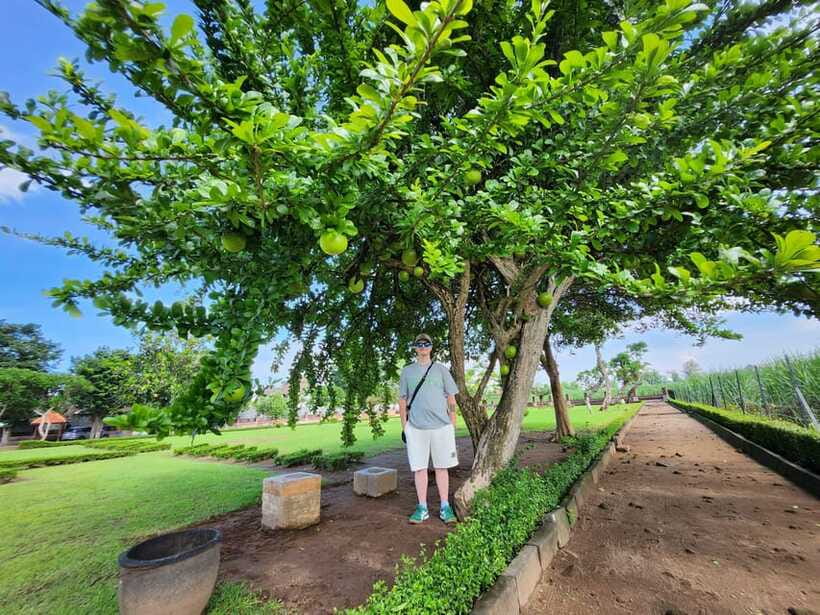
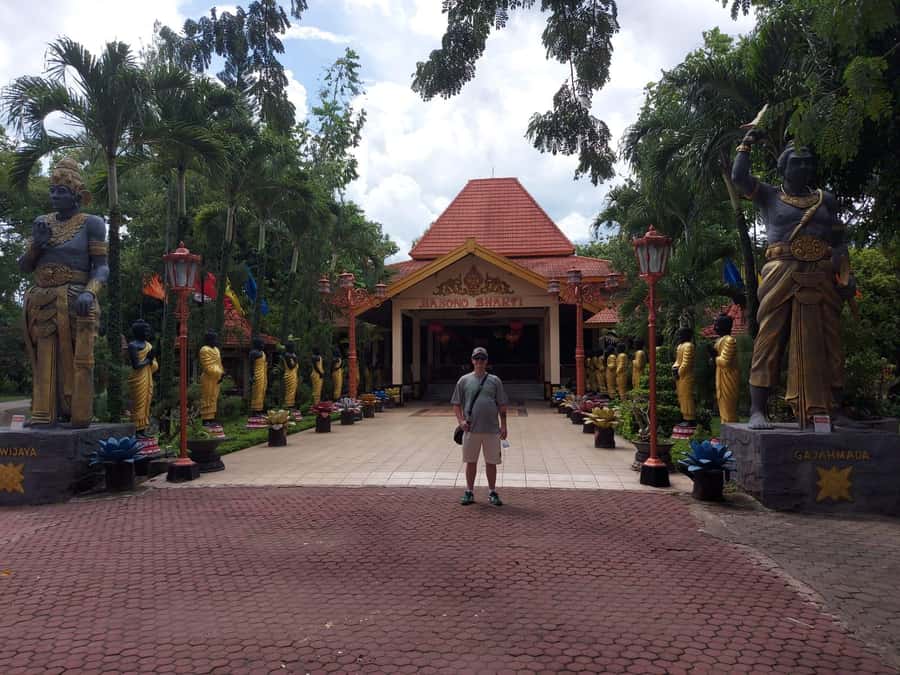
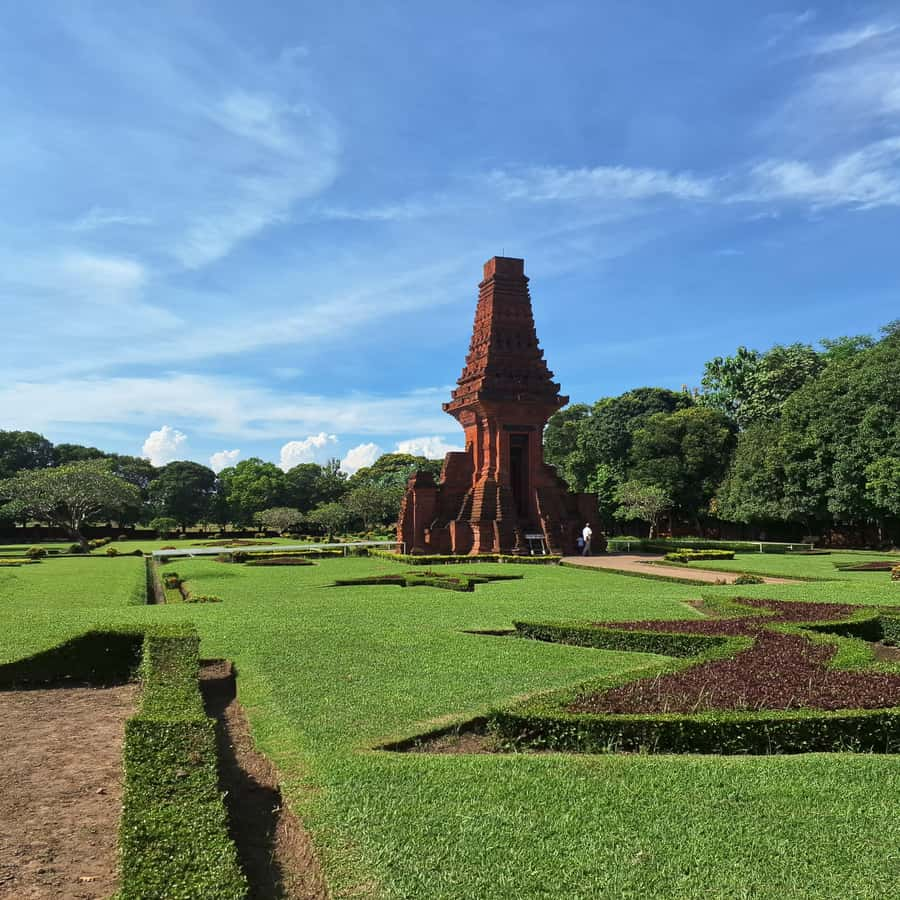
Wringin Temple is your first major anchor point in Trowulan. It’s described as the largest temple in the area, and it’s believed to have been connected to the main gate of the Majapahit capital.
Even if you don’t know much about Majapahit yet, this stop helps you get your bearings. A large temple tends to act like a landmark. Your guide’s job here is key: you learn how the temple fits into the idea of a capital city layout, not just as an isolated monument.
What I like about starting here is that it sets expectations. After Wringin, you’re better prepared to notice how the next temples differ in mood and symbolism.
Tikus Temple: rat statues and Durga worship
Tikus Temple gets attention fast, and for good reason. The name comes from the many rat statues found inside, and the site is believed to have been a place of worship for Durga, the Hindu goddess of destruction.
This is one of those stops where the guided explanation matters. Without context, you might just think: interesting carvings, neat figures. With context, you understand the temple’s role in local belief and temple design.
The tone of the day shifts here too. It’s not just about size and gate theories anymore. It’s about ritual symbolism—how everyday carved details can point to spiritual practices.
If you enjoy architecture that tells a story through its details, this is a highlight you’ll probably remember long after you leave.




Candi Bajangratu: carved detail that rewards slowing down
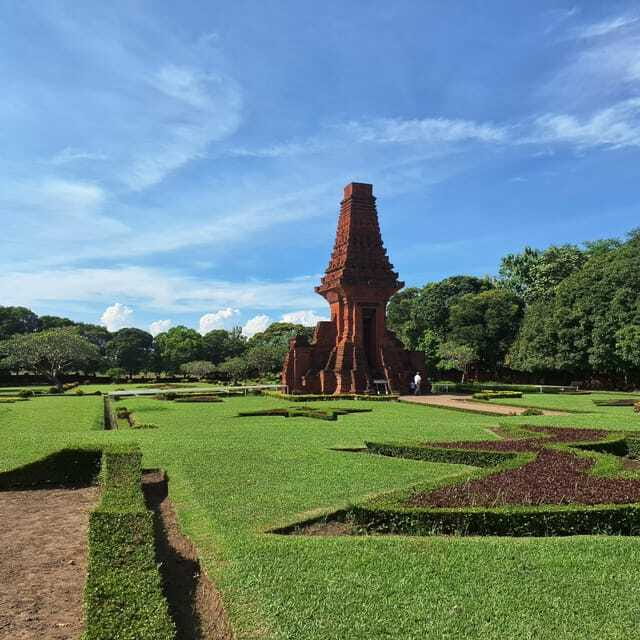
Next comes Candi Bajangratu, dedicated to Parwati (the consort of Shiva). This stop is all about close-up appreciation: intricate carvings, careful stonework, and an overall elegance that makes you pause.
What makes it valuable for you is that it teaches you how to look. Instead of treating temples like generic ruins, the guide helps you read the structure—why the design feels intentional and what the deity link implies about the culture that built it.
I also like that this temple is not just a quick glance. You get time to admire it, which turns the day from “checklist sightseeing” into actual viewing.
Museum of Trowulan: artifacts that connect the dots
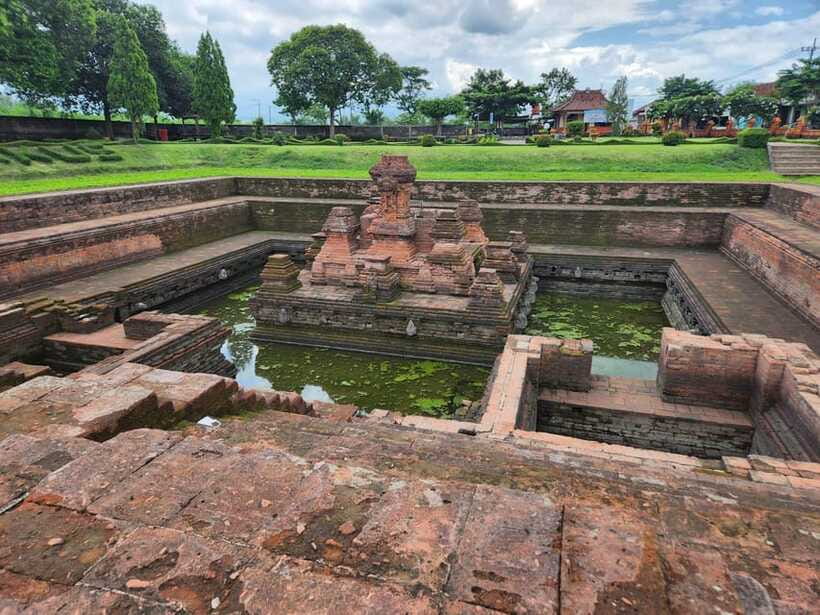
Then you head to the Museum of Trowulan, where the experience levels up. Temples are powerful, but museums translate power into understanding.
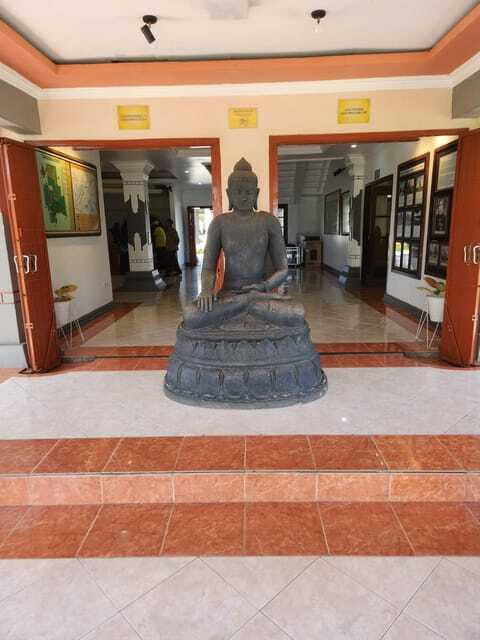
This museum houses artifacts from the Majapahit era, including sculptures, ceramics, and jewelry. That variety matters because it doesn’t limit the story to stone architecture. You get a sense of daily life and craftsmanship—what people made, wore, and valued.
And it helps you notice what you missed earlier. After the museum, you’ll look at temple components with better guesses about their purpose and meaning. It’s the difference between seeing ruins and decoding them.
Guides also seem to do a good job keeping the museum visit practical even if you’re not fluent in regional religious art concepts. One helpful thread from past experiences: guides with familiarity across Hindu and Buddhist contexts can explain the material in a way that feels accessible, not academic.
Candi Brahu dan Gentong: the stepped pyramid twist
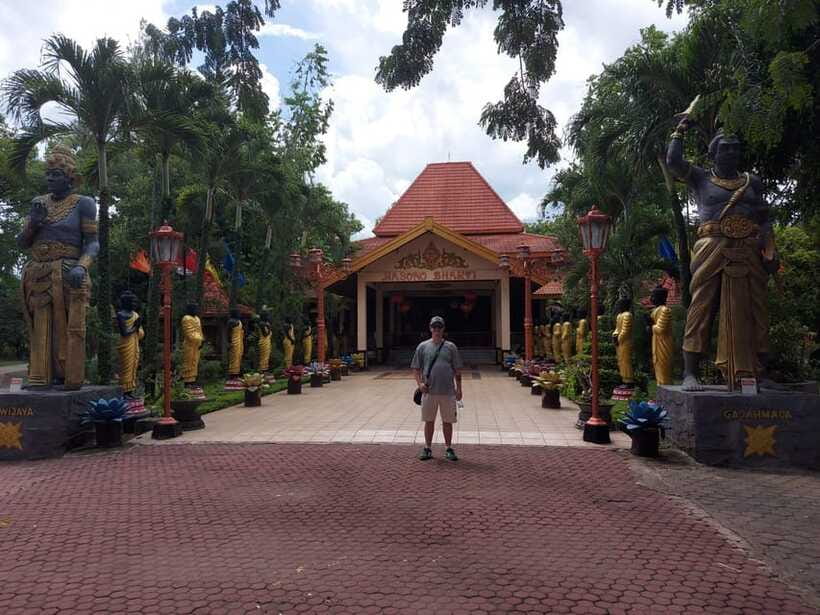
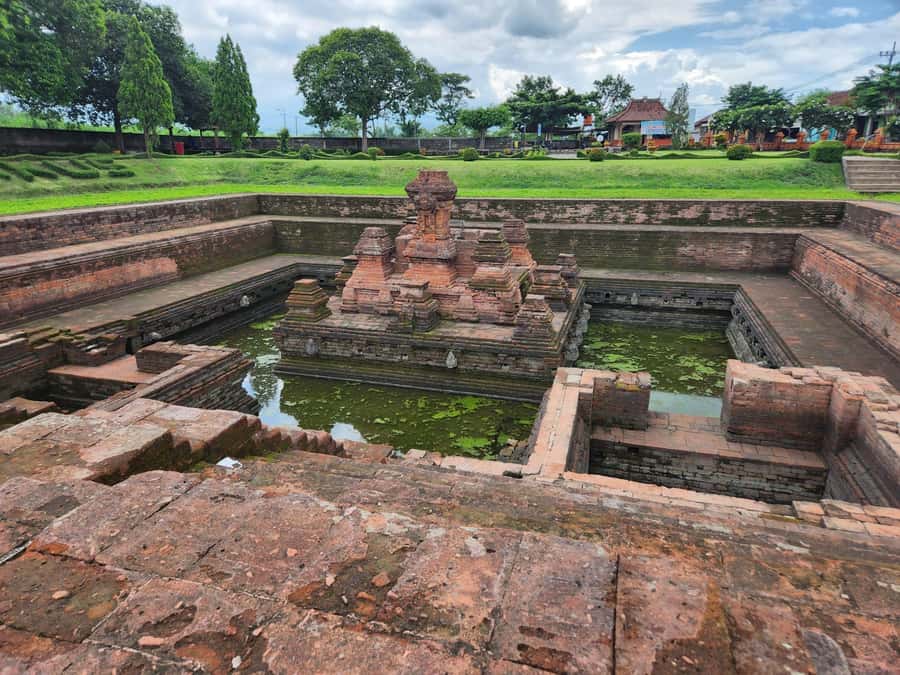
Your final temple stop is Candi Brahu dan Gentong, linked to Brahma, the Hindu god of creation. The standout feature is its unique stepped pyramid design.
This is a good closer because it’s visually memorable. Stepped pyramid styles feel different from the more delicate, detail-forward carving you saw at Candi Bajangratu. By the time you reach this stop, your brain is ready for variety.
I also like that the guide ties it back to mythology and meaning rather than treating it like a photo spot. You leave with a mental image of the form and a reason behind why it matters.
Lunch and the pace: simple fuel for a full day
Lunch is included as a sandwich and soda. It’s simple, not a long cultural feast. For you, that’s a plus if you want a smooth flow and don’t want the day to stretch out.
Given the outdoor walking and travel time, simple lunch makes the schedule more predictable. Just keep in mind that your main break opportunities will likely center around the set lunch time and the natural pauses between sites.
Who this tour fits best
This tour is a strong match if you:
- want an English-guided day focused specifically on Majapahit remains in Trowulan
- like learning the “why” behind temples, not just taking pictures
- would rather get a structured route from Surabaya than arrange transport and tickets alone
- enjoy a mix of outdoor ruins + museum artifacts
It’s probably less ideal if you:
- need wheelchair access (the tour is not suitable for wheelchair users)
- can’t handle heat and outdoor walking without frequent stops
- get uncomfortable in tighter vehicle seating
What to bring (and what to do) before you go
Bring a sun hat and plan on staying hydrated. The tour explicitly mentions hat/sun hat, which tells you where the organizers expect the strain.
In practical terms:
- wear breathable clothing and closed-toe shoes you can walk in
- bring sunscreen if you use it (not listed, but it’s sensible for sun-heavy stops)
- keep your day light—this is a moving itinerary with multiple outdoor sites
Also, the tour rules say no smoking. It’s standard, but it’s good to know.
Should you book the Trowulan tour from Surabaya?
I think you should book this tour if you want a well-paced day that connects the temples to the broader Majapahit story. The biggest strength is the guide. With someone like Agus, the visit becomes more than photo stops—he’s described as energetic and strong on local history, including legends tied to the region and the empire’s phases.
You should skip or rethink it if you’re very heat-sensitive, require step-free access, or hate cramped vehicles. Those are the main realistic friction points.
Overall, for $83, you’re buying a full guided circuit with entrances, transport, and a museum stop that adds meaning fast. If you want your time in East Java to feel focused and understandable, this is one of the better ways to do it.
FAQ
How long is the Trowulan Tour Ruin of Majapahit Kingdom?
The duration is 330 to 390 minutes, depending on the starting time and schedule.
Where do you get picked up?
You get picked up directly inside the Surabaya cruise port, at the arrival area.
What does the tour include?
It includes transportation with a driver and fuel, a professional tour guide (English), a simple lunch (sandwich and soda), mineral water, all entrance tickets, parking fees, highway fees, and all other listed fees.
Is there an English-speaking guide?
Yes, the tour has a live tour guide in English.
What should I bring?
Bring a sun hat (and the tour guidance also lists hat).
Is smoking allowed during the tour?
No, smoking is not allowed.
Is the tour wheelchair accessible?
No, the tour is not suitable for wheelchair users.