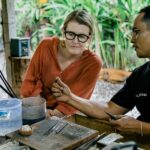
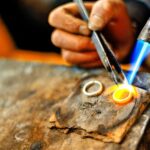
A short farm tour with big flavors. You’ll walk Bali’s coffee countryside, learn how Luwak coffee is made, then shift to herbal tea and raw honey from stingless bees. I like that it’s not just tasting, it’s also the farming story and hands-on explanations, and you get a real mix of coffee, tea, and honey in just 90 minutes. One thing to keep in mind: the schedule is tight, so if you want lots of extra time at each stop, you may wish it ran a bit longer.
I also appreciate the practical side of the experience: they provide umbrellas if it rains, and you get traditional brewing tools during the process. The guide-led flow is friendly and easy to follow, with English and Indonesian support through a live guide plus an audio guide. Still, transportation to the farm is on you, and the tour’s tastings can be tied to optional purchases like Luwak coffee.
Key things that make this tour worth your time
- Luwak coffee process explained from ripe cherry to cleaning, roasting, and brewing
- Herbal tea garden picking with medicinal plants like ginger, turmeric, lemongrass, and rosella
- Stingless bee hives visit focused on Trigona and Tapis bees and their harvesting approach
- Two raw honey tastings with a noticeable difference in flavor between Trigona and Tapis
- Multiple coffee and tea testers available with an included Luwak purchase option
In This Review
- A 90-minute Bali agro tour: coffee, herbal tea, and stingless honey
- Finding the meeting point near the Kopi Luwak sign
- The coffee plantation walk: how Bali’s coffee is grown
- Luwak coffee: from civet-selected cherries to your cup
- Herbal tea garden: pick the plants and learn the uses
- Stingless bees and honey harvesting: Trigona vs Tapis
- The tasting set, traditional tools, and what costs extra
- Price and value: $6 for a guided farm education
- What the best reviews seem to care about
- Practical tips so your visit goes smoothly
- Who should book this tour, and who might skip it
- Should you book Lokasari: my quick decision guide
- FAQ
- How long is the Lokasari Coffee Plantation Tour?
- What’s included in the experience?
- Does the price include transportation to the meeting point?
- What languages are available during the tour?
- Is the tour suitable for kids or seniors?
- What should I wear or bring?
A 90-minute Bali agro tour: coffee, herbal tea, and stingless honey
This is the kind of Bali experience that makes you feel like you stepped into daily life, not a theme park. You start on a coffee plantation and keep moving through the farm’s other specialties: herbal teas and raw stingless bee honey. At 90 minutes total, it’s short enough to fit into a busy day, but focused enough that you actually leave with a sense of how the whole system works.
The strongest part is the mix. You’re not only tasting something sweet or caffeinated—you’re learning where it comes from. I especially like the pairing of Luwak coffee with the tea garden and bee hives, because it shows how locals diversify farming beyond just one crop.
Finding the meeting point near the Kopi Luwak sign
Plan to arrive a little early. The meeting point is at the main entrance of the plantation near the big Kopi Luwak sign on the roadside. Look for the traditional Balinese gate and the greenery around it. Your guide meets you there, wearing a Balinese madya uniform.
A small practical note: there’s free parking on site, which helps a lot if you’re using a driver or renting a scooter and want to keep logistics simple. What’s not included is transportation to and from the location, so build that into your plan.
You can also read our reviews of more tours and experiences in Sidemen Village.
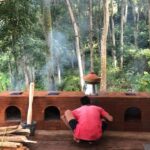
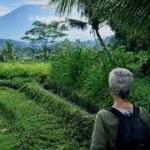
The coffee plantation walk: how Bali’s coffee is grown
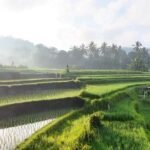
After you’re gathered, you’ll take a walk through the plantation in Bali’s highlands. Expect an easy-going pace on natural farm paths, surrounded by tropical trees and the kind of fresh air that makes you slow down without trying.
This is where the tour starts to feel educational in a grounded way. You’ll learn about local coffee varieties and eco-friendly farming methods passed through generations. The guide’s goal is to connect what you smell and taste later with what’s happening in the soil and shade during the growing season.
If you hate walking in uneven ground, wear shoes you don’t mind getting a little dusty. This is not an indoor tasting session.
Luwak coffee: from civet-selected cherries to your cup
The star topic here is Luwak coffee, often called one of the world’s rarest coffees. You’ll get an explanation of the process, centered on how civet cats (luwak) naturally select and digest ripe coffee cherries. Then the beans are cleaned, roasted, and brewed.
What I like is that the tour doesn’t treat Luwak as magic dust. It frames it as a process with steps and with ethical considerations. That matters, because Luwak can be a complicated topic. Even if you already know the basics, this structured walkthrough helps you understand how the final cup is created.
You also get to taste the brew. And because the tour includes traditional brewing tools, you’re not just handed a cup—you’re watching and learning how coffee changes with the method.
Herbal tea garden: pick the plants and learn the uses
Next comes the herbal tea garden, which is a different pace and a different kind of interest. Instead of focusing on coffee beans, you’re surrounded by medicinal plants and everyday garden crops.
You’ll learn traditional uses for plants like lemongrass, ginger, turmeric, and rosella. Then you pick fresh herbs as part of the experience. After that, you relax with a cup of handcrafted herbal tea made from the plants you’ve just been introduced to.
A big benefit of this stop is that it gives you a way to think about tea beyond flavor. Even if you’re not chasing health claims, it’s interesting to see how people translate local plants into everyday drinks. Just remember that herbs can vary in strength—tell the guide if you have allergies.
Stingless bees and honey harvesting: Trigona vs Tapis
After coffee and tea, you shift to another farm-world: stingless bees. You’ll visit the hives and learn about two types featured in the tour: Trigona and Tapis bees.
The tour focuses on sustainable harvesting and what makes stingless bee honey worth paying attention to. You’ll watch the gentle harvesting process, then taste two raw honey varieties.
What you can realistically expect is a real taste comparison:
- Trigona honey: described as tangy and linked with probiotic-rich benefits
- Tapis honey: described as sweeter and more floral in character
The tour materials also say these honeys are valued by locals as natural superfoods, and that they have unique health benefits. Keep expectations sensible: it’s a tasting tour with educational context, not a medical appointment. Still, it’s genuinely interesting to compare how two honeys from different bees can taste different in the same session.
The tasting set, traditional tools, and what costs extra
This experience is built around short lessons and included tastings. You get a guided plantation session, an educational segment on the Luwak coffee-making process, entry to the herbal tea garden, and the stingless bee hive visit—then you get coffee/tea and honey tasting throughout.
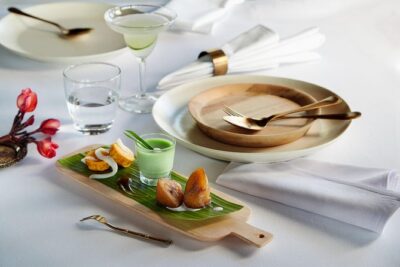
There’s also a specific tasting deal tied to Luwak coffee. You receive free coffee and tea testers when you purchase one cup of Luwak coffee. The details mention a free testing set of either 12 coffee and herbal tea varieties or 16 coffee and tea testers, so if you care about exact quantities, confirm the number at the start of the tasting portion. The point is simple: buying one cup unlocks extra sampling.
If you’re not interested in purchasing, you can still enjoy what’s included, but you’ll want to be aware that some of the broader tasting options are linked to that Luwak purchase.
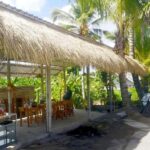
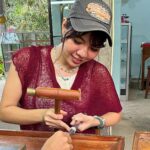
One more practical perk: you’ll have photo opportunities in scenic farm settings, and you can use traditional brewing tools as part of the demonstration. That’s helpful if you’re traveling with family or just like to document food moments.
Price and value: $6 for a guided farm education
At $6 per person, this is priced like a genuine budget agro-tour. For that cost, you’re getting a full guided program covering multiple subjects: coffee plantation walk, Luwak process education, herbal tea garden entry with picking and tasting, and a visit to stingless bee hives plus raw honey sampling.
The value depends on what you want from Bali that day:
- If you want a lot packed into a short window, this price-to-time ratio is hard to beat.
- If you want deep, slow, technical explanations at each step, you may feel the 90-minute pace is a bit fast.
Also, transportation isn’t included. If you’re far from the meeting area, your total cost will shift depending on how you get there.
What the best reviews seem to care about
The highest-rated experiences focus on two things. First, the tour is described as genuinely interesting from start to finish—especially the variety of plants and flavors. People also highlight that the guide’s explanations made the tasting part feel clearer, not random.
Second, the tasting at the end is often called out as excellent. That matches how the tour is structured: you move from coffee to herbs to honey, and you finish with comparisons that make flavors memorable.
The main negative pattern is simple: 90 minutes can feel too short for anyone who wants more time at each tasting station. That doesn’t mean the tour is bad—it means it’s meant to be efficient.
Practical tips so your visit goes smoothly
A few basics will make your time more pleasant:
- Wear comfortable walking shoes, since you’ll move through natural farm areas.
- Bring sun protection (hat and sunscreen), especially midday.
- If rain hits, umbrellas are provided.
- If you have food allergies or accessibility needs, inform the guide in advance.
- Pets are allowed but must be leashed and under control.
- The site has a toilet, so you’re not stressed mid-tour.
If you’re planning a Luwak purchase, go in with a clear decision. The free extra testers are tied to buying a cup, so it helps to know whether you’re curious enough to try.
Who should book this tour, and who might skip it
This tour is a good fit if:
- you like coffee and want the story behind it, not just the flavor
- you enjoy herbal teas and want to see the plants used
- you’re curious about stingless bees and tasting raw honey from two types
- you want a short, countryside-style stop away from the most tourist-heavy areas
You might skip it if:
- you hate short tours and want unhurried time at each station
- you only want one thing (like coffee only) and would rather spend time elsewhere
Should you book Lokasari: my quick decision guide
Book it if you want a high value 90-minute farm experience that mixes coffee, herbal tea, and honey into one guided story. The structure works well for day trips because you’re not stuck in traffic for hours or waiting around for one tasting event. At $6, it’s also a low-risk choice if you’re curious.
Skip or reconsider if your priority is deep, slow, technical learning. The tour is designed to move. If you want lots of extra time and you’re picky about sourcing or tasting details, you may prefer a longer specialty session instead.
FAQ
How long is the Lokasari Coffee Plantation Tour?
The tour lasts 90 minutes.
What’s included in the experience?
You’ll get a guided coffee plantation tour, an educational session on the Luwak coffee process, entry to the herbal tea garden, a visit to stingless bee hives (Trigona and Tapis), raw honey tasting, herbal tea, and traditional plant introductions. It also includes free coffee and tea testers with the purchase of one cup of Luwak coffee, traditional brewing tools, photo opportunities, a friendly local guide, free parking, and access to a toilet.
Does the price include transportation to the meeting point?
No. Transportation to and from the location is not included.
What languages are available during the tour?
The live tour guide speaks English and Indonesian, and an audio guide is also included in English and Indonesian.
Is the tour suitable for kids or seniors?
Yes. The tour is suitable for all ages, including children and seniors.
What should I wear or bring?
Wear comfortable walking shoes because the tour involves walking through natural farm areas. Sun protection is recommended, and umbrellas are provided if it rains.