Spices first, recipes second, and it actually makes sense. This Ubud cooking class works because you get hands-on instruction from local chefs (like Eri or Made) and you can optionally start with a Ubud market tour to see the ingredients before you cook.
I especially like the small group feel and the way you’re put to work: chopping, mixing spices, tasting as you go, then sitting down for the meal you made. One consideration: the market visit only happens on the morning option, so if you pick afternoon/evening you may start straight at the cooking site.
In This Review
- Key highlights to look for
- Ubud Cooking Class with Transfers: A 2–3 Hour Balinese Food Reset
- Getting There: Pickup Options and the Parking-Field Meeting Point
- Morning Market Tour vs Straight to Cooking: What Changes
- Your Chef and the Small-Group Advantage (Up to 10 People)
- What You Cook: Curries, Satay, Sambal, Tempeh, and Desserts
- The cultural layer: offerings and dish meaning
- The Session Flow: From Picking Ingredients to Eating Together
- Transfers, Optional Pickup, and the Sebali/Keliki Extra Fee
- What You Take Home: Certificate and Recipe Support
- Price and Value: Why This $21 Class Can Be a Winner
- Who Should Book This Ubud Cooking Class
- Should You Book This Ubud Cooking Class?
- FAQ
- How long is the Ubud cooking class?
- Is the market visit included?
- Do you provide hotel pickup and where is the meeting point?
- How many people are in the class?
- Can the class accommodate dietary needs?
- Is there an extra fee for certain areas, and can I cancel?
Key highlights to look for
- Optional Ubud market tour (morning only) with guidance through fruits, herbs, spices, and what locals actually buy
- Small group limited to 10 so you’re not watching from the sidelines
- Cultural food lessons while you cook, including the meaning behind dishes and Balinese offering traditions
- A full plate of cooking outcomes: curries, satay, and sweet treats, usually around 10 dishes
- Chef-led, family-style setting where tasks are shared and you get to taste what you learn
Ubud Cooking Class with Transfers: A 2–3 Hour Balinese Food Reset
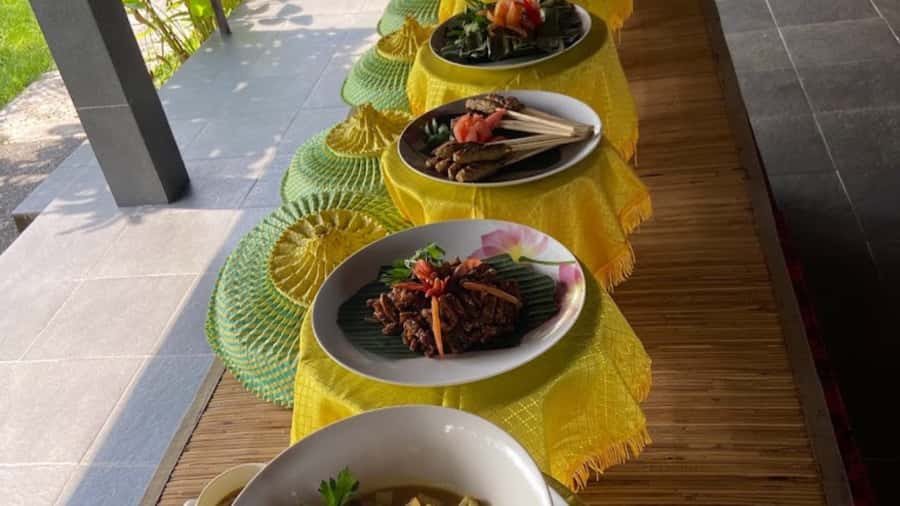
This is a good choice if you want more than a generic cooking show. The structure is simple: you’ll meet your guide, handle real ingredients, cook multiple dishes, then eat together. The time block is short enough to fit into a busy Ubud schedule, and the format is active enough that you leave with actual cooking skills, not just photos.
The price is also hard to argue with. At $21 per person for a guided class plus a meal, it’s aimed at value without cutting the core experience. You’ll still want to check whether your pickup is included in the option you select, and whether you’ll be cooking in the Ubud area vs getting charged an extra transfer fee.
You can also read our reviews of more tours and experiences in Ubud.



Getting There: Pickup Options and the Parking-Field Meeting Point
Transfers matter here because Ubud traffic can turn a “quick errand” into a slow start. If you choose a morning or afternoon option that includes pickup, you’ll be collected from Ubud Center and dropped back there afterward. The instructions also say pickup is optional, so if you don’t see transfer listed for your specific session, plan to get yourself to the class.
One detail you should note: the meeting point is in the Parking Field, and that’s specifically called out due to heavy traffic at night. If you’re arriving on your own late in the day, give yourself extra buffer time and look for staff who can point you to the correct pickup spot.
If you’re staying at a hotel, the practical move is to wait in the lobby for pickup when it’s included. That way you don’t miss the driver when they arrive.
Morning Market Tour vs Straight to Cooking: What Changes
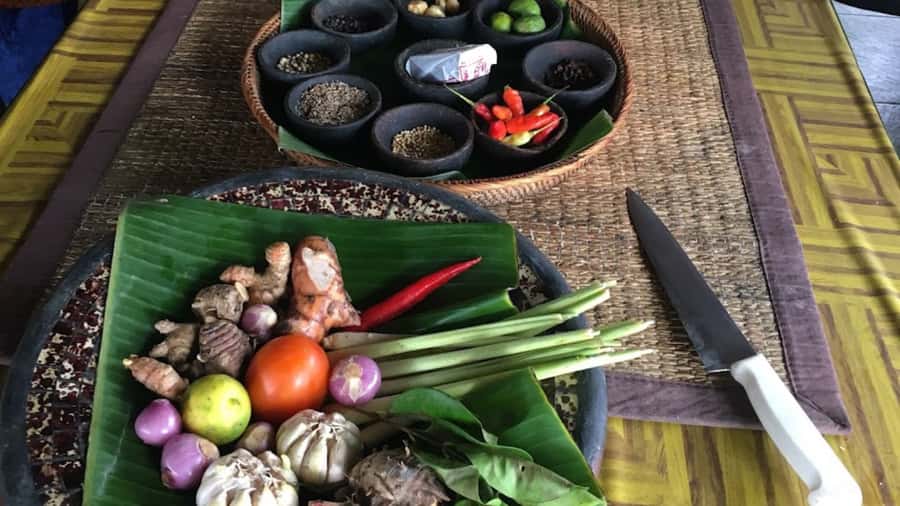
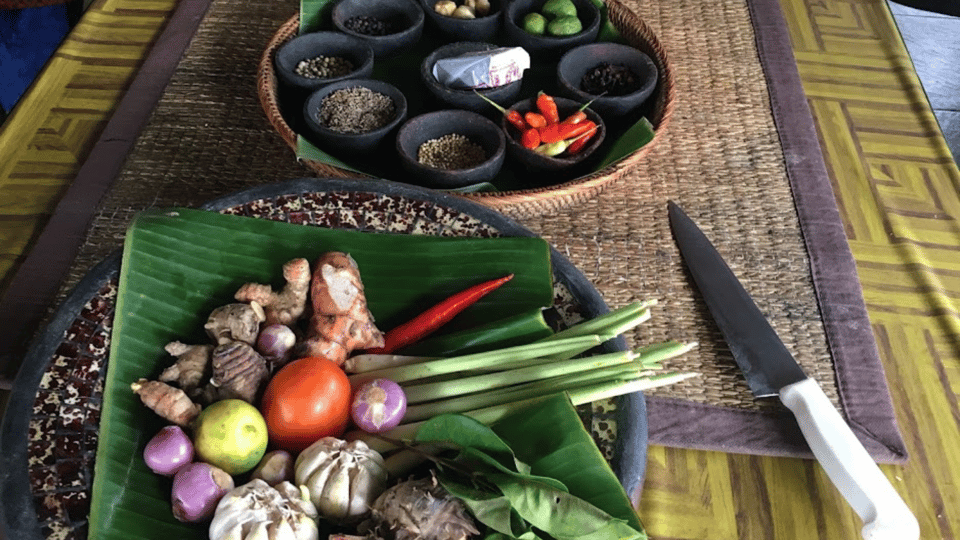
The morning option adds a real advantage: you start with an Ubud market visit. You’ll be guided through stalls full of exotic fruits, vegetables, herbs, and spices, with explanations of indigenous ingredients and why they matter in Balinese cooking. This is the part that helps the later recipes click. When you’ve seen the ingredients up close—some you may never recognize—it’s easier to recreate the flavors later at home.
If you book afternoon/evening, you likely skip that market portion and head toward cooking directly. That still works, but you lose the ingredient-introduction stage. If your goal is food education first, pick the morning. If your goal is just a fun cooking session and dinner-style meal, the non-market option is fine.
Your Chef and the Small-Group Advantage (Up to 10 People)
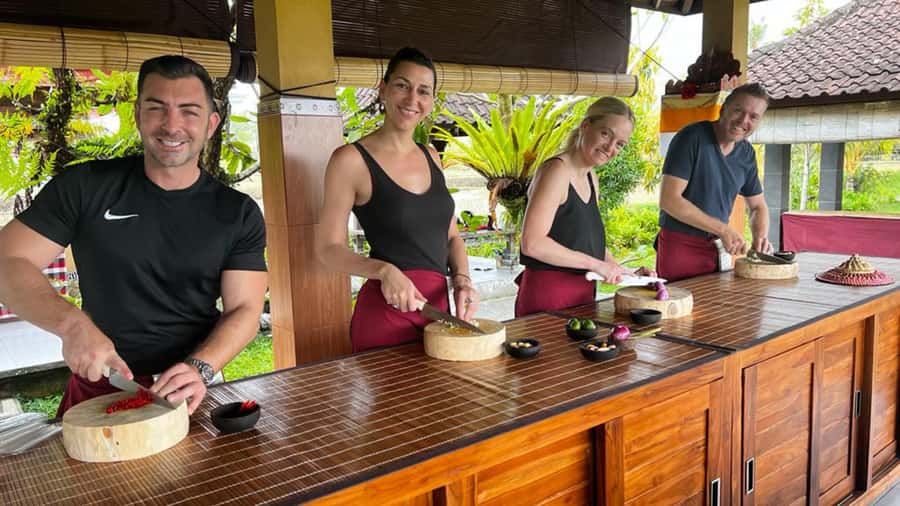
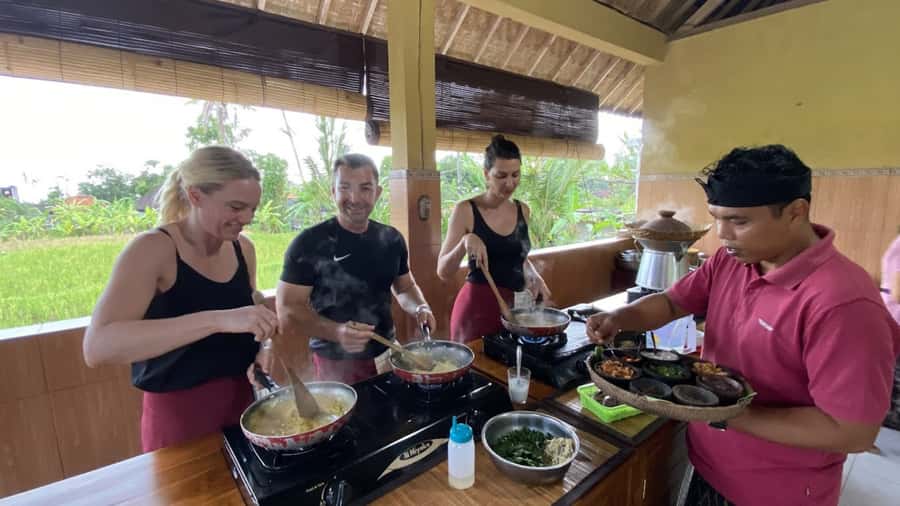
This class is built for participation. The group size is limited to 10 participants, and that shows in how the session runs. You’re not just holding chopsticks while someone else does the work. Instead, you get tasks and guidance step-by-step, with time to ask questions and adjust how you’re doing things.
From what you’ll hear during the session, the chefs aren’t just reciters of recipes. You may meet hosts like Eri or Made, and both are described as calm, patient, and clearly invested in teaching. The way instruction is delivered seems designed for beginners too, which matters if you haven’t cooked much beyond rice and instant noodles.
The vibe is also more local than touristy. Multiple descriptions point to a family-style environment and a traditional compound feel, not a sterile demo kitchen. Expect the atmosphere to feel like you’re being invited into someone’s daily world, even if the schedule is tourist-friendly.
What You Cook: Curries, Satay, Sambal, Tempeh, and Desserts
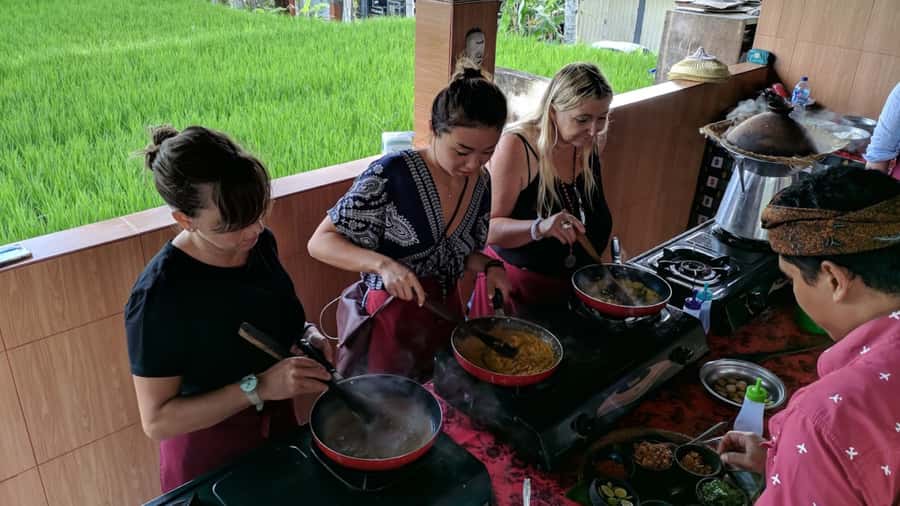
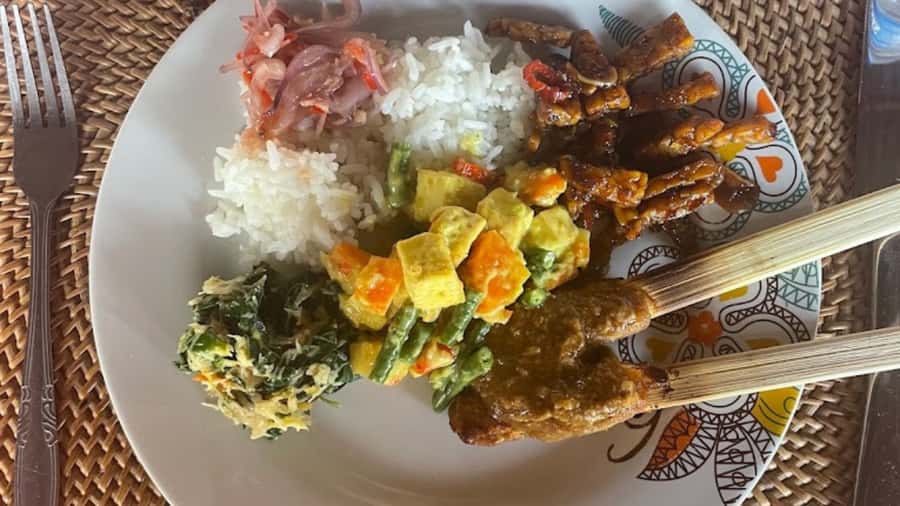
The dish lineup is where this class earns its keep. You’re taught to make a set of classic Balinese dishes that typically includes fragrant curries, satay, and dessert. Some sessions also feature items like tempeh, soup, and sambal. You might even get a chance to make something like pancakes using rice flour, depending on the day’s plan and substitutions.
Here’s why that matters: Balinese cuisine isn’t only about heat. It’s about balance—aromatics, spice blends, and fresh ingredients working together. When you make curry paste and then cook with it, you finally understand what those ingredients contribute beyond taste alone.
Many descriptions also mention around 10 dishes plus a shared buffet-style meal afterward. In other words, you’re not leaving with just one small bite of what you cooked. You’ll eat the results of your labor, which is a big deal for value.






The cultural layer: offerings and dish meaning
You’ll hear explanations about the cultural significance behind what you’re making. That can include religious and daily-practice elements, such as learning about Balinese offerings (including building something like a canang offering or an offering box). This is one of the most praised parts because it turns food from a random set of flavors into something tied to real rituals and community life.
If you care about context, this is the moment when it clicks. You’re not just learning how to cook. You’re learning what the dish represents.
The Session Flow: From Picking Ingredients to Eating Together
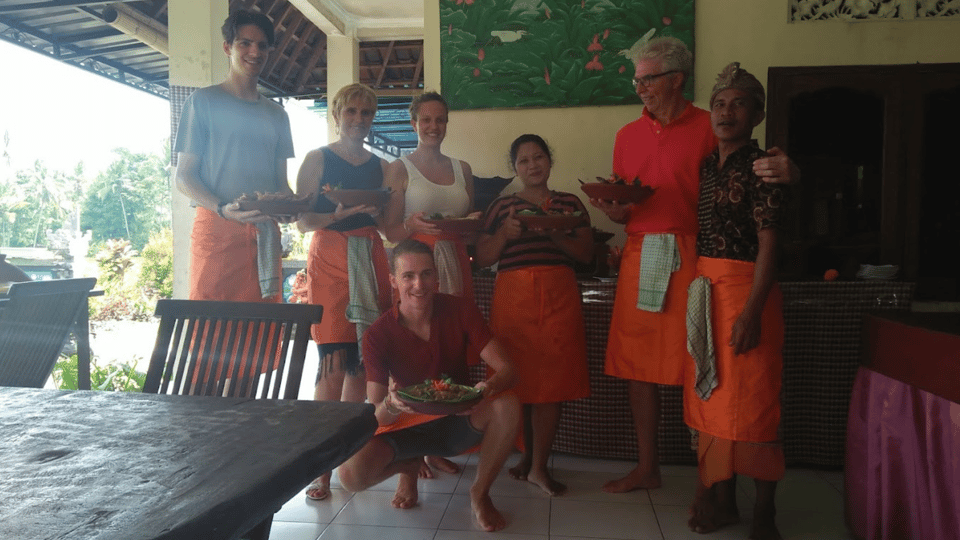
Let’s map out the typical rhythm of the class so you know what to expect.
First, there’s an introduction: you’ll meet your guide and chef, then get oriented with basic cooking tasks and the day’s plan. On sessions that include the market, this is where the market tour comes in—seeing ingredients, meeting vendors, and learning what’s local and seasonal.
Next comes the prep stage. Expect chopping, mixing spice blends, and learning traditional techniques. One theme across descriptions is that you’re kept busy without feeling rushed. You get personalized attention in a way that still keeps the group moving.
Then you cook. You’ll likely rotate through dishes so you learn more than one flavor profile. The class is structured so you build up to the meal rather than making everything at once and hoping for the best.
Finally, you sit down and eat. Multiple accounts describe a group feast and buffet-style meal setup. That’s not an afterthought. It’s the payoff.
Transfers, Optional Pickup, and the Sebali/Keliki Extra Fee
Your transport details can affect the total cost, so check this early.
- Pickup and drop-off at Ubud Center are included if the morning or afternoon option is selected.
- Pickup is described as optional, meaning you might need to meet the class on-site depending on your booking choice.
- There’s an extra charge of 50.000 per person for the Sebali or Keliki area.
This matters for value. The base price is low, but transfer-related add-ons can change the math. If you’re staying close to Ubud Center, you’re likely to keep the experience “simple and cheap.” If you’re farther out, the extra fee is something you should factor before you commit.
What You Take Home: Certificate and Recipe Support
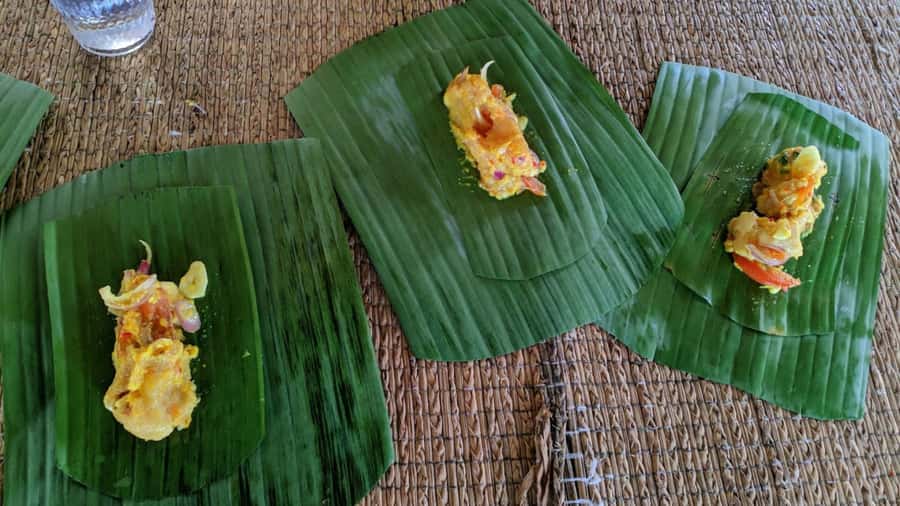
You’ll receive a certificate of completion, which is a fun souvenir and also a signal that the class ends like a real workshop, not a quick demo.
You may also leave with a recipe book. This is mentioned as a nice extra, and it helps you recreate what you made. If you tend to forget measurements once you’re back home, a written guide is genuinely useful. Even if you don’t follow it perfectly, it gives you a checklist of dishes and key flavors.
The overall lesson is practical: you learn the process behind the taste—how spice mixes behave, how sambal flavor builds, and how curry paste changes when cooked.
Price and Value: Why This $21 Class Can Be a Winner
At $21, the big question is whether you’re buying a fun time or actual value. Here’s what you get for that money:
- Guided class in English
- Small group limited to 10
- Meal included (and it’s described as substantial)
- Transfers included when Ubud Center pickup/drop-off is part of your selected option
- Market tour available on morning sessions
- Cooking instruction plus cultural context, not just recipes
So the value isn’t only the discount. It’s the “per hour” payoff: you cook, you eat, and you learn multiple dishes in a short window. Many cooking classes end up being one dish plus a snack. This one aims for an entire dinner set.
The only financial caveat is the Sebali/Keliki extra fee. If you’re outside central Ubud, your effective price might be higher. Still, for a class that outputs around 10 dishes and includes instruction and a meal, it can remain good value.
Who Should Book This Ubud Cooking Class
This is a strong fit if you:
- want a hands-on cooking lesson rather than an observation tour
- like food that’s tied to Balinese everyday life and religious practice
- need a short activity that turns into dinner
- have dietary needs, because descriptions mention the team can provide alternatives (like vegetarian options and specific substitutions such as avoiding fish)
It may not be perfect if you want a very quick, casual taste experience. This class is about cooking work, not passive sampling.
It’s also a nice option for families with teens. One description notes the class works well even with younger participants because everyone gets tasks and shared guidance.
Should You Book This Ubud Cooking Class?
If you want a real Balinese cooking session with transfers and a meal, I’d say yes. The class structure makes it easy to justify: you cook multiple dishes, eat what you make, and you get cultural context without turning it into a lecture.
Book the morning option if you’re excited about markets and ingredient education. Pick the afternoon/evening option if you mainly want the cooking, dinner, and the hands-on team experience.
Do check two things before you commit: whether pickup is included for your hotel and whether your area triggers the 50.000 per person extra fee (Sebali/Keliki). If those align, this is one of the more satisfying value buys in Ubud.
FAQ
How long is the Ubud cooking class?
The experience runs about 2 to 3 hours.
Is the market visit included?
The market tour is included only if you choose the morning option. The afternoon option may not include it.
Do you provide hotel pickup and where is the meeting point?
If the morning or afternoon option is selected, you’ll get hotel pickup and drop-off at Ubud Center. If pickup isn’t included, the meeting point is listed as the Parking Field, noted as important due to night traffic.
How many people are in the class?
It’s a small group with a limit of 10 participants.
Can the class accommodate dietary needs?
Dietary needs are mentioned in the information provided by past participants, including vegetarian options and substitutions (for example, avoiding fish and using alternatives like rice flour for certain items). Let the organizers know your needs ahead of time.
Is there an extra fee for certain areas, and can I cancel?
There’s an extra charge of 50.000 per person for the Sebali or Keliki area. Cancellation is free up to 24 hours in advance for a full refund.