Ubud in one day can feel like a sprint. This tour turns it into a smart route, mixing waterfall time and temple culture with classic Ubud scenery plus an art stop. I like how it’s built for convenience with hotel pickup and an English-speaking guide, so you spend your energy on seeing things, not figuring them out.
I also like the all-in feel: entry fees and key costs are bundled, and the day includes a coffee plantation break where you can sample coffee, tea, and chocolate. One consideration: this is a weather-dependent outing, and the day also involves walking and getting to viewpoints—so bring footwear you trust.
In This Review
- Key things to look forward to
- Why This Ubud Highlights Route Works So Well From Seminyak
- Pickup, Private Vehicle, and What All-Inclusive Means in Real Life
- Kanto Lampo Waterfall: Swim Time and Photo Setup
- Tirta Empul Holy Water Temple: Culture You Can Read
- The Local Coffee Break: Sampling Coffee, Tea, and Chocolate
- Tegallalang Rice Terrace and the 20-Meter Swing Above the Fields
- Art Village Visits: Wood Carving, Painting, and Silver Smith Work in Ubud
- Price and Logistics: Is $27.49 Good Value for a Full Ubud Day?
- Who This Tour Suits Best (and Who Might Want a Different Day)
- Guides and the Human Factor: Why the Day Feels Smooth
- Should You Book This Ubud Highlights Tour?
- FAQ
- How long is the Ubud highlights tour?
- Is pickup included?
- Is this tour private?
- What language is the guide?
- Are entrance fees included?
- Is the swing at Tegallalang included?
- What happens if weather is bad?
Key things to look forward to
- Kanto Lampo Waterfall time for photos and swimming, right in the middle of your day
- Tirta Empul Holy Water Temple, a focused cultural stop tied to Balinese life
- Coffee plantation tasting break with options like coffee, tea, and chocolate
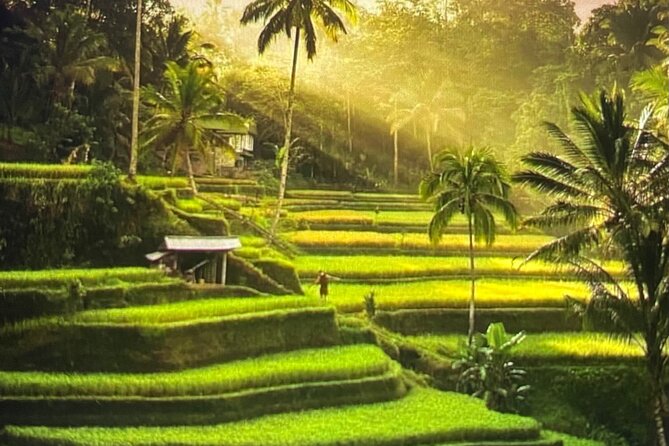
- Tegallalang rice terrace views plus a swing about 20 meters above the fields (optional, extra cost)
- Ubud art village visits for wood carving, painting, and silver smith work
Why This Ubud Highlights Route Works So Well From Seminyak

Ubud is famous for three things: nature, culture, and that unmistakable Balinese creative streak. What I like about this day plan is that it hits all three without forcing you into a confusing checklist of directions and timing. You start in the Ubud area and move through the big “yes, that one” sights—then you end up in art villages where you can actually watch (and shop if you want) the skills that make Ubud feel like Ubud.
The day is built around a steady flow of stops: waterfall → temple → coffee break → rice terrace → art village. That order isn’t random. Waterfall time is easiest earlier when the morning energy is still fresh, the temple stop gives you cultural grounding before you head into the scenic viewpoints, and the rice terrace works well when you’re ready for wide open views and photos.
The art village finish is a good closer too. By the time you arrive, you’ve already seen Bali’s nature and rituals. Then you get to focus on craft—wood carving, art painting, and silver smith work—so the day lands with something tangible.
One more practical win: even though it’s a full day, it doesn’t try to cram in too many micro-stops. You’re not bouncing every five minutes between roadside attractions. You get time to look, move, and actually enjoy.
You can also read our reviews of more tours and experiences in Seminyak.



Pickup, Private Vehicle, and What All-Inclusive Means in Real Life
This is a private tour for your group, and that matters more than you might think. Private usually means fewer compromises: you can move at the pace of your group and not get swept into a timetable that fits strangers better than you.
You also get an air-conditioned vehicle plus a private English-speaking driver and guide. The guide part is key because Ubud can feel “obvious” on a map but less obvious on the ground. Having someone who knows the area well makes the trip smoother, especially when you’re jumping between viewpoints, temples, and rural lanes.
The “all inclusive” angle here is specific: all fees and taxes are included, along with entrance fees, donations, and parking. That’s the kind of inclusion that can save you from the mini-surprises that often show up later in the day. Personal expenses are still on you, but the big cost categories are handled.
You’ll also receive a mobile ticket, which is convenient if you’re trying to keep everything digital while you’re moving around.
Kanto Lampo Waterfall: Swim Time and Photo Setup

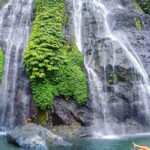
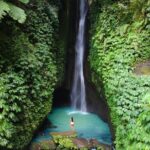
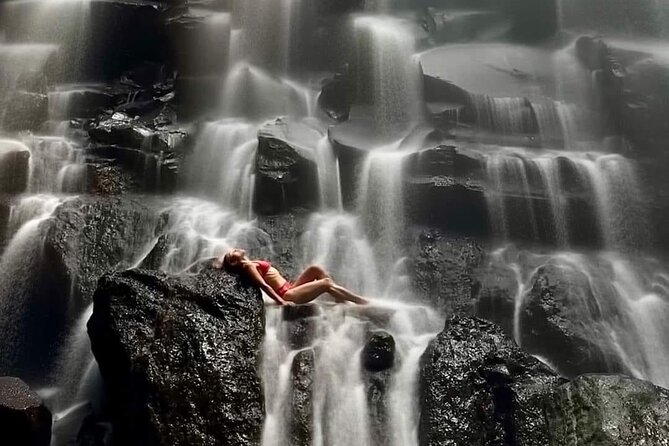
The day kicks off with Kanto Lampo Waterfall. This is one of those Ubud-area stops where the main reason people come is simple: you want to stand close to moving water and see those dramatic views that turn into photos fast.
What I like about this stop is that it isn’t just a look-and-leave viewpoint. You get time to swim and capture photos. That changes the vibe. Instead of feeling like you’re just passing through a waterfall, you can actually interact with the place—wading in, cooling off, and taking pictures when the angles look right.
That said, do plan for real conditions. A waterfall area often means wet surfaces and slippery footing. Bring shoes that can handle water or at least grip well, because your confidence matters more than your style here.
Also, think about your photo strategy before you jump in. If you want the best shots, give yourself a moment to look for the best angle from the path, then decide whether to swim first or shoot first. The tour gives you the chance for both, but your timing still affects how relaxed the experience feels.
Tirta Empul Holy Water Temple: Culture You Can Read
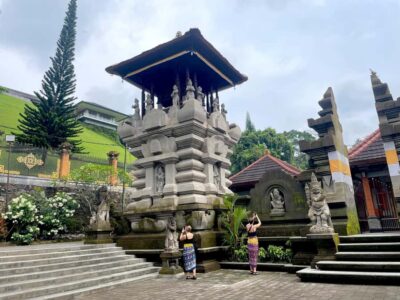
After the waterfall, you head to Tirta Empul Holy Water Temple. This is a strong cultural stop because it’s not just architecture on a postcard. It’s tied to Balinese Hindu practice, and that makes it feel more meaningful than a purely scenic temple.
The guide element matters here. Temples can be visually impressive, but it’s the context that turns “I saw it” into “I understand what I’m looking at.” Having an English-speaking guide who knows Bali well helps you make sense of what you’re seeing—so you’re not just scanning for the camera moment.
This is also a good “mental transition” in the middle of a busy day. You go from water and nature, to ritual and spirituality. If you’re the type of traveler who likes your days to have rhythm, this stop gives you a built-in pause.
One practical note: temple etiquette matters. Even when you’re there with a tour group, you’ll be expected to follow the basics of respectful behavior. If you’re unsure what’s appropriate, your guide can help you understand what to wear and how to act on site.
The Local Coffee Break: Sampling Coffee, Tea, and Chocolate
Then comes a break—thankfully not the kind that feels like a rushed shop stop. You’ll stop at a local coffee plantation and have a chance to taste various kinds of coffee, tea, and chocolate.
Why this is valuable: coffee sampling in Bali can be hit or miss if you don’t know what you’re looking at. A guided tasting helps you compare flavors without guessing. It also gives you a dry, seated moment between outdoor stops, which is handy when you’ve already been out around water and temples.
If you’re trying to keep your day enjoyable, use this time strategically. Drink something warm or sweet if that helps your energy, and take a moment to slow down before the rice terrace viewpoints. You’ll appreciate the reset when you’re walking paths and standing in open scenery later.


Tegallalang Rice Terrace and the 20-Meter Swing Above the Fields
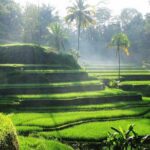
Next up is Tegallalang rice terrace, the Ubud classic for a reason. You’ll get those layered rice-field views that look especially good in natural daylight, and the scenery is part of the attraction.
This tour also offers a chance to swing above the rice fields—about 20 meters up. Important detail: the swing is personal expense, so it’s optional and separate from what’s included.
I like having it as an option rather than assuming everyone wants it. Some people love the adrenaline and the photos; others just want the views and prefer not to get strapped into anything. Either way, you’ll still enjoy the terrace as a viewpoint stop.
If you plan to do the swing, go in with a practical mindset:
- Wear something comfortable enough for walking and waiting
- Don’t rely on flimsy footwear for the walkways
- Bring an easy way to protect your phone or camera (or ask your guide what’s safest)
Also, plan your photos like a pro. With rice terraces, the best shots often mean adjusting your position, not just snapping while you’re already seated or standing randomly. Take a minute to look, then shoot.
Art Village Visits: Wood Carving, Painting, and Silver Smith Work in Ubud
You finish the day at an art village area around Celuk, Ubud, and Sukawati (Gianyar), where you can see local craft like wood carving, art painting, or silver smith work.
This stop is about more than shopping, even if you end up buying a small souvenir. It helps you understand why Ubud has such a strong creative identity. When you can see the craft being made—hands working, tools in motion—it’s easier to appreciate the skill behind the products.
A few things I find helpful here:
- If you’re into gifts, this is a better place than generic tourist stalls because you can match the item to the craft style you actually saw.
- If you’re not buying, it’s still worth going slowly. Craft work benefits from attention. Pause, watch, ask questions through the guide.
Also, this is the sort of stop that can work whether you’re traveling solo or as a couple or small group. It’s not a timed performance; you can take your time and decide what interests you most.
Price and Logistics: Is $27.49 Good Value for a Full Ubud Day?
At $27.49 per person for an about 8-hour day, this is priced like a budget-friendly way to hit multiple highlights. The bigger value question is: what’s included?
Here, your included items are the stuff that often adds up fast:
- Air-conditioned vehicle
- All ticket/entrance fee/donation/parking included
- Private English-speaking driver and guide
That means you’re not constantly negotiating small entry fees or surprise add-ons during the day. You do still have personal expenses, like the optional swing, but the core structure is handled.
You’ll also notice that this tour is typically booked around 14 days in advance. That’s a sign it fits well into planning windows for people who want a Ubud day without overthinking it.
One more practical point: duration matters. At eight hours, you can see the key sights without turning the day into an exhaustion marathon—assuming you’re okay with active walking around waterfall and viewpoints.
If you’re staying in Seminyak, this kind of guided all-in route usually beats trying to string everything together by yourself. Even if you’re confident with scooters, the combination of temple etiquette, timing, and transport between rural stops is where guided logistics pay off.
Who This Tour Suits Best (and Who Might Want a Different Day)
This is a great fit if you want a balanced Ubud day with a mix of nature and culture and you’d rather not spend your time on planning. It’s also a strong choice for you if you like having a guide explain what you’re seeing—especially for a temple stop like Tirta Empul.
It’s also ideal if you care about value. Bundled fees, an English-speaking guide, and private group attention mean you get more of what you paid for.
You might consider a different approach if:
- You dislike wet surfaces or don’t feel comfortable with waterfall swimming
- You prefer fewer stops and more free time in one place
- You’re not interested in the optional swing or you want long, slow time at rice terraces and art villages
Guides and the Human Factor: Why the Day Feels Smooth
The tour experience depends heavily on the guide and driver, and this one tends to deliver that personal touch. In practice, drivers such as Agus and Sentana have been described as on time, friendly, and good at keeping the day flowing. Guides like Adi have also shown up as knowledgeable and approachable, making it easier to enjoy the sights without feeling lost.
Even if you’re focused on the attractions, these human details are what prevent the day from feeling mechanical. When your driver is easy to be around and your guide can explain what you’re seeing, the whole route feels more relaxed.
Should You Book This Ubud Highlights Tour?
I’d book this if you want a well-paced Ubud highlights day that mixes Kanto Lampo, Tirta Empul, a coffee tasting break, Tegallalang rice terrace, and an art village finish—without constant extra fees and without self-navigation stress.
It’s especially worth it if you’re staying near Seminyak and you want the convenience of pickup plus an English-speaking guide who knows Bali well. Just come prepared for walking and wet ground, and treat the swing as optional rather than mandatory.
If that sounds like your kind of day, this is a strong choice for seeing a lot of Ubud in about eight hours.
FAQ
How long is the Ubud highlights tour?
The tour duration is about 8 hours.
Is pickup included?
Pickup is offered, and the tour is designed for travelers in the Seminyak area.
Is this tour private?
Yes. It’s a private tour/activity, and only your group participates.
What language is the guide?
The tour includes a private English-speaking driver and guide.
Are entrance fees included?
Yes. All ticket, entrance fee, donation, and parking fees are included.
Is the swing at Tegallalang included?
No. The swing has personal expenses, so you pay it separately if you choose to do it.
What happens if weather is bad?
The experience requires good weather. If it’s canceled due to poor weather, you’ll be offered a different date or a full refund.