A holy bath and waterfall photos in one day. This private Ubud route mixes Tirta Empul purification with the view-stop Tegalalang Rice Terraces, so you get Bali’s big moments without hopping around on your own. I especially like that the schedule keeps things moving but still allows you an hour to enjoy each place. I also like having an English live guide who explains what you’re seeing at every stop (and guides like Budix and Rodi make the day feel well-paced, even for a solo visit). One thing to consider: it’s a 10-hour day with multiple 1-hour blocks, so if you want to linger longer than that, you’ll have to treat it as a highlight run, not a slow wander.
Pickup and drop-off are built around where you’re staying (from Jimbaran and Nusa Dua to Canggu and Kuta), and that saves real time. You’ll also get mineral water, and at Kanto Lampo there are local photographers who help set up shots for Instagram-style photos and videos—handy if you don’t want to play cameraman the whole day. The only heads-up: entrance tickets are optional depending on what you choose, so plan for possible on-site costs beyond the listed inclusions.
In This Review
- Key highlights worth planning around
- The “private Ubud highlights” idea, and why it works
- Pickup, timing, and what the 10 hours add up to
- Swing Heaven: quick fun, strong photo potential
- Tegalalang Rice Terraces: viewpoint time that’s actually useful
- Tirta Empul Temple: the holy-water purification experience
- Coffee plantation stop: learn the traditional process
- Tibumana Waterfall: lush greenery with a calmer rhythm
- Kanto Lampo Waterfall: where local photographers help you nail the shot
- Price and what $26 actually buys you
- Guide matters: why Budix and Rodi are singled out
- Who this tour suits best
- Should you book this Ubud day?
- FAQ
- What is the price of the Bali: Tirta Empul Temple, Rice terrace and Waterfall tour?
- How long is the tour?
- Is the tour private?
- What language is the live tour guide?
- Where can pickup be arranged?
- Where does the tour drop you off?
- Are entrance tickets included?
- What major places are included in the day?
- Is mineral water included?
- Is there free cancellation?
Key highlights worth planning around
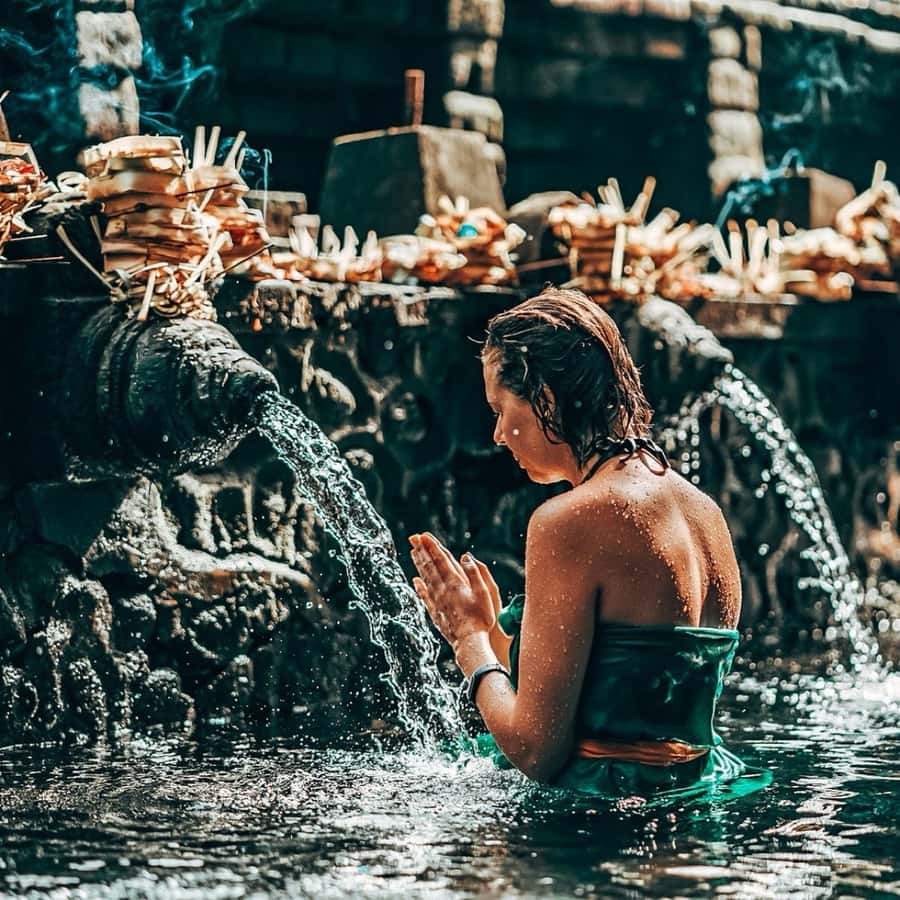
- Tirta Empul purification: experience the holy-water ritual used by Balinese worship and purification.
- Tegalalang Rice Terraces: a classic Ubud viewpoint with time to actually look, not just pose.
- Coffee plantation stop: learn the traditional way they make coffee.
- Two waterfalls, different vibes: Tibumana for calm greenery, Kanto Lampo for photo-friendly setups.
- English live guiding: named guides like Budix and Rodi are praised for explaining and adjusting timing.
The “private Ubud highlights” idea, and why it works
This tour is built for one thing: giving you a concentrated slice of Ubud’s most in-demand sights in a single day. You’ll hit iconic viewpoints (the rice terraces), a major temple experience (Tirta Empul), plus two waterfalls that are both visually strong but feel different once you’re there.
What I like about this format is how it reduces decision fatigue. You don’t have to guess what order makes sense, or whether you’ll have enough time to get your photos and understand the places. With a private group, you’re also not stuck waiting on a big bus schedule.
The day’s pace is structured around short, focused visits—roughly an hour per main stop. That’s great for first-time visitors who want highlights. If you’re the type who likes long, unhurried breaks, you’ll still enjoy it, but you’ll want to go in knowing it’s not a “sit all afternoon” itinerary.
You can also read our reviews of more tours and experiences in Ubud.

Pickup, timing, and what the 10 hours add up to
This is a 10-hour private tour with pickup options across Bali locations including Jimbaran, Seminyak Beach, Badung Regency, Denpasar, Nusa Dua Beach, Gianyar, Canggu, and Kuta. You can choose pickup where you’re staying, and you’ll be dropped off again at the end in areas like Seminyak Beach, Gianyar, Kuta, Jimbaran, Canggu, Badung Regency, Denpasar, and Nusa Dua Beach.
A practical detail: pickup is optional, and you should wait in your hotel for pickup about 10 minutes before the scheduled time. That’s one of those small rules that keeps the whole day from feeling chaotic.
Expect the day to feel “active.” Swing Heaven is scheduled for about an hour, then you move to Tegalalang Rice Terraces (about an hour), Tirta Empul (about an hour), Tibumana Waterfall (about an hour), and Kanto Lampo Waterfall (about an hour). In between, there’s travel time and buffer for transitions.
If you’re coming from farther away from Ubud, it helps to arrive with realistic expectations: you’re trading some slow time for a packed set of sights.
Swing Heaven: quick fun, strong photo potential
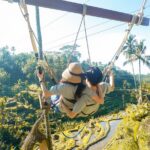
Your day starts with Swing Heaven (about 1 hour). This stop is for the classic Bali swing-style experience—fun, scenic, and very photo-friendly.
The best way to think about this hour is as a dedicated photo window. You’ll have time to try it and get the shots that look great in feeds, without rushing the rest of your day. The day later includes waterfalls and major temple sights, so having this earlier works well: you’re fresh, and you’re not trying to fit big photo moments in after you’ve already walked a lot.
Wear shoes you can trust on uneven ground. Water and temple areas can be slick, and good footwear saves time and stress later.
Tegalalang Rice Terraces: viewpoint time that’s actually useful
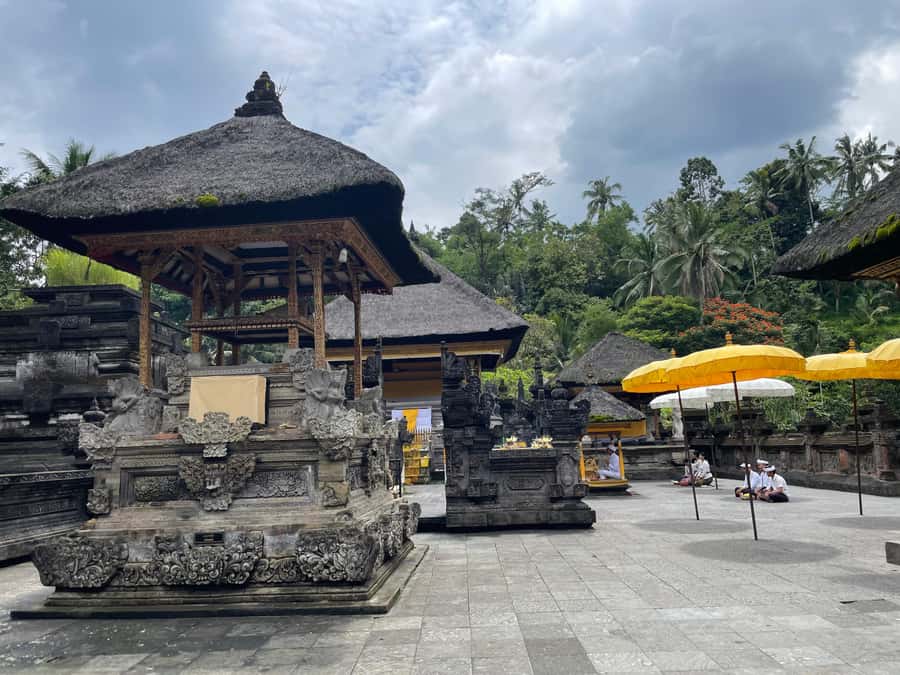
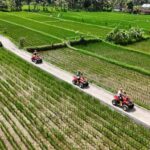
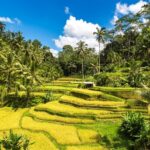
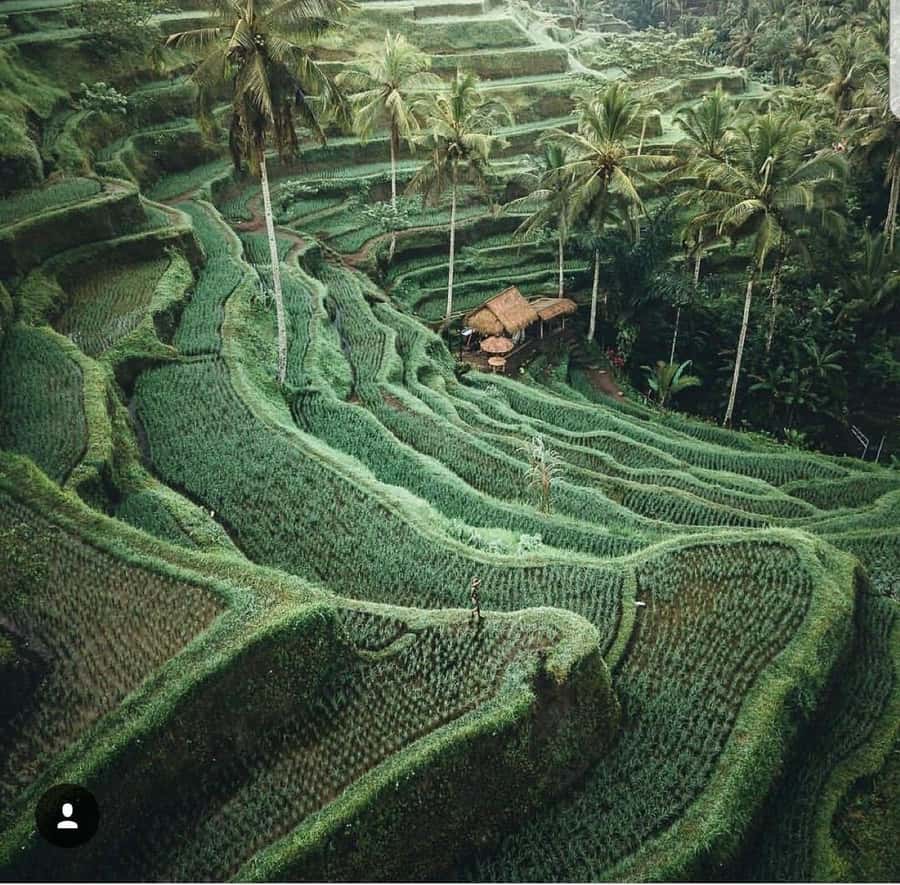
Next up: Tegallalang Rice Terrace (about 1 hour). This is one of Ubud’s signature landscapes, and it tends to be busy, so the value of having a guide and a time block is simple—you can focus on finding the angle you like instead of wasting time figuring it all out.
In this kind of stop, I recommend treating your hour like two parts:
1) take in the terraces and appreciate the layers and viewpoint angles
2) slow down for photos without standing in the same spot the whole time
The terrace area is where you get that “Bali looks like a postcard” feeling, but you’ll enjoy it more when you do more than just snap and go. If you want the best result for your camera, give yourself a few minutes to reposition—small changes in height and direction can make a huge difference.
Tirta Empul Temple: the holy-water purification experience
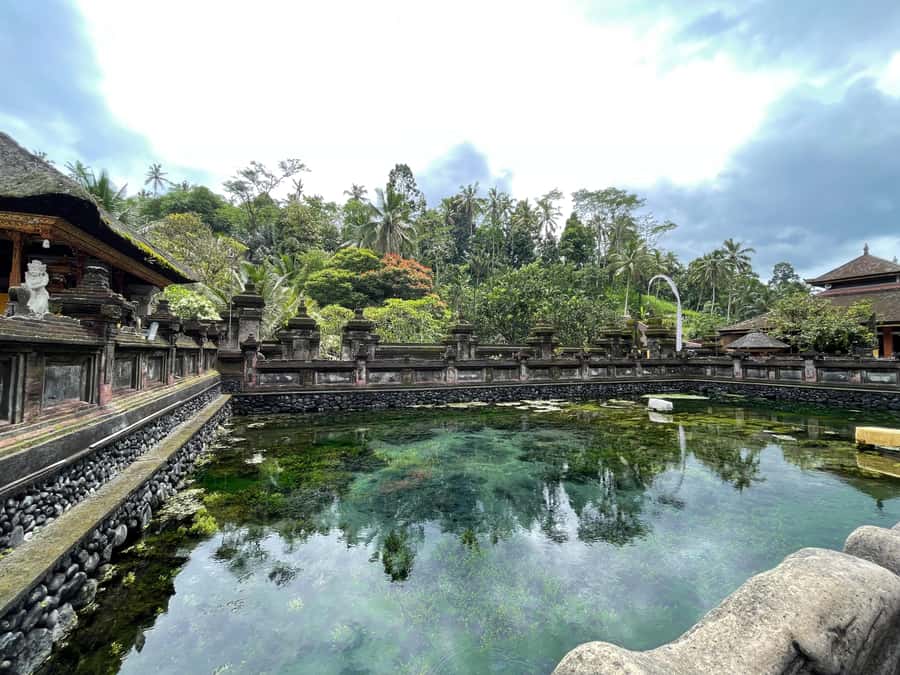
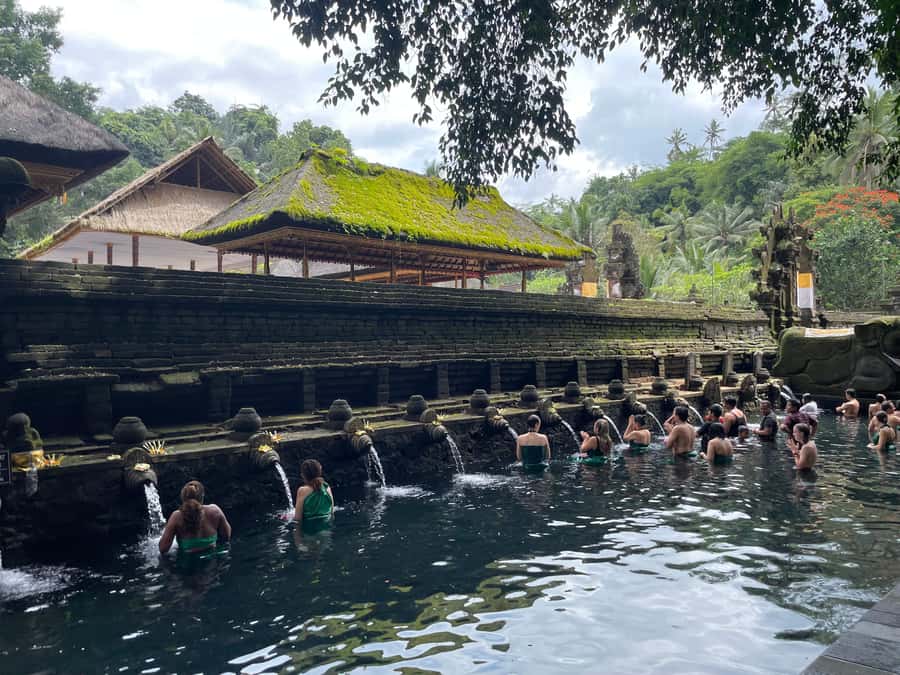
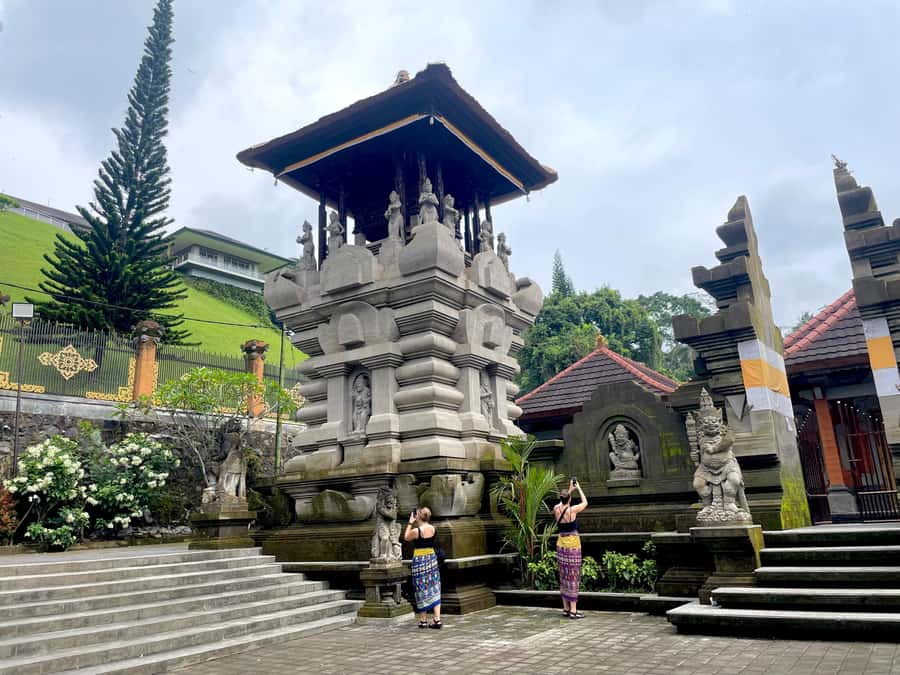
Then comes one of the most meaningful stops of the day: Tirta Empul Temple (about 1 hour), located near Manukaya and close to Tampak Siring.
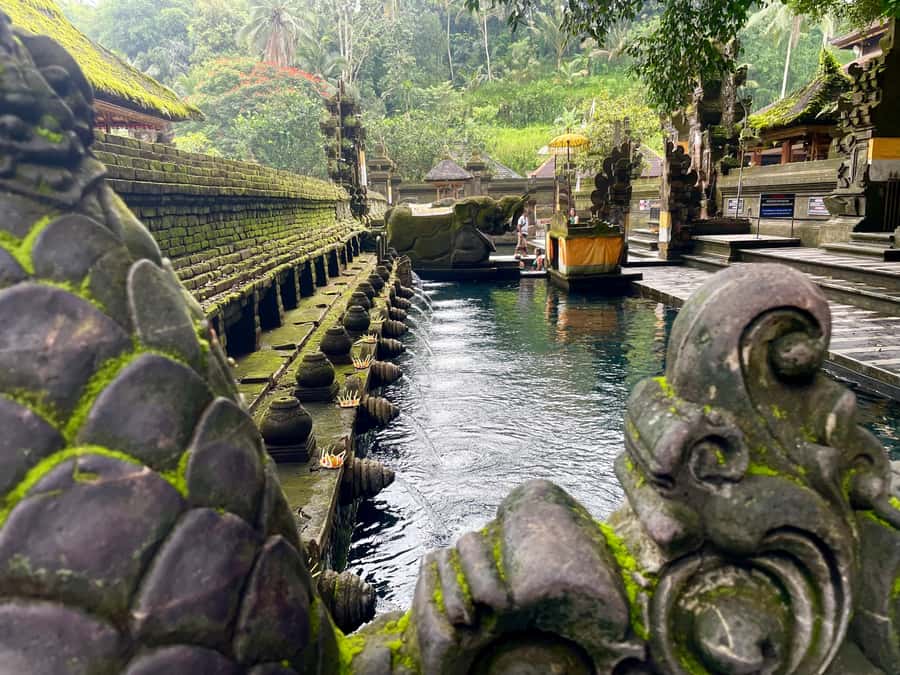
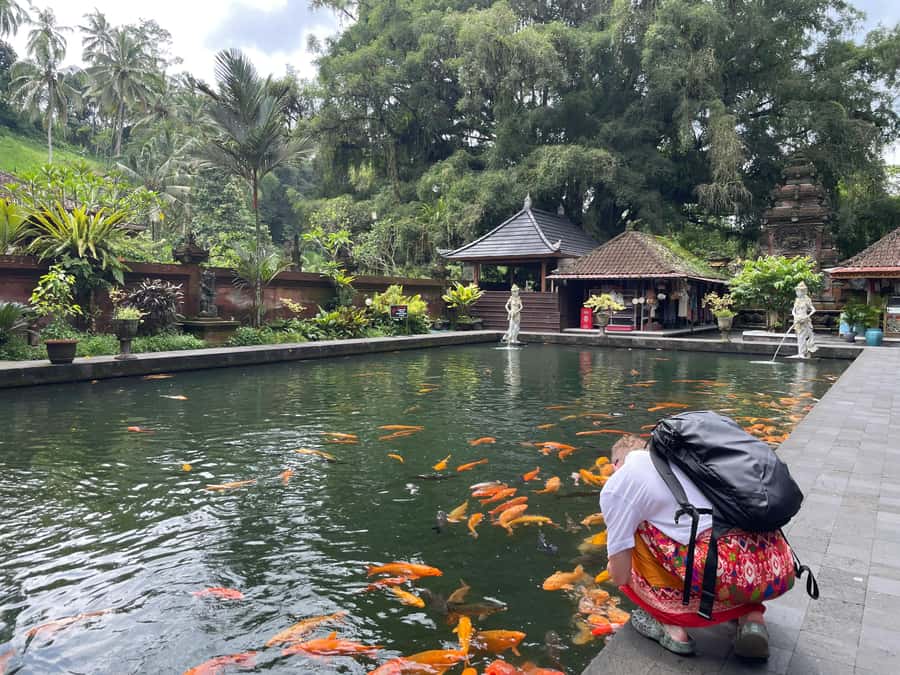
Here’s the core experience: you’ll have the chance to clean yourself in the holy water used by Balinese people for ritual purification. That alone sets this stop apart from typical photo-only temple visits. This is less about big views and more about respectful participation in an active religious space.
Practical way to prepare: expect to get wet and plan around it. Keep your valuables secured, and keep an eye on where you’re stepping. You’ll get the most from the experience when you treat it as a ritual moment, not just a photo prop.
Also, having an English live guide helps a lot here. Temple and purification contexts can be hard to interpret if you’re just guessing, so you’ll likely appreciate explanations as you move through the area.

Coffee plantation stop: learn the traditional process
You’ll also stop at a coffee plantation to learn how they make coffee in the traditional way.
This is a good “breather” stop. After Tirta Empul’s ritual focus, the plantation gives you something tangible and easy to follow: the steps behind coffee production, explained by the team on site. It’s not just about tasting or buying—it’s about understanding how the process works.
Even if you don’t plan to purchase anything, this is the kind of stop that adds context to Bali beyond scenic spots. Coffee is one of those topics that helps you connect daily life to what you’re seeing around you.
One tip for value: if you care about budgeting, it’s worth asking ahead what parts have optional entrance tickets or costs, because the tour includes entrance tickets as optional and doesn’t list prices for each stop in the core package info.
Tibumana Waterfall: lush greenery with a calmer rhythm
After coffee, the tour heads to Tibumana Waterfall (about 1 hour). This stop is described as being surrounded by lush greenery and offering a tranquil escape.
That “tranquil escape” matters. Compared with the more photo-hungry energy of swing and some waterfall setups, Tibumana feels better when you slow down. Give yourself time to enjoy the sound and the green surroundings, not just the quick picture.
Because it’s a waterfall, expect damp ground. Move carefully, keep your footing sure, and use your hour to balance photos with a moment of rest.
Kanto Lampo Waterfall: where local photographers help you nail the shot
Finally, you’ll visit Kanto Lampo Waterfall (about 1 hour). This is a great place for photos and videos because there are local photographers who can help you make amazing Instagram-style content.
This is one reason Kanto Lampo is popular: you’re not doing everything alone. If you’re traveling solo, you don’t have to keep calling for help or switching roles with strangers. A photographer can set up angles and help with framing.
I’d treat this hour as your “best shot” block. Decide what you want—wide waterfall shots, close details, or a video style look—and then let the photographer help you get it quicker. Still, keep your expectations grounded: any waterfall area can be slippery and crowded depending on the day, so wear good shoes and keep your camera strap secure.
Price and what $26 actually buys you

The tour is listed at $26 per person and runs about 10 hours. For that price, you’re getting a live English guide, mineral water, parking fees, and entrance tickets are marked as optional (so you may choose whether to include them depending on your preferences).
Not included: personal expenses.
So the value question becomes: are you paying mostly for transportation + guiding + access? In this case, yes. And that’s where the private format helps. You’re not just going from A to B—you’re getting an organized plan across rice terraces, temple purification, coffee learning, and two waterfall stops, all under one guided roof.
The best way to get your money’s worth is to go with a clear goal: highlights, photos, and a meaningful temple experience. If you show up expecting a long, slow day with no on-site decisions, you might feel a bit squeezed. If you want a structured Ubud day, $26 for this mix can feel like a solid deal.
Guide matters: why Budix and Rodi are singled out
The guide quality is a big part of why this tour earns top marks. Two names show up repeatedly in a positive way: Budix and Rodi.
What makes a difference is how they handle the day:
- they give explanations at each stop, so you understand what you’re looking at
- they stay engaged even if you’re traveling alone
- they communicate timing so you know what’s happening next
One more useful point: weather can affect outdoor plans, and good guides adjust instead of forcing everything rigidly. That flexibility can protect your experience, especially when waterfalls and viewpoints depend on conditions.
If you’re the kind of person who hates feeling rushed, the guide’s timing control is also a real comfort.
Who this tour suits best
This fits best if you:
- want a one-day Ubud highlights route without planning logistics
- care about photos, especially for Kanto Lampo with photographer help
- want a guided temple visit that includes Tirta Empul’s holy-water purification
- are traveling solo and want steady human support through the day
It’s also a decent choice if you’re short on time and staying in areas like Seminyak, Canggu, Kuta, Jimbaran, or Denpasar—pickup and drop-off keep the day from turning into a commute marathon.
If you’re someone who prefers slower travel, long breaks, or deep immersion at one site, you may find the fixed 1-hour blocks a little limiting.
Should you book this Ubud day?
I’d book it if your goal is a structured, high-impact day: rice terraces, temple purification, coffee learning, and two different waterfall moments, all guided in English. The private format, hotel pickup/drop-off options, and the way Kanto Lampo’s local photographers help with shots make it easier to enjoy without constantly problem-solving.
I’d think twice if you want extra-long time at each location or you dislike tightly scheduled days. In that case, you might feel rushed, especially with multiple outdoor stops.
If you do book: bring good footwear for wet areas, keep your schedule-minded, and ask your guide early about any on-site optional entrance ticket costs so nothing surprises your budget.
FAQ
What is the price of the Bali: Tirta Empul Temple, Rice terrace and Waterfall tour?
The tour price is listed at $26 per person.
How long is the tour?
The duration is 10 hours (starting times depend on availability).
Is the tour private?
Yes, a private group option is available.
What language is the live tour guide?
The live tour guide speaks English.
Where can pickup be arranged?
Pickup is offered from several areas including Jimbaran, Seminyak Beach, Badung Regency, Denpasar, Nusa Dua Beach, Gianyar, Canggu, and Kuta.
Where does the tour drop you off?
Drop-off options include Seminyak Beach, Gianyar, Kuta, Jimbaran, Canggu, Badung Regency, Denpasar, and Nusa Dua Beach.
Are entrance tickets included?
Entrance tickets are listed as optional. The tour includes parking fees and mineral water.
What major places are included in the day?
You’ll visit Swing Heaven, Tegalalang Rice Terrace, Tirta Empul Temple, a coffee plantation, Tibumana Waterfall, and Kanto Lampo Waterfall.
Is mineral water included?
Yes, mineral water is included.
Is there free cancellation?
Yes. You can cancel up to 24 hours in advance for a full refund.