Ubud can be a lot. This day tour strings together waterfalls, temples, and rice terraces in one smooth plan, and it’s built for photo stops without the usual guesswork. I like two things most: the private pickup and direct driving (less time stuck in transit), and the way the route mixes iconic spots with quieter-feeling stops. One thing to consider: it’s a full 8-hour day with walking plus stairs, so comfy shoes matter.
What makes this itinerary feel smart is the pacing between nature and culture. You get real time at Kanto Lampo and Tibumana, then a calm, pond-filled temple break at Gunung Kawi Sebatu, and you finish with Tegalalang’s classic rice views. Many guides on this tour are praised for English and for timing you around crowds, including names like Ardi, Agus, Jose (Wayan), Made, Putra, Bagus, and Aron.
In This Review
- Key moments that matter
- Door-to-door comfort in a place built on detours
- Route cheat sheet: waterfalls first, then quiet temple ponds, then rice views
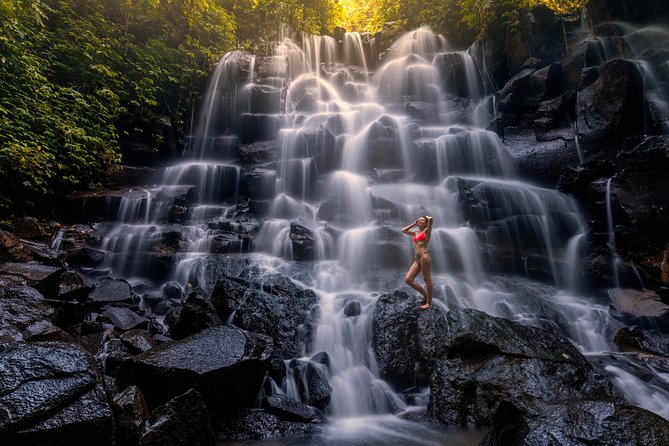
- Kanto Lampo Waterfall: a short walk that pays off with green scenery
- Tibumana Waterfall: stairs down, then cool water time
- Gunung Kawi Sebatu Temple: pond reflections and a calmer pace
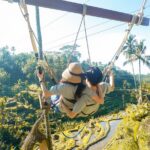
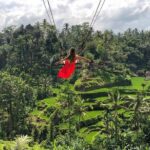
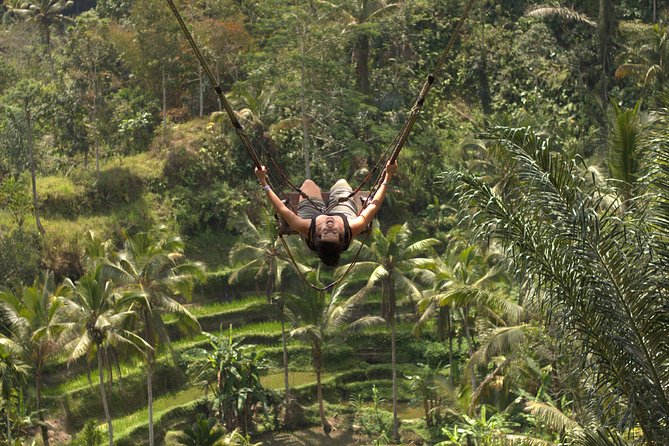
- d’Alas Swing over the jungle valley: big frames, big fun
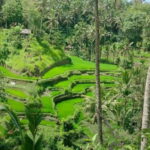
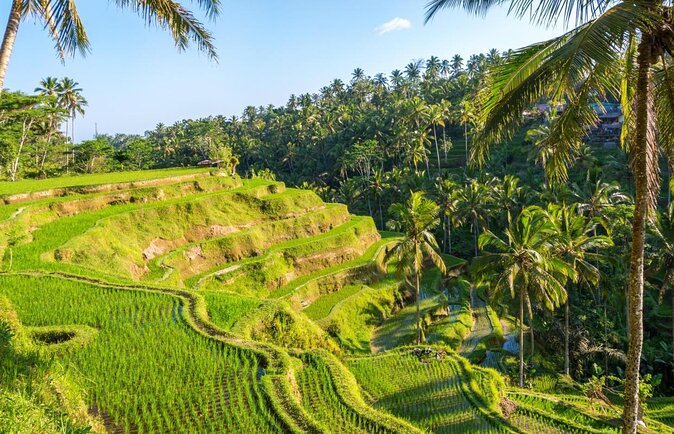
- Tegalalang Rice Terrace: a short trek that shows how farming works
- Lunch at D’Alas Warung: your reset break with a valley view
- Guides and photo help: where the best days get their polish
- Price and logistics: why $39 can feel like more than it is
- What to pack and how to pace an 8-hour day
- Should you book this Ubud waterfalls and rice terraces tour?
- FAQ
- How long is the Ubud waterfalls, temples, and rice terraces day?
- Is pickup available?
- What attractions are included in the day?
- Are entrance fees included?
- Is the jungle swing included?
- Is lunch included?
- Can I swim at the waterfalls?
- What is the cancellation policy?
- Are alcoholic beverages included with lunch?
Key moments that matter
- Door-to-door private transfers: You start from your own place and go directly, which saves you mental energy.
- Two waterfall stops with actual access: Kanto Lampo includes a short walk; Tibumana involves stairs and a chance to swim.
- Gunung Kawi Sebatu’s reflecting pools: Quiet ponds with koi-like fish make this feel more serene than the big-name temple circuits.
- d’Alas swing over the jungle valley: A big swing setup designed for photos, plus optional organized swing ticket time.
- Tegalalang Rice Terrace walking path: A short trek that lets you see how Balinese farmers move through the fields.
- Lunch with a view option: D’Alas Warung is built for the “pause and reset” moment during a long day.
Door-to-door comfort in a place built on detours
Ubud’s roads can be slow, and crowd hotspots can feel like a slow-motion traffic jam—on foot as much as by car. This is a private format, so you’re not trying to match anyone else’s schedule or waiting for group members to return. It’s also air-conditioned in the vehicle, with bottled water included, which I’m grateful for on a hot day.
The tour is listed at about 8 hours, and reviews consistently mention that the day is long but worth it because you hit a lot without being rushed. Expect driving time between the stops, especially because the route jumps between north/northeast waterfalls and central Ubud areas.
One practical note: even when you’re moving efficiently, Ubud traffic can still slow things down. That’s where a good driver helps. I’ve seen praise for careful, cautious driving and for knowing when to go where. If you’re the type who hates feeling late, message your guide about your ideal arrival back time early on, so it doesn’t become a guessing game later.
You can also read our reviews of more tours and experiences in Ubud.

Route cheat sheet: waterfalls first, then quiet temple ponds, then rice views
This day is essentially three moods, in order:
1) Waterfall nature time: Kanto Lampo, then Tibumana.
2) Temple + ponds: Gunung Kawi Sebatu.
3) Photo adventure + rice fields: d’Alas Swing, then Tegalalang Rice Terrace, and lunch at D’Alas Warung.
The stop durations are tight enough to keep momentum, but each location is given room to breathe. Kanto Lampo is about an hour. Tibumana is also about an hour, including stairs down to the water. Sebatu Temple is shorter (around 45 minutes). The swing is a quick photo session (about 30 minutes), followed by about 40 minutes at Tegalalang.
That structure matters because waterfalls and temple photography can eat time fast. If you’re chasing sunset light, this kind of routing helps you keep your feet on the ground rather than doing the classic Ubud mistake: spending two hours somewhere and then arriving at the next stop after the best light is already gone.
Kanto Lampo Waterfall: a short walk that pays off with green scenery
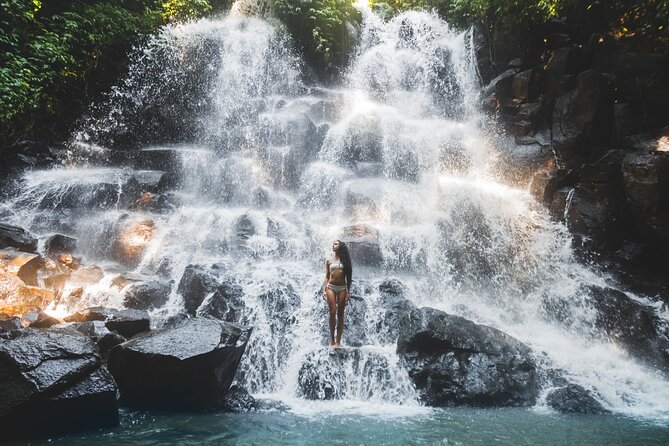
Kanto Lampo Waterfall is the kind of place where the first 5 minutes already feel like you’re in the right spot. You do a short walk to the river level, and then you’re rewarded with a waterfall framed by green, natural surroundings.
Plan for steady steps. Even if the walk is not long, the ground can be uneven, and the area near the water can get slick. If you want clean photos, you’ll likely be adjusting your position a lot. That’s easier if your footwear has decent grip and you’re not wearing flip-flops.
This stop is also a good place to slow down. The waterfall is the main event, but the charm is that it’s surrounded by jungle-like growth and gives you a lot of angles without needing to hike for hours. If you like photographing motion—water mist, spray, and the contrast between bright rock and darker green—this is a strong start to the day.
One more small tip: if it has rained recently, water volume can change. The tour format still works, but just understand the river-side walk may feel more slippery than usual. Bring a towel if you hate damp clothes for the rest of the day.
Tibumana Waterfall: stairs down, then cool water time
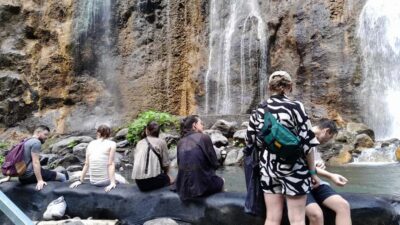
Tibumana Waterfall is described as a quieter waterfall in the north east of Ubud, and it comes with a little more effort. You’ll need to walk down stairs and pathways to reach the falls, which naturally helps with crowd levels compared to the easiest-access stops.
The payoff is both visual and practical: you get a waterfall in a more tucked-away area, and you can swim in fresh water from the mountain. If you’re even mildly interested in water time, this is the stop that makes the “waterfalls and joy” part of the title feel real.
What to watch: stairs. Your moderate fitness level matters here, and your legs will feel it more than you expect if you skip warm-up stretches. I’d also come ready for a wet swim environment. Consider having a dry bag for phones if you plan to swim, since water activities can be chaotic around personal belongings.
This is also where a good guide’s judgment shines. Some guides are praised for adjusting plans when conditions aren’t ideal. If the water looks muddy after storms, they may suggest timing changes or other swaps. Either way, the Tibumana stop is usually where the day becomes most memorable.
Gunung Kawi Sebatu Temple: pond reflections and a calmer pace

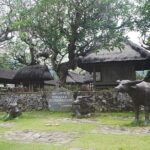
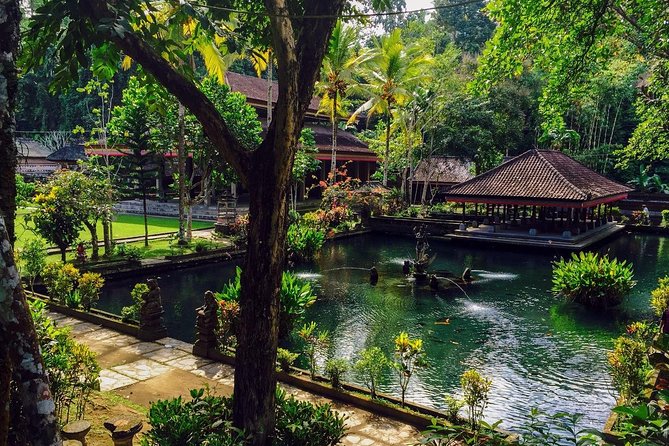
After the waterfalls, Gunung Kawi Sebatu Temple feels like an exhale. The temple sits on a hillside area in Sebatu village, and the description focuses on lush green surroundings with crystal-clear ponds and fish.
This stop is quieter in feel than the busy temple complexes you may already have on your Bali list. Instead of rushing through stone carvings, you spend time in a setting where reflections and still water become the point. It’s the kind of place where photos look better when you take your time and let your eyes adjust to the light under trees.
The duration is listed around 45 minutes, which is just right for a relaxed walk and a few sets of pictures. If you’re sensitive to heat, this might be the easiest transition because the ponds and vegetation can create cooler micro-shade than the open rice terraces.
Cultural note: temple areas can have local rules on dress and behavior. You’ll want to be ready to cover up respectfully, and keep your movements calm. If you’re unsure, ask your driver how visitors typically handle it that day, and follow their lead.


d’Alas Swing over the jungle valley: big frames, big fun
If you want the classic Ubud “jungle swing” photo, this is the stop designed for it. d’Alas Swing is described as a jungle swing overlooking a thick jungle valley, and it’s treated as one of the best setups for the perfect pictures.
The swing stop is short on paper (about 30 minutes), but it can feel longer in practice because you’ll likely be doing multiple takes: different angles, different body positions, and the “jump” moment. If you’re picky about photos, this is one reason to choose a private tour with a driver who can plan timing.
The swing ticket is listed as included if you select the option that includes it. Also, the “best photos” part often depends on who operates the swing and how they handle videos and phone positioning. In the reviews, people mention that the operators took great photos and video and that the swing felt bigger and more exciting than other options they’d seen.
Who should do it: if you’re comfortable with heights and you like your vacation pictures to look like a movie still, you’ll probably love it. If you’re nervous about heights or have balance issues, you might still enjoy watching and photographing from the ground area, but you should be honest with yourself about comfort before you step on the platform.
Tegalalang Rice Terrace: a short trek that shows how farming works
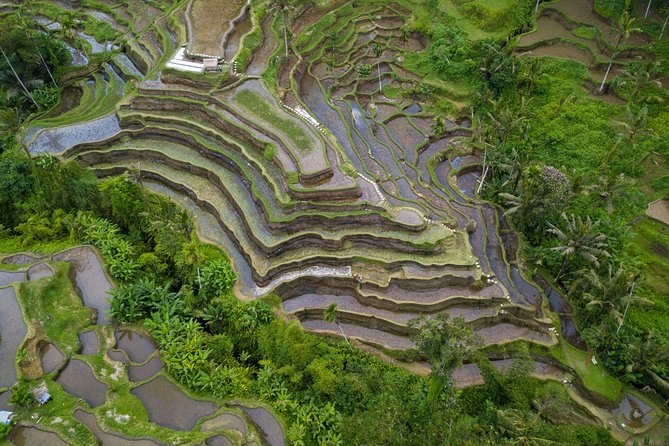
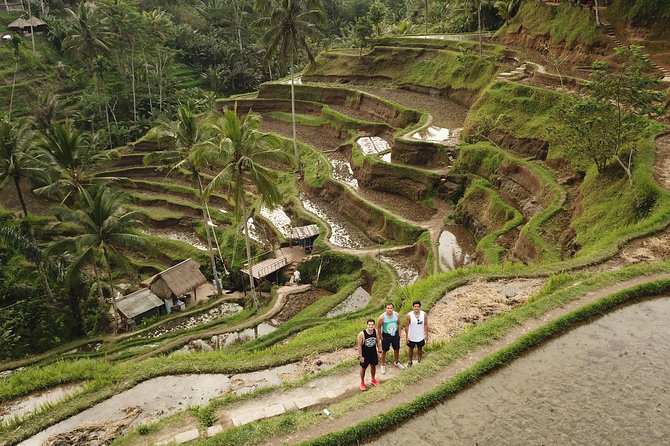
Tegalalang Rice Terrace is Ubud’s signature rice-field scene, and the way this tour handles it makes sense. You’re not just looking from one viewpoint. You take a short trek along the rice fields, and that walk helps you understand the rhythm of Balinese farming landscapes.
Expect it to be scenic, but also expect it to be a real walk. Paths can be uneven, and depending on weather, they may be slippery. The tour gives about 40 minutes for this, which is long enough to walk a bit, pause for photos, and still get back in time for your day’s remaining stops.
This is also the best time to look for composition tricks. Rice terraces offer layers, lines, and depth. If you keep your camera low and include small human-scale details (even just your own shadow or a branch), your photos stop looking like generic postcard shots.
If you get warm easily, treat this as your sunscreen-and-water moment. Even with bottled water included, you’ll want to drink consistently rather than waiting until you feel overheated.
Lunch at D’Alas Warung: your reset break with a valley view
Lunch is handled at D’Alas Warung, described as a jungle restaurant overlooking the valley view. The tour lists lunch as local Balinese food and says it’s included if you select the lunch option.
In a day packed with stairs and photo stops, lunch isn’t just food. It’s your main break from moving around. People praise this lunch for tasting good and for the nice ambiance, which matters when you’ve already been in the car for a while and you want your break to feel like a reward instead of a stopover.
What you should expect: a simple, local meal that fits the day’s pace. Alcoholic beverages are not included, so if you want a beer or a cocktail, plan to buy it separately.
If you’re someone who gets hungry late, try to eat promptly when it’s served, not “after the perfect photo.” The rest of the day moves fast enough that a slow meal can shorten your time at Tegalalang or the swing.
Guides and photo help: where the best days get their polish
This tour is private, but the real difference in quality comes from how the driver guides you through timing, access, and the little photo moments. Reviews repeatedly highlight English-speaking guides who take the “where to stand” question seriously.
Names that came up positively include Ardi (friendly and funny, with good local info), Agus (punctual and polite), Jose (Wayan) (knowledgeable and patient), Made (knowing when to go to avoid crowds), Putra (answers questions and explains culture), Bagus (excellent and photo-friendly), and Aron (friendly, patient, and flexible). People also mention the driver acting like a photographer, and in at least one case, taking video and photos using phone-friendly setups.
That matters because you’re not just buying access to waterfalls and temples. You’re buying someone to help you get there efficiently and help you walk away with photos that don’t look rushed.
Still, one caution: there can be occasional itinerary drift if a driver suggests extra stops. One review described extra time at a jewelry factory and a coffee plantation that wasn’t on the planned route. If you want strict adherence, ask your guide at the start to stick closely to the itinerary times.
Price and logistics: why $39 can feel like more than it is
At $39 per person, this tour can represent strong value in Ubud, mainly because you’re getting private transport, entry fees (depending on option selection), bottled water, and a packed day of named attractions.
Here’s the honest value math to think about:
- If you choose the option that includes lunch and entrance fees, you’re basically paying once and letting the tour handle the moving parts.
- If you don’t choose the all-in options, you may pay for swing ticket or admissions separately, which can add up. The swing stop is often the “extra cost” item because it’s an activity rather than a simple viewpoint.
Also, your time is the currency here. Ubud without a plan can turn into a day of short drives and long waits. A private door-to-door setup is usually cheaper than you think once you factor in taxis, your time, and the stress of figuring out the route between waterfalls, temple ponds, and rice terraces.
For the best value, I’d recommend picking the option that matches what you want most: waterfalls only, or waterfalls plus swing plus lunch. If you’re unsure, choose based on your priorities rather than cost alone.
What to pack and how to pace an 8-hour day
This is an active day. The tour notes a moderate physical fitness level, and that’s fair. You’ll handle stairs at Tibumana and short treks at Kanto Lampo and Tegalalang.
Here’s what I’d pack:
- Good grip shoes for stairs and wet areas
- A light layer for temple areas where shade can feel cool
- Swimwear if you want Tibumana water time
- A small towel if you hate drying off later
- Phone protection if you plan to swim
Pacing tip: don’t plan anything right after your return. Even with efficient timing, waterfalls + walking + swing adrenaline adds up. Build in a slow evening, and you’ll feel grateful you didn’t schedule more.
And one last practical thing: your guide can adjust if weather changes. One review specifically mentioned the tour still felt amazing even with rain, which tells me the guides know how to keep the day moving when the sky doesn’t cooperate.
Should you book this Ubud waterfalls and rice terraces tour?
Book it if you want an 8-hour day that gives you five major Ubud-style stops without the stress of routing yourself. It’s a great fit for couples, solo travelers who want safety and comfort (including English-speaking guidance), and anyone who likes photos but also wants cultural stops that aren’t just checkboxes.
Skip it (or choose a different style) if you hate long driving days or if stairs and slippery surfaces make you nervous. Also, if you’re someone who wants zero schedule changes, confirm at the start that you’ll follow the planned stops and timings.
If you’re aiming for a balanced day of nature, temple ponds, a swing moment, and rice views, this one is built for exactly that mix.
FAQ
How long is the Ubud waterfalls, temples, and rice terraces day?
It runs about 8 hours (approx.).
Is pickup available?
Yes. The tour offers pickup and private transfers, including direct pickup from your door.
What attractions are included in the day?
You’ll visit Kanto Lampo Waterfall, Tibumana Waterfall, Gunung Kawi Sebatu Temple, d’Alas Swing, and Tegalalang Rice Terrace, with lunch at D’Alas Warung.
Are entrance fees included?
Entrance tickets are listed for the stops, and the included section says entrance fees are included if you select the option that includes them.
Is the jungle swing included?
The included section says the jungle swing ticket is included if you select the option that includes it.
Is lunch included?
Lunch at D’Alas Warung is included if you select the option that includes lunch.
Can I swim at the waterfalls?
Tibumana Waterfall is described as a place where you can swim in fresh water from the mountain.
What is the cancellation policy?
Free cancellation is offered up to 24 hours in advance for a full refund, based on local time.
Are alcoholic beverages included with lunch?
No. Alcoholic beverages are not included.