Bali moves fast, but this day feels like a planned stroll through Ubud. You’ll hit waterfalls, a working temple with holy water, and Tegalalang rice terraces in one smooth route. It’s private transport, so you’re not stuck pacing with strangers or playing leapfrog in traffic.
What I like most is the balance: you get nature (Kanto Lampo and Tibumana), then you slow down for spirituality at Tirta Empul Temple. I also like the food-style break built in around coffee—coffee, tea, and chocolate tasting at a plantation, plus a real look at how the processing works.
One thing to consider: there are stairs at the waterfall stops, and the temple has specific rules (including menstruation restrictions). If you have back/heart/kidney issues, this may not be a good fit.
In This Review
- Key things to know before you go
- How the Ubud day tour timeline works (and why it matters)
- Kanto Lampo Waterfall: stairs, spray, and quick photo wins
- Tibumana Waterfall: a quieter stop you can actually enjoy
- Tirta Empul Temple holy water blessing: calm rules and sarong time
- Lunch at a local restaurant: plan your budget, not your appetite
- Coffee, tea, and chocolate tasting: what processing actually looks like
- Tegalalang Rice Terrace and Jungle Swing: views plus timing
- Transport and guide style: why your day can feel easy
- What’s included, what isn’t, and how to plan your money
- Who this tour is best for (and who should think twice)
- Practical packing tips for a smoother waterfall-to-temple day
- Should you book this Ubud private day tour?
- FAQ
- What time does the tour start and when do I get back?
- Is this a private tour?
- Is lunch included in the price?
- Are entrance tickets included?
- Are there stairs at the waterfall stops?
- Can women enter Tirta Empul Temple during menstruation?
- What’s the tour not suitable for?
- Book it or pass
Key things to know before you go
- Private comfort with photo help: the driver can also act as a guide and photographer, so you’re not hunting for angles all day.
- A tight Ubud loop: the timing is built around multiple stops from morning to mid-afternoon, then you’re back around 3–4pm.
- Temple rules matter: you’ll need a sarong, and women who are menstruating aren’t allowed to enter Tirta Empul.
- Bring your waterfall gear: change of clothes and a camera help because you’ll be getting up close to water.
- Not all tickets are included: tickets aren’t included, so plan on paying entrance fees if needed on the day.
How the Ubud day tour timeline works (and why it matters)
This is built as a one-day route starting between 7:00 and 8:00am from your hotel. You’ll be at Kanto Lampo first thing (around 7:30–8:30am), then move to Tibumana, and later shift to Tirta Empul and the rice terraces.
That pacing is smart. Waterfalls feel best earlier, when you have cooler air and the chance for cleaner photos. By late afternoon, you’ll be back at your hotel between 3:00 and 4:00pm, which is a big deal if you hate wasting half a day on transit.
If you’re a solo traveler, there’s a solo extra cost listed, so check your total before you commit. And if you’re hoping to spend ages at every viewpoint, keep in mind this route is designed to cover a lot—your guide can still adjust pace, but it’s not a weeks-long meander.
You can also read our reviews of more tours and experiences in Indonesia.


Kanto Lampo Waterfall: stairs, spray, and quick photo wins
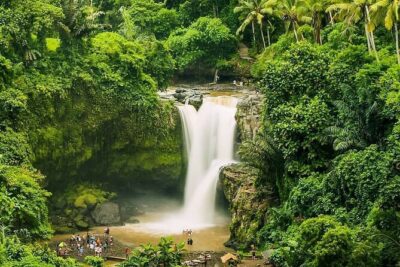
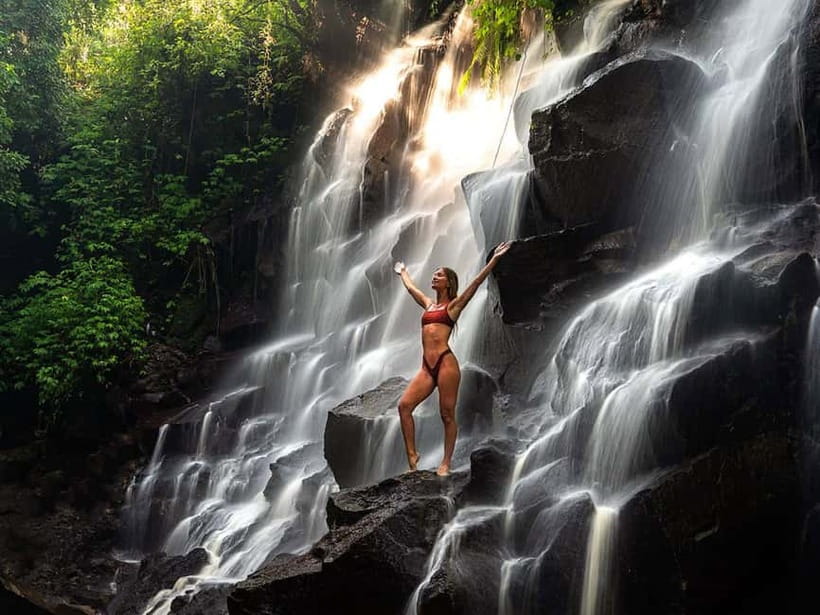
Kanto Lampo is where the day kicks into action. You arrive around 7:30–8:30am, and you’ll feel that classic Bali waterfall setup: wet rock, fresh air, and plenty of photo angles if you time your shots right.
There are stairs to reach the waterfall area—listed as about 5–10 minutes. This isn’t a dealbreaker for most people, but it does mean comfortable footwear helps, and you’ll want to keep a steady pace on slick steps.
What I’d plan for here is a “short and sweet” waterfall strategy. Spend time taking photos, but also give yourself a moment to just stand and listen to the sound of water. It’s the kind of stop where a calm 10 minutes can feel like the highlight, even if you later do bigger cascades.
Tibumana Waterfall: a quieter stop you can actually enjoy
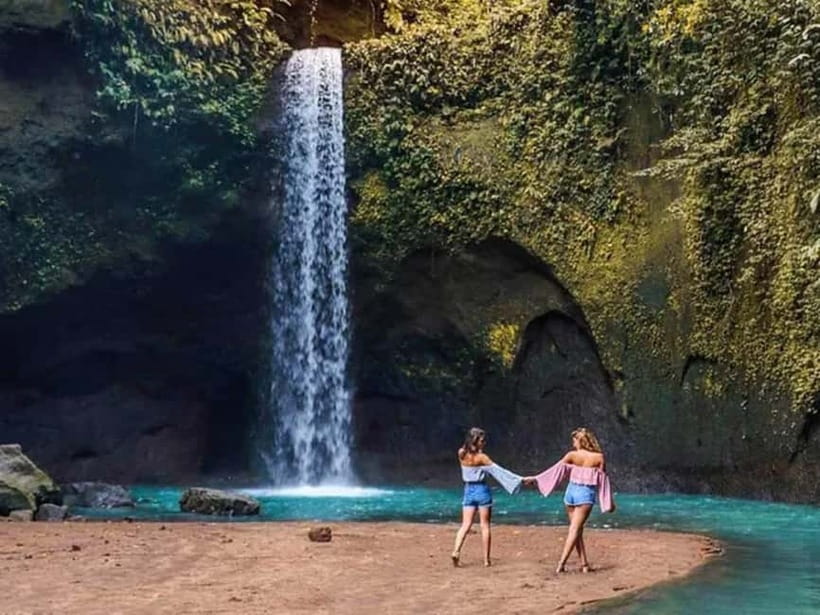
Next up is Tibumana Waterfall, arriving around 9:00–9:30am. The timing matters because Tibumana is more about the vibe than crowd chaos, and arriving earlier gives you a better shot at calm, clean views.
It’s described as a waterfall that feels more tucked away, with a very stunning look once you’re there. The practical point: because you’re moving from one active spot to another, you’ll likely feel the day more at this stage. Bring water, take it slow on the path, and don’t rush your photos.
If you want the most enjoyment out of Tibumana, treat it like a reset. Kanto Lampo is energizing; Tibumana is where you slow down, breathe, and let the setting do the work.
Tirta Empul Temple holy water blessing: calm rules and sarong time
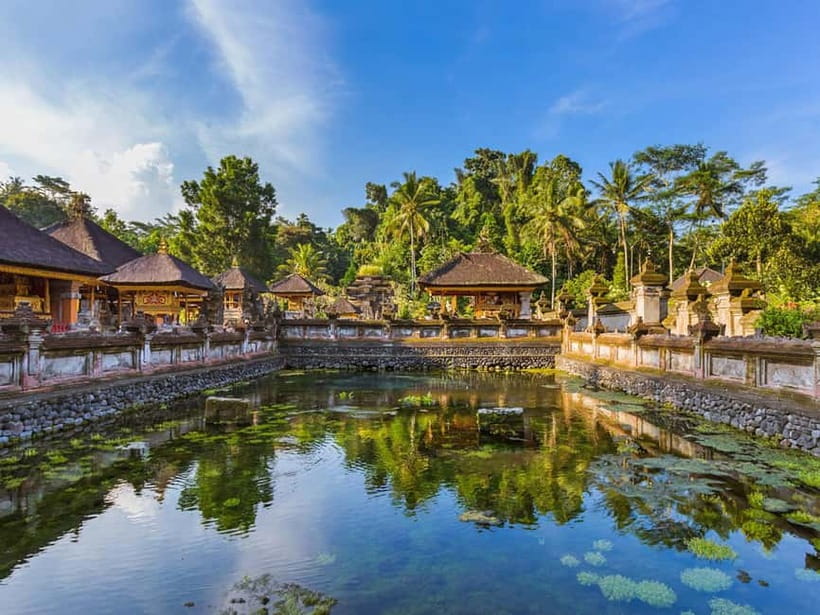
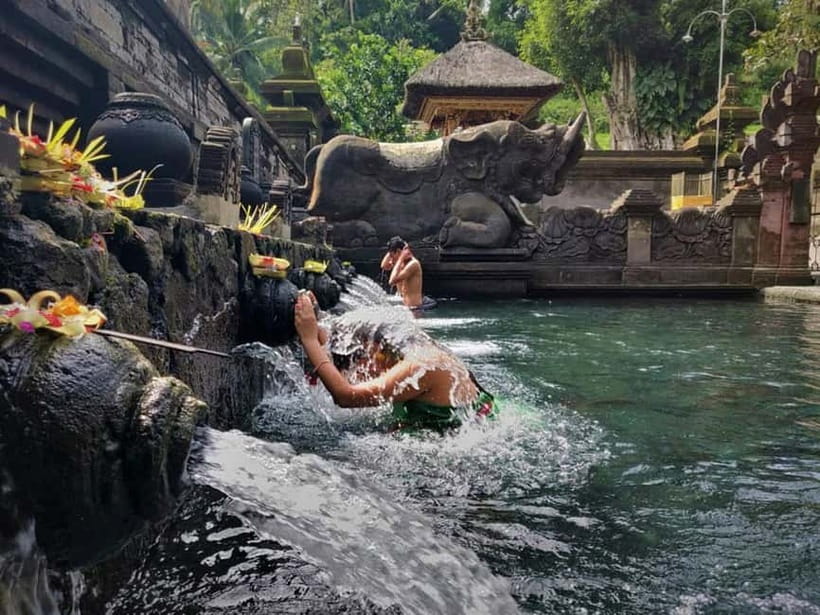
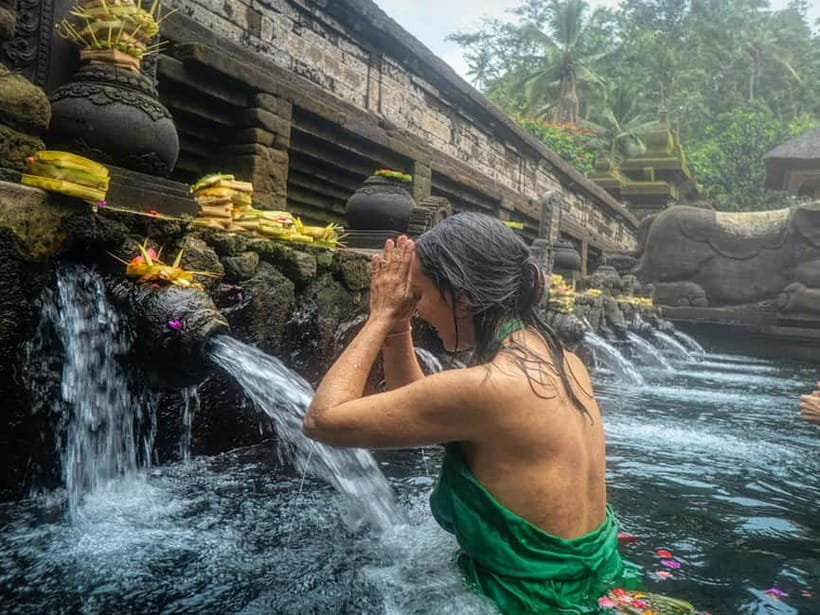
Around 10:30–11:00am, you’ll head to Tirta Empul Temple. This is one of the most meaningful parts of the day because it’s a spiritual journey, not just a sightseeing stop.
You’ll also get a sarong for the visit. That’s a detail that can save you stress at the gate—because if you forget something, you can lose time fast. The temple also has a clear rule: women who are menstruating are not allowed to enter.
Inside the experience, the main “why” is respect. This isn’t the kind of place to treat like a theme park photo booth. The water blessing ritual is the point, so keep your behavior low-key, follow the guide’s instructions, and give yourself a few quiet minutes rather than bouncing between angles nonstop.
Lunch at a local restaurant: plan your budget, not your appetite
The tour includes time for lunch at a local restaurant with a jungle view, scheduled around 11:30–12:00pm. The catch is simple: food or lunch isn’t included in the tour price, so you’ll pay for your meal separately.
This is still worth it, because it gives you a break without forcing you to solve where to eat while you’re tired. I’d treat lunch as your energy checkpoint: hydrate first, then eat something that won’t wreck your stomach before coffee and terraces.
If you’re prone to heavy meals outdoors, keep it lighter. You’ll likely do more walking after lunch, and you’ll want your legs to feel good for the rice terrace area.



Coffee, tea, and chocolate tasting: what processing actually looks like

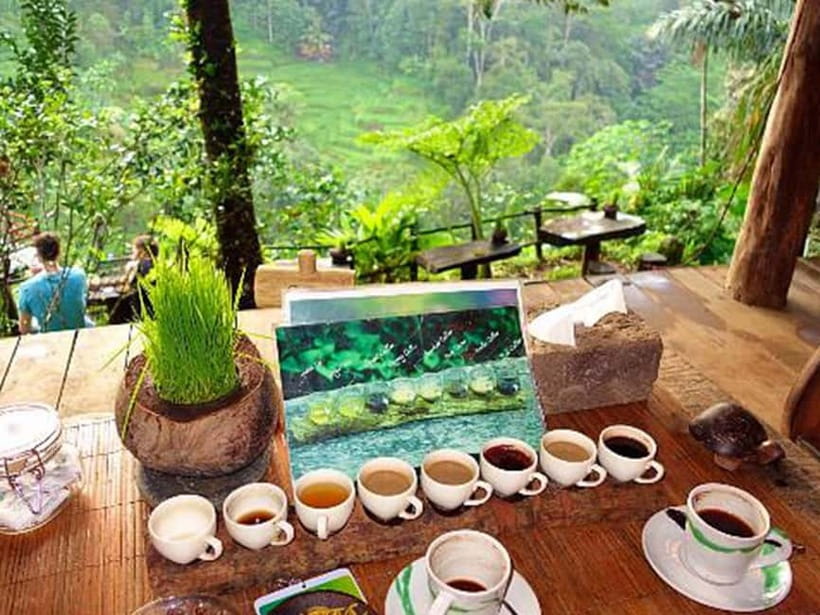
Around 12:30–1:00pm, the day shifts to a coffee and plantation stop. You’ll get taster sampling of coffee, teas, and chocolate, and you’ll learn how real processing works.
This portion is one of the best “brain + taste” stops because it turns a souvenir into context. You’re not just buying drinks—you’re seeing the steps that lead to them, which makes any purchase later feel more informed.
The provided highlight also mentions you’ll know more about production in real processing terms. If you care about flavors, this is where you’ll start noticing differences between regular coffee and the more famous versions people hear about in Bali.
Keep in mind: plantation stops can be sales-heavy in the way of most tours. You don’t have to buy. Focus on the tasting and the explanation, then decide after you’ve tried what you like.
Tegalalang Rice Terrace and Jungle Swing: views plus timing
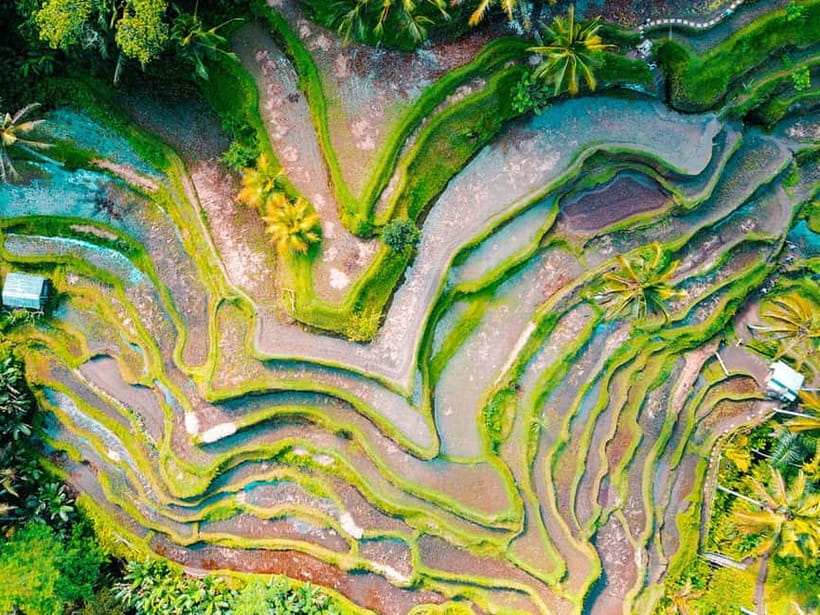
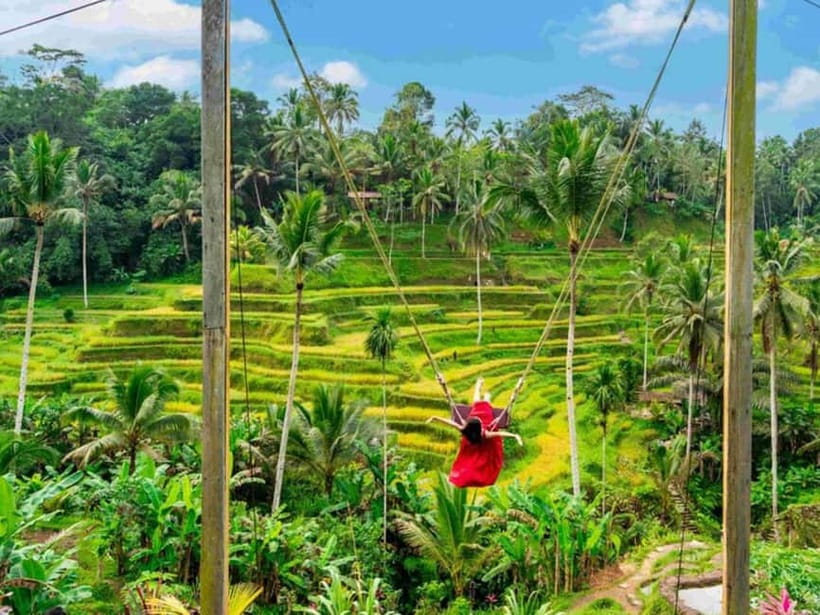
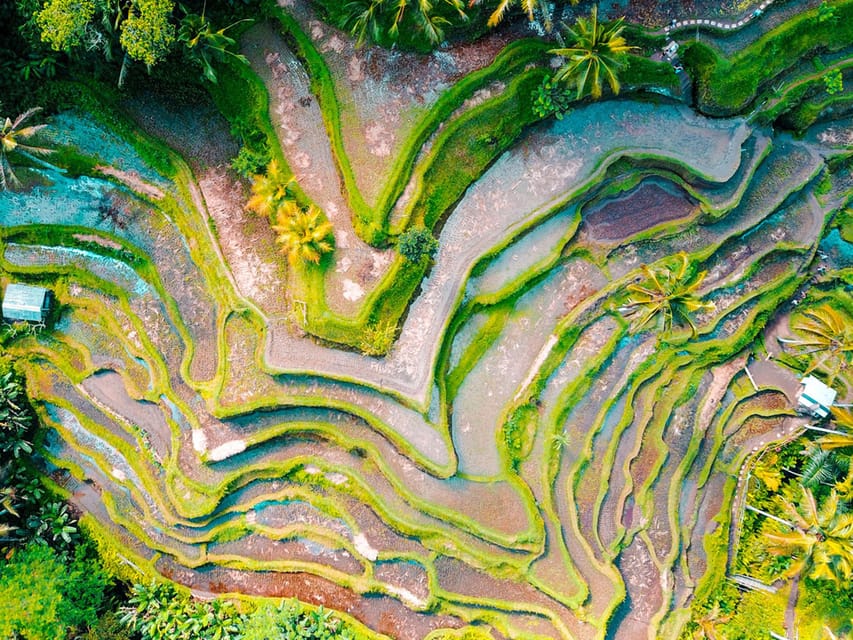
The schedule brings you to Tegalalang Rice Terrace around 1:30–2:00pm. This is the Bali postcard moment: layered fields, thick greenery, and viewpoint spots where you’ll want your camera ready.
And yes, there’s a jungle swing listed as part of the experience. The practical reality is that swings take time, and you’ll want to decide calmly. If you’re afraid of heights or have balance concerns, skip it and focus on the terrace viewpoints instead.
What I’d do here is simple: take the photos from multiple angles early, then do the swing (only if you’re feeling good) before crowds and energy fade. It’s also a good time to check your phone battery and credit card access, because you may want to buy a coffee or small snack after your walking.
Transport and guide style: why your day can feel easy
This is a private day tour with private transport from your hotel and back. That removes the biggest Bali headache: waiting around for shared vehicles and guessing where the next stop is.
The guide-driver setup can be a real advantage. In the experience, guides such as Kadek, Jek, Gun, Martin, Arya, WayanSan, and Gede are specifically praised for things that matter on a busy day: clear explanations, punctual pickup, and taking photos so you don’t have to beg strangers.
If you want the most comfortable day, communicate preferences early. Tell your guide if you want more time at one waterfall, or if you’d rather skip extra walking near the edges. The best guides in this style are the ones who keep the day moving without making you feel rushed.
What’s included, what isn’t, and how to plan your money
Included items are solid for the price point: private transport, parking and petrol fees, sarong for temple, and taster coffee/tea/chocolate. You also get a driver who can act as guide and photographer.
Not included: food or lunch and tickets. Tickets are noted as not included, which matters if entry fees apply at waterfalls, temples, or the swing area. Since the exact ticket list isn’t broken down here, I’d treat it like this: bring some cash and a card so you can pay on the day without scrambling.
Price-wise, it’s listed at $25 per person, but solo travelers have an extra cost listed (250k). So the deal is strongest when you’re sharing, or when the private nature really helps you (family of four, couples, anyone who hates group tours). For a packed day covering multiple major Ubud sites, that’s usually where value lands.
Who this tour is best for (and who should think twice)
This tour works well if you want to see a lot of Ubud without planning everything yourself. It’s also a strong match for people who enjoy photography, because your driver-guide helps with shots and knows where to stand for better angles.
It’s less ideal if you have back problems, heart problems, or kidney problems, based on the tour notes. Waterfall stairs and temple walking can add up, even if each segment is manageable.
It can be okay with babies and children if they fit enough for the day, and the day is structured with a few rests built in (like lunch and the coffee tasting). Still, if your child needs special safety arrangements, the tour lists bringing a child safety seat.
Also note the temple rule. If someone in your group cannot enter Tirta Empul due to menstruation restrictions, plan how you want to handle that part of the day together.
Practical packing tips for a smoother waterfall-to-temple day
Bring what you can actually use that day. The list is clear: change of clothes, camera, drinks, insect repellent, cash, credit card, and a charged smartphone.
I’d also add one mindset tip: treat Kanto Lampo and Tibumana like water stops first, photos second. If you get soaked and dry clothes aren’t available, your mood drops fast. A quick shirt change later makes the whole afternoon feel better.
And don’t forget basic safety and comfort. You’ll have stairs at waterfalls, so comfortable shoes beat sandals in the wet areas. At Tirta Empul, follow the guide and sarong rules closely so you don’t lose time.
Should you book this Ubud private day tour?
If you want a private, structured day that hits Kanto Lampo, Tibumana, Tirta Empul, Tegalalang, plus a coffee/tea/chocolate tasting, then this is an easy yes. The value is strongest when you share the cost and when you care about having a guide who can explain what you’re seeing and help with photos.
Skip it or think carefully if you need minimal walking, have back/heart/kidney concerns, or you know your group will have issues with temple entry rules. For everyone else, it’s a well-timed way to experience Ubud’s mix of water, culture, and views in one day without getting stuck in logistics.
FAQ
What time does the tour start and when do I get back?
Pickup is typically between 7:00 and 8:00am, and you’re scheduled to return to your hotel around 3:00 to 4:00pm.
Is this a private tour?
Yes. It’s listed as a private day tour with private transport from your hotel and back.
Is lunch included in the price?
Lunch time is included in the schedule, but food or lunch is not included, so you’ll pay at the local restaurant.
Are entrance tickets included?
No. Ticket is not included, so you should expect to pay any needed entry fees on the day.
Are there stairs at the waterfall stops?
Yes. The tour notes that there are stairs to reach the waterfalls, about 5–10 minutes.
Can women enter Tirta Empul Temple during menstruation?
No. The tour notes that women who are menstruating are not allowed to enter the temple.
What’s the tour not suitable for?
It’s listed as not suitable for people with back problems, heart problems, or kidney problems, and it’s not suitable for babies under 1 year.
Book it or pass
Book this if you want a private, one-day Ubud checklist that still includes meaningful culture time at Tirta Empul and taste-based stops at a plantation. Pass if your group needs low walking, can’t handle temple entry rules, or you’d rather spend days slowly rather than moving from waterfall to temple to terraces.