Two temples, one early-morning promise. In this Java day trip, you’ll see Borobudur’s mandala design tied to enlightenment and then shift to Prambanan’s huge Hindu spires and Ramayana stone reliefs, with a sunrise viewpoint over Mount Merapi as the wow moment.
I especially like the way this trip lines up the hardest part: getting you through ticket chaos with help from the operator and an English guide where it matters. And you also get real face-to-face interpretation of what you’re looking at, including stories carved into Prambanan’s walls.
One consideration: entrance tickets for both temples are not automatically included unless you pick the right package, so you’ll want to confirm which option you’re booking before you go.
In This Review
- Key points before you go
- Yogyakarta pickup and the value of a smooth ride
- Borobudur and the mandala you can actually walk through
- Sunrise over Mount Merapi: when timing becomes the best souvenir
- Borobudur guidance and ticket limits: why “assistance” is the real feature
- Prambanan: the Hindu temple complex where height has meaning
- How Prambanan works on the ground: spires, symmetry, and time to look
- Between temples: drives, markets, and coffee detours
- What you’ll really pay: $15 isn’t the full story without the ticket option
- Practical rules and what to pack for a hot temple day
- Who this 10-hour Borobudur and Prambanan day is best for
- Names you might hear from the team
- Should you book this Borobudur and Prambanan tour?
- FAQ
- How long is the tour?
- Where does pickup happen?
- Is the entrance ticket included?
- Do I get a guide at Borobudur and Prambanan?
- What language is the tour guide?
- Is hotel pickup and drop-off included?
- Does the tour provide transportation?
- What should I bring for the day?
- Are there restrictions on what I can bring or do?
- Is free cancellation available?
- Who might not be suitable for this tour?
Key points before you go
- Borobudur’s mandala plan turns temple walking into a spiritual story you can follow layer by layer
- Sunrise over Mount Merapi gives you the classic light for the morning temples moment
- Reliefs that tell the Ramayana at Prambanan make the myth feel concrete and human
- Ticket help when online sells out is a big part of the value, especially for limited entry sessions
- English guidance where it counts helps you climb Borobudur with context instead of guessing
- Small group feel can mean better photos because Borobudur access is session-based
Yogyakarta pickup and the value of a smooth ride
This is a practical day trip built around one thing you’ll appreciate in Java traffic: you don’t have to coordinate transport yourself. You’ll get pickup from central Yogyakarta areas such as Jalan Malioboro and around Jl. A.M. Sangaji No. 70, then you’ll be dropped back in the same general zone afterward. That matters because Borobudur and Prambanan are far enough apart that a “figure it out yourself” plan can turn into wasted hours.
The vehicle is air-conditioned, and you get mineral water plus parking handled for you. That might sound basic, but on a long temple day it’s a comfort upgrade, not a luxury. The trip lasts about 10 hours, so the easier you make the logistics, the more energy you’ll have for the temples.
If you’ve ever watched plans collapse under heat, line-ups, and ticket queues, you already get why this format works. The operator’s role isn’t just driving. It’s also helping you deal with admissions, which can be the difference between walking the steps or staring at a closed gate.
You can also read our reviews of more tours and experiences in Yogyakarta.

Borobudur and the mandala you can actually walk through
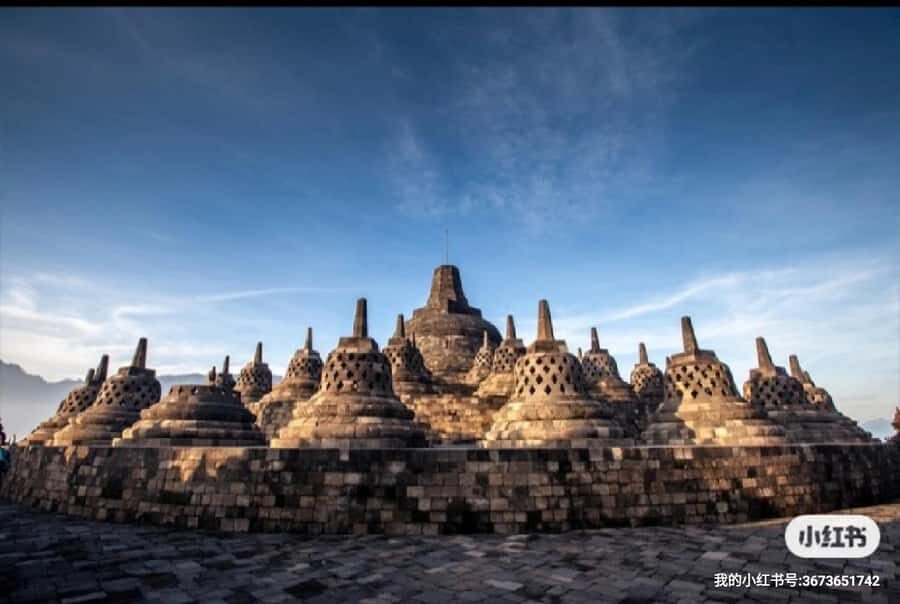
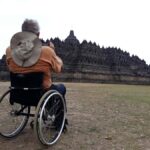
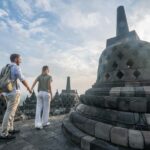
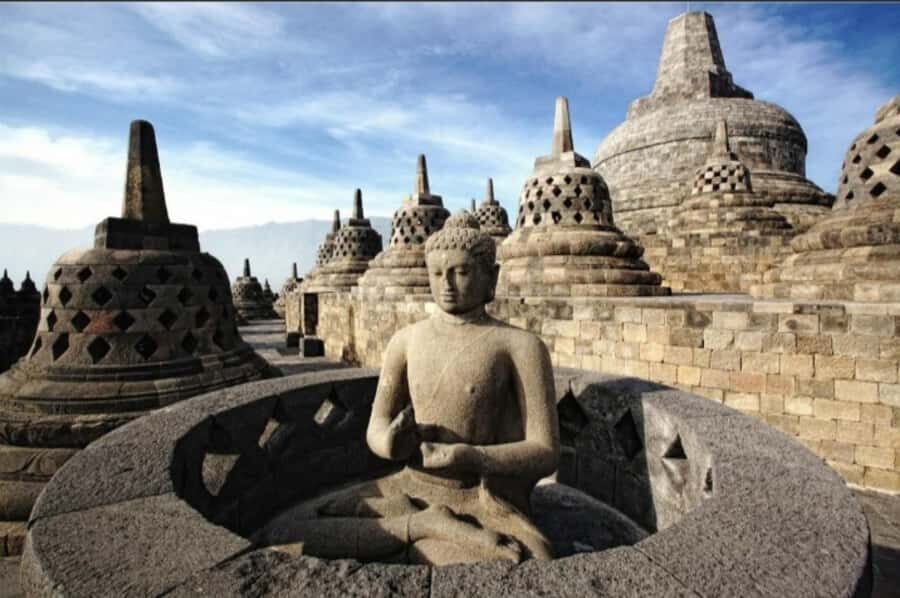
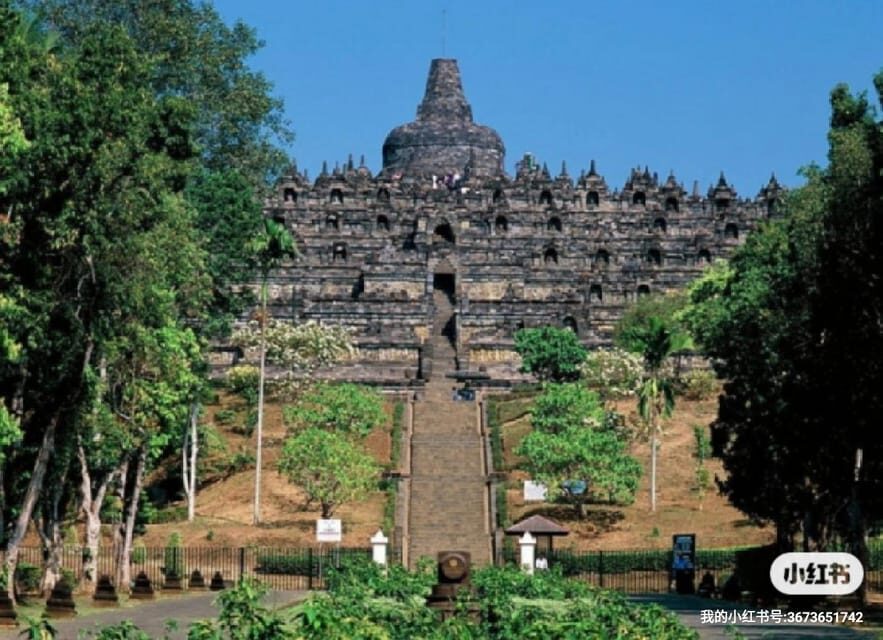
Borobudur isn’t just “a big temple.” It’s designed like a giant mandala, a symbolic map of the path toward enlightenment. You’ll see it as nine stacked levels—six square platforms and three circular ones—ending at a central stupa. Even if you don’t consider yourself spiritual, the design is the point: you move upward through increasing “clarity,” and the architecture tells you what to notice as you go.
At ground level, you’re surrounded by extensive stone storytelling—over 2,600 relief panels and about 500 Buddha statues. Those carvings aren’t random decoration. They narrate Buddhist scriptures and stories, including the Lalitavistara and Jataka tales (as the tour explanation frames it). The effect is that Borobudur feels like a stone book you read with your feet.
What makes this tour format smart is that you’re not left to interpret the whole place on your own. You get an English tour guide for the Borobudur climb, which helps you understand the symbolism instead of just taking photos of texture. Names you might hear from this provider in the field include guides like Agnes, who’s praised for professionalism and patience, and Ipung and Bibis, who are repeatedly described as helpful and informative. Even if your guide is someone else, the pattern is clear: the guiding is part of the experience, not an add-on.
Sunrise over Mount Merapi: when timing becomes the best souvenir
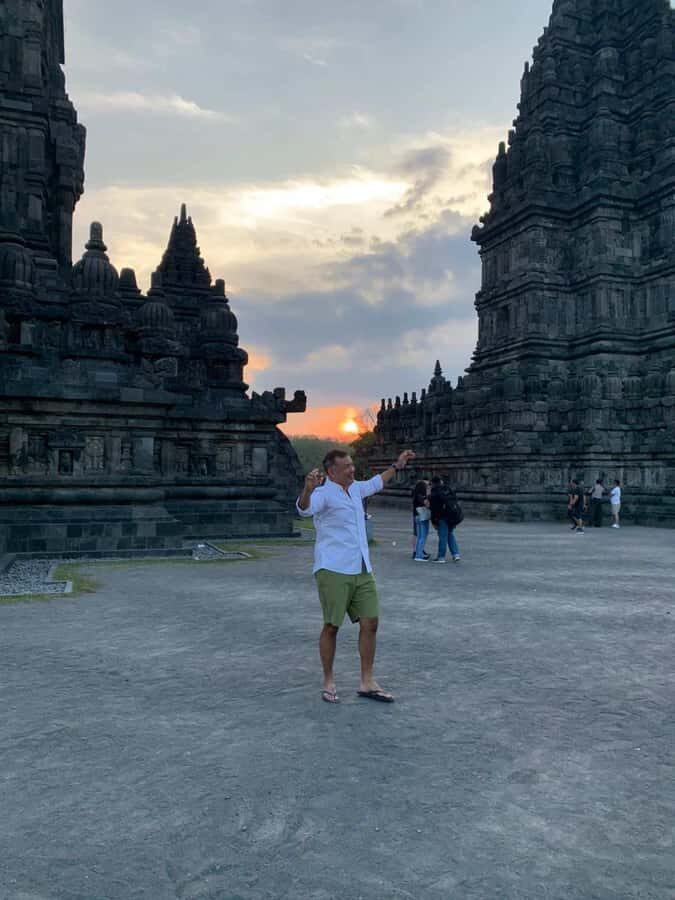
One highlight here is the panoramic sunrise view over Mount Merapi. The big practical truth: sunrise makes the morning feel intentional. It’s not just another start time; it’s the best light (and often the best atmosphere) for the temple experience.
You’ll want to show up ready for the sun. Bring a sun hat, sunscreen (and the tour notes request biodegradable sunscreen), plus a camera. Sunrise often means you’ll be outside longer than you think, then later you’re in brighter light for walking and photographing. The trip description also flags tight clothing as not allowed, so plan something comfortable and covered rather than trying to blend in with the crowd.
If you care about photos, sunrise helps. And if you care about crowd control, Borobudur’s format helps too. One guide team was credited with securing access when online booking was sold out, and a reviewer specifically mentioned a session limit (150 people per session). You can use that as a reality check: don’t assume you can casually buy your way in at the last second.
Borobudur guidance and ticket limits: why “assistance” is the real feature
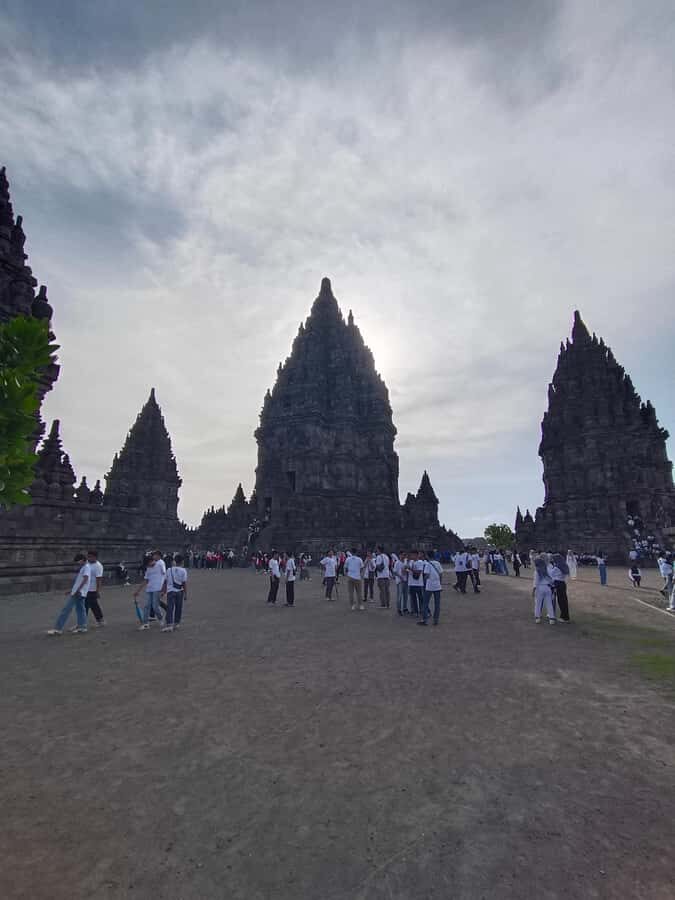
Borobudur is where many day trips fail, mostly because admission is time- and session-sensitive. This tour is built to handle that. You get full assistance to buy entrance tickets on-site and full assistance to booking entrance tickets. There’s also a referenced ticket website: ticketcandi.borobudurpark.com.
This is also where the small-group design can pay off. The trip notes mention private or small groups available, and the effect is that you’re less likely to feel herded. One important detail from the experience: the climb and best viewing areas rely on tickets, so you want your entry secured before you arrive in the ticket scramble.
Here’s a balanced way to think about it: no guide can create more capacity. But a good operator can help you stay flexible when online options are tight. People in this program have been credited with handling sold-out situations at the last minute, which tells you their support is not theoretical.
Prambanan: the Hindu temple complex where height has meaning
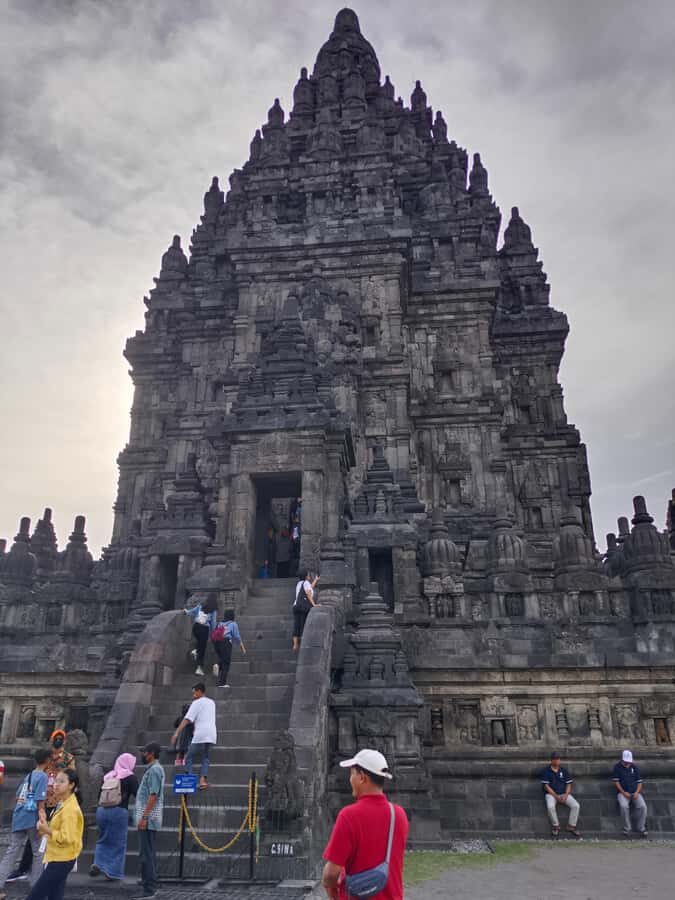
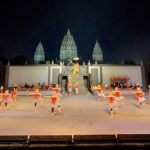
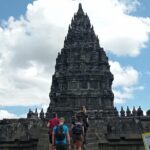
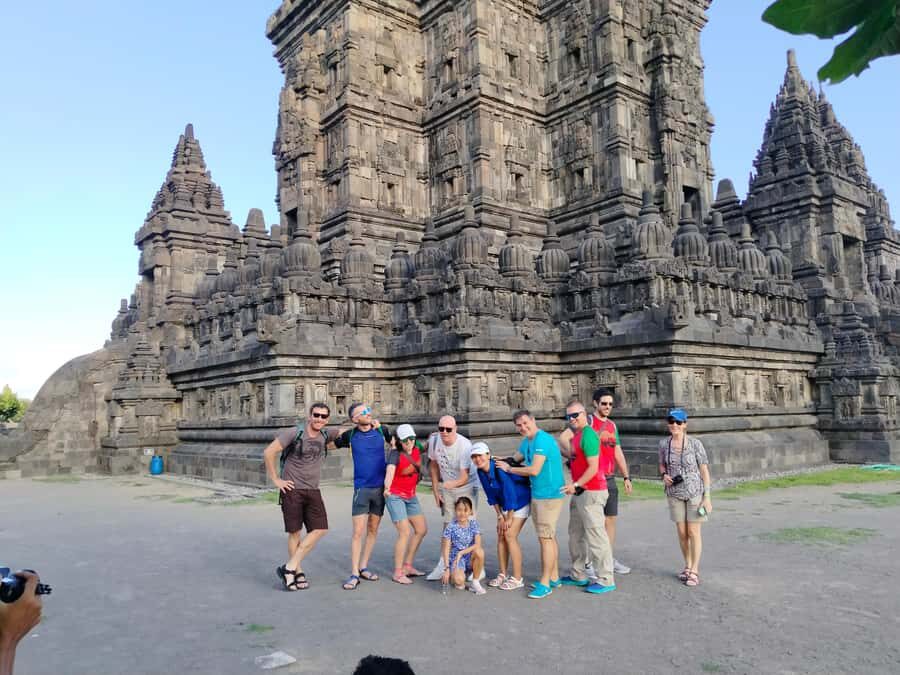
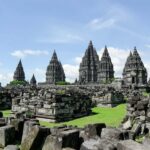
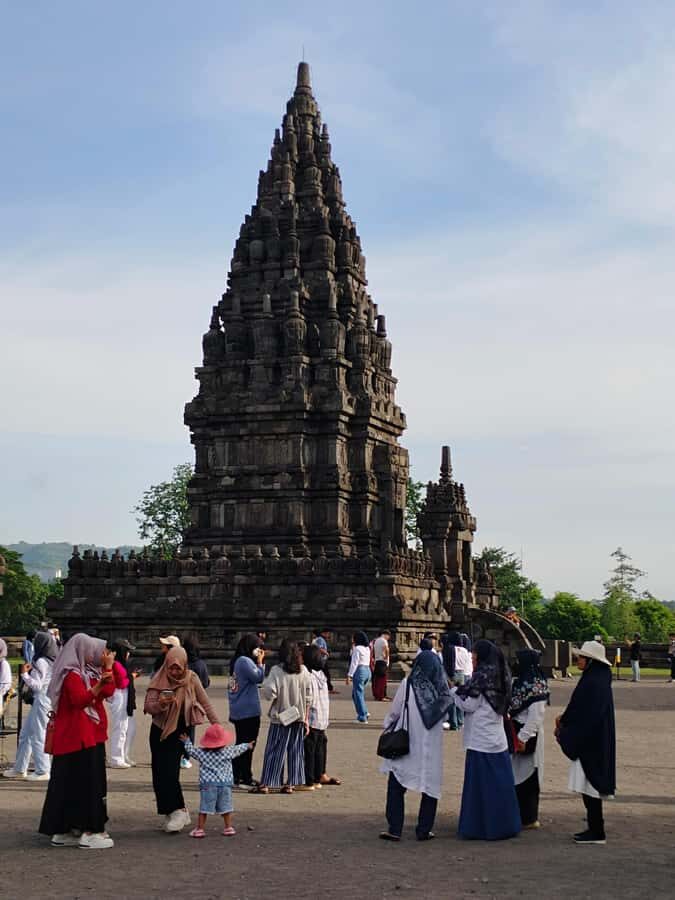
After Borobudur, the day pivots to Hindu architecture at Prambanan, the largest Hindu temple complex in Indonesia. This complex is associated with the Trimurti: Brahma the Creator, Vishnu the Preserver, and Shiva the Destroyer (as the tour explanation puts it). You’ll see that in the towering spires and the overall layout—temple design that tries to make the divine feel closer to the human scale.
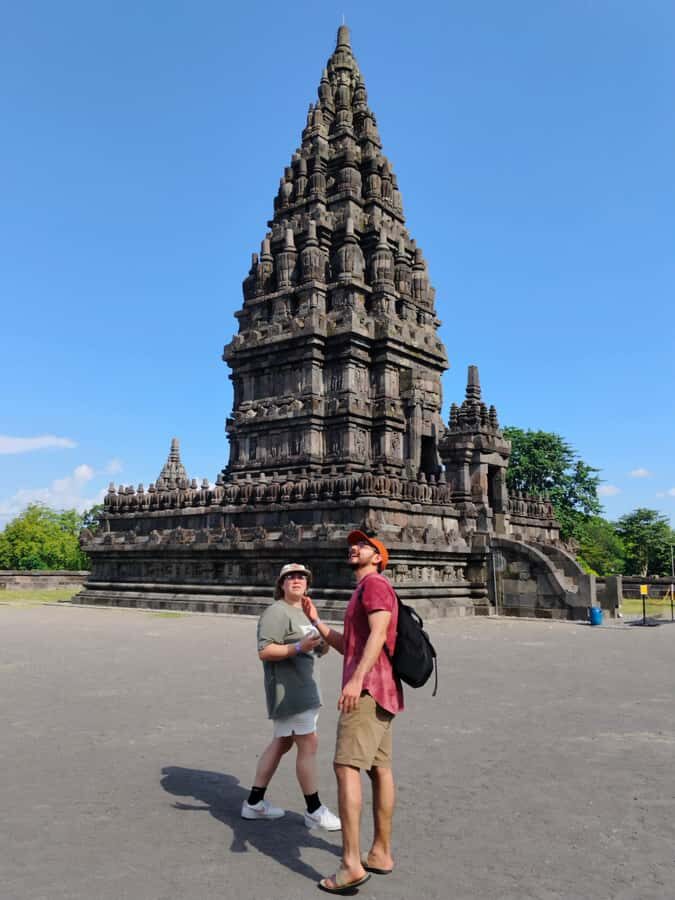
The main temple complex includes soaring stone structures, with the tallest spire reaching 47 meters, symbolizing Mount Meru, the sacred home of the gods. If you’ve never seen how ancient builders expressed belief through engineering, Prambanan is a strong example. You’re not just looking up because it’s tall. You’re looking up because the architecture is meant to point your mind toward the sacred.
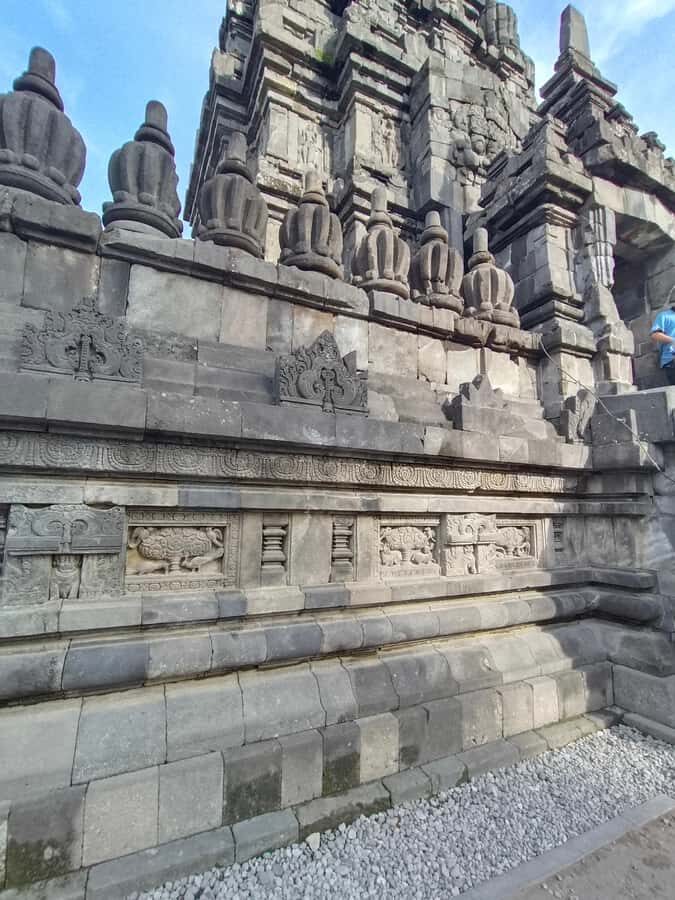
Prambanan’s walls are covered with detailed carvings that depict the Ramayana story. That’s another huge reason this stop feels alive: the myths are not confined to books. They’re on stone, arranged in sequences that communicate action, conflict, and emotion.
Even if you’re not a mythology buff, the carvings help you “read” the temple. And if you want extra help, package options matter. One version includes Prambanan entrance ticket only, while another includes Prambanan ticket plus a tour guide. If you want interpretation (not just a quick walk-through), pick the option that includes guiding at Prambanan.

How Prambanan works on the ground: spires, symmetry, and time to look
Prambanan’s layout and symmetry are part of the attraction. The way the temples align helps you understand what you’re seeing as you move through the complex. It’s also a reminder that this wasn’t a throw-together project. Centuries of earthquakes and natural disasters have tested it, yet it keeps standing, which adds emotional weight to your visit.
There’s also a practical effect: because the complex is so large, your experience will depend on how much time you’re given inside it. This tour includes time for both photo stops and a guided visit (for about 1.5 hours at Prambanan in the provided outline). That can be enough to enjoy the main temples and key carvings without turning the experience into a sprint.
If you’re the type who likes to pause, step back, and take a second look, you’ll do best with a guide who points out the specific panels and motifs that make the stories clear. The tour data keeps the structure simple, but guides like Prima Fani are described as taking people to both temples with solid explanation, and a Prambanan guide was singled out as particularly effective. That’s your cue: Prambanan rewards attention.
Between temples: drives, markets, and coffee detours
The trip doesn’t just teleport you between ancient monuments. You also get a scenic drive and a stop at an arts & crafts market visit during the Prambanan portion.
That market timing can be useful for two reasons. First, it gives you a break from the big temple walking. Second, it helps you buy small souvenirs without trying to negotiate with your last bit of energy later that night.
Some guides and drivers also build in extra cultural stops. In a couple of the shared experiences, people were taken to coffee or local food stops between visits, including a coffee brewery where the process of kopi luwak was explained. That’s not guaranteed as a formal inclusion in the tour description, but it reflects how your driver may personalize the day based on your interests. If you care about coffee culture, it’s worth asking your driver what’s close and worth it.
What you’ll really pay: $15 isn’t the full story without the ticket option
The price shown is $15 per person, but the tour description is clear that packages change what’s included. There are four tour package options:
- All entrance tickets included
- Prambanan entrance ticket included
- All entrance tickets not included
- Prambanan entrance ticket plus tour guide included
And the “Not Included” section states that entrance tickets for Borobudur and Prambanan are not included. So your total cost depends on which package you choose. Think of it like this: if you want the fewest decisions on the day, pay for the version that includes tickets.
Where the value shows up beyond the ticket price is the support system:
- Hotel pickup and drop
- AC vehicle
- English guide for the Borobudur climb
- English-speaking driver
- assistance buying or booking tickets
- mineral water and parking handled
In other words, the “ticket help” can save you money even if it doesn’t look like it at first. If you arrive and sessions are sold out, your fallback costs time and stress. People have specifically praised the team’s ability to secure entry when online booking was difficult.
So yes, the base price is attractive. Just make sure you’re matching that price to the package you actually need for your comfort level.
Practical rules and what to pack for a hot temple day
You’ll be outside a lot, so pack with the rules in mind. Bring:
- Sun hat
- Camera
- Sunscreen
- Biodegradable sunscreen
And be aware of the “not allowed” list, including:
- No smoking
- No food and drinks
- No drones
- No littering
- No alcohol and drugs
- No tight clothing
- No explosive substances
- No nudity
- No see-through clothing
That affects wardrobe more than people expect. Keep it modest and comfortable. And since food and drinks aren’t allowed at the temples, plan water through the time you’re out (the tour includes mineral water).
Who this 10-hour Borobudur and Prambanan day is best for
This experience is a strong fit if you want one day that hits the big two temples without turning your trip into a navigation problem.
It’s also a good match for:
- People who like architecture with meaning, not just photos
- Travelers who want English guidance, especially for Borobudur’s climb
- Anyone who values ticket assistance rather than managing it alone
But the tour data flags several situations where it may not be suitable:
- Pregnant women
- People with back problems
- People with heart problems
- People who are afraid of heights
- People with altitude sickness
- People with kidney problems
- Babies under 1 year
- People over 95 years
- People over 309 lbs (140 kg)
One more note: the info also says the experience is wheelchair accessible, yet it lists wheelchair users under not suitable. Because that’s contradictory, I’d treat it as a “confirm before you book” item and ask the operator directly what access looks like in practice.
Names you might hear from the team
The best part of this day trip isn’t just the temples. It’s the people guiding you around them. Several guide and driver names came up in the shared experiences, including Agnes, Ipung, Hari, Bibis, Prima Fani, and Adit.
What they have in common in the feedback is the focus on safety, patience, and explanation. One person even credited a last-minute ticket solution to the team, which again highlights why the operator matters here.
Should you book this Borobudur and Prambanan tour?
If you want an efficient Java day that turns two world-class temple sites into a guided story, this is a solid booking. The combination of Borobudur’s mandala symbolism, sunrise viewing, and Prambanan’s Ramayana reliefs is exactly the kind of pairing that justifies a long day.
I’d book it if you:
- Want English guiding (especially for Borobudur)
- Prefer pickup and drop from Yogyakarta
- Care about ticket access and don’t want to wrestle with it alone
I’d hesitate if you:
- Are unsure which ticket package you’re choosing (confirm whether Borobudur and Prambanan tickets are included for your option)
- Have mobility or health considerations listed in the not-suitable section
- Need clarity on the wheelchair/accessibility mismatch and can’t get confirmation from the operator
Overall, this works as a practical “big temples in one shot” plan, and the ticket assistance is the difference between a smooth day and a frustrating one.
FAQ
How long is the tour?
The tour duration is listed as 10 hours.
Where does pickup happen?
Pickup is available from multiple options in Yogyakarta, including areas around Jalan Malioboro and Jl. A.M. Sangaji No. 70.
Is the entrance ticket included?
Entrance tickets to Borobudur and Prambanan are not included by default. Different package options can include Borobudur and/or Prambanan tickets, depending on what you select.
Do I get a guide at Borobudur and Prambanan?
The tour includes an English tour guide for climbs at Borobudur. For Prambanan, a tour guide is only included in the package option that includes Prambanan ticket and tour guide.
What language is the tour guide?
The listed language for guides is English.
Is hotel pickup and drop-off included?
Yes. Hotel pickup and drop-off at your accommodation is included.
Does the tour provide transportation?
Yes. You’ll travel in an air-conditioned vehicle, with parking fees and gasoline included.
What should I bring for the day?
Bring a sun hat, camera, and sunscreen (the tour notes specify biodegradable sunscreen).
Are there restrictions on what I can bring or do?
Yes. The tour notes that smoking, drones, and food and drinks are not allowed, along with several other restrictions like no alcohol and no tight or see-through clothing.
Is free cancellation available?
Yes. Free cancellation is available up to 24 hours in advance for a full refund.
Who might not be suitable for this tour?
The tour data lists restrictions for pregnant women, people with back or heart problems, people afraid of heights, people with altitude sickness, kidney problems, and several age/weight limits. It also lists wheelchair users as not suitable, even though wheelchair accessible is mentioned, so confirm specifics with the operator.