Skip traffic, stretch at home in Bali. This home yoga service brings a practiced instructor to your villa or hotel across Ubud, Seminyak, Kuta, Canggu, Sanur, and Kerobokan, so you’re not burning time getting to a studio. I like the way the teaching is described as caring and supportive, especially with instructors like Lilly, and I also like the emphasis on clean equipment. The main thing to consider is simple: you’ll need a decent, quiet space in your accommodation for a full hour of movement.
For $22 per person, you’re buying a focused 60-minute low-impact session with mat included, plus guidance in English or Indonesian. The instructor arrives about 10 minutes before start time, which makes it easier to settle in without rushing.
Yoga here is built around strength, flexibility, posture, and breathing, with postures plus a calmer end (relaxation/meditation style). If you’re expecting a big studio vibe with lots of people, you may find the home setting more intimate and less theatrical.
In This Review
- Key things I’d plan around
- Yoga at Your Villa: The Real Appeal of Home Service
- Price and Duration: What $22 Buys You in Bali
- Where the Session Happens: Ubud to Kerobokan Coverage
- The Yoga Style: Strength, Flexibility, and Calm Breathing
- What You’ll Do During the 1-Hour Class (Step by Step)
- Gear and Cleanliness: The Details That Protect Your Practice
- Instructor Support in English or Indonesian
- Meeting Points and Timing: How to Avoid Getting Stuck in the Day
- Who This Home Yoga Class Is Best For
- Quick Tips to Get More From Your 60 Minutes
- FAQ
- How long is the yoga class?
- What areas in Bali do they serve?
- Is the yoga mat included?
- What languages is the instructor able to teach in?
- When will the instructor arrive?
- How much does it cost?
- Can I cancel?
- Should You Book This Home Yoga Class in Bali?
Key things I’d plan around
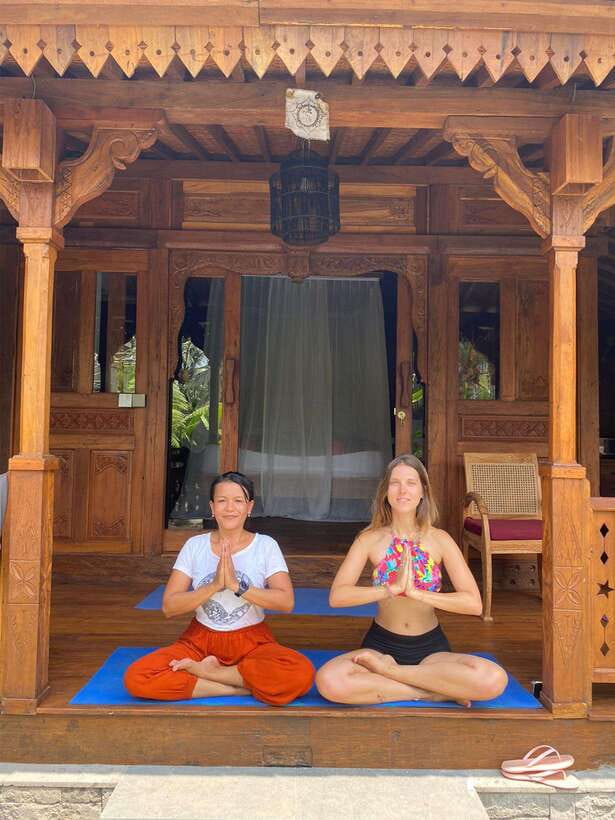
- Home delivery across Bali hot spots: Ubud, Seminyak, Kuta, Canggu, Sanur, Kerobokan
- The instructor matters: Lilly is highlighted for being kind and a strong guide
- Clean, ready-to-use equipment: they specifically call out equipment cleanliness
- Mat included: you don’t have to bring your own yoga gear
- English or Indonesian instruction: helpful if you want clarity on cues
Yoga at Your Villa: The Real Appeal of Home Service
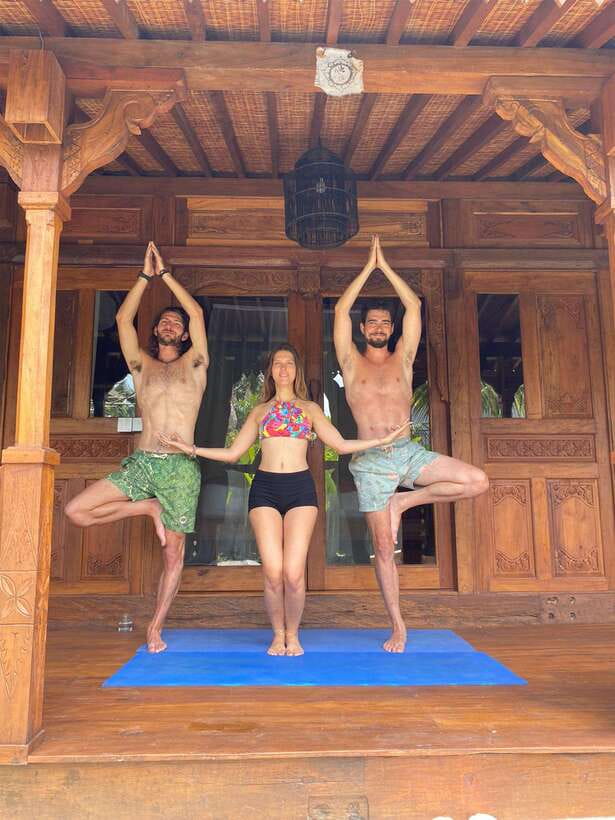
Bali has no shortage of yoga options, but the best part of this experience is the location: your home base. Instead of timing transport, parking, and finding the right studio room, you get a session that starts at your address and ends where you began.
That matters more than it sounds. A one-hour practice goes by fast, and travel friction is what turns a good plan into a missed session. Here, you can fit yoga around breakfast, a nap, or late-afternoon recovery—without the stress of relocating.
It’s also a practical choice for first-timers. Even if you’ve never done yoga in Bali before, a private or small home setting can feel less intimidating than joining a crowded class, because you can move at your pace and ask for adjustments during cues.
You can also read our reviews of more tours and experiences in Kuta.



Price and Duration: What $22 Buys You in Bali
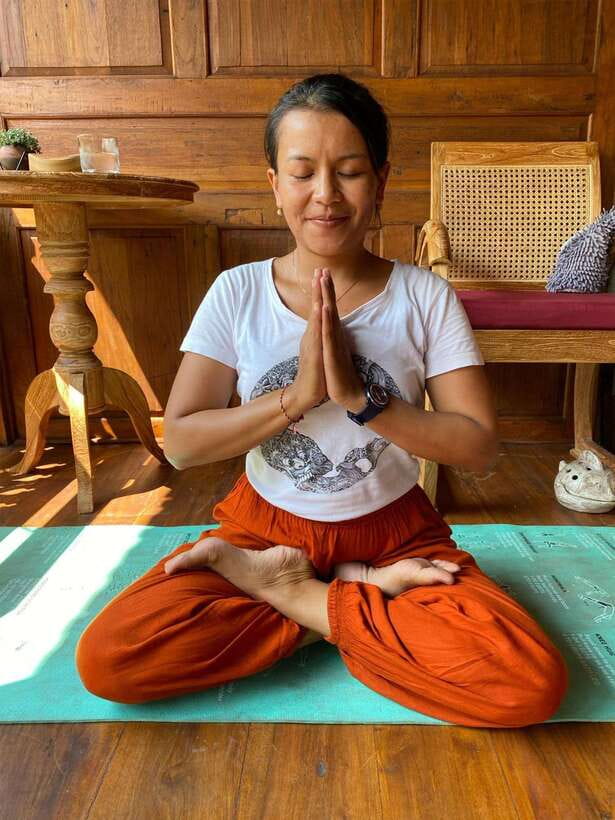
At $22 per person, this is one of those Bali activities that doesn’t feel like a splurge. You’re paying for instructor time, a guided 60-minute session, and the essentials like a yoga mat—plus the convenience factor of them coming to you.
Duration is 1 hour, and starting times depend on availability. That’s important for planning, because yoga works best when you’re not rushing straight into it. If you pick a time when you’re hungry, overheated, or distracted, the class will still happen—but you’ll likely feel it in your breathing and focus.
Think of this price as “value per hour.” You’re not just getting random stretching; you’re getting a guided flow centered on posture, strength, flexibility, and calm control through breathing. In short: it’s a service you can repeat, not just a one-off.
Where the Session Happens: Ubud to Kerobokan Coverage
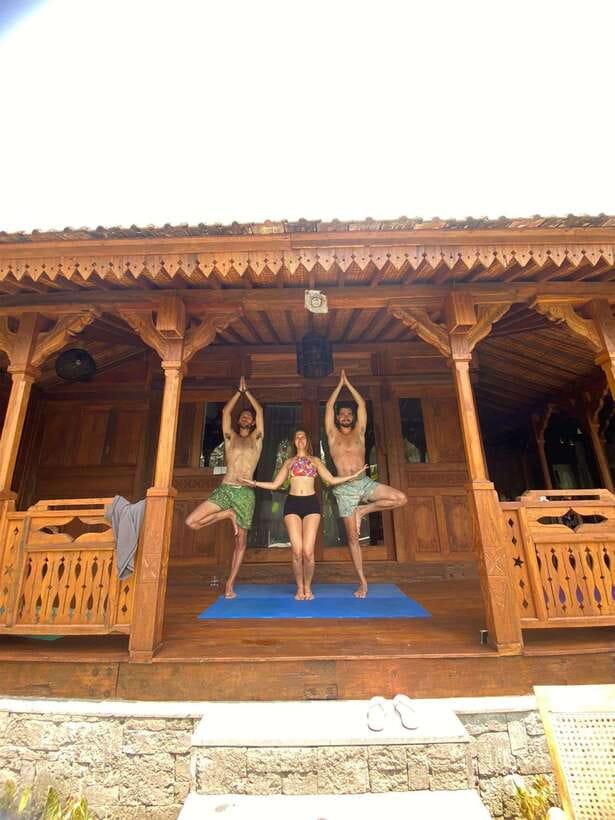
This home service covers a cluster of Bali areas that most visitors actually move between: Ubud, Seminyak, Kuta, Canggu, Sanur, and Kerobokan. If you’re staying in one of these zones, the setup is simple: the class begins at the service address and finishes back there.
Because it’s home-based, you should think about your practice space before booking. You’ll want enough room for you to move into common yoga postures and get onto the mat comfortably. If your villa has a tiled courtyard or a hot, sunny spot, it can affect how stable your footing feels and how fast you cool down after.
Another small but useful detail: the instructor arrives about 10 minutes before the scheduled start. That gives you time to clear space, decide where the mat should go, and make sure you can be present without feeling rushed.
The Yoga Style: Strength, Flexibility, and Calm Breathing
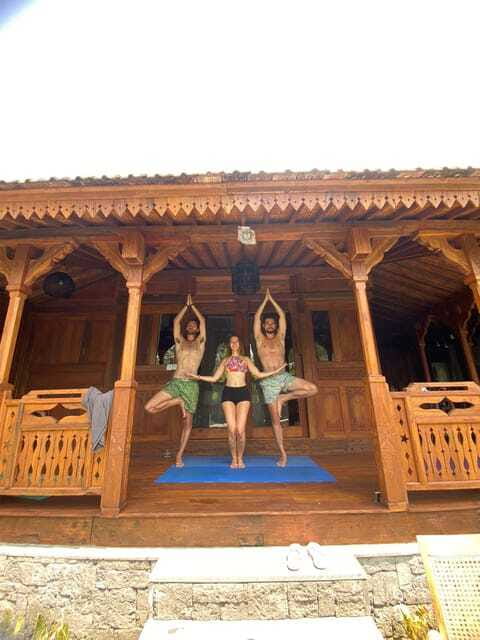
The class is described as low impact, aimed at body fitness through both physical movement and mental focus. Expect a blend of physical postures, breathing techniques, and a calmer finish that can include relaxation or meditation-style elements.
That combination is the practical reason yoga works beyond the “I stretched” feeling. Postures are where you build control—strength and stability through alignment. Breathing is where the pace slows down, and it’s also what helps your body handle heat and effort better, especially in Bali’s climate.
In the Bali home setting, I like this style because it doesn’t demand huge athletic intensity. Even if your day has been heavy—walking temples, riding scooters, climbing stairs—low-impact yoga can help you reset your posture and loosen tight hips and backs without turning it into another workout.
If you’re very new, prioritize listening over matching. The goal is controlled movement and breathing, not hitting perfect shapes. A good instructor will cue you to adjust when needed, which is exactly what Lilly is noted for: kindness and clear guidance.
What You’ll Do During the 1-Hour Class (Step by Step)
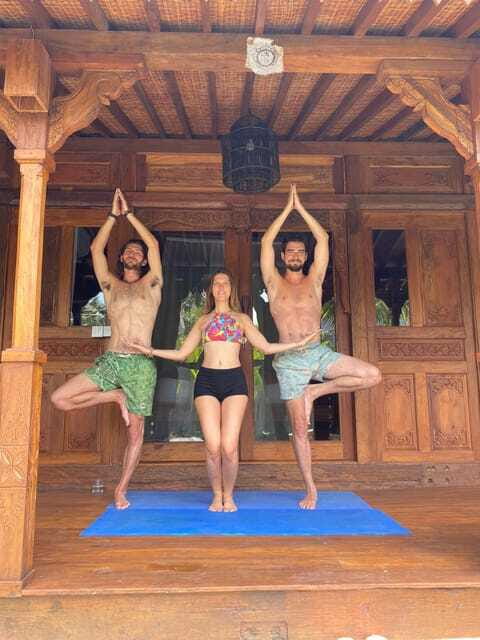
You won’t have multiple “stops” like a tour bus day, but there is still a natural flow to the hour. Here’s what you can typically expect from the way this class is described—built around posture, breath, and calm.
1) Setup and quick check-in
The instructor arrives about 10 minutes early and you’ll get settled at your chosen spot. If you have questions about comfort or pacing, this is the moment to say it.
2) Warm-up through mindful movement
Yoga begins with gentle motion to prepare your body for stronger postures. You’ll likely focus on aligning your spine, warming up stiff joints, and finding steady breathing.
3) Strength and flexibility postures
The middle of the session is where you build control. Expect physical postures that work on strength, flexibility, and posture, guided with breathing cues so you’re not just holding poses—you’re moving with awareness.
4) Breathing focus and calmer transitions
Because the class highlights breathing techniques, the instruction usually shifts from effort to regulation. That’s where you’ll notice your heart rate steady down.
5) Relaxation or meditation-style ending
Yoga benefits are often felt in the cooldown. The session is described as combining postures with relaxation/meditation, so you should finish feeling less tense than when you started.
Even without a detailed schedule listed, the structure above matches the “low impact + breathing + relaxation” description. And for a one-hour session, that balance is what keeps it useful rather than tiring.






Gear and Cleanliness: The Details That Protect Your Practice
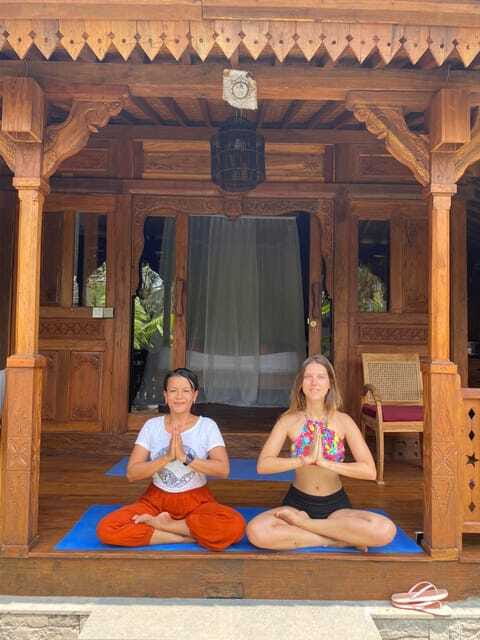
This activity includes a yoga mat, which is one of those small perks that saves you from hunting for gear after a flight. It also makes the experience more beginner-friendly, since you won’t need to figure out where to buy or borrow a mat.
The other detail I’d pay attention to is their stated focus on clean equipment. In a private, at-home class, the equipment you put your body on matters. If you’re paying for instruction and expecting a soothing experience, you should also expect the mat and any props to be clean and ready to use.
Before class, I’d do a quick check: make sure the mat is laid flat, you have a comfortable surface, and there aren’t any distractions right next to your practice area. That takes 30 seconds and makes the hour feel smoother.
Instructor Support in English or Indonesian
The instructor speaks English and Indonesian, which is a practical advantage in Bali. Clear cues make a difference in yoga because small changes in alignment can keep you comfortable and protect joints.
I also appreciate that instructors are described as experienced in their fields. Yoga is simple on paper, but good instruction is about knowing how to explain movement so your body can follow. Lilly, in particular, is mentioned as kind and an excellent guide—exactly the traits that help you relax instead of tense up.
If you’re the type who likes instruction, ask questions during the class. If you’re the type who prefers quiet, you can still benefit from the guidance without over-talking. Either way, the language support helps you get what you need.
Meeting Points and Timing: How to Avoid Getting Stuck in the Day
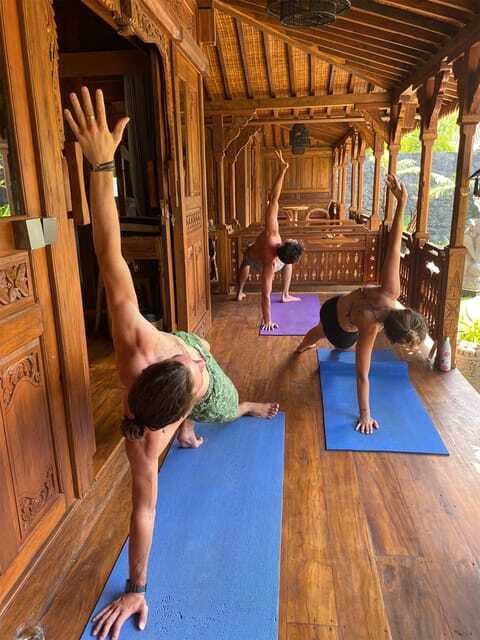
The service starts at your accommodation area, and it ends back at the same meeting point—so you’re not juggling a long route. In practice, that means fewer planning headaches and less waiting time than a studio class far from your hotel.
Timing-wise, the instructor arrives about 10 minutes early when scheduled. Plan to be ready during that window, especially if you’re in a busy morning or you share the space with other people.
Also remember the class lasts 1 hour, so schedule it with a little buffer before or after. A yoga session works best when you’re not trying to immediately shower, go out, or eat a huge meal. If you can, treat it like a reset block.
Who This Home Yoga Class Is Best For
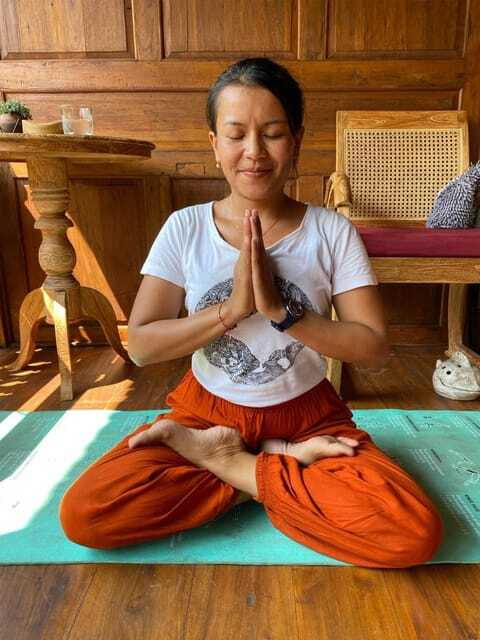
This is a smart fit if you want Bali yoga but don’t want the logistics. You’ll probably love it if you:
- are short on time and want convenience
- want a calmer, at-home experience rather than a busy studio
- are a beginner who benefits from supportive guidance (Lilly is a good example of that teaching style)
- want low-impact movement to support strength, flexibility, and posture
It may be less ideal if your priority is a group atmosphere, a dramatic location, or a full studio setup with lots of mats and props. Home yoga can feel quieter and more personal, which is fantastic for many people—but not everyone is after that vibe.
Quick Tips to Get More From Your 60 Minutes
Yoga is simple, but you can make it better with a few choices.
- Choose a cooler time: heat changes how your breathing feels, even in low-impact yoga.
- Clear a small practice zone: you need room to move safely and keep your footing stable.
- Wear something you can move in easily: yoga cues only help if you can follow them.
- Tell the instructor your comfort level: first-timer or returning student is enough.
- Prioritize breathing: the class is built around it, so let breath guide pace instead of forcing shapes.
If you do these things, the hour becomes less about “trying yoga” and more about getting an actual body reset.
FAQ
How long is the yoga class?
The class lasts 1 hour. Starting times depend on availability.
What areas in Bali do they serve?
Home service covers Ubud, Seminyak, Kuta, Canggu, Sanur, and Kerobokan.
Is the yoga mat included?
Yes. A yoga mat is included with the class.
What languages is the instructor able to teach in?
The instructor can teach in English and Indonesian.
When will the instructor arrive?
When scheduled, the instructor arrives about 10 minutes before the service starts.
How much does it cost?
The price is $22 per person.
Can I cancel?
You can cancel up to 24 hours in advance for a full refund.
Should You Book This Home Yoga Class in Bali?
If you want yoga without the hassle, I think this is an easy yes. The combination of home service, an easy-to-manage 1-hour length, mat included, and instruction in English/Indonesian is exactly what makes it practical in Bali.
I’d especially book it if you’re a beginner or you prefer a kind, supportive teacher like Lilly—because the class is built around breathing, posture, and low-impact movement that helps you feel better rather than drained. Just make sure you can create a comfortable space in your villa or hotel, and you’ll set yourself up for a calm, useful hour.