Surf coaching in Bali should feel fun and safe.
This Seminyak lesson is built for all levels, with step-by-step instruction and the chance to ride waves near Double Six Beach. You’ll get tailored guidance based on what you can already do, plus the option to explore less-crowded surf spots around the island depending on conditions. One extra bonus: part of the experience supports an orphanage run locally by the instructors.
What I really like here is the calm structure: each class focuses on the skills that matter most for your level, from paddle technique and first turns to cutbacks and duck dives. I also like that you’re not stuck just watching from the shore—coaches keep pushing you to progress, with patient, clear help that fits how you’re learning. In one example, Lucas was singled out for being especially patient and enthusiastic while helping someone ride their first waves.
One consideration: the beach sun can be intense, especially if you’re fair-skinned. A specific warning that came up is to think twice about 10am–2pm slots if you burn easily, even with sunscreen.
In This Review
- Key highlights you’ll care about
- Double Six Beach surf lesson for beginners to advanced
- 2 hours that actually fit a vacation schedule
- Where pickup and drop-off works around Seminyak and nearby areas
- The surf lesson flow: what happens from the beach to the waves
- Beginner class: board control, paddling, and first turns
- Intermediate class: improving technique after your first rides
- Advanced class: wave reading, duck dives, and maneuvers
- How coaches pick spots: conditions, timing, and avoiding the worst crowds
- Equipment and refreshments: less hassle, more learning
- Safety, ocean conditions, and why this matters more than tricks
- Sun planning for Bali: the 10am–2pm reality check
- The community piece: your surf day helps local work
- Price and value: why $45 can be a smart move
- Who this is best for (and who should reconsider)
- Should you book this Seminyak surf lesson?
- FAQ
- How long is the surf lesson?
- How much does it cost, and what’s included?
- What skill levels do they teach?
- Where do we surf during the lesson?
- Do they pick up from hotels in Seminyak and nearby areas?
- What surf equipment do I need to bring?
- What languages do the instructors speak?
- What should I bring to the beach?
- Is this activity suitable for everyone?
Key highlights you’ll care about
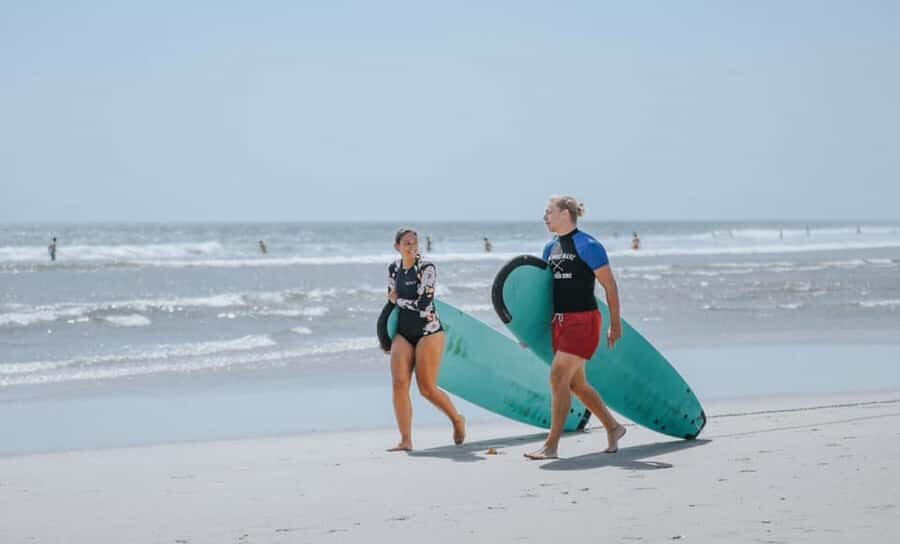
- All levels, real coaching: beginner basics up through advanced wave-reading and maneuvers
- Small groups or private: you can choose the format that fits your comfort
- Non-crowded Bali spots: surf where conditions are best, not just where it’s easiest
- Gear and rash guard included: surfboard, leash, and rash guard so you can focus on learning
- Community support: your session includes support for an orphanage connected to the instructors
- Sun planning matters: timing can affect comfort and how protected you feel
Double Six Beach surf lesson for beginners to advanced
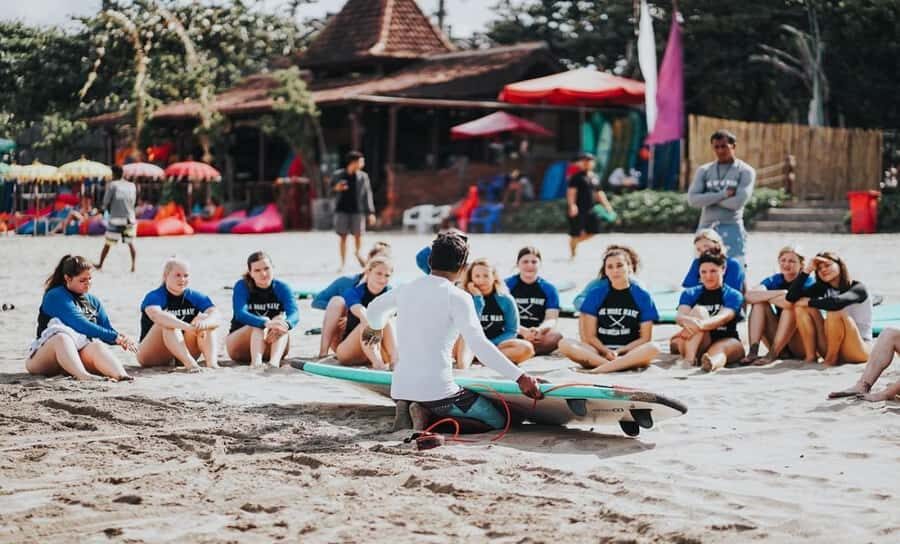
If you’ve ever watched surfers and thought, I could never do that, this is the kind of lesson that helps that thought shrink. The whole setup is about turning surfing into a set of skills you can actually learn: board control, paddling, reading waves, takeoffs, turns, and safety habits.
The base location is Double Six Beach, a go-to area for surf sessions. From there, your route can change with the weather and swell. When conditions are right, you’ll get to try different spots on both the east and west sides of Bali, which matters because Bali can be very different wave to wave. This is also why the lesson doesn’t feel like one long, boring repeat—your coaches can adjust where you practice when the ocean behaves.
Even if you’ve surfed before, the value is in the coaching style: step-by-step cues, safety guidance, and technique improvements that match where you are now. The aim isn’t to cram everything into one session. It’s to help you move one level up without turning it into a stressful ordeal.
You can also read our reviews of more tours and experiences in Bali.



2 hours that actually fit a vacation schedule
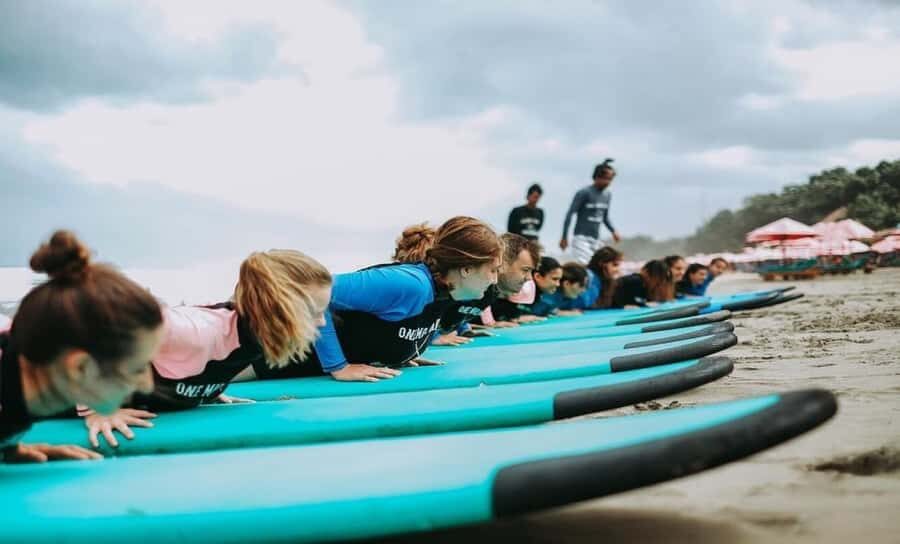
You’re looking at about a 2-hour lesson. That’s an ideal length in Bali because you can fit it around beach time, meals, or a day trip without losing your whole afternoon to sand and sore legs.
Timing is also flexible in practice. Your pick-up happens before the start—your operator tells you the exact time, and it’s typically 30 to 45 minutes ahead, depending on where you’re staying. That gives you enough time to get to the beach, gear up, and do a proper warm-up and safety briefing before you hit the water.
If you’re worried about wasting time, this format is pretty efficient. You’re not paying for a long transfer day or a half-day lecture. You’re paying for coaching time plus the ocean practice that goes with it.
Where pickup and drop-off works around Seminyak and nearby areas
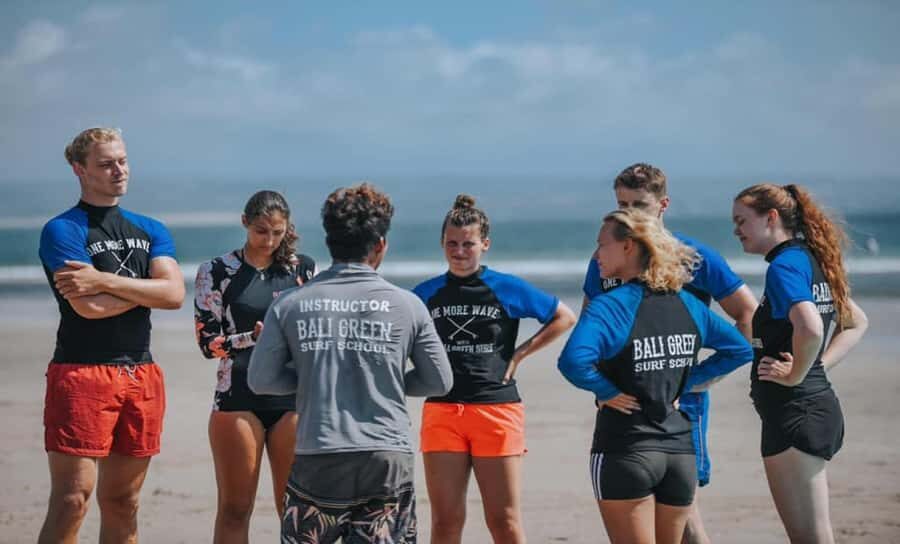
This experience is built for people staying across the Seminyak–Kuta–Canggu belt. You get multiple pickup options: Kerobokan, Kuta, Canggu, Seminyak, and Legian. Drop-off can also be in Legian, Kuta, Canggu, Kerobokan, or Seminyak.
That matters because Bali travel planning is half logistics. When pickup is consistent with your hotel zone, you lose less time to taxi wrangling and waiting. The transfer itself is straightforward: you hop in a van and reach the beach area in roughly 20 minutes once you’re underway.
One small detail worth noting: people have shared that pickup can be handled in a quick, practical way depending on where they’re staying. In one case, the rider mentioned being collected on a scooter, which hints at how the operator adapts to local logistics.
The surf lesson flow: what happens from the beach to the waves
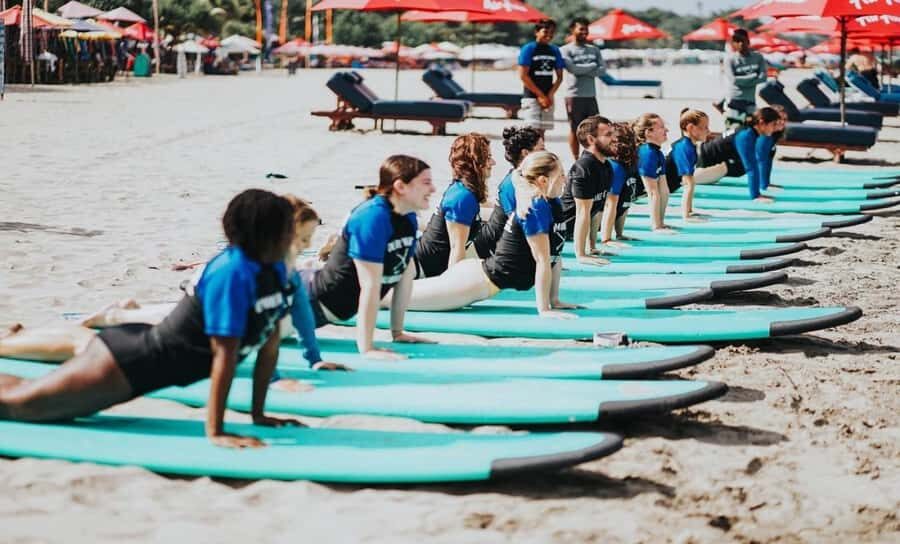
Your session starts at Double Six Beach and runs for about 2 hours total. The plan is simple: gear up, learn or review the key movements, then spend time actually practicing in the water with coaching.
A big part of the value is the safety instruction, not just the tricks. You’ll get guidance on ocean conditions and safety skills. That includes how to handle yourself around waves and how to use gear properly. Surfing is fun, but the ocean doesn’t care if it’s your first day—so having someone teach you how to think about conditions is a real part of the lesson.
From there, coaching adapts based on the level you select when booking. The operator doesn’t treat every person like they’re starting from the same place. That saves you from the common problem: spending your session waiting for instruction that’s either too basic or too advanced.
Beginner class: board control, paddling, and first turns
Beginner coaching focuses on fundamentals you’ll use immediately:
- How to handle the surfboard
- Correct paddle technique
- Take-off mechanics
- First forehand and backhand turns
- Ocean conditions and safety basics
If you’ve never stood up on a board before, this is the right track. The goal is to get you comfortable with the rhythm: paddle, set your position, then commit to the take-off with support from your instructor.





Intermediate class: improving technique after your first rides
Intermediate is for surfers who can already stand up and catch green waves. If that’s you, the focus shifts from basics to improvement:
- Better technique through relaxed coaching
- Surf secrets and practical tips from your instructor
This is where progress can feel faster, because you’re no longer learning the motion from scratch. You’re refining timing and wave choice—things that usually make the difference between a fun day and a frustrating one.
Advanced class: wave reading, duck dives, and maneuvers
Advanced coaching covers the skills that separate strong sessions from survival mode:
- Where to position yourself to observe incoming sets
- How to duck dive
- Choosing better waves
- Maneuvers like cutbacks, bottom turns, and top turns
If you can already surf confidently, this class helps you tighten decisions and technique. If you can’t duck dive yet, the session will still be useful, but you’ll want to keep expectations realistic: mastering advanced water skills is a process.
How coaches pick spots: conditions, timing, and avoiding the worst crowds
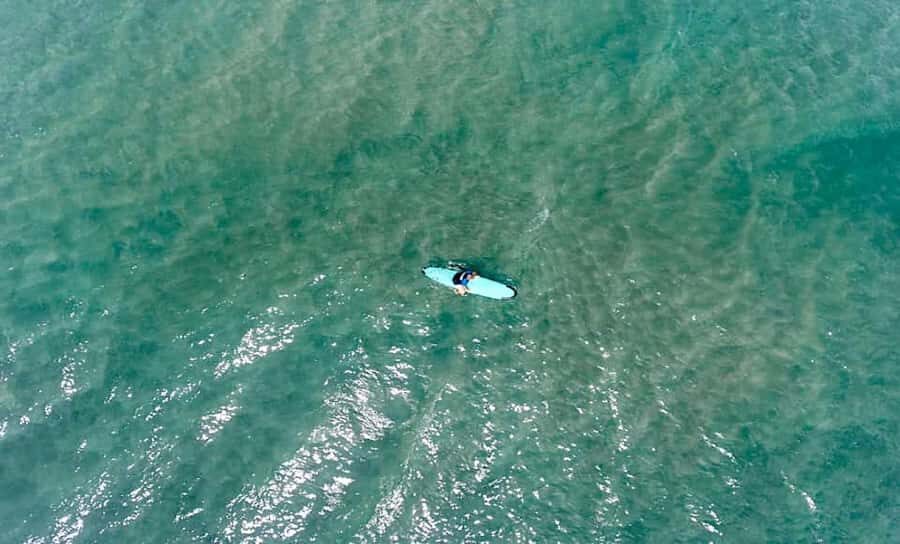
You’re not guaranteed one fixed wave break. Instead, you surf at different spots depending on weather and wave conditions, with a preference for places that are non-crowded.
This matters because in Bali, crowds can change the experience fast. If there are too many people at one break, the waves go early and you lose practice time. By adjusting locations across east and west coast areas, the operator improves your chances of getting better wave opportunities during your 2-hour window.
Your coaches are also responsive to what you like and what you struggle with. If you’re having fun chasing certain kinds of waves or you want help with turns, they can steer your practice in that direction instead of forcing one rigid plan.
Equipment and refreshments: less hassle, more learning
The lesson includes the gear you need:
- Surfboard
- Leash
- Rash guard
That’s a big value point. In Bali, surfboard rental and rash guard rentals can add up. Here, you’re showing up and starting, not shopping and bargaining first.
You also get refreshments. It’s not a full meal service, but it helps you keep your energy up so you can actually enjoy the last stretch of the session (and not just limp back to your hotel).
Safety, ocean conditions, and why this matters more than tricks
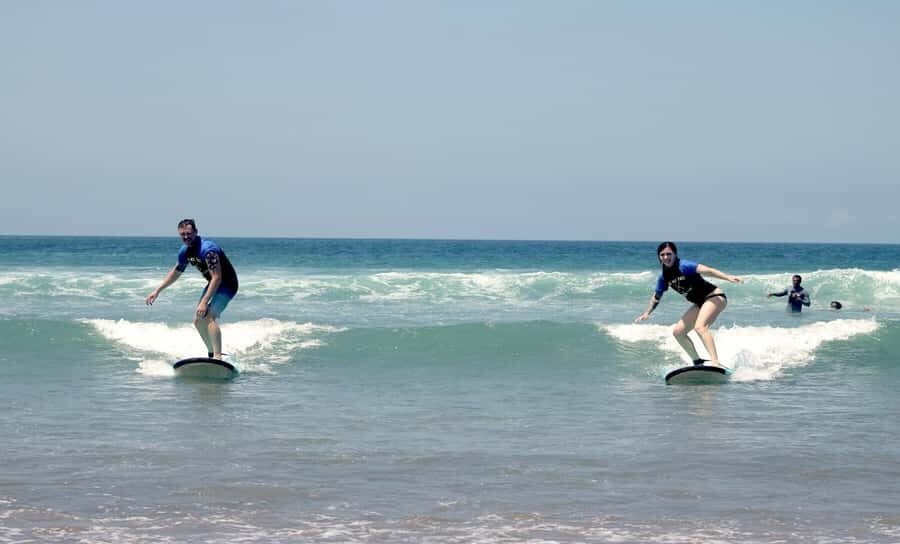
Surf instruction that’s only about standing up misses half the sport. The better lessons teach you how to think about the ocean. In this one, safety is built in through:
- Safety skills taught by qualified tutors
- Ocean conditions explained as part of the class
- Guidance that supports relaxed, safe progression
That’s especially important for first-timers. Your first priority isn’t how fancy your turns look. It’s how you move in and around waves without panicking. Once you feel safe, your learning accelerates.
Sun planning for Bali: the 10am–2pm reality check
The beach is beautiful, and it can also be brutally efficient at causing sunburn. One clear piece of advice that came up is to avoid 10am–2pm if you’re fair-skinned and prone to burns. Even with sunscreen, heat and UV can hit hard during those hours.
So what should you do?
- Bring strong sunscreen and reapply when you can
- Wear a hat and cover if you’re waiting between sets
- If you burn easily, ask for or choose the timing that feels safer for your skin
You’ll enjoy the lesson more if you’re focused on coaching, not on peeling your face at dinner.
The community piece: your surf day helps local work
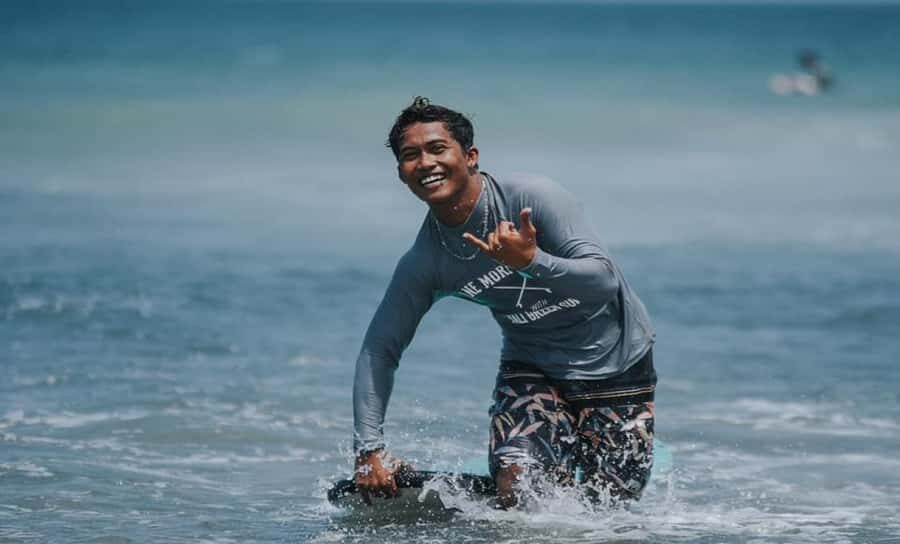
This experience includes a contribution connected to an orphanage run by local instructors. That’s not just a random checkbox. It ties your day at the beach to a bigger local story, and it gives you something meaningful beyond the usual vacation photo set.
If you care about spending money where it supports real community projects, this is one of those “it feels good” add-ons that can make a day stand out in your memory for the right reason.
Price and value: why $45 can be a smart move
At $45 per person for a 2-hour lesson, this sits in a reasonable range for quality coaching in Bali—especially because equipment is included.
Here’s why the value is more than just the ticket price:
- You’re getting gear (surfboard, leash, rash guard), so you don’t have to rent extra
- Coaching is tailored to your level (beginner/intermediate/advanced), which means you’re less likely to waste time
- Pickup and drop-off options make it easier, which saves you money on taxis and time waiting around
- The session is short enough to fit a vacation day, which can help you avoid “tour fatigue”
If you’re staying long enough, the operator also offers a multi-days package to save coins. That’s the smart play for beginners. Surf progression tends to happen in repetition: more sessions mean more time practicing take-off timing, wave-reading, and turns—without trying to cram everything into one afternoon.
Who this is best for (and who should reconsider)
This surf lesson is a great fit if:
- You’re new to surfing and want a structured start
- You can already stand up and want help improving technique
- You’re an advanced surfer looking for coaching on wave reading and maneuvers
- You prefer coaching with a small group feel or the privacy of a private option
It may not be the best fit if:
- You’re pregnant (not suitable)
- You use a wheelchair (not suitable)
If you’re on the fence because you think surfing will be too hard, don’t overthink it. The lesson is designed around skill level selection and coaching that adapts to what you’re able to do today.
Should you book this Seminyak surf lesson?
Yes, if you want a straightforward surf day with real instruction and gear handled for you. The combo of small-group or private coaching, tailored levels, and the chance to surf when conditions are good makes it a solid value for Bali.
Book it especially if you’re the kind of person who learns best with clear cues and a safety-first approach. And if you’re fair-skinned, choose your timing wisely to avoid a sunburn that steals the rest of your day.
If you can swing multiple sessions, consider the multi-days option. More reps usually mean faster progress, and you’ll get more opportunities to practice the exact skills you want to improve.
FAQ
How long is the surf lesson?
The lesson lasts about 2 hours.
How much does it cost, and what’s included?
It costs $45 per person. The price includes surf equipment (surfboard, leash, rash guard) and refreshments, plus optional hotel pickup and drop-off.
What skill levels do they teach?
They teach complete beginners, intermediate surfers, and advanced surfers. You select your level when booking.
Where do we surf during the lesson?
You start at Double Six Beach, then depending on weather and wave conditions you may surf at different non-crowded spots on both the east and west coasts of Bali.
Do they pick up from hotels in Seminyak and nearby areas?
Yes. Pickup options include Kerobokan, Kuta, Canggu, Seminyak, and Legian. Drop-off is available in Legian, Kuta, Canggu, Kerobokan, and Seminyak.
What surf equipment do I need to bring?
You don’t need to bring surf gear. Equipment such as the surfboard, leash, and rash guard is included.
What languages do the instructors speak?
Instruction is provided in English and Indonesian.
What should I bring to the beach?
Bring swimwear and sunscreen.
Is this activity suitable for everyone?
It’s not suitable for pregnant women or wheelchair users.