Fresh herbs. Ancient tools. Real purpose. This 3-hour jamu workshop in Yogyakarta takes you through a family recipe line from a royal herbalist’s descendant, using traditional grinding methods and ending with tastings you can actually feel. I love that you start at a local market to pick ingredients, and I love that you’ll make jamu with a lesung and volcanic stone, not a modern shortcut. One thing to consider: it’s held in an ancestral home, so follow the rules closely—especially the no-touching-plants guideline.
In the family compound, you’ll learn what “traditional jamu” means in practice: less mass production, more careful handling, and an approach to wellness that’s been turun-temurun (passed down through generations). You also get five different jamu tastings plus Indonesian sweet snacks, so the workshop isn’t just hands-on—it’s educational and easy to enjoy.
In This Review
- Key things to know before you go
- Entering Pak Rudi’s Family World in Yogyakarta
- Start at the Local Market: Choosing Your Herbs Like a Healer
- The Tools: Lesung and Volcanic Stone Grind the Magic
- Making Your Jamu: From Selected Herbs to Your Take-Home Drink
- Five Jamu Tastings: Energy, Digestion, Inner Beauty
- Indonesian Sweet Snacks: A Local Break That Keeps It Comfortable
- Who This Workshop Is Best For (And Who Might Skip It)
- Price and Value: Is $36 Worth Three Hours?
- Practical Tips to Make It Smooth
- Should You Book This Jamu Workshop in Yogyakarta?
- FAQ
- How long is the jamu workshop in Yogyakarta?
- How much does the workshop cost?
- Is the workshop taught in English?
- Is this a private group?
- Do I taste different kinds of jamu?
- Will I visit a market as part of the experience?
- Is there anything I’m not allowed to do during the workshop?
- What should I bring with me?
- What are the cancellation and reserve options?
Key things to know before you go
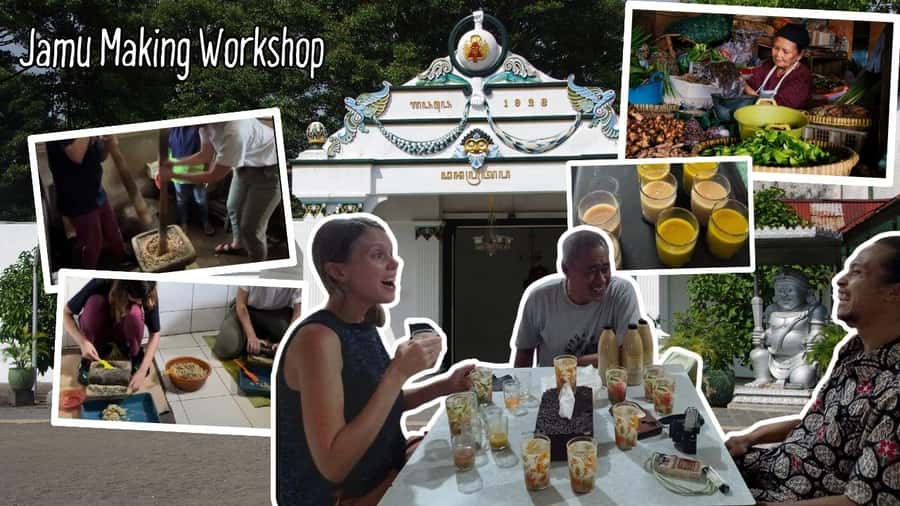
- Market ingredient picking: you’ll choose fresh herbs and roots before you start mixing.
- Traditional tools used for real: you’ll pound in a lesung and grind with volcanic stone.
- Five jamu tastings: each type has its own function, from energy to digestion to inner beauty.
- You take something home: the herbal drink you make isn’t a sample only.
- Family heritage setting: Pak Rudi’s family shares recipes with deep royal lineage.
- English instruction, private format: you’ll have an English-speaking instructor in a private group setting.
Entering Pak Rudi’s Family World in Yogyakarta
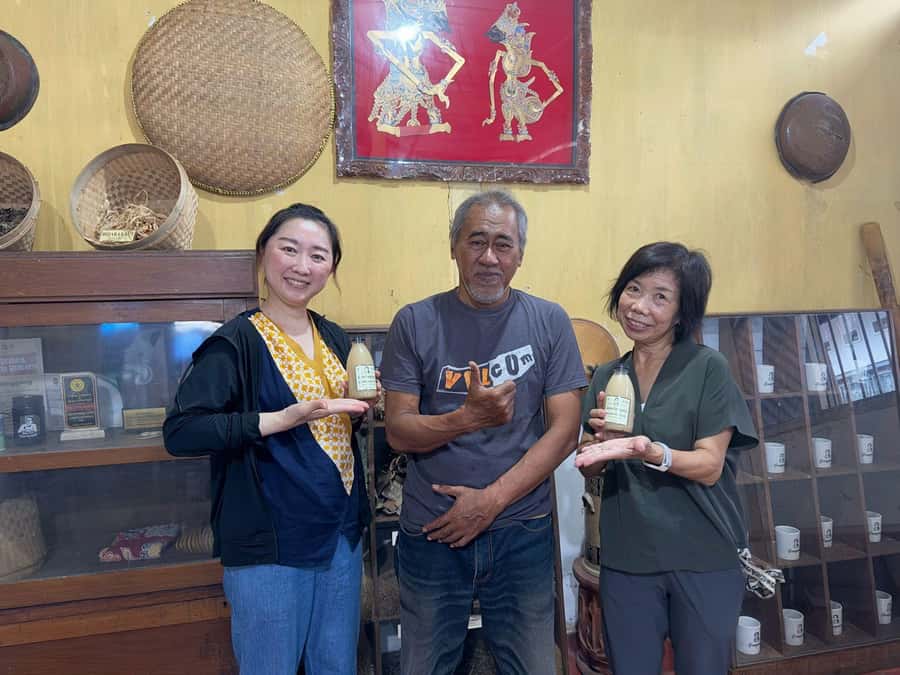
The heart of this experience is simple: you’re learning jamu from people who treat it like family knowledge, not a performance. The workshop is hosted in the ancestral home of Pak Rudi, described as a direct descendant of the royal herbalist who once served the Kraton (palace) of Yogyakarta.
What I like about this setup is the way it changes your role. You’re not just watching someone else cook. You’re making decisions—what herbs you choose, how you help prepare them, and what you taste at the end. That matters because jamu is all about ingredients and ratios, not just the idea of drinking something herbal.
It also helps that the family recipes have been shared publicly for decades. You’ll hear that over 70 years—since the 1950s—the knowledge moved beyond the royal circle into wider community use. And the methods extend even further back than that, rooted in long-standing Javanese wisdom that’s been passed down generation to generation.
One practical note: it’s an ancestral home with historical significance. That usually means the space is quieter, and the hosts expect you to move respectfully and follow guidance.
You can also read our reviews of more tours and experiences in Yogyakarta.



Start at the Local Market: Choosing Your Herbs Like a Healer
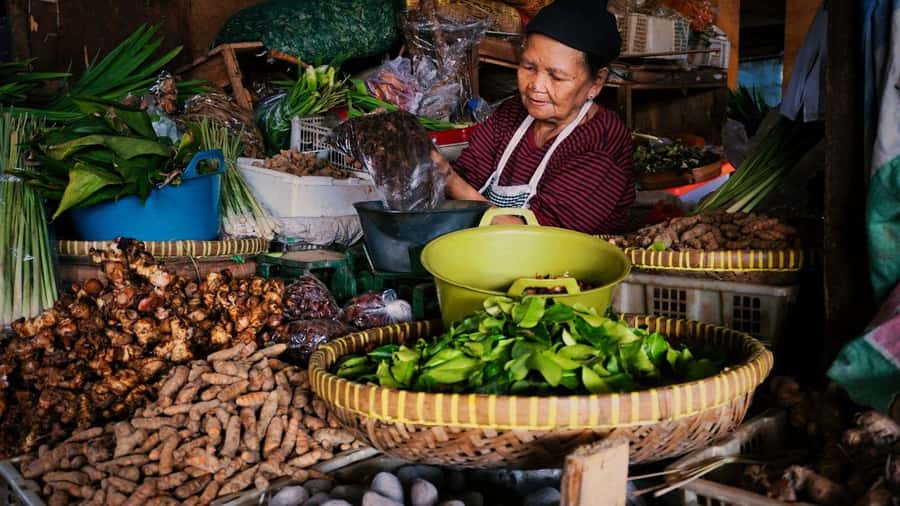
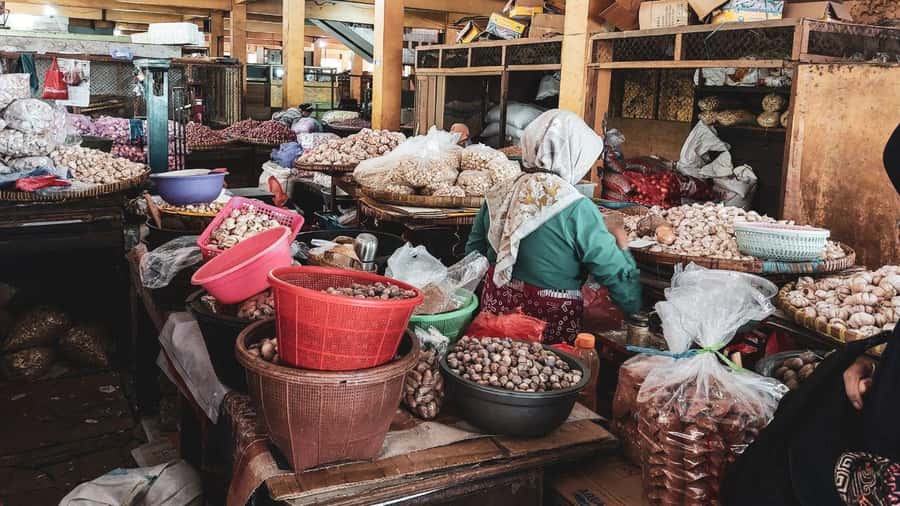
You begin the workshop with a visit to a local market where you’ll pick your ingredients. This is one of the most valuable parts, because jamu is only as good as what goes into it.
Here’s the practical way to think about it: you’ll see fresh herbs and roots up close before any pounding or mixing happens. That gives you a better sense of what you’ll taste later. Even if you don’t know the names, you can connect smell, appearance, and texture to the “function” each jamu is supposed to support.
The market visit is also where your guide’s knowledge becomes useful. In past experiences tied to this workshop, guides Gaudiya and Argya have been praised for their warmth and explanations, and you’ll benefit from that kind of real-world translation—how to recognize ingredients and what they’re used for in traditional jamu.
Because herbs can be delicate, you’ll want to pay attention to handling rules. The workshop information explicitly notes that touching plants isn’t allowed, so expect to observe and follow instructions on what’s okay to touch and what isn’t.
The Tools: Lesung and Volcanic Stone Grind the Magic
Then you get hands-on. This is where modern “smoothie” expectations have to be put away.
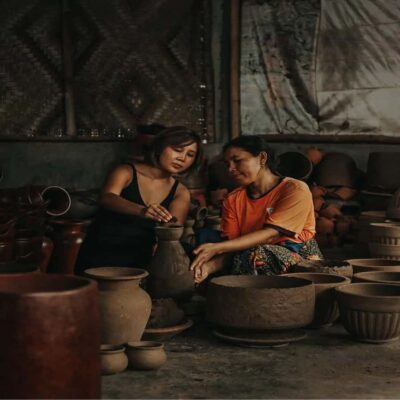
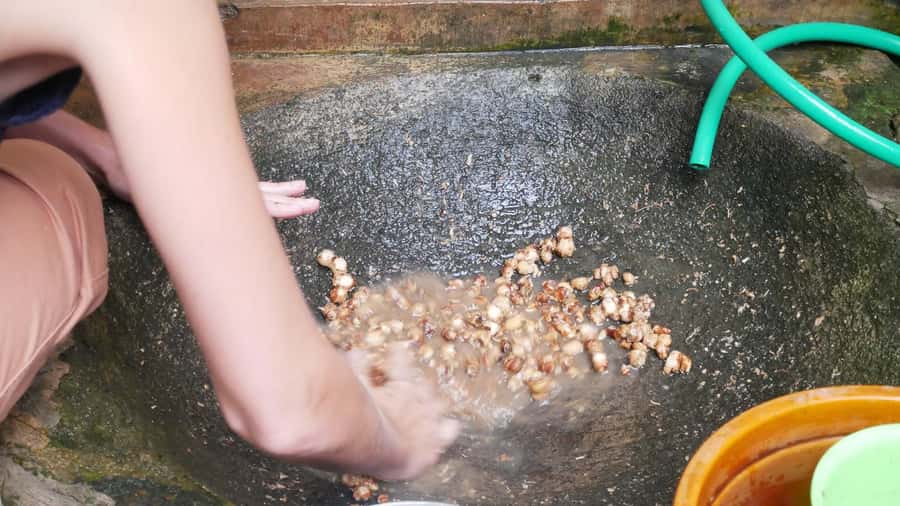
Traditional jamu here uses a lesung—a mortar-and-pestle setup—and grinding with volcanic stone tools described as old. This isn’t about being retro for fun. The pounding and grinding steps change texture. They help release aromas and bring out the herbal punch you’ll taste in the final drink.
Working with these tools also gives you a feel for why the process takes time. You’re not just mixing powders. You’re working with real roots and leaves. That means you’ll likely notice different stages: softer herbs that break down faster, and tougher roots that take more effort.
I also think this part is a great fit for curious beginners. You don’t need culinary training. The tools are straightforward, but the experience teaches you respect for the method—how slower, manual preparation leads to a different outcome than anything made quickly.
If you’re the type who enjoys “craft” activities—bread dough, ceramics, coffee brewing—this will likely click. You’ll leave understanding that jamu isn’t a single recipe. It’s technique plus ingredient selection.
Making Your Jamu: From Selected Herbs to Your Take-Home Drink
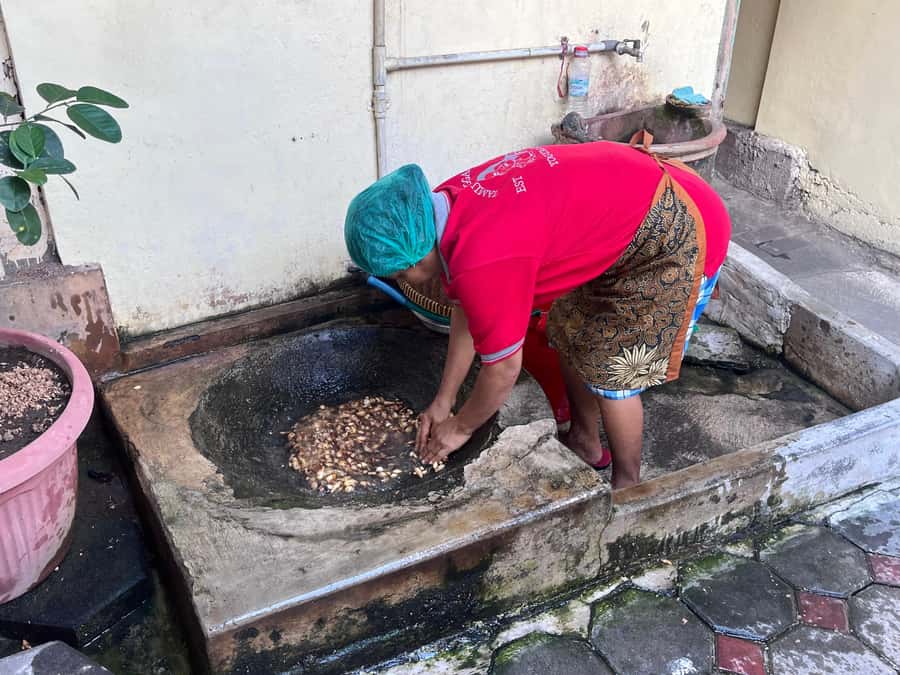
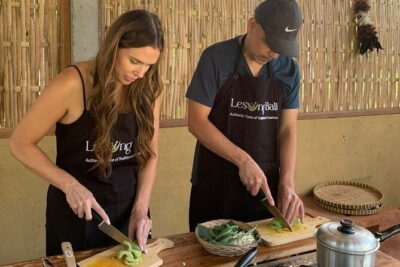
After choosing ingredients and learning the tool method, you’ll create your own jamu. The workshop is designed so you actually participate, not just stand nearby.
You’ll be guided through the traditional process in the family compound setting, and the focus stays on practical steps: prepare the herbs, grind/pound using the traditional tools, and assemble your jamu for tasting. Since the workshop highlights that you bring home the herbal drink you make, you’re going home with something you helped produce.
That’s a big difference from many cultural workshops where you only sample and leave. Taking it home gives you a chance to continue the experience in your own routine. Even if you only drink a small portion, it’s a reminder that this is more than a story—it’s a drink with real ingredients, made the traditional way.
Wear comfortable clothes. You may be working near the mixing area and using tools that require effort. A camera is also recommended, and it’s worth having it ready—this is the kind of craft moment you’ll want to remember.
Five Jamu Tastings: Energy, Digestion, Inner Beauty
Once your jamu-making is underway, you’ll taste five different types of jamu. Each one has its own unique “function,” and the experience is structured to help you notice those differences rather than just drink one more herbal cup.
The workshop description points to a range of intended effects, including:
- Energy boosting
- Digestion support
- Inner beauty
Even without getting overly scientific, the tastings help you understand how jamu is categorized in daily life. It’s not just herbal flavor. It’s herbal purpose, often connected to how people want to feel after drinking.
This is where I think the workshop delivers real value for visitors who like food-and-wellness experiences but don’t want hype. You’ll taste multiple versions, which lets you compare real flavors and decide which types appeal to you most.
It’s also a nice way to learn without pressure. You don’t need to know which herb does what. Your guide’s explanations (English instruction is included) help you connect the dots between what you’re tasting and what the drink is intended to support.





Indonesian Sweet Snacks: A Local Break That Keeps It Comfortable
Between tastings and making, you’ll also enjoy Indonesian traditional sweet snacks. It sounds simple, but it changes the experience.
Sweet snacks give you a break from strong herbal flavors and make the workshop feel more like a community table than a formal class. You can taste, reset your palate, and keep enjoying the different jamu types without getting overwhelmed.
It’s also an easy win for travelers: it’s part of the cultural package, and it helps you leave with a complete picture of “what’s served” in this tradition.
Who This Workshop Is Best For (And Who Might Skip It)
This jamu workshop is ideal if you want:
- A hands-on cultural experience in Yogyakarta
- A meaningful connection to local wellness traditions
- A workshop that’s active and sensory, not just a lecture
- A chance to taste multiple jamu types and compare flavors
It’s also a good fit for travelers who prefer smaller, calmer experiences. The format is described as a private group, which usually means you get more interaction and less rushing.
Who might consider skipping? If you’re expecting a modern, “spa-like” setting or a totally hands-off class, you might find the pounding and grinding style a bit more hands-on than you want. Also, if you dislike herbal flavors, the tastings won’t be your kind of fun—this is jamu after all.
Finally, because this is a family compound and you’re asked not to touch plants, it works best when you’re comfortable following household guidelines without pushing boundaries.
Price and Value: Is $36 Worth Three Hours?
At $36 per person for a 3-hour experience, the value comes from what’s included, not from the label “workshop.”
Here’s what you get for the price based on the experience details:
- Market time to choose fresh herbs and roots
- Hands-on jamu-making using traditional tools (lesung and volcanic stone)
- Tasting of five different jamu types
- Indonesian sweet snacks
- Your own herbal drink to take home
- English-speaking instruction and a private group setup
When you compare that to typical single-item tastings, you’re getting multiple servings, plus the craft process that creates them. The “take home” part also matters. You’re paying for an experience and an outcome.
Could it be a splurge? Sure, depending on your travel priorities. But if you’re the type who enjoys learning through doing—especially food and home remedies—this is one of the more complete cultural packages you can book in Yogyakarta.
Practical Tips to Make It Smooth
A few small choices will make this experience easier:
- Bring comfortable clothes. You’ll be working with tools and moving around a home setting.
- Bring your camera, but also be ready for moments that feel more like family time than tourist photo ops.
- Plan around a 3-hour window. This isn’t a quick “grab-and-go” tasting.
- Make sure your phone works for WhatsApp, since the guide sends the exact location that way.
- Follow household rules. Touching plants is specifically not allowed.
If you enjoy asking questions, do it during the explanation moments. Guides Gaudiya and Argya have been credited for their explanations and warmth, and it’s the kind of workshop where good questions get good answers.
Should You Book This Jamu Workshop in Yogyakarta?
If you want one grounded, hands-on experience that connects you to Yogyakarta beyond temples and coffee stops, this is a strong pick. I’d book it if:
- You’re curious about Javanese healing traditions
- You like making food or drinks with your hands
- You want to taste multiple jamu types and learn their functions
- You value cultural authenticity through family-led knowledge
I’d skip it if you dislike herbal beverages, want a purely scenic outing, or aren’t comfortable in a home setting with house rules.
For most visitors, the decision is simple: you’re paying for ingredients chosen at the market, traditional tool craft, five tastings, snacks, and a take-home drink. That’s a lot of real-world value for $36.
FAQ
How long is the jamu workshop in Yogyakarta?
The workshop lasts 3 hours.
How much does the workshop cost?
It costs $36 per person.
Is the workshop taught in English?
Yes. The instructor is listed as English.
Is this a private group?
Yes. It’s described as a private group.
Do I taste different kinds of jamu?
Yes. You’ll taste five different types of jamu.
Will I visit a market as part of the experience?
Yes. You’ll visit a local market to choose fresh herbs for your jamu.
Is there anything I’m not allowed to do during the workshop?
Touching plants isn’t allowed.
What should I bring with me?
Bring a camera and wear comfortable clothes.
What are the cancellation and reserve options?
You can cancel up to 24 hours in advance for a full refund. There’s also a reserve now & pay later option, so you can book without paying today.