Cooking in Yogyakarta starts at the market. This 3-hour market-to-kitchen class turns shopping, chopping, and tasting into a friendly, low-stress way to learn Javanese flavors (with an English instructor and small group size). I love that it feels personal, like you’re being invited into a home routine, not herded through a show.
Two things I really like: the morning market tour where you pick ingredients like a local, and the hands-on cooking in a real kitchen where you actually make the food, not just watch. You’ll also eat what you cook together family-style, and you leave with recipes so the meal is repeatable at home.
One thing to consider: the market tour only runs with the morning class. If you book an afternoon slot, you’ll still cook, but you’ll miss that shopping-and-stall-scanning part.
In This Review
- Key highlights that make this class worth your time
- From Vendors to Your Cutting Board in Yogyakarta
- Choosing the right time: morning market tour vs afternoon class
- The market tour: buy spices like you mean it
- Inside the home kitchen: learning techniques you can repeat
- What you might cook in this Yogyakarta class
- Taste, feast, and take-home recipes that don’t gather dust
- Price and value: why $35 can feel like a bargain
- Pickup, meeting point, and what to do before you go
- Who should book this class (and who might skip it)
- Should you book this Yogyakarta market-to-kitchen cooking class?
- FAQ
- How long is the cooking class?
- Is the market tour included?
- What is the class size?
- Is the instructor available in English?
- Do I need cooking experience?
- Are ingredients provided?
- What should I bring?
- Is hotel pickup available?
- How do I find the meeting point?
- Can I cancel for a refund?
- Closing note
Key highlights that make this class worth your time
- Morning market shopping to choose fresh produce, herbs, and spices (and learn what matters)
- Small group vibe (up to 8), so questions actually get answered
- Hands-on Javanese cooking with practical techniques you can reuse later
- A shared feast where you eat what you made, hot and fresh
- English instruction and clear guidance for beginners
- Take-home recipes so you can recreate the dishes later
From Vendors to Your Cutting Board in Yogyakarta
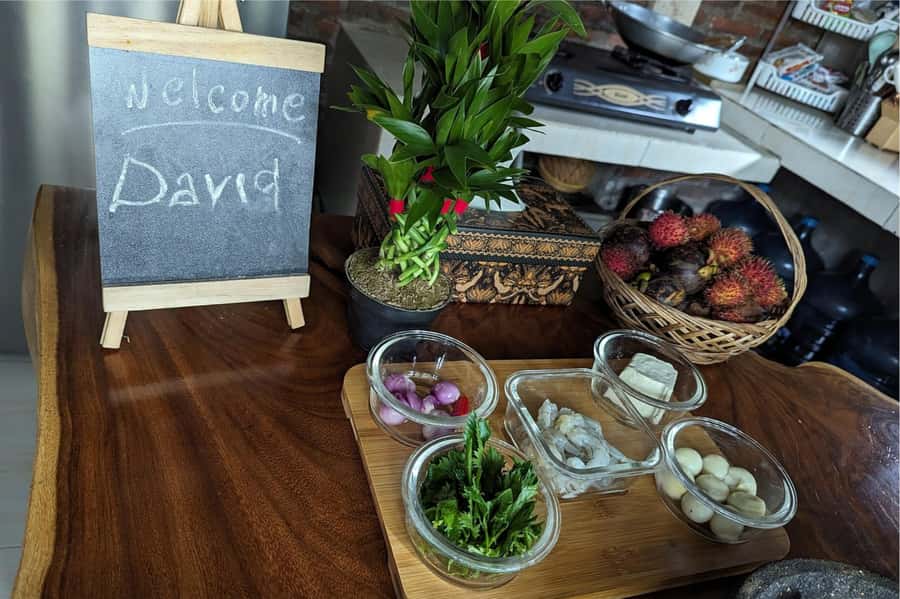
The format is simple: you start in the local market (morning only), then you move to an exclusive home kitchen and cook a traditional meal together. It’s built for comfort and real learning, with a group capped at 8 participants and an English-speaking instructor.
This is the kind of activity that saves you from the usual Yogyakarta problem: spending time just to find ingredients and then guessing what to do with them. Here, the “why” comes along with the “how.” You learn how ingredients behave, not just how to follow steps.
If you’ve been collecting temples and trains and volcano views, this is a nice reset. It’s creative, warm, and you’ll finish with a full stomach and a story you’ll actually remember.
You can also read our reviews of more tours and experiences in Yogyakarta.



Choosing the right time: morning market tour vs afternoon class
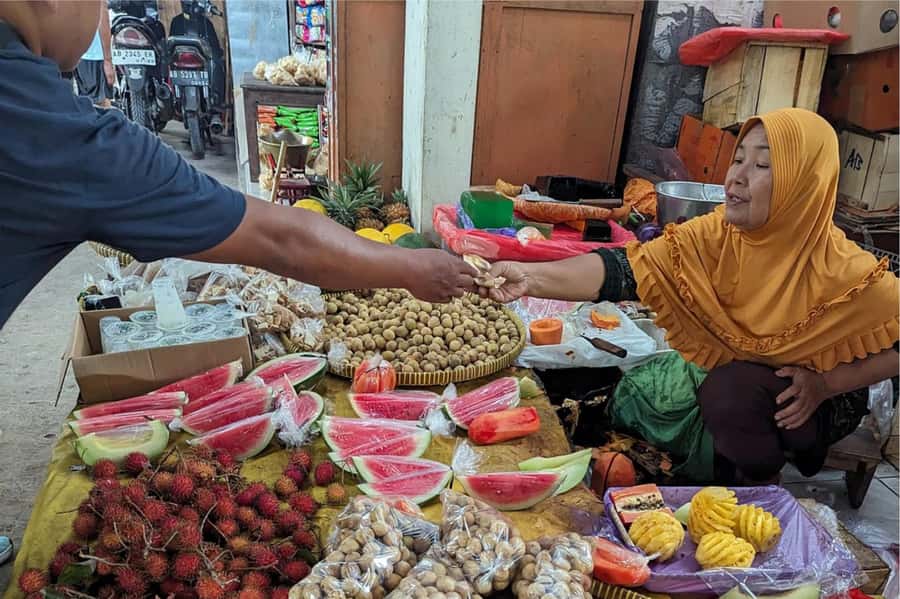
Here’s the one scheduling detail that matters. The market tour is only available for the morning session. That means the whole experience shifts depending on when you go.
If you book morning, you’ll do the fun part first: you’ll shop for ingredients with guidance, then cook what you chose. If you book afternoon, you’ll go straight into the kitchen experience. Either way, you’ll cook multiple dishes and dine together—but morning gives you the ingredient-spotting and vendor conversations.
Tip: if you love food markets, pick morning. If you just want cooking and a relaxed meal, afternoon still works well.
The market tour: buy spices like you mean it
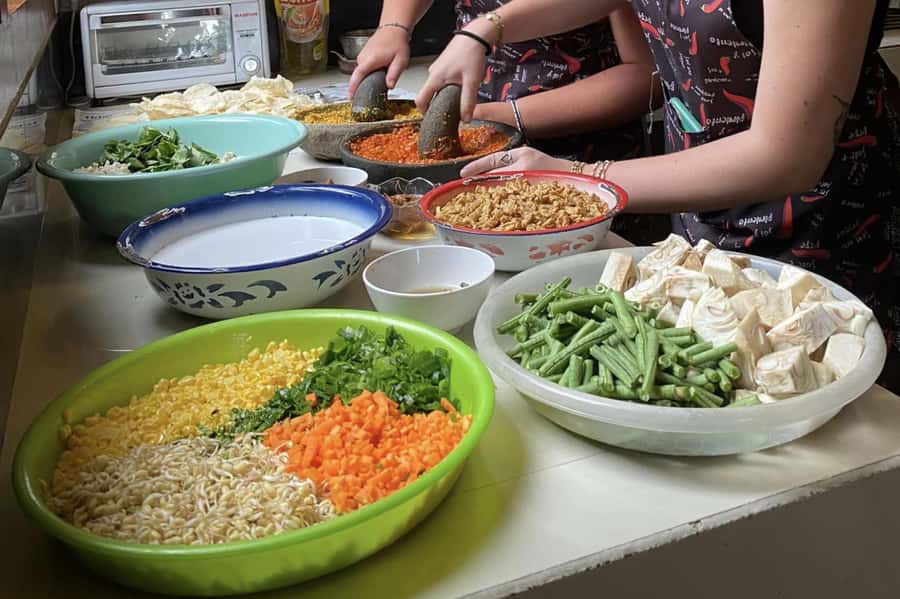
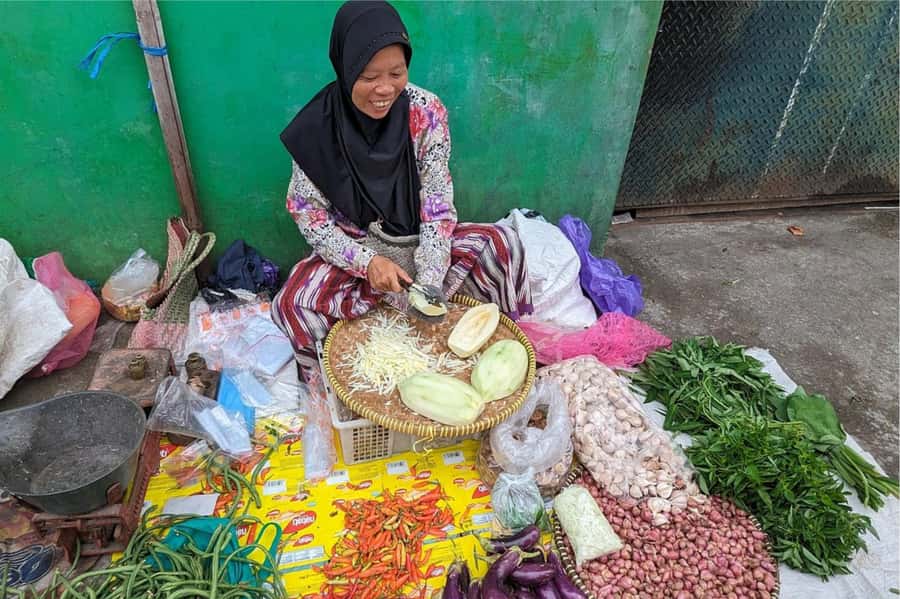
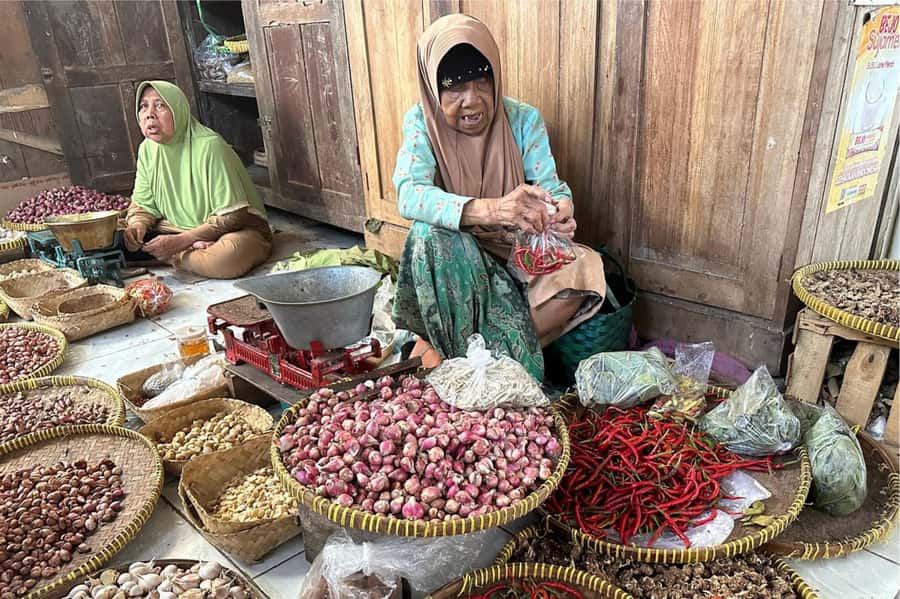
In the morning, you’ll visit a local market with your guide (often someone like Desy/Desi or Desay, depending on the host running your session). This is where the class stops being “a recipe lesson” and becomes a real cultural morning.
You’ll learn how people choose ingredients at the source—especially vegetables, rice, herbs, and spices. The value here is not just freshness (though it is fresh). It’s learning what to look for and how to think about taste and quality before you ever cook.
You may also get small tastings while you walk through stalls, which helps you understand flavors early. One detail I appreciated from past participants is how guides often have a strong rapport with vendors, so you don’t just wander—you actually get explanations while people do business.
Comfort check: market walking can be a bit of a shuffle. Wear comfortable walking shoes, because you’ll be on your feet more than you expect.
Inside the home kitchen: learning techniques you can repeat
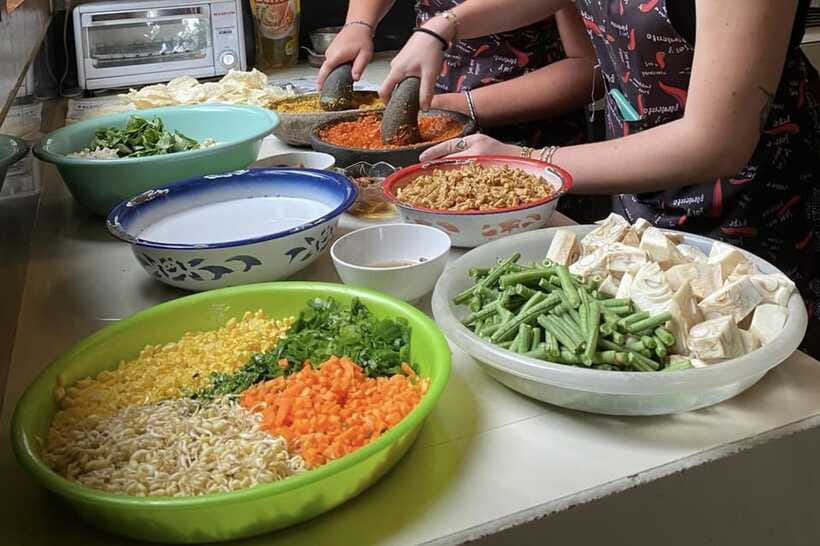
After shopping, you head to the kitchen, where the vibe becomes calm and focused. This is where the class really earns its keep: you don’t just learn how ingredients sound on paper—you learn how they act in heat, oil, and sauces.
You’ll typically start with an overview of ingredients and then move into cooking step by step. The sessions are designed so beginners can follow along, and multiple past participants noted how patiently guides work with different learning speeds.
English instruction is a big deal here. It means you can ask questions in plain language while chopping, frying, grinding, and seasoning. And that’s how you leave with more than a meal—you leave with a method.
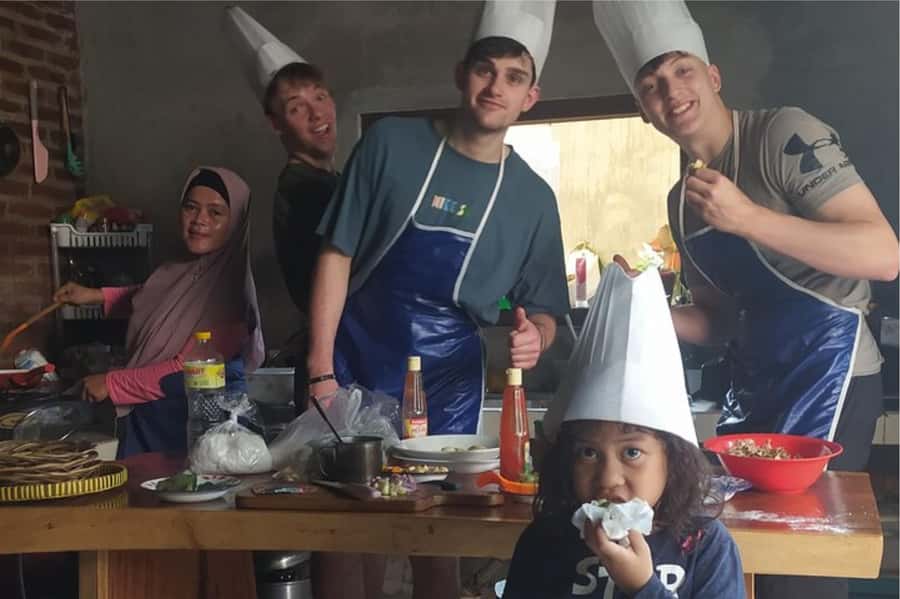
Also, several hosts are family-style: one participant described meeting a welcoming home setup with the instructor’s husband and son nearby, which made the whole thing feel less like a commercial class and more like you borrowed a day from a real Yogyakarta family schedule. That warmth can change everything about your experience.
What you might cook in this Yogyakarta class
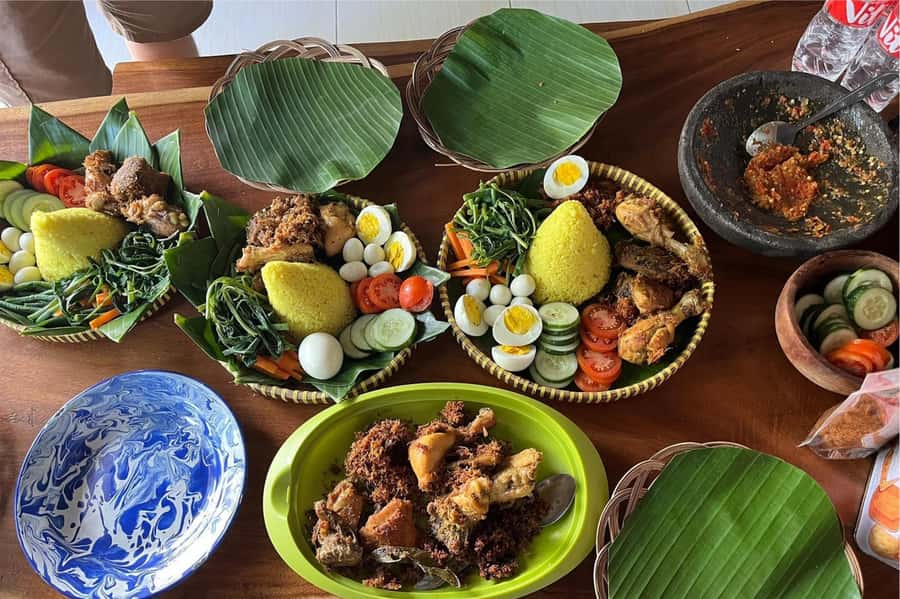
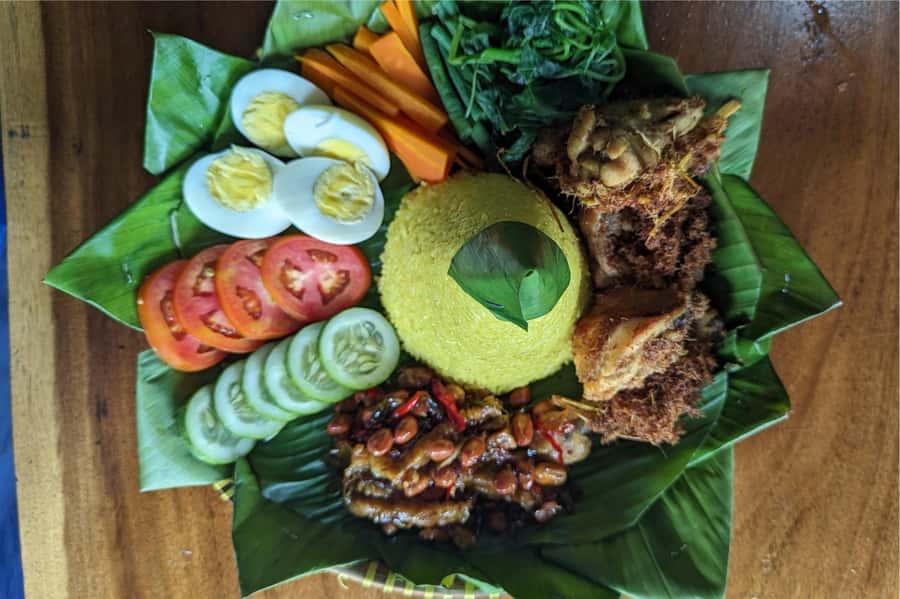
The exact menu can vary by session, but the dishes you’re taught are very rooted in Javanese flavors and techniques. Based on what participants have made on these classes, you’ll likely see a mix of fried, sauced, and rice-based dishes—and often a dessert.
For example, some past menus included:
- tofu fritters
- yellow rice
- galangal fried chicken
- tempeh with a tamarind sauce
- dessert
What I like about this mix is that it teaches variety without feeling random. Fried items teach texture and timing. Rice teaches seasoning and how to build flavor into the base. Sauces (like tamarind-based ones) teach balance—sweet, sour, and savory together.
And if you’re worried about complexity, don’t. The point isn’t culinary mastery. The point is giving you practical techniques that make these dishes feel doable afterward.
One more practical benefit: the class includes all ingredients, plus water. That removes the “what do I even buy?” stress when you’re trying to replicate the meal later.




Taste, feast, and take-home recipes that don’t gather dust
You’ll spend a total of 3 hours (often described as 3–4 hours for the full flow), which includes cooking and eating. The “eat what you cooked” part is not an afterthought—it’s the reward built into the schedule.
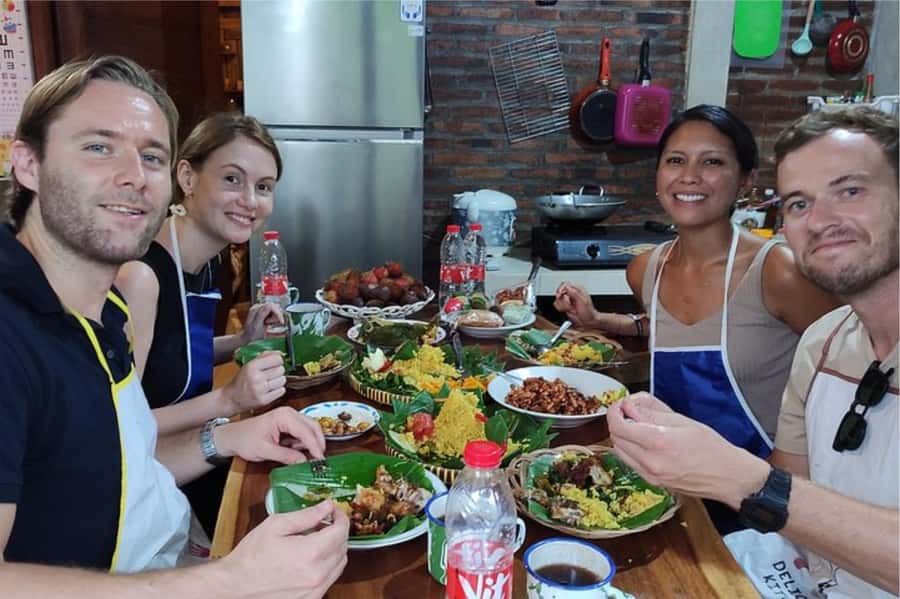
You’ll dine together family-style, which makes the meal more fun than eating a boxed lunch on a bench. It also helps you compare textures and flavors across dishes, so you learn what you should aim for next time you cook.
A standout detail from participants: plates often look beautifully finished, and the meal is plentiful. Several people said they had leftovers to take home, and some described taking containers back to their hotel for another meal later.
Then you get the real cheat code for cooking at home: you take home the recipes. That’s how this stops being a one-time event and becomes something you can actually repeat.
Price and value: why $35 can feel like a bargain
At $35 per person, this class can be a strong value in Yogyakarta—especially because you’re paying for more than a dish. You’re paying for:
- market guidance (morning only)
- an English-speaking instructor
- all ingredients
- a full hands-on cooking session
- the meal you eat together
- take-home recipes
In many cooking experiences, you spend money on instruction but not on ingredients (or you eat a token portion). Here, the meal is the point, and the cooking output is substantial.
There’s also value in the small group cap (up to 8). More personal time with the instructor means fewer “I’m lost” moments and fewer missed technique explanations.
If you’re comparing options, this is the kind of activity that works best when you want both learning and a solid meal—without spending a whole day planning.
Pickup, meeting point, and what to do before you go
Logistics are mostly straightforward, but there are a few practical items to know.
You’ll be given the exact meeting location by WhatsApp, so have your phone ready after booking. Pickup is optional: if you want pickup from the airport area, there’s an IDR300,000 charge mentioned for that service.
Once you arrive, the pace is designed to move you from market (morning) to cooking without delays. The class size stays small, so you aren’t waiting around for people to find their cutting board.
And yes, bring an empty stomach. This is not a snack. You’re set up to eat plenty.
Who should book this class (and who might skip it)
I’d book this if you:
- want a genuine Yogyakarta food experience without guessing ingredient combinations
- like hands-on cooking more than museum-style sightseeing
- enjoy markets and want to understand what people actually buy in the morning
- are traveling as a couple, small group, or family (one review mentioned it worked well with young children)
Skip it (or choose a different time) if:
- you’re short on morning time and really want the market piece (choose morning for that)
- you hate standing and walking for any market activity
If you’re the kind of traveler who loves practical skills—like learning how to balance spices, build sauces, and season rice—this is one of the best “do something” days you can add to your itinerary.
Should you book this Yogyakarta market-to-kitchen cooking class?
Yes, if you want a hands-on, full-meal experience that teaches you how Indonesian dishes work, not just how they taste. The combination of market shopping (morning only), a small group setting, English guidance, and take-home recipes makes it easy to justify.
Book morning if you care about ingredient shopping and want that extra layer of local culture. Book afternoon if you simply want cooking, eating, and a relaxed schedule.
If you like food, and you want to leave with both skills and leftovers, this is a very solid choice for Yogyakarta.
FAQ
How long is the cooking class?
The class duration is about 3 hours.
Is the market tour included?
The market tour is included only for the morning class.
What is the class size?
It’s limited to 8 participants, so it stays small.
Is the instructor available in English?
Yes, the instructor speaks English.
Do I need cooking experience?
No experience is needed.
Are ingredients provided?
Yes, all ingredients are included.
What should I bring?
Comfortable walking shoes are recommended, and it helps to come with an empty stomach since there will be plenty of food.
Is hotel pickup available?
Hotel pickup is optional. For pickup from the airport area, there is an IDR300,000 charge if you select that option.
How do I find the meeting point?
You’ll receive the exact meeting location via WhatsApp after booking.
Can I cancel for a refund?
Yes, you can cancel up to 24 hours in advance for a full refund.
Closing note
If you want one activity that blends local food shopping, real cooking, and a meal you can recreate later, this is a strong bet in Yogyakarta.