Yogyakarta at night turns every corner into a story, especially on a guided street-food walk. You start with a front-row becak rickshaw ride through the city, then snack your way through markets and dessert stops while your guide explains how people live, work, and unwind. I love the way the tour blends motion and food, and how guides like Kin, Yuni, Bhre, and Arief (names shared by past groups) can tailor the pace and tastings to your interests—though the night route does mean you’ll want decent walking shoes and a little stamina.
You’ll also get more than just eating and photos. You’ll stop for key sights as you go (including the Sultan’s Palace area) and you’ll try hands-on local activities, like traditional games. One possible drawback: without hotel pickup, you’ll need to get yourself to the meeting point near the train station on time, and the timing can feel like a long evening even if the main walking and eating is the core.
Small-group feel (up to 10 people) keeps the guide’s attention on you.
Becak front-seat ride gives fast, fun “Jogja in motion” energy before the food starts.
Street-food samples cover snacks, drinks, and desserts, so you’re not stuck with one category.
Local context beyond the menu means you learn how everyday life works, not just what to eat.
Stops at major areas like the Sultan’s Palace help the night feel anchored in real place.
English-speaking guides can answer questions and adjust the plan when you have preferences.
In This Review
- Night Food in Yogyakarta Feels Like City Life, Not a Checklist
- Meeting at Yogyakarta Train Station Monument (And Why That Matters)
- Sliding Through Jogja in the Front of a Becak Rickshaw
- Street Food Stops: Snacks, Drinks, and Desserts in a Real Pace
- Sultan’s Palace Area and Other Key Landmarks on the Night Route
- Local Games and Conversations: How People Spend Free Time
- How Long Is a Night Walk When It’s Really Up to 10 Hours?
- Price and Value: What $19 Covers (and Why Small Groups Help)
- Who This Tour Fits Best in Jogja
- Practical Tips So You Don’t Miss the Best Parts
- Should You Book This Yogyakarta Night Walking and Street Food Tasting?
- FAQ
- Where do I meet for the tour?
- Is hotel pickup included?
- How long is the experience?
- What does the tour include?
- How much does it cost?
- What group size is it?
- Is the guide available in English?
- What should I wear or bring?
- Can I cancel for a refund?
- Is there a pay-later option?
Night Food in Yogyakarta Feels Like City Life, Not a Checklist
This tour is built for one simple goal: help you see Yogyakarta at night while eating like you mean it. The route is pedestrian-friendly in the sense that you’re on foot a lot, but it’s also paced with enough breaks and tastings that you don’t feel rushed. You’ll trade “look, take photo, leave” for “taste, ask, learn, walk again.”
What makes this one worth your time is the mix of texture. You get the street’s energy through the becak ride and the walking streets, but then you slow down for food and conversation. That balance is why many people end up talking more about the night than about any single dish.
It also helps that the tour format is intimate. With a maximum group size of 10, you’re less likely to get ignored when you ask a question about a snack, a neighborhood, or what to try next.
Meeting at Yogyakarta Train Station Monument (And Why That Matters)
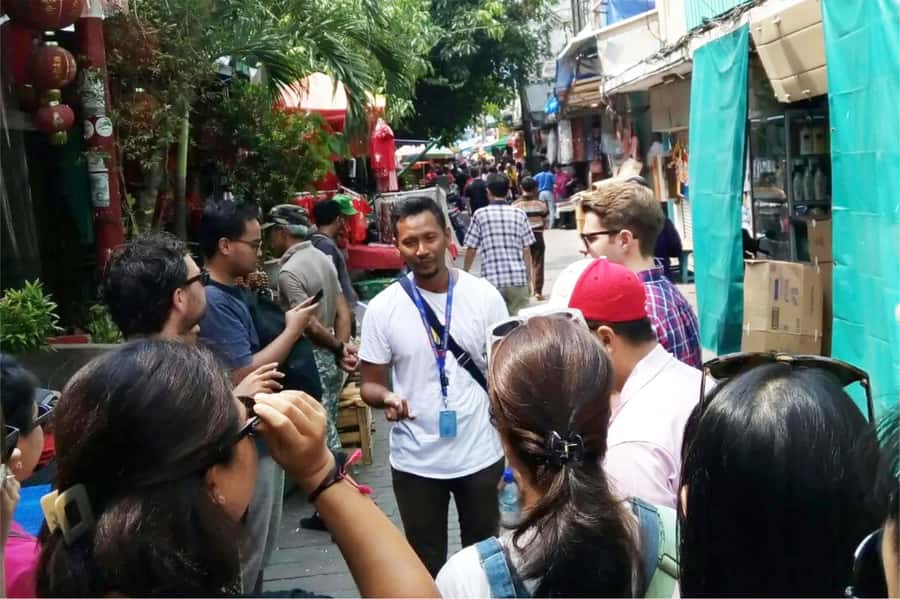
You meet at the Yogyakarta Train Station Monument on Jalan P. Mangkubumi. It’s a handy starting point because it’s tied to a major transport hub, so getting there tends to be straightforward if you’re already moving around the city. Just plan to arrive a bit early, since you’re starting with a night schedule and the group size stays small.
Hotel pickup isn’t included, so build your own route to the station area. If you’re staying in central neighborhoods, that’s usually manageable by taxi or ride-hailing apps. If you’re farther out, double-check travel time so you’re not sprinting at dusk.
This “meet at the landmark” setup can actually be a plus. You’re not waiting around for cars, and you’re not losing an extra chunk of night time to logistics.
You can also read our reviews of more tours and experiences in Yogyakarta.



Sliding Through Jogja in the Front of a Becak Rickshaw
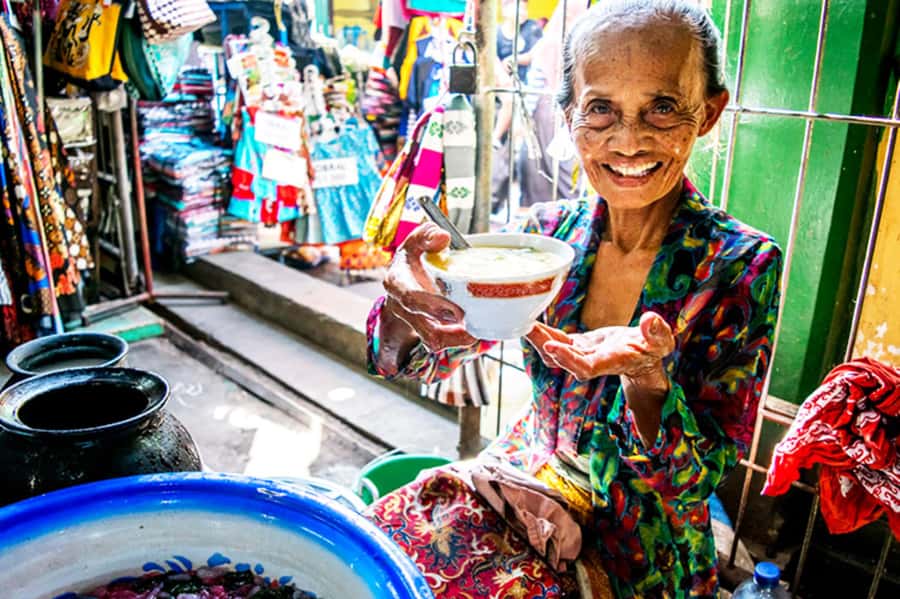
Before you even start eating, you hop on a becak ride (you sit in the front). That matters more than it sounds. It changes how you experience the streets: you see faces, shopfronts, and the flow of pedestrians from a closer angle, not from behind a windshield.
A becak also sets the tone. You’re not just touring—you’re moving like a local might. That physical sense of the city helps when you later stop for food, because you can connect what you’re tasting to where you are.
One practical note: it’s a rickshaw ride at night, so wear something comfortable. You don’t need anything fancy, but you do want shoes that won’t betray you on uneven pavement.
Street Food Stops: Snacks, Drinks, and Desserts in a Real Pace
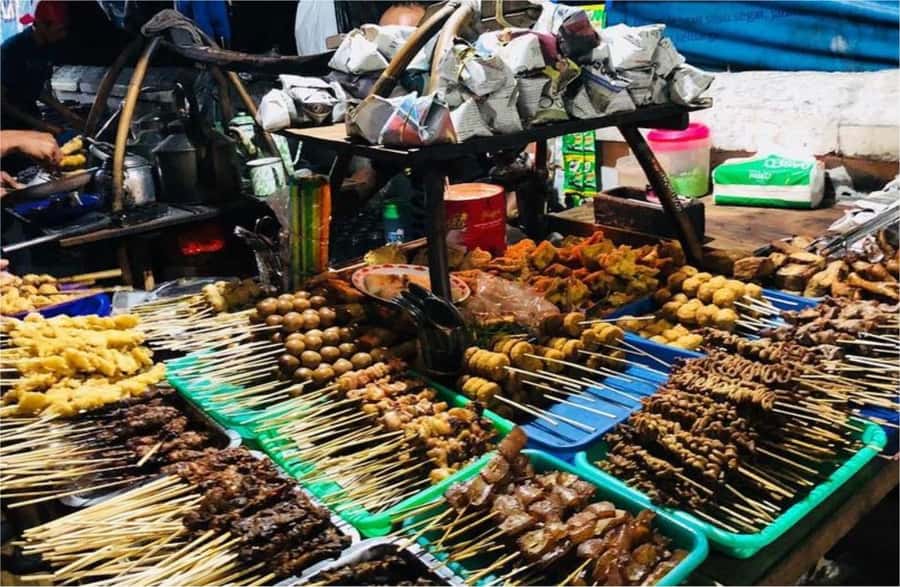
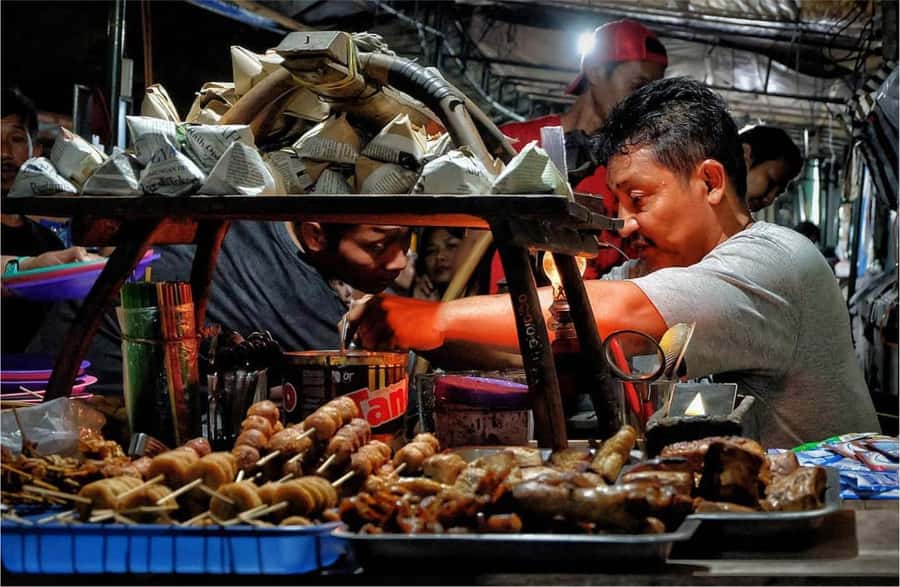
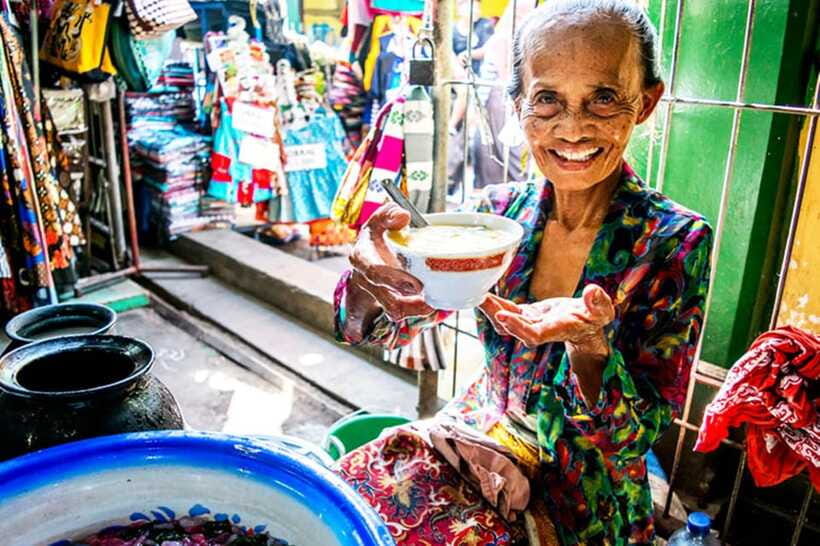
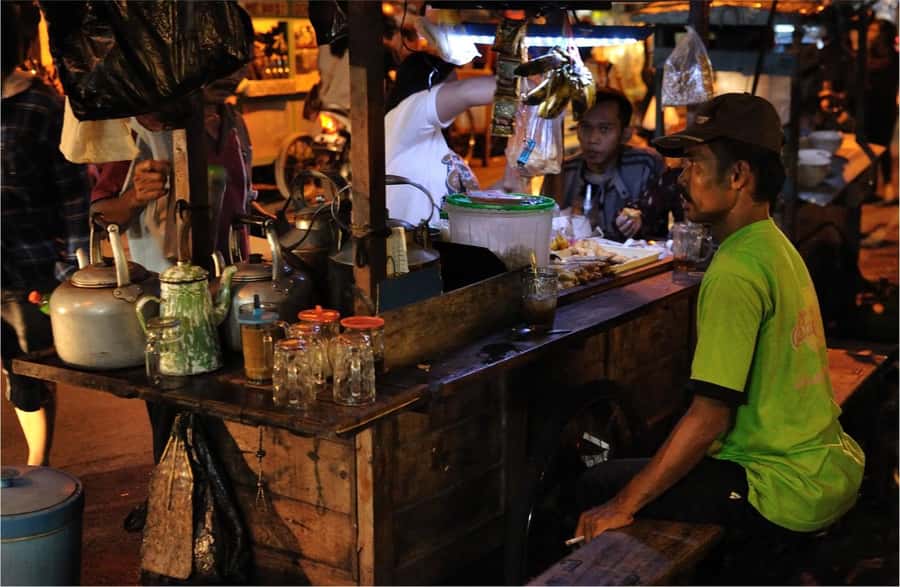
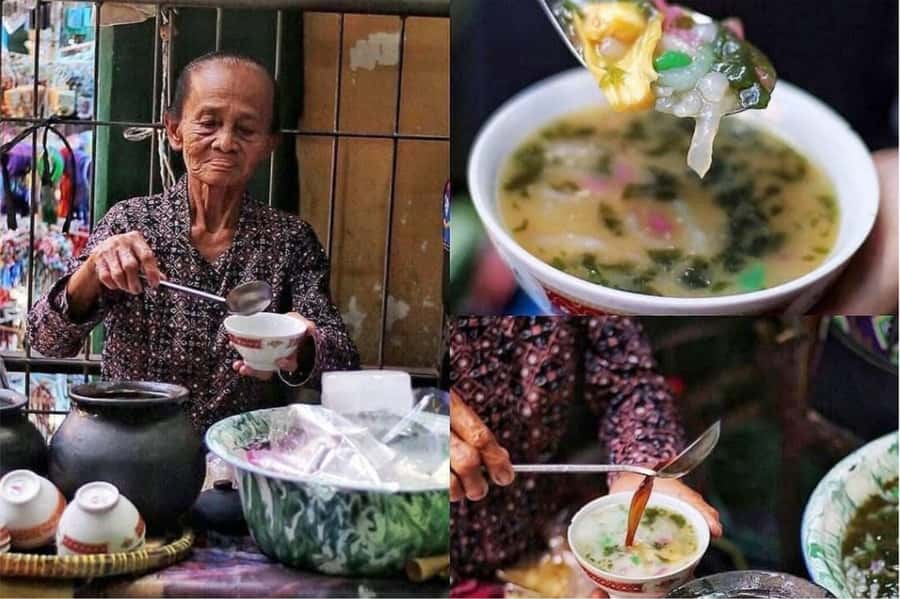
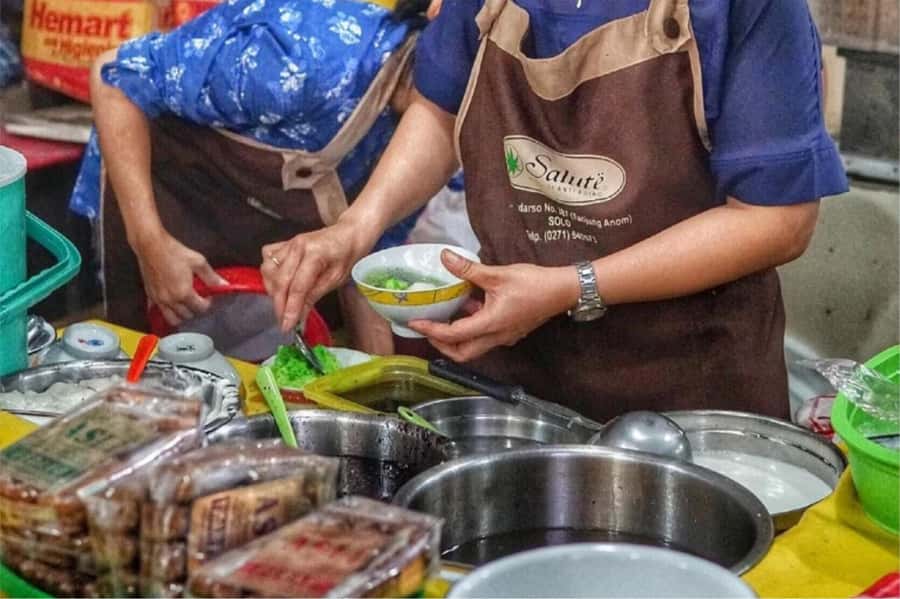
The heart of the tour is the food tasting. The structure is simple: you stop, you taste multiple items, and you learn enough context to understand what you’re eating and why it’s popular. The tastings can range from random market snacks to desserts, which is a big deal because it keeps you from getting “stuck” in one flavor lane.
Here’s what you should expect from the way the stops feel:
- You’ll sample food and drink samples as you go, not in one crowded buffet moment.
- You’ll likely hit markets and street stalls where you can try multiple snack styles in small portions.
- You’ll have chances to follow your guide’s suggestions, and in some cases you may be able to choose between options if you have preferences.
This is where the guide quality shows. In the feedback I read, guides like Kin and Yuni were praised for mixing history and street knowledge, while Bhre was noted for adapting the street-food plan to what mattered to the person on the tour. Arief also stood out for being friendly and responsive to questions. That kind of flexibility matters because street food can be intense—if you’re unsure what to order, a good guide helps you avoid the “I panicked and picked wrong” problem.
You’ll also likely spend time tasting items that don’t look like typical tourist food. That’s the point. If you treat each stop like a conversation—ask what it is, what it’s usually eaten with, and when locals buy it—you’ll get more out of the same bites.
Sultan’s Palace Area and Other Key Landmarks on the Night Route
Good food tours still need a spine. This one gives you that through landmark stops as you walk. One of the named highlights is the Sultan’s Palace area, which helps tie the night to Jogja’s cultural center.
Even if you’re not a “history person,” landmarks like this help you understand the city’s layout and identity. Streets aren’t random; they’re connected to where people gather, trade, and celebrate. When your guide points out important areas along the way, you start to see the night route as a map of daily life, not just a route to find snacks.
Beyond the palace area, your guide shows you other important local landmarks as you move. The exact set of sights can depend on timing and what’s happening that night, but the guiding idea is constant: you’re pairing taste with place.
If you like photography, bring your camera. Night scenes are usually better when you’re walking slowly enough to catch details—signs, textures, and the “what’s going on here?” moments around stalls.
Local Games and Conversations: How People Spend Free Time
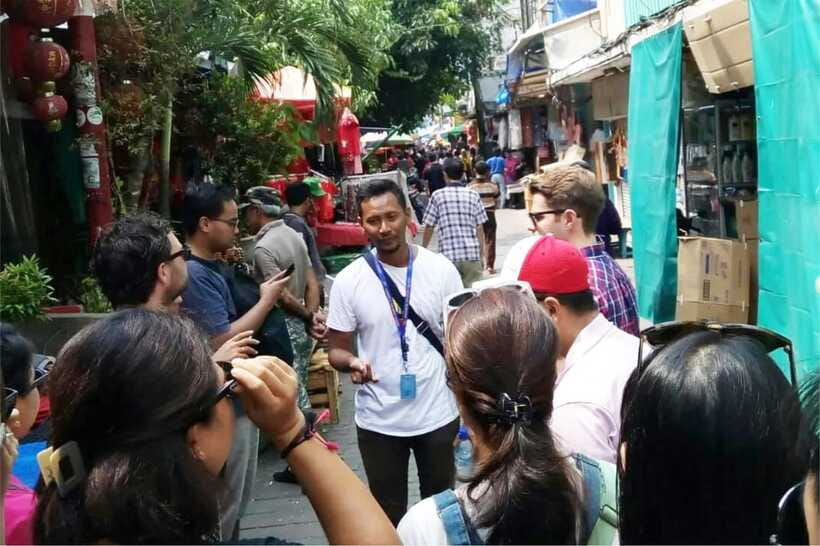
The tour isn’t only about eating. You’ll also interact with local people and play traditional games like the locals do. That kind of hands-on moment is what turns a food tour into a cultural snapshot.
In practice, these activities work well because they break the pattern of just watching. You participate, you laugh (even if you don’t know the rules at first), and you get a better read on how people relate to visitors. And when you’re doing that while you’re already relaxed from food, the whole evening feels easier.
The best guides use these moments to teach in small chunks—how daily routines shape what people eat, what places are used for meeting and relaxing, and why certain foods show up when they do. You don’t have to be fluent in anything beyond curiosity. Your guide carries the explanation.


How Long Is a Night Walk When It’s Really Up to 10 Hours?
The listing shows a 10-hour duration, even though the concept is a 3-hour night walking and street food experience. In real terms, that usually means you’re out for a long stretch, with the main walking and tastings taking the spotlight while you also factor in transit between stops, waiting at specific points, and the time it takes to eat comfortably without rushing.
So plan your day like an adult with snacks in mind:
- Eat something light earlier, so the tastings still feel fun instead of overwhelming.
- Stay hydrated during the tour.
- Don’t schedule tight plans right after, because the evening can run longer than you expect.
This matters for value, too. A tour that lasts longer can either feel padded or feel unhurried. Here, the format is built around stops and pacing, so the time feels like part of the experience—not dead time.
Price and Value: What $19 Covers (and Why Small Groups Help)
At $19 per person, this tour is a strong value if you’re the type who wants more than a single street stall experience. Street food tours often end up costing more because you’re paying for private driver logistics, multiple guides, and a big branded operation. Here, you get a walking format plus a becak ride, guided tastings, and an English-speaking guide in a small group setting.
What you’re paying for is access and translation:
- Your guide brings order to the chaos of street choices.
- You get context so you’re not just eating randomly.
- You get a structured route so you don’t miss the better moments.
The small-group limit (up to 10 people) is a quiet but important part of value. In larger groups, you get swept along. In a small group, the guide can react when someone has a question, needs a moment, or wants to focus on particular tastes.
You’re also not paying for hotel pickup. That can be seen as a drawback if you’re not near the station area, but it also keeps the price focused on what you actually want: the food and experience.
Who This Tour Fits Best in Jogja
This works especially well if you:
- Want a night experience that’s more interactive than sitting in a restaurant.
- Like sampling food without having to plan each stop yourself.
- Prefer a guide who can answer questions and adapt the pace (people praised guides like Kin, Yuni, Bhre, and Arief for exactly that kind of attention).
- Enjoy cultural side moments like traditional games, not just sightseeing.
It’s also a good fit for families. One of the standout bits from feedback was that a guide’s approach worked well for a parent and child. That doesn’t mean it’s a kids-only event, but it suggests the tone can be friendly and accommodating.
If you hate walking in the dark or you’re very sensitive to uneven sidewalks, you might want to rethink. This is a night tour with real street surfaces—comfortable shoes aren’t optional.
Practical Tips So You Don’t Miss the Best Parts
Wear comfortable walking shoes. This is the kind of tour where your feet make or break the mood.
Bring a camera. You’ll have night visuals that are harder to capture if you’re constantly adjusting your stance or rushing between stops.
Come hungry, but not starving. Street food portions can add up fast once you start sampling snacks, drinks, and dessert. If you arrive too hungry, you may struggle to enjoy everything; if you arrive too full, you’ll lose the point.
Keep your expectations realistic about time. It’s listed as up to 10 hours, so treat it like your main evening plan.
If you’re unsure about what to eat, let your guide lead. The strongest moments come when you follow suggestions and ask questions.
Should You Book This Yogyakarta Night Walking and Street Food Tasting?
I’d book it if you want a night that feels like Jogja, not like a theme park. The combination of a front-seat becak ride, guided landmark stops (including the Sultan’s Palace area), and multiple street food tastings makes this a good “first night” option. It’s also priced in a way that doesn’t make you feel buyer’s remorse if you’re still figuring out the city.
Skip it if you need hotel pickup convenience, have trouble walking for long periods at night, or dislike street food sampling as a concept. Since you meet at Yogyakarta Train Station Monument and you’re moving a lot, you’ll feel the difference immediately.
If you want a guided evening that pairs culture with actual eating—at a fair price in a small group—this one is easy to recommend.
FAQ
Where do I meet for the tour?
You meet at the Yogyakarta Train Station Monument (Monument Stasiun KA Yogyakarta), Jalan P. Mangkubumi, Kota Yogyakarta 55271.
Is hotel pickup included?
No. Hotel pickup and drop-off are not included.
How long is the experience?
The experience is listed as lasting up to 10 hours, with the night walking and street food tasting being the core part.
What does the tour include?
It includes a walking tour, food tasting with food and drink samples, an English-speaking guide, and a becak ride.
How much does it cost?
The price is $19 per person.
What group size is it?
It’s a small group, limited to 10 participants.
Is the guide available in English?
Yes, the tour provides an English-speaking guide.
What should I wear or bring?
Wear comfortable walking shoes and bring a camera.
Can I cancel for a refund?
Yes, you can cancel up to 24 hours in advance for a full refund.
Is there a pay-later option?
Yes. The tour offers reserve now & pay later, so you can book your spot without paying today.