A climb ticket can make the day. This full-day Yogyakarta tour strings together Borobudur’s limited top access and a guided visit to Prambanan, so you’re not just seeing temples from the ground—you’re getting the kind of access that sells out fast and shapes the whole schedule.
I especially like that you get two separate guided experiences rather than one rushed “temple highlight” stop. And I like the practical setup: hotel pickup and drop-off, entrance tickets, and even the climbing ticket are built in, so you can focus on the temples instead of logistics.
The main drawback to weigh is crowd timing and day-of-the-week rules. In August, Borobudur can become the second destination, and every Monday you won’t get the usual temple access (you’ll be limited to the courtyard and guided entry instead).
In This Review
- Key Takeaways Before You Go
- What Makes the Borobudur Climb Ticket the Main Event
- Hotel Pickup, English Guidance, and a Private-Group Pace
- Borobudur Temple Stop: Guided Time Plus Limited Top Access
- Prambanan Temple Stop: UNESCO Visit with a Second Guided Layer
- How the 8-Hour Schedule Actually Works for Real Life
- Value Check: Why $137 Can Be Worth It for This Specific Access
- What Guides Add (Beyond Just Reading a Sign)
- Smoothness Matters: Water, Parking, and the No-Drone Rule
- When This Tour Is the Right Fit
- Should You Book This Borobudur Climb and Prambanan Tour?
- FAQ
- How long is the Borobudur and Prambanan tour?
- Is pickup and drop-off included in the price?
- Is the tour guided, and what language is offered?
- Are entrance tickets included?
- Does the tour allow drones?
- What happens on Mondays at Prambanan and Borobudur?
Key Takeaways Before You Go
- Borobudur top-climb access is limited, and this tour includes the climbing ticket
- Prambanan is UNESCO-listed and you’ll have a guided visit for context, not just sightseeing
- Private group with English guides, plus pick-up/drop-off from your Yogyakarta hotel
- August crowd reality affects the order, with Borobudur scheduled second when it’s busier
- No drones allowed, so plan your photos accordingly
What Makes the Borobudur Climb Ticket the Main Event
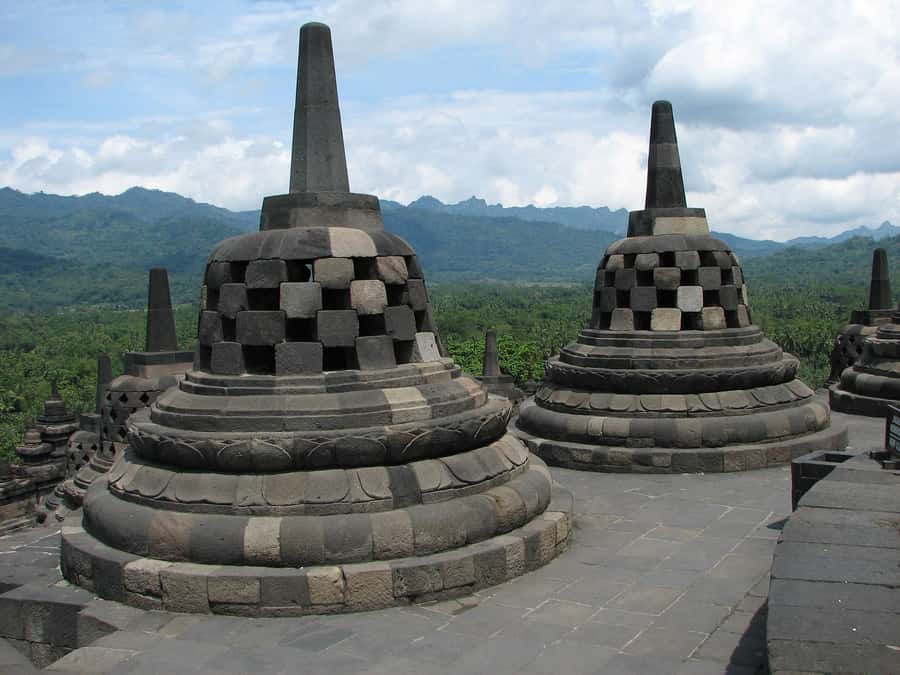
Borobudur is famous, sure. But the reason this tour feels different is the climb-to-the-top opportunity, where access is capped and granted to only a few people each day. That limitation matters because it changes how you experience Borobudur: you’re not waiting around hoping you can get in—you’re doing the climb as part of a planned flow.
This is also why I think the Borobudur climbing ticket inclusion is the heart of the value. Many visitors can see the temple grounds, but top access is the harder part to secure. Even the price difference versus cheaper options starts to make sense once you factor in that limited entry layer.
One more timing note you should actually care about: in August, the tour may switch the order and send Borobudur as the second destination. That’s a practical adjustment for crowd management. If you’re traveling during peak season, being flexible on sequence is often what makes the day feel smooth rather than stressful.
You can also read our reviews of more tours and experiences in Yogyakarta.


Hotel Pickup, English Guidance, and a Private-Group Pace

The day starts with pickup from your hotel lobby in Yogyakarta. That sounds small until you’ve tried to coordinate temple visits on your own in traffic-heavy areas. Here, you’re handed a simple structure: you get transported, guided, and returned to your hotel.
You’ll travel with a live English tour guide, and the group is private. Private doesn’t mean chaotic or rushed; it usually means you can move at a pace that fits your questions. And the guiding style seems to be a big part of why people rate this so highly.
In the reported guide names associated with this experience, you’ll see a pattern: English that’s clear, and guides who help everything run smoothly. Names that come up include Luppa, Bass, Bram, and Lupus. Some accounts also mention friendly conversation and that the guide sticks with you to keep the process from feeling confusing—especially helpful when you’re working around limited access times.
If you want a day that feels organized without feeling like a factory tour, this private format is a strong match.
Borobudur Temple Stop: Guided Time Plus Limited Top Access
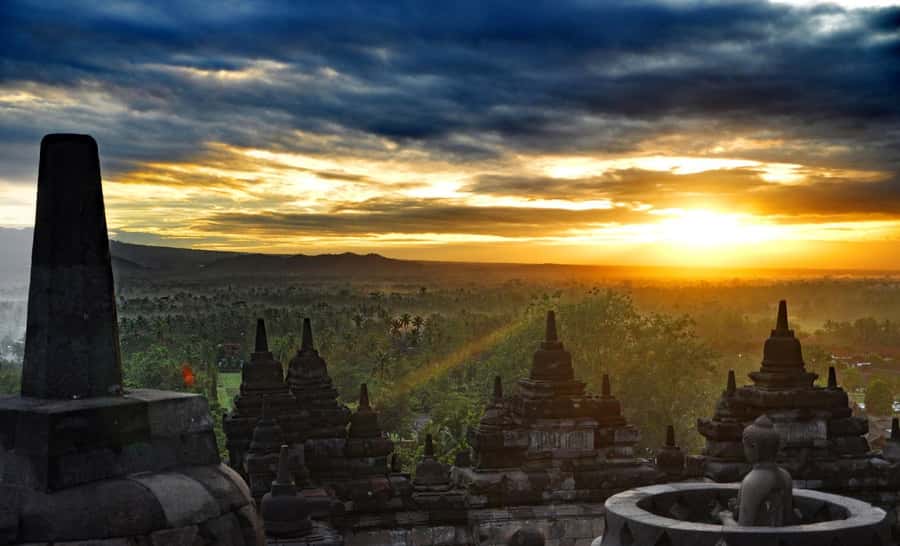
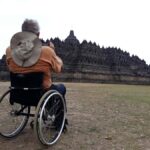
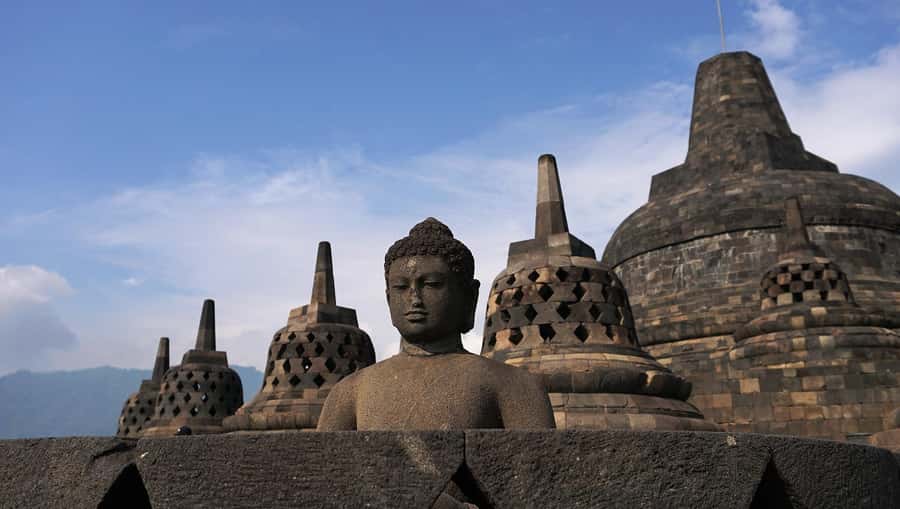
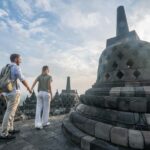
Borobudur is the first big temple segment. You’ll spend about 2.5 hours here with a guided visit and sightseeing time, plus walking time. Then comes the moment that makes this tour stand out: you’re invited to climb to the top, using the included climbing ticket.
What makes this stop worth your attention is not just the climb itself—it’s what the climb unlocks emotionally. Going up means you experience the temple as more than a postcard. You’re working through different vantage points, in a controlled, scheduled way, with an English guide to help you connect what you’re seeing with the broader story of the site.
Also, the tour is explicit that Borobudur is the largest Buddhist temple in the world. Even if you’ve seen photos before, that fact sets expectations: this isn’t a quick stop. It’s a serious, iconic site, and your time reflects that.
Practical consideration: the climb and the crowd situation mean you’ll want to keep your energy. Even if you’re not an “athletic traveler,” it helps to plan for stairs and standing time. Wear shoes that are stable, and don’t treat the day like an all-day shopping marathon afterward.
Prambanan Temple Stop: UNESCO Visit with a Second Guided Layer
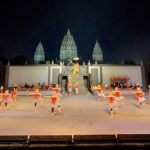
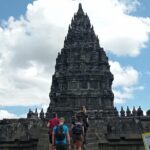
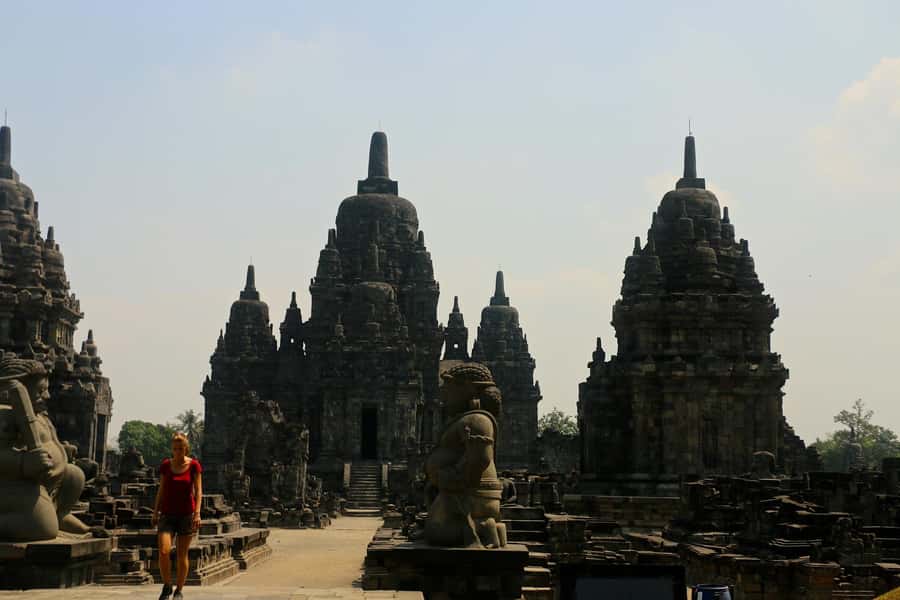
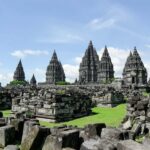
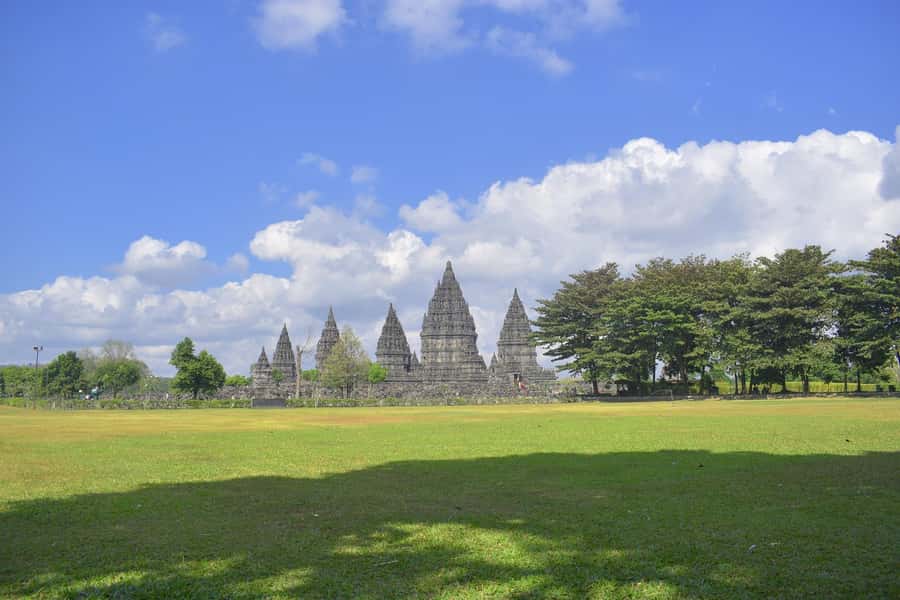
After Borobudur, you move on to Prambanan, also guided, with about 2.5 hours allocated to visit and sightseeing. This is where your day becomes more of a “two-temple contrast” experience. Borobudur brings one kind of scale and spiritual setting; Prambanan brings a different UNESCO-listed identity.
The tour frames Prambanan as a UNESCO World Heritage Site, and with good reason. UNESCO sites often attract both respect and crowds. The guide helps you make sense of what you’re walking through, so you don’t just wander through stone structures like a checklist.
One useful heads-up: every Monday, Prambanan and Borobudur follow a special access rule. The tour notes that on Mondays visitors can only enter the courtyard and a guide will be provided. That changes the feel of the day. If you’re planning around Monday, I’d treat it as a “guided context and courtyard views” day rather than a full “wander everywhere” temple day.
How the 8-Hour Schedule Actually Works for Real Life
This is listed as an 8-hour experience with starting times based on availability. You’ll also be driven back to your hotel at the end, which matters more than it sounds. Temple hopping without a return plan can turn into a long day of buffering: waiting for rides, solving where to eat, and losing time between stops.
Here, the rhythm is built around two temple blocks:
- Borobudur first (unless August crowd conditions shift the order)
- Prambanan next
In plain terms, you’re choosing depth over sprawl. Two major stops in one day is busy, but the tour is designed to keep you moving with purpose instead of scattered sightseeing.
If you’re sensitive to heat, crowds, or long walks, you’ll want to treat the day like a sprint with breaks, not a leisurely stroll. The tour includes free mineral water, which helps you stay functional rather than rationing your own supplies.

Value Check: Why $137 Can Be Worth It for This Specific Access
At $137 per person, this isn’t the cheapest way to do Yogyakarta temples. So here’s the value math I’d use.
You’re paying for:
- Hotel pickup and drop-off
- Guides for both Borobudur and Prambanan
- Entrance tickets for both temples
- Borobudur climbing ticket (the limited-access part)
- Free parking
- Free mineral water
What you’re not paying for is also clear: personal needs are excluded. That usually means snacks you buy yourself, extra drinks beyond the included water, and any souvenirs.
The key value driver is the climbing ticket. If you’re trying to recreate this day on your own, top access is where plans often go sideways. Even if you manage to buy the “regular” entry, you might not get the climb authorization. This tour bakes that access in, which reduces the biggest risk of temple days: showing up and learning you can’t do the one thing you came for.
A few reports also note that the tour may cost more than other options, but it allows top access when you cannot get tickets anymore. That lines up with why this price structure makes sense.
What Guides Add (Beyond Just Reading a Sign)
A guide’s job isn’t to narrate. It’s to help you understand what you’re seeing, move efficiently, and avoid wasted time.
From the guide names tied to this experience, Luppa stands out for friendly, smooth handling and an emphasis on making the day feel effortless. Bass is praised for being an excellent driver/guide and spending the day with you in a way that feels genuinely helpful. Bram is mentioned for being talkative, with strong English and careful accompaniment to keep everything running smoothly. Lupus is also noted as very good, with a strong overall experience.
You’re also told that the tour includes practical support beyond the temples. One highlight from reported experiences: fruit and water for snacks, plus help with lunch and even tips related to local coffee shopping (civet coffee gets mentioned in connection with a lunch stop). That kind of extra guidance can be worth real money because it saves you from searching while hungry and jet-lagged.
Smoothness Matters: Water, Parking, and the No-Drone Rule
Small details are part of comfort on a full-day temple visit.
You get free mineral water. That’s not a luxury add-on—it’s basic travel sanity when you’re walking and climbing. You’ll also have free parking included, which hints that the transport logistics are planned rather than improvised.
One hard rule: drones aren’t allowed. So if you’ve been tempted to travel with a drone for temple shots, skip it. Better to plan for photos you can take within the rules, using your own eyes and camera rather than relying on aerial footage.
When This Tour Is the Right Fit
This tour is a strong match if you:
- Want Borobudur top access and don’t want to gamble with limited availability
- Have only one day to cover major temples in Yogyakarta
- Prefer a private group pace with an English guide
- Appreciate structure: pickup, timed temple blocks, and hotel return
It’s also a good option for first-time visitors who feel overwhelmed by temple logistics. You’ll get guided context at both sites, so you’re not just collecting stamps.
If you’re traveling on a Monday, adjust expectations. You’ll still have guided entry, but access is limited to the courtyard on that day. You might still enjoy it, but go in knowing the climb/full access expectations won’t apply.
Should You Book This Borobudur Climb and Prambanan Tour?
I’d book it if top access at Borobudur is on your must-do list and you value having everything handled: guides, tickets, and hotel pickup. At $137, the price stops feeling random when you recognize the major inclusion is the Borobudur climbing ticket, which is the part most people can’t count on securing last minute.
I’d think twice only if you’re traveling on a Monday and you specifically planned the day for full temple access. In that case, the courtyard limitation changes the experience, and you may want a different plan.
If you’re flexible about the order in busy months like August, and you want a guided, organized temple day with a private-group feel, this is a solid choice.
FAQ
How long is the Borobudur and Prambanan tour?
It lasts 8 hours. Starting times depend on availability.
Is pickup and drop-off included in the price?
Yes. The tour includes pickup and drop-off to your Yogyakarta hotel, with pickup from the hotel lobby.
Is the tour guided, and what language is offered?
Yes, it’s a live guided tour with an English-speaking guide.
Are entrance tickets included?
Yes. Entrance tickets are included for both Borobudur and Prambanan, including the Borobudur Temple climbing ticket.
Does the tour allow drones?
No. Drones are not allowed.
What happens on Mondays at Prambanan and Borobudur?
Every Monday, Prambanan/Borobudur is closed for the usual entry. Visitors can only enter the courtyard, and a guide will be provided.