Borobudur and Merapi in a single long day. I like how this tour mixes UNESCO temples with a real Jeep ride on Mt. Merapi, plus it ends with a full-blown Ramayana performance. It’s also built for convenience: hotel pickup and drop-off, air-conditioned transport, and an English-speaking live guide.
The one thing that can throw a wrench in the plan is weather. If cloud or fog shows up, sunrise views and volcano sightlines can get disappointing fast, even when the schedule is solid.
In This Review
- Key highlights worth your attention
- Choosing Sunrise vs Going Straight to Borobudur
- Borobudur Temple: Early Gates, Upper Access, and Photo Timing
- Merapi Volcano by Jeep: What You’ll See and What Weather Can Change
- Prambanan’s Shiva Temples: Ramayana Reliefs at Full Scale
- Ramayana Dance at Purawisata Jogja: The Story Finale
- Price and Entry Fees: Realistic Cost and Value Check
- Transport and Timing: A Long Day, But Not a Random One
- Who This Tour Suits Best (and Who Might Want Another Option)
- Should You Book This Yogyakarta Borobudur–Merapi–Prambanan Tour?
- FAQ
- What’s the duration of this tour?
- Where does pickup happen?
- Is there an option for sunrise at Borobudur?
- Do I pay entry fees separately?
- What are the entry fees for Borobudur and Prambanan?
- Is Setumbu Hill sunrise included?
- How much is the Mt. Merapi Jeep fee?
- Where is the Ramayana dance performed?
- How much is the Ramayana dance show ticket?
- Can I cancel for a refund?
Key highlights worth your attention
- Borobudur early entry + upper access: you’re set up to get in when the gates open and reach the temple’s upper zones.
- Setumbu Hill sunrise option: add a small extra fee if you want that classic early light.
- Merapi by Jeep: the volcano portion is done in a way that’s made for photos and quick viewpoints.
- Prambanan’s Shiva compound: the biggest Shiva temple complex in Indonesia, with Ramayana reliefs across the three main temples.
- Ramayana dance at Purawisata Jogja: the story-focused finale happens at a dedicated performance venue, not inside Prambanan.
- English-speaking driver-guide: many days run with guides praised for clarity, patience, and practical tips for moving through each site.
Choosing Sunrise vs Going Straight to Borobudur
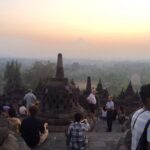
Your day starts from your hotel in Yogyakarta, and you get a real choice up front: sunrise or no sunrise. If you’re the type who loves a quiet start, you’ll head to a nearby hill area for sunrise (Setumbu Hill), then move on to Borobudur right after.
If you skip sunrise, you’ll go straight to Borobudur, which is a smart move if you hate waking up ultra-early or if you’re traveling with someone who needs extra sleep. It also gives you more flexibility if you’d rather pace the temple slowly.
One practical tip: if sunrise is on your wish list, try to pack warm layers and prepare for cool, damp early-morning air. And yes, weather matters here—clouds can hide the sun even when everything else goes smoothly.
You can also read our reviews of more tours and experiences in Yogyakarta.

Borobudur Temple: Early Gates, Upper Access, and Photo Timing

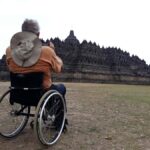
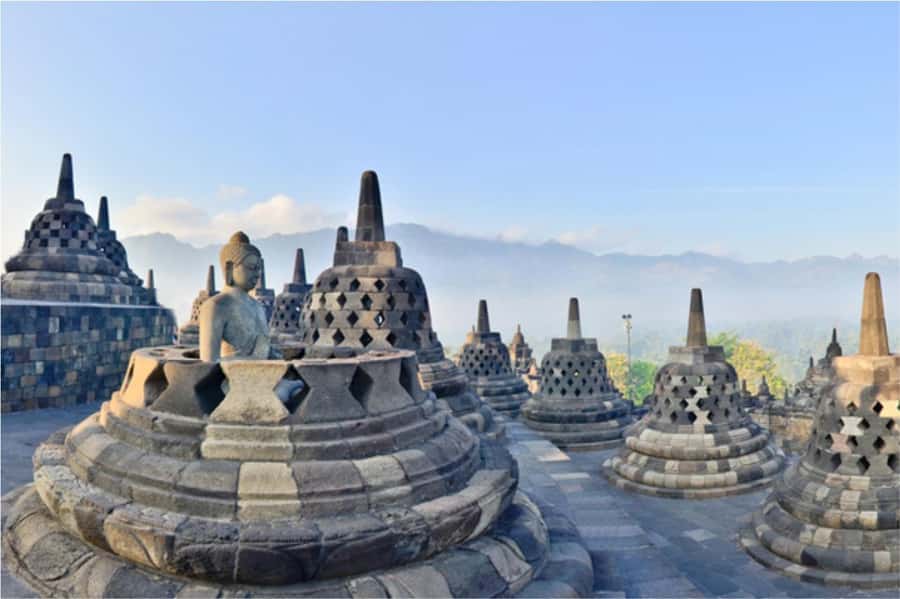
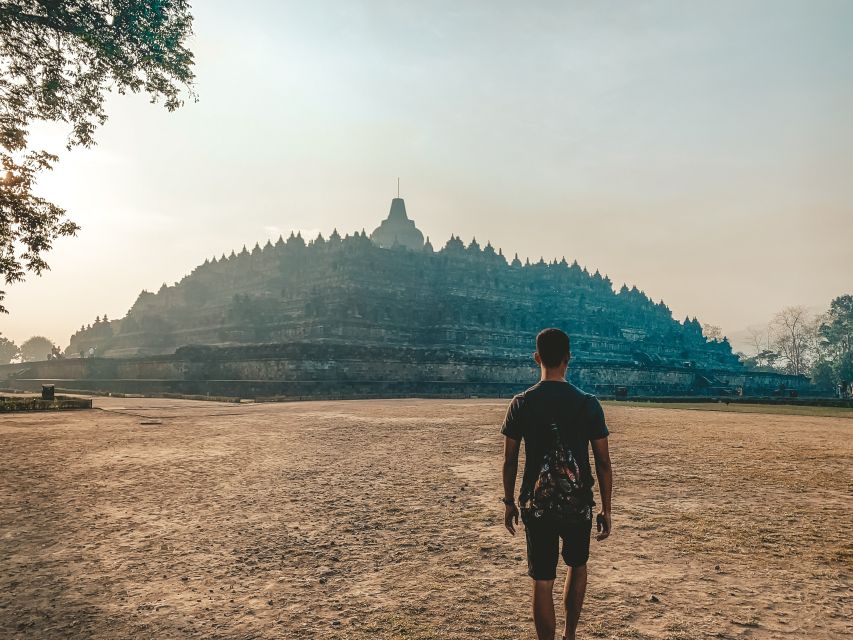
Borobudur is the kind of place that makes you stop walking. It’s the single largest Buddhist structure on earth, and it’s UNESCO-listed for a reason: the scale is real, and the details reward attention.
The tour is timed so you can be among the first to enter when the gates open. That matters more than it sounds. Early entry helps you avoid the worst crowds, and it gives you better light for photos before the site gets busier and the sky firms up into midday brightness.
You also get guaranteed upper access. That’s important because Borobudur isn’t just one “viewpoint.” Being able to reach the upper sections changes how you experience the temple layers—like you’re moving through the monument, not just standing in one spot.
If you care about pictures, aim for timing that beats the first big wave. One clear advice from people who’ve done this day is to enter before the first tour of 8:30 AM if you want calmer angles and less jostling. Even a short window of extra quiet can make a big difference to your photos and your pace.
Merapi Volcano by Jeep: What You’ll See and What Weather Can Change
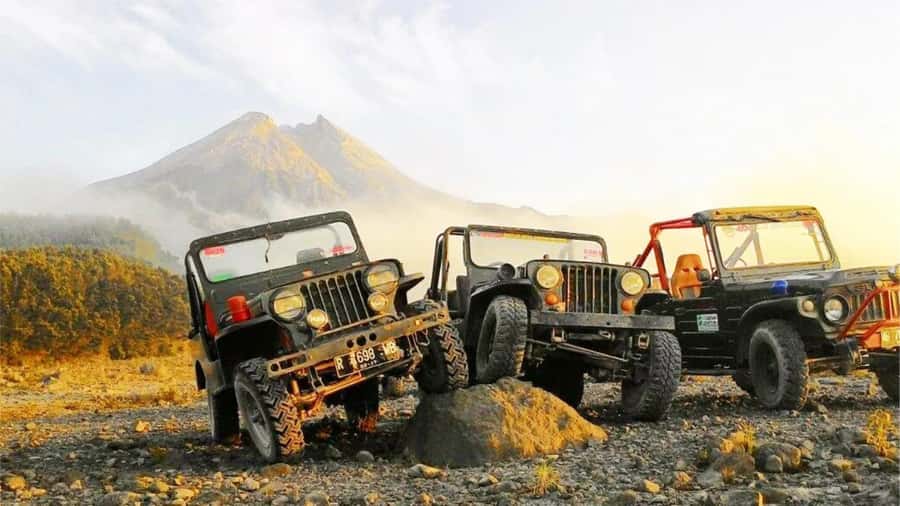
After Borobudur, you’ll head toward Mt. Merapi, widely known as one of Indonesia’s most popular volcanoes. The plan includes travel by Jeep, and there’s a set volcano fee (USD 27 or IDR 400,000) charged per group for up to three people, and that includes the Jeep.
The volcano portion is designed for quick stops and viewpoints. You’ll have chances to snap your own memorable shots over the dramatic terrain. In addition, you’re expected to see the bunker area and some visuals about past eruptions. That’s useful because it keeps the experience informative even when visibility is limited.
And here’s the reality check: Merapi sightlines can change quickly with fog or mist. If you can’t see the volcano the way you hoped, you’ll still get the structured stops and eruption-related viewing, but the dramatic “wow” might be toned down.
One more practical note: a few guides may include short extra picture stops along the route. If it’s optional, decide based on your time and your tolerance for “just for the photo” moments.
Prambanan’s Shiva Temples: Ramayana Reliefs at Full Scale
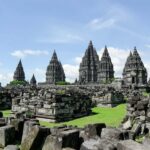
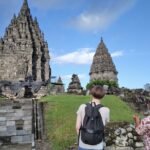
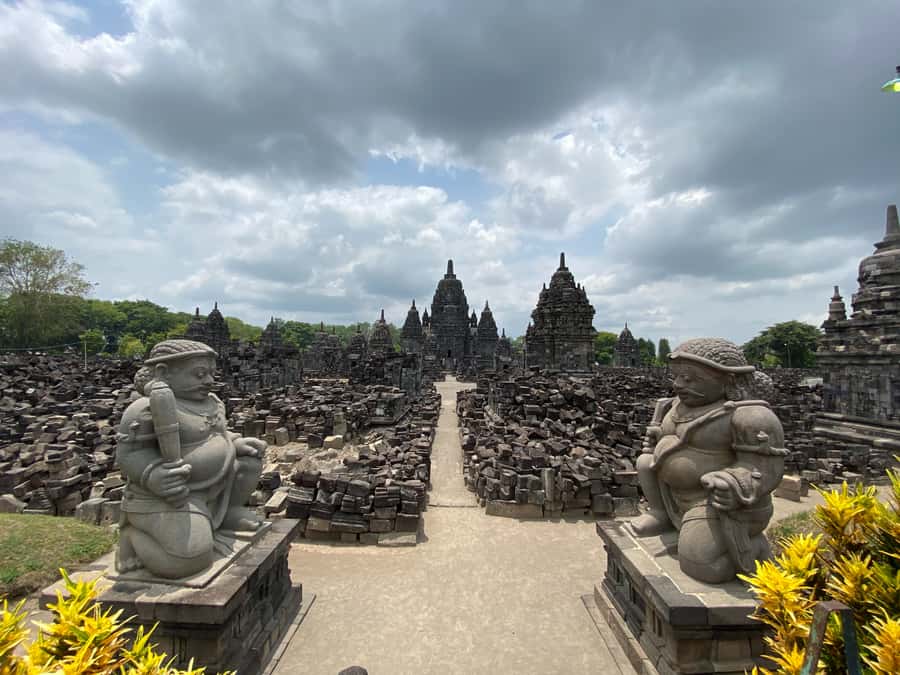
Prambanan is where your day shifts from Buddhism to Hindu architecture—and it’s a big shift. This is the largest temple compound dedicated to Shiva in Indonesia, and the complex includes three main temples.
The three temples are decorated with reliefs that link to the Ramayana story, which you’ll see alongside the symbolism of the three great Hindu divinities: Shiva, Vishnu, and Brahma. The reliefs also connect to the animals associated with their roles.
Prambanan can feel like a lot, because it’s more than one single structure. Build in time to walk the compound rather than treating it like a quick photo sprint. If you rush, you’ll miss how the reliefs and temple placements work together.
A simple strategy: do your wide shots first, then slow down for the carvings. The reliefs are where the story becomes tangible, and you’ll get more from the visit if you pause long enough to actually look.
Ramayana Dance at Purawisata Jogja: The Story Finale
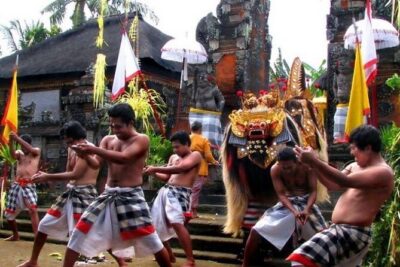
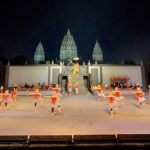
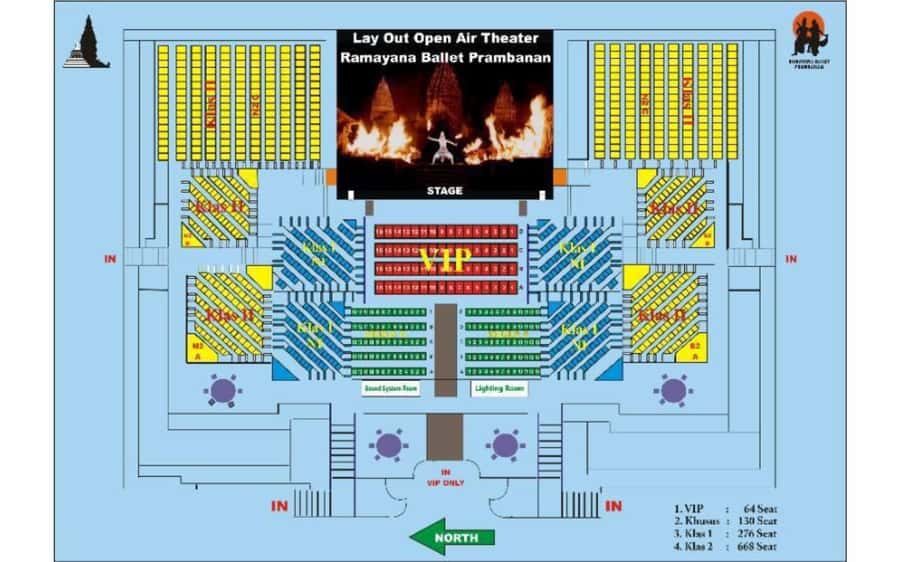
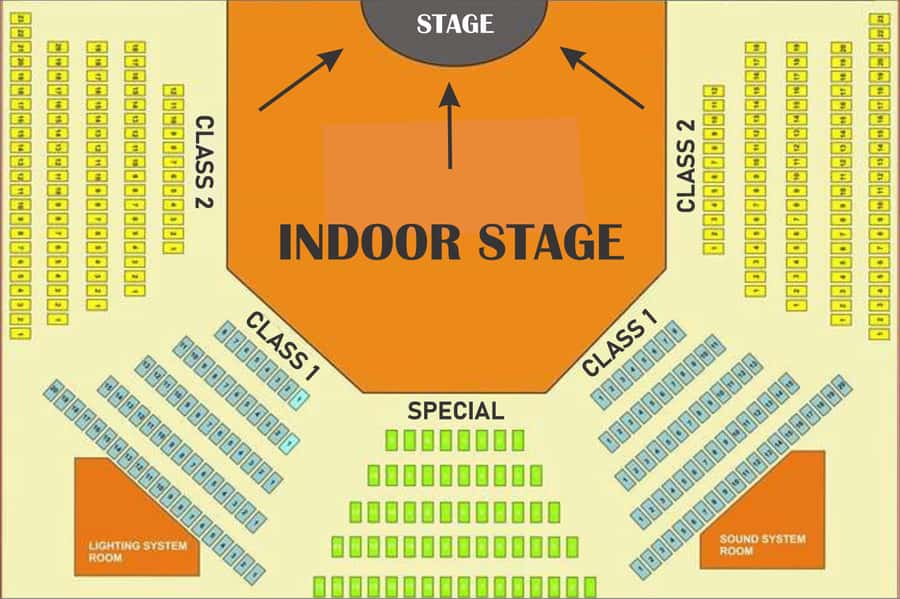
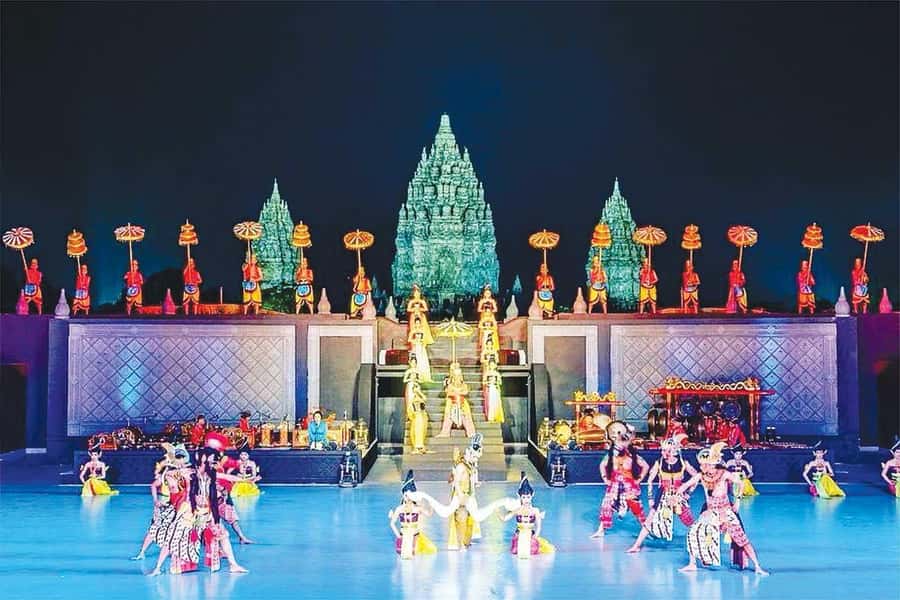
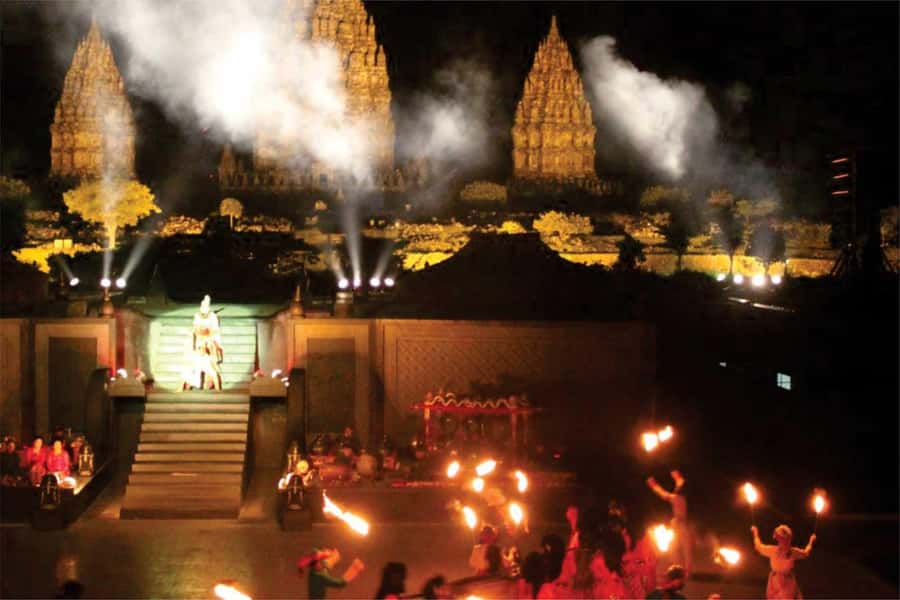
To close the day, you’ll watch a traditional performance of the Ramayana. This tour’s show is at Purawisata Jogja, not at Prambanan, so you’re ending the temple-focused hours with theater and music.
The performance is described as an epic love story within Javanese culture, staged like a ballet with traditional Javanese musical accompaniment. If you’re the type who likes culture that you can feel in your chest—rhythm, movement, and storytelling—this finale is a smart counterbalance to the walking and climbing of temple time.
The show has its own ticket cost: IDR 300,000. It’s worth budgeting for because it turns the day from “I saw monuments” into “I understood the stories behind them,” even if you only catch a slice of the cultural context in one evening.

Price and Entry Fees: Realistic Cost and Value Check
The tour is listed as USD 65 per person for a 12-hour day, which already includes hotel pickup and drop-off, a tour guide, parking and donation fees, and transportation by air-conditioned car.
But the biggest part to understand is this: entry fees are paid separately on the day of the tour. For Borobudur and Prambanan combined, the entry fees are USD 55 (or IDR 900,000) per person. On top of that, sunrise at Setumbu Hill has an extra USD 4 entry fee.
Merapi adds another fee. The Merapi volcano fee is USD 27 (or IDR 400,000) per group (not per person) up to three people, and it includes the Jeep ride. The Ramayana dance ticket is IDR 300,000.
So is USD 65 “cheap”? It depends on what you consider part of the total experience. For me, the value comes from how the paid services connect the dots: one organized day covering Borobudur, Merapi, Prambanan, and the Ramayana show, with transport and guiding handled for you. If you’d rather organize all of that yourself—tickets, drivers, timing, and transitions—this format can feel like paying for stress-free planning.
If you’re traveling solo, your cost tends to skew toward the per-person entry fees. If you’re traveling as a small group (up to three), Merapi can feel more reasonable because that Jeep fee is per group.
Transport and Timing: A Long Day, But Not a Random One
This is a 12-hour tour, and the structure matters. You’re not jumping between places with a slow, haphazard plan. The day is routed in a way that makes sense: start early for Borobudur, move to Merapi next, then finish at Prambanan before the Ramayana show.
The transport portion is done with an air-conditioned car, and pickup is available from hotels, train stations, or the airport in Yogyakarta. That flexibility is helpful if your travel day is messy or if you’re staying near the station.
A common theme in people’s feedback is that the transport itself is a strong point—many gave very high scores to the driving and comfort. In a day like this, that’s not a small detail. The roads and distances in Java can be tiring, so having a driver who stays on schedule makes the difference between “a great day” and “a long chore.”
Also, many guides are praised for being proactive with advice. Some help with lunch spots, timing for temple photos, and how to move through each site. That’s the hidden value: you spend less time guessing and more time enjoying.
Who This Tour Suits Best (and Who Might Want Another Option)
This tour is a great fit if you want a lot of major highlights without planning headaches. I’d especially recommend it if you’re seeing Yogyakarta for the first time and want a “greatest hits” day: Borobudur, Merapi, Prambanan, and a Ramayana show.
It also works well if you like guides who explain what you’re seeing. Multiple guides have been praised for their knowledge and willingness to answer questions—so you’re less likely to wander through temples like a checklist.
If you’re traveling with someone who dislikes very early starts, choose the non-sunrise option and protect your energy. The sunrise version can be wonderful, but it’s only worth it if you’re comfortable waking up early and potentially dealing with weather.
And if you strongly need dramatic volcano visibility, keep expectations flexible. The Merapi portion can be scenic and meaningful even when visibility isn’t perfect, but mist can limit the big “volcano reveal.”
Should You Book This Yogyakarta Borobudur–Merapi–Prambanan Tour?
Book it if you want one organized day that covers the essentials of central Java culture and religion, with hotel transfers, an English-speaking guide, and a direct finale at Purawisata Jogja. The combination of Borobudur’s early access, Merapi Jeep time, and Prambanan’s Shiva compound makes this more than a “temples-only” outing.
Skip or adjust if sunrise timing and clear weather are non-negotiable for you. If you’re going to get frustrated by cloud cover, consider choosing the no-sunrise option and focus on enjoying the sites at a calmer pace.
FAQ
What’s the duration of this tour?
The tour duration is 12 hours.
Where does pickup happen?
Pickup is included from hotels, train station, or airport in Yogyakarta.
Is there an option for sunrise at Borobudur?
Yes. You can choose to start with sunrise or skip sunrise and go straight to Borobudur.
Do I pay entry fees separately?
Yes. Entry fees are guaranteed but must be paid separately on the day of the tour.
What are the entry fees for Borobudur and Prambanan?
Both temples combined cost USD 55 (or IDR 900,000) per person.
Is Setumbu Hill sunrise included?
Setumbu Hill sunrise has an entry fee of USD 4.
How much is the Mt. Merapi Jeep fee?
The Mt. Merapi fee is USD 27 (or IDR 400,000) per group (not per person) up to 3 people, and it includes the Jeep.
Where is the Ramayana dance performed?
The Ramayana dance is performed at Purawisata Jogja.
How much is the Ramayana dance show ticket?
The Ramayana dance show ticket is IDR 300,000.
Can I cancel for a refund?
You can cancel up to 24 hours in advance for a full refund.