Java starts in the dark, then turns gold. This day is built around Setumbu Hill sunrise over Borobudur and volcano views, then keeps going with major UNESCO temples and a real Jeep run. I love that the tour includes an English live guide and a tight plan, so you spend less time figuring things out.
My second big favorite is how the day pairs big-ticket sites with temple guides who explain what you’re actually looking at, including stories tied to Ramayana reliefs at Prambanan. One drawback to plan for: weather can make sunrise or Merapi views misty or clouded, and you may end up with a less scenic look than you hoped for.
In This Review
- Key highlights you’ll feel fast
- The “big three” Java day: how it all fits into 11 hours
- Setumbu Hill sunrise: where the day starts (and why it matters)
- Borobudur sunrise-to-temple flow: UNESCO scale plus a guided route
- Mount Merapi by 4×4 Jeep: the fun part, plus the reality check
- Prambanan’s 10th-century compound: Shiva, Vishnu, Brahma, and Ramayana reliefs
- Price and value: what $67 covers (and what you’re spared)
- Logistics that make or break the experience
- Who this tour is best for (and who should pick something else)
- Should you book the Borobudur sunrise, Merapi Jeep, and Prambanan day?
- FAQ
- Is pickup included?
- How long is the tour?
- Do I need to buy tickets separately for Setumbu Hill, Merapi, and the temples?
- Is the Merapi part done by Jeep?
- Can I climb at Borobudur and Prambanan?
- Will there be an English guide?
- Is this a small group tour?
- Is there a way to avoid long ticket lines?
- What are the cancellation options?
- FAQ
- Is pay later an option?
Key highlights you’ll feel fast
- Setumbu Hill sunrise timing: early start plus a paid viewing ticket to get the best shot at those first rays
- Borobudur with climb access: temple tickets that include climb-up access, guided through the monument
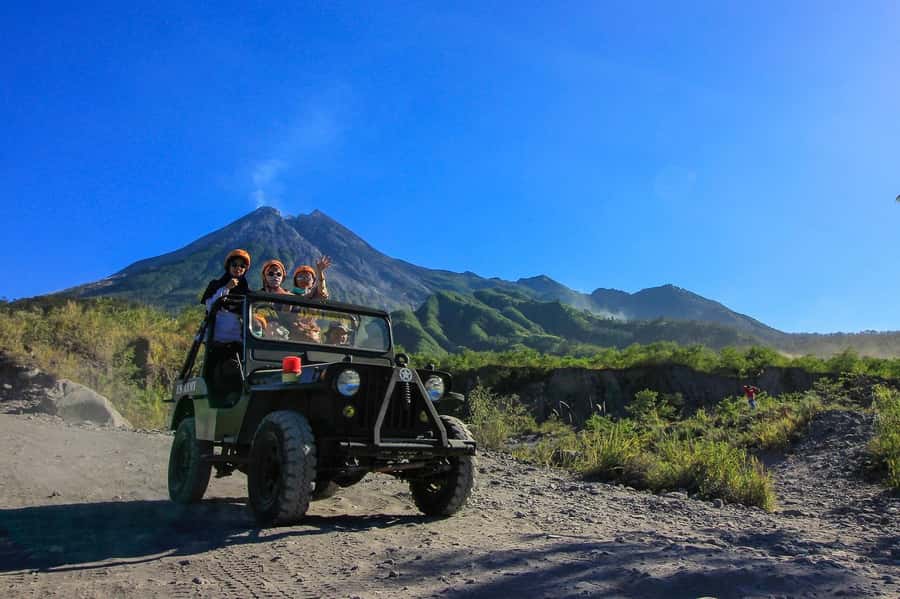
- 4×4 Jeep for Merapi: a ticketed Merapi stop plus a Jeep ride designed for volcano-area exploring
- Prambanan storytelling: guides connect the compound and reliefs to Shiva, Vishnu, Brahma, and the Ramayana
- Small-group pace with smooth transport: a small group option and transport that earned perfect feedback
The “big three” Java day: how it all fits into 11 hours
This tour is a straight line from one icon to the next: sunrise at Borobudur, a Jeep trip around Mount Merapi, then Prambanan to close. The appeal is simple: you get major heritage stops without bouncing between hotels or hunting transport all day.
The tradeoff is time. Eleven hours is long enough that you’ll want to move efficiently and accept that you’re not lingering everywhere like you would on a slower, multi-day temple trip. You’ll also feel the heat at parts of the day, since you’re outside at sunrise and again during temple exploring.
You can also read our reviews of more tours and experiences in Yogyakarta.
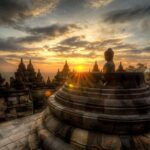

Setumbu Hill sunrise: where the day starts (and why it matters)
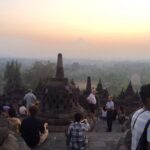
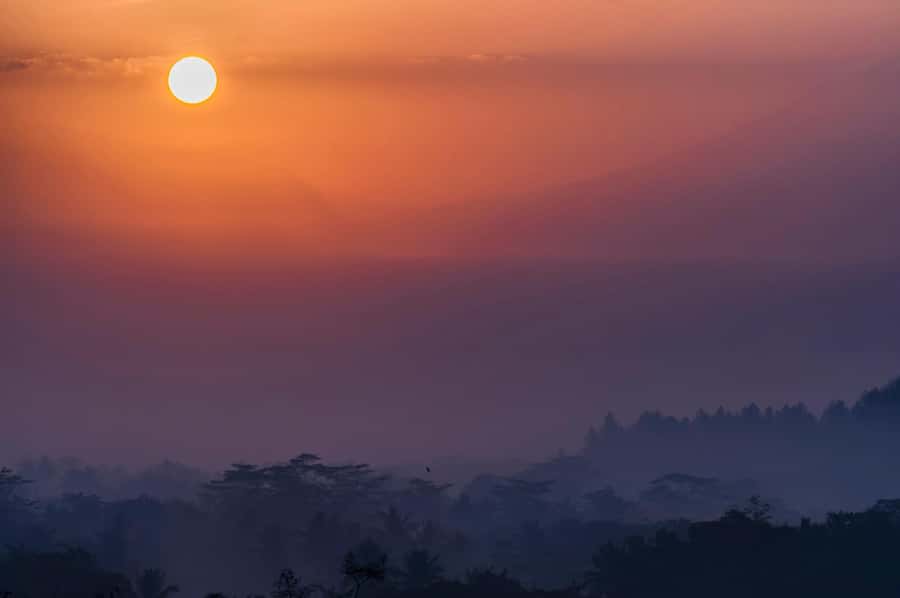
Setumbu Hill is where the whole schedule earns its keep. You’re going early enough to catch the first light, and the experience is designed around that moment when the sky changes fast and the view becomes the main event. A dedicated Setumbu Hill ticket is included, which helps you start in the right place instead of wandering.
What you’re buying here isn’t just a viewpoint. It’s the contrast: you begin the day on a hill watching the horizon, then you transition straight into the calm of temple time before the crowds surge. Even on days when visibility isn’t perfect, you still get that early-morning atmosphere that makes Borobudur feel different than daytime visits.
Practical note: sunrise is weather-dependent. Some days bring mist for Borobudur from the hill, and clouds can also affect how dramatic Mount Merapi looks later. When that happens, you’re still going to have temples, Jeep time, and guided explanation—just with fewer postcard views.
Borobudur sunrise-to-temple flow: UNESCO scale plus a guided route
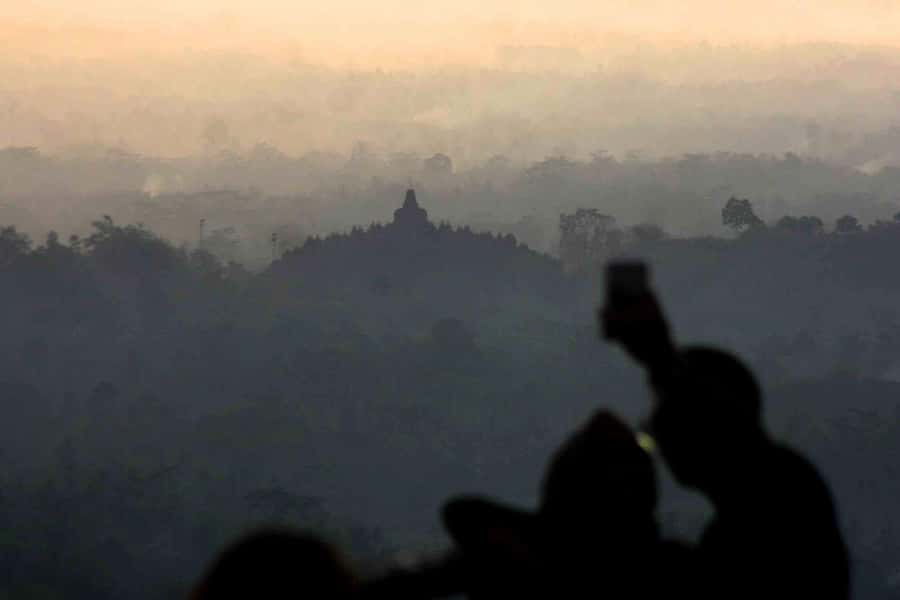
After sunrise, you head into Borobudur while it’s still early enough to feel calmer than late-day touring. The day is structured so you’re not only arriving for pictures, then leaving. You get time to experience Borobudur properly with a temple guide.
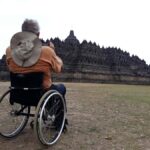
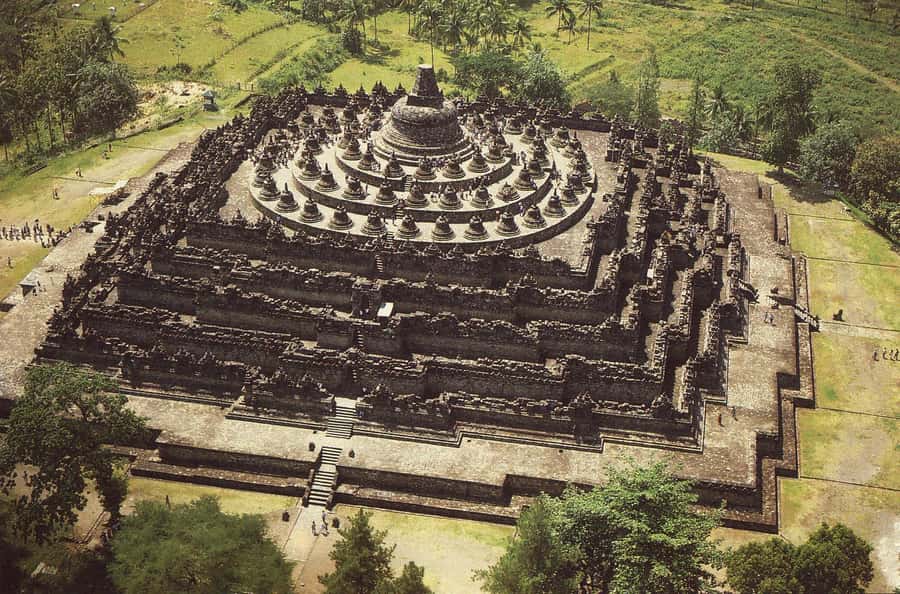
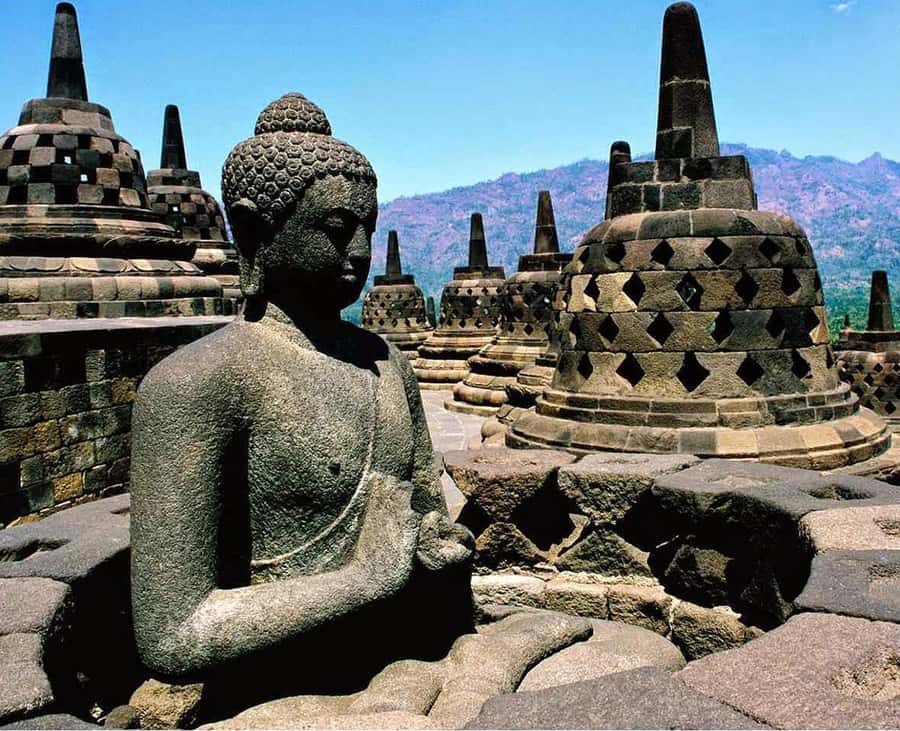
Borobudur is described as the world’s largest Buddhist edifice and a UNESCO-recognized heritage site, and the guide role matters because this is a place you can walk around without really understanding what you’re seeing. With a guide, you can match the visual details to the stories and layout the monument represents.
One especially valuable detail: your tickets include climb-up access at Borobudur. That changes the experience. You’re not only looking from the ground—you can reach vantage points that make the monument feel bigger and more intentional. Also, the tour includes skipping the ticket line, which saves you time when crowds are highest.
If you want one takeaway, it’s this: Borobudur is the kind of site where the same stones can feel flat or fascinating depending on whether you know what to look for. This tour aims for the second version, with a guide and time to actually see.
Mount Merapi by 4×4 Jeep: the fun part, plus the reality check
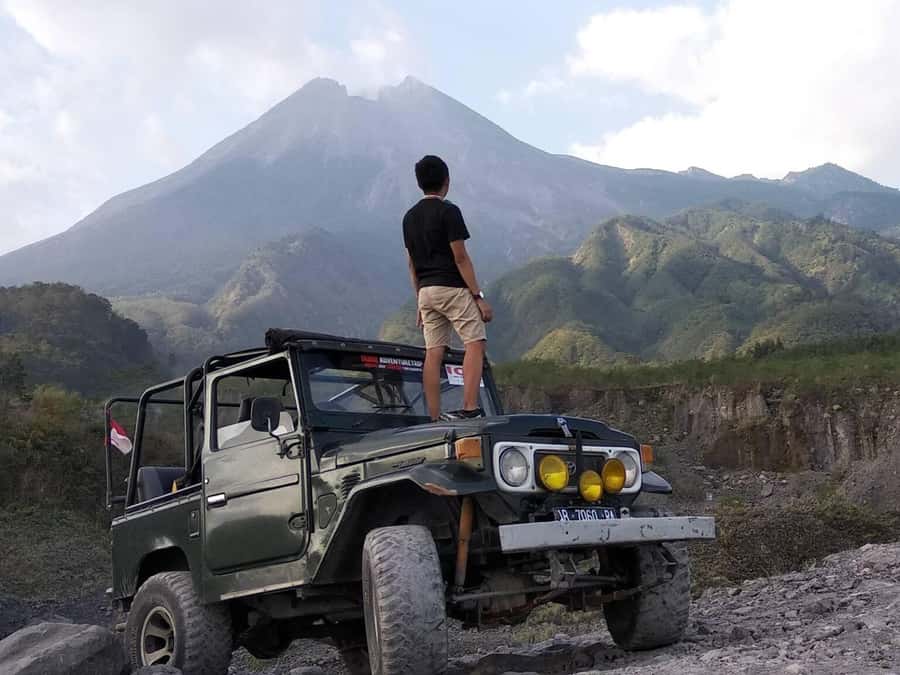
Then you pivot from morning temples to volcano time. Mount Merapi is one of Indonesia’s iconic volcanoes, and the tour includes a Jeep 4x4wd experience plus a Merapi ticket.
The Jeep portion is the main “adventure” element here. It’s how you get closer to the volcano area and experience it in motion, rather than just viewing it from one spot. Even when the route isn’t pure off-road all the way, the Jeep ride still adds energy to the day—and it gives you chances to stop for photos.
Now for the reality check. Views can be limited by clouds and mist. Some days don’t deliver dramatic scenery, and in those cases the tour still keeps moving with visit time and explanation. One example from the day: if Merapi can’t be seen well, you may spend more time at related stops such as a museum that helps you make sense of what you’re looking at.
Safety and comfort also matter on a long day, and the transport feedback is strong—people scored transport perfectly. That doesn’t eliminate weather issues, but it does mean you’re less likely to feel stressed about getting from A to B.
Prambanan’s 10th-century compound: Shiva, Vishnu, Brahma, and Ramayana reliefs
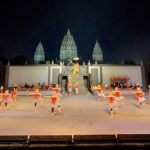
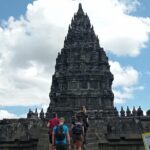
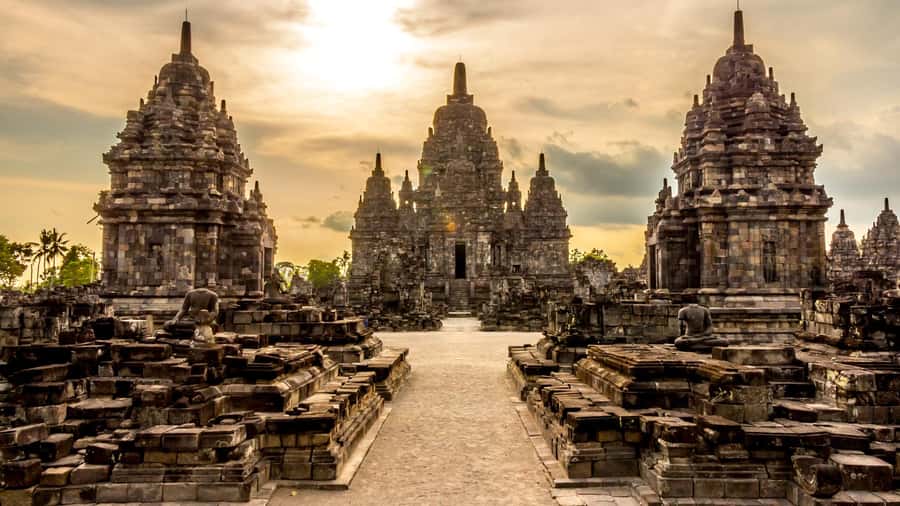
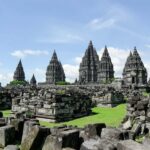
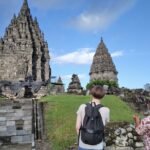
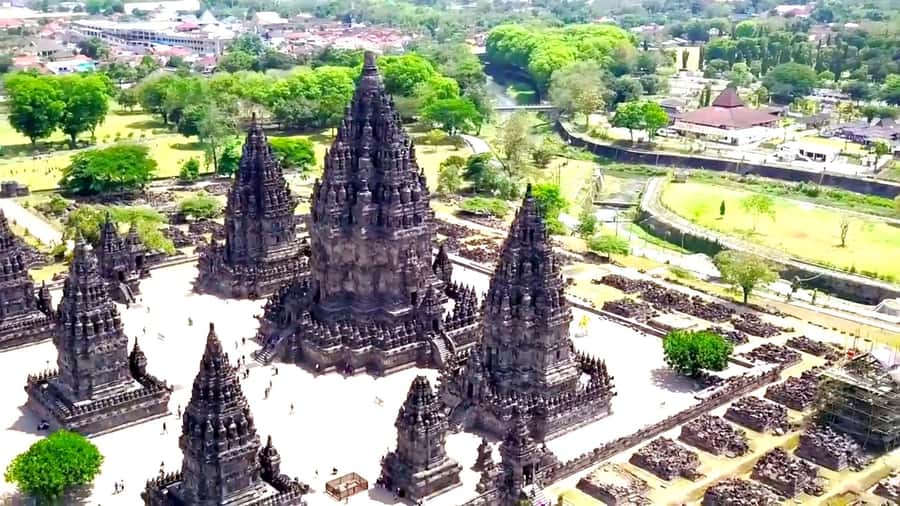
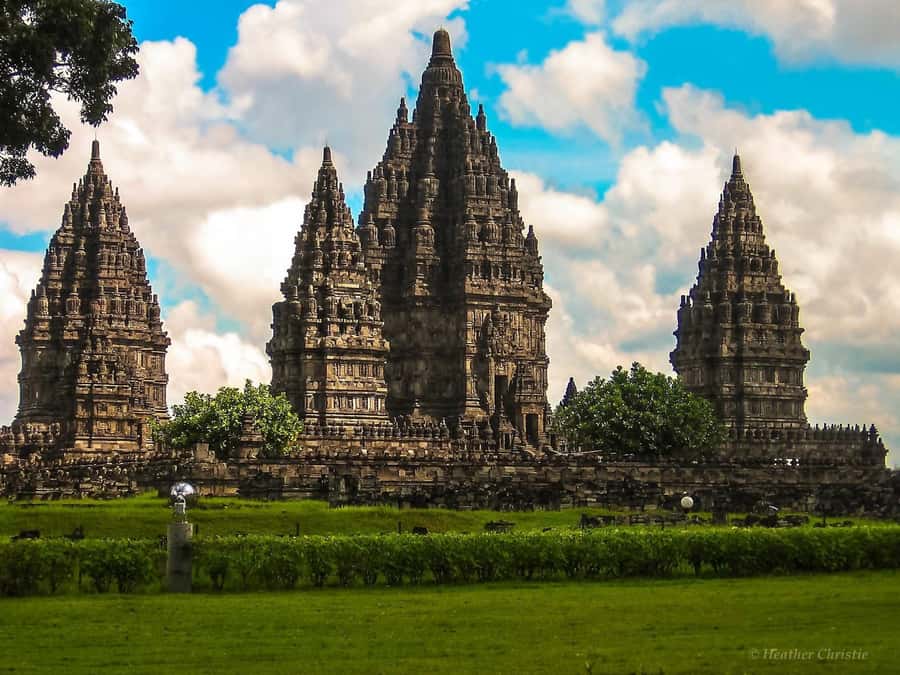
Prambanan is the finale, and it’s a different energy than Borobudur. This is a 10th-century temple compound honoring Hindu deities: Shiva, Vishnu, and Brahma. Where Borobudur is Buddhist heritage, Prambanan is Hindu architectural storytelling, and your guide helps you connect the details to the larger picture.
The most compelling part is how the guide works through the intricate reliefs. The tour description includes that these reliefs narrate the Ramayana epic and link to sacred animals associated with the deities. That’s key. Without context, carvings can turn into “cool stone pictures.” With context, you start reading the narrative as you walk.
You also get temple guidance and Prambanan temple ticket access that includes climb-up. That’s another important upgrade: it gives you more angles and a stronger sense of how the compound is arranged in space, not just on the ground.
Timing can also affect lighting. Some schedules allow for a later view with warm temple light, depending on how the day runs. Either way, Prambanan tends to be the most “story-forward” stop, because the Ramayana material is something guides can bring to life as you move around the compound.

Price and value: what $67 covers (and what you’re spared)
At about $67 per person for an 11-hour day, the value is mostly in what you don’t have to organize. You’re not paying separately for: pickup logistics in the Special Region of Yogyakarta, Setumbu Hill entry, Merapi entry, a Jeep 4x4wd, temple guide time at major sites, and the parking/donation pieces that can add up when you DIY.
You’re also paying for time-saving and smooth transitions. The tour includes skipping the ticket line, and that’s not a small detail at Borobudur where queues can be brutal. Combine that with a small group format, and you’re more likely to keep your momentum.
If you did this on your own, you’d likely spend extra on coordination (driver time, ticket purchasing, and guided help). Here, the tour bundles that into one plan and one day. That’s why it can be a smart choice for a short Yogyakarta stay: you compress three headline sights into one organized day.
Logistics that make or break the experience
This is a full day, so the “how” matters as much as the “what.” You start with pickup from your accommodation in the Special Region of Yogyakarta. Then it’s hill time, temple time, Jeep time, and temple time again.
Because it’s outside for big chunks of the day, packing matters. The tour specifically recommends comfortable shoes, sunscreen, and comfortable clothing. I’d treat that as non-negotiable. Sunrise starts early, and later you’ll be walking around temple areas under sun and heat.
Another thing you’ll notice: the day runs on timing. When everything is ahead of schedule, you may get small extras or additional stops. That’s one of those details that can make the day feel customized, not rigid.
And yes, you should expect it to be intense. You’ll likely be switching gears every few hours—photos, then walking, then Jeep movement, then reading carvings with a guide. If you’re the type who needs long breaks, this may feel like too much.
Who this tour is best for (and who should pick something else)
This tour is a great match if you want a high-impact heritage day and you don’t have many days in Yogyakarta. It’s also ideal if you like structure: you show up, and someone else handles the tickets, guides, and the order of sites.
You’ll likely love it if you care about context. The guide-led experience is built into the plan—especially at Prambanan, where understanding the Ramayana reliefs makes the temple more meaningful.
I’d skip it or reconsider if you want a slow, optional pace or if you’re very sensitive to weather outcomes. Sunrise and volcano views can be disappointing on misty days, and no schedule can fully fix that. In those cases, you’ll lean on the guided temple time and the Merapi explanation stops to get your value.
Should you book the Borobudur sunrise, Merapi Jeep, and Prambanan day?
If you can handle a long day and you’re okay with the fact that weather controls sunrise drama, I think this is a strong booking. The best part is the balance of icons: Borobudur for Buddhist heritage and climb access, Merapi for the Jeep adventure, and Prambanan for the Hindu deities and Ramayana reliefs with guides.
Book it if you want your Yogyakarta trip to count—one early start, one volcano ride, two major temple experiences, and guides that help you understand what you’re seeing. If you’re chasing a perfect view every time, build in some flexibility in your expectations. The temples and the guided stories are still the backbone, even when the sky doesn’t cooperate.
FAQ
Is pickup included?
Yes. Pickup is included from accommodations in the Special Region of Yogyakarta, and the tour returns you back to the same region.
How long is the tour?
The total duration is 11 hours.
Do I need to buy tickets separately for Setumbu Hill, Merapi, and the temples?
No. Tickets for Setumbu Hill, Merapi, and temple entry are included, along with parking charges and donations.
Is the Merapi part done by Jeep?
Yes. The tour includes a 4x4wd Jeep for exploring the Mount Merapi area.
Can I climb at Borobudur and Prambanan?
Yes. Temple tickets included in this experience cover climb access for both Borobudur and Prambanan.
Will there be an English guide?
Yes. The tour includes a live tour guide in English.
Is this a small group tour?
Yes. A small group option is available.
Is there a way to avoid long ticket lines?
Yes. The tour includes skipping the ticket line.
What are the cancellation options?
You can cancel up to 24 hours in advance for a full refund.
FAQ
Is pay later an option?
Yes. The listing offers reserve now and pay later, so you can book your spot without paying immediately.