Cetho and Sukuh temples make Java feel closer than a textbook. This 10-hour route links temple views over tea and rice hills with royal Solo culture, then closes with a museum that traces batik through major eras. I especially like how the day mixes big viewpoints with hands-on cultural stops, and I love that you’re kept to a small group of 4.
One thing to consider: the schedule is packed and the roads are mountain-road winding, so you’ll want to be comfortable in a car for hours. Also, your English driver-guide won’t go into the attractions with you—local guides are available on-site if you want extra context.
In This Review
- Key highlights you’ll remember
- Getting out of Yogyakarta: the Mount Lawu drive you’ll actually enjoy
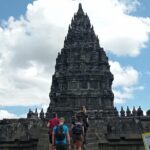
- Cetho Temple: the high-altitude stop that sets the tone
- Sukuh Temple: what to know about the controversial reputation
- Solo’s Mangkunegaran Palace: a royal stop you can do at your own pace
- Solo city time plus lunch: where the day stays human
- The Ancient Batik Museum: seeing how batik connects eras
- Price and logistics: what your $85 actually buys
- Group size, guides, and the one rule that shapes your whole day
- Who should book this Solo-and-Temple day trip
- Should you book this Yogyakarta to Solo Temple-and-Batik trip?
- FAQ
- How long is the tour from Yogyakarta?
- What’s included in the price?
- Is food and drink included?
- Are you visiting Cetho Temple and Sukuh Temple?
- Will the driver-guide enter the attractions with me?
- How far do you travel during the tour?
- What time will I return to my hotel in Yogyakarta?
Key highlights you’ll remember
- Mount Lawu tea and rice scenery on the way to Cetho and Sukuh
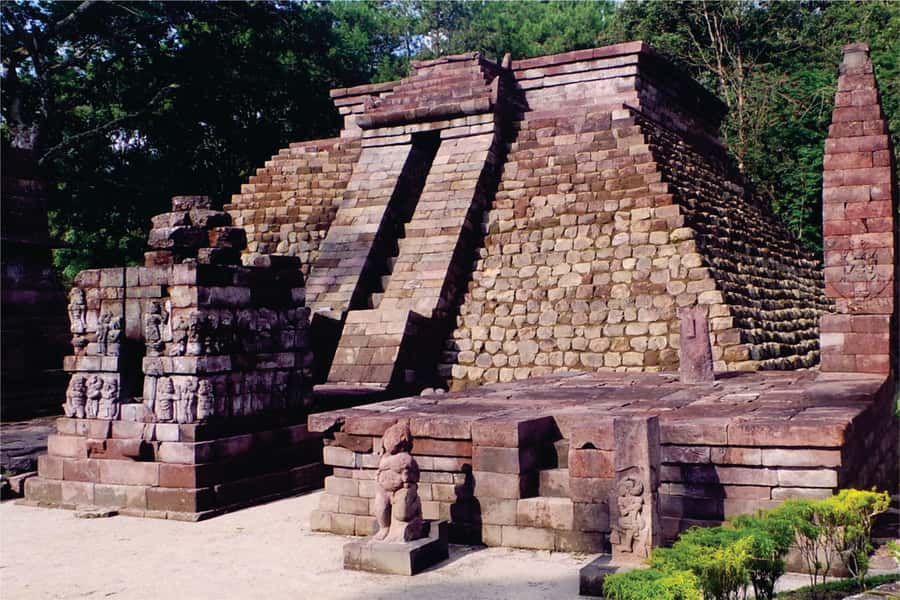
- A two-temple contrast: Cetho’s classic temple setting plus Sukuh’s more controversial reputation
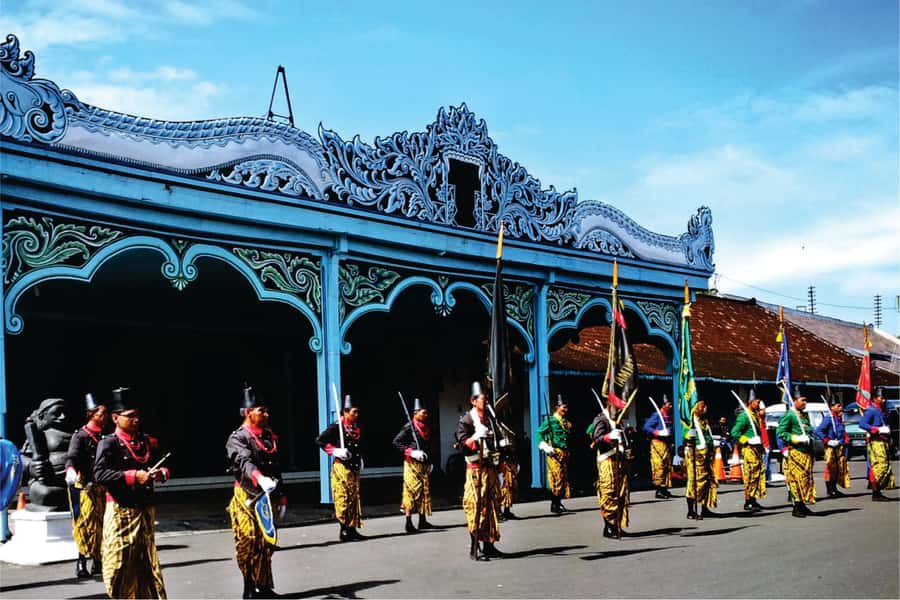
- Solo’s Mangkunegaran Palace time on your terms—stroll or add a local guide
- Batik Museum collections spanning before colonization and about five years after independence in 1950
- Small-group pacing so you’re not lost in a crowd
Getting out of Yogyakarta: the Mount Lawu drive you’ll actually enjoy
This tour starts with pickup from your Yogyakarta accommodation and then turns into a full day of moving—about 105 km total, with roughly three hours heading toward the Cetho and Sukuh temple area. The good part is the drive isn’t just a transfer. As you pass the slope of Mount Lawu, you get consistently impressive views of tea plantations and rice fields spread across hills and mountains.
For me, that matters because you’re not wasting the day in transit. You’re seeing why this part of Central Java is famous for agriculture and elevation. And because the group is limited to 4 participants, the timing tends to feel less rushed than big bus tours.
If you’re prone to motion sickness, take it seriously. One account described the ride as a bit extreme—nothing dramatic is promised, but expect winding mountain roads.
You can also read our reviews of more tours and experiences in Yogyakarta.
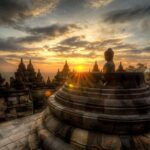

Cetho Temple: the high-altitude stop that sets the tone
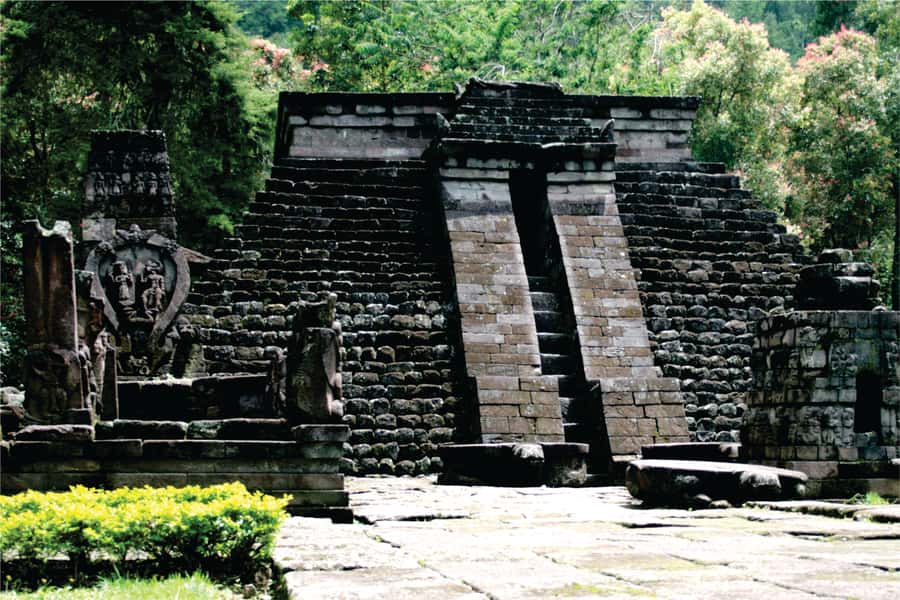
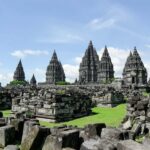
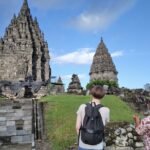
The first temple stop is Cetho Temple, and it’s the kind of place where the setting is part of the experience. You’re in a higher, cooler-feeling area with long sight lines over the surrounding hills. That makes Cetho more than just a quick photo stop; it’s a pause where the environment does some of the storytelling.
Here’s a practical detail that affects how you’ll experience it: your driver-guide provides help for the journey, but they won’t enter the attractions with you. If you want deeper explanation at Cetho, you can hire a local guide on-site. If you don’t, you’ll still get plenty out of walking the grounds slowly and taking in the views, then using what you know to connect the dots.
When you plan your energy, remember this is early in the day. Wear shoes you trust for uneven ground and take your time. With a mountain temple visit, fast steps can turn into sloppy ones.
Sukuh Temple: what to know about the controversial reputation
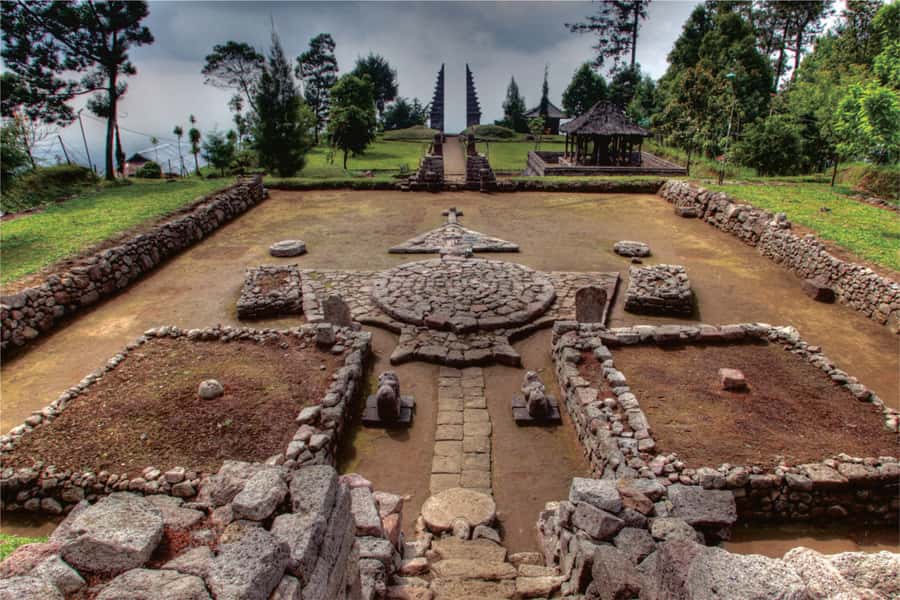
After Cetho, you’ll move to the Sukuh Temple area. Sukuh is often described with a “controversial” label, and that’s not marketing fluff. It’s the kind of site where symbolism is front and center, and the reputation comes from how those symbols have been interpreted over time.
If you’re the type who likes cultural context—how places get their meaning, how Indonesians frame heritage, how outsiders interpret it—you’ll likely enjoy Sukuh more than you expect. If you’re sensitive to the topic, treat it like a museum object: look, read what’s available, and keep your expectations grounded in the fact that you’re encountering an old temple site with a complicated modern conversation attached.
As with Cetho, your driver-guide stays outside the sites. Local guidance is available if you want it. Some days your English-speaking guide might be especially strong on explanations during the ride and afterward—one named guide, Ivan, has been praised for clear English and for following into the temples to explain things. If you have Ivan (or a guide who offers a similar level of help), ask for quick context before you walk in. You’ll get more out of the carvings when you start with the big-picture idea.
Solo’s Mangkunegaran Palace: a royal stop you can do at your own pace
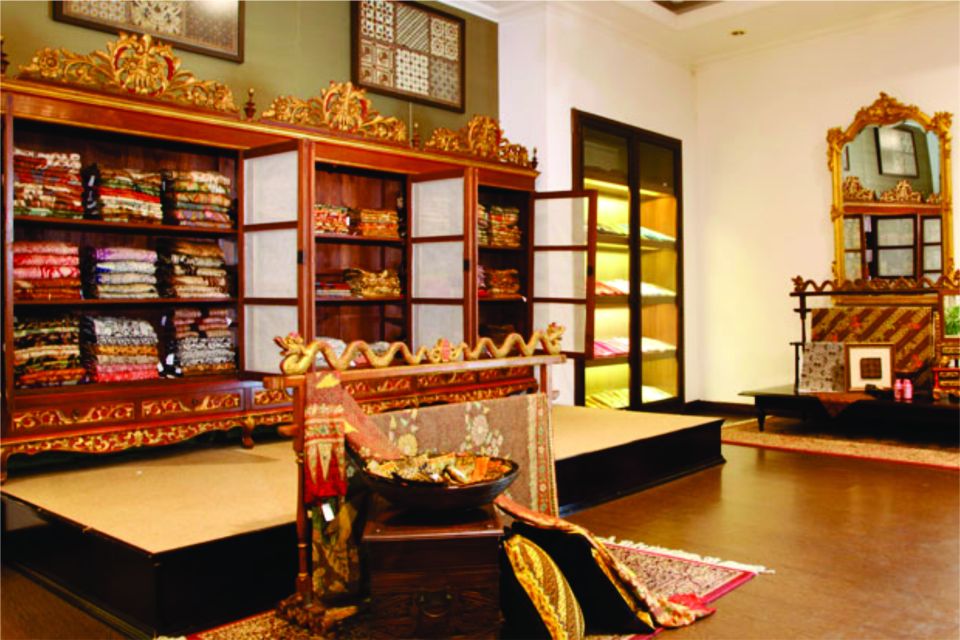
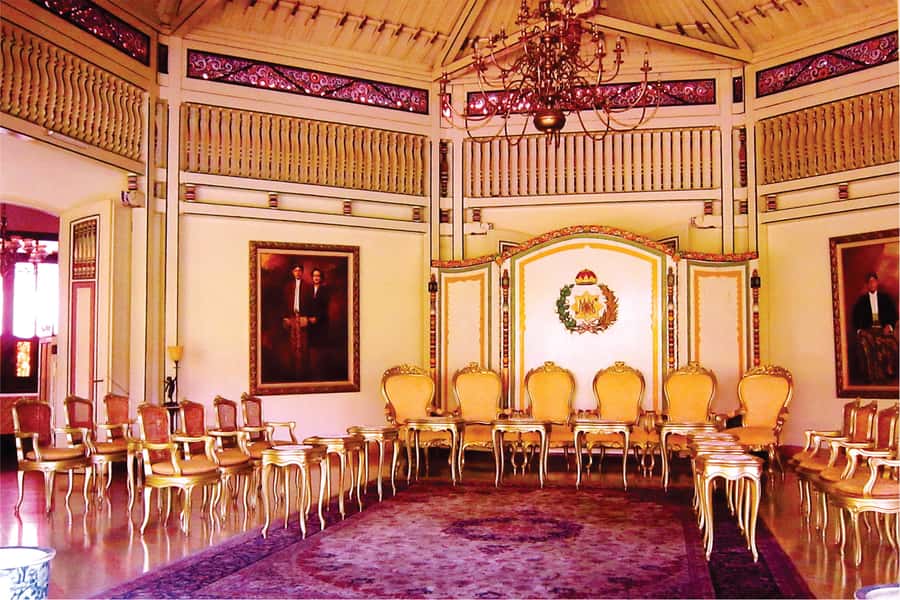
Next you head to Mangkunegaran Palace. The time here is about an hour and a half, which is just right for seeing the main features without feeling like you’re on a timer the whole time.
This is where the day shifts gears from mountain temples to the Javanese princely state feel of Solo. If you like history but hate feeling herded, you’ll probably appreciate the structure: you can explore at your own pace, or you can hire a local guide in Solo to fill in the story.
I like palace visits that let you slow down and notice details—layout, courtyards, and how the buildings relate to daily life. Mangkunegaran’s value for this tour is that it gives you a different lens on Java: not just religious heritage in the hills, but power, culture, and tradition in the city.
One tip from experience with this kind of schedule: don’t overplan after Mangkunegaran. Leave some flexibility for the transition into central Solo, because once you’re in the city, you’ll want time to reset before lunch and museum time.
Solo city time plus lunch: where the day stays human
After Mangkunegaran Palace, you’ll arrive in the heart of Solo City. Solo is known as a sister city to Yogyakarta, so the cultural overlap is real—but the atmosphere is distinctly Solo. You’ll get time to explore, either self-guided or with a local guide.
Then comes lunch in a typical Solo restaurant. Food and drink are not included, so you’ll pay separately. That’s not automatically a bad thing. It often means you can choose what fits you best—vegetarian options, spice level, or just what you’re in the mood for after temples and driving.
If you get hungry early, plan your pacing. When you’re switching from palaces to street-level city time, appetite can hit fast. I recommend having water bought or ready whenever you find a convenient stop.

The Ancient Batik Museum: seeing how batik connects eras
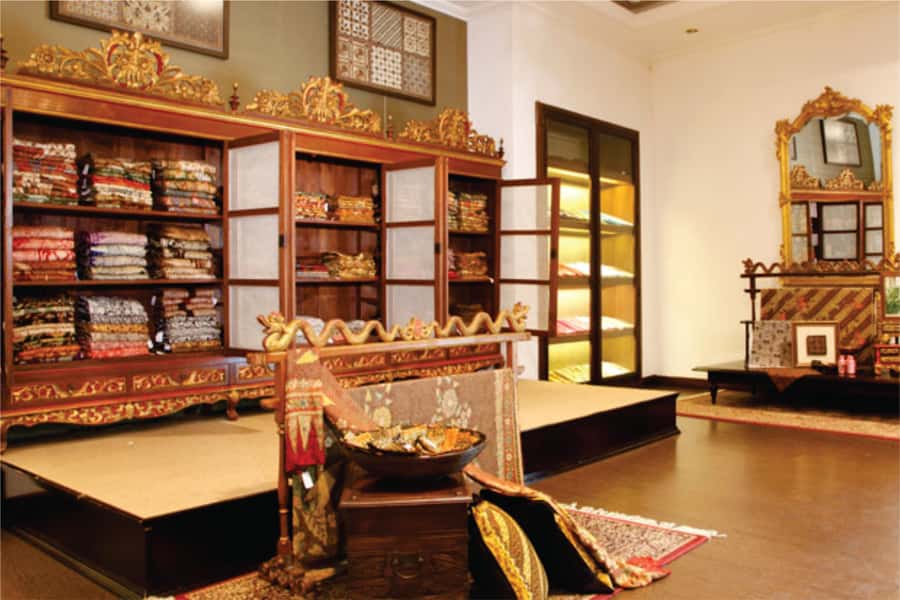
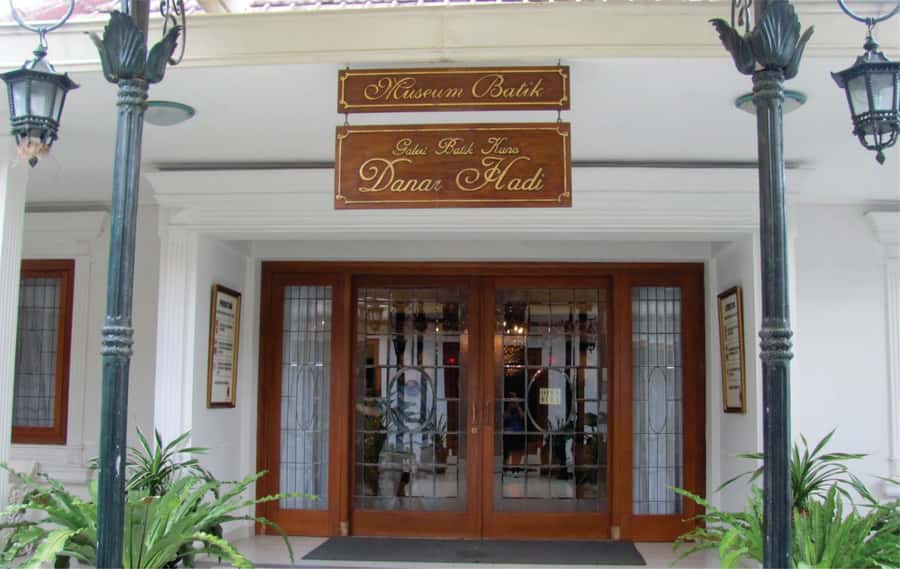
The final culture anchor is the ancient Batik Museum in Solo. This is one of the most meaningful parts of the day because it shifts you from seeing heritage to seeing how heritage is made and preserved.
The museum collections include artifacts from times before colonization and pieces about five years after Indonesian independence in 1950. That time span helps you understand batik as more than a craft for today’s souvenirs. It’s a visual record of change, continuity, and identity.
One strong takeaway from a previous visitor’s experience: batik isn’t always quick to produce. Handmade batik takes time, and that time is part of why prices can feel high compared to mass-market textiles. If you pay attention in the museum, you’ll likely make smarter purchases later because you’ll know what you’re looking at and what goes into it.
Don’t treat the museum as a box-check. Give it the time it needs. Even if you only spend a portion of your energy reading labels, you’ll start to see patterns—literally—between designs, motifs, and what they suggest about the era.
Price and logistics: what your $85 actually buys
At $85 per person for about 10 hours, the value comes from a few specific things that are easy to miss when you only look at the total number.
You’re getting:
- Hotel pickup and drop-off in Yogyakarta
- Entry fees
- A driver as your guide (English-speaking)
- Parking, toll, and donation fees
What’s not included is food and drink. That’s common, but it matters. If you budget for lunch and any snacks, the day stays smooth instead of stressful.
This is also a small group limited to 4 participants. For a route that includes mountain roads and multiple stops, small group size changes the feel. You’re less likely to lose time waiting on big group coordination, and you can usually ask questions without feeling like you’re talking to the back of a bus.
One more practical point: your tour is built around a driver-guide, not a full inside-the-museum staff. Since the driver-guide doesn’t enter attractions with you, you should decide in advance how much you want local guiding. If you want extra explanation, plan to hire it on-site at Cetho, Sukuh, and/or in Solo.
Group size, guides, and the one rule that shapes your whole day
Small group tour quality depends on how the guide handles two moments: the drive and the handoffs.
On the drive, you’ll get road confidence and English communication. In at least some departures, guides such as Ivan and Jaufar have been singled out for being helpful and for speaking strong English. If your driver-guide offers context while you’re on the road, take the opportunity. The Mount Lawu area views make a lot more sense when you understand the region’s setting.
At the attractions, the rule stays the same: the driver-guide doesn’t go inside. Local guides are available if you want more details. This is where you can tailor the day:
- If you’re happy with “walk, look, read,” you can keep it self-guided and rely on what you see.
- If you want interpretation, hire a local guide for the temple(s), then maybe keep the palace or museum partly self-guided to avoid spending all your time listening.
Also, timing matters. You’ll be back at your hotel around 6:00 PM. That means no late-night wandering. I treat this kind of tour like a focused day, then I plan a relaxed evening in Yogyakarta with no big commitments.
Who should book this Solo-and-Temple day trip
This tour is a good fit if you want:
- A single-day way to combine temples, palace culture, and batik
- Mountain-road scenery on the way, not just a straight drive
- A small-group experience with an English-speaking driver-guide
- Flexibility at Solo sites (self-paced or with a local guide)
It might not be your best match if:
- You dislike controversial or symbol-heavy heritage sites
- You’re not comfortable with long time in a car and winding mountain roads
- You need a guide inside every attraction (since your driver-guide won’t enter)
Should you book this Yogyakarta to Solo Temple-and-Batik trip?
If you’re excited by temple architecture, curious about how culture shifts from rural highlands to city palaces, and you want a batik museum visit that connects designs to real historical periods, I think this is an easy yes. The day is built for value: entry fees are included, the group is small, and Solo’s batik museum is the kind of stop that rewards your time instead of just being decorative.
Book it if you can handle the road and you’re willing to hire a local guide when you want extra context. Skip it if you want a low-effort, fully guided walk-through from start to finish. For the right mood, this is one of those Central Java days that feels like more than the sum of its stops.
FAQ
How long is the tour from Yogyakarta?
The experience runs for about 10 hours.
What’s included in the price?
Hotel pickup and drop-off in Yogyakarta, entry fees, an English driver-guide, and parking, toll, and donation fees are included.
Is food and drink included?
No. Lunch is mentioned as part of the day, but food and drink are not included, so you’ll pay for meals separately.
Are you visiting Cetho Temple and Sukuh Temple?
Yes. The day includes visits to Cetho and Sukuh temples.
Will the driver-guide enter the attractions with me?
No. The driver-guide will not enter the attractions with you. You can hire a local guide at the sites if you want.
How far do you travel during the tour?
You’re looking at about a 105 km journey.
What time will I return to my hotel in Yogyakarta?
You’ll return to your accommodation in Yogyakarta at approximately 6:00 PM.